About Commercial Roofers of Brooklyn
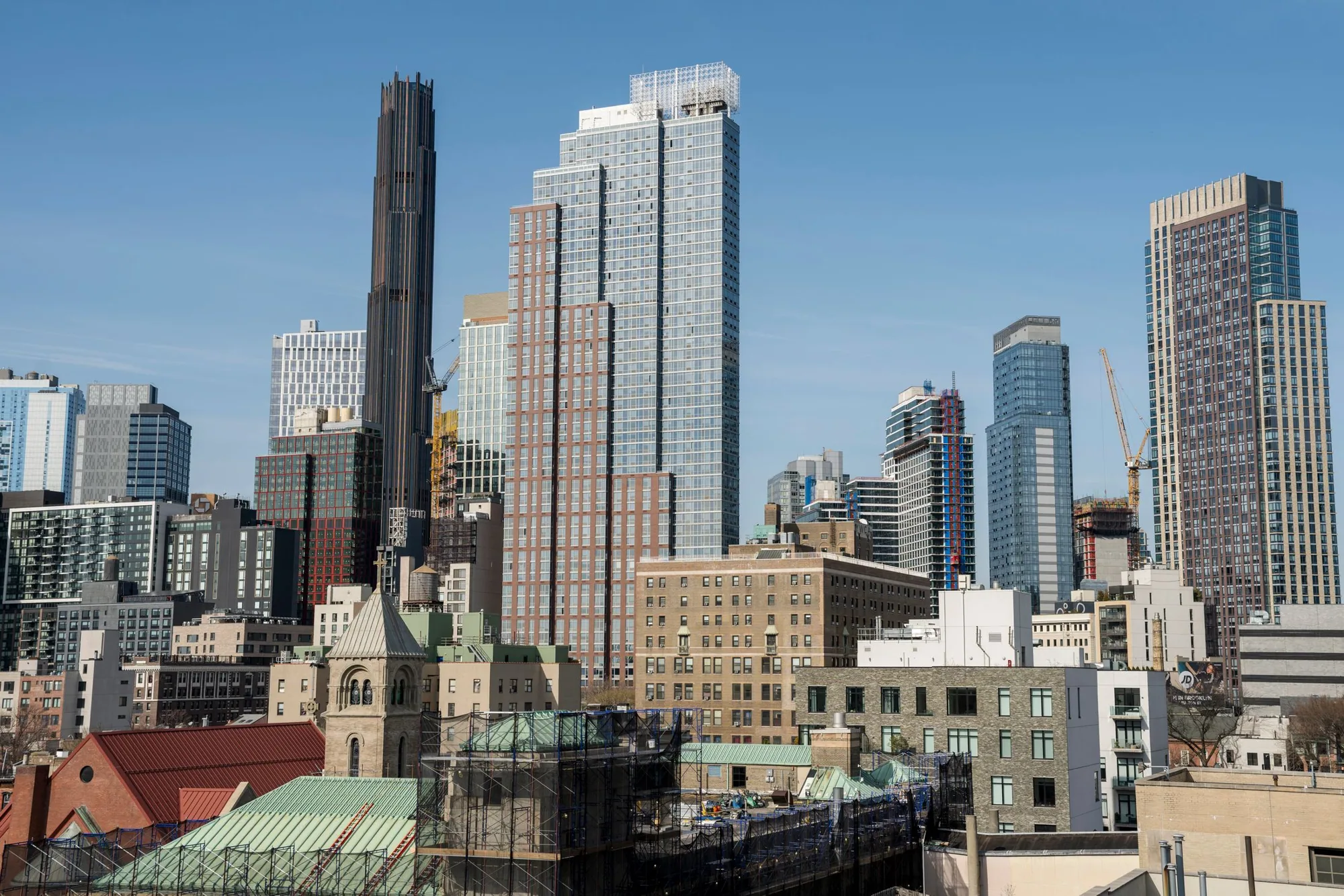
Walk to the low corner of a Brooklyn flat roof and look at where the water goes. Reading the outlet before the field is how Commercial Roofers of Brooklyn works. We are a commercial roofing contractor serving Brooklyn, NY, with crews who repair, replace, recover, coat, inspect and maintain flat, low-slope and metal roofs over lofts, warehouses, rowhouse blocks with shops on the ground floor, apartment buildings, schools, hospitals and factories. The membrane list runs from TPO, PVC, EPDM and KEE through modified bitumen and built-up, standing seam and retrofit metal, to spray foam and silicone and acrylic coatings. Around that sits the diagnostic side: hands-on walks, drone and infrared moisture surveys, photographed condition reports, preventive maintenance and insurance claim documentation. The phone is answered at any hour on any day of the year, because a lifted edge on a Sunday night will not wait for Monday morning.
Which buildings and owners we serve
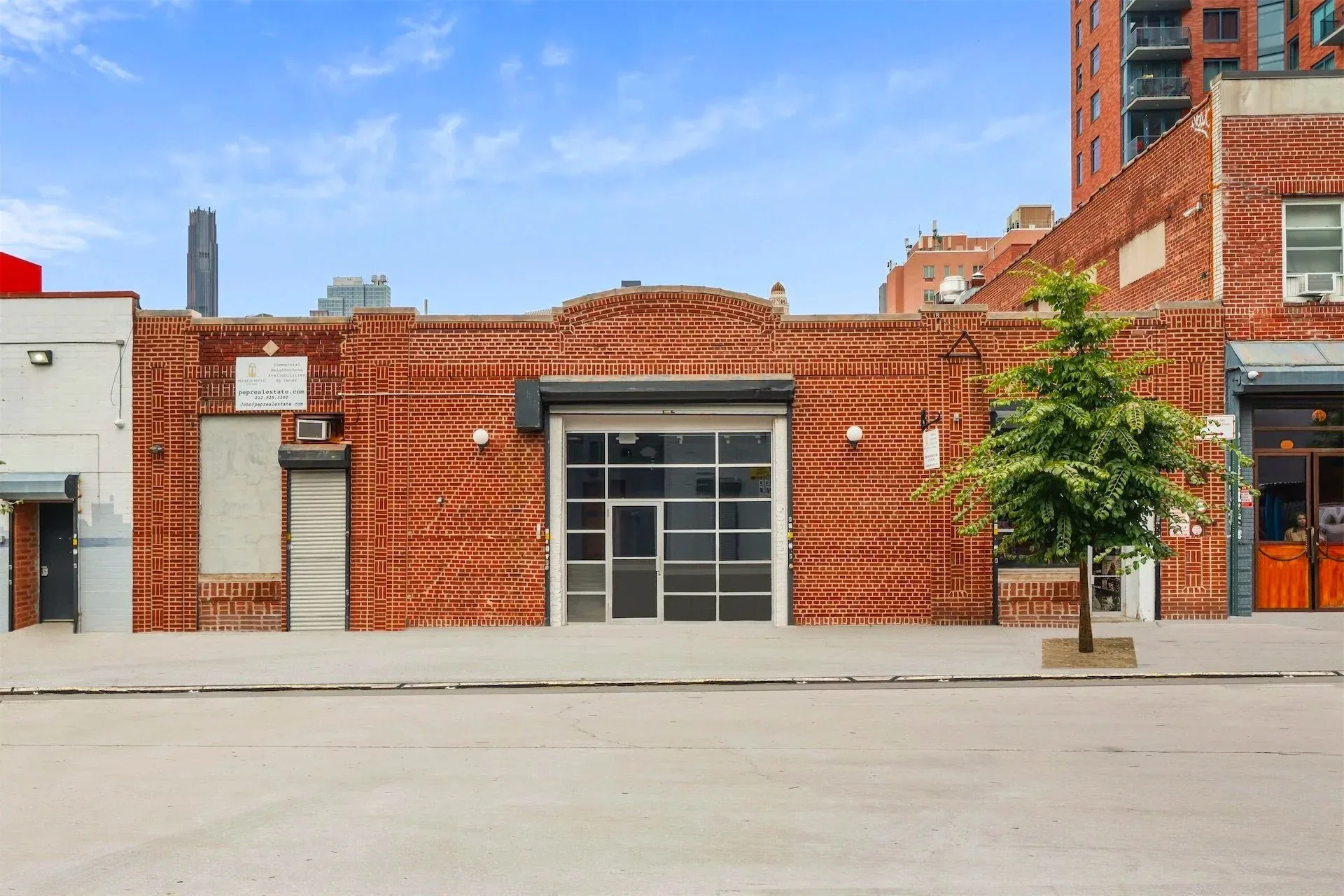
Brooklyn roofs run from heavy to humble. Bush Terminal, built in stages from 1911 to 1926, and Brooklyn Army Terminal, renovated for manufacturing in the 1980s, give Sunset Park its big industrial roofs. The DUMBO Industrial District holds some of the earliest large reinforced-concrete factories in America. Across the borough, brownstone and brick rowhouse blocks carry small flat roofs over commercial ground floors, and those roofs need a lighter hand and a different detail set than a warehouse deck.
The people who hire us are just as mixed: property managers, investors, hospital systems, school districts, restaurant and retail operators, logistics tenants and general contractors. Each reads a roof for a different reason, so the written report changes shape. A manager gets a ranked punch list to hand upward. A lender gets a condition rating and a remaining-life range. A contractor gets a sequence with its access needs spelled out.
Working around tenants and operations
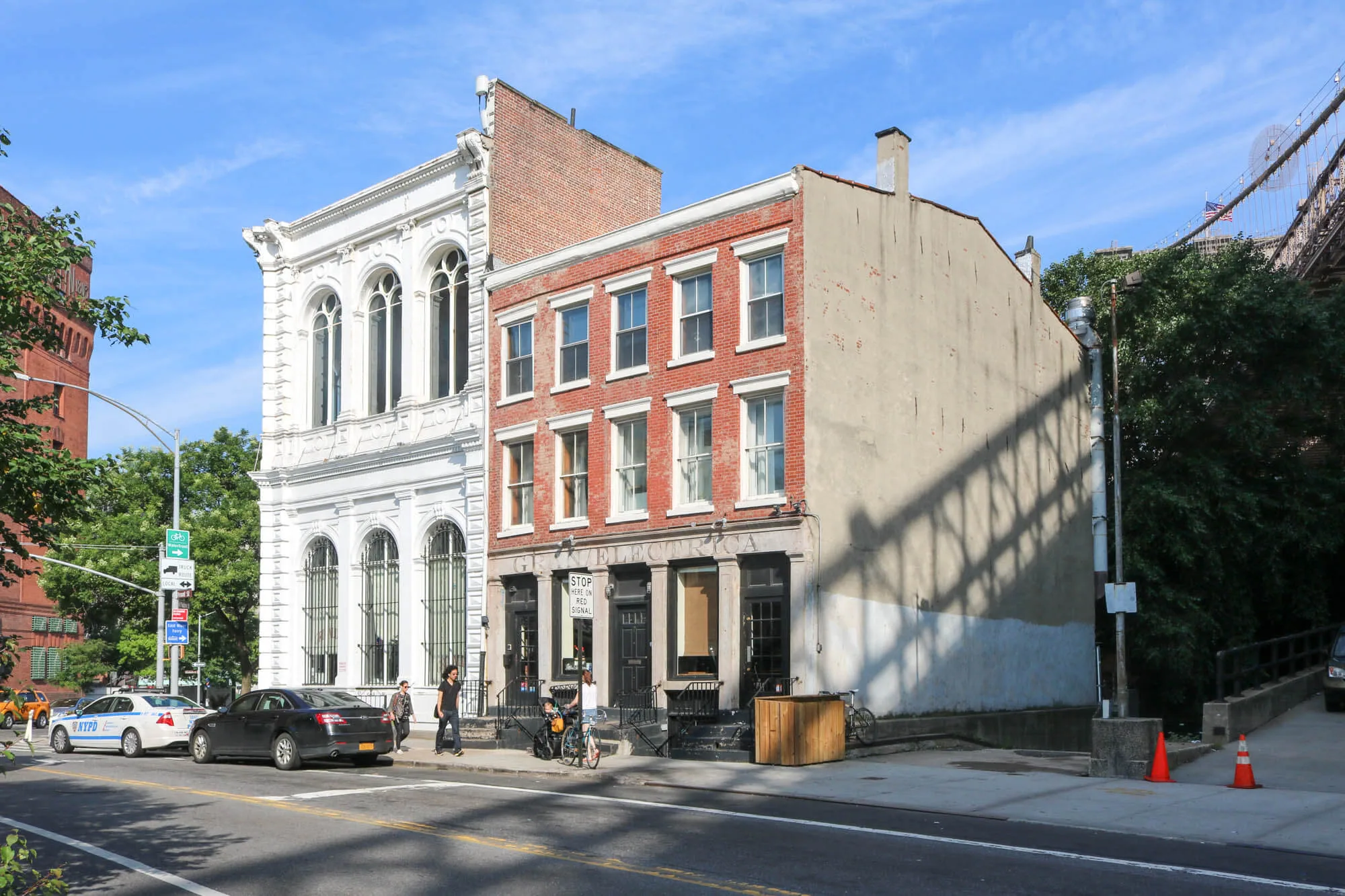
Most Brooklyn jobs happen over people. Tenants are working, patients are being seen, children are in the building next door, and a restaurant exhaust fan is running under the crew. We stage from the sidewalk where the block allows it, guard entrances, keep loud and smelly steps to agreed hours and leave the roof watertight at the end of every shift. Fumes stay away from air intakes. Around a hospital, the facility team sets the noise and infection-control limits. At a school, the heavy work waits for summer.
The streets add their own limits. Blocks are narrow, loading zones are rare, cranes need permits and a neighbor may share your parapet. We settle the hoist, the delivery route and the staging spot before day one, and the people who will hear the work are told in advance.
How a first walk goes
Nobody goes up with a price already in mind. The first visit is on foot and it starts at the drains. We lift the baskets, pour water into the bowl and time how long the roof takes to let it go. Then the field gets a slow pass with a probe, pressing along laps and seams, and the parapet, coping joints and cornice returns get a close look with a camera. Every penetration, hatch curb and pitch pan is photographed and tagged on a sketch of the roof. A photograph holds up in a board meeting where memory does not.
Large roofs, and roofs where the insulation may be wet, also get an infrared moisture survey at dusk, when wet material holds its heat longer than dry. A drone reaches high edges and sections that are unsafe to walk. Where the scan shows trouble, we cut a core, so the owner can see the layers and the water with their own eyes.
Only after that do we write the scope. It sorts the roof into three groups: fix now, watch, and plan for. Each line carries a photograph, a spot on the plan and the cost driver behind it. Work starts when the owner picks from the list, not before.
What we do after the walk
A roof earns a bigger job only after the small one has been ruled out. A leak that traces to a cracked boot, a split seam or a failed flashing is a repair, and a good repair ends the problem. When the roof is past that point, three roads remain, and the core sample picks among them. A recover puts a new membrane over a dry, sound base. A coating extends the life of a membrane that is still bonded and dry. A replacement strips the roof to the deck.
Wet insulation changes the answer. A coating or a recover laid over it traps the water, and the scope says so plainly. A dry, bonded roof, on the other hand, should not be torn off just because it is old. Cost follows access, penetrations, deck condition and permits far more than it follows the choice between two sound membranes, so those items are priced line by line.