
Roof Systems
Commercial roof systems in Brooklyn, NY: TPO, PVC, EPDM, KEE, modified bitumen, built-up, metal, spray foam and coating systems for flat and low-slope roofs.
Cut a clean core out of an old Brooklyn, NY roof and the layers say what the building has been through: gravel, bitumen, felts, a second membrane laid over the first, then insulation and the deck. That core, not a brochure, narrows the choice of a new system. Weight on an old loft deck, the number of penetrations, the height of the parapet and the way water leaves the roof all matter more than the color of the membrane.
Explore Roof Systems
Single-ply membranes
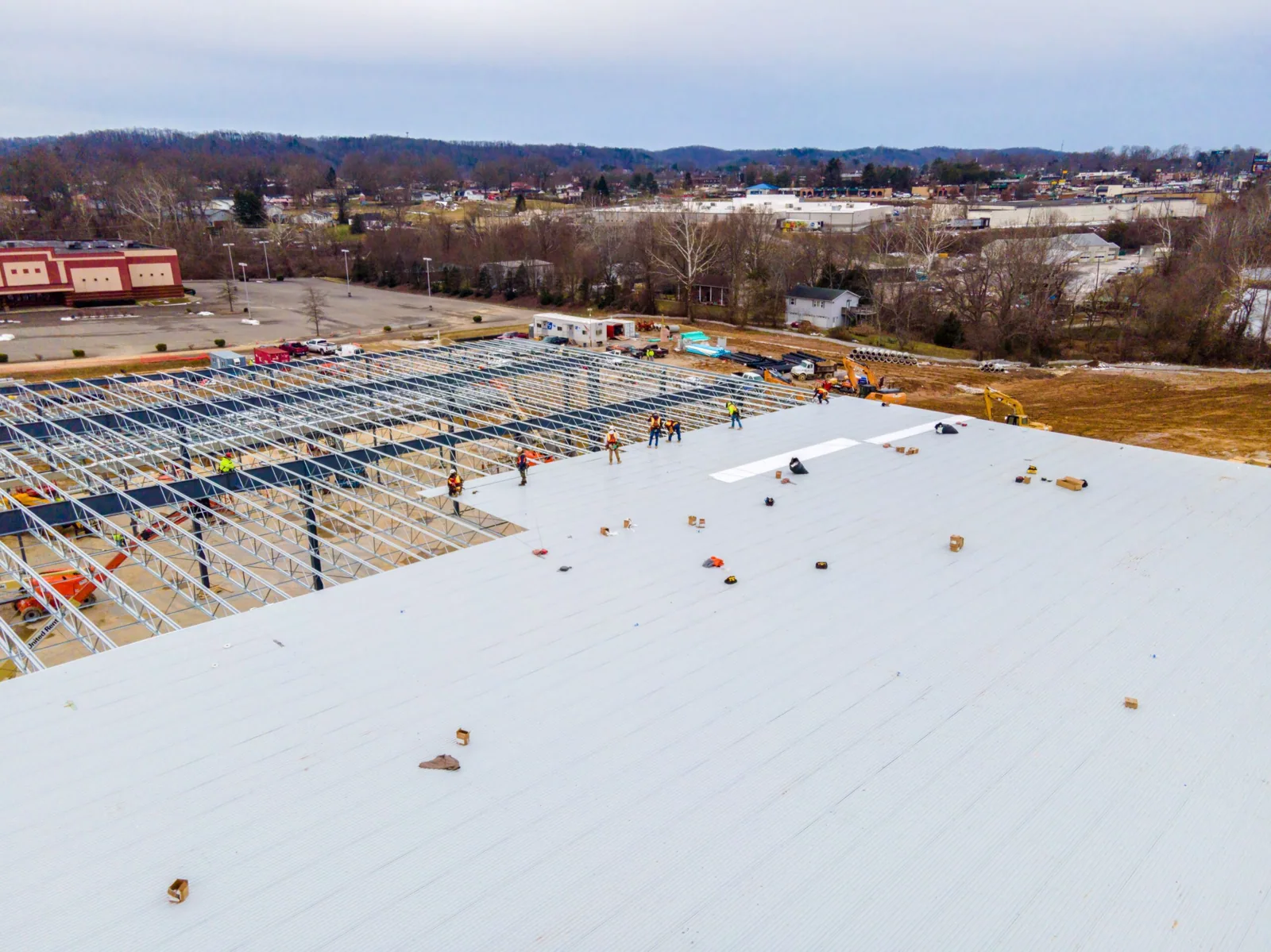
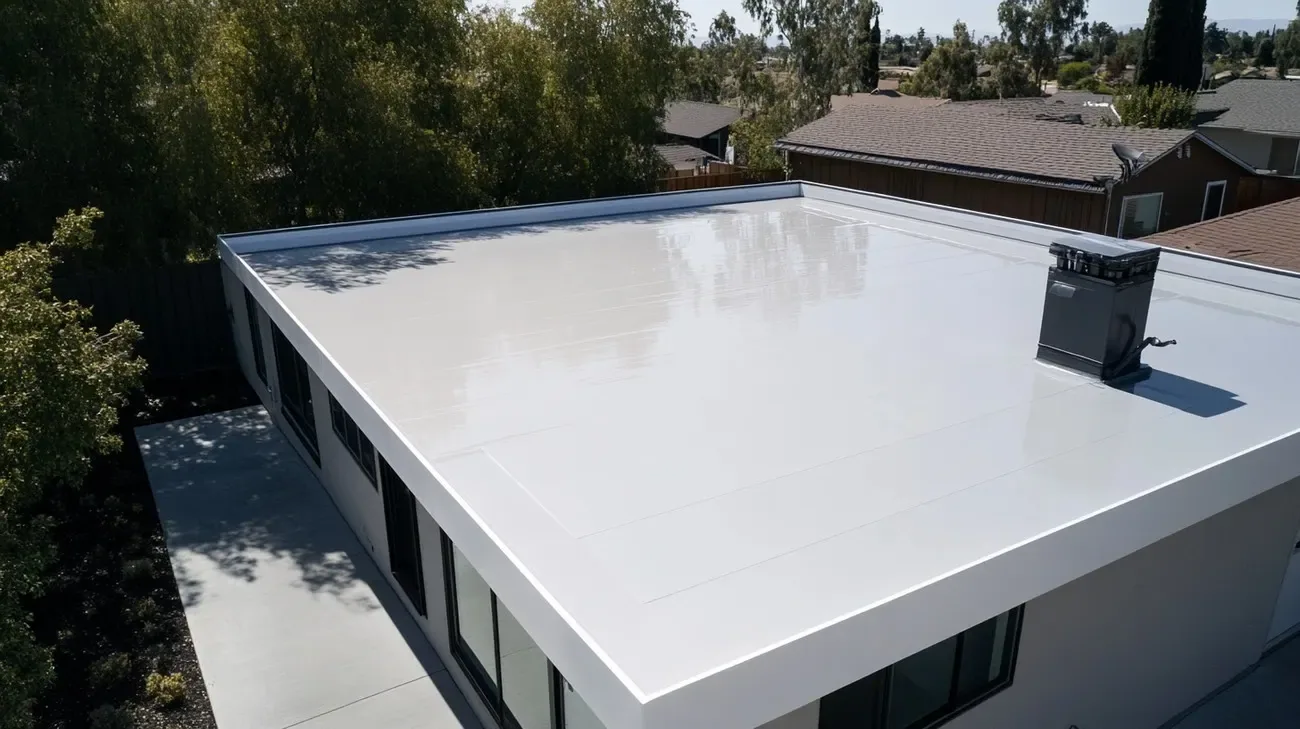
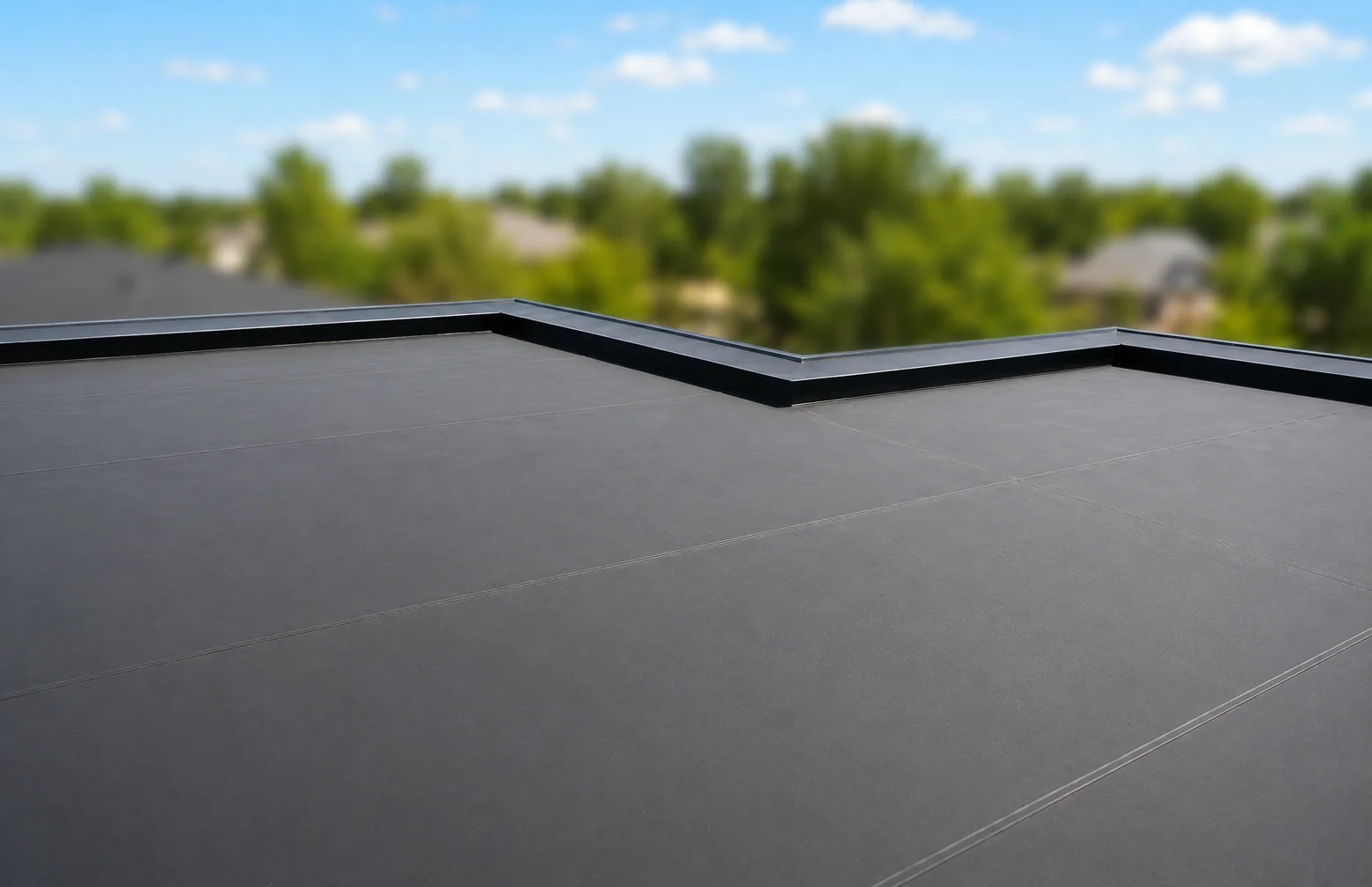
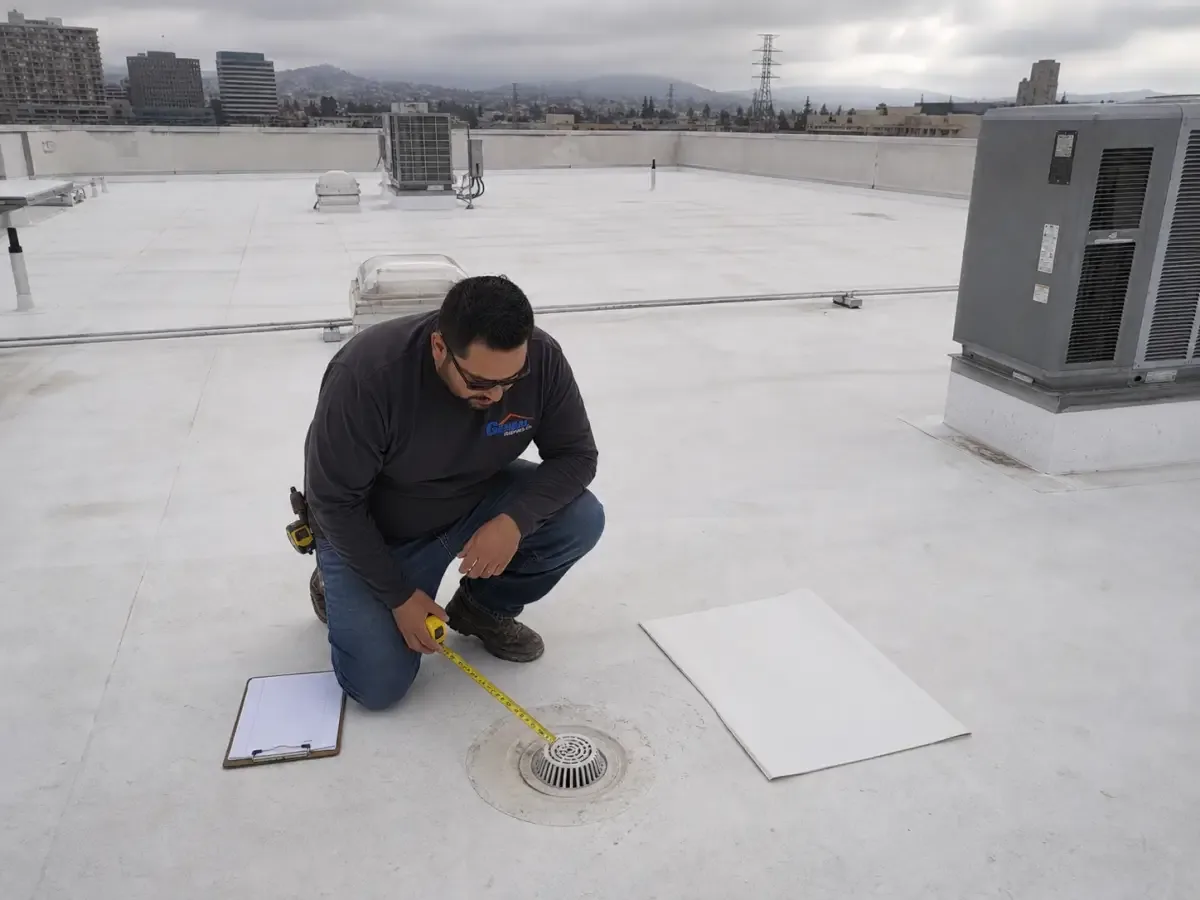
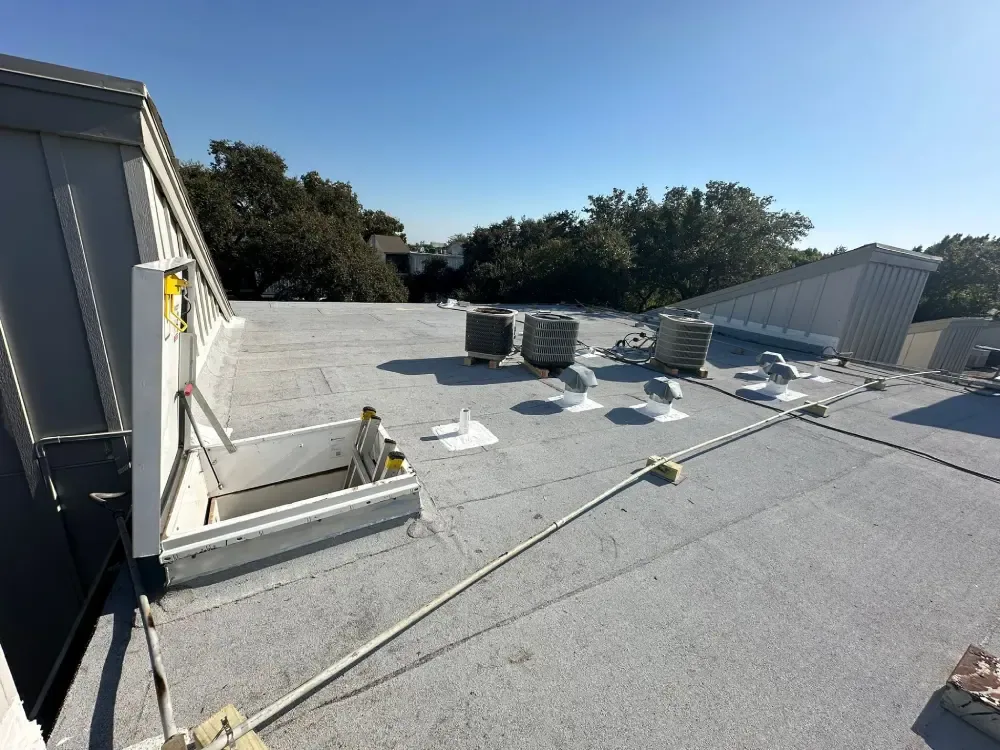
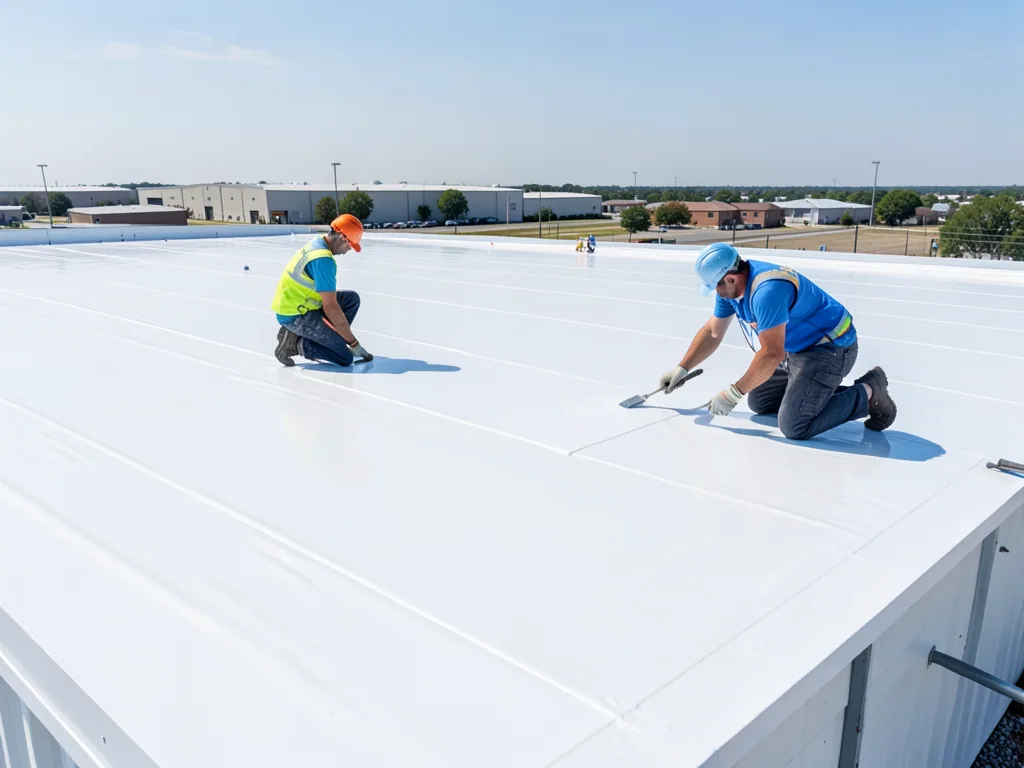
TPO and PVC seams are welded, and both are common on flat roofs with many penetrations. PVC fits near kitchen exhaust, since it resists grease. EPDM is a rubber sheet that copes with movement and cold, and KEE is a PVC-family sheet with a modifier for roofs exposed to grease and chemicals. Each is chosen by what sits on the roof and what lands on it.
Layered and built-up roofs
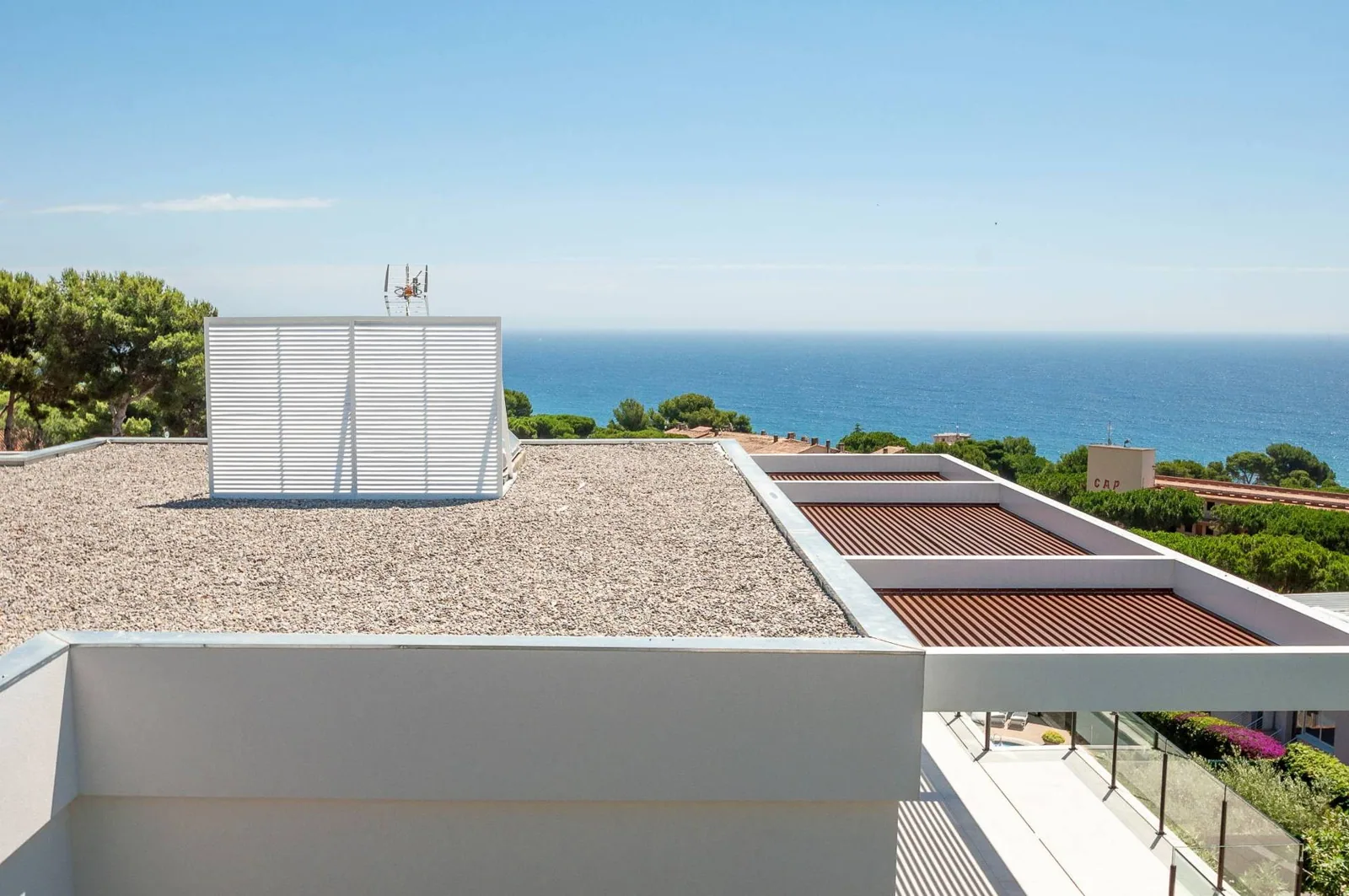
Brooklyn's mill and loft roofs often began as tar and gravel, and many owners want to stay with something similar. Built-up roofing stacks felts and bitumen in layers; modified bitumen uses polymer-reinforced sheets that are torched, mopped or self-adhered. Foot traffic and heavy equipment suit either one.
Metal and foam
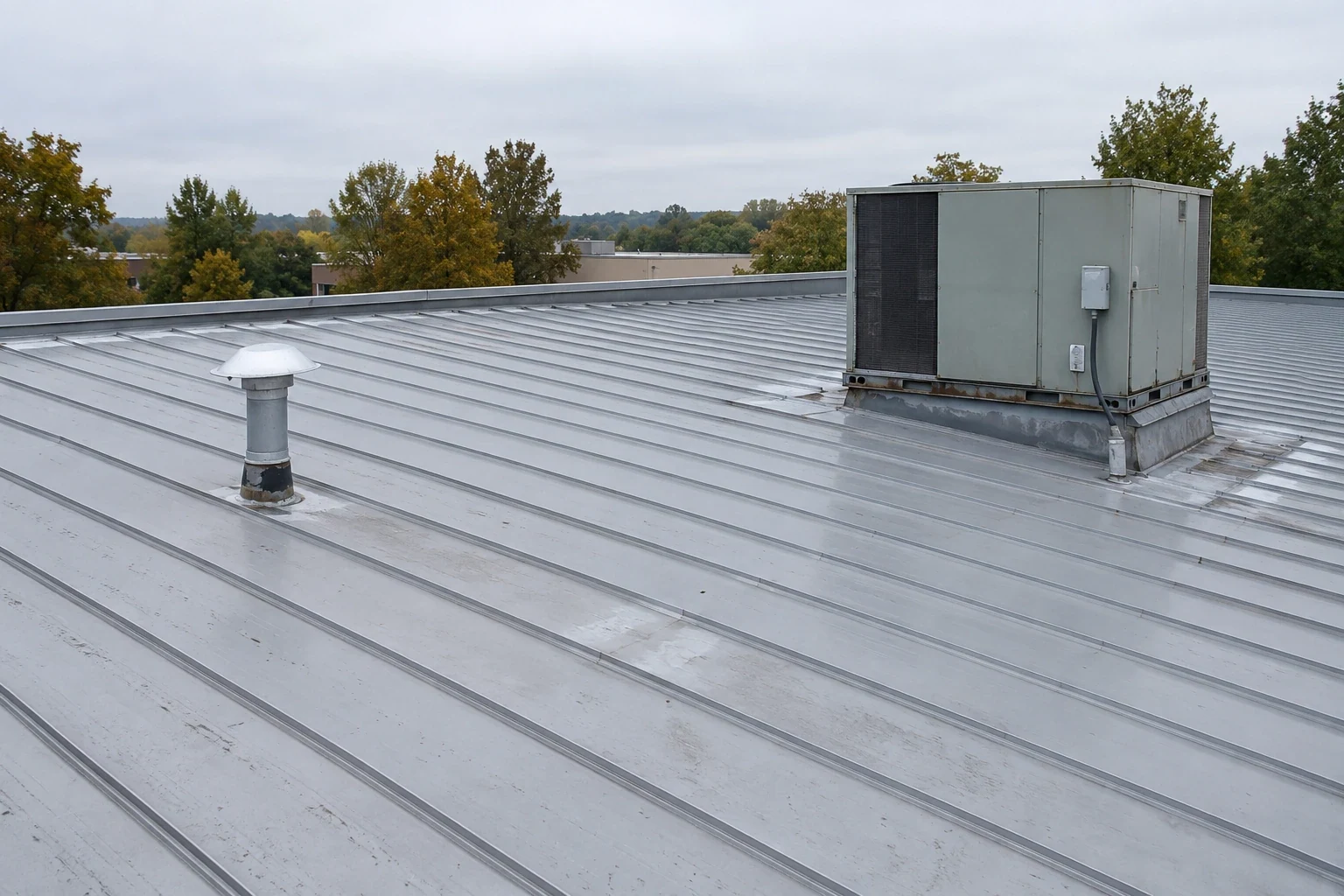
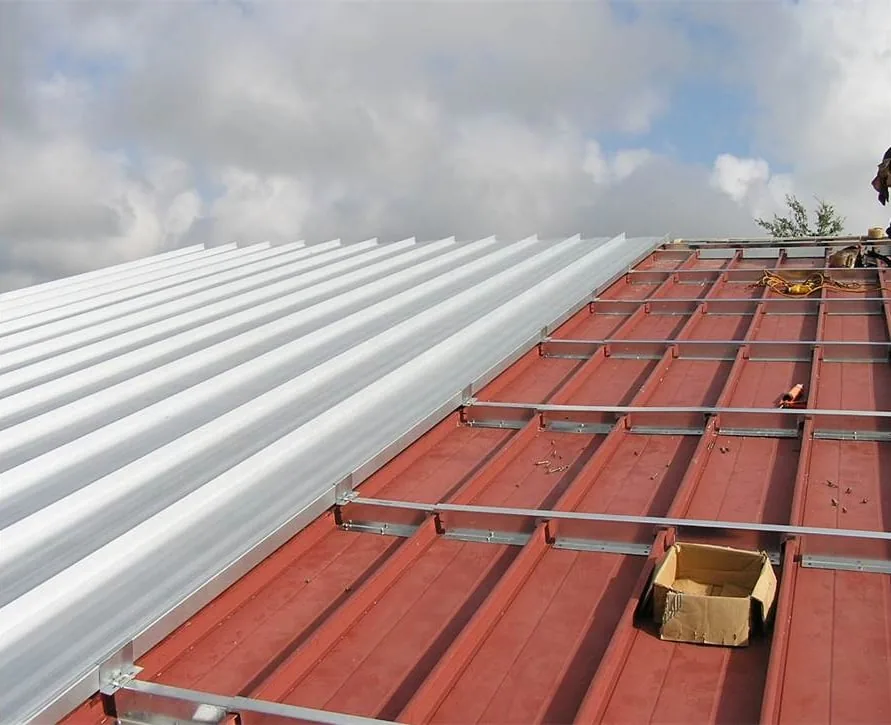
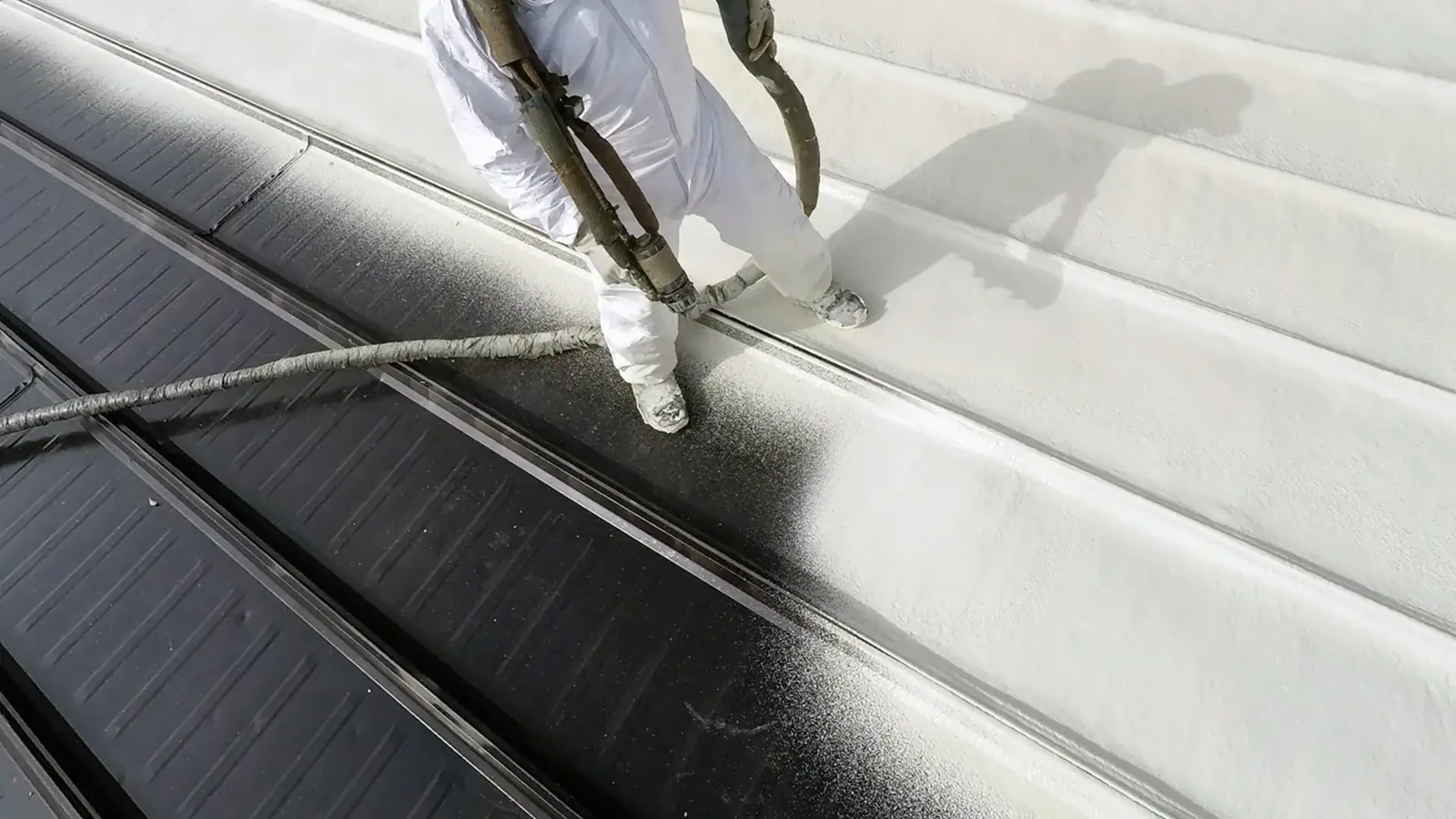
Standing seam metal suits sloped sections and shed or monitor roofs. In a metal retrofit, new panels go over an existing roof wherever the structure can carry them. Spray polyurethane foam builds slope as it cures and seals around odd shapes, then takes a protective coating.
Coatings that extend a roof
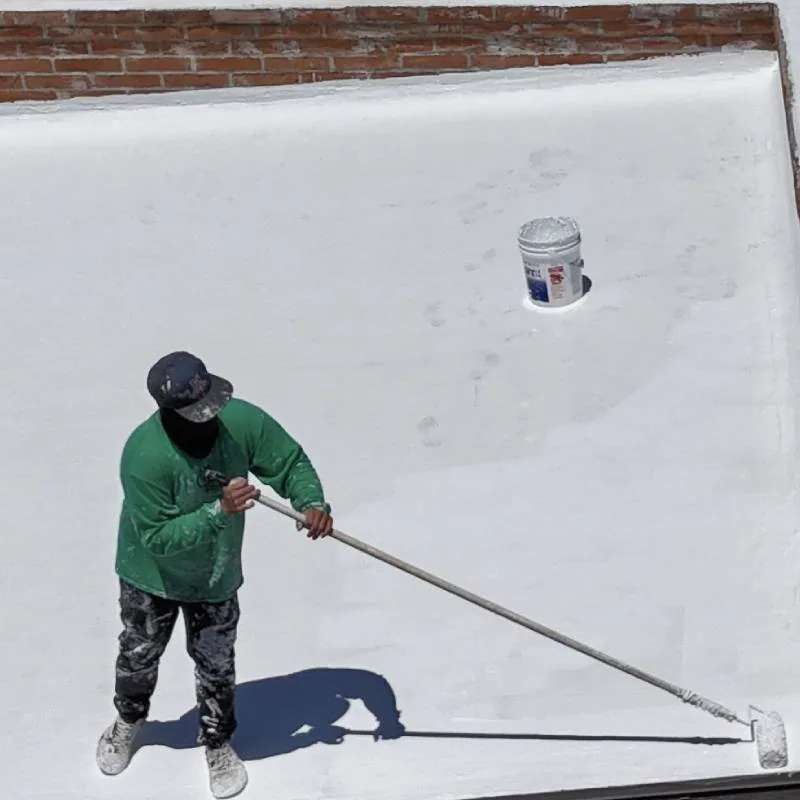
A silicone coating sheds ponded water and resists sun. An acrylic coating is lighter and easier to apply on a roof that drains well. Neither belongs on a wet roof or a loose one, which is why the moisture scan comes before the coating. A strong urban heat island and a July mean high near 85 degrees make a reflective surface worth considering.
Commercial Roofing Questions
How is a system chosen for an old loft building?
We start with a core cut and a deck check. Weight limits, the number of existing layers and the parapet height narrow the field, and then we compare two or three systems on cost, life and how they handle the equipment on the roof.
Which system handles standing water best?
No system enjoys it, though welded single-ply and silicone coating stand up to it best. The first step is to correct the slope, using tapered insulation or a reset drain.
Does the weather in Brooklyn change the choice?
It does. About 30 inches of snow a year, freeze-thaw swings, a hot summer and cloudbursts like Ida's all favor systems that handle movement, drain well and shed heat.
Can a new system go over the old one?
Sometimes. A recover works over a dry, sound base with a deck that can carry the added weight. We cut cores and scan for moisture before we propose it.