Manufacturing Plant Roofing in Brooklyn, NY
Look at a factory roof near an exhaust stack and the membrane tells you what the plant makes before anyone does. A white sheet gone yellow in a ragged ring, a patch of blistered coating, a crust of residue around a vent: each is a record of what has been leaving the building through the roof. A manufacturing plant asks more of its roof than a storage building does, because hot air, fumes and vibration work on it every shift. Our walk begins at the stacks and works outward.
What the stacks leave behind
Process exhaust damages a roof in three ways. Heat softens a thermoplastic sheet and makes it creep away from its fasteners. Chemical vapor attacks seams, sealants and the surface of some membranes. Condensate drips from ductwork and sits in the same spot for months. We note every discharge point, ask what is vented through it, and match the membrane to that answer instead of assuming a standard white sheet will cope.
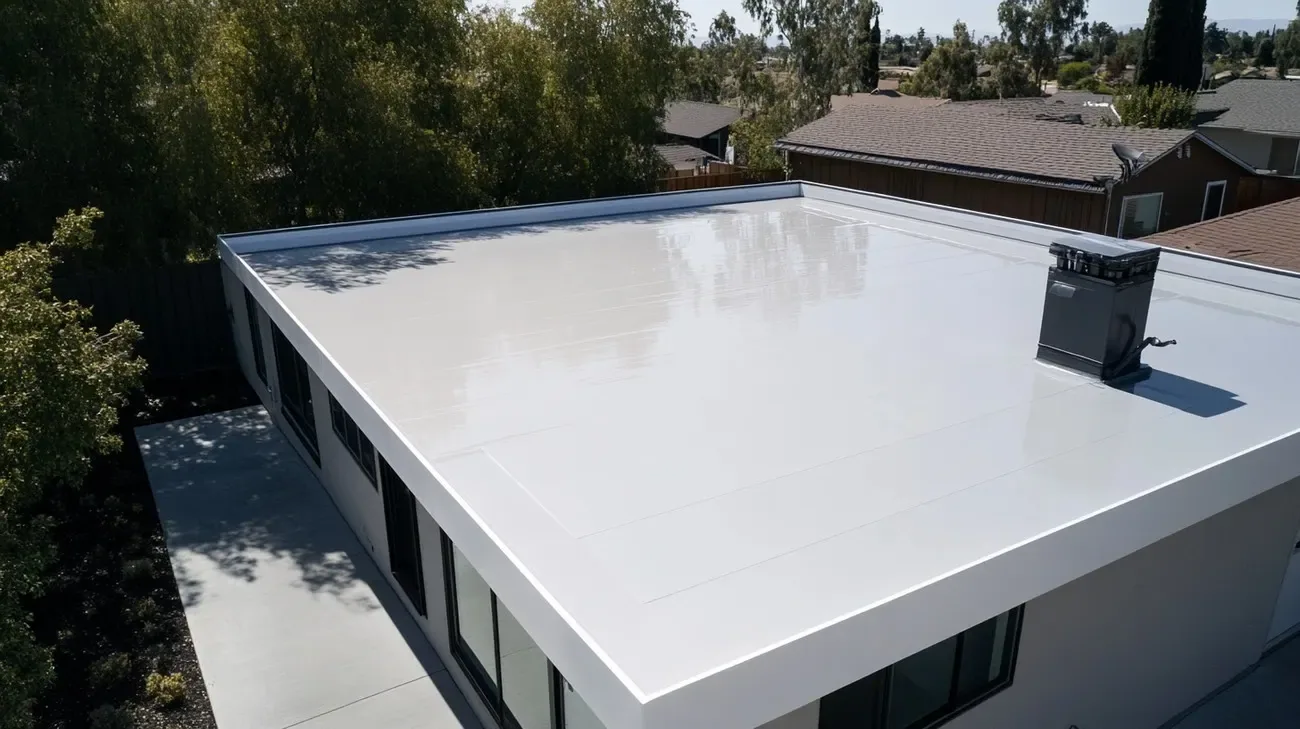
Where fumes are aggressive, a PVC sheet or a fully adhered system with welded seams often performs better than a mechanically attached single-ply with exposed laps. The PVC roof resists many chemicals, though we still confirm with the plant's safety data before specifying anything.
Heat from below and above
Inside a plant, the roof deck can run warm all year from furnaces, ovens or drying lines. Warm insulation sheds snow unevenly, and meltwater refreezes at the cold parapet and drains. Roof edges suffer most from the freeze-thaw swing that follows snow near 30 inches a year. A roof already warm from below gets little relief when a strong heat island lifts July highs near 85 degrees.
For those buildings we like reflective membranes, a vented-edge detail where the deck allows it and drains with heat-tolerant bowls. We also check that insulation thickness actually matches the interior temperature, because condensation in the roof layers is a quiet cause of rot.
Factory floors and old industrial blocks
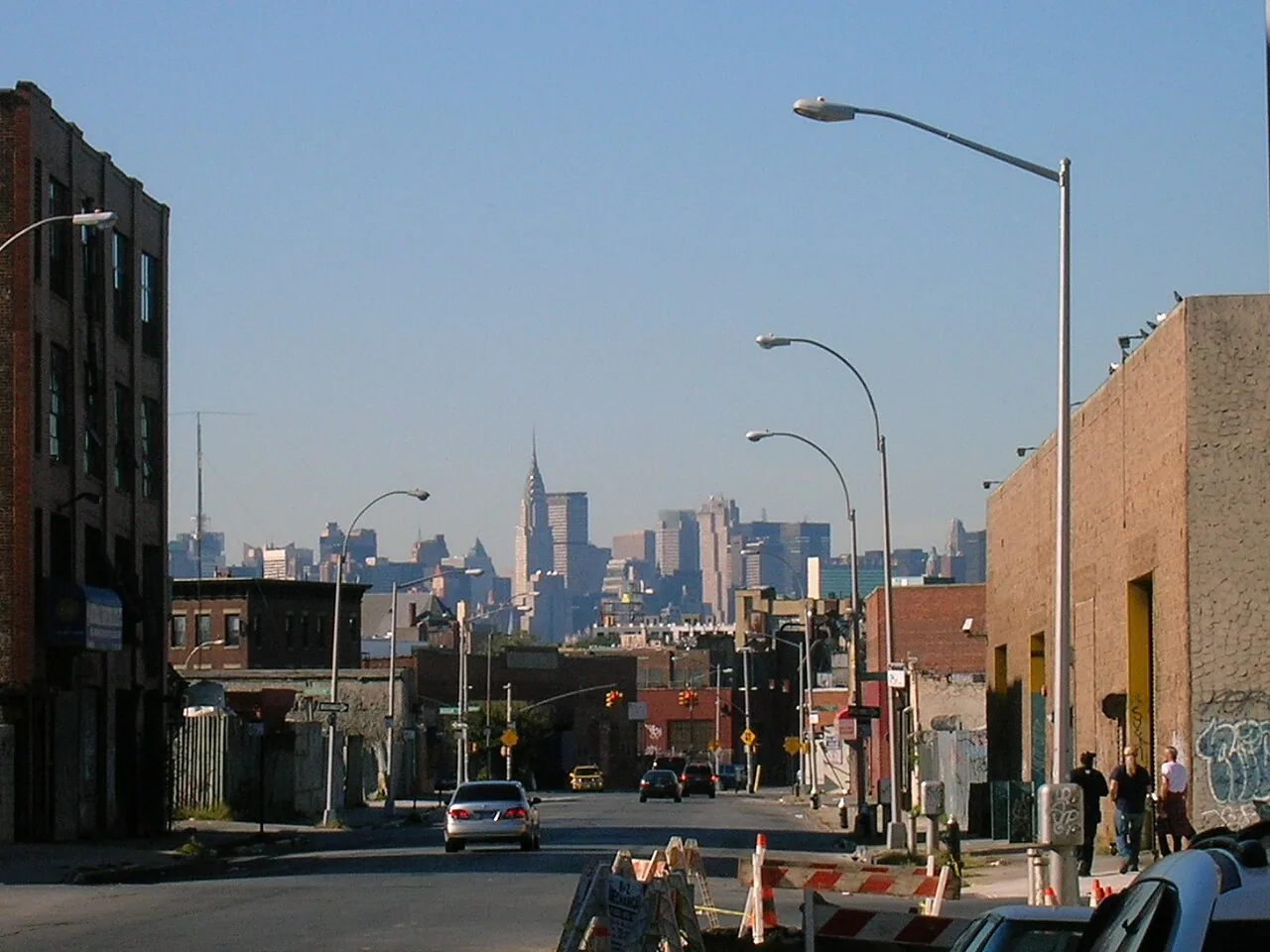
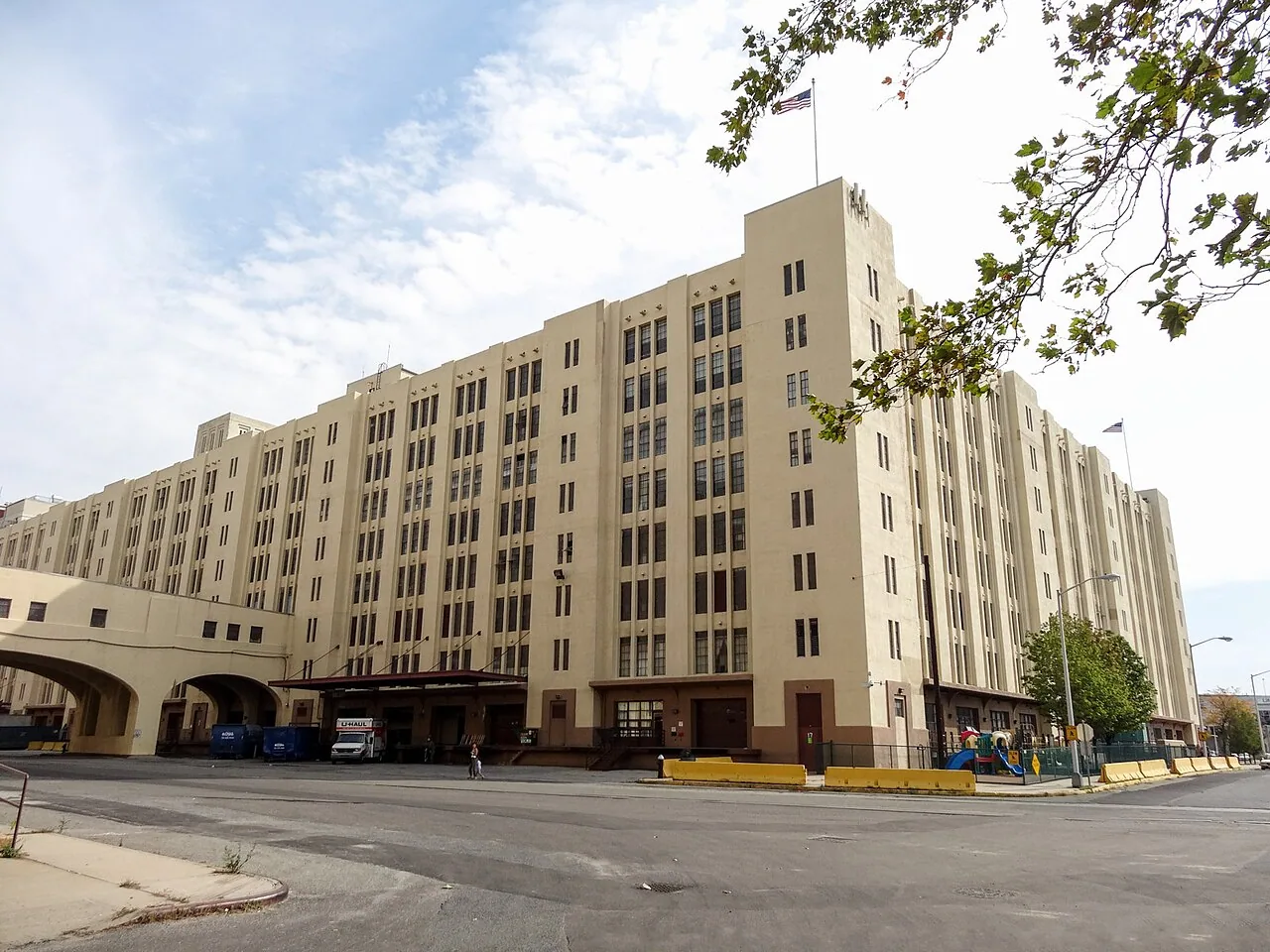
Between 58th and 65th Streets in Sunset Park, Brooklyn Army Terminal was renovated for manufacturing, with its first industrial tenants signing leases in 1987. The Brooklyn Navy Yard, 225 acres of industrial and commercial space run by the city, sits alongside the East Williamsburg Industrial Park, where factories, warehouses and lofts mix between Flushing Avenue and Newtown Creek. A manufacturer in any of them expects the building to keep working while the roof is handled, so the roof plan begins with the production schedule.
Where early reinforced-concrete factory buildings stand, as they do in Dumbo, a concrete deck behaves differently from steel decking, and the fastening and the vapor retarder are adjusted to suit. In East Williamsburg, factories sit among some residential housing, so noise, fumes and hoisting all have neighbors to consider.
Working around production
A plant that runs two shifts cannot hand us a quiet building on a Tuesday. We ask for the production calendar, the planned maintenance weekends and the hours when noise or dust would harm quality control. Heavy tear-off is fitted into those windows, and hot work is held to times when no sensitive process sits directly below.
Where the product is vulnerable to dust, we use a vacuum tear-off or protective sheeting under the deck openings. Where a line cannot be stopped, we phase the roof so that the area above that line is last, and we keep a crew on site to close any opening instantly if rain moves in. The same occupied building approach applies anywhere people are working below.
If the plant shares a roof with storage bays, the warehouse side of the building usually has a different failure pattern, with fewer penetrations and more field area, and we write the scope in two parts so the production side gets the tougher detailing.
Drains, leaders and loading
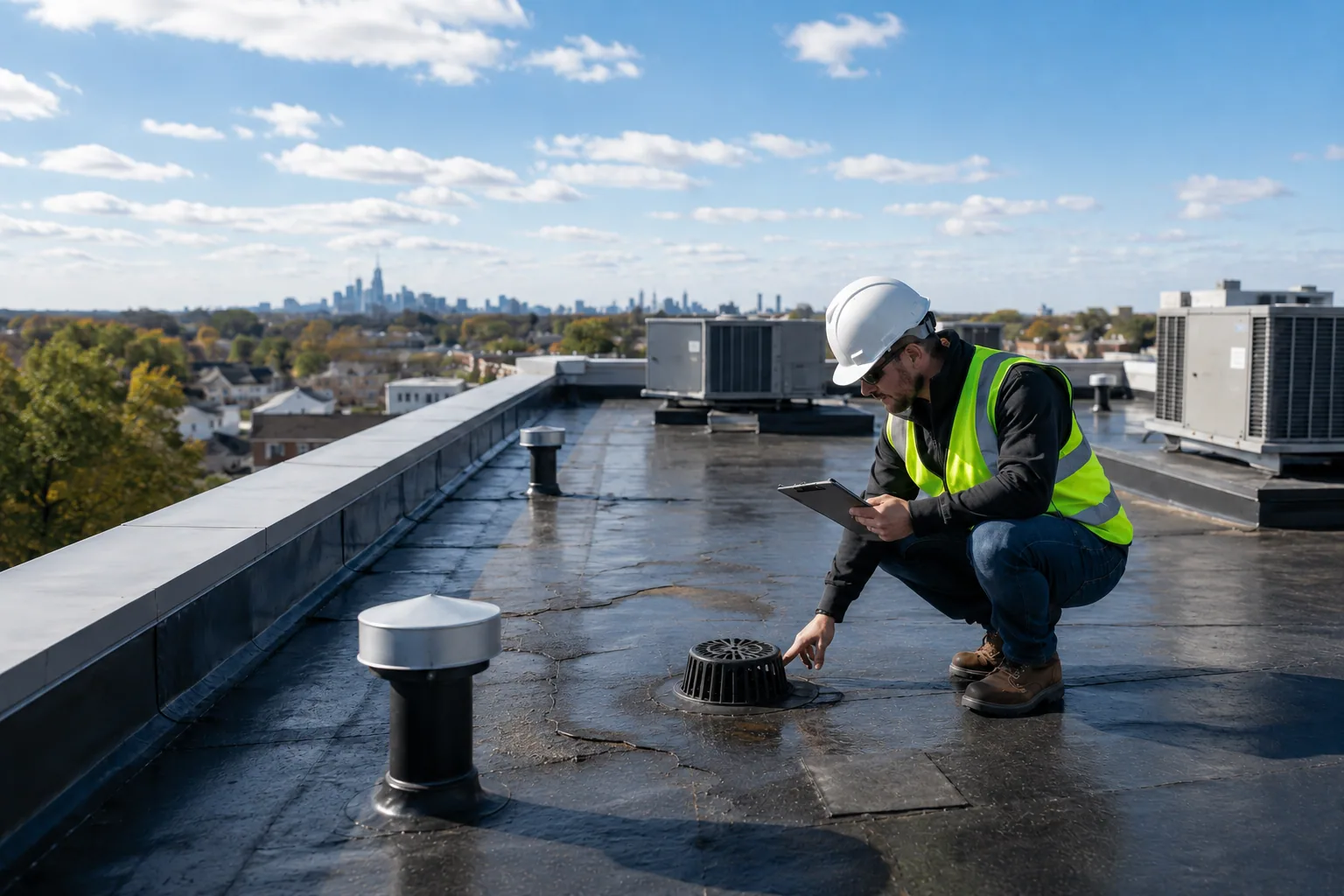
A roof that carries cooling towers, tanks or heavy mechanical gear needs its structure checked before a new layer goes on. We confirm the deck can take the added weight of a recover, and we look at where the equipment's own water goes. A condensate line that empties onto the membrane wears a hole in a season. We redirect it to a drain or a splash block with a walkway pad, and we mark the route on the as-built roof plan.
A cloudburst on the scale of Ida's remnants, which set off the September 1, 2021 flash flood emergency, ponds any plant roof whose drains are undersized, and the water reaches equipment curbs first. A ponding repair for a plant roof is partly about water and partly about keeping that curb flashing dry.
We also look at the roof access. A fixed ladder with no cage, a hatch that sticks in winter and a parapet without a guard make routine inspection less likely. Part of the job is leaving the plant with a safe way up and a walkway to the equipment that needs weekly attention.
Planning the capital
Owners of industrial buildings often compare a recover against a replacement with equipment on top. Moving a dozen rooftop units to tear off the roof beneath them costs real money, and sometimes the right call is a coating or a recover that leaves the equipment in place. A capital plan for the roof lets a controller see which buildings need work this year and which can wait, backed by a survey of any flex industrial buildings when a portfolio mixes plants with lighter space.
The Greenpoint rezoning of 2005 projected the loss of just over 1,000,000 square feet of industrial capacity, which is a reminder that industrial buildings in Brooklyn do get converted. Asking early what the building will be in ten years shapes the roof you buy.
Commercial Roofing Questions
Which membrane suits a plant that vents solvents or oils through the roof?
Confirm the chemistry first. Oils and many solvents attack some single-ply sheets, while PVC and certain fully adhered systems tolerate a wider range. We ask what is vented, review the safety data and then pick a sheet with welded seams. A protective pad or a sacrificial layer around the vent adds another margin.
Can we keep the production line running during a tear-off?
Often yes, with phasing. We close each section by day's end and shield the deck openings so debris and dust stay out of the product area. If a line has a single point of failure under the roof, we place that area last and keep a crew ready to tarp it. Sensitive cleanrooms need a separate plan with the quality team.
How does a coating compare with replacement for an older factory roof?
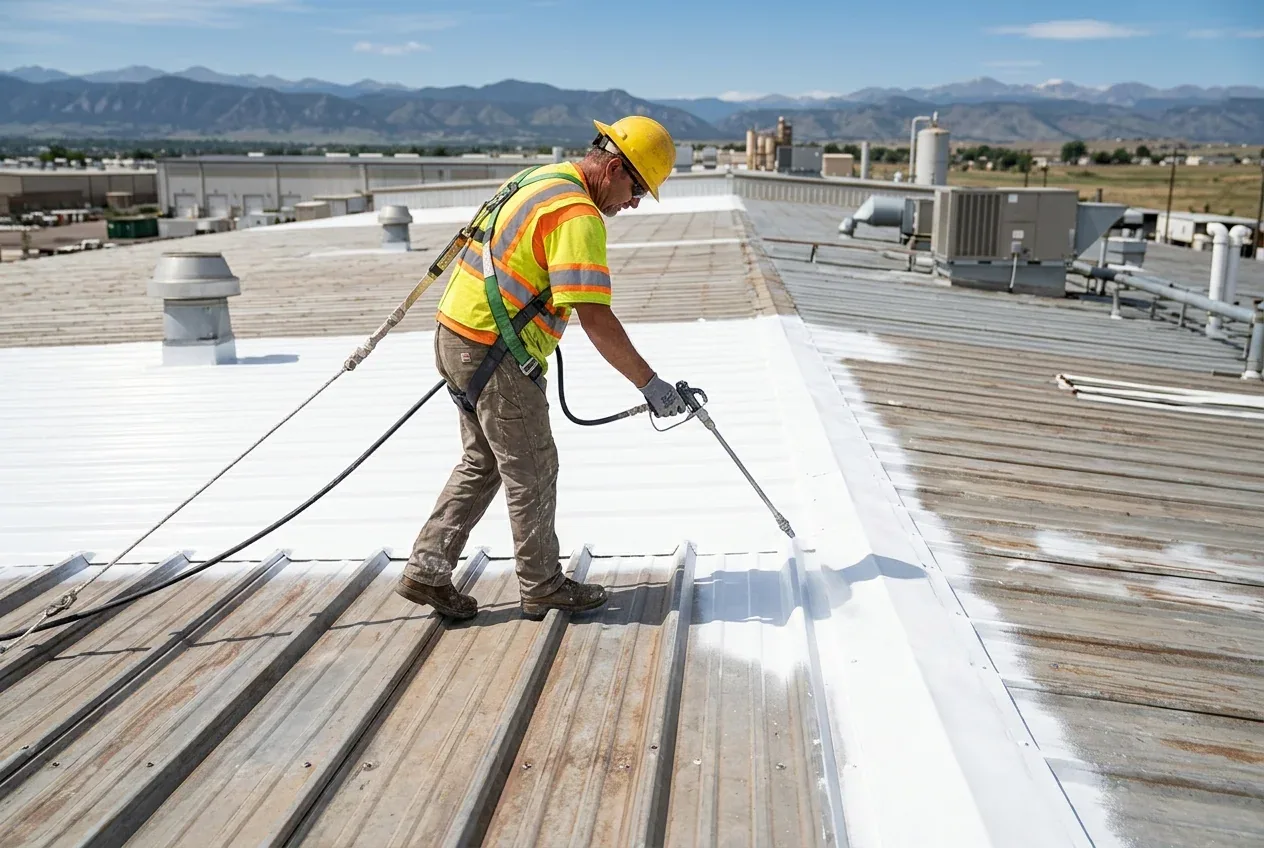
A coating makes sense when the existing system is sound and mostly dry, with intact seams and flashing. It does not fix wet insulation or broken deck. We prove the base with a moisture scan and core samples before proposing a coating, and we compare the result against a recover.
Does the age of a masonry factory loft change the roof scope?
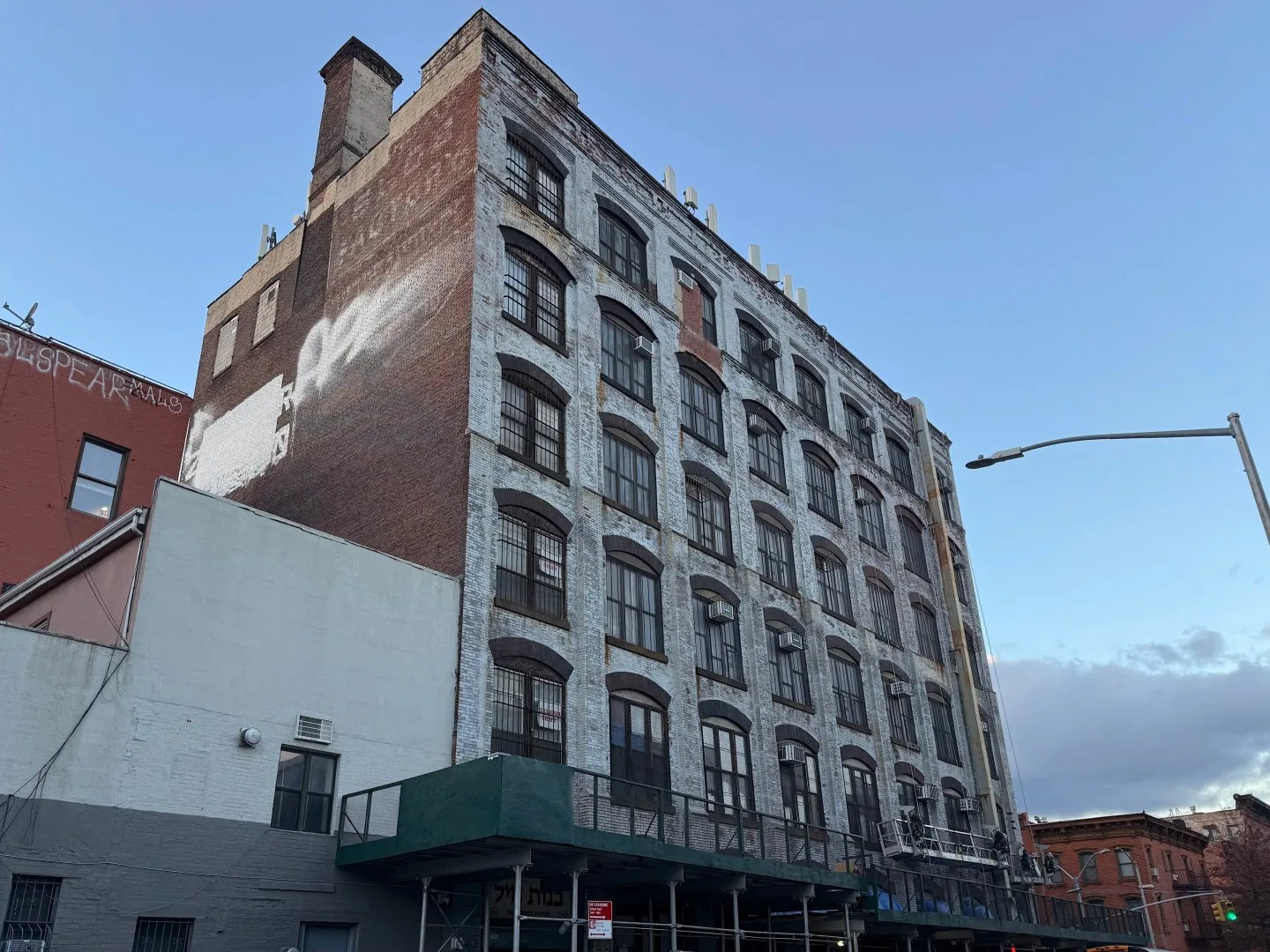
Often. The parapet in a loft-building roof is a tall masonry wall that has been wetted and dried for decades, and mortar joints, coping and through-wall flashing are where we spend time. We repair the wall first so new roofing is not tied to a failing edge.
What records does an insurer expect after a roof leak at a plant?
Dated photographs of the damage and the cause, the repair invoice and a description of the temporary protection. We write that package at the time of the repair. Business interruption claims also need a note on which production areas were affected.