Commercial Roofing in Downtown Brooklyn, NY
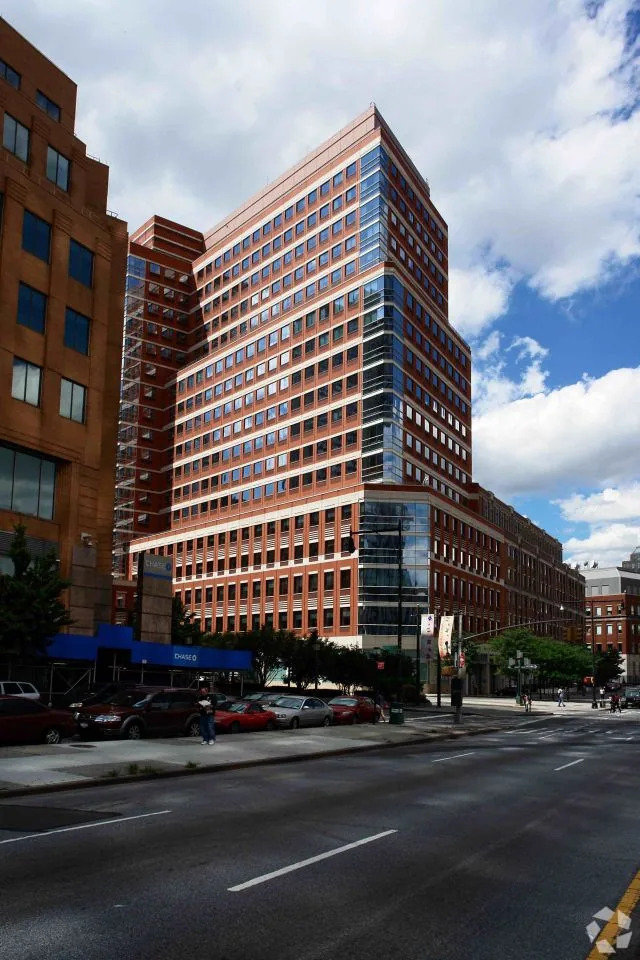
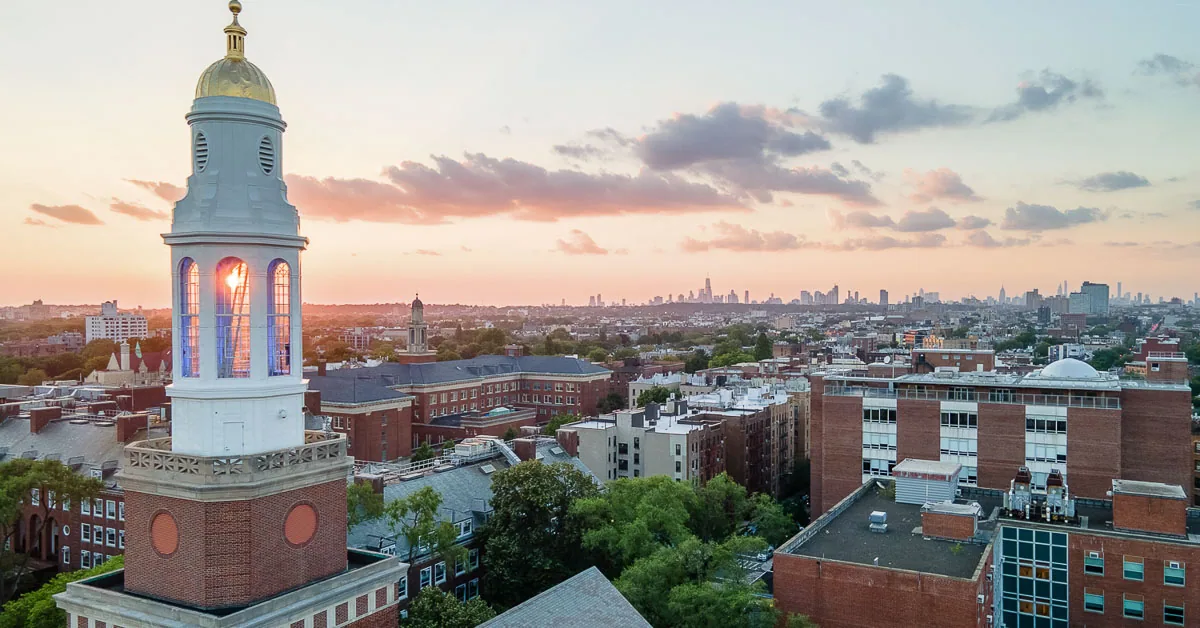
The roofs of Downtown Brooklyn are seen mostly from other roofs. The area is the city's third-largest central business district, and an owner here is usually surrounded by taller neighbors, which changes what a roof job means. Streets are tight, sidewalks are busy and a crane has to be booked weeks ahead. We repair and replace commercial roofs in the district, from office terraces and retail podiums to college buildings and government space, and each job starts with a plan for how materials will physically reach the top.
Offices, retail and campuses
MetroTech Center fills the blocks between Flatbush Avenue and Jay Street as a business and educational complex. After a 2004 rezoning the district gained office space and ground-floor retail, City Point among it. The area's institutions include NYU Tandon, NYC College of Technology, LIU Brooklyn, the Kings County courthouse and Borough Hall. That mix gives the district its range of roof needs: office roofs with mechanical rooms, retail roofs shared among tenants, academic buildings with labs and public buildings with strict procurement.
Each building type brings a different priority. An office building roof has bulkheads and terraces. A retail roof has tenant units and signage. A government building roof has paperwork. We learn which one we are on before we draw a scope.
Ground-floor retail adds a podium roof in many mixed-use developments, and the roof over a retail base has to serve the stores below it and the apartments or offices above. We look at where the tower wall meets that lower roof, since the flashing at that line is a long run that sees every storm. Water that runs down a glass or metal wall lands on that flashing, and a failed joint is easy to miss from the street.
Getting material to the roof
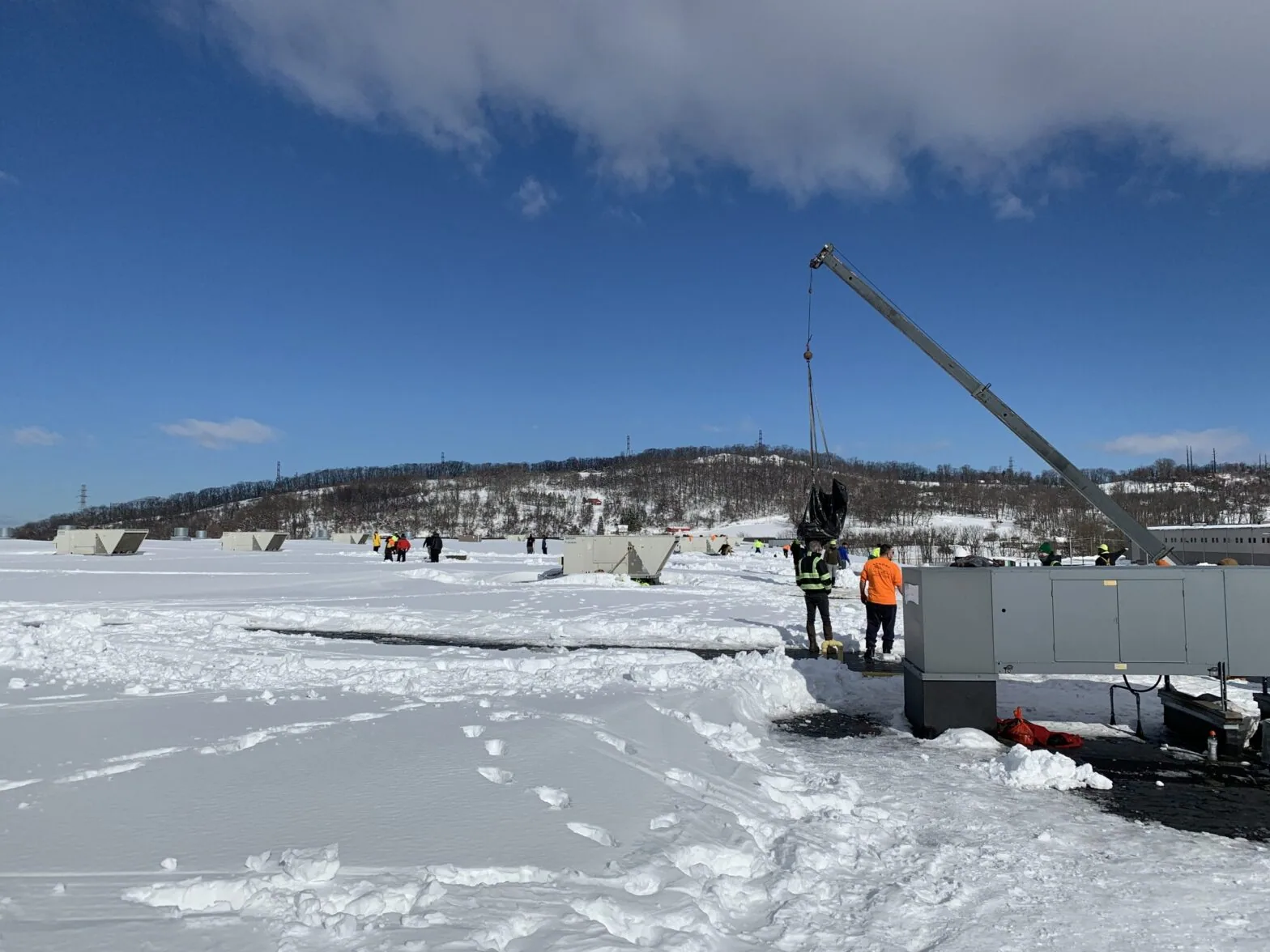
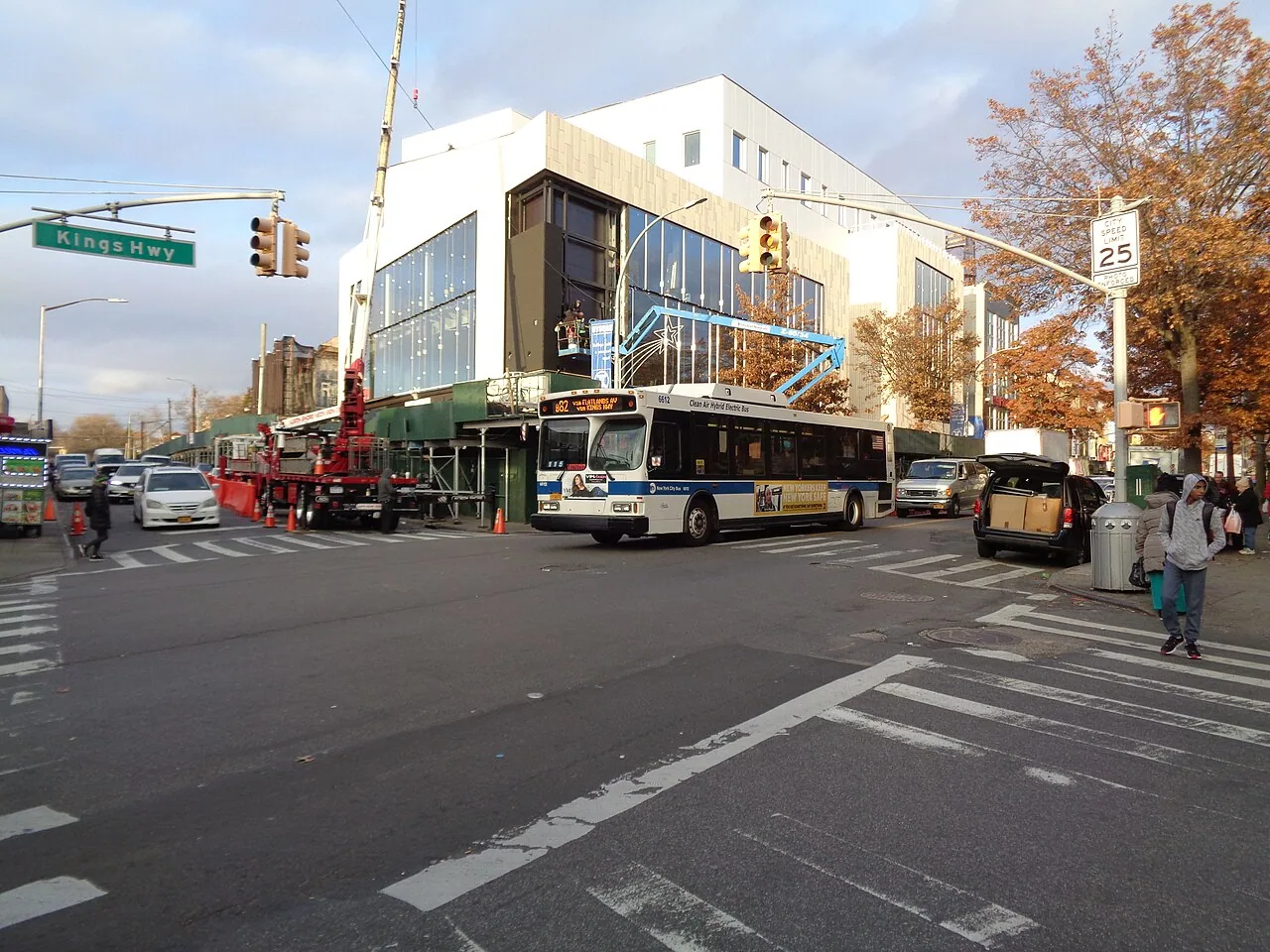
In a dense district, logistics decide the schedule. A crane or hoist needs a street permit and sometimes a lane closure. Deliveries are timed to avoid peak traffic, and materials may be staged in a small off-street area or lifted directly from a truck. Sidewalk sheds and fences protect pedestrians, and a flag person manages the street side.
We design the job around those limits. Smaller rolls of membrane, insulation in manageable bundles and a hoist that fits the site all help. On some buildings, materials go up a service stair, and the crew carries them by hand. That takes longer, and we price the job accordingly.
Terraces, setbacks and tower tops
Tall buildings have roofs at several levels. A podium roof beneath a tower may be a terrace, a mechanical yard or a green roof, and the setback roofs above it have their own parapets and drains. Water that falls on the tower runs down walls and onto lower roofs, so lower drains see more than their own share.
We trace water from the top down. If a setback roof leaks, we check the wall above it for open joints and the drains below for capacity. Pavers and planters on terraces hide the membrane, so we plan removable sections at drains and flood-test after repairs. A leak repair on a terrace roof is not finished until the water test passes.
Wind between the buildings
Tall buildings funnel wind at street level and at the roof edge. The edge of a tower roof gets the full load, and any loose coping or edge metal is a hazard to the street below. We inspect coping, edge metal and fasteners with the same care we give the membrane, and we tie down anything that could fall.
Winter adds snow and ice. Snowfall in New York City averages about 30 inches a year, and the most in one day was 27.3 inches on January 23, 2016. Ice at a roof edge or a drain can drop onto the sidewalk, so we clear drains and check edges after heavy storms. Snow and ice damage can mean replacing edge metal that has pulled away.
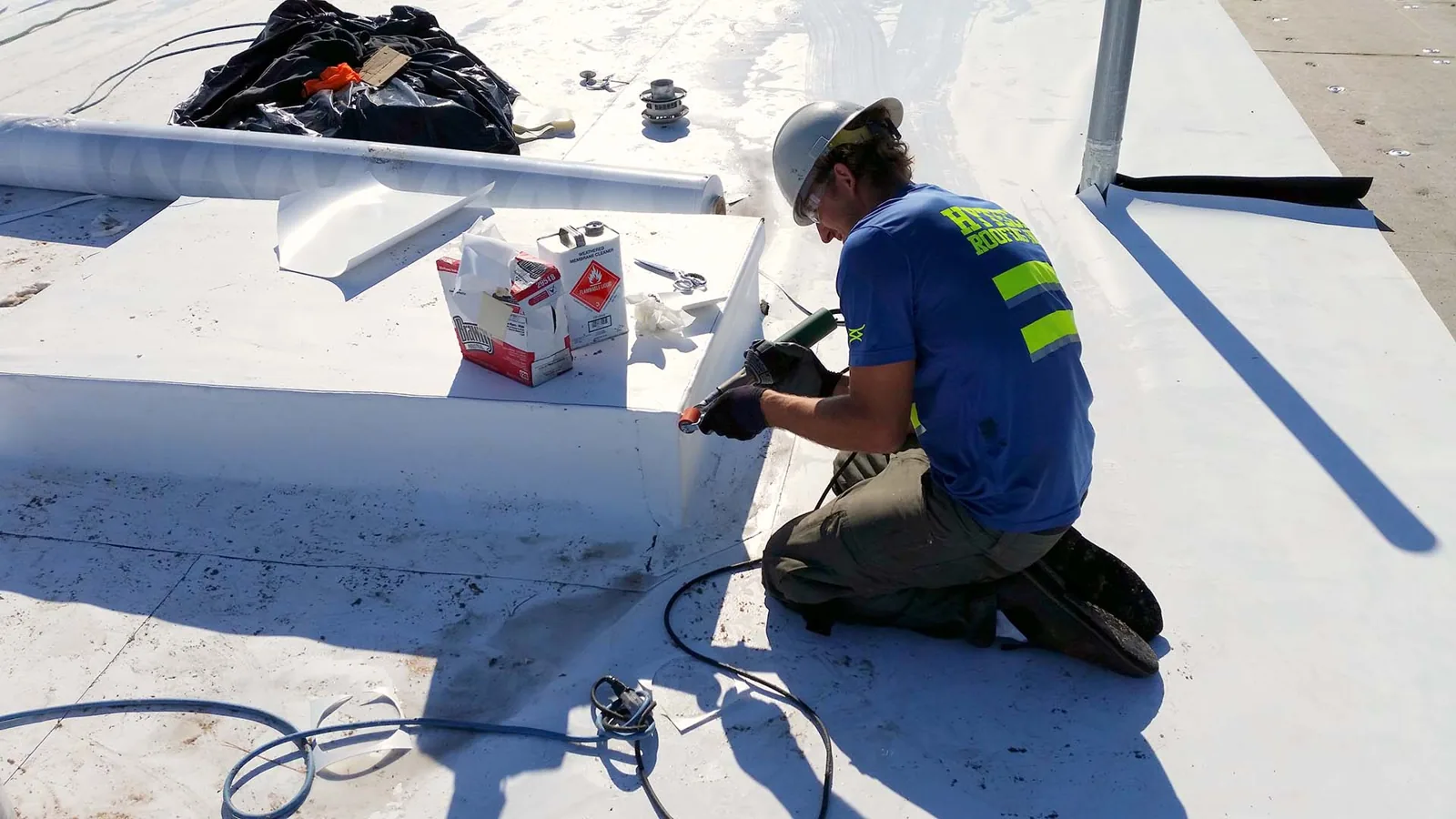
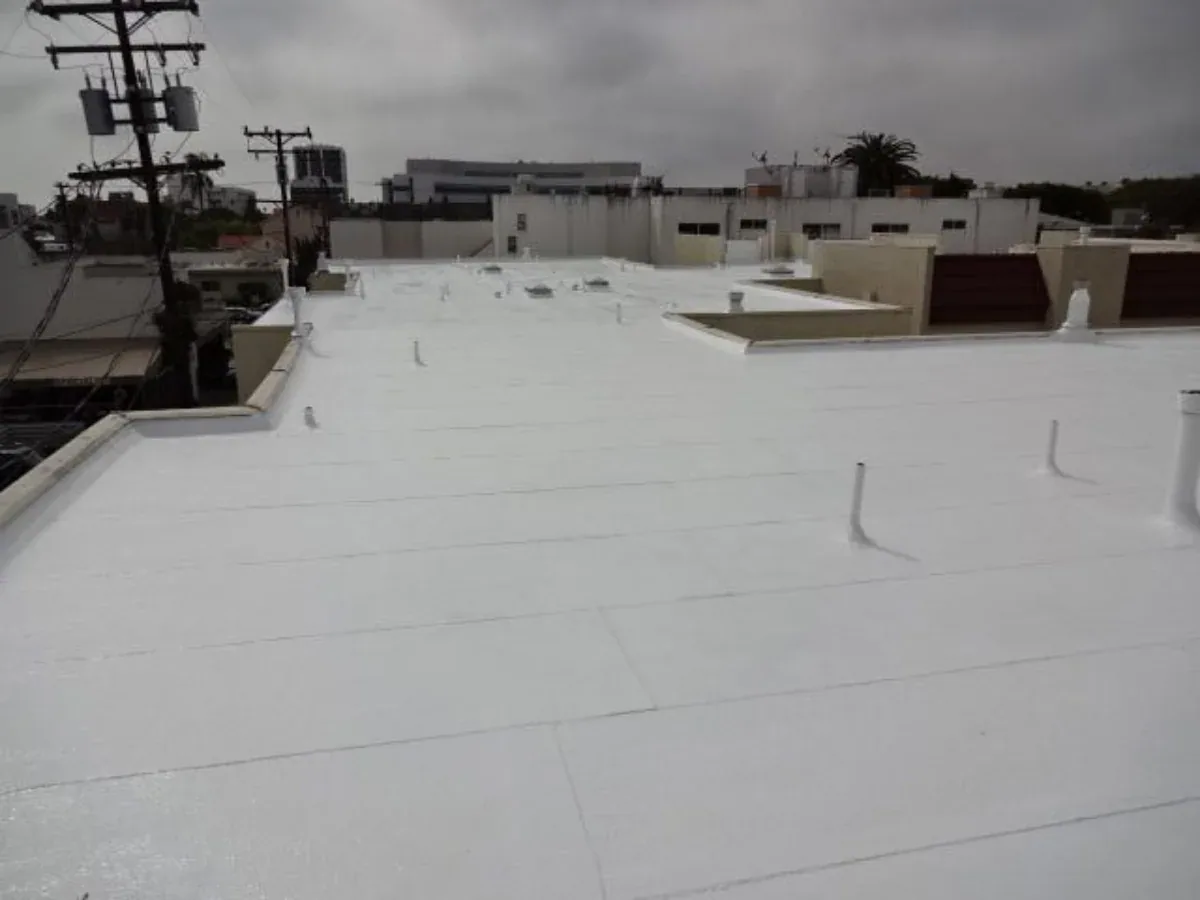
Between tall walls, a dark roof becomes an oven in July, when highs reach 85 degrees under a strong heat island. A white or reflective membrane reduces the heat load on the top floor and the cooling plant. A cool roof installation pays off most where the roof also hosts equipment that is working hard in summer.
Working above full floors
Downtown towers are rarely empty. Tenants work below, and noise travels through the structure. We schedule loud steps for off hours, keep odors from the air intakes and give the building manager a daily plan. Tear-off and hot work are limited, and adhered or mechanically attached systems are common.
Student buildings add term calendars. A college and university roof in the district runs on the academic schedule, with summer and winter breaks as the main windows. Tenants of every kind get notice of what is happening and when, and one contact on each side handles questions.
Security is part of the plan in a government or institutional building. Crews are badged, escorted where required and kept to the routes the building marks. Courthouse and public buildings follow procurement rules, so scopes and pricing are written in the format the owner's office needs, and we hold back on any change until it is approved in writing.
Repair, recover or replace
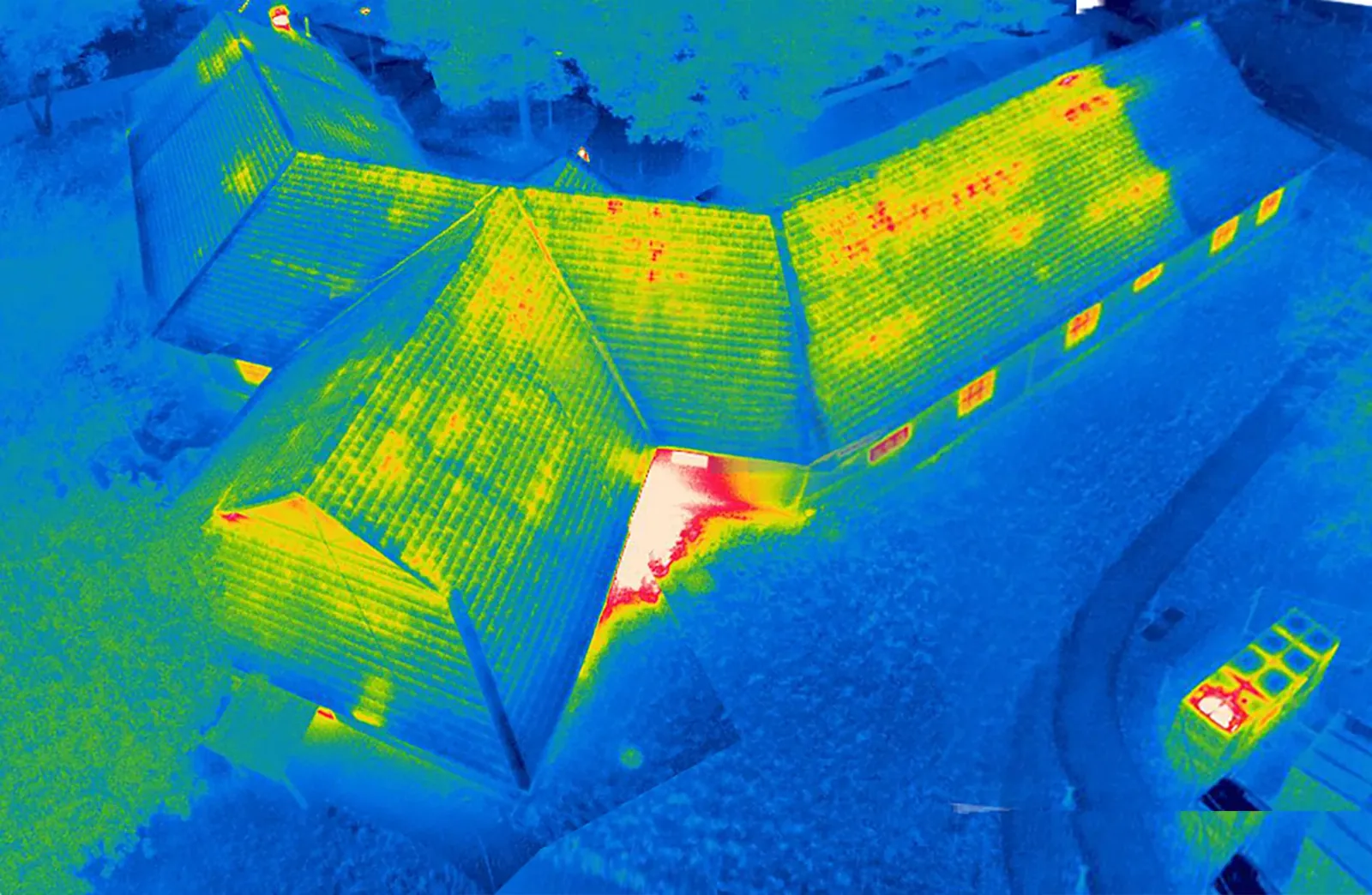
A roof owner downtown faces the usual choices with extra constraints. A repair costs the least in hoisting and disruption, a recover avoids tear-off debris and a full replacement offers the longest horizon. A moisture survey sorts them out. An infrared scan followed by core samples shows where the insulation is wet and where it is dry.
The decision also depends on what the building will be. Rooftop mechanical changes, solar plans or a terrace redesign can shift the answer. We prepare a condition report that gives the owner and the design team the same facts, and a roof condition report can be used for budget and lender requests alike. Owners who also hold buildings in Dumbo or Fort Greene can read all of them in one report.
Commercial Roofing Questions
How long does it take to arrange a crane for a downtown roof?
Plan on several weeks for permits and scheduling, longer if a lane closure is needed. We start the paperwork when the scope is approved and keep the roof work in small phases so a delay in one lift does not stop everything. Smaller loads and hand-carried material can keep a roof moving when a lift is delayed.
Can tenants stay in the building during a reroof?
Yes, in most cases. Loud steps move to off hours, intakes near the work are protected and floors directly below get advance notice. We keep one contact for the property manager.
What roof suits a tower with a mechanical yard?
A reflective single-ply on a firm cover board with walkway pads along service paths is a common answer. The membrane choice also depends on exhaust, heat and the structure. We confirm by looking at the equipment list.
What does a courthouse or college roof require beyond the work?
Public and institutional buyers need documents: a scope, a schedule, a photo record and an itemized price. We provide those in a format that a procurement office can use. Where a building has several roofs on different budgets, each gets its own line so the office can approve them separately.
How does a downtown roof review start?
Street and loading constraints, the roof age, the address area and photos of the worst drain, the parapet and any terrace. A note on sidewalk space and any neighbor access agreements saves a site visit.