Data Center Roofing in Brooklyn, NY
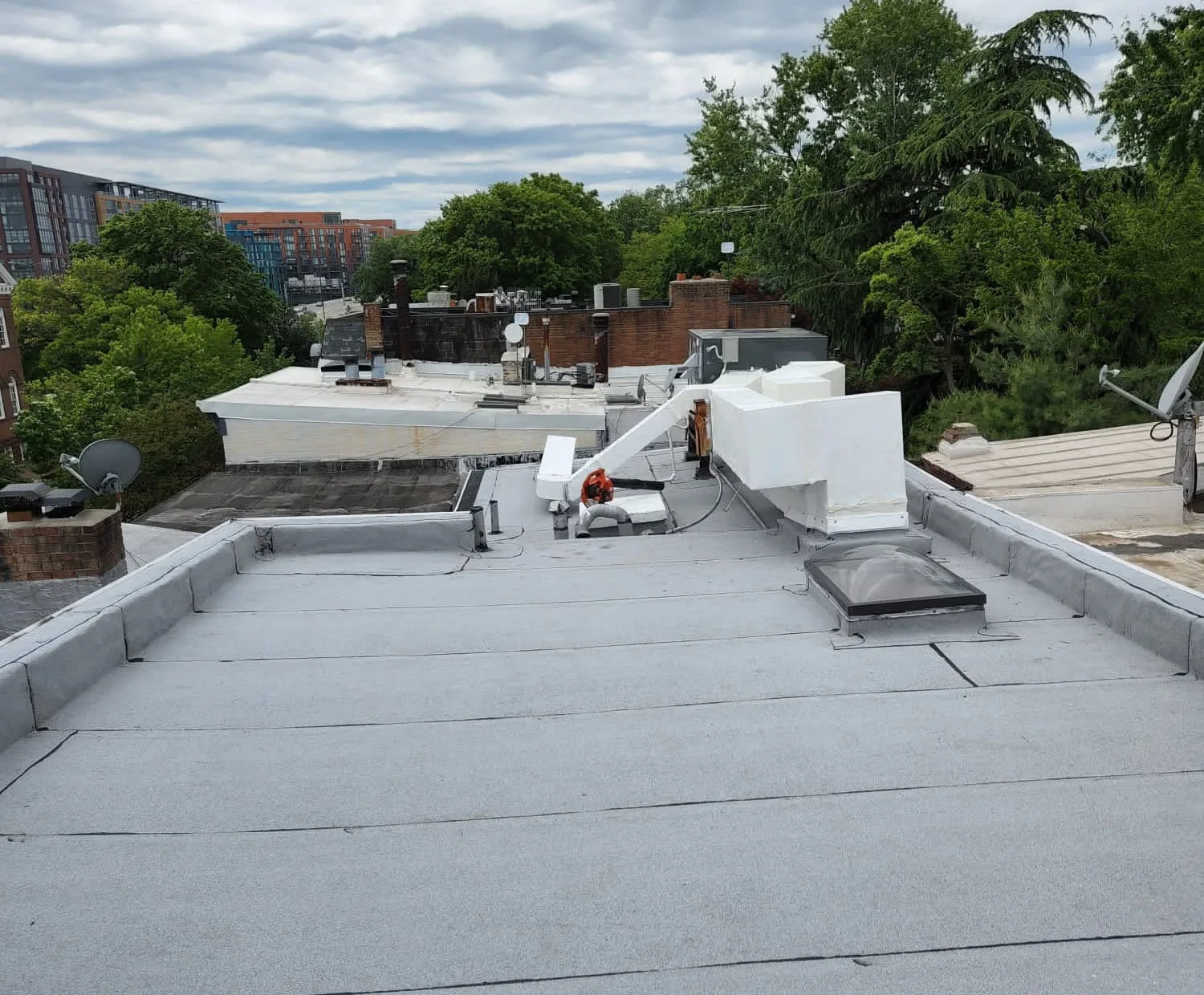
On a data center roof the question is never how much water gets in. It is whether any water gets in at all above a room full of racks. A super standing at the hatch sees chillers on dunnage, cable trays crossing the deck, a generator exhaust and a membrane that has to stay perfectly tight beneath all of it. One failed boot on a conduit does not make a stain on a ceiling tile. It can mean an alarm, a transfer to backup power and a conversation with a client nobody wants to have. We build the roof plan around that single fact.
Where the risk sits
The risk on a data hall roof is concentrated at the penetrations. Condenser water lines, refrigerant lines, fiber conduit and generator flues all pass through the membrane, and each one is a joint that moves with heat and vibration. The field of the roof between them is rarely the problem. We list every penetration, check its age and flashing type and rank them by what sits directly below.
Above the server floor itself, we prefer to limit the number of openings. Equipment that does not have to be on that section moves to another zone, and any new cut is reviewed before it is made. A change to the roof that nobody told the roofer about is a frequent source of surprise water in a critical building.
Age matters less than history. A roof only a few years old can be the leakiest on the property if three trades have cut it for new cabling. We read the repair log and the as-built drawings together, and where those do not agree, we open a core and look.
Dunnage, chillers and weight
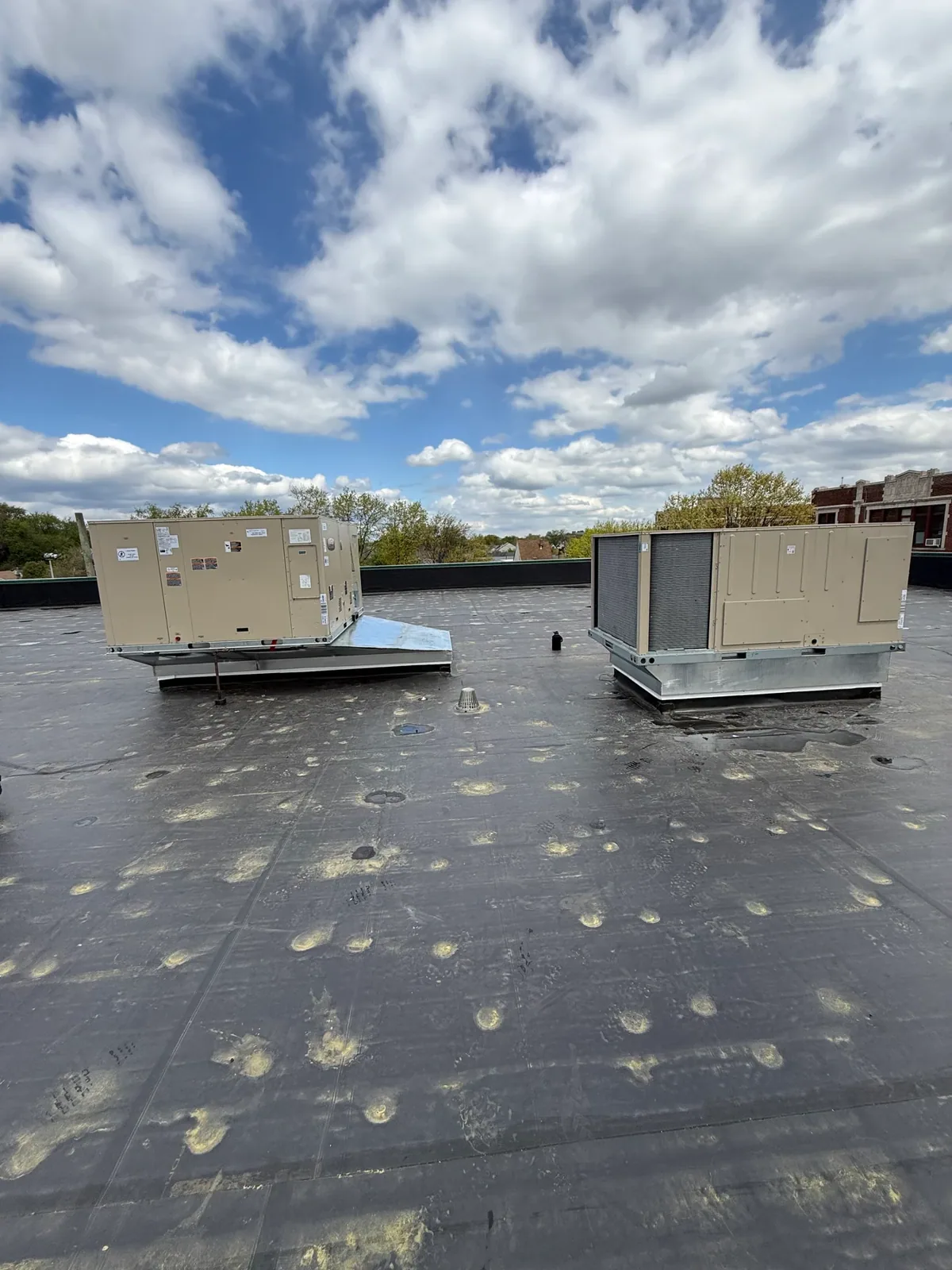
Mechanical gear on a data center roof is heavy, and it sits on rails or steel dunnage that must be flashed with care. Our crews raise and tie the membrane to each support, make the flashing independent of the equipment's vibration, and add walkway protection along the service paths. Where the structure carries a lot already, we verify capacity before adding insulation thickness or a recover layer.
For equipment curbs and supports, we favor details that let the unit be lifted or moved without cutting the roof open again. A removable, well-sealed curb is easier to live with than a series of repairs made in a hurry.
Redundancy on the roof
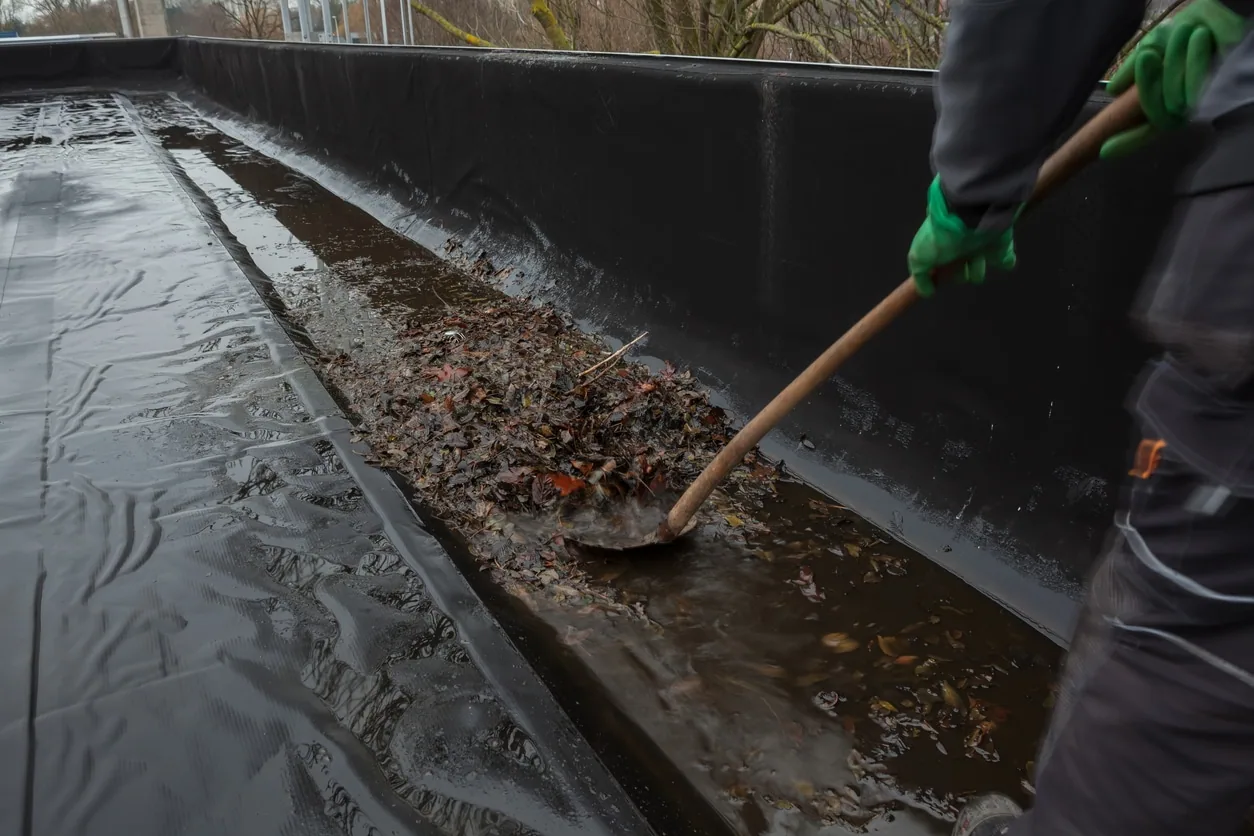
A critical building has backup power, backup cooling and a backup network, and the roof should have a backup too. For us that means secondary drainage. If a primary drain blocks, an overflow scupper or a second drain discharges the water at the parapet before depth builds on the field. A drain and scupper review belongs in every data center roof plan, and we test the primary line with water after the work.
We also look at the sequence of failure. If a drain clogs, if a scupper is blocked by debris and if the membrane has a weak seam, where does the water go? A good plan answers that question on paper before it is answered by a storm.
Storm water, surge and the grid
In October 2012 Sandy's surge stood 14.06 feet above average low tide at the Battery, and some 51 square miles of the city, roughly 17 percent, flooded. Subway tunnels flooded and the Brooklyn-Battery Tunnel closed. For a data operator that history is a reminder that power and access can fail while the roof must keep working on its own. Ida's remnants added the city's first flash flood emergency on September 1, 2021.
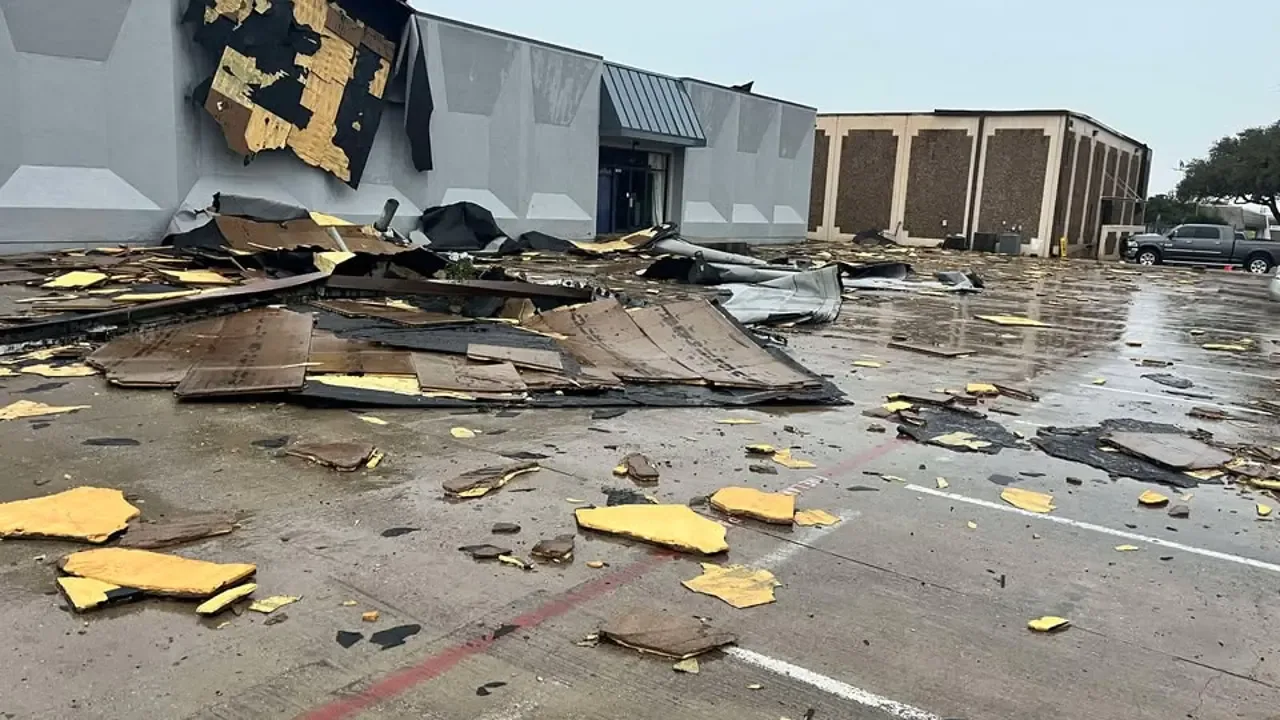
Neither storm is a roof forecast, but both set the planning standard. A roof that handles a cloudburst without ponding, with clear drains and secured edges, takes one risk off the list. For a hurricane-damaged roof the response follows the emergency plan, with tarps and dry-in materials ready.
Work windows and change control
Roof work at a data center runs under change control. We submit a method statement, a list of hot-work procedures, a staging plan and a rain contingency, and we expect to wait for approval. Crews are badged, escorted and limited to the paths the operator marks. Torches are rare; adhered or mechanically attached sheets are normal, and roof-top fire watch is a given.
Many operators prefer repair in short, defined windows. We break the work into small packages that can be started and finished in a single window, with temporary seals ready if the weather turns. A reroof over an occupied building uses the same discipline, with higher stakes.
Weather planning is part of the window. We watch the forecast for the week, stage dry-in materials before the first cut and stop when thunderstorms become likely, since late-day thundershowers are frequent in summer. A roof opened at noon and unprotected by four o'clock is the kind of mistake that a formal plan removes.
Records and surveys
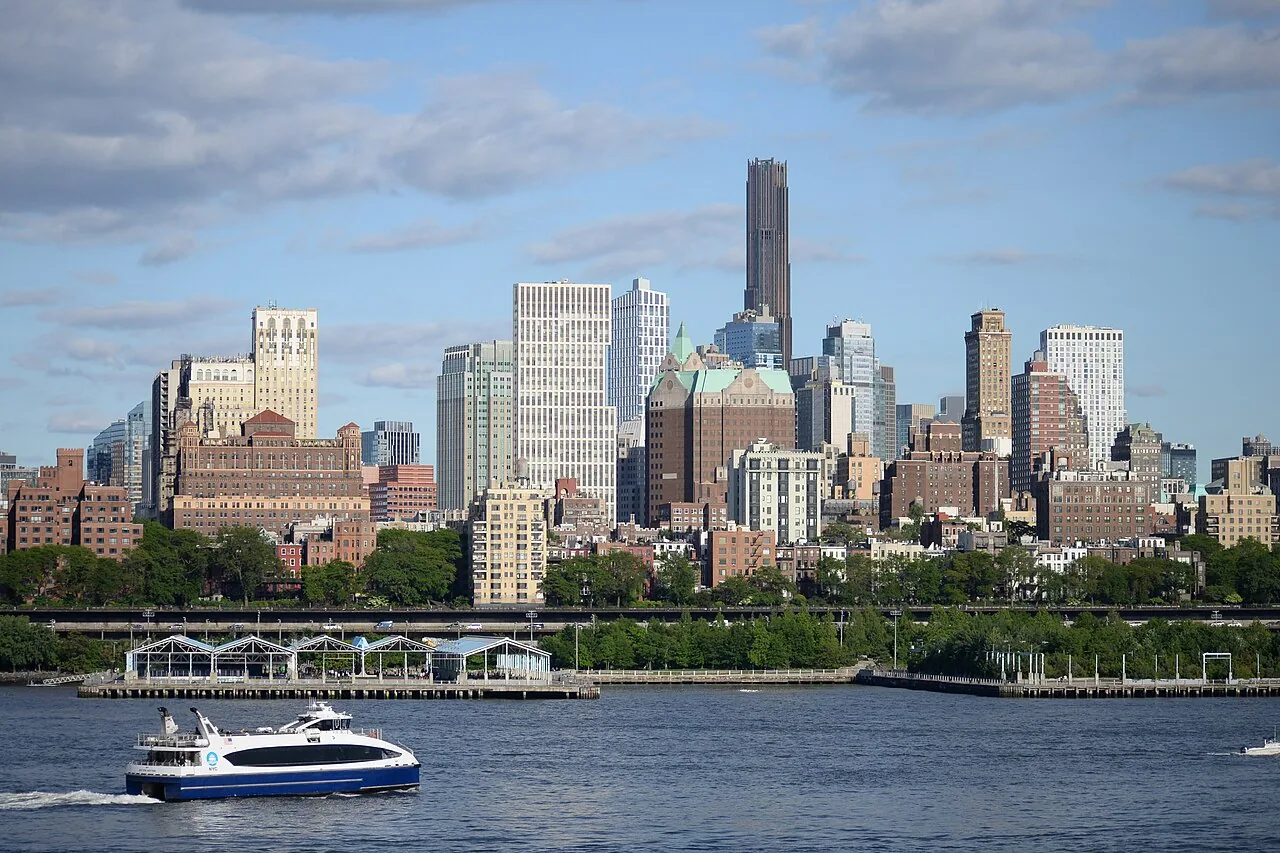
Brooklyn's tech employers show up in places such as Dumbo, where roughly 500 tech and creative firms sit within a 10-block radius, and Downtown Brooklyn's MetroTech Center, a business and educational complex between Flatbush Avenue and Jay Street. A server closet or equipment room in a building like that may share its roof with other tenants, so the roof record has to be good enough for a landlord and a tenant to read the same way. The files for a Downtown Brooklyn property are written for that reader.
We provide roof condition reports with photographs of every penetration, a moisture survey if needed and a repair log. If the building is an office building with a server floor on an upper level, the same report answers questions from both sides. Hospitals and clinics keep critical equipment too, and a hospital roof follows many of the same rules for protected space.
Commercial Roofing Questions
Should we scan a data center roof for wet insulation even if nothing has leaked?
A scan is cheap insurance when critical space sits below. Wet insulation can be present long before a stain shows, and it gives water a path when a seam fails. We pair an infrared scan with core samples and report anything that sits over a server hall first.
Can roof work happen without shutting down the hall?
In most cases the hall stays up. We use staged work with temporary seals and avoid opening more roof than can be closed within the window. The operator's change process sets the schedule, and we follow it. Where a window is only a few hours long, we pre-stage insulation, membrane and flashing pieces so the open area is small and the dry-in is quick.
What membrane suits a roof carrying chillers and generator exhaust?
A reflective single-ply, such as TPO or PVC, on a firm cover board handles the heat and foot traffic well. Exhaust heat and chemicals need a closer look, and walkway pads along service paths protect the sheet. The choice follows the equipment list.
How do we handle a leak alarm from the roof team at night?
Call the emergency line. A crew can dry in the suspected area, trace the source and photograph it for the file. Any permanent repair waits for the change window, but the temporary seal goes on the same night.
What does the roof file for a mission-critical building contain?
It holds a penetration map, drain locations, membrane type and age, photographs of every flashing and a log of each repair. When equipment is added, the log gets a new entry with the date and the contractor who made the cut. Over time it also shows which curbs and supports have been moved, which helps a facilities team plan the next equipment change without guessing.