Rooftop Equipment Curbs and Supports in Brooklyn, NY
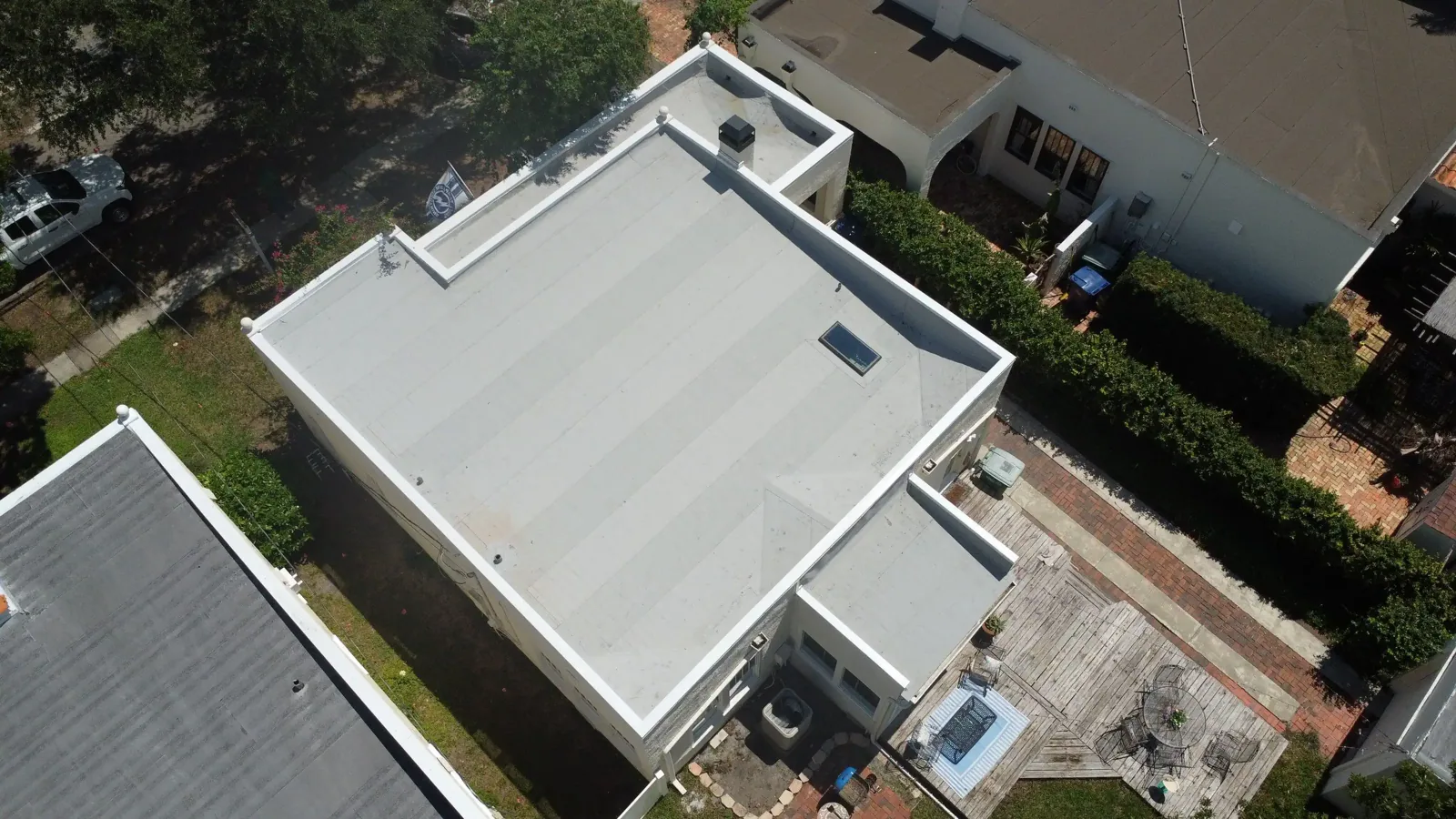
Stand beside a rooftop unit on a Bushwick loft building and look at the bottom of the curb. If the flashing has pulled away from the metal and the sealant has gone chalky, water has been getting in for a while. A curb is a box built on top of a roof, and every side of that box is a seam. Brooklyn, NY roofs carry a lot of them: air handlers, exhaust fans, vent stacks and pipe runs added by tenants over many years. The failure usually starts at a corner. We look at the corners first, then at what the unit rests on, then at where the water goes when it rains.
What you see up there
The first sign is staining on the membrane below a curb, usually on the downhill side. Next is a gap between the base flashing and the curb wall, sometimes wide enough to slide a pencil into. Then come the loose screws in the counterflashing and the dry, cracked sealant at each corner.
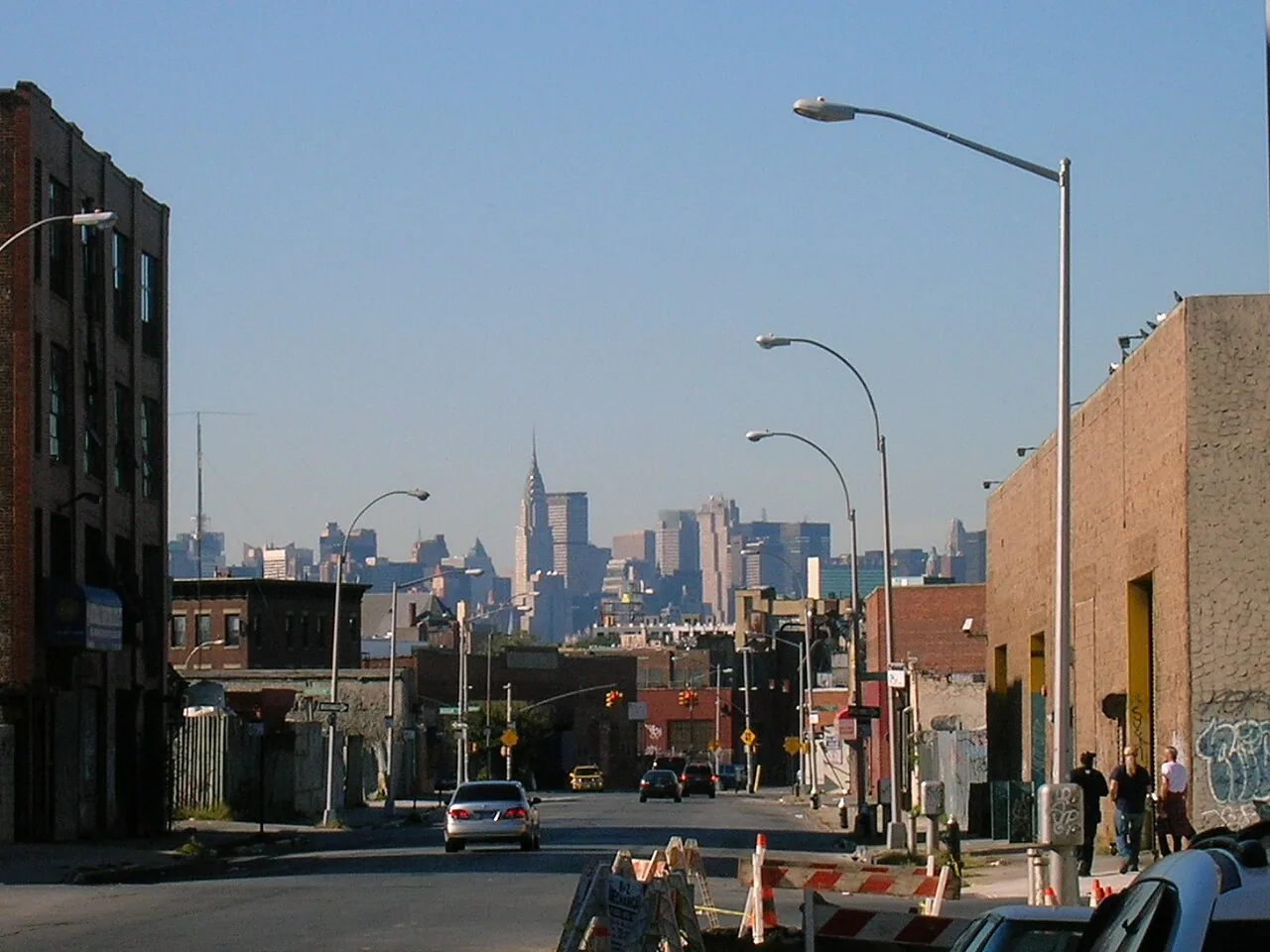
Look at the ground around the unit too. A pipe lying directly on the membrane has a worn spot underneath, and a conduit run has rubbed a shiny track. In the East Williamsburg Industrial Park, where factories, warehouses and loft buildings sit side by side, wear like this can come from several trades that each added a line. We walk the field, count every curb and support, and photograph each one.
Where it fails
Curbs fail at four places. The corners fail because the membrane has to fold around a right angle, and a folded corner cracks as the roof moves with the heat. The top edge fails because the counterflashing was never lapped over the base flashing correctly. The base fails because the curb sits too low, and water that ponds next to it climbs over the flashing. And the penetrations through the curb fail because nobody sealed the pipe or conduit where it enters.
Supports fail in a different way. A steel frame set directly on the membrane pushes a low spot into the insulation and the roof ponds around it. Pipe rollers seize and drag. A support bolted through the membrane without a flashed base leaks at every bolt. A cracked curb corner is a flashing failure we can usually rebuild without touching the unit.
Why this building
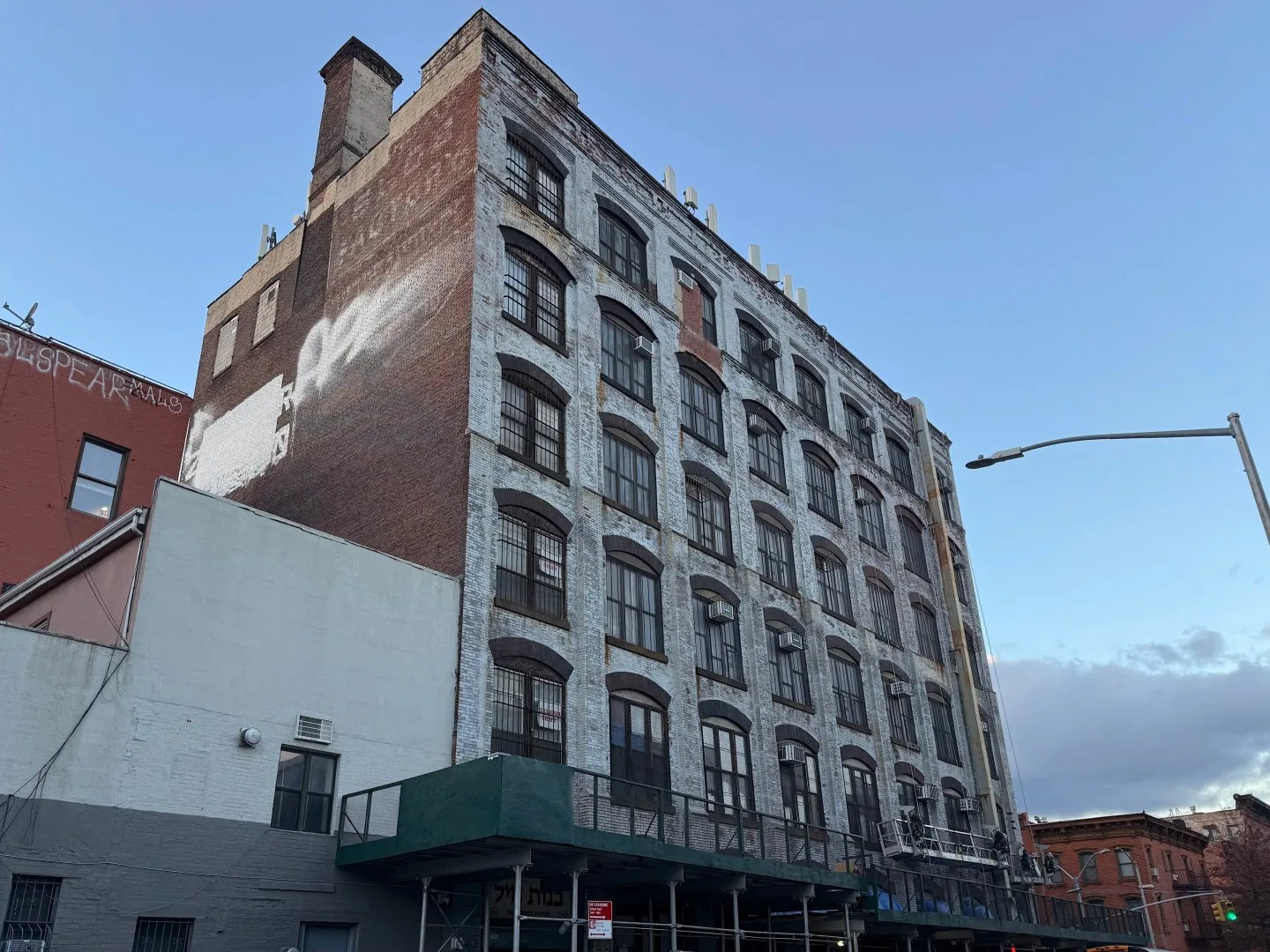
Mill and loft roofs were laid for a different use than the one they may carry now. Bushwick has many warehouses converted to lofts and studios, and a conversion can bring new vents, new mechanical units and new pipe runs up through the roof. Dumbo's early reinforced-concrete factory buildings call for a load check before any new unit goes up, and the roof surface still needs proper flashing at each new penetration.
A tenant who wants to mount a new unit gives us the weight and footprint before anything is lifted. The deck has to carry it, and the support has to spread the load. On a flex industrial building with several tenants, each unit adds its own penetration.
The fix in order
First we make it dry. A cracked corner gets a temporary patch if rain is coming. Then we plan the permanent work in the order the roof needs it. Where the curb is too low, we raise it. Where the flashing has failed, we cut it out and build a new one with a corner piece, not a field-cut fold. Where the counterflashing is loose, we reset it and seal the lap.
Equipment that rests on the membrane goes onto supports with flashed bases. Pipes get rollers or sleepers that carry the load and let the pipe move. Conduit is lifted off the surface with stand-off supports every few feet. When a unit must be lifted to rebuild its curb, we coordinate with the mechanical contractor so the lift, the flashing and the reset happen in one visit, and the roof is dry when the crew leaves.
Drains and edges
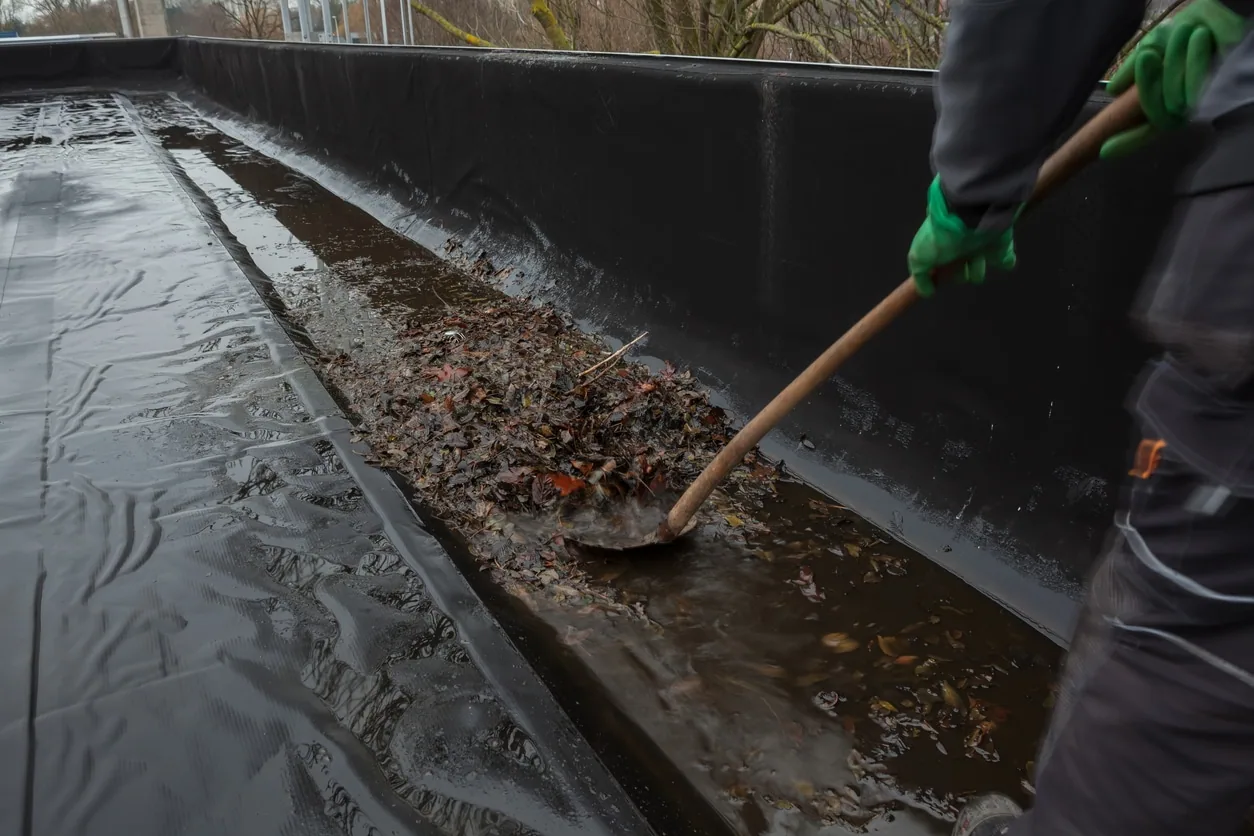
A curb is a dam. Water running across the roof stops at the curb, then finds its way around or pools behind it. On a flat roof with a single drain, a row of curbs can cut the surface into pockets with no path out. Ida's remnants on September 1, 2021 brought a flash flood emergency to New York City, and pockets like that are where a downpour sits longest.
We check where the water goes. A roof drain that sits behind a unit needs a clear path and a basket someone can reach. We add crickets behind wide curbs, taper the insulation toward the drain and move a drain if the unit blocks it. Heat matters too: with July highs near 85 F, units that exhaust hot air cook the membrane beside them. A walk pad under the discharge saves the surface.
Access and neighbors
Most Brooklyn equipment roofs are reached by a stair and a bulkhead door. Materials go up by hand or by a hoist set on the street. A unit lift needs a crane permit and a time when the street can be closed. We ask for the access plan at the start, because it sets the schedule more than the repair does.
Neighbors matter. A loft in Bushwick or an industrial building in East Williamsburg may share a wall, a lot line or a loading dock with the next building. We stage materials on our own side, tell the neighbors when the crane is coming and keep debris off their roofs. Tenants below get notice of the days when a unit will be off.
Closeout walk
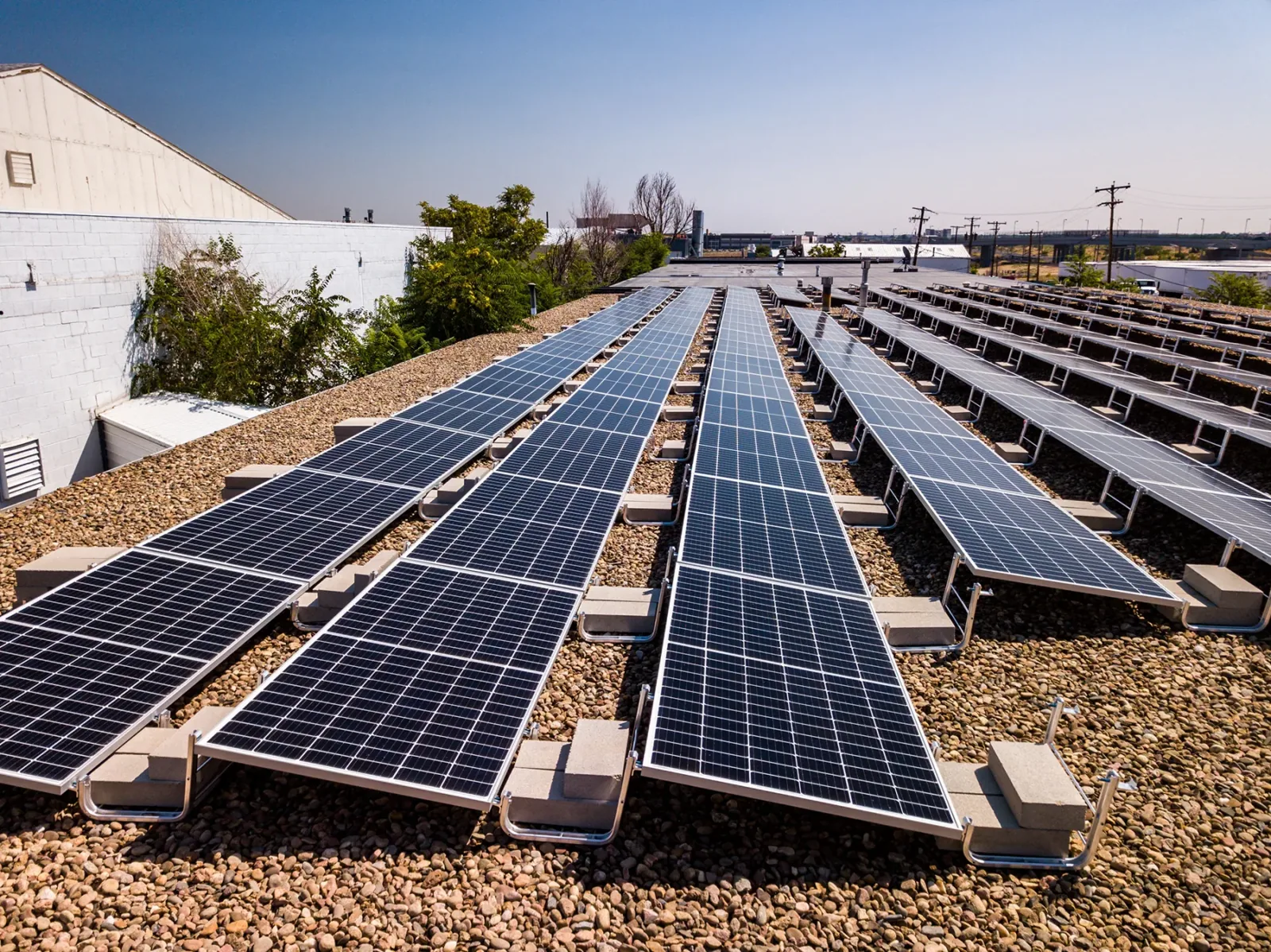
At the end we walk the field with the owner or the super. Every curb gets a photograph, each flashing is checked by hand and the sealant is tested for adhesion. We run water over the repaired corners for a set time and watch the ceiling below. Anything that fails goes on the punch list and is fixed before we sign off. The owner gets the plan with each curb numbered and the photographs. If the roof is later fitted for solar panels, that plan shows where the equipment stands.
Commercial Roofing Questions
Our tenant wants to add a new rooftop unit. What do we need before it goes up?
Get the unit weight, footprint and curb or support drawing first. Then have the deck checked for the load, with snow on top, since New York City snow runs near 30 inches in a typical year. We build the curb or support, flash it, and test it before the unit is set. The tenant's mechanical contractor sets the unit afterward, and the penetration is made and logged by one party.
A pipe run crosses our roof on the membrane. Is that really a problem?
Yes. As the pipe expands and contracts it drags across the surface, and the membrane can wear through within a few seasons. The fix is cheap compared with the leak. We lift the pipe on supports with flashed bases or sleepers with a wear pad, spaced to the pipe size. If the pipe carries hot fluid, the support also has to let it expand.
Can a curb be raised without moving the unit?
Sometimes. If the unit can be lifted for a day, the curb can be extended and reflashed, and the unit set back down. If the unit is too heavy or hard to disconnect, a curb extension or a surrounding cricket may solve the ponding instead. We look at the unit, the connections and the water path before we recommend one.
How do you test a repaired curb?
We run a hose over the repaired area in stages, starting at the low side and working uphill, for a set time at each stage. Someone watches the ceiling below. A corner that holds under the hose has a good chance of holding in a cloudburst. We photograph the test and keep the record. If a drip appears, we open the detail, find the gap and fix it again.