Commercial Roofing in Sunset Park, Brooklyn, NY
West of Third Avenue, Sunset Park is a district of roofs that carry work. The land there is zoned mostly for light industry, which means factories, cargo storage and other industrial buildings, many with flat roofs, parapets and loading docks below. A roofer reading this district looks first at the drains and the wall tie-ins, because that is where water beats the building. Our commercial roofing here covers repair, recover and replacement for owners who need the roof tight while the shop, the dock or the studio keeps running.
Terminal-era complexes
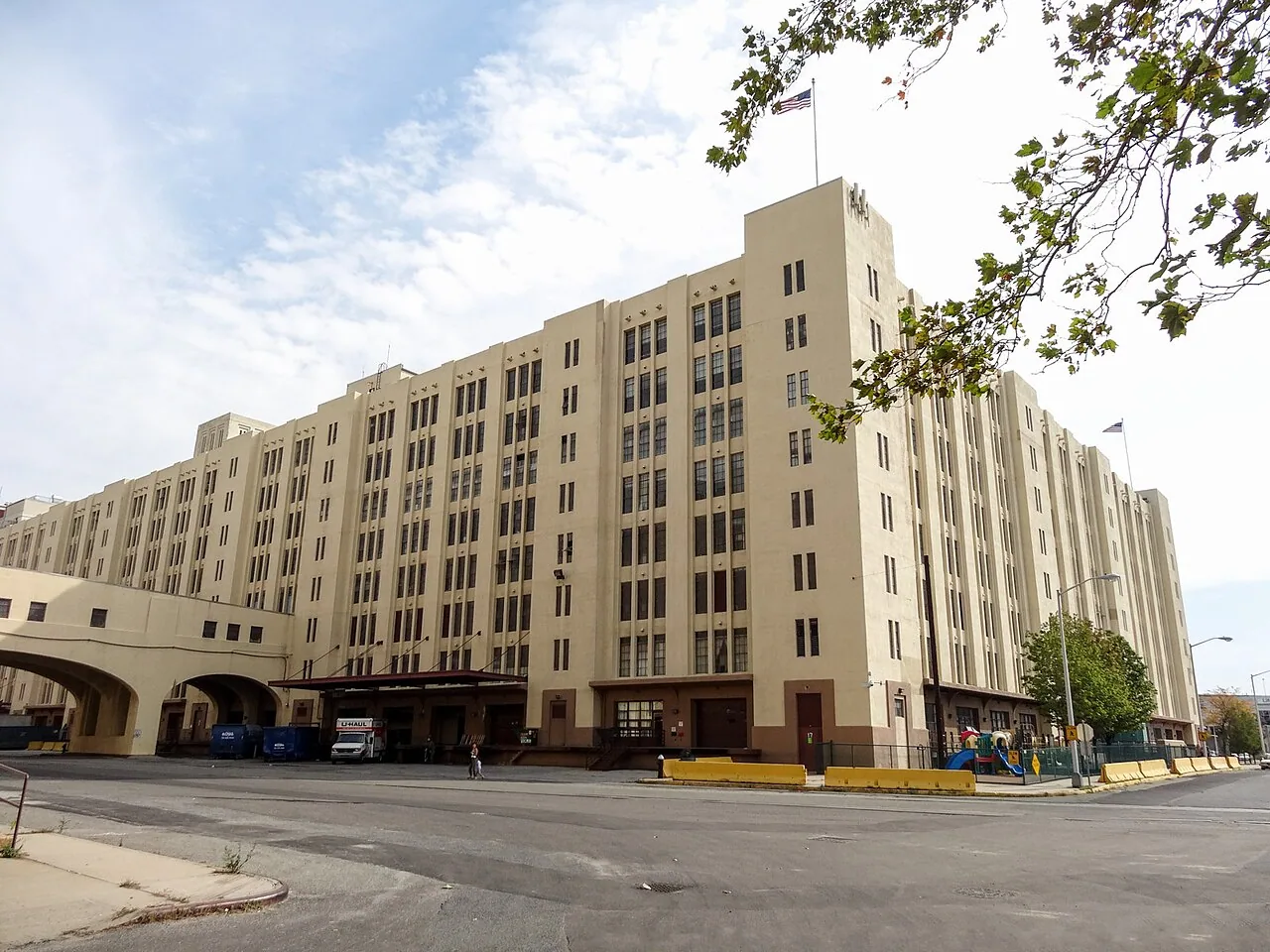
Two names define the waterfront side of the district. Bush Terminal stretches from 32nd to 51st Streets, rose in stages between 1911 and 1926 and became an industrial park in the 1960s. Brooklyn Army Terminal, between 58th and 65th Streets, passed to city ownership in 1981 and drew its first industrial tenants in 1987 after a renovation for manufacturing. In 2015 the owners of Industry City announced a $1 billion renovation plan.
Complexes built in stages raise one roof question over and over: where do the phases meet? The seam between one era's roof and the next is a joint that moves, and we probe it on every first walk. A tie-in to the old roof that was made with tar and fabric decades ago needs a proper flashing and a watertight termination, or it feeds the same leak every winter.
Renovation plans bring their own roof questions. When owners reposition older industrial space for new tenants, new rooftop equipment follows, and every unit adds curbs and penetrations. We ask for the equipment layout before any scope is written and set the curbs and walkways at the same time as the membrane.
What we check on a loft and mill roof
On a multi-bay industrial roof we start at the walls. We check the parapet flashing and the coping joint, because water that gets behind the coping runs down the inside face of the brick and stains the floor below. Then we look at the roof drain basket and the sump of water at the drain, which tells us whether the deck has dipped or the build-up has been patched too often.
Skylights, hatches and old vent stacks come next. Each one is a hole that was once flashed by someone and may now be sealed with caulk alone. Weak openings are rebuilt with proper curbs and pitch pans, and each one is marked on a drawing for the next trade. A warehouse roof is read in the same order.
Insulation and cover board get a closer look than a visual pass can give. A soft spot underfoot, a bounce in the field or a dark patch at a seam can mean the board below has taken water. We cut a small core, read the layers and record what is there, so the scope is based on the roof as it is and not on a drawing from the last renovation.
Drains and the cloudburst problem
New York City gets frequent summer thunderstorms, and the 2021 remnants of Ida brought the first flash flood emergency the city had ever declared. A roof with undersized drains takes that kind of rain badly. Water rises against the parapet, finds a weak seam and runs inside. Where the drains cannot be enlarged, we add overflow scuppers through the wall and keep the baskets clear.
If ponding has become permanent, tapered insulation can reshape the field so that water finds the drain. A ponding water repair that fixes the slope outlasts a patch. Leaders get checked too, because a drain emptying into a blocked line backs water onto the roof however clean the basket is.
Wind off the harbor and the expressway
The Gowanus Expressway, which links to the Verrazzano-Narrows Bridge, runs past these blocks. In 2007 an EF2 tornado with winds of 111 to 135 mph crossed Bay Ridge and removed a Nissan dealership's roof, a reminder of what an unsecured edge can do. We check edge metal, coping and the first rows of membrane for lifting, and we upgrade fastening where the perimeter is loose.
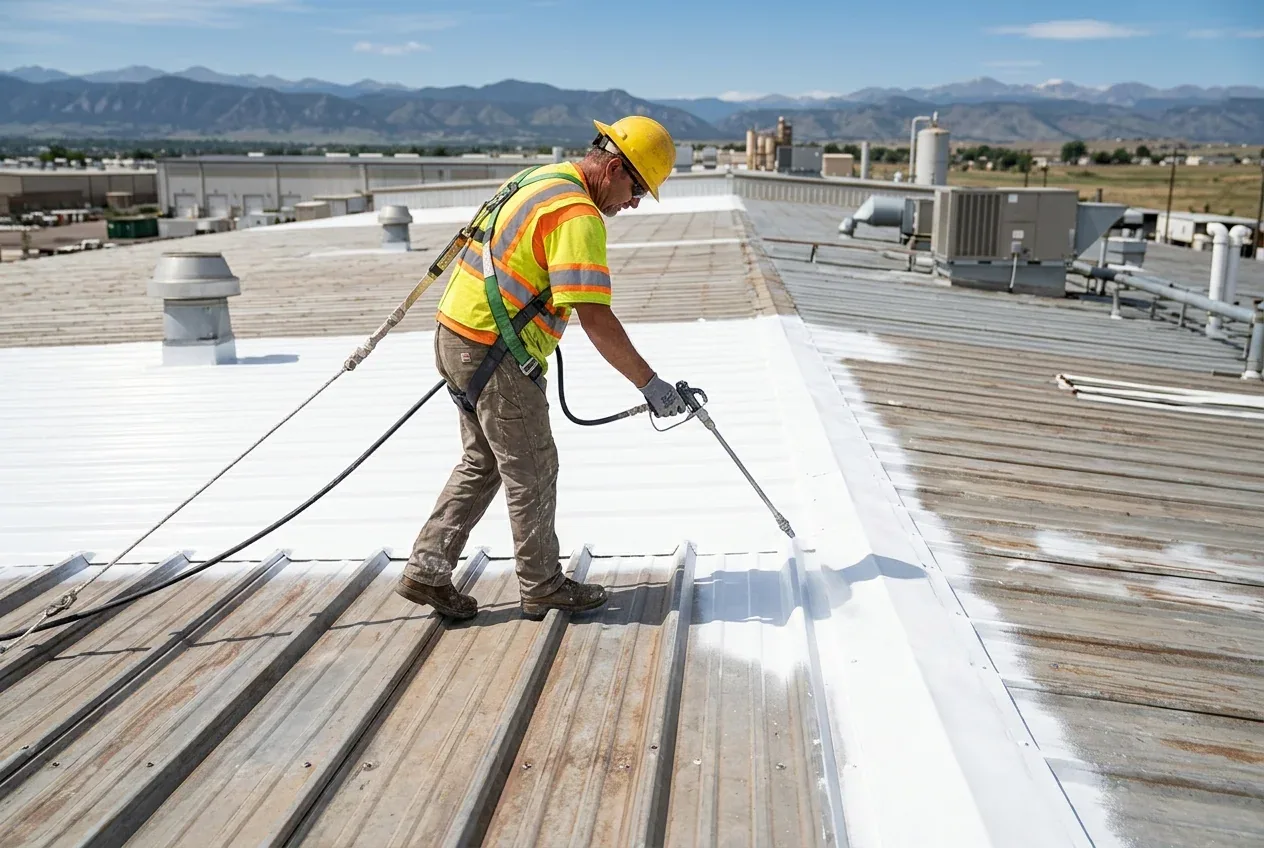
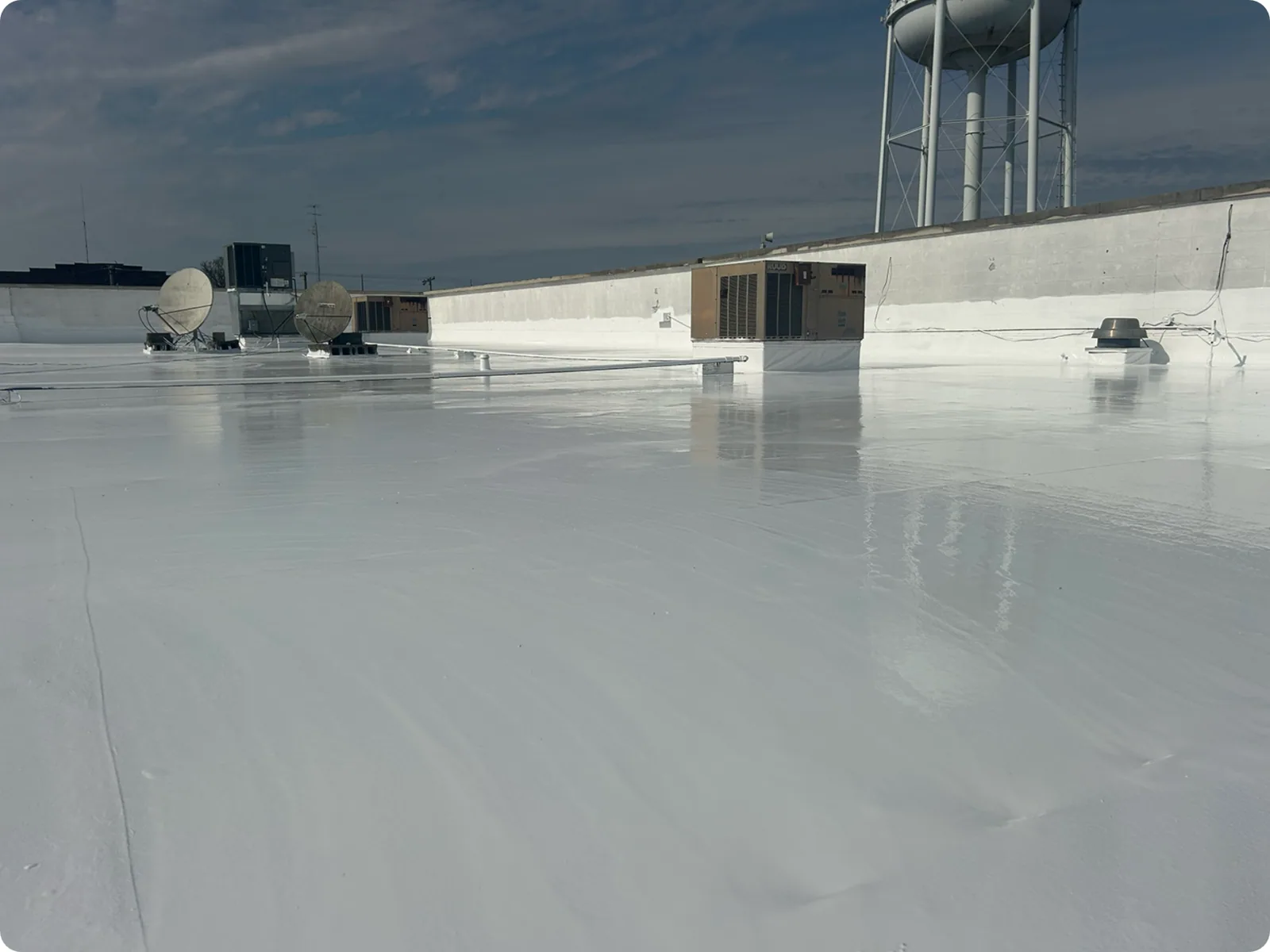
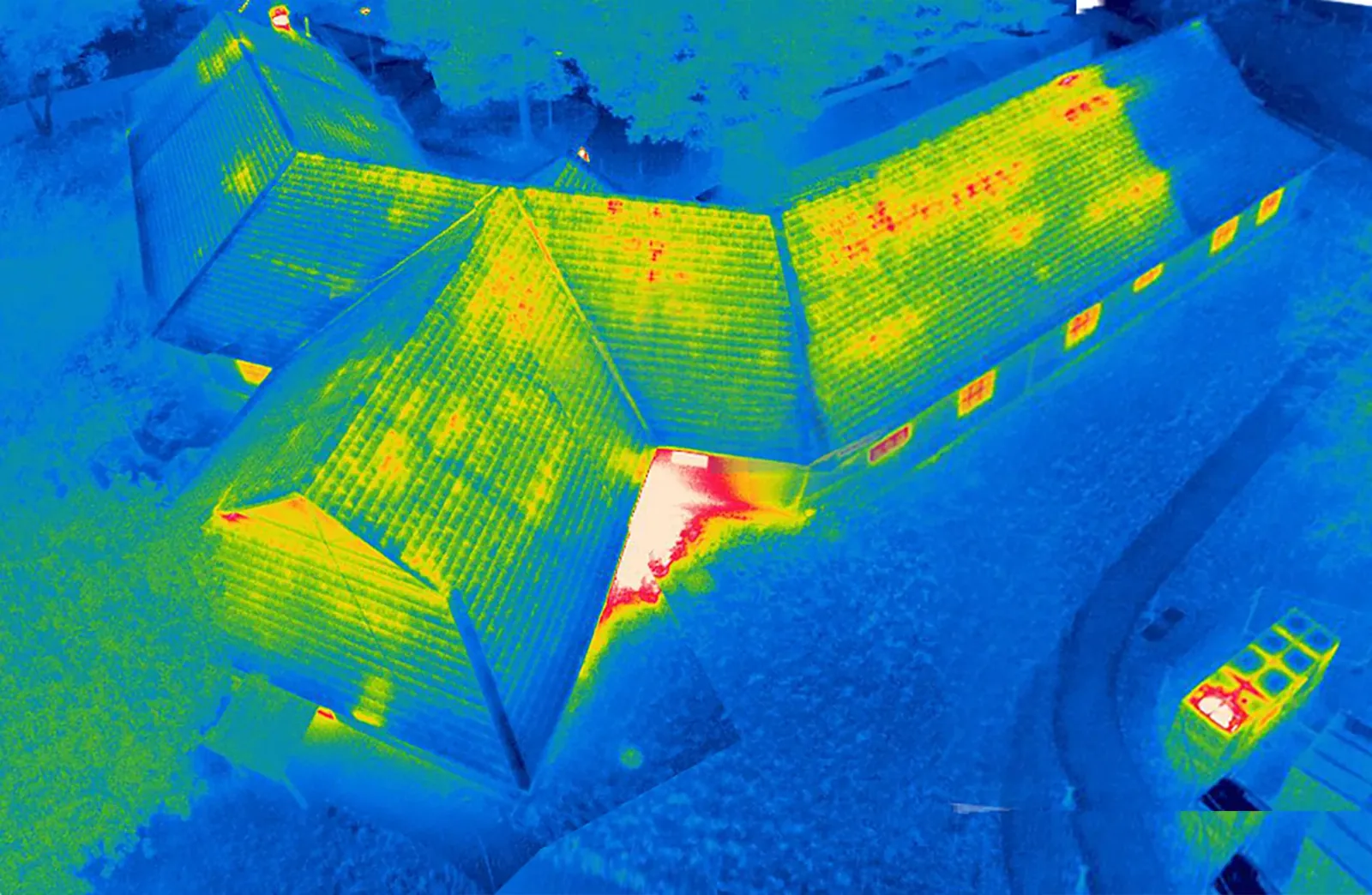
Traffic on a major road leaves soot, and a dirty membrane runs hotter, so a roof beside an expressway benefits from a reflective surface that can be washed. A TPO roof in white shows the dirt and sheds heat, which helps given a strong summer heat island effect and a July mean daily high near 85 degrees.
Working beside tenants and docks
An industrial building can hold more than one business, and the roof job touches all of them. We ask each tenant what the building below needs: dry stock, quiet hours, a clear dock door. Then we plan the sequence so the roof is closed each day and the hoist works in a corner that does not block a truck.
Healthcare is part of the district too: Lutheran Medical Center stands on a former waterfront factory site. Work near a medical building brings dust and noise limits, and we plan with those rules from the start. The occupied building method applies throughout the district.
Repair, recover or replace
The owner's options follow the moisture. If the wet insulation is limited, a targeted repair carries the roof for several years. If the roof is dry and sound under a worn surface, a recover over the existing roof avoids tear-off and keeps the building working. If the insulation is wet across the field, replacement is the better route. A moisture survey and core cuts decide.
Layers, lifted equipment, access and the season set the cost and the timing. Winter limits what adhesives will do, so a full replacement fits between spring and early fall. The same expressway runs through Red Hook and along the southern edge of Gowanus, and owners along that route weigh the same trade-offs.
Commercial Roofing Questions
Why would a roof in a staged industrial complex leak at the same wall every winter?
The wall usually marks a tie-in where an older roof meets a newer one. Freeze and thaw open the joint, and the original flashing was never built for that movement. We rebuild the termination with a proper counterflashing and a sealed transition, then test it with water.
Can we keep our shop or loading dock working during roof replacement?
In nearly all cases the building keeps working. We open a section, finish it and close it before the shift ends, with forklift lanes and dock doors kept clear. Areas above sensitive stock are done last, with tarps ready.
Does a drain problem always mean the deck has sagged?
Not always. A drain may sit too high, or the basket may be packed with grit. We check slope with a level and water, clean the basket and measure the depth of standing water after a day. Only then do we decide whether insulation or structure is involved. A water test at the drain takes an hour and answers the question.
Which building code rules apply when a roof is redone?
The 2022 NYC Construction Codes give roof assemblies and rooftop structures a chapter of their own and energy efficiency another. Both guide a new roof or a recover, and the owner's designer is brought in when a project needs filings.
What gets a Sunset Park walk scheduled?
Roof age, address area, a photo of the worst drain, a photo of the worst parapet and a note on the bays that must stay dry. With those the walk and the access are planned.