Infrared Moisture Survey in Brooklyn, NY
A flat roof can look fine and still be holding a swimming pool in its insulation. Water gets in at a small seam or a cracked flashing, spreads sideways under the membrane, and soaks the boards for yards in every direction. The surface shows nothing until a tenant sees a stain. In Brooklyn, NY, where older buildings may have two or three roof layers stacked together, the only way to know is to look under the surface. An infrared survey, backed by core cuts, draws a map of the wet insulation so the owner can decide where to repair and where to leave alone.
How the survey works
Water inside insulation gives its heat back slowly. When a sunny day ends and the roof starts to cool at sunset, the wet patches stay warm while the dry boards around them fall in temperature. An infrared camera sees that difference as a pattern of warm and cool zones. We scan the roof in the evening hours, mark the warm patches with paint or flags, and photograph both the thermal and visual views.
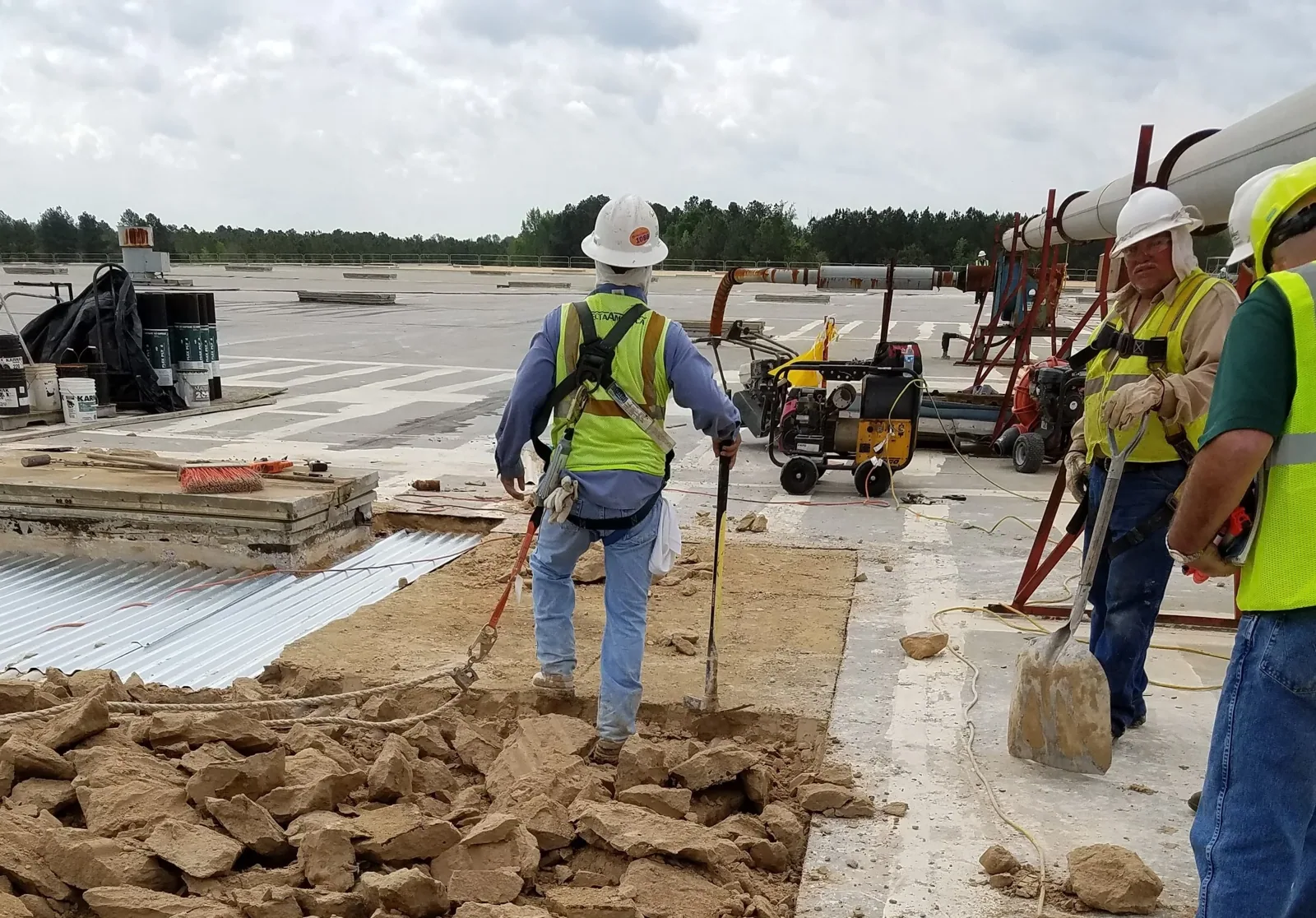
The camera finds suspects, not answers. Dark finish, ballast, dirt and different materials all change how a roof holds heat. That is why the scan is always followed by moisture meter readings and core cuts at the marked areas. A core cut is a small plug through the roof layers. We look at it, measure it and patch it the same day.
Conditions that make a good scan
A good scan needs sun during the day, clear sky at night and a dry roof. A cloudy day leaves too little heat in the roof to map. A windy evening cools the roof unevenly. Snow and standing water hide the signal entirely. Because of that, our schedule shifts with the weather rather than with the calendar.
New York City summers average a mean daily high near 85 degrees, and the strong heat island effect keeps rooftop surfaces warm after dark, which suits infrared work. Winter scans are rarely useful, since the borough averages about 30 inches of snow a year and a cold roof offers little heat contrast. Late spring through early fall is the working window.
Equipment and what we look for
The survey uses a calibrated thermal camera, a capacitance moisture meter, a probe, a core cutter and a roof plan on a tablet. The plan matters as much as the camera, because every finding has to land in a specific place. We log each reading by grid square and photograph each marker, so a repair crew can find the same spot a month later.
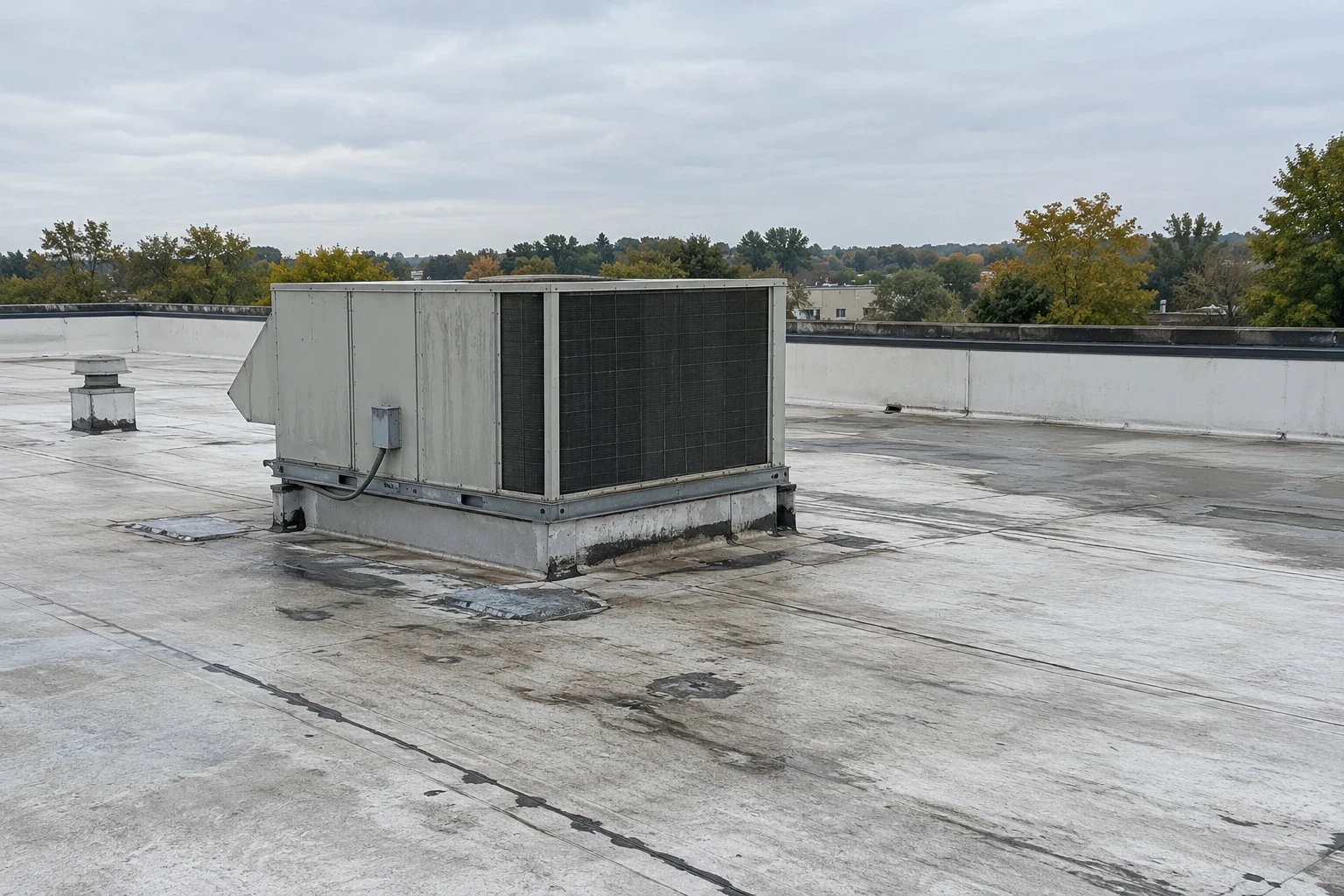
We also watch for false positives. A drain sump, a layer of ballast, a previous patch or a pipe run under the roof can each glow on a thermal image for reasons that have nothing to do with water. The meter and the cut separate real moisture from look-alikes, and we record both so the report shows why each area was kept or dropped.
Reading the layers
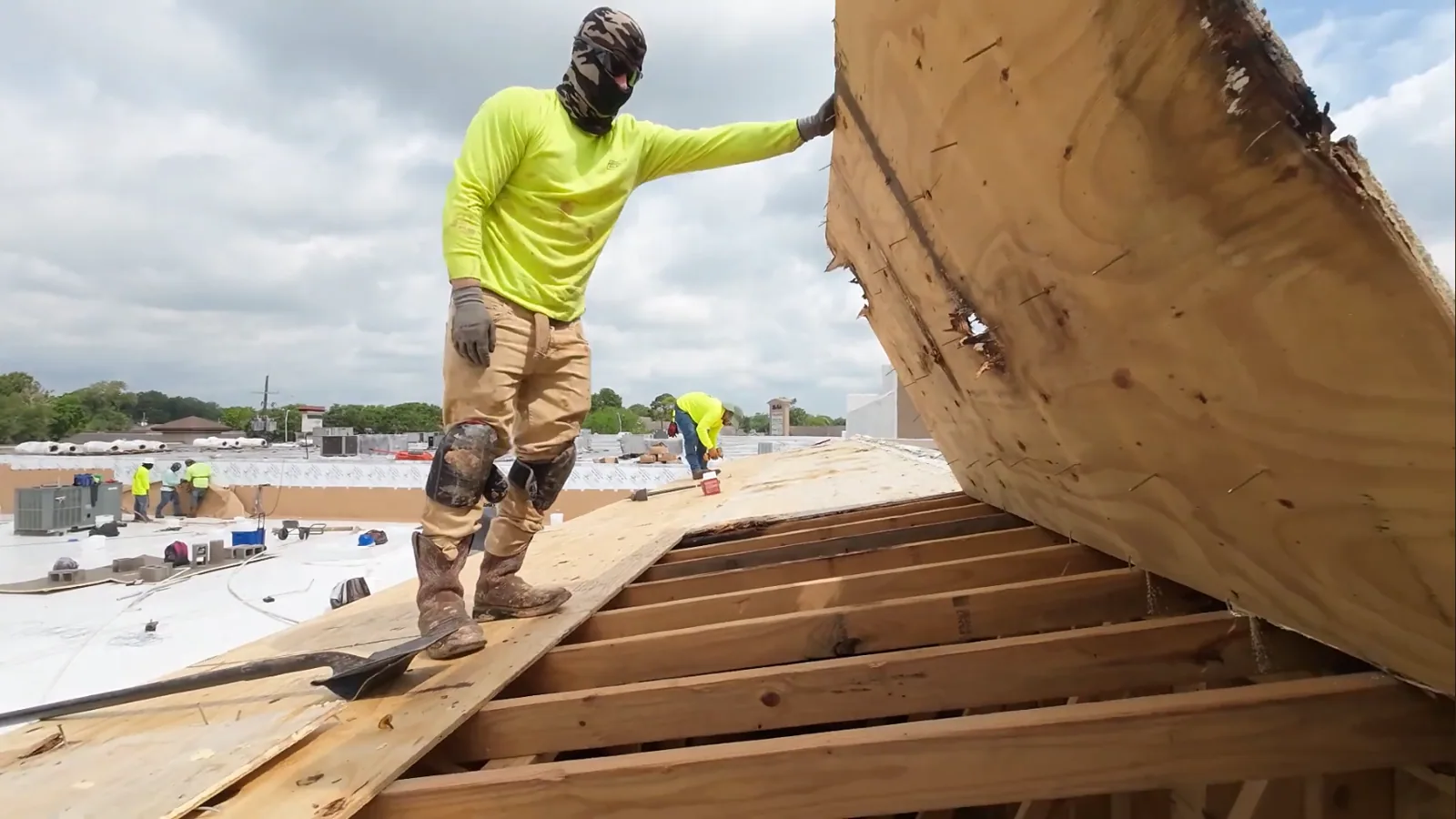
Core cuts tell the story the camera cannot. We see how many layers the roof has, what each is made of, how thick the insulation is and whether the deck below is sound. Typical findings include a dry top layer over a wet bottom layer, a saturated area around a drain, and a moisture trail that runs back from a leak toward a curb. Each tells us something different about the cause.
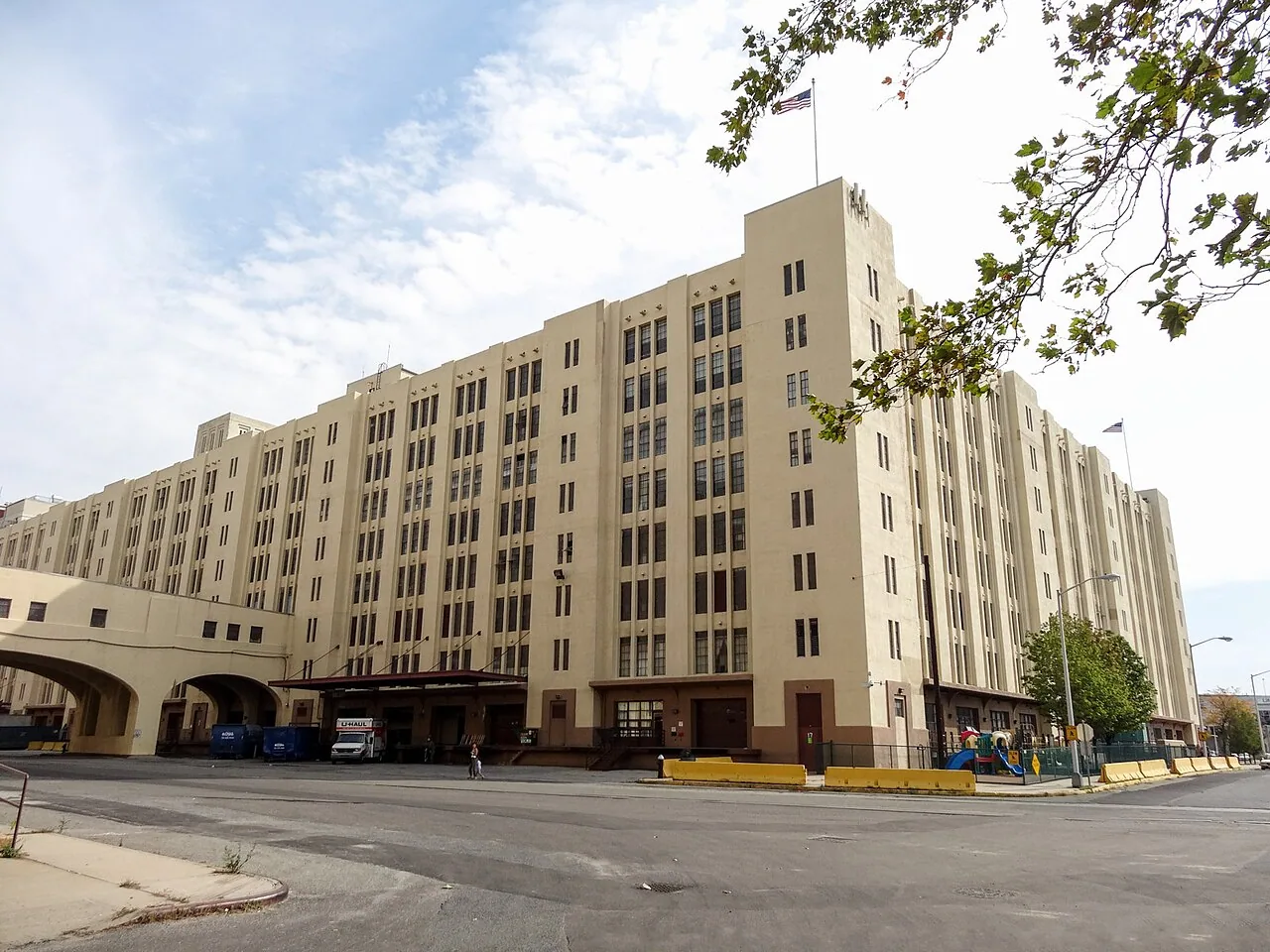
The DUMBO Industrial District holds 95 contributing buildings, including early reinforced concrete factories, and a roof on a building that old could hold almost anything under the surface. The cut shows what is actually there. On a Dumbo roof the cut also decides whether insulation can be dried in place or has to come out.
What the map decides
The finished map divides the roof into dry, damp and saturated zones, and each zone gets a recommendation. Dry zones stay. Damp zones may be dried or isolated. Saturated zones are cut out and replaced. The sum of those areas tells the owner how much of the roof is worth saving.
If the saturated share is small, a targeted repair can solve the problem. If it is moderate, a roof recover may work after wet sections are replaced. If most of the roof is wet, replacement is the better investment. The survey puts numbers behind the decision, so nobody is guessing at the budget.
Where surveys earn their keep
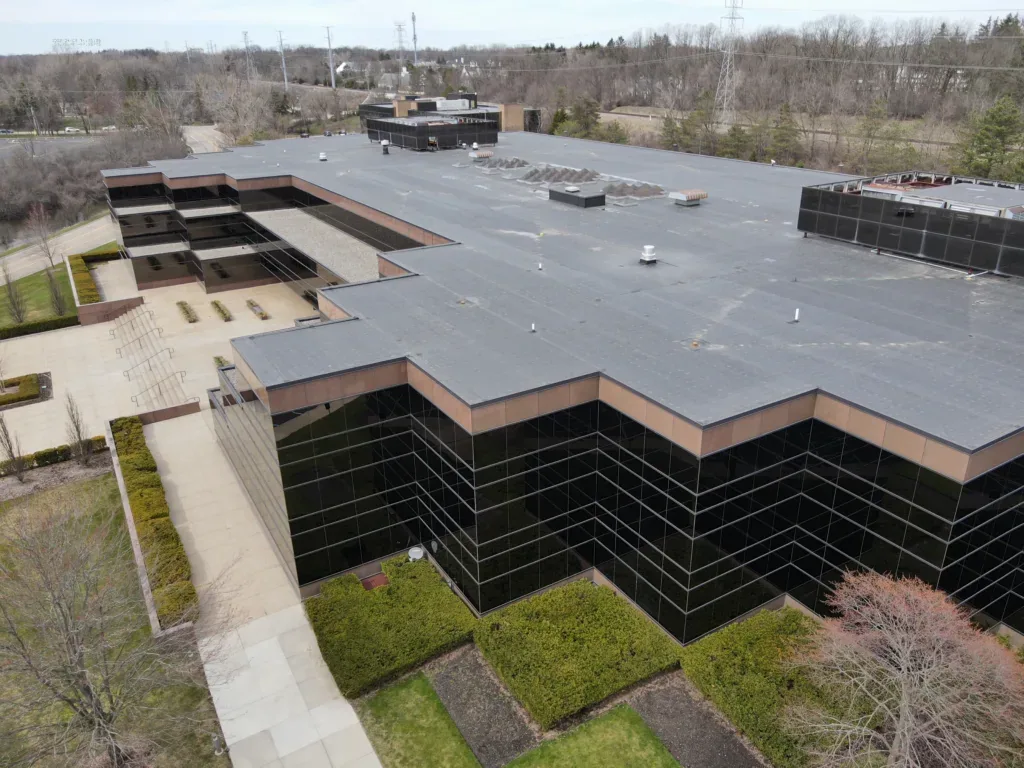
Factories, warehouses and loft buildings fill the East Williamsburg Industrial Park between Flushing Avenue and Newtown Creek, and a large, much-patched roof in that kind of setting is a good survey candidate. A warehouse roof with a history of small repairs can hide a broad wet area that the patches never reached.
Surveys also help before a sale or refinance. A buyer can find out what is under the membrane before agreeing on price, and a lender can see whether the roof will need replacement soon. The same method scales to a whole portfolio in due diligence roof surveys.
After the scan
The report includes thermal and visual images, a marked roof plan, core cut logs and a recommendation by zone. We keep the raw files so a later scan can be compared against them. Many owners repeat the survey every few years to track how the wet areas grow or shrink. A drone flight can supplement the scan on tall or hard-to-reach sections.
If a survey finds saturated insulation next to a drain, we also check the drain body and the sump, because a failed clamping ring or cracked bowl feeds water into the same area every time it rains.
Commercial Roofing Questions
Can an infrared scan be done during the day?
Daytime scans are less reliable. The sun heats the whole roof and drowns out the difference between wet and dry areas. We scan in the evening, after the roof starts to cool, when the contrast is strongest.
Does the scan work on every roof type?
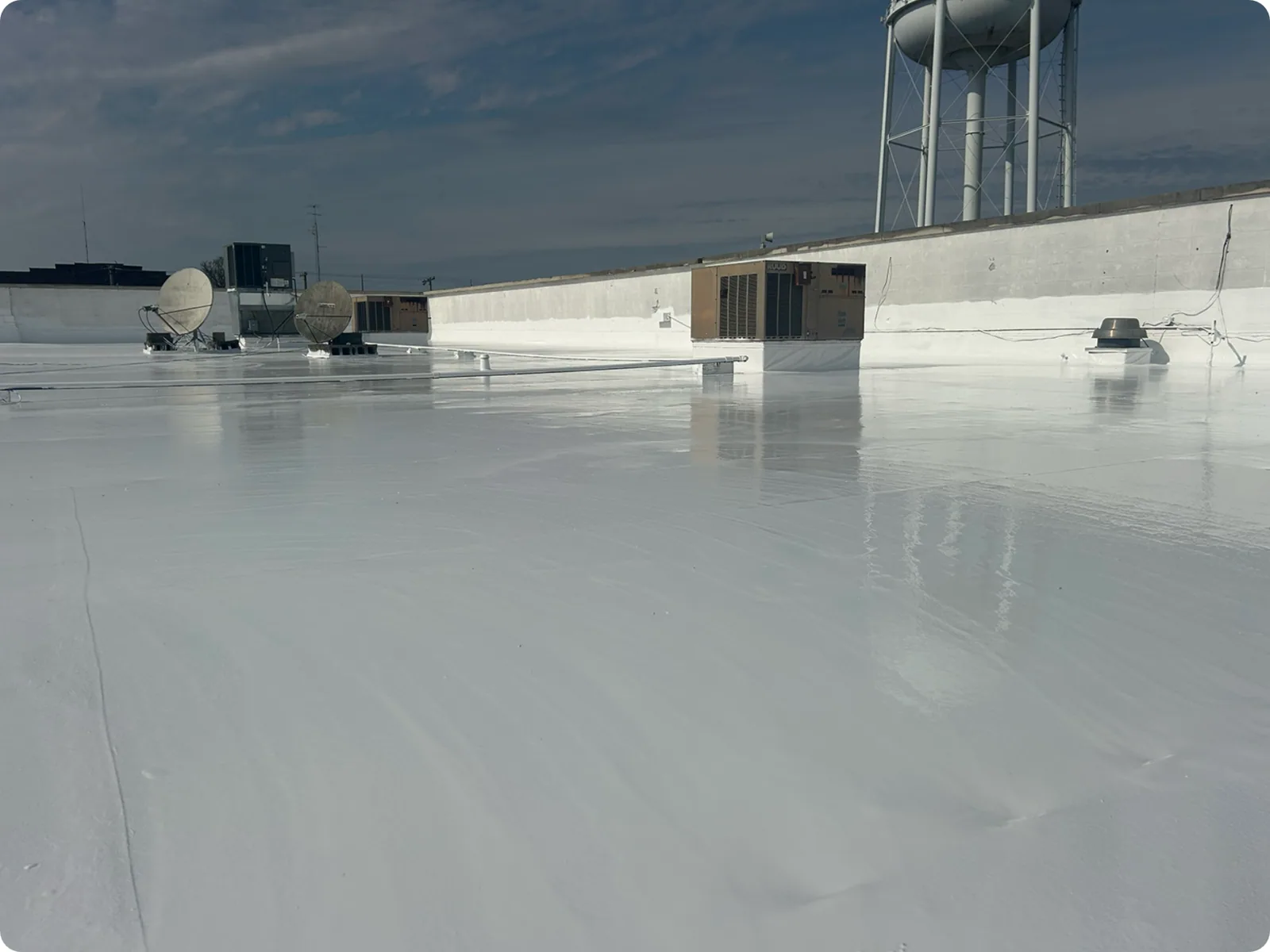
It works best on dark membranes over insulation. Ballasted roofs, reflective surfaces and heavy gravel can mask the signal, so we rely on core cuts and moisture meters more heavily there. We tell you in advance which method will carry the findings.
How big is a core cut and how is it repaired?
A core cut is a few inches across. We remove a plug, examine and measure it, then fill the hole with matching insulation and seal it with the same membrane material. Every cut is patched on the day it is made.
What does a survey cost compared with the roof work it prevents?
The survey is a small fraction of replacement cost, and it can prevent a replacement that was not needed or a recover that would have failed. The main drivers are roof size, access and the number of core cuts required. Owners usually save more by surveying before a recover decision than by skipping it, since a recover over wet insulation has to be done twice.
Will the survey show where the leak is entering?
It shows where water has gone, which usually points back to the entry. The wet zone often narrows toward a drain, curb or seam. We confirm the entry with a hose test before recommending the repair.
How soon after a leak should the survey be done?
Soon after the roof is dry, ideally within a few weeks. Moisture spreads and soaks deeper over time, and the sooner the survey runs, the smaller the area that needs to be cut out. A survey months later still works, but the map is usually bigger.