Commercial Roofing in East Williamsburg, Brooklyn, NY
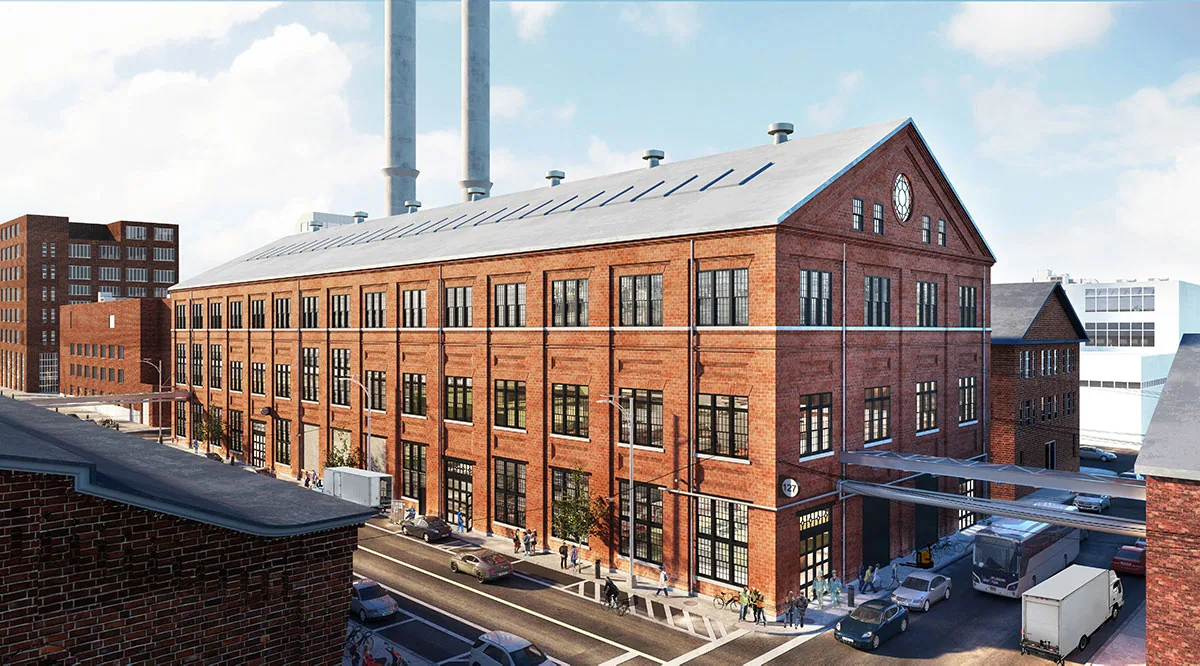
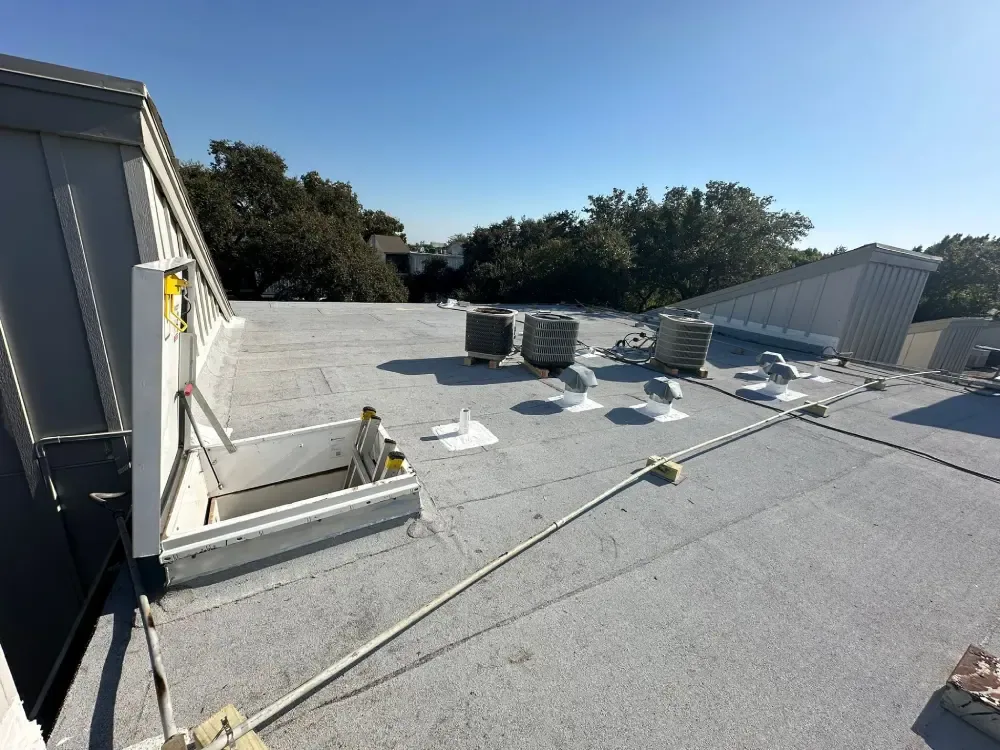
Walk the roofs of the East Williamsburg Industrial Park and you are reading a century of additions. The eastern half of the neighborhood is an In-Place Industrial Park, one of eight in the city, where factories, warehouses and loft buildings share blocks with some residential housing. The park is bounded by Newtown Creek, I-278 on the north and Flushing Avenue on the south. Many buildings have flat decks and tall parapets, and the patches on each one show where the water has been getting in. We start there.
Inside the industrial park
In an industrial park the roofs vary more than the street grid suggests. A one-story shop sits beside a multi-bay loft building, and a newer warehouse shares a wall with a brick factory. The tie-in between a new roof and an old wall is the detail we inspect most often, because a joint between different eras moves, and the flashing at that joint is rarely what the original drawing showed.
We begin each building by identifying its sections. A change in parapet height, a different membrane color or a seam in the insulation tells us where one phase ended and the next began. Each section gets its own moisture reading, so one bad bay does not condemn the whole roof. A manufacturing plant roof with process exhaust gets a separate set of checks.
Loft buildings in the park raise another question: what is the roof made of? Many carry a layered history, with an older built-up roof beneath a newer membrane and, sometimes, a coating on top. Before we promise anything, we cut a core and count the layers. Two layers of dry roofing can take a recover. Three or four layers, with wet insulation, usually cannot, and pretending otherwise just buries the problem.
Residential neighbors and quiet hours
Factories, warehouses and loft buildings sit among some residential housing, and that mix shapes the schedule. Early morning tear-off wakes neighbors, torch smoke drifts and a dumpster in the wrong spot blocks a driveway. We keep loud steps to daytime hours, choose cold-applied or welded systems where we can and post notices in advance.
The mix also affects hoisting. Streets are narrow, and a truck on the block blocks the lane. We stage materials inside the yard whenever the property has one, and we time deliveries to avoid school runs and shift changes. A neighbor notice is a standard step in the occupied building method.
Creek, bridges and the water they send
Newtown Creek runs along the north edge of the park, and the Kosciuszko Bridge and Grand Street Bridge cross it to Maspeth. The creek matters to a roofer because rain has to go somewhere. When a heavy rain arrives, roof leaders that tie into a full storm line back up, and the roof ponds even when the basket is clear.
On an industrial roof, ponding after rain like the cloudburst from Ida's remnants in 2021 points to undersized drains or a deck that has dipped. Overflow scuppers go in where the parapet allows, and drain sumps are rebuilt so water enters freely. A ponding water repair that restores slope outlasts a patch.
Matching the membrane to the building
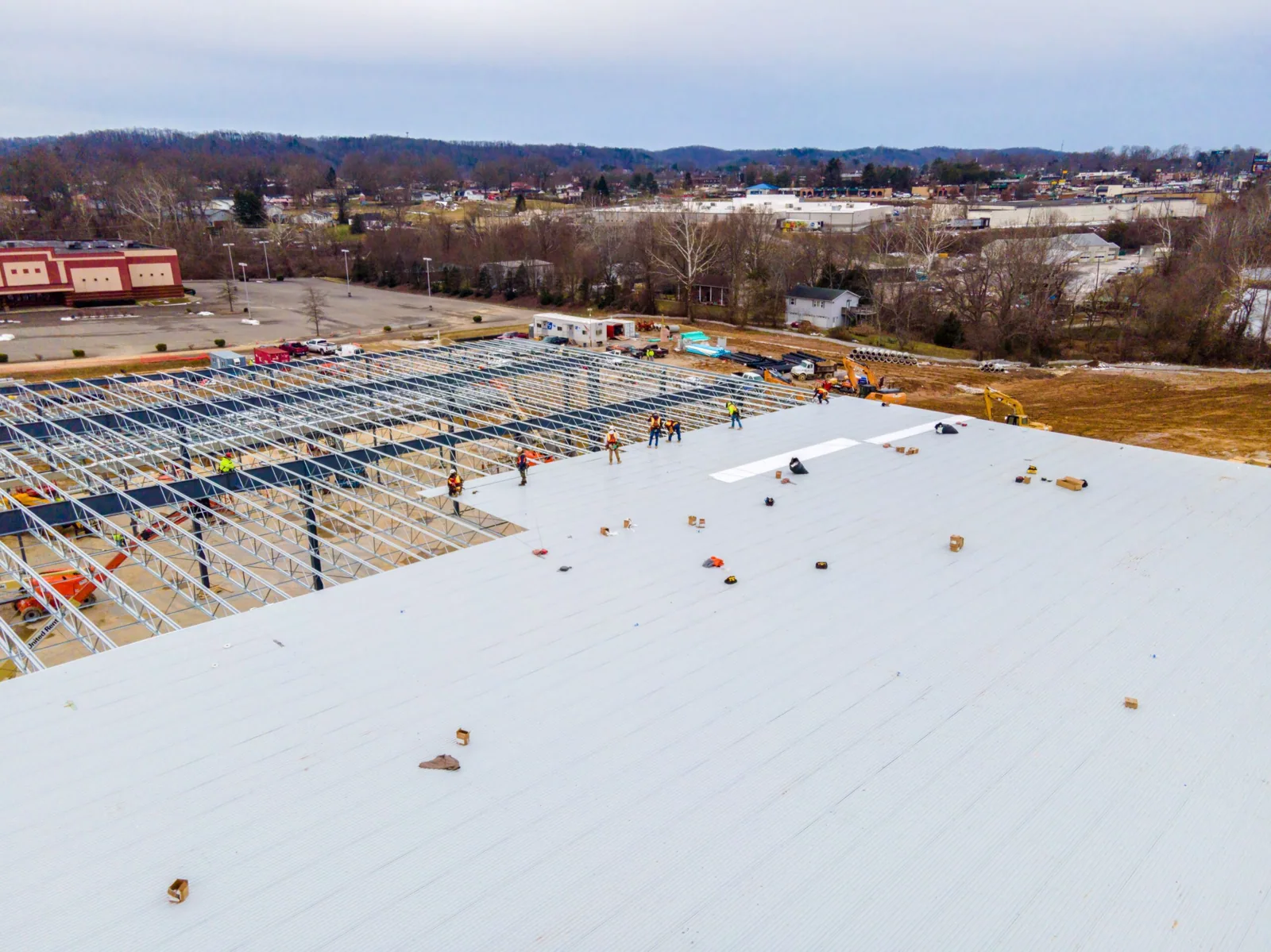
A factory with warm interior air and a heavy roof load wants a different system than a cold warehouse. For a dry, sound roof, a recover over the existing membrane is often the economical path. For a wet roof, replacement is the answer, and we choose among TPO, modified bitumen and built-up systems based on traffic, exhaust and fire rules.
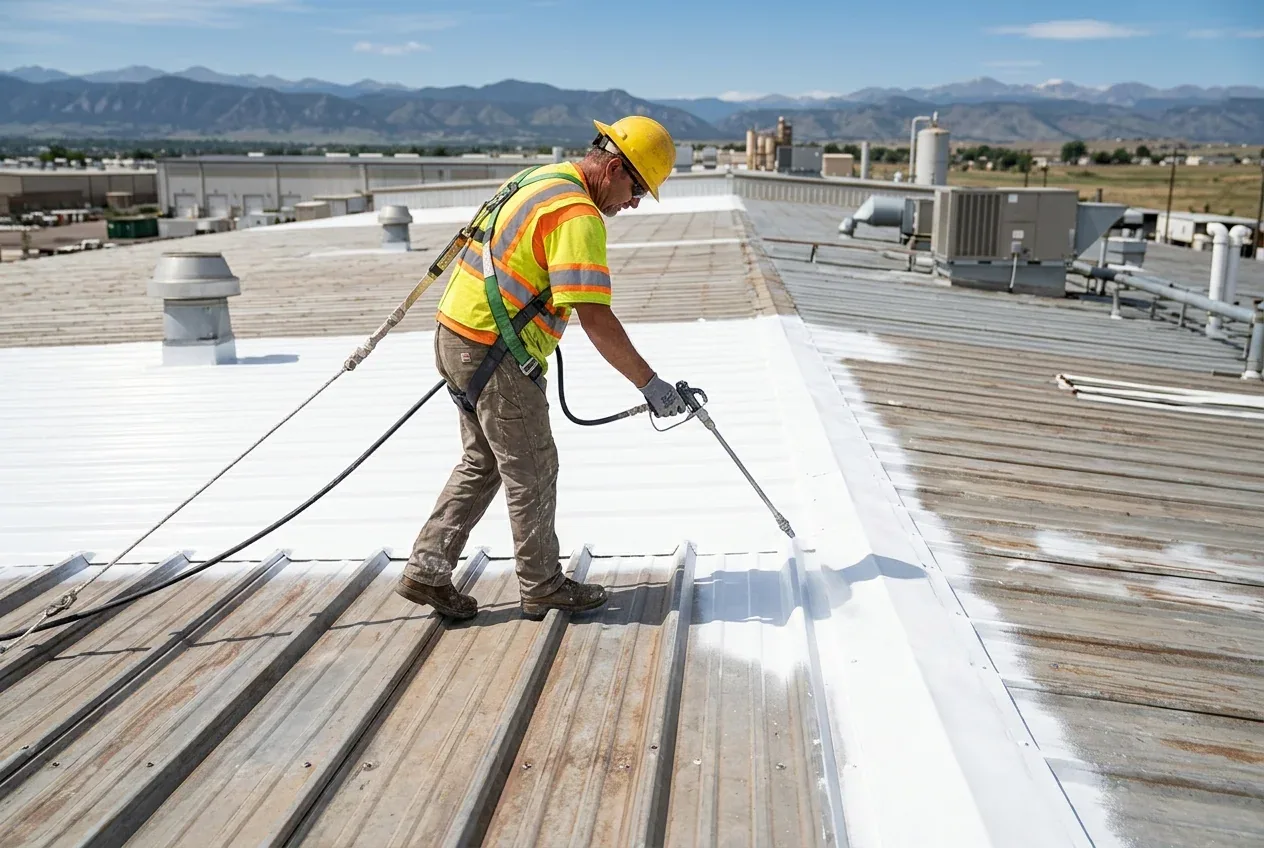
Reflective surfaces help in summer. With July highs near 85 degrees and a strong heat island, a white membrane lowers both the roof temperature and the load on rooftop units. Snow near 30 inches a year and a freeze-thaw swing work on every seam, so a welded or fully adhered membrane with well-made laps earns its cost.
Fire rating and insurance matter in an industrial park. Many insurers ask for a rated assembly, and a torch-applied system near stored goods raises questions. We discuss those before choosing, and we keep documentation of the assembly so the owner can show the insurer what is on the roof.
Edges and wind
Industrial roofs have big perimeters, and wind lifts the edge first. We check coping, edge metal and fasteners, and we look at the first rows of membrane for lift. In 2007 an EF2 tornado stripped a Nissan dealership roof in Bay Ridge, a reminder that an unsecured roof edge in Brooklyn can fail all at once.
Where the edge is loose, we upgrade it with heavier metal and closer fastening. After a storm, a quick walk catches a lifted corner before the next gust tears it. The same steps apply on any wind-damaged roof.
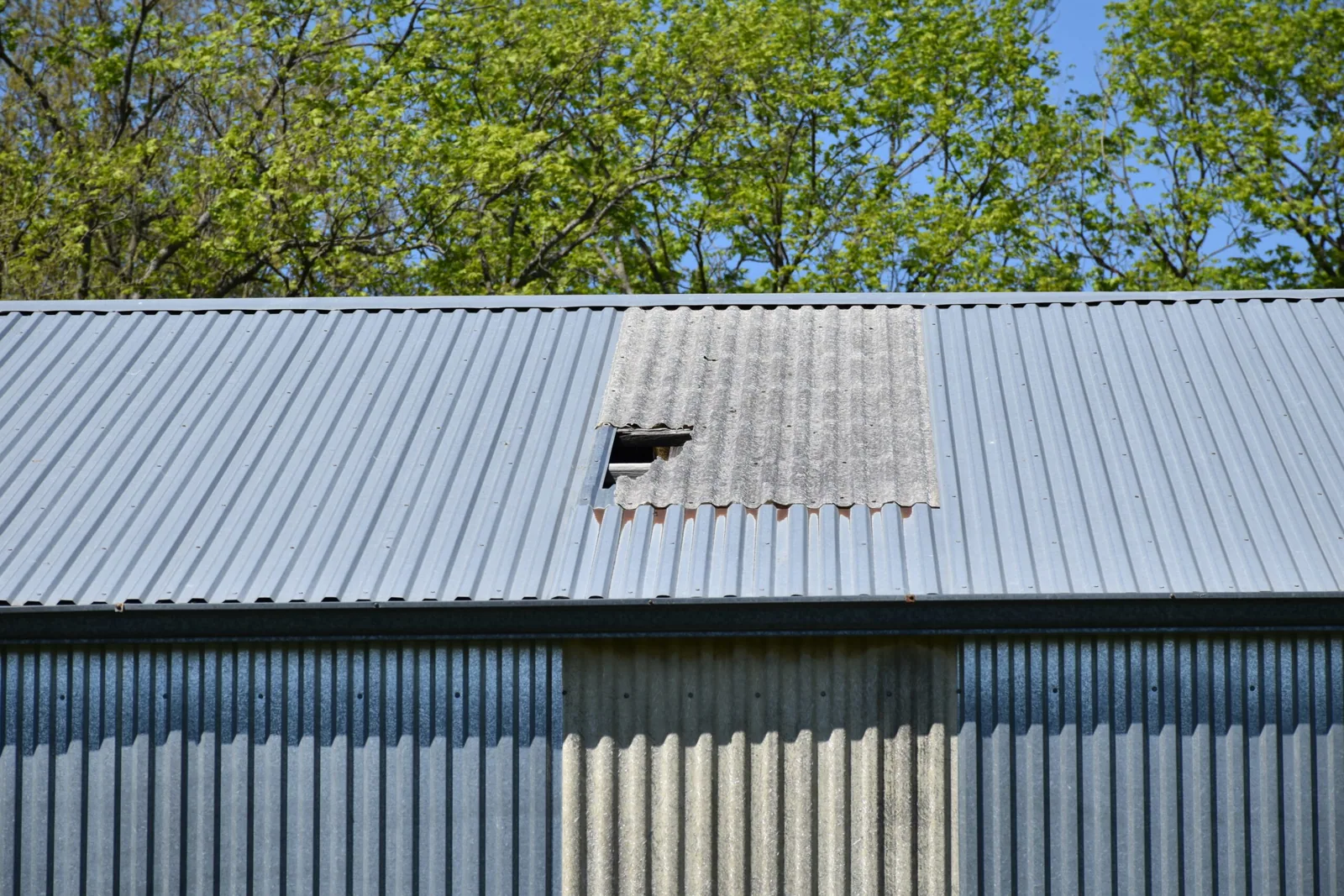
Skylights and old ventilators sit along many industrial roofs. A cracked dome or a rusted ventilator lets in water and air, and the curb below may be rotted. We replace failed units, rebuild the curb and flash it to the membrane so the opening is part of the roof and not a patch on it.
Repair, recover or replace
A moisture survey and a few core cuts settle the choice. If wet insulation is limited, a targeted repair holds for years. If the roof is dry, a recover saves tear-off. If wet areas are widespread, replacement avoids paying twice. The factors that move the price are the number of layers, the equipment that must be lifted, access and the season. Cold weather limits adhesives, so replacements run from spring through early fall.
Owners in the park often hold several buildings. A multi-site roof program ranks them and spreads the spend. Neighboring districts such as Bushwick and Greenpoint can sit in the same program.
Commercial Roofing Questions
What does 'In-Place Industrial Park' mean for a roof owner?
It tells you the area is set aside for industrial use, and it is one of eight in the city. For a roof, the practical point is that neighbors are working buildings with trucks, noise and long shifts, so staging and schedules need care.
How is a new roof tied into an old wall?
We match the tie-in to the wall's condition. If the masonry is sound and the old flashing is missing, we add a reglet and counterflashing. If the wall is damaged, we repair it first. The new membrane is sealed to a sound edge and tested with water. A water test at the finished joint confirms the work before we move on. On a building shared with a neighbor, the test is run with both sides present, so the photograph of the dry ceiling below belongs to both owners and the repair does not get argued again at the next storm.
Can loud work be kept away from neighbors?
Mostly. We schedule loud steps for daytime hours, choose quieter systems and post notices before the work starts. A named contact handles complaints.
What if the building has a skylight or old vent stack?
We check the curb, the glazing and the flashing. If the curb is rotted or the dome is cracked, we replace it. Abandoned vents are cut below the roof line and the deck is patched.
What gets a first walk scheduled in the park?
Roof age, address area, a drain photo and a parapet photo, a note on any tie-in between sections and the bays that must stay dry.