Multi-Site Roof Programs in Brooklyn, NY
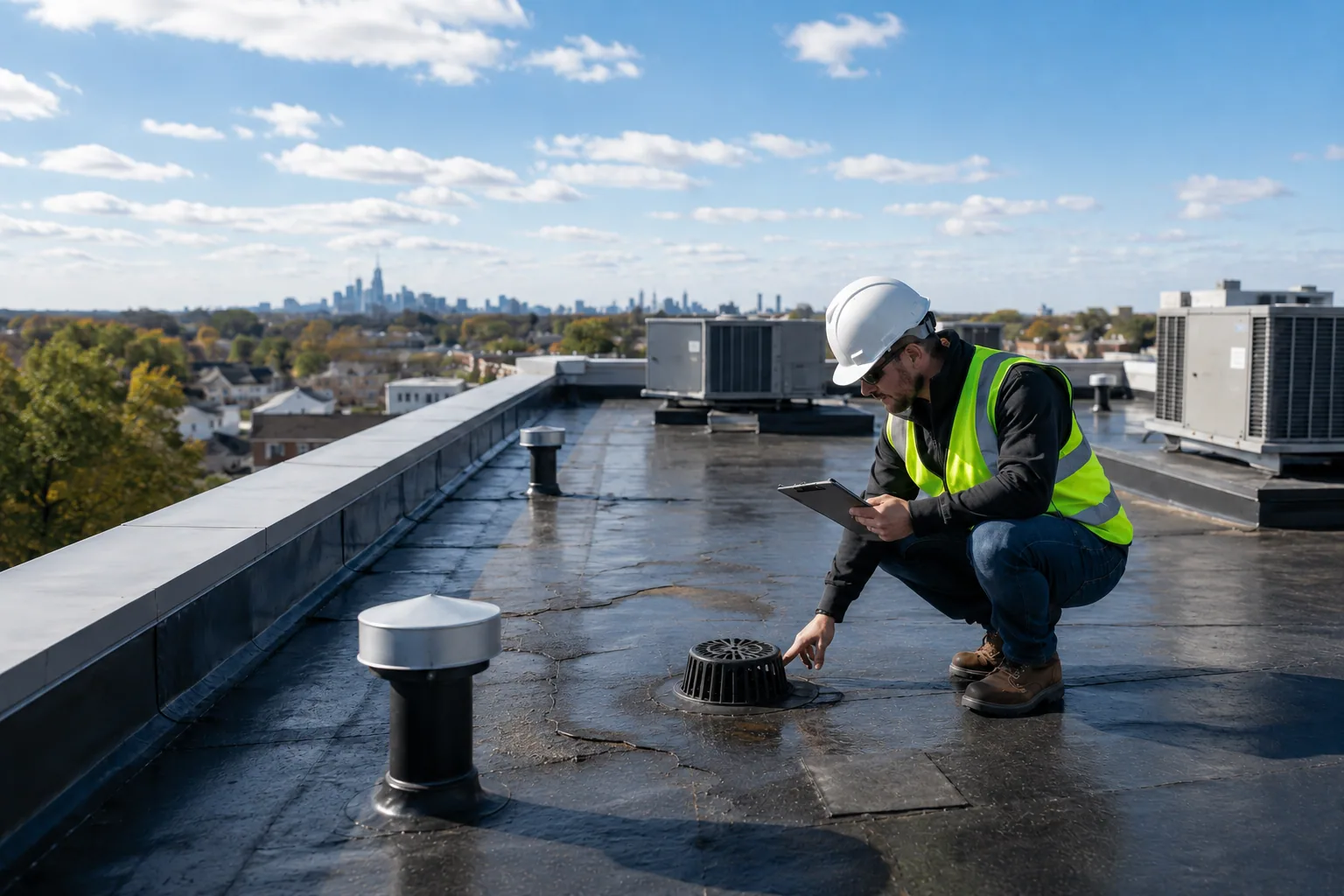
The drain basket on the third roof of a program is never in the same shape as the one on the first. One is packed with leaves from a street tree, one with grit from a neighboring demolition, one is clean because a porter cleared it last week. Owners who hold roofs across Brooklyn, NY see this pattern all the time, and it is why a program cannot be run as a string of unrelated calls. A multi-site roof program puts every building under one standard, one calendar and one reporting format, so the manager sees the whole group at once and the crew shows up already knowing what each roof looks like.
Starting with a baseline
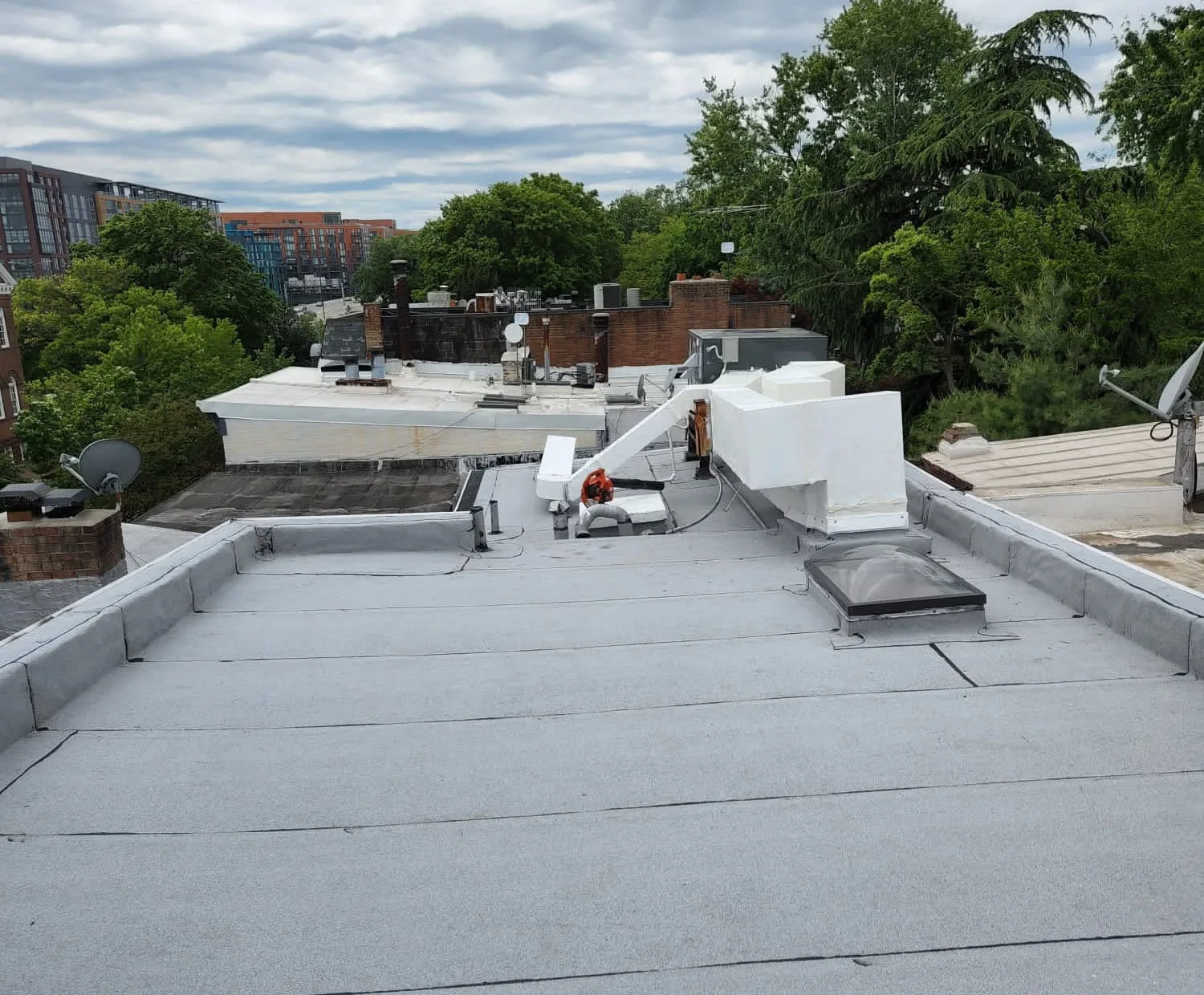
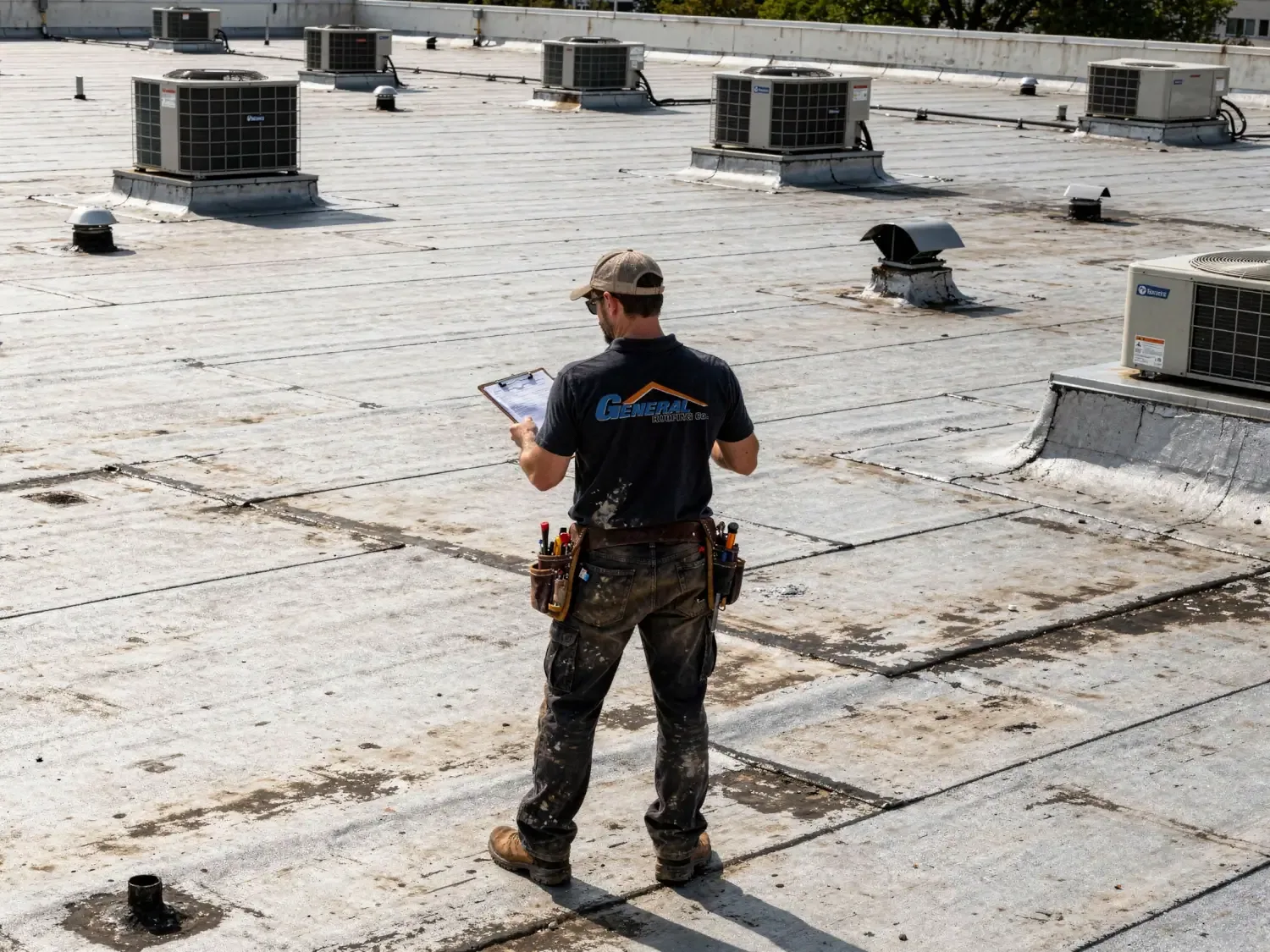
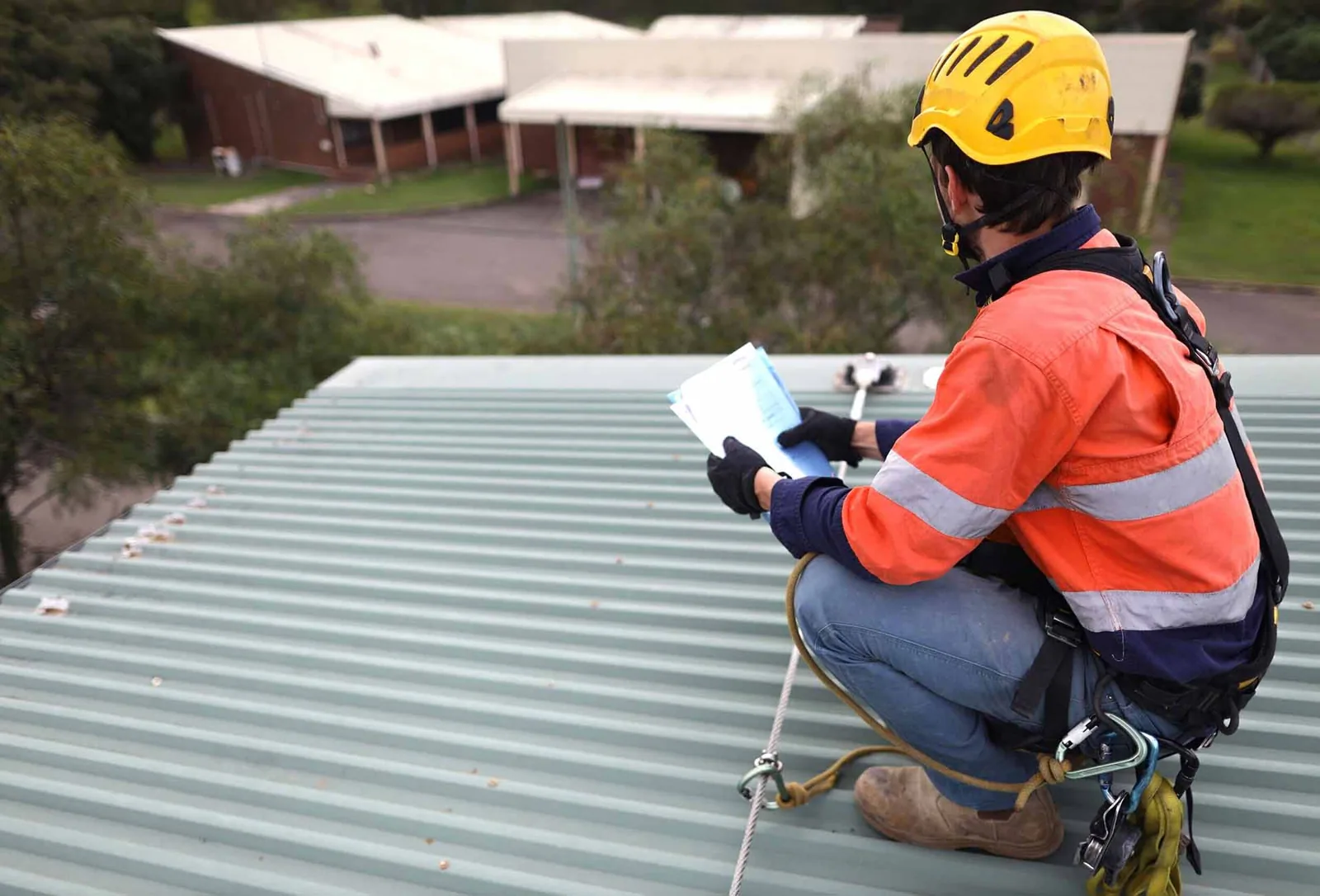
A program begins with a walk of every roof. We photograph drains, parapets, curbs and flashings, scan for moisture where the history suggests it and rate each roof on the same scale. The output is a ranked list of buildings, from those that need immediate work to those that need only routine upkeep. That ranking is the first thing a portfolio manager asks for, and it is usually the first time the owner has seen all the roofs compared side by side.
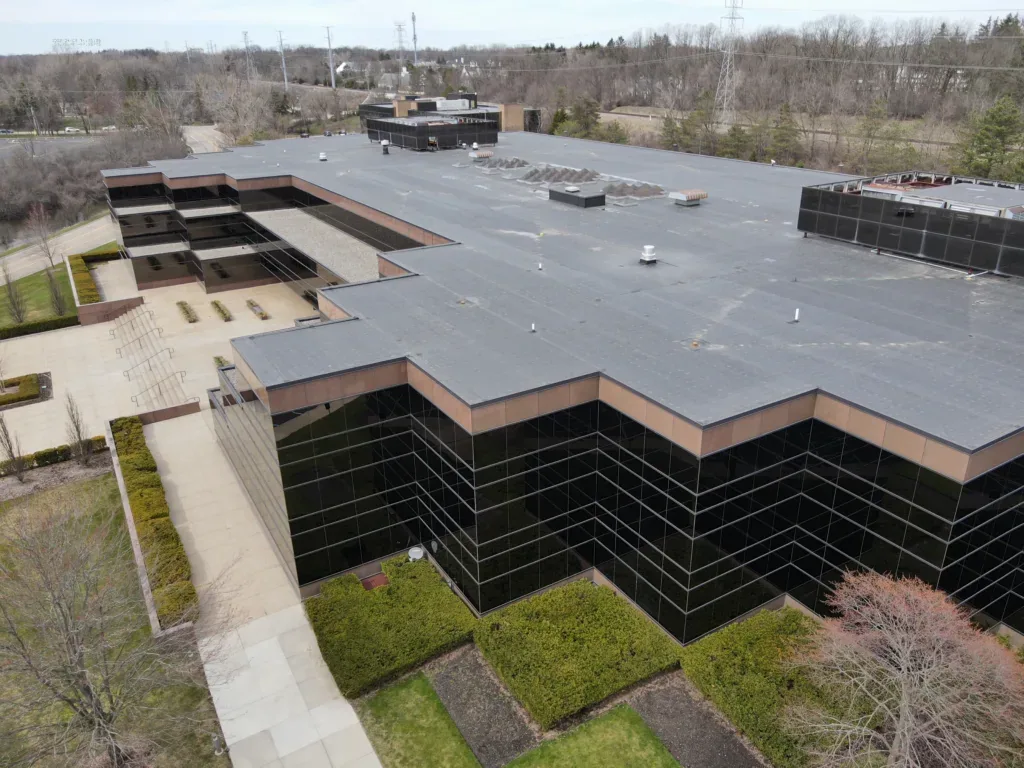
The baseline also settles which roofs share a system. If six buildings carry the same single-ply membrane, they can share a repair detail, a sealant, a seam procedure and a spare-parts stock. If three carry old tar-and-gravel, they get their own detail. Standardizing where the roofs allow it cuts mistakes and speeds repairs.
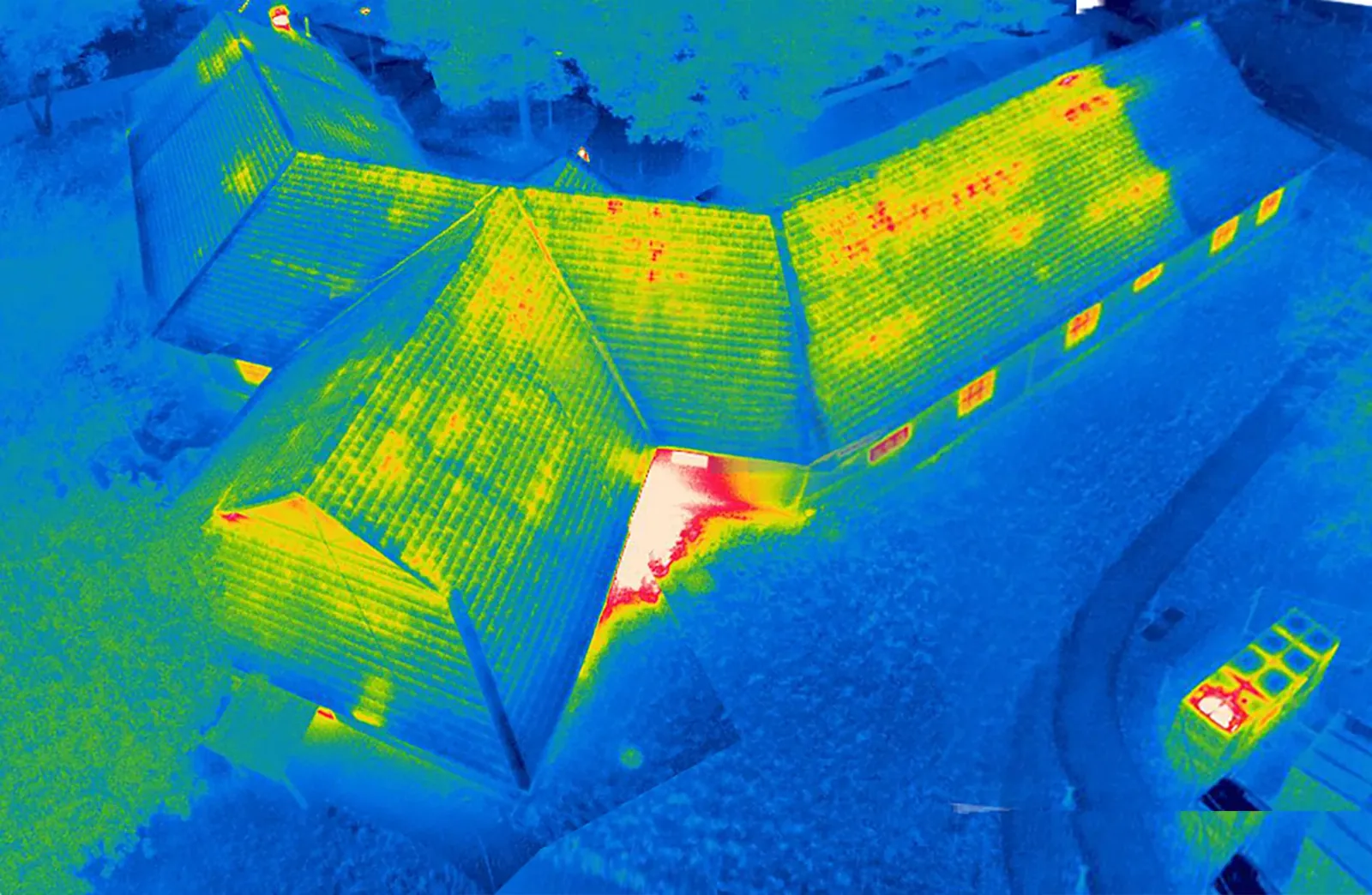
Where the baseline finds wet insulation, an infrared moisture survey maps the affected zones before any scope is priced. That keeps the early spending on roofs that truly need it, and it protects dry roofs from replacement they do not yet require.
Routes across the borough
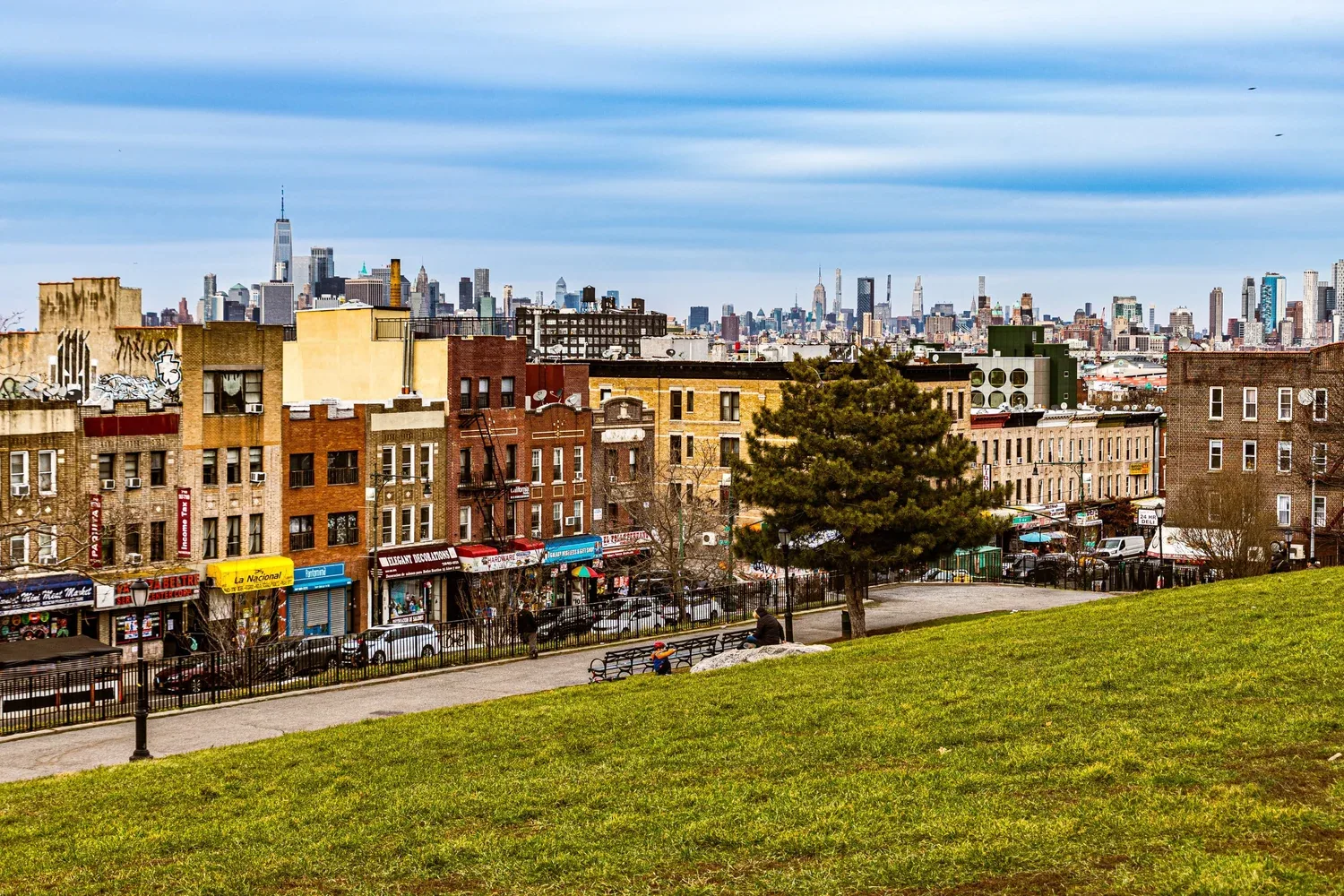
Brooklyn roofs sit across a wide borough, and a program should be planned around the map. Buildings around Bush Terminal and Brooklyn Army Terminal in Sunset Park can be walked in one mobilization. East Williamsburg and Bushwick buildings near Flushing Avenue form another cluster. A stop near Kings Plaza or Canarsie is a separate trip, and the Belt Parkway or the Gowanus Expressway sets the timing for getting there.
We cluster the work by geography and by tenant calendar, so a manager approves a short list of mobilizations and not a long list of individual visits. Deliveries and hoisting are also planned by block, because staging on a narrow Brooklyn street takes advance notice and sometimes a permit.
One standard for every roof
Consistency is the main thing a program buys. Every roof gets the same drain-clearing routine, the same edge inspection and the same photo set. Every repair uses the same documented method on the same system type. Every closeout ends with a walk and a punch list. A manager comparing building A to building B is comparing like with like, and a new site joining the program is brought up to the same standard.
The standard also names what happens between visits. Who clears a drain after a storm, who is called when a tenant reports a stain, and who has the key to the roof hatch are all written down. At a school, a clinic or a food-service building, those details matter more than the product on the roof, and they are the first to be forgotten in an unmanaged portfolio.
Reporting that scales
One building's report is a document. A long run of buildings' reports is a database, and the manager needs a view that sorts them. Our program reporting rolls each roof into a single table with rating, last visit, next visit, open items and cost range. Owners can filter by neighborhood, by system or by urgency. The detail underneath is the same condition report format used for a single roof, so nothing changes in the quality of evidence as the program grows.
Lenders and ownership groups want the roll-up. Operations staff want the building sheets. Insurance carriers want dated baselines. All three come from the same records, and the asset register keeps them current.
When a storm hits the group
A storm tests a program more than any audit. After Sandy, large parts of Red Hook sat under water, and after the remnants of Ida in 2021 the city declared its first flash flood emergency. A program lets us respond roof by roof in an order that makes sense: buildings with known weak drains and edges first, buildings with recent work last. The pre-storm photographs let us separate fresh damage from older wear, and the emergency response calls go to a single contact.
Afterward, we update every rating, close the repair items and prepare the documentation the owner needs for insurers and for tenants.
One budget, spread across years
Program owners seldom want to replace everything in one year. We use the baseline to build a rolling plan that spreads capital spending across years, with the worst roofs scheduled first and the healthy ones maintained. If a building is sold or a lease ends, the plan adjusts without being rebuilt. A preventive maintenance program runs alongside, so replacement dates keep slipping to the right on the roofs that deserve it.
Commercial Roofing Questions
How many roofs does an owner need before a program makes sense?
Two or three in the same part of the borough is enough to see the benefit. The savings come from shared mobilization, a single report format and one set of standards, and those start to work as soon as there is a second roof. A single building benefits from the same discipline, but a group gains the added advantage of comparing roofs against each other and spotting which one is falling behind.
Can a program include buildings with different roofing systems?
Yes. The standard is written by roof type: a detail for single-ply, a detail for modified bitumen, a detail for tar-and-gravel and one for metal. Each building gets the detail that matches its system. Reporting stays uniform, so the manager still sees one table, but the repair method follows the membrane. That avoids the common problem of a patch material that is wrong for the roof it lands on.
What happens when tenants of different buildings call about leaks?
Calls go to a single contact on our side, and each call is logged against the building's roof entry. The entry shows the last repair and the likely source, so the first visit starts with a hypothesis. We confirm the cause, make the repair or the temporary fix and record the result. Over time, repeated calls from the same area show up as a pattern, which is the signal to schedule a larger repair.
How do you handle buildings with limited rooftop access?
We record the access method for every building in the program: stair tower, ladder, hatch, or neighboring roof. For buildings with restricted access, we plan visits through the tenant or the building super and book them ahead of the season. If access is unsafe, we start with a drone pass and arrange a safer route before sending a crew. The access notes stay in the file for the next visit.
Can a program start with a few buildings and grow later?
Yes. Most do. We begin with the roofs that have the most urgent problems or the clearest leak history, document them in the standard format and then add buildings as the budget and the access allow. The first buildings set the template, and later additions slide into it without disrupting the schedule. Each added building gets a baseline walk first, so the ranking stays current as the group grows.