Preventive Roof Maintenance in Brooklyn, NY
Look into a roof drain basket in early November and you can read the whole summer: leaf litter, grit from the tar-and-gravel, a dead pigeon, a plastic bag. A clean basket means the water has a way out. A packed one means the next cloudburst will find a way in. Maintenance on a Brooklyn, NY roof is mostly about keeping water moving and keeping the edges tight, and it is cheap compared with the wet insulation that follows a season of neglect. The visits are short and the notes are plain. Keep the last visit report on the roof door, so the next super can see what was done.
We run scheduled maintenance on flat and low-slope roofs across the borough, and the emergency line stays open all night.
What a visit covers
The crew starts at the drains, because that is where roofs fail first. Every basket is cleaned, every strainer is checked, and the leader is flushed to see how fast it clears. Then the walk follows the walls. We look at parapet flashing, cornice returns, coping joints and the hatch curb, and we press on sealant to see whether it still has any give.
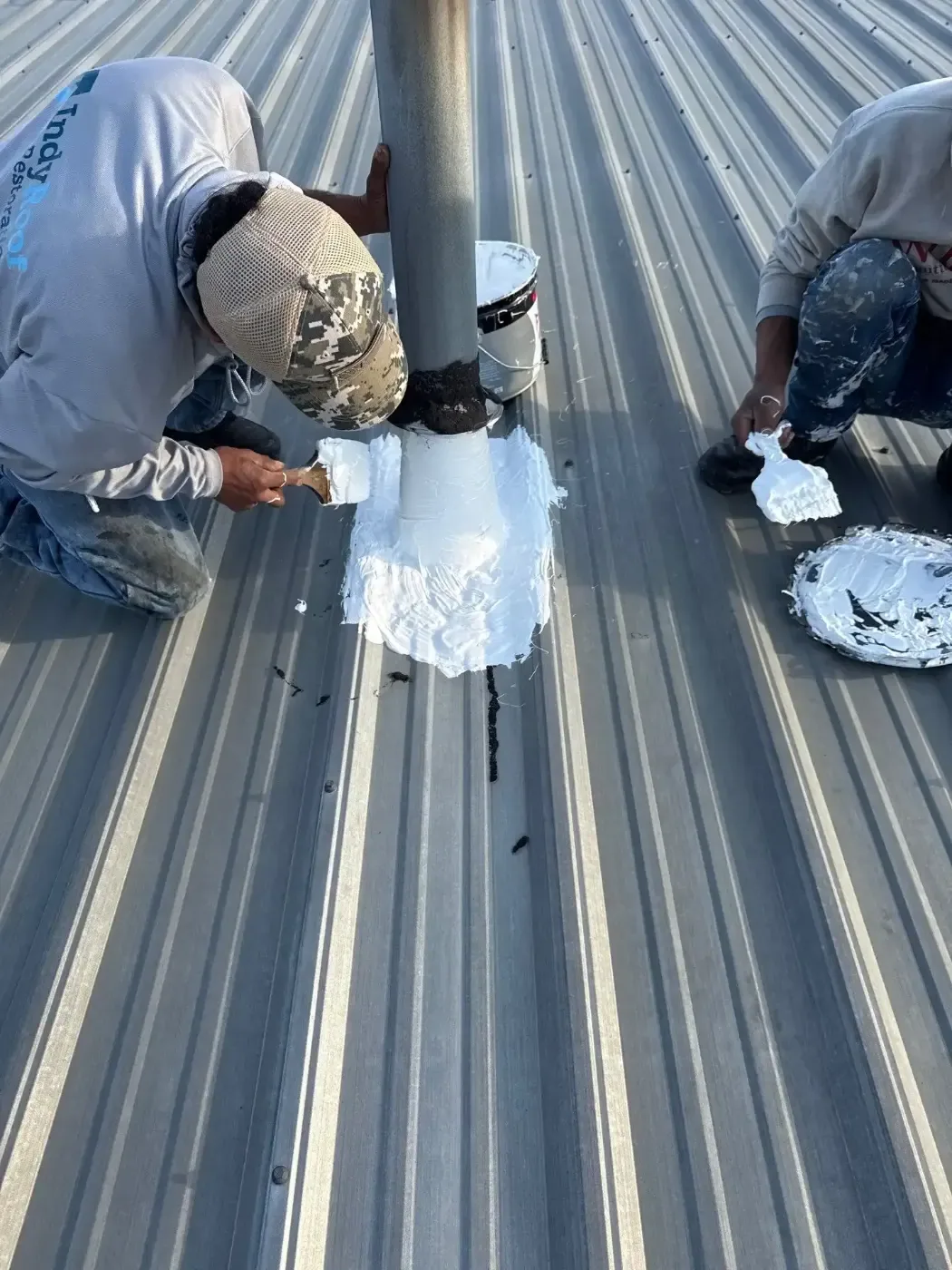
Next comes the field. Seams, patches, blisters and soft spots are marked with chalk and photographed. Rooftop units get a look at their curbs and their condensate lines. Anything we can fix in minutes, like a loose fastener or a gap in sealant, gets fixed on the spot. The rest goes on a punch list with a price and a priority. The owner gets the list within a few days, not weeks.
Cloudbursts expose lazy drains
On September 1, 2021, the remnants of Ida forced a flash flood emergency, a first for New York City. A roof that drained well in a normal summer can turn into a pond in an hour like that, and the water finds every weak lap.
The best protection is a drain that is clear before the storm arrives. We schedule a visit in late spring and another in early autumn, and we add a quick check after any named storm. We also look at the sump of water at the drain. If it stays a day or more after rain, the deck has sagged or the tar-and-gravel build-up has been patched too many times, and that goes on the punch list as a correction, not a cleaning item, and a ponding water repair follows. Take a photo of any pond after a storm and send it to the file.
Cold, heat and wind each leave a mark
Snow averages close to 30 inches a year in New York City, and one January 2016 day dropped 27.3 inches. Freeze-thaw cycles open weak seams and split old sealant. A dark membrane spends a New York City summer hot and stiff, with July highs near 85 F and a heat island that holds the warmth.
A 2007 EF2 tornado with winds of 111 to 135 mph came through Bay Ridge and peeled the roof off a nearby Nissan dealership. Few storms are that severe, but wind uplift at the edge is the usual first sign of trouble on a flat roof, and wind damage starts there. We check edge metal, coping clips and the first row of fasteners at every visit, and we reseat what has shifted. Ask the super to report any rattling after a windy night.
Maintenance by building type
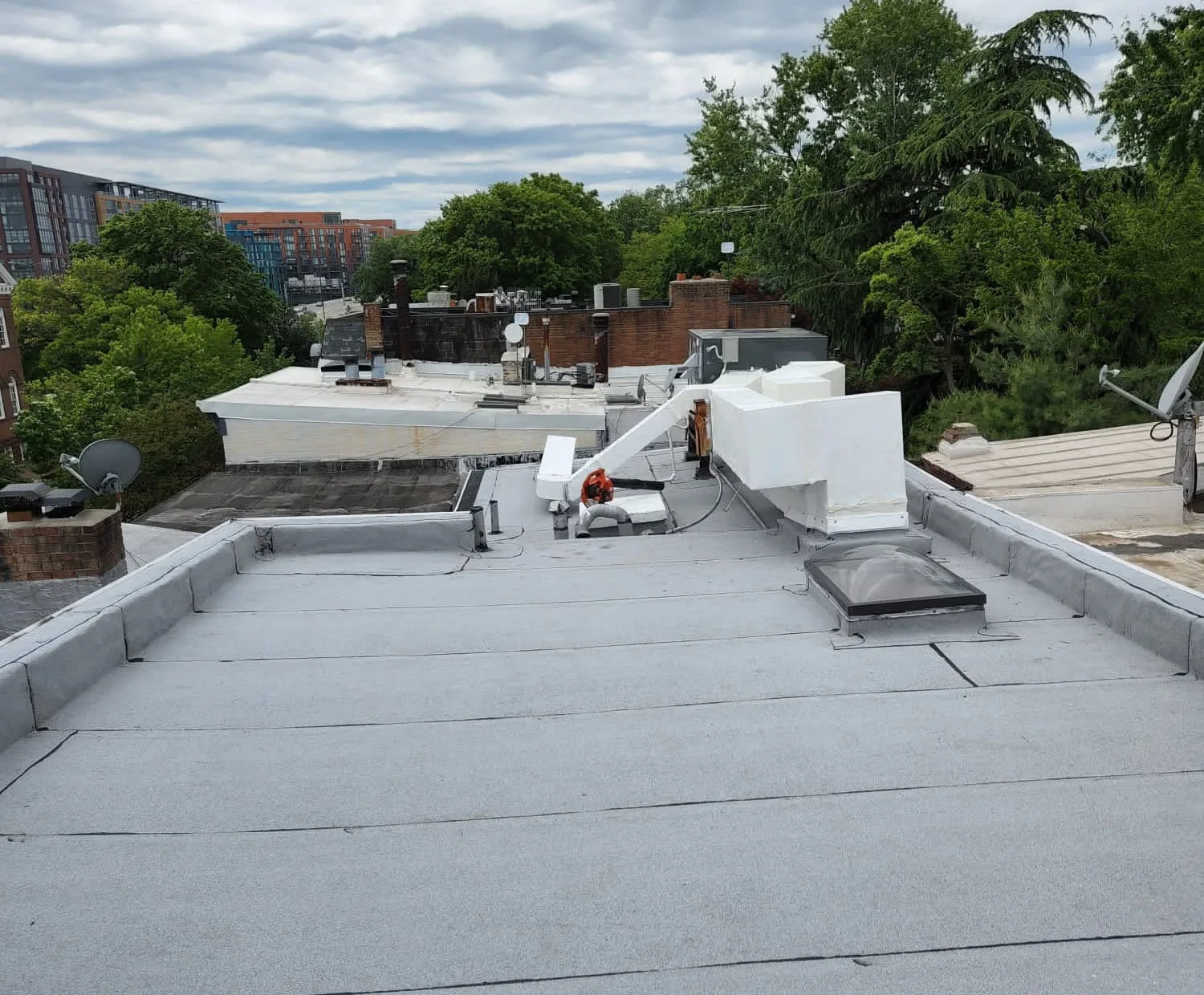
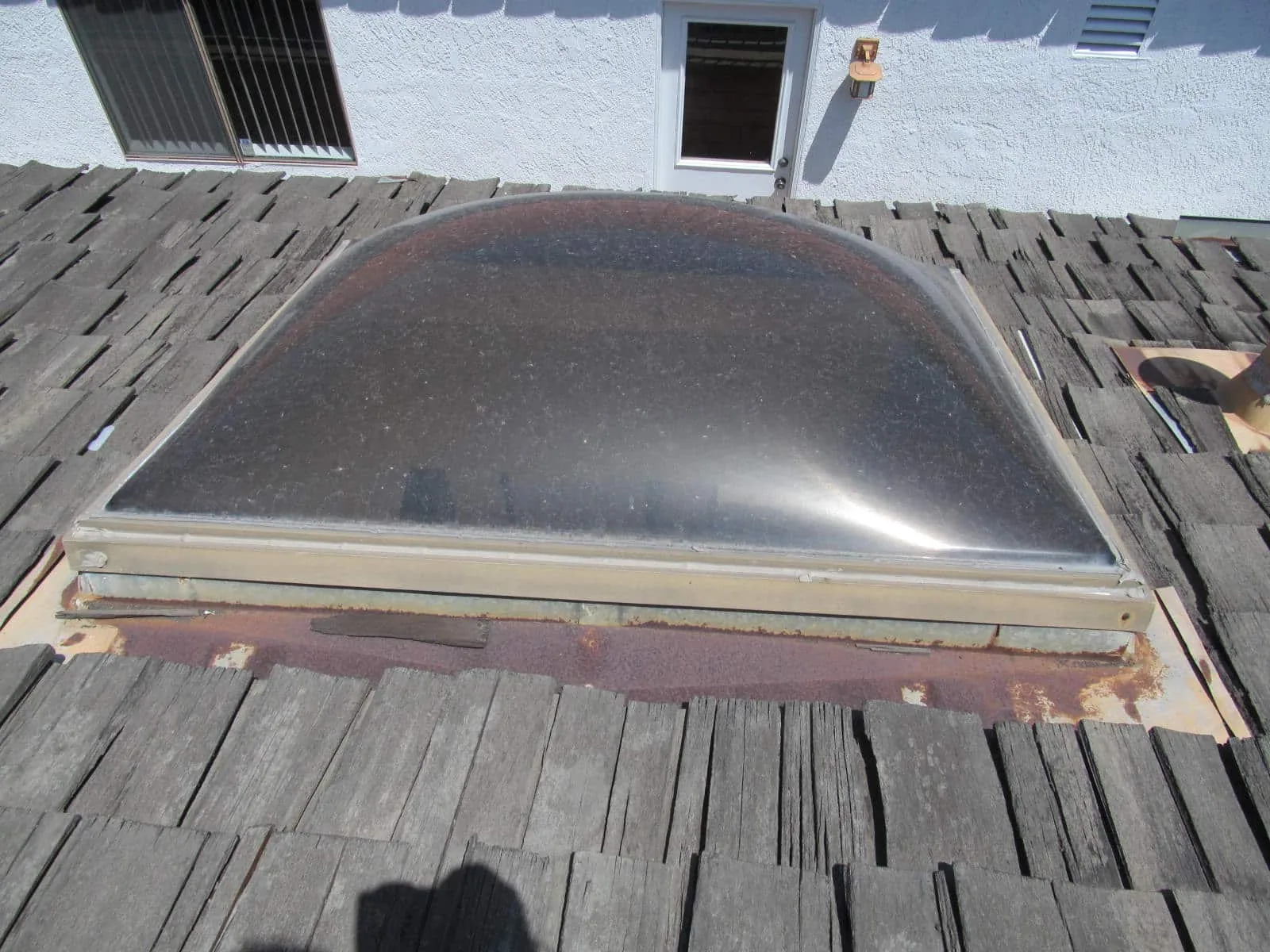
A mill-building roof tends to have a long run of parapet and, often, skylights. A loft roof in Bushwick or East Williamsburg may have bulkhead doors, tanks and rooftop units crowded onto a small deck. A brownstone-era rowhouse block with a store on the ground floor has a shared party wall and a roof that someone else may also use.
We shape the visit to the building. On a mill roof we spend more time at the parapet and the skylights. On a loft roof we watch the equipment curbs and the foot paths. On a rowhouse block we check the party wall flashing and the neighbor's side. For the weak spots a roof coating may make sense once the insulation checks out dry. Write the building type at the top of every visit report.
The log, the punch list and the budget
A maintenance log is only useful if it is specific. Each entry gives the date, the roof area, what we found, what we did and what we did not do. Photographs go with it. Over a few years the log shows which drain keeps clogging, which seam keeps opening and which flashing has been resealed three times.
That history helps the owner decide when to stop repairing and start planning. When the punch list grows faster than the repairs, the roof is telling you it is near the end. The log feeds a roof condition report and the budget for the next few years. It also helps with insurance after a loss. For buildings in Sunset Park and other older districts, it gives the next owner a clean record. Keep a paper copy at the building.
Access and neighbors
Most Brooklyn roofs are reached by a bulkhead door, a hatch or a fixed ladder, and some by a neighbor's roof. We note the route, the lock and who holds the key. Visits are timed to the building's quiet hours, and we keep tools off the surface so we do not cause the damage we are there to prevent.
Tenants get a short notice before a visit. If a visit finds a leak, we tell the super before we leave and mark the area below. A repair that needs more than a few hours moves to a scheduled commercial roof repair with its own scope. Send us the key contact and any building rules with the first request.
Commercial Roofing Questions
How many visits a year does a flat roof need?
Two is the usual floor: one in late spring and one in early autumn. A roof with many curbs, an old tar-and-gravel build-up or a history of ponding does better with a third visit after the first hard freeze. We set the number after the first walk and revise it as the log fills in.
Our super already clears the drains. What do you add?
A trained eye on the things a basket cleaning misses: sealant that has lost its give, coping joints that have opened, flashing that has pulled from the wall and ponding that stays after rain. We also keep the written log, which the building needs for insurance and for a future sale.
Can maintenance wait until a leak shows?
It can, but the leak is usually the last stage of a long process. By the time a stain appears, the insulation under the roof has often been wet for months. A visit that finds the same failure early costs a fraction of the repair that follows a stain.
What happens if you find a serious problem during a visit?
We stop and explain it. If water is entering, we make it safe that day. If the problem is larger, such as wet insulation over a wide area, we recommend a moisture scan and a repair scope, and we mark which parts are temporary and which are permanent.
Does maintenance help a warranty claim?
Many manufacturers expect evidence of upkeep, and a dated log with photographs is the best evidence an owner can offer. We follow the maker's instructions for repairs and record them, though the final decision on any claim belongs to the manufacturer.