Commercial Roof Inspection in Brooklyn, NY
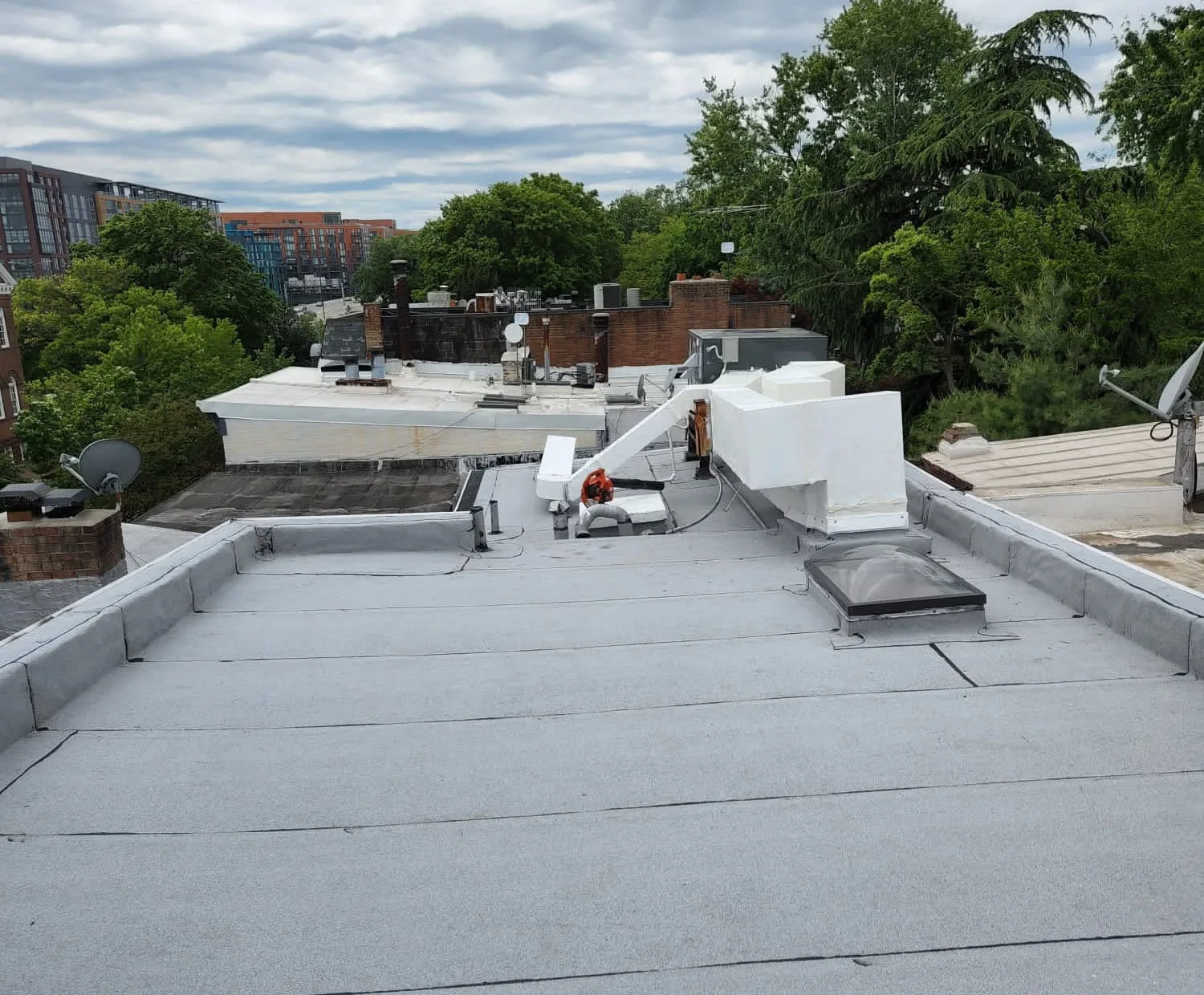
The most useful part of an inspection happens before anyone writes a word: a slow walk across the field, eyes down, boots on every seam. In Brooklyn, NY that walk starts at a bulkhead door or a roof hatch, passes rooftop units and old curbs, and ends at the parapet where the wall meets the roof. We look at what is failing, what is about to fail and what is simply old. The result is a set of findings the owner can use: a list of repairs, a rough sense of remaining life, and photographs that show exactly where each item sits.
What the walk covers
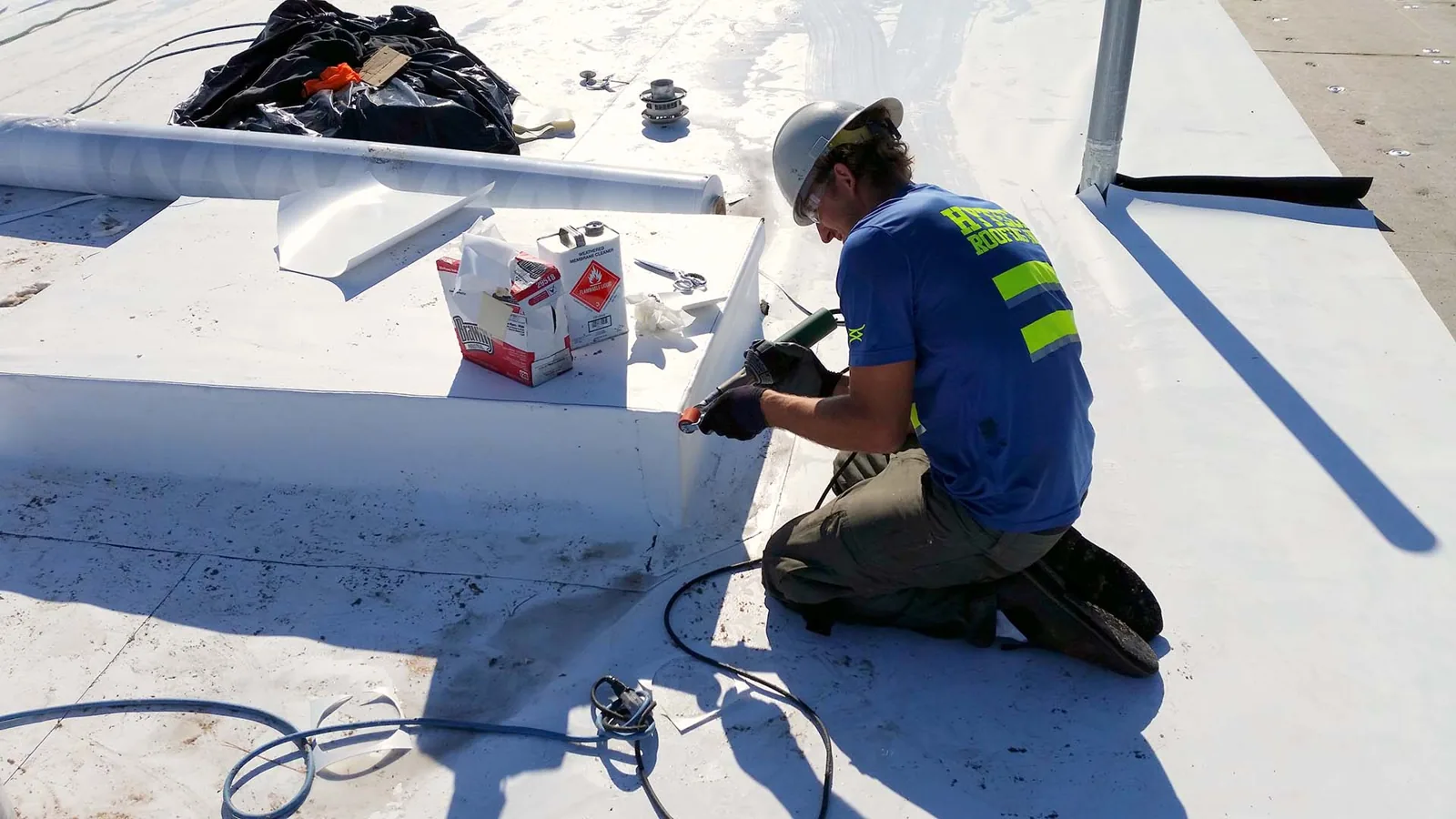
We begin with the drains, because drains tell the story of the whole roof. A basket packed with grit or a bowl with stained rings points to ponding. Next come the seams, which we probe by hand for gaps and fish-mouths. We check flashing at walls, curbs and penetrations, then the coping and edge metal, then the surface of the membrane for blisters, cracks, punctures and chalking.
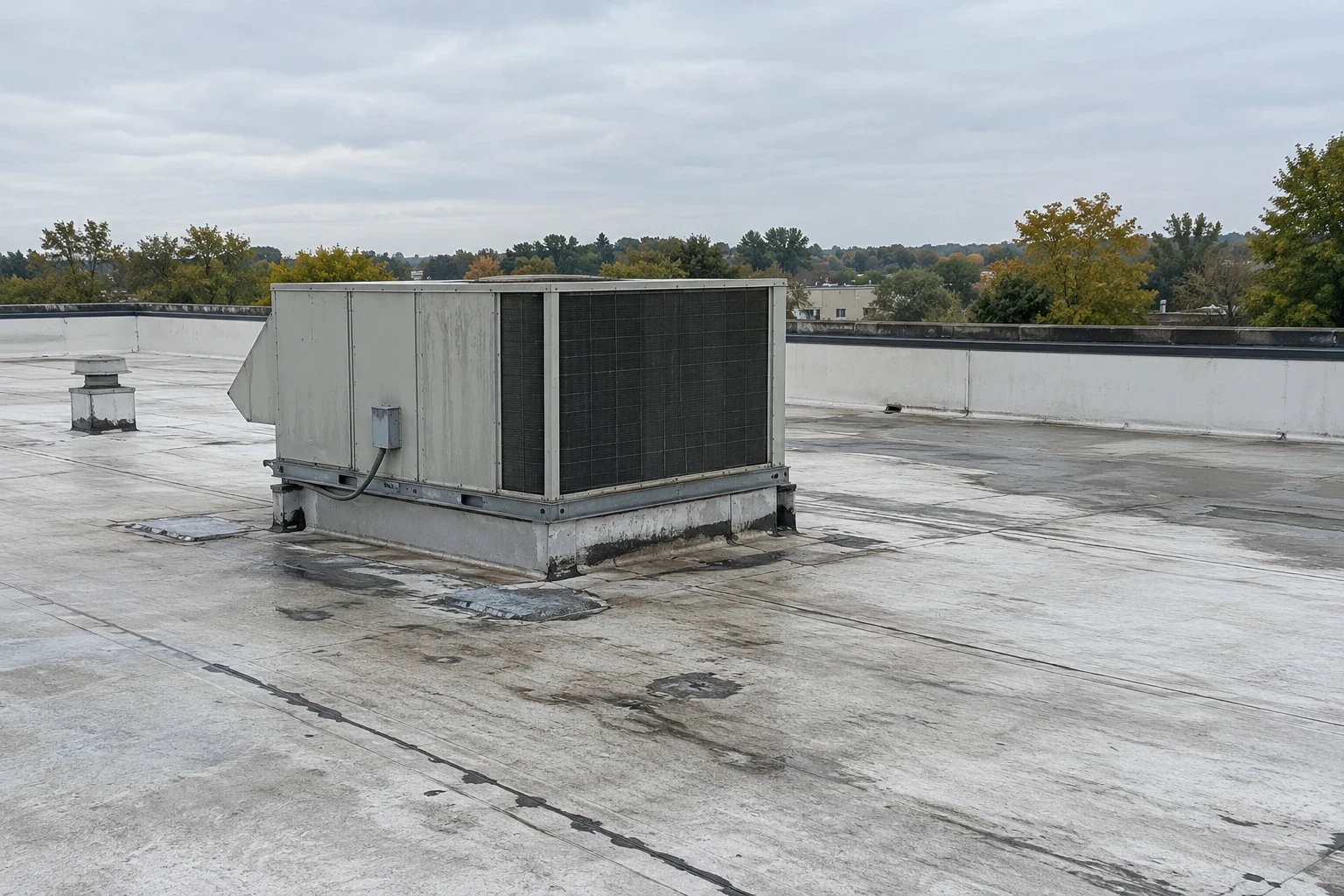
Equipment gets the same attention. Rooftop units, exhaust fans and gas lines each sit on a support that was flashed once and may not have been touched since. We note refrigerant lines resting on the membrane, loose mechanical fasteners and any place where a service tech has been walking and wearing the surface.
Parapets, coping and the wall behind
On brick and masonry buildings, the parapet is where many leaks begin. We sight along the coping for open joints, tap the wall cap for hollow spots, and look at the pointing below it for missing mortar. Flashing that runs up the back of the parapet is checked for height, termination and sealant. A flashing that is only four inches tall will not shed a driven rain, and we note it even if it has never leaked.
We also look at the roof edge from the street side. Staining, efflorescence and rust trails on the facade tell us where water has been leaving the wall, and they often point to a failed detail on the roof above.
Instruments beyond the eye
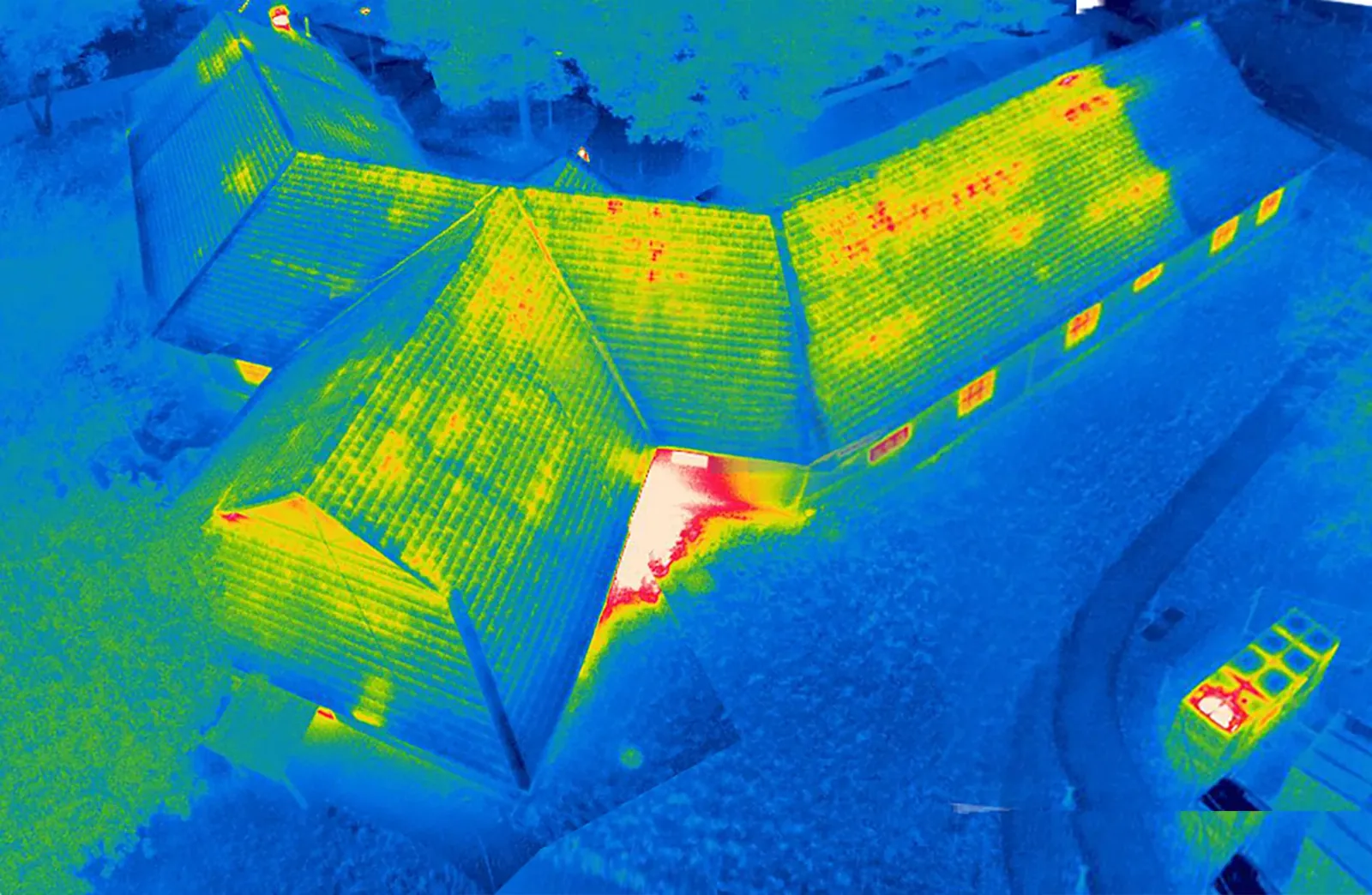
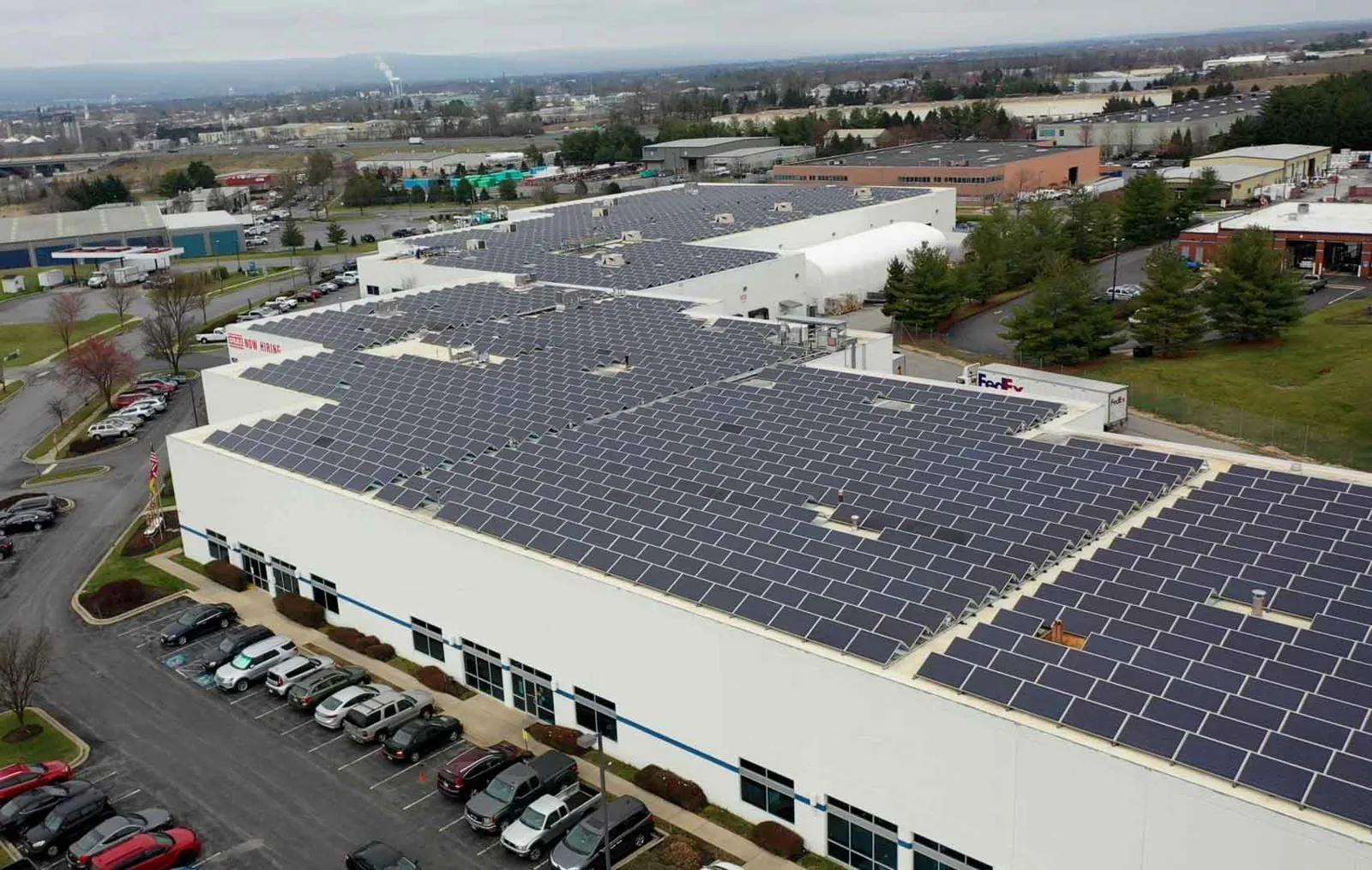
Some problems cannot be seen. A roof may look sound on top while its insulation is soaked from a slow leak. When a walk raises that question, we add a moisture meter or an infrared scan to the inspection. On large or hard-to-reach roofs, drone imaging adds a full overhead record.
Core cuts are the final check. A small cut through the membrane and insulation shows how many layers the roof has, whether they are dry, and what the deck below looks like. We patch every core cut the same day, and we record its location on the roof plan.
What Brooklyn weather leaves behind
Brooklyn roofs absorb a wide range of stress. New York City averages about 30 inches of snow a year, with one record day of 27.3 inches in January 2016, and then swings to a July daily high near 85 degrees under a strong heat island effect. Seams and sealants expand and contract through that range every year. Our inspection findings explain which details have worn through that cycle and which still have working life.
Ida's remnants on September 1, 2021 added a different test, with a flash flood emergency that was the first of its kind for the city. After a storm like that, an inspection checks drains for blockage, parapets for bulging and flashing for signs that water pushed behind it.
Access, fall protection and neighbors
An inspection starts with a safe approach. We confirm how the roof is reached, whether the hatch or ladder is in good shape and where the parapet height falls below what fall protection requires. If it does, we tie off or work back from the edge. We also tell the manager before we step onto a roof shared with adjacent buildings, because a neighbor's roof may need its own permission.
On roofs with skylights, we mark the openings and keep clear of them, since an old acrylic dome can fail under a boot. Safety is part of the findings: a roof with no safe route up or no guard at a skylight is a liability, and we put that in the report.
Inspection by building type
In Williamsburg, former factories and warehouses have been converted into lofts and apartments, such as the Austin, Nichols warehouse built in 1915. On a converted building like that, any past repairs and added equipment show up as patches and curbs, and the inspection reads them like layers in a cut. Each addition is a spot where water could have found a way in.
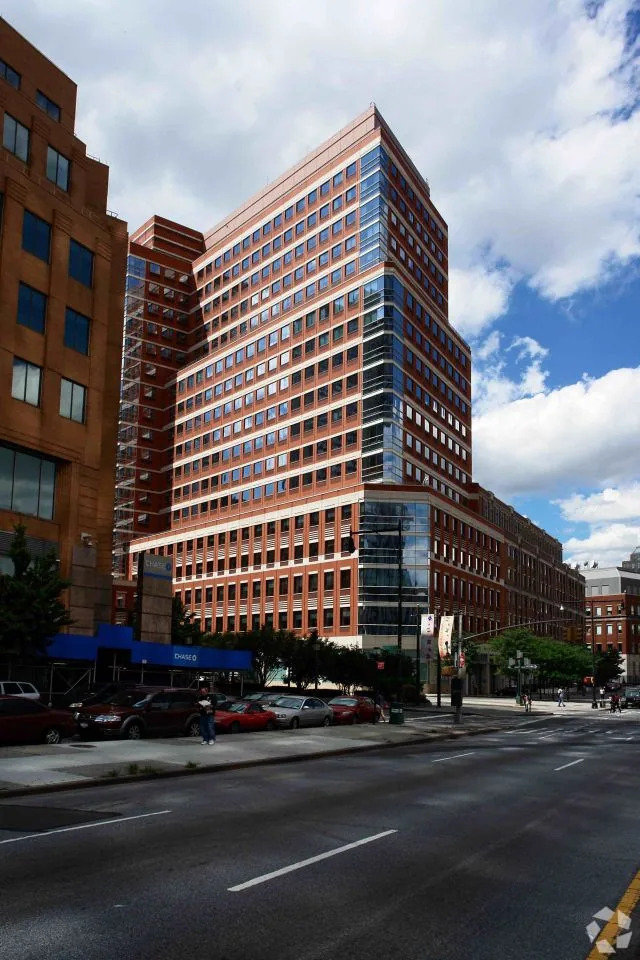
For a commercial office building in Downtown Brooklyn, the inspection also covers equipment platforms and stair bulkheads. Downtown Brooklyn is the city's third-largest central business district, with MetroTech Center and several universities, so an office roof there may carry mechanical platforms and bulkheads that set the access plan for a Downtown Brooklyn inspection.
The written report
Findings arrive in a written report with photos, a roof plan and a ranked list of items. Each item is marked urgent, near-term or monitor, with a repair scope and a rough cost range driver. We note remaining service life as a range, not a promise. The report also records the roof's age if known, its layers if cored and its current warranty status.
A well-kept report becomes the basis for a roof condition report across a portfolio, a capital plan or a due diligence file. Owners comparing several buildings can sort them by urgency and spend where it matters first.
Timing matters as much as thoroughness. Spring inspections show what winter did, and fall inspections catch problems before freeze-thaw begins. Pair the inspection with a preventive maintenance program and the repair list shrinks each year.
Commercial Roofing Questions
Do I need to be on site during the inspection?
It helps but is not required. We need roof access arranged and a contact for questions. Many managers meet us at the start, then receive the report. If you want to see a specific problem, we can walk it with you.
How long does an inspection take?
A small roof takes an hour or two. A large industrial roof with many penetrations takes a day or more, especially if core cuts and moisture testing are included. We give a time estimate when we schedule.
Will the inspection void my warranty?
No. Walking the roof carefully and patching core cuts the same day does not damage the membrane. Some warranties require inspections by an approved party, so we read the terms first and tell you if an inspection needs to be done in a specific way.
Can a report help me budget for next year?
Yes. The ranked list shows what needs work now and what can wait, with scope notes and cost drivers. Owners can put urgent items in the current budget and spread near-term items over the following years.
What does an inspection find that tenants do not report?
Early failures. Open seams, cracked sealant, clogged drains and small punctures often exist for months before a ceiling stain appears. Finding them early costs far less than repairing the interior damage they cause later.
What if the roof is shared by several tenants or owners?
We coordinate with each party for access and tell them what we find in their section. A shared roof often has a split in responsibility at the seam between buildings, so the report maps which owner is responsible for which area.