Commercial Roof Replacement in Brooklyn, NY
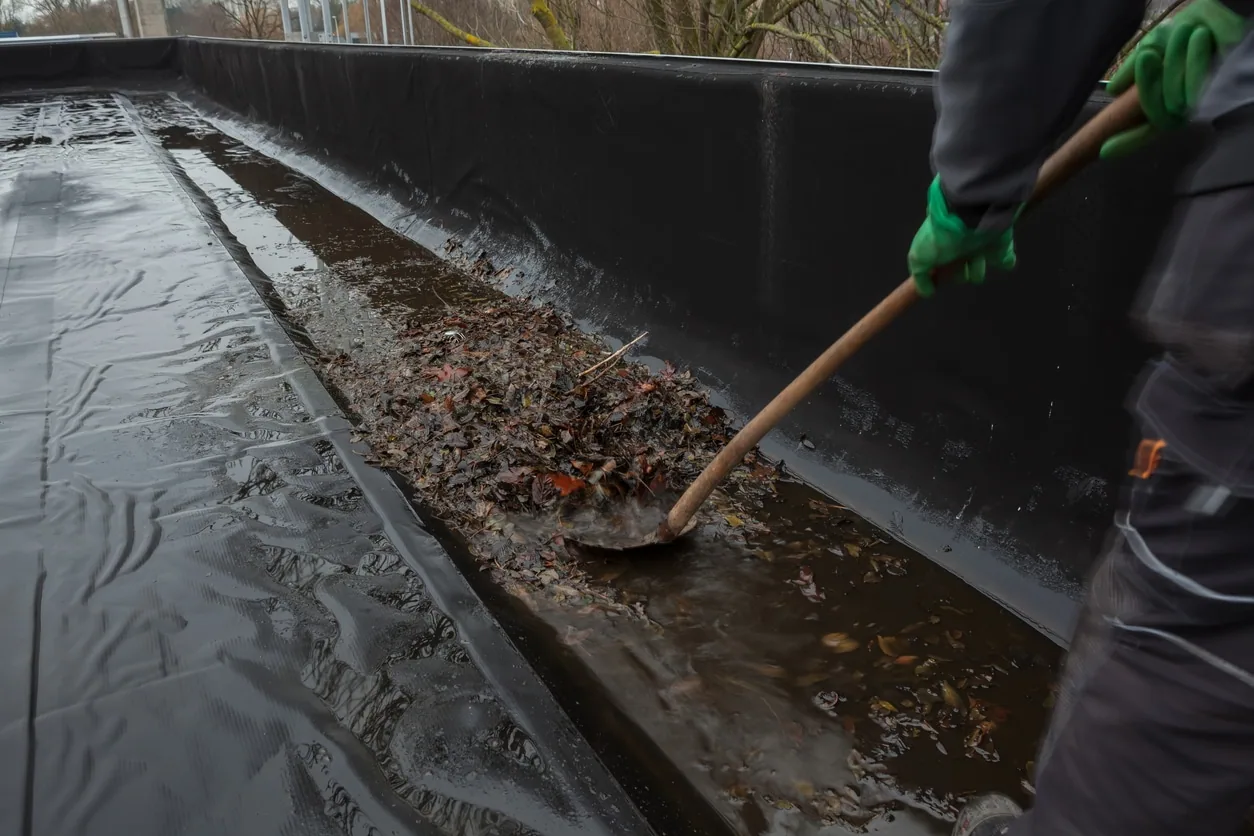
Walk a worn-out roof in Brooklyn, NY and the signs show up in the same order. The drain baskets sit in standing water a day after rain. The field membrane has gone chalky and hard. The parapet flashing has been patched so many times that the patches have their own patches. At that point a repair budget is paying for time, not for a roof. Full replacement means stripping the old build-up down to the deck, fixing what the deck and insulation have been hiding, and installing a system that drains properly from the first day. We plan that work around the building's tenants, its access, and the weather windows the borough actually gives us. Cold snaps, summer heat and the occasional cloudburst all shape how long each section can stay open, so the sequence is written down before the first bucket of debris comes off.
What a tear-off actually removes
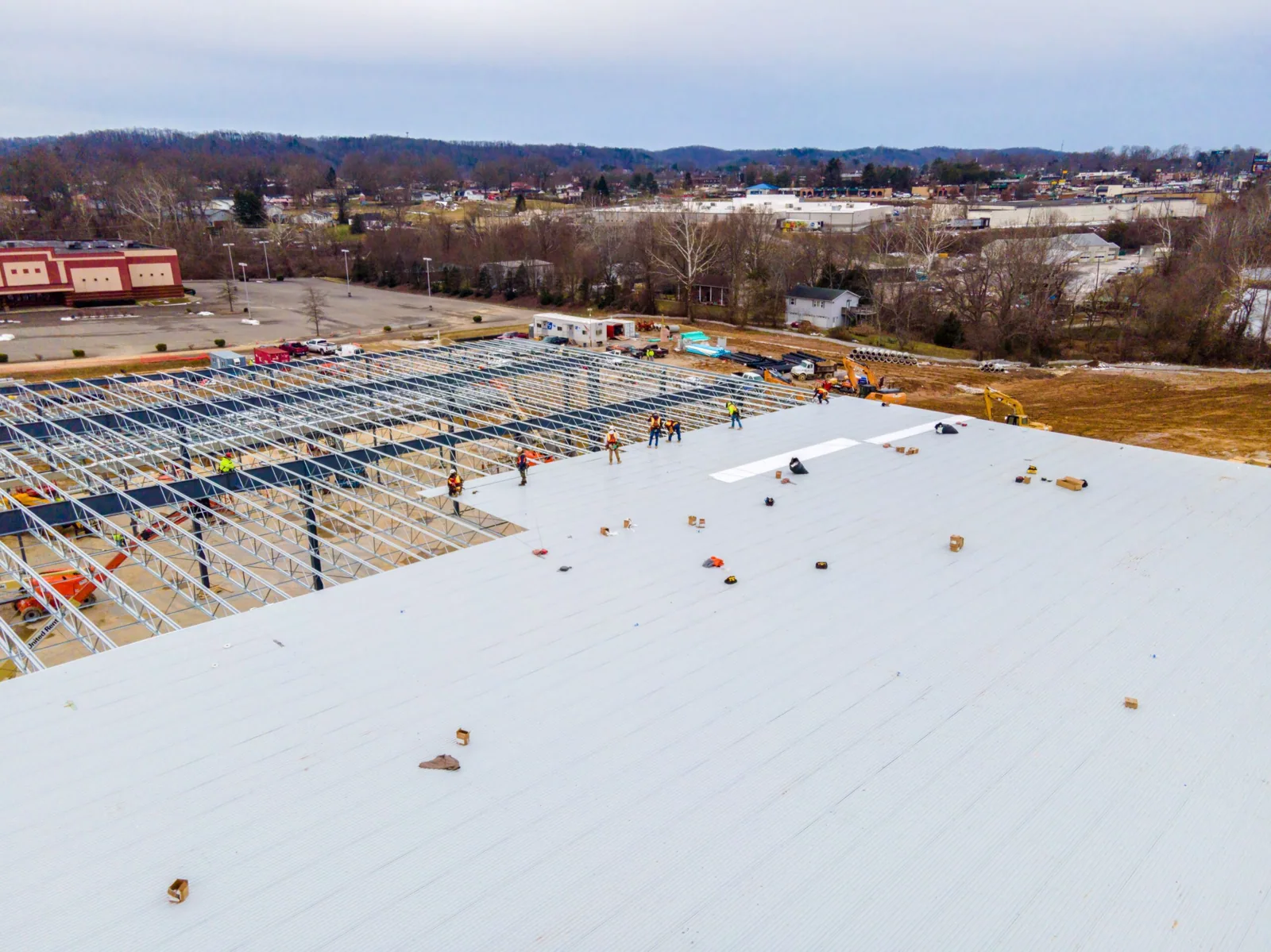
On an older Brooklyn building the layers are rarely simple. A mill-era roof can carry a tar-and-gravel build-up, a later modified bitumen layer, and a coating on top of both. Each layer holds moisture differently, and the bottom ones are the hardest to judge from above. A tear-off lets us open the roof to the deck, find the wet insulation, and see whether the steel or concrete underneath still has a sound surface to fasten to.
We also look at what the old roof was hiding. Rusted deck sections, rotted wood nailers at the parapet, and collapsed drain bowls all turn up during stripping. We price those as separate line items so the budget stays honest, and we carry the removal and disposal as part of the scope so a dumpster and a hoist schedule never surprise the property manager.
Replace now or recover instead
A recover over the existing roof is cheaper up front, and sometimes it is right. It is wrong when the insulation underneath is saturated, when the roof already carries two layers, or when the deck is soft. Water trapped in old insulation keeps pulling heat out of the building and keeps feeding rot into the deck below it. We confirm moisture with a core cut or an infrared survey before anyone commits to a path.
If the survey shows a dry, single-layer roof with a sound deck, a roof recover over the existing system can be the better dollar. If it shows wet areas across a large share of the field, replacement is the cheaper choice over the next ten years, because you stop paying for patches and recurring leak calls.
Choosing the new membrane
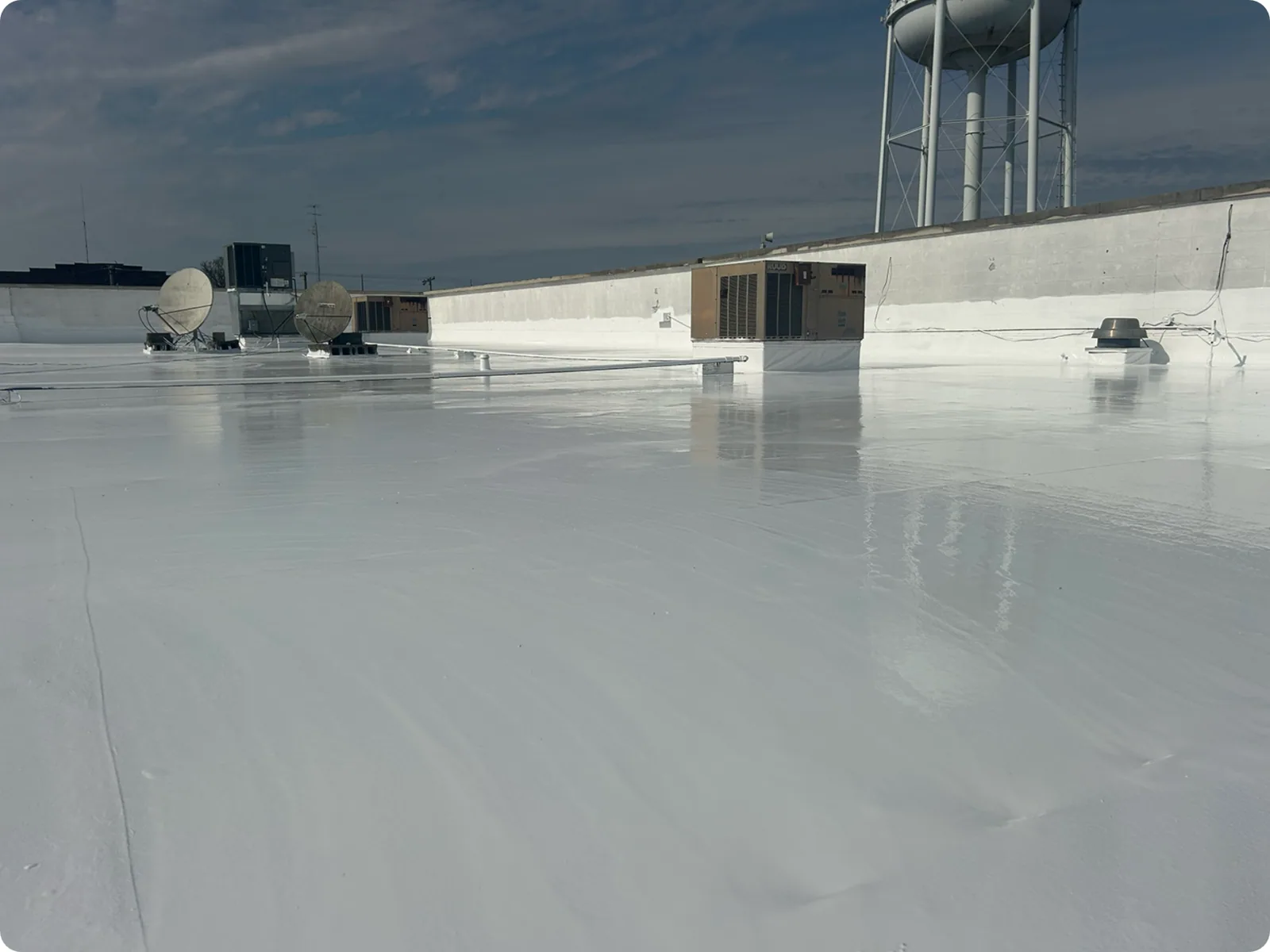
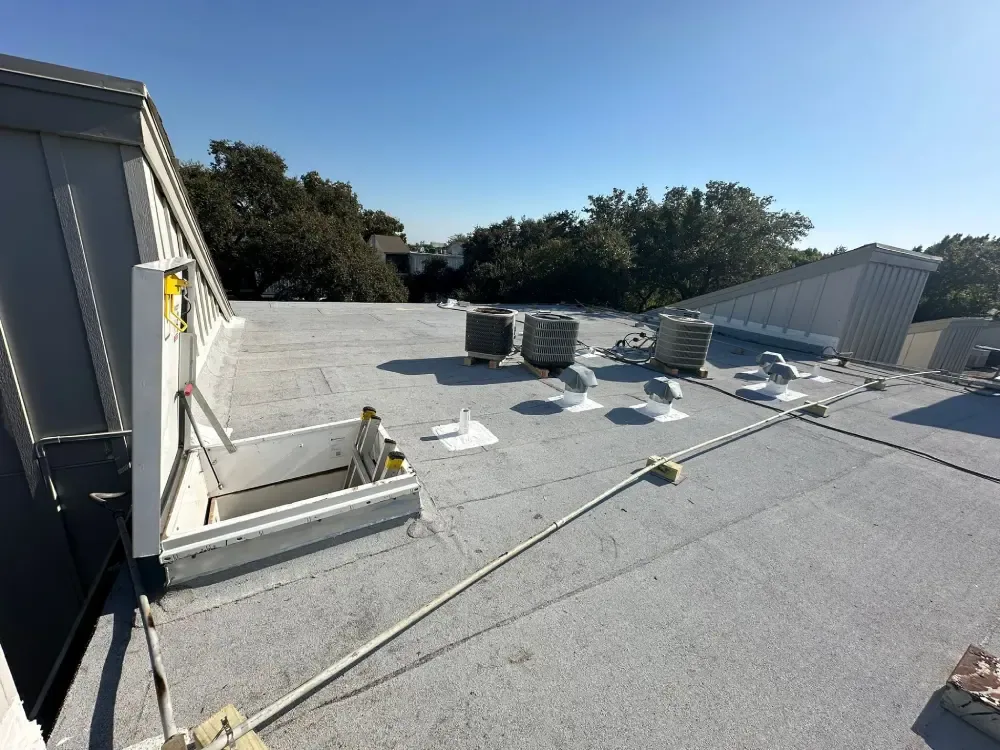
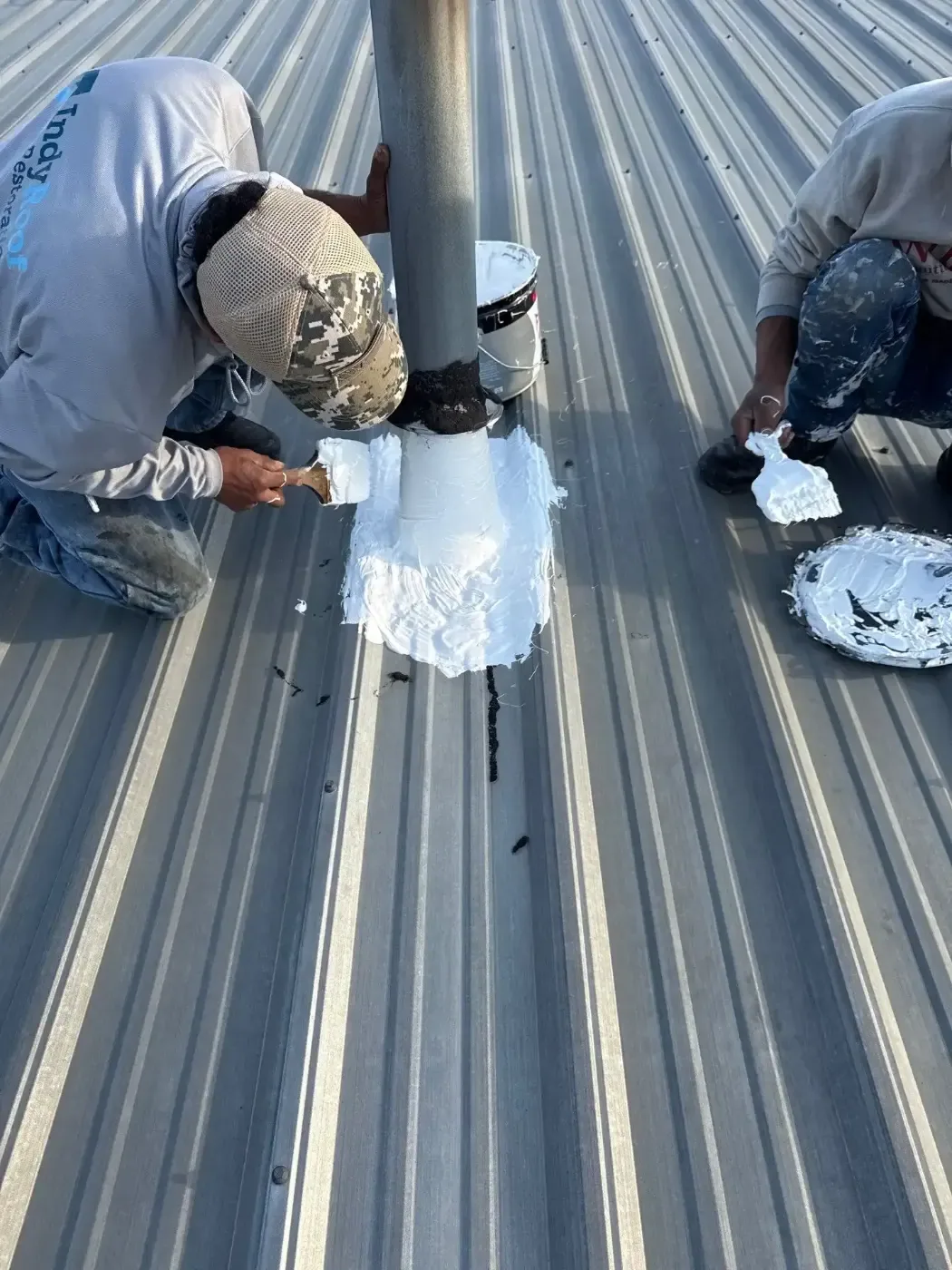
The membrane follows the building, not the other way around. On a long warehouse roof with few penetrations, a white TPO membrane sheds summer heat, which matters in a borough where the urban heat island effect is strong and July highs average near 85 degrees. On a roof crowded with curbs, vents and small mechanical pads, a torch-free modified bitumen or a fully adhered single-ply gives more reliable detailing around the clutter.
Reinforced modified bitumen also suits buildings with heavy rooftop foot traffic, such as those with service techs visiting every week. We lay out the choice in writing, including what each system does at the parapet, at the drains, and at the transition where a new roof meets an older neighbor.
Storm water and the replacement plan
Hurricane Sandy put up to 4.5 feet of water into parts of Brooklyn in 2012, and large parts of Red Hook went underwater. Roofs do not flood the way streets do, but a Sandy-class storm closed the Brooklyn-Battery Tunnel and slowed every delivery, so a replacement schedule needs slack for the hoist, the dumpsters and the crew. We plan the tear-off in sections so no area is ever left open overnight, and we stage temporary protection at every transition.
The remnants of Ida on September 1, 2021 brought the first flash flood emergency ever issued for the city, which makes any drain layout worth a hard second look. A replacement is the right time to size the drains and add overflow scuppers, so the next cloudburst has somewhere to go. Our drain and scupper work is part of the replacement scope, not an add-on.
Brooklyn building types we reroof
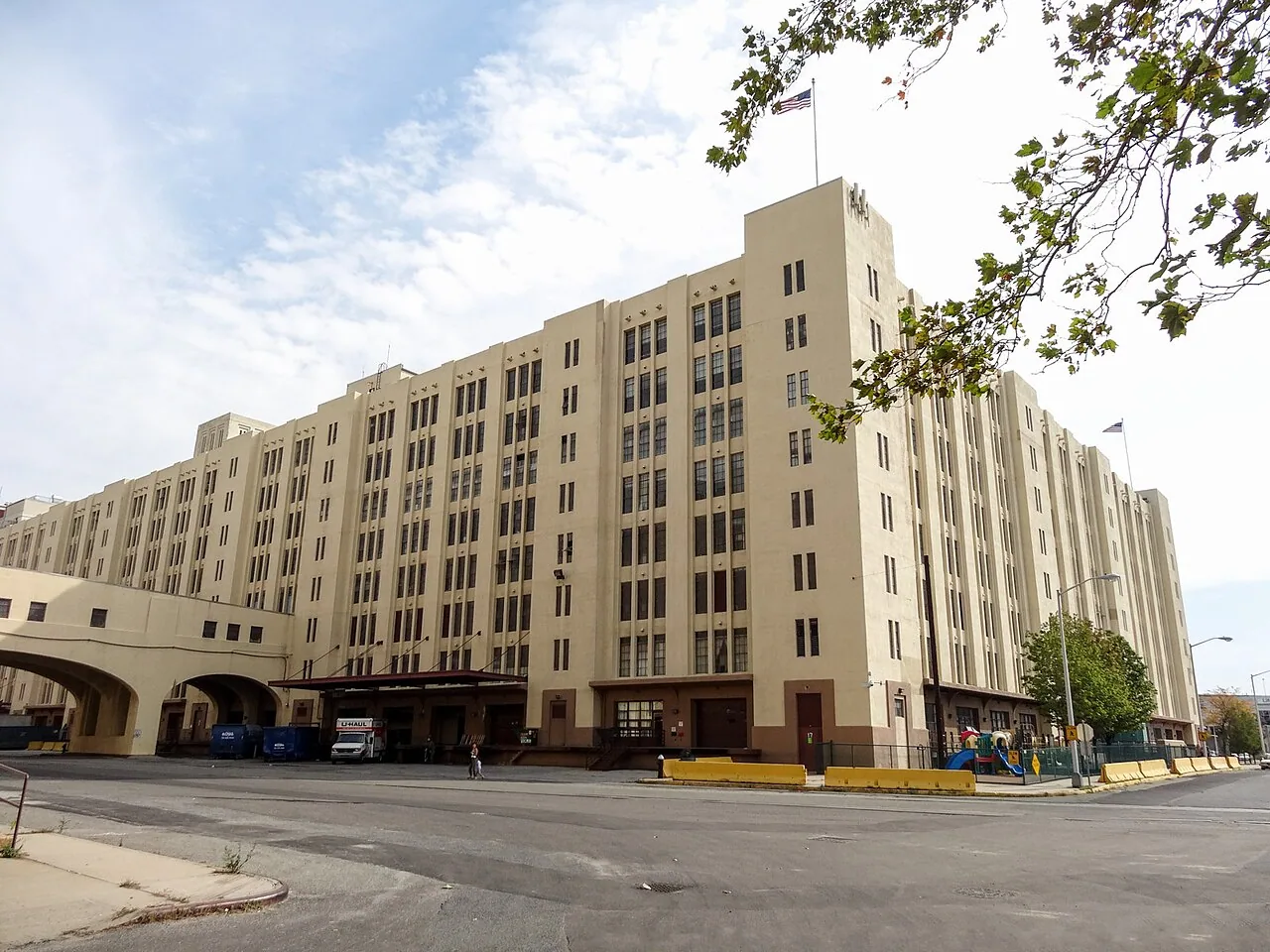
In Sunset Park, Bush Terminal's industrial buildings were built in stages from 1911 to 1926, and the Brooklyn Army Terminal between 58th and 65th Streets was renovated for manufacturing starting in the 1980s. Buildings of that scale call for crane or hoist planning before a single roll of membrane moves, so the first job on a Sunset Park replacement is the staging plan.
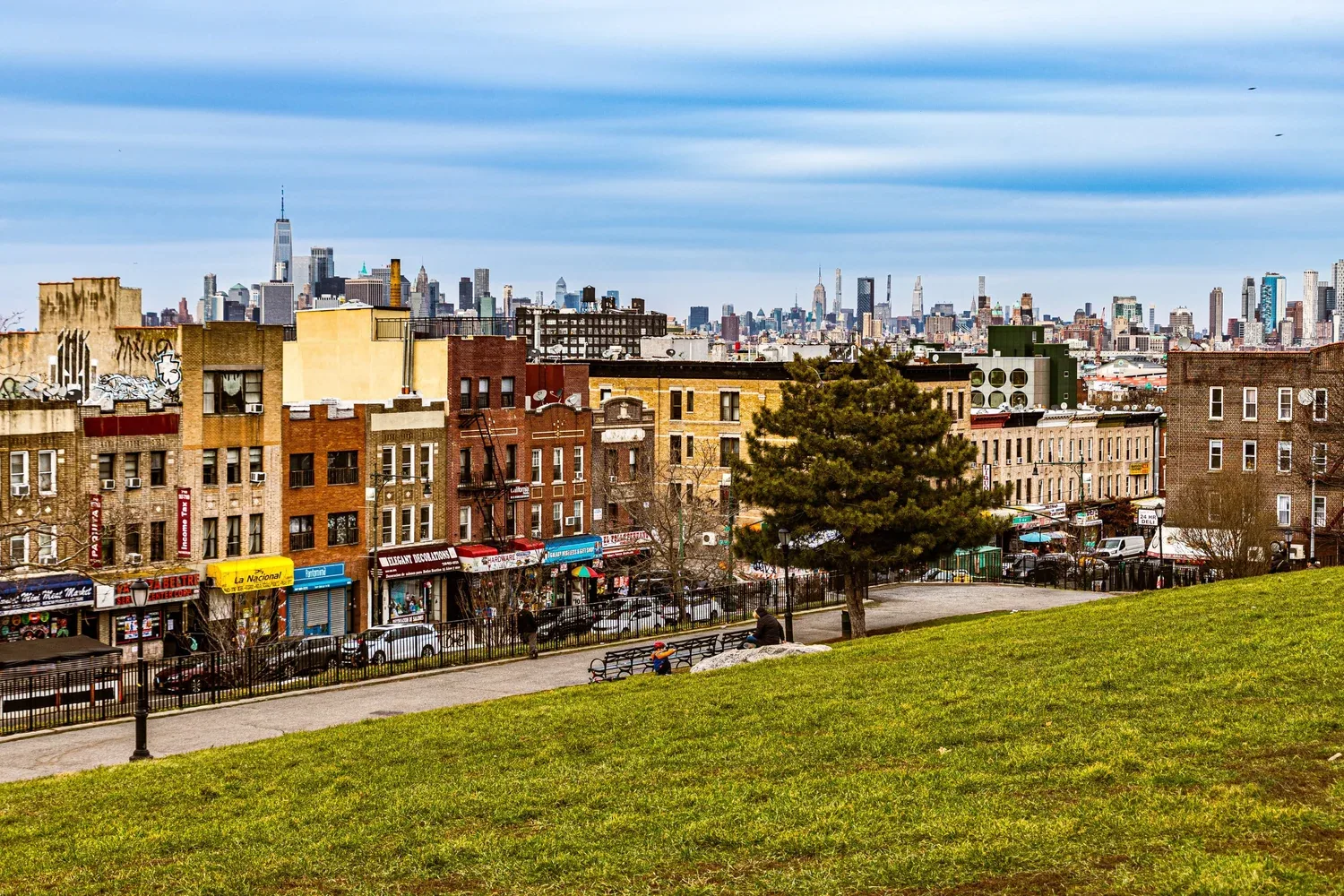
Elsewhere, the stock changes. Brownstone-era blocks in Bedford-Stuyvesant often have commercial ground floors under three or four stories, where the roof is small and the parapet is a major part of the job. A warehouse roof and a rowhouse commercial roof need different crews, different schedules and different neighbors' notices.
Working around people downstairs
Most Brooklyn replacements happen over occupied buildings. Tenants run restaurants, clinics, offices and light manufacturing under the roof we are removing. We schedule noisy tear-off work early, keep walkways and loading docks protected, and control debris with chutes and covered containers rather than open drops. On an occupied building, noise limits, dust control and a fire watch are set before the first day.
The last step before closeout is a punch walk with the owner or manager. We check each drain, each flashing termination and each seam, and we photograph the finished work, including the details that disappear under the next coat of dirt, so the file shows what was installed and where.
Commercial Roofing Questions
How do I know the deck can take a new roof?
We open the roof in sections and probe the deck before any new material goes down. Steel decks get checked for rust-through, concrete decks for spalling, and wood decks for rot at the nailers. Anything soft is replaced and priced on its own line, so the new membrane never sits on a failing surface.
Can the parapet and coping be redone at the same time?
Yes, and it is usually smarter to do them together. The membrane runs up the parapet wall and ties into the coping, so redoing the field while leaving cracked coping joints in place invites water behind the new flashing. We rebuild the termination, set new coping or edge metal, and seal the joints in the same visit.
What does a replacement cost on a flat Brooklyn roof?
The main drivers are roof size, the number of layers coming off, deck repair, and how much hoisting or street closure the site needs. Narrow streets and tight access push labor up faster than the membrane choice does. We give a written scope with each driver listed, so you can compare bids on the same basis.
Will a new roof meet current code?
The 2022 NYC Construction Codes govern new roof assemblies, with Chapter 15 covering roof assemblies and rooftop structures and Chapter 13 covering energy efficiency. We design to those chapters and document insulation values, fastening and drainage in the submittal, so the Department of Buildings paperwork matches what is on the roof.
How long are rooftops out of service during the work?
Individual sections are open for a day or two, and each one is dried in before we leave. The whole project takes longer than the exposure of any single section. We sequence the work so mechanical units, hatches and drains stay usable, and we tell the building contact each morning which areas are active.