Modified Bitumen Roofing in Brooklyn, NY
Lift the lid off a drain basket on a Gowanus mill roof and rub the grit between your fingers. If it is mineral granules from the cap sheet, the roof is shedding its armor. Bare black asphalt shows through on the slope above the drain, and the sun will crack it. Modified bitumen is asphalt mixed with polymers and reinforced with fabric, laid in two plies on flat roofs across Brooklyn, NY. It is tough, easy to patch and familiar to every super. Its failures are easy to read from the parapet if you know where to look.
What you see up there
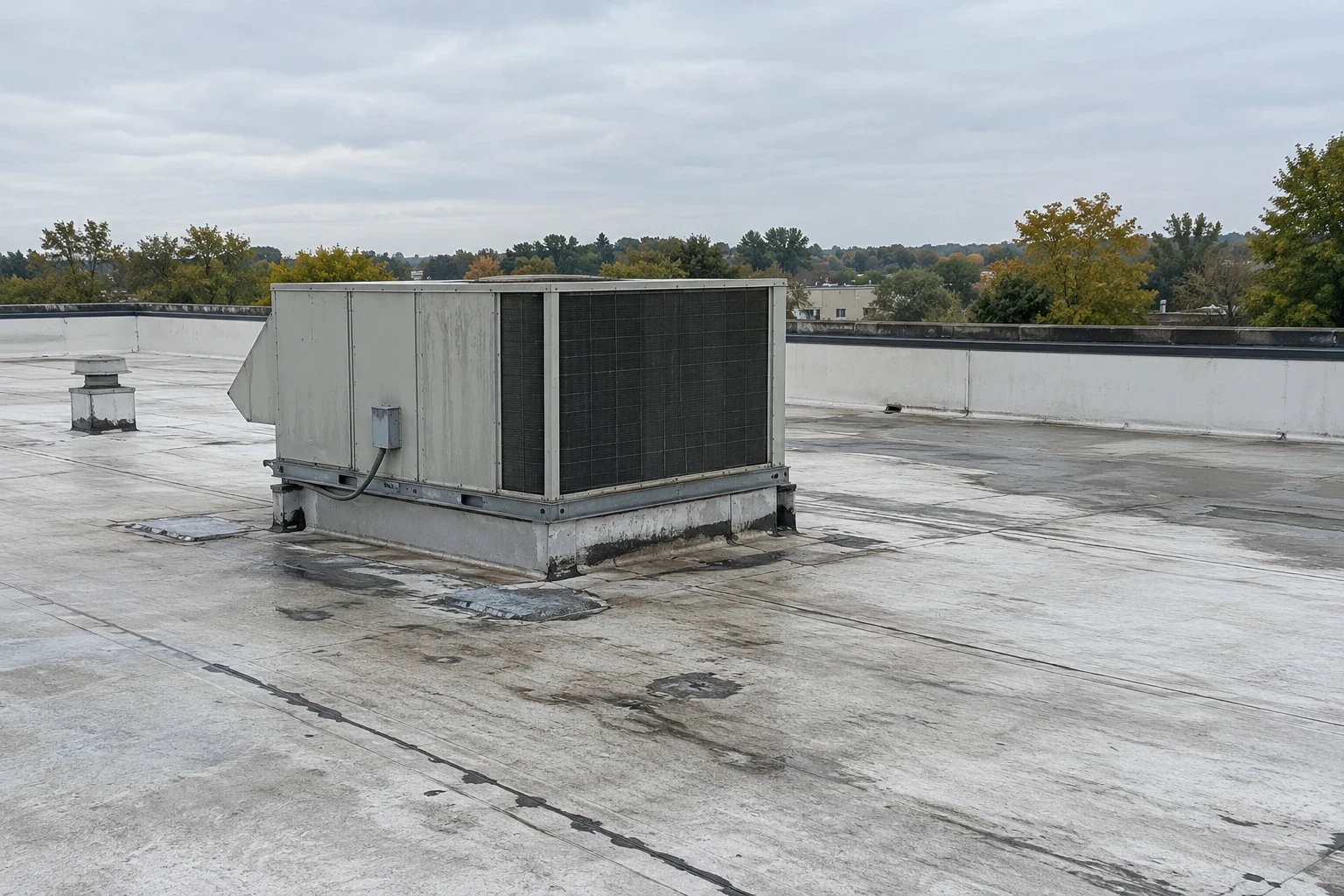
Start with the cap sheet. Granules gone in patches, alligator cracks across the slope and split laps at the seams all show a surface near the end of its life. Then check the flashings at the walls. Base flashings that have pulled loose, counterflashing with open joints and sealant gone dry are the usual leaks.
Look for blisters, too. A blister is trapped moisture or air under the surface, and in sun it grows. Small ones can be watched. Ones at a lap, a drain or a walking route get cut and repaired. A core cut tells us how many plies are there, whether they are bonded and whether the insulation is wet. That one cut answers most owner questions about whether to patch or replace.
SBS, APP and how they go down
SBS mixes rubber into the asphalt and stays flexible in the cold. APP mixes in plastic and handles heat and sun well. Both are reinforced with polyester or fiberglass. SBS is the common choice where winters bite, as they do in Brooklyn, and the sheet can be laid several ways. Snow near 30 inches a year and the freeze-thaw swing tear at stiff laps.
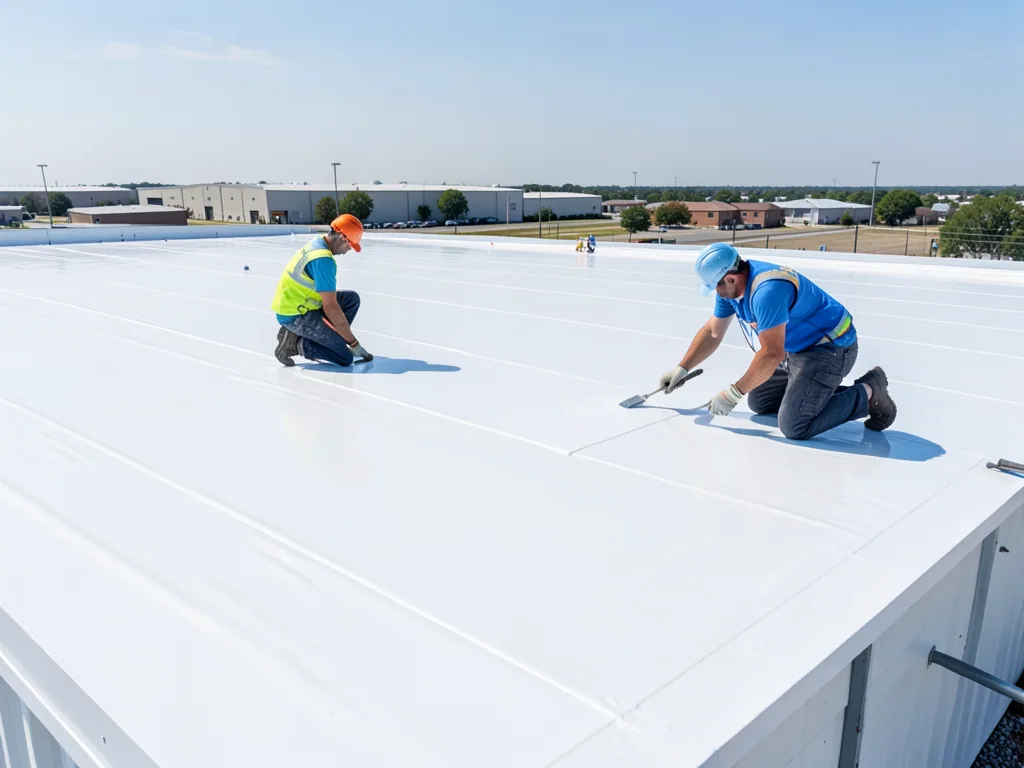
Installation matters as much as the sheet. Torch application melts the underside of each roll onto the deck, which is a fire risk in a tight block, and some owners and insurers rule it out. We lay sheets with cold adhesive, with self-adhering rolls or in hot asphalt with the proper fire watch, and we weld cap laps with hot air. The method gets chosen with the owner, the insurer and the neighbors in mind. Every method gets the same record: ply layout, lap widths and weather.
Why this building
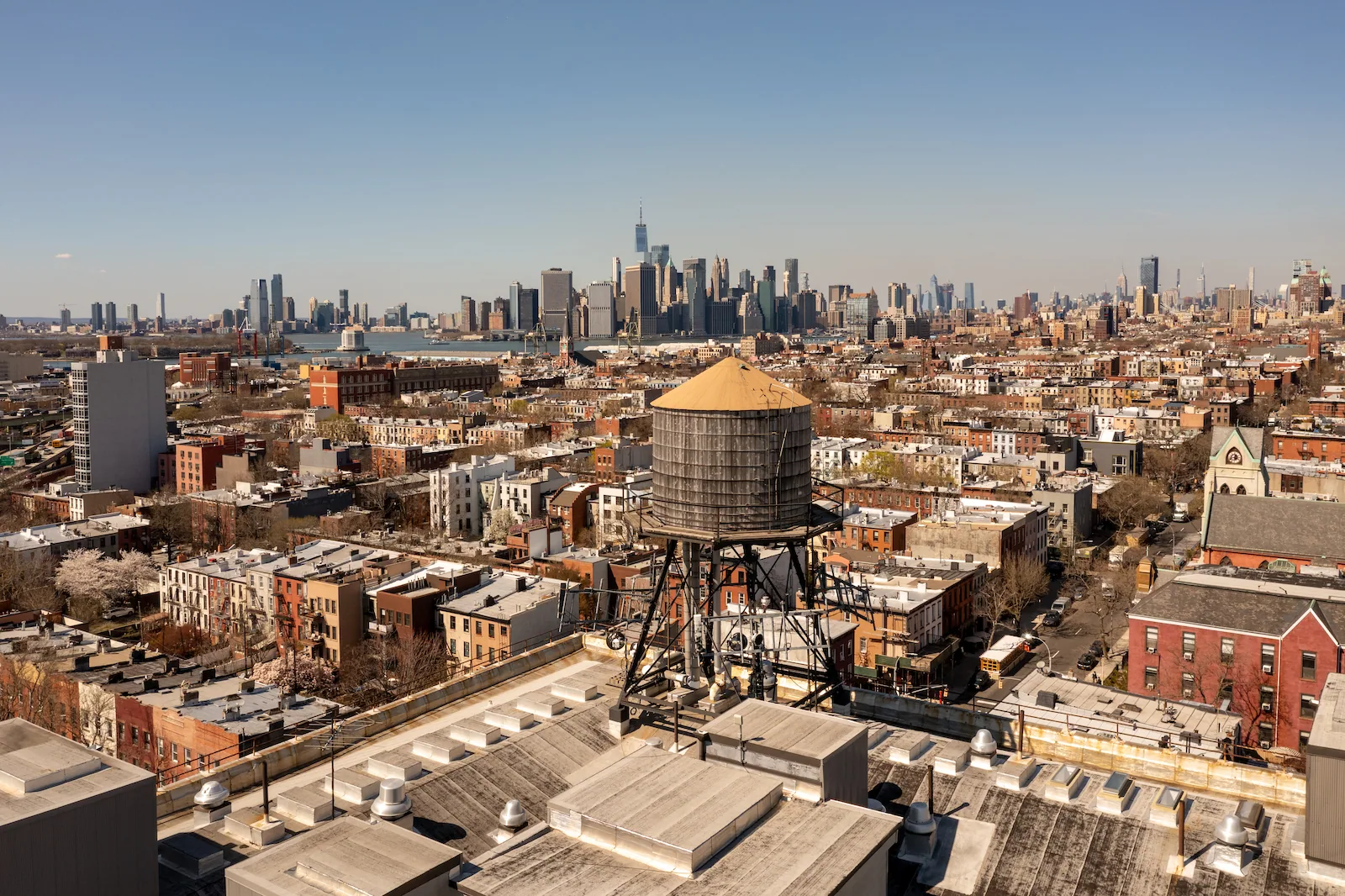
Modified bitumen suits the industrial and loft stock found across the borough. Dumbo's industrial district holds 95 contributing buildings, early reinforced-concrete factories among them, and the city designated it a historic district in 2007. Industrial Bushwick, north of Flushing Avenue and south of Grand Street, has many warehouses converted to lofts and studios. The westernmost section of Park Slope near the Gowanus Canal is a light industrial district.
Roofs on buildings like these can have an old tar-and-gravel build-up under newer layers. A modified bitumen cap over a sound base ties into that history well. In a historic district the visible edge details matter, so parapet coping and flashing are kept looking as they did, and any replacement edge metal is matched to the profile that stands there now. The cap sheet itself is seen from neighboring roofs, so its color and seam lines get a second look before the order is placed.
Laps, flashings and the tie-in
A lap is where one sheet overlaps the next, and it is where a modified bitumen roof leaks if it is going to. The lap must be wide enough, fully bonded and free of dust. Every lap gets a hand check and a probe at the ends. Base flashings are built in plies with staggered laps and tied into the field plies, not just stuck to the wall.
The tie-in to the old roof is the other weak point. When we replace part of a roof, the new plies are lapped under or over the old ones in the right direction, and the edge is sealed. At parapets we reset coping joints, rebuild counterflashing and slope the cap toward the roof. A flashing failure repair that skips those steps comes back in a season. Pitch pans around pipes get rebuilt or replaced with a boot, because filler dries out and shrinks. Every flashing is photographed before it is covered, and the photographs go in the file with the date and the lap measurements.
Drains, ponding and storms
Ponding ruins a cap sheet. Water sitting at a drain for days leaches the granules, softens the asphalt and freezes in winter. A day after rain, look at how much water still sits at the drain. A clogged drain cannot pass the kind of rain Ida's remnants delivered on September 1, 2021, when the city saw its first flash flood emergency. We clear the basket, test the flow and measure the depth of any pond. Then we fix the slope with tapered insulation or add a drain.
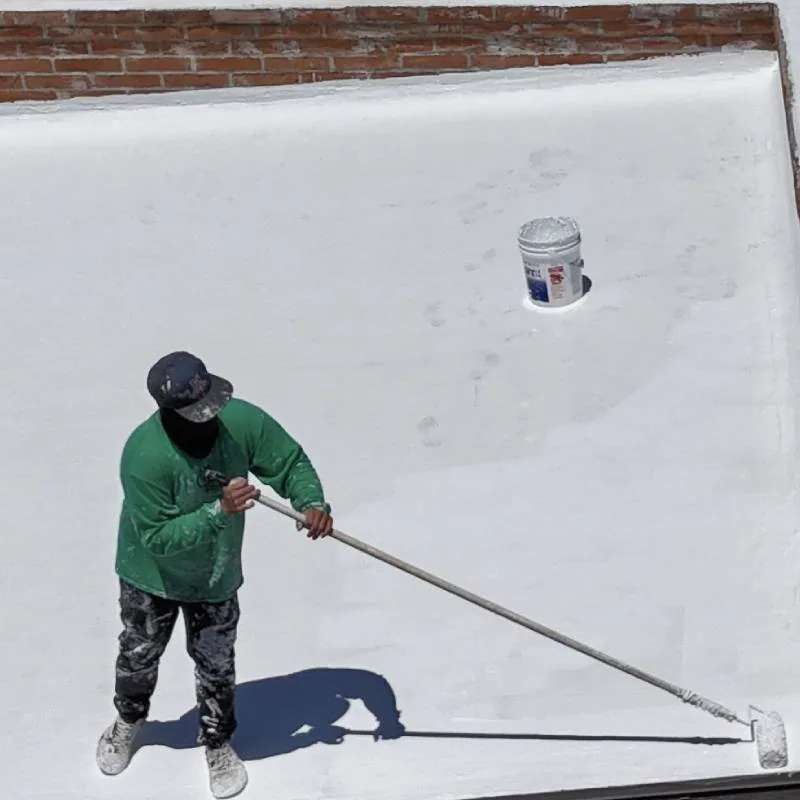
Summer matters, too. In July heat near 85 F, a dark roof in a strong heat island softens and scuffs under boots. A reflective coating over a sound cap, such as a silicone coating, cuts the heat and seals small cracks. We test adhesion on a patch first.
Closeout walk
On the closing walk the owner or super watches the laps get checked by hand, the corners get hosed and the ceilings below get inspected. The punch list is cleared before anyone signs. The roof file holds the core cut photographs, the ply schedule, the product data, the method and the weather log. A built-up roof being converted to modified bitumen should note what remains of the old plies. Owners who want a longer life out of the cap schedule a preventive maintenance visit each spring and fall.
Commercial Roofing Questions
How many plies should a modified bitumen roof have?
Two is the usual build: a base ply and a granulated cap sheet. Some jobs add a third for heavy foot traffic or a critical area. A core cut shows what an existing roof has and how well the plies are bonded. We recommend the count from the exposure and what is under the roof, and we put the layout in the file so a later repair matches it.
Can we coat a cap sheet that has lost its granules?
Often, if the plies underneath are dry and bonded. We clean the surface, repair cracks and laps and test adhesion on a patch before coating the roof. A reflective coating puts back the protection the granules gave and cuts the heat. It will not rescue a roof with wet insulation or loose plies, and we will say so after the cores come back.
Is a torch-free roof as good as a torch roof?
When it is installed correctly, yes. Cold-applied and self-adhering systems need clean, dry, primed surfaces and the right temperatures, and we log those. The choice of method is about fire risk and the building, not quality. In a tight block with shared walls, torch-free is usually the sensible default, and many insurers ask for it.
What does a blister mean on a flat roof?
Air or moisture trapped between plies. Small blisters in a quiet part of the roof can be watched and photographed each season. A blister at a lap, a drain or a walking route is cut open, dried and patched, because it will break under foot. If many blisters appear at once, the insulation may be wet, and we scan for moisture before choosing the repair.