Commercial Roofing in Red Hook, Brooklyn, NY
Red Hook is a working waterfront, and its roofs show it. Brooklyn's only container-ship facility, the Red Hook Container Terminal, sits here, the Gowanus Expressway runs through the neighborhood and warehouses, retail boxes and port-adjacent commercial space fill the ground between. Stand on one of those roofs on a gray October afternoon and the wind comes straight off the water. We repair, recover and replace flat commercial roofs here, with a first look at edges, drains and the walls that take the weather.
What Sandy left behind
Hurricane Sandy heavily damaged Red Hook in October 2012. Flooding in Brooklyn reached 4.5 feet in the worst spot, and large parts of the neighborhood were underwater. Most of that damage happened at ground level, and the roof is a separate story, but a building that has been flooded often has leaks in places nobody checked.
After a storm like that, owners find roof problems indirectly: a ceiling stain after a repair of the floor below, a rooftop unit that lost its curb, a penthouse door that no longer seals. We walk the roof and the wall together, check penetrations and flashings and test drains. Where a building reopened quickly, the roof may have been patched in a hurry, and we look for those patches first.
Port, cruise and the warehouses behind
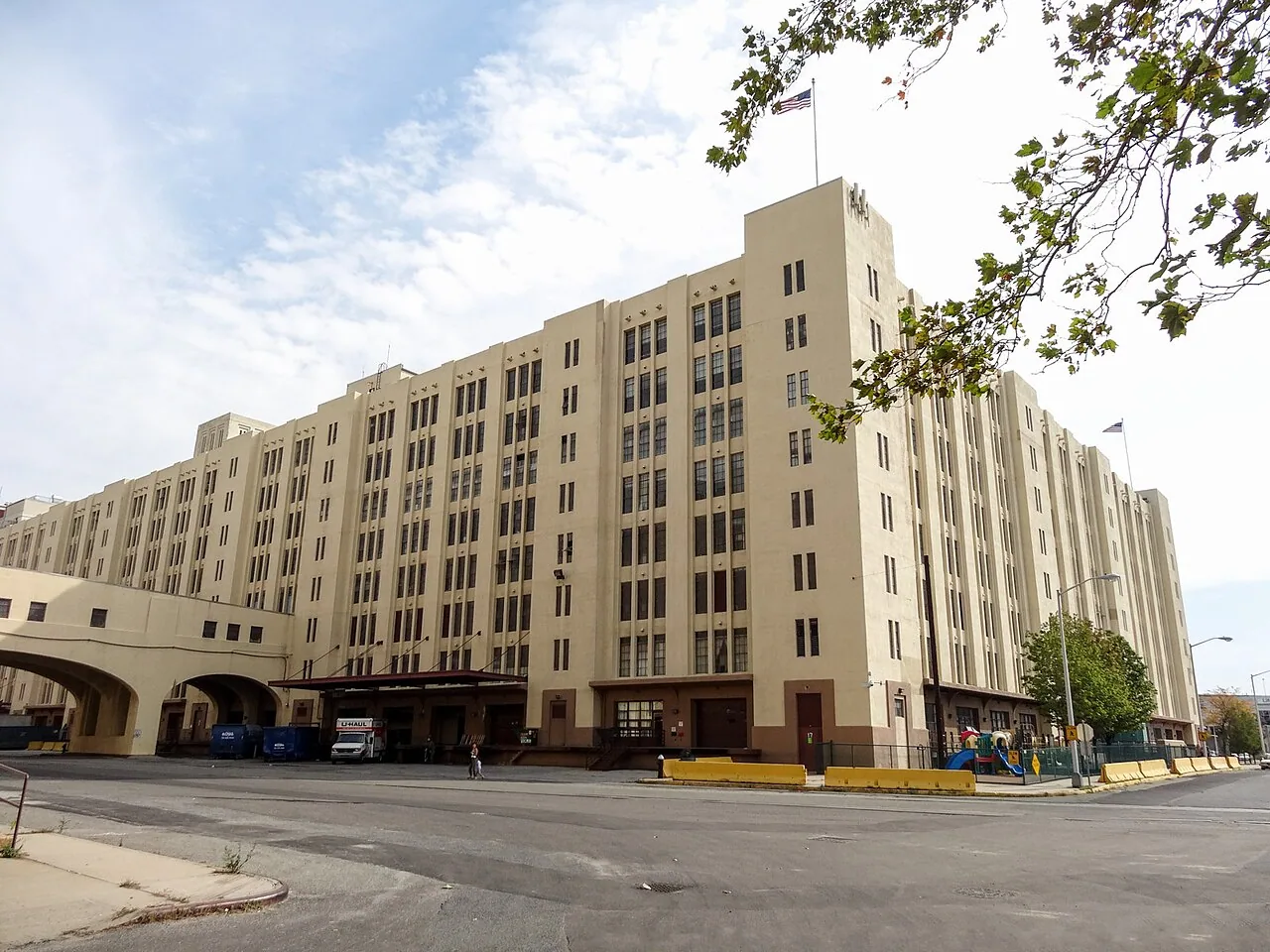
The Brooklyn Cruise Terminal opened at Pier 12 in 2006, and a $3.5 billion Brooklyn Marine Terminal vision plan approved in 2025 calls for a modernized 60-acre port terminal alongside new housing. Port-side work puts heavy trucks on the streets and equipment on the roofs. Industrial buildings that serve the port tend to have large flat roofs, loading docks and dry interiors for stock.
That is warehouse territory. A warehouse roof near the water faces wind first and rain second, and a distribution center roof carries the units and conduits that keep goods moving. We check perimeter metal, coping and the drains on each, then match the repair to how the building is used.
Across the expressway corridor the same logic reaches into Sunset Park, where the Gowanus Expressway serves the Verrazzano-Narrows Bridge and industrial buildings sit west of Third Avenue. Owners who hold property in both districts can compare roofs side by side, and we keep the findings in one format so the comparison is fair.
Condensation is a hidden cost in port-side buildings. Damp air off the water meets cold decks in winter, and the underside of a metal deck rusts if the vapor path is not controlled. We look for rust streaks along the flutes from inside the building, a sign that moisture has been collecting for years.
Large retail and the expressway edge
In 2008 IKEA opened its 346,000-square-foot store beside the Gowanus Expressway, an example of the large-format retail the neighborhood hosts. The expressway itself cuts through Red Hook, and the BQE and the Gowanus Expressway deepened the division from Carroll Gardens. Retail on that edge can see soot, vibration and heavy truck traffic.
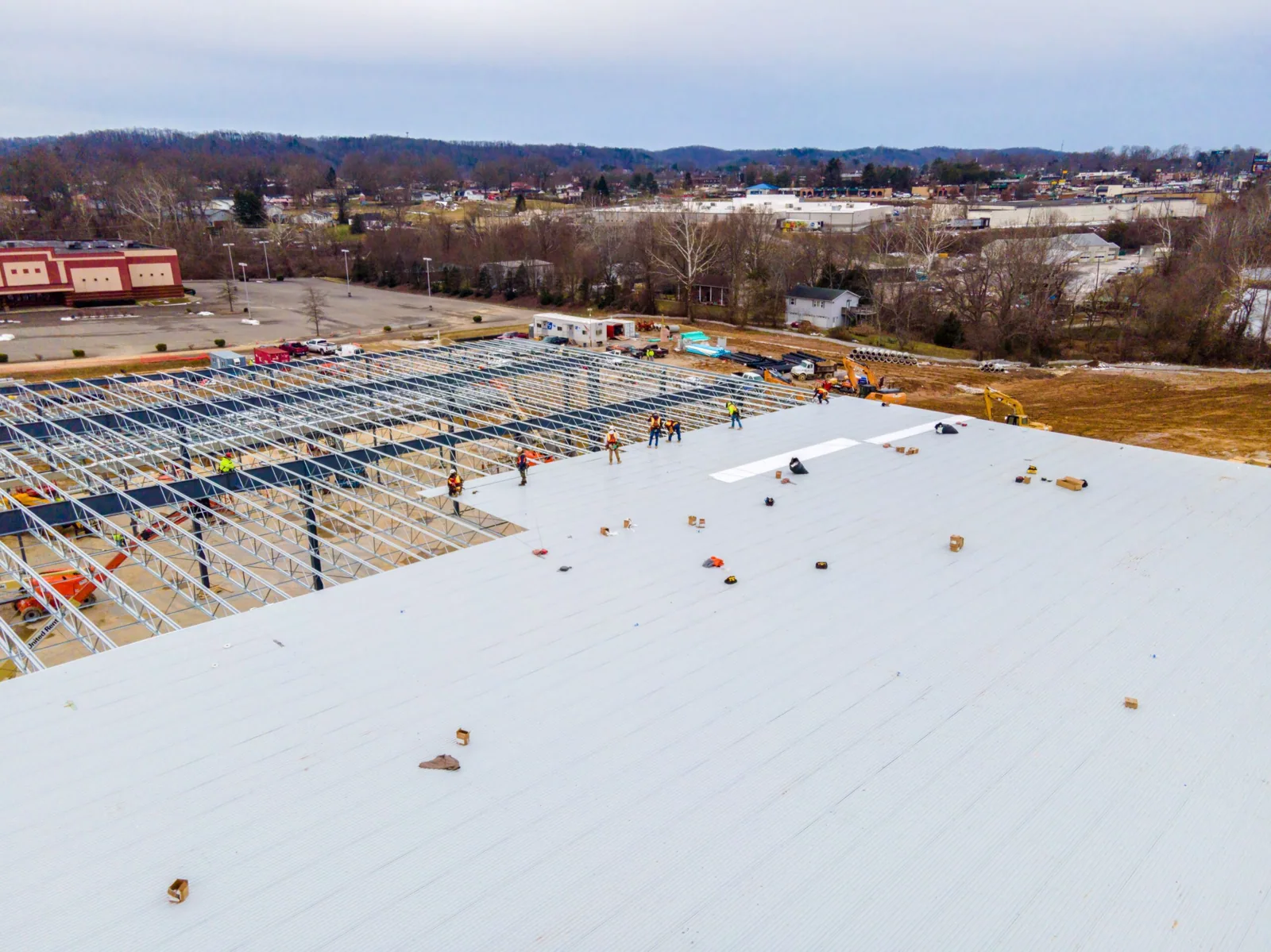
A big flat roof in that setting wants a reflective surface that washes well and a membrane that tolerates dirt and heat. With July highs near 85 degrees and a strong heat island, a white TPO system or a PVC sheet reflects that load, and walkway pads protect the field where technicians visit rooftop units.
Edges, wind and the long fetch
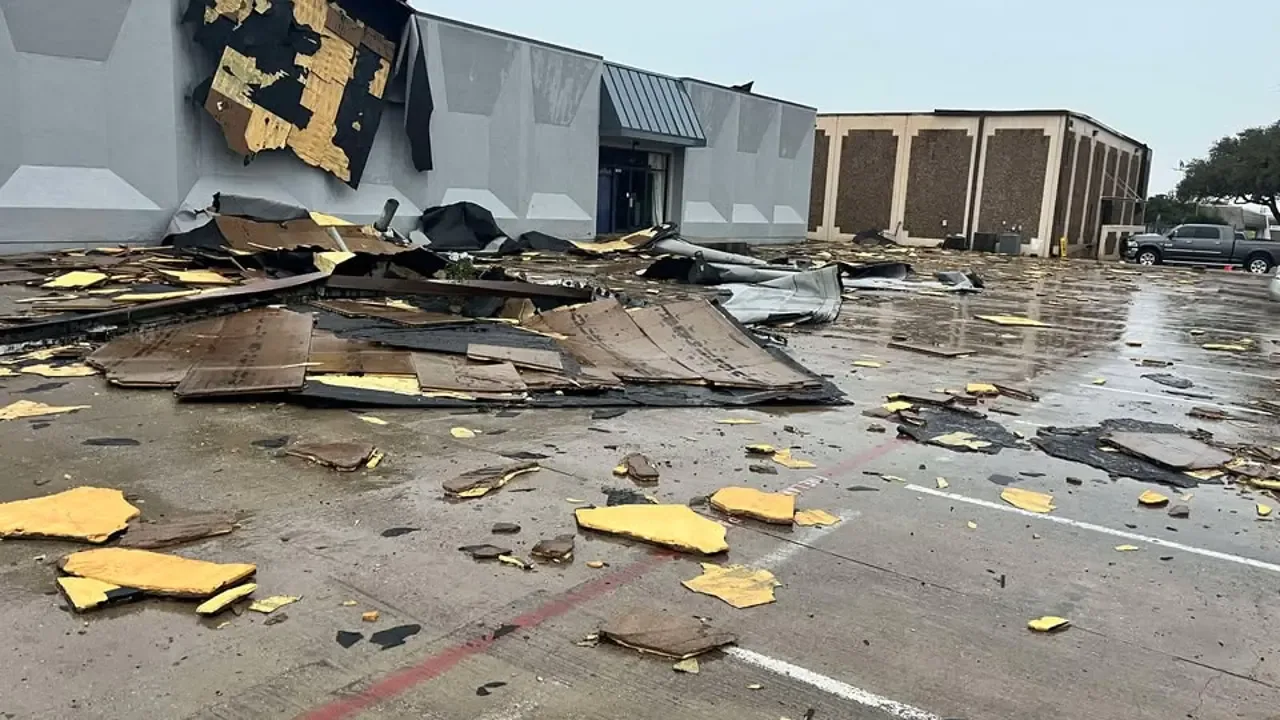
Open water in front of a building means wind at the roof edge. The roof of a Red Hook warehouse sees gusts that a block-interior roof never feels, and the first rows of membrane and the edge metal carry the load. The EF2 tornado that crossed Bay Ridge in 2007 took the roof off a nearby Nissan dealership, a reminder of what an unsecured edge can do anywhere in Brooklyn.
We check fasteners, edge metal laps and coping for lift, and we upgrade the perimeter with heavier metal and tighter spacing where needed. After a storm, a quick walk catches a small lift before the next gust turns it into a tear. The sequence mirrors hurricane damage roof repair.
Drains that have to work in a surge year
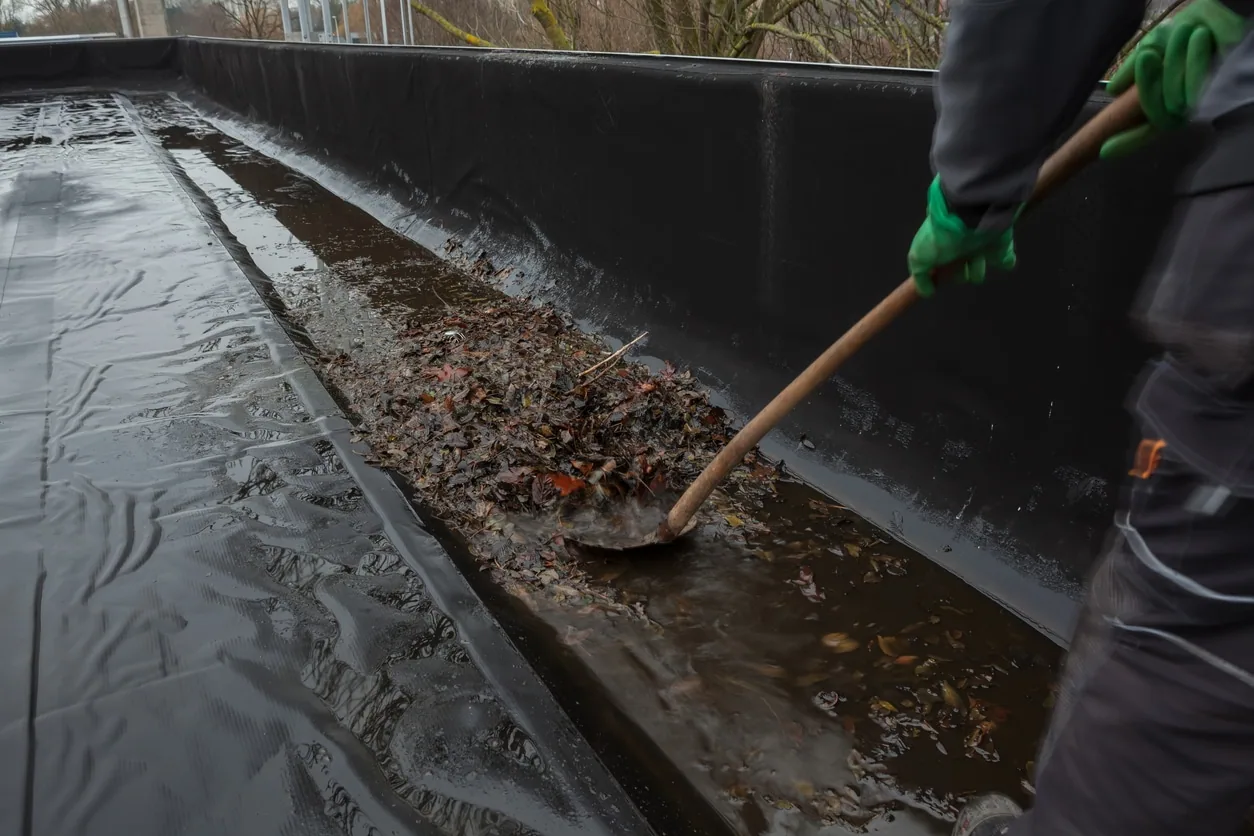
Flash flooding is not only a Sandy story. Ida's remnants proved it in 2021 with the city's first flash flood emergency. For a roof, the lesson is drainage: two good drains are better than one, overflow scuppers should exist and leaders should discharge somewhere that is not already underwater.
We test the primary line with water and inspect the sump at every drain. If the leader ties into a storm line that backs up, the roof will pond regardless of how clean the basket is. A drain and scupper upgrade is often the cheapest protection a waterfront owner can buy.
Planning around operations
Port and warehouse tenants cannot always close for a day. We split the roof into sections, dry in each one daily and keep the hoist and dumpster away from truck lanes. Cold-storage or food tenants get special care, and the cold storage roof is planned with the vapor path in mind.
Owners also benefit from a long view. With a marine terminal plan on the table, a landlord may not know what the neighborhood will look like in a decade. A roof capital plan helps size the spend: repair now, recover later, replace when the building's future is clearer. We lay out those choices with moisture data and a condition report.
Insurance paperwork follows a storm. Dated photographs of the roof before and after, a written scope and a record of temporary protection support a claim, and claim documentation is written to be read by an adjuster as well as an owner.
Commercial Roofing Questions
Does a roof need special treatment because the building was flooded in Sandy?
The roof is not underwater, but the aftermath can touch it. Equipment may have been replaced and re-flashed in a hurry, and rooftop units may have been moved. We inspect penetrations, curbs and patches from that period and rebuild any that are weak.
Which roof system holds up best near the water?
A reflective single-ply, such as TPO or PVC, adhered or mechanically attached with strong perimeter securement, performs well in wind. Edge metal and fasteners matter more than the sheet. We choose by the building's height, exposure and equipment. A pull test on a few fasteners tells us how the existing perimeter is holding before we decide how much to upgrade.
Can a warehouse tenant stay open during a reroof?
Usually yes. The roof opens in sections, each closed before the shift ends, and dock doors and truck lanes stay clear. Stock under the active section is covered or moved. Where a tenant runs early shifts, we start after the first trucks have left the yard.
How should we think about roof spending with a port plan pending?
Match the work to how long the building will be used as it is. A repair or coating may suit a short horizon, and a replacement suits a long one. We provide the condition data that lets an owner decide.
What do I send to start in Red Hook?
The dates when the building is quiet, the address area, the roof age and photos of the worst drain and the edge start the file, along with a note on any past storm repair. Photos taken from the street side show the parapet and cornice that the roof alone cannot show.