Commercial Roofing in Carroll Gardens, Brooklyn, NY
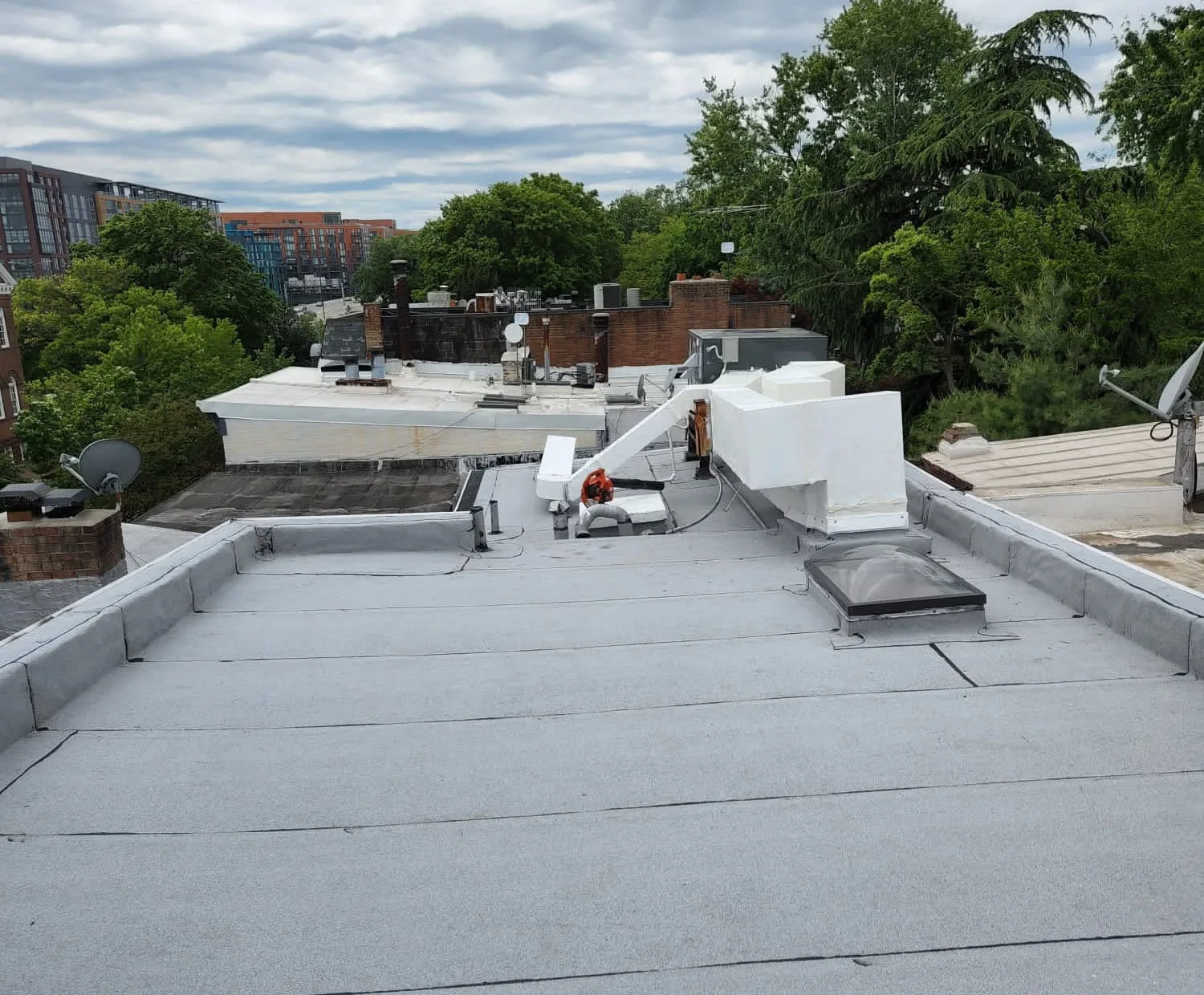
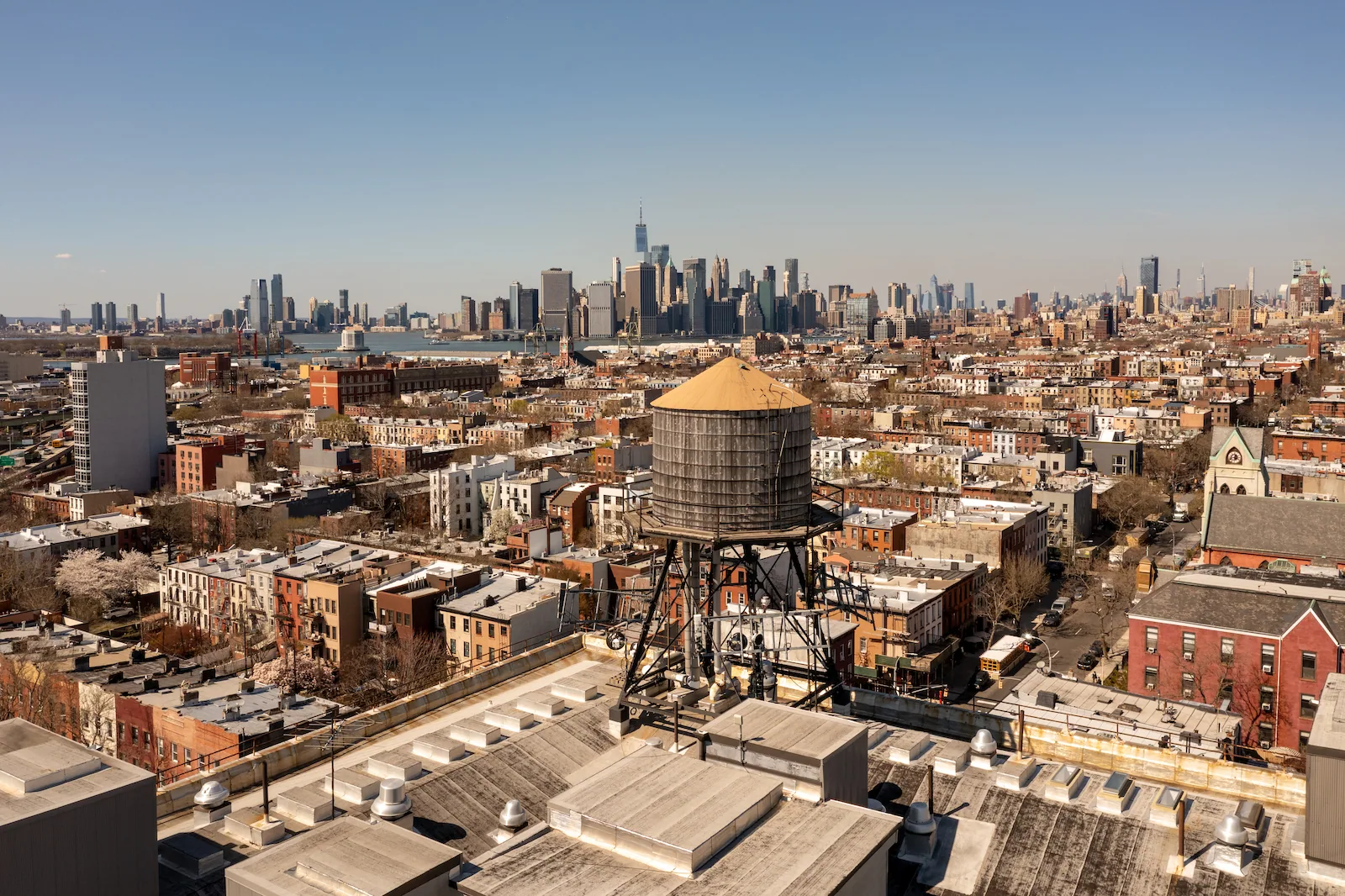
Look along a Carroll Gardens block from the roof of any corner building and the pattern shows right away: a long run of attached masonry, a shared parapet wall between neighbors, and a low roof that has been patched by a succession of owners. Those party walls and shared edges decide how a commercial roof here gets built, repaired and drained. The district is a designated historic area, known for brownstones with deep front gardens, and the buildings that carry shops, offices or mixed use sit in that same fabric of brick, stone and cornice.
We work on the flat and low-slope roofs of Carroll Gardens, Brooklyn, NY with that fabric in mind. The roof is usually the smallest part of the building and the part that does the most damage when it fails, because water that gets past a parapet or a cornice return runs down inside masonry for a long time before anyone sees a stain. A first walk here means getting to the edge, the drain and the wall tie-in before we say anything about the field of the roof.
Attached buildings, shared edges
On a row of attached buildings, the roof of one owner ends at a wall that belongs, in practice, to two. Flashing that climbs that wall has to be sound on both faces, and the coping on top has to shed water to the correct side. When a neighboring owner re-roofs and raises a membrane against the shared parapet, the water that used to leave freely may now stand against your base flashing. We check the neighboring roof height and every spot where mortar has opened.
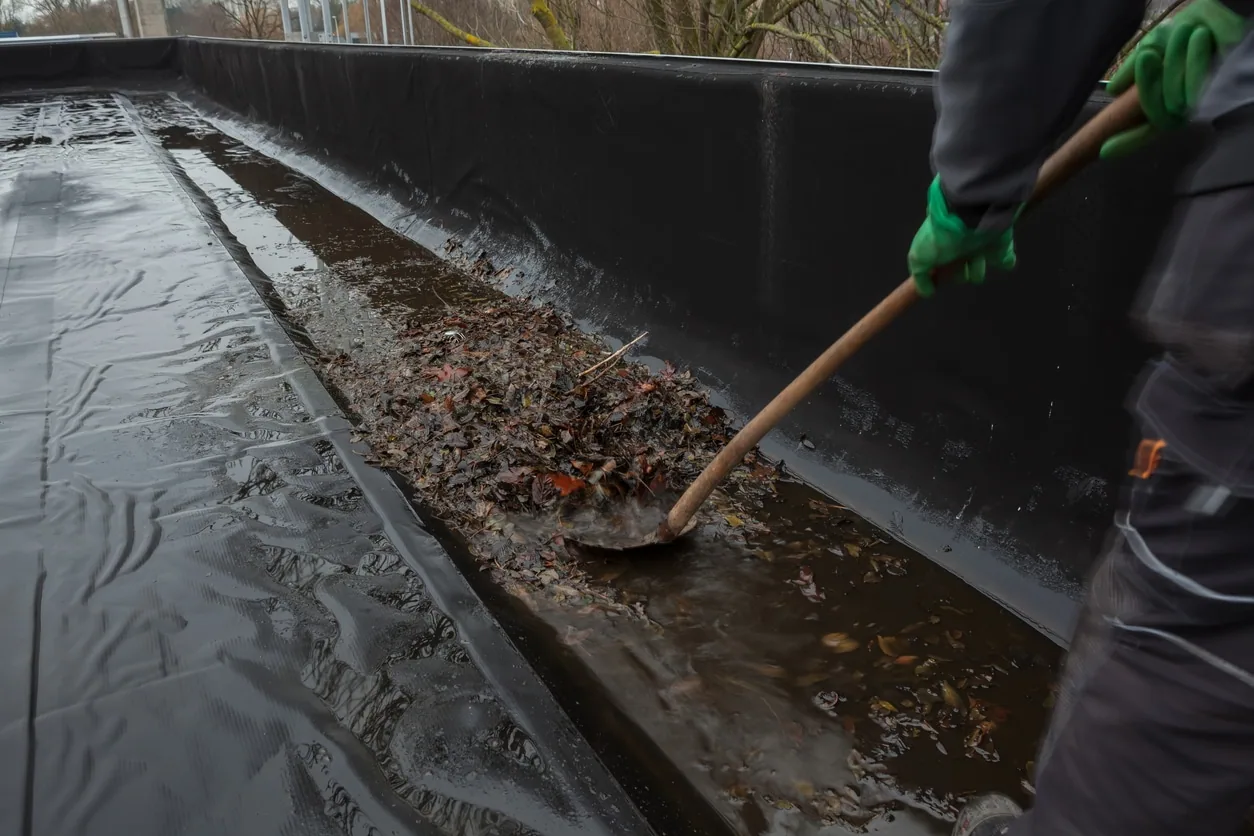
Drainage is the second shared question. A narrow roof often drains to a single interior drain or a single scupper through the front or rear wall. If that one outlet clogs with leaves from a garden tree, the whole roof becomes a shallow pond. We clear the basket, pour water in, and watch how fast it leaves. Slow drainage on a small roof is a sign to look at the slope, the sump around the drain and the lap where the membrane meets the drain body, and it often leads to a small drain and scupper correction before it ever becomes a replacement.
Converted churches and their roofs
Several former churches in Carroll Gardens have been turned into condominiums. A converted church roof can combine a steep slate or metal slope, a flat or low section over an annex, and a gutter that runs behind a stone parapet. What we look for is the point where one kind of roof meets another, because that junction takes the movement and the water.
On a converted building the owners are often a condominium board, and the board wants a written scope it can vote on. We provide a roof condition report with photographs of each flashing, each gutter outlet and each penetration that came with the conversion, such as vent stacks and exhaust fans for the new units.
Gardens, trees and debris
The district takes its name from gardens, and on the blocks with deep front yards the trees are mature. Leaves, seed pods and branches end up on roofs and in gutters. A roof drain basket that fills in October is a problem by the first November rain, and a gutter packed with debris that freezes in January can push meltwater under the edge flashing. Snow near 30 inches a year and freeze-thaw swings open every weak seam. We ask owners on tree-lined blocks to plan a cleaning visit in late fall as part of a preventive maintenance program, since that single visit does more for a small roof than most repairs.
The expressway edge
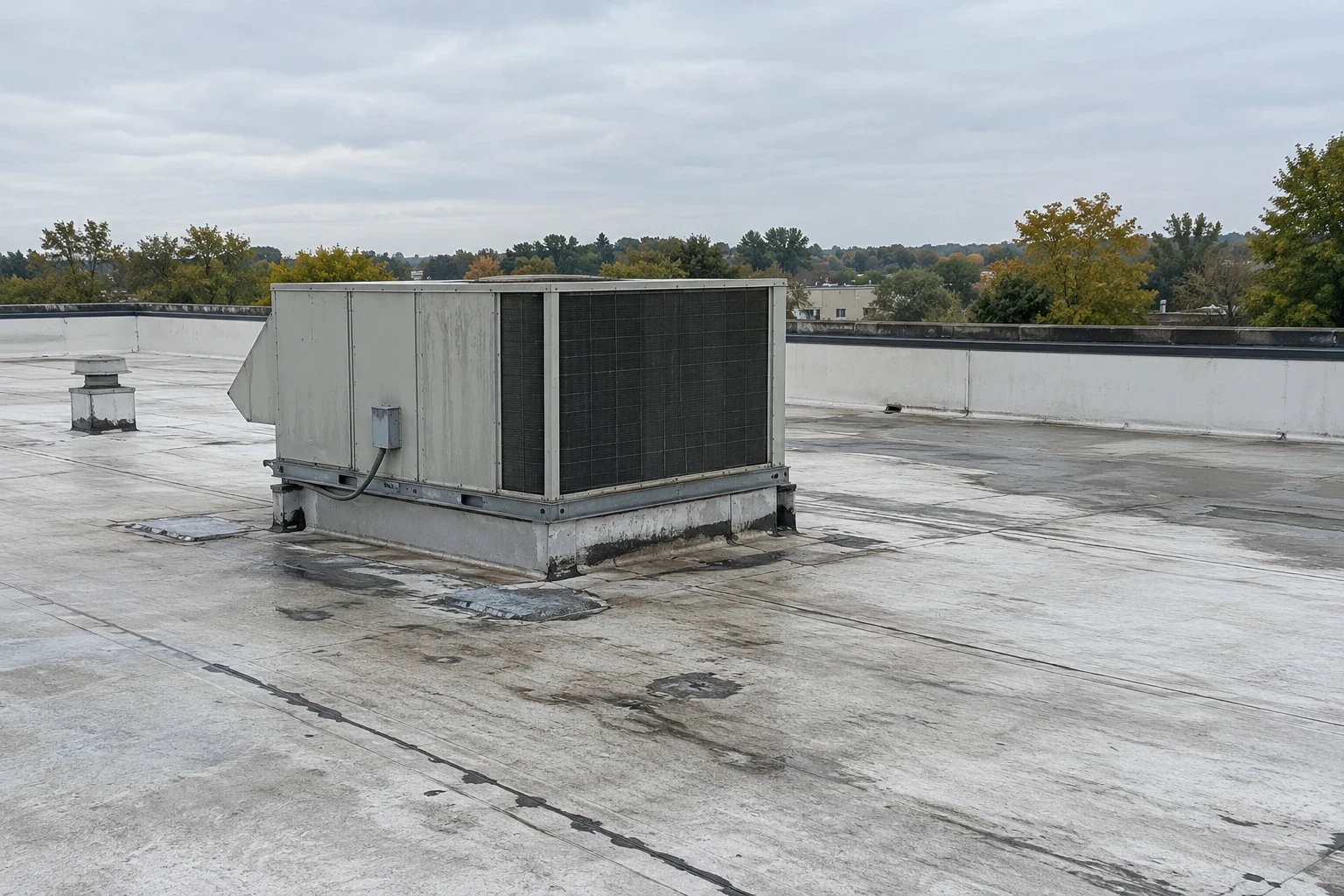
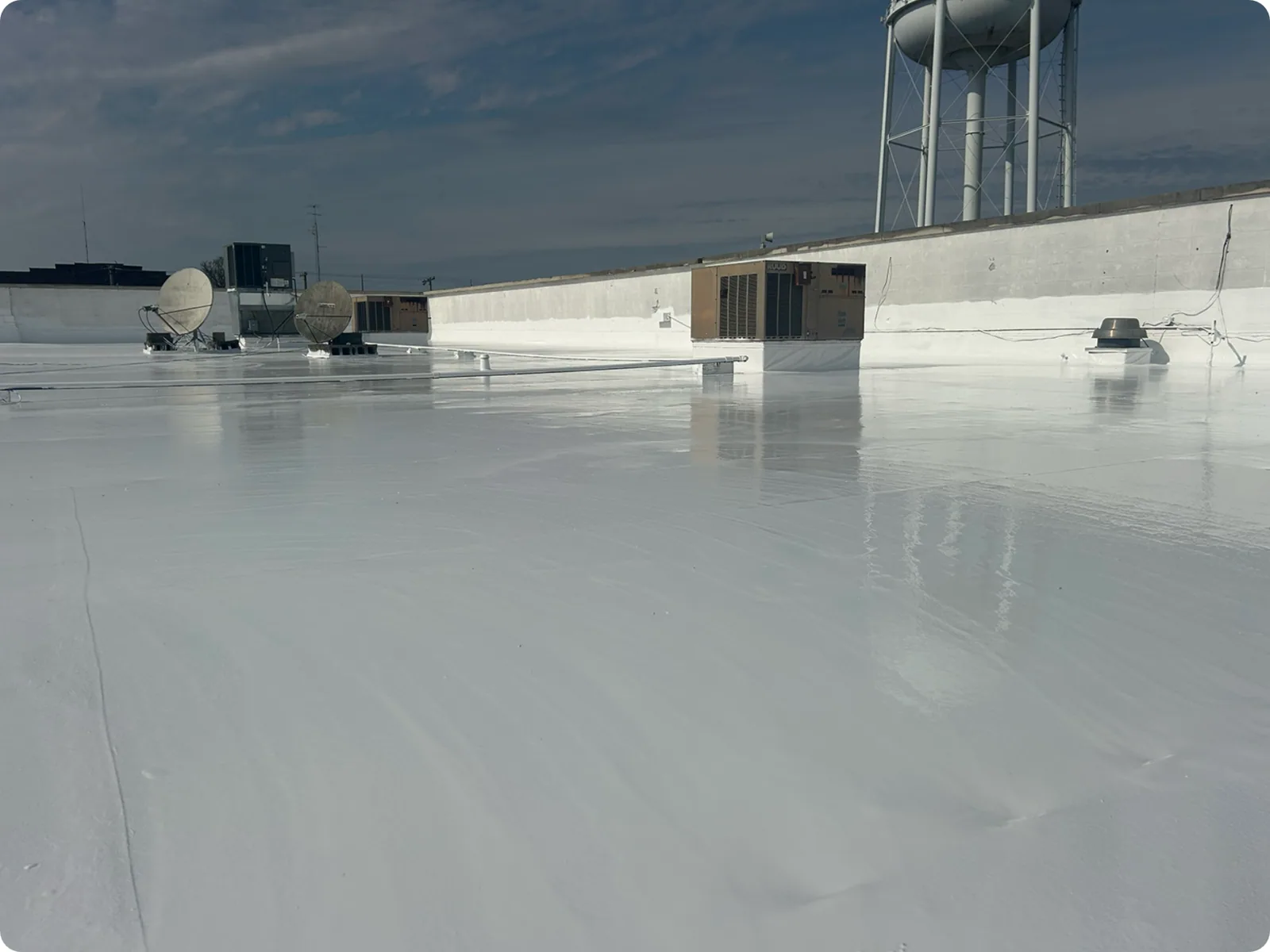
The Brooklyn-Queens Expressway and the Gowanus Expressway deepened the division between Carroll Gardens and Red Hook, and the canal district of Gowanus sits just beyond them, and roofs close to that edge live with traffic grime. Soot and road film settle on a membrane and absorb heat, which makes a light-colored surface turn dark and run hotter. A dirty, hot surface ages faster, so on the blocks nearest the expressway we recommend a surface that can be washed and, where the membrane is sound, a reflective coating that is recleaned on a schedule.
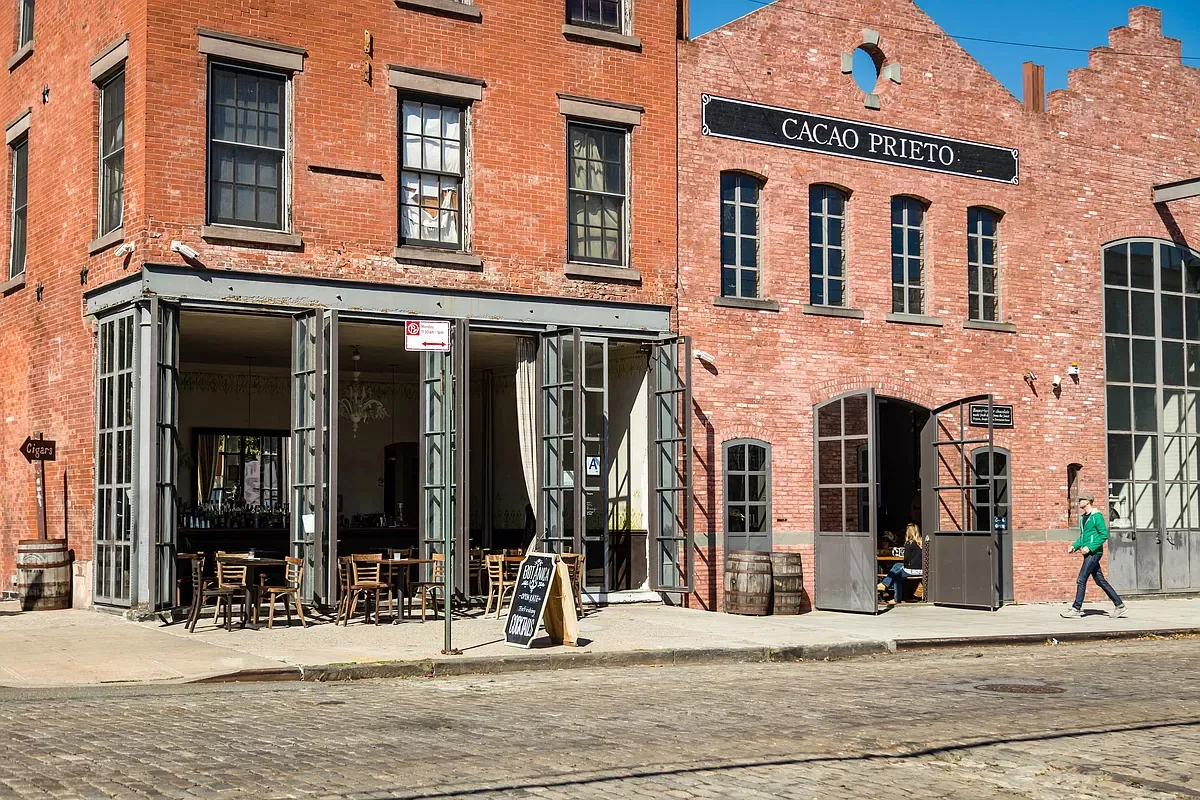
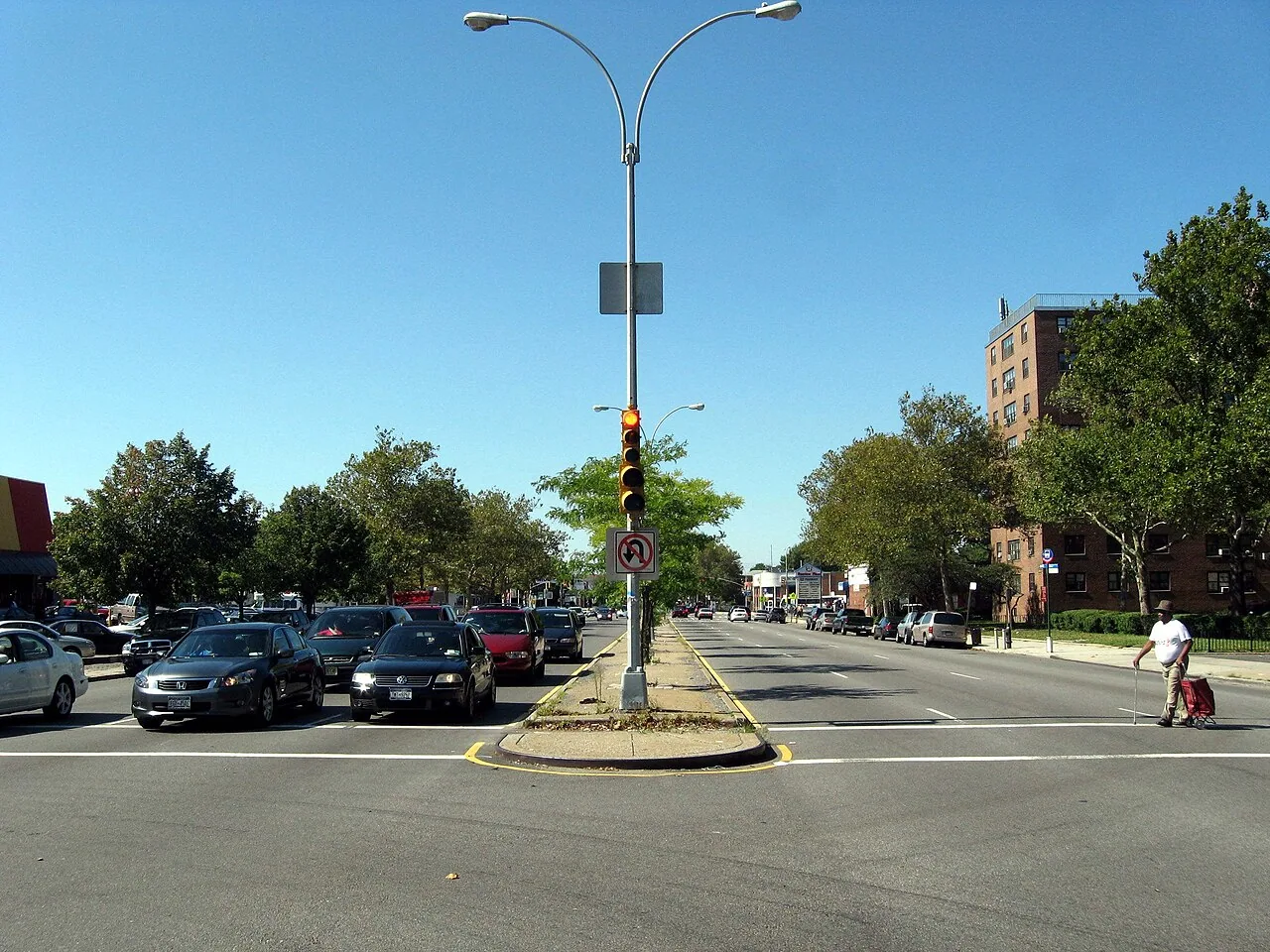
Smith Street and Court Street carry the main bus routes, and the shops along them draw foot traffic and deliveries. For a roof job, that means the sidewalk is the staging area and the street is the hoist route. Our crew plans loading windows, sidewalk protection and the path of materials before the first day, and we talk to the tenants below about noise and the hours of any torch-free work.
Weather that tests these roofs
The wettest days are the ones that find a weak roof. New York City collects about 49.5 inches of precipitation a year, and Ida's remnants brought its first flash flood emergency on September 1, 2021. A cloudburst like that sends more water to a small roof than its drain was sized for, and it shows up as water over the curb and through a parapet scupper. We check whether the roof has an overflow path, because a roof with one outlet and no overflow is a roof that depends on a single drain staying clear.
The fix in order
The order of work on a small attached roof is consistent. Clear the drains and gutters. Walk the field and mark the soft spots. Probe the parapet, the cornice return and the base flashing. Then sort the roof into three groups: repair, recover and replacement. A sound membrane with failed flashing needs flashing work, not a new roof. A roof with wet insulation, which we locate with an infrared moisture survey, needs the wet material removed.
Cost follows access, the number of penetrations, the amount of masonry repair on the parapet and whether a hoist or crane is needed. Timing follows the weather window and the tenants. A condominium board will want phasing and a punch list at the end, and we walk the roof again after the work with photographs of each corrected detail.
Commercial Roofing Questions
Who is responsible for a shared parapet wall between two attached roofs?
Responsibility depends on the deeds and any party wall agreement, and an attorney should read those. For the roof itself, we can show what the flashing on each face needs and what each side of the wall does to the other. A photograph of the neighbor's membrane height against your base flashing is often enough to start a practical conversation between owners.
Can a converted church roof take a new membrane over the old one?
A recover is possible only where the existing layers are dry and the structure can carry the added weight. We cut a core, test for moisture and check the deck before proposing it. Where slate, metal or old built-up layers cover different sections, each section is judged on its own, and a recover on one part may sit beside a full tear-off on another.
Will work on a roof above a shop on Smith Street or Court Street close the business?
Usually not. We stage from the sidewalk with protection and agreed hours, keep the entrance clear and avoid noisy or odor-producing steps during the busy hours of the tenant. Hot work is limited, and cold-applied or mechanically attached systems are common choices on occupied buildings. We settle the schedule with the tenant before the crew arrives.
What helps schedule a first walk on my Carroll Gardens building?
The roof age if known, the address area, and photographs of the worst drain, the parapet and any ceiling stain below. From those we can tell whether the visit is a repair walk, a moisture survey or a full condition report, and bring the right gear.