Roofing Manufacturers
Roofing manufacturer systems in Brooklyn, NY: how single-ply, modified bitumen and coating systems from major makers are installed, repaired and maintained.
Peel back the counterflashing at a bulkhead door on an older Brooklyn, NY mill-building roof and the layers show whose system you are standing on, and whether anyone followed its drawings. The brand on the roll matters less than the height of the base flashing, the spacing of the edge fasteners and the way the last repair was tied into the old membrane. Those are the places a published specification either held up or did not.
Explore Roofing Manufacturers
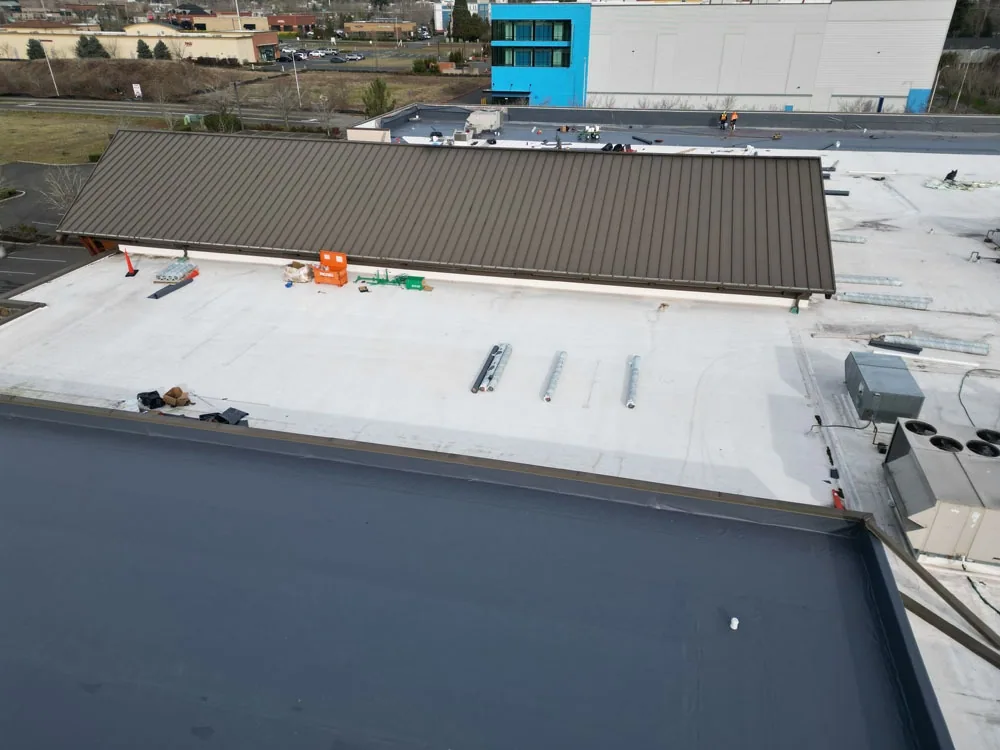
Single-ply makers
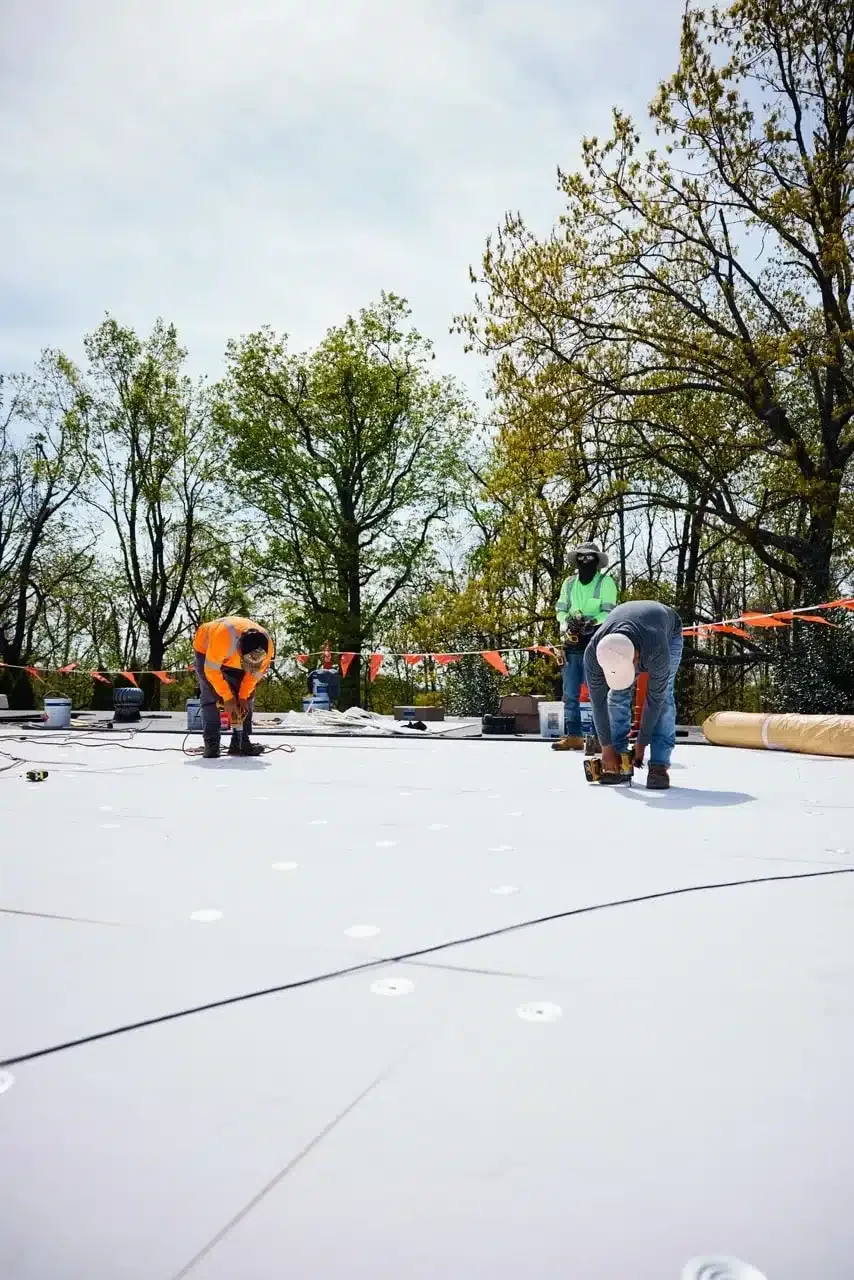
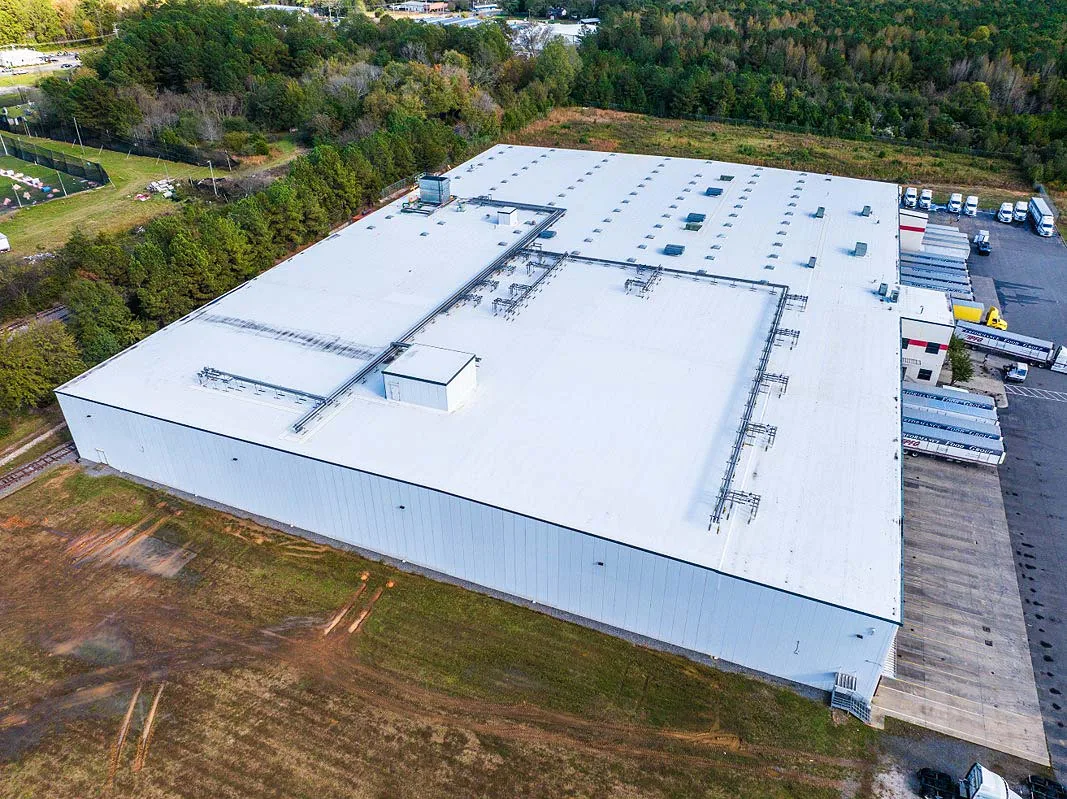
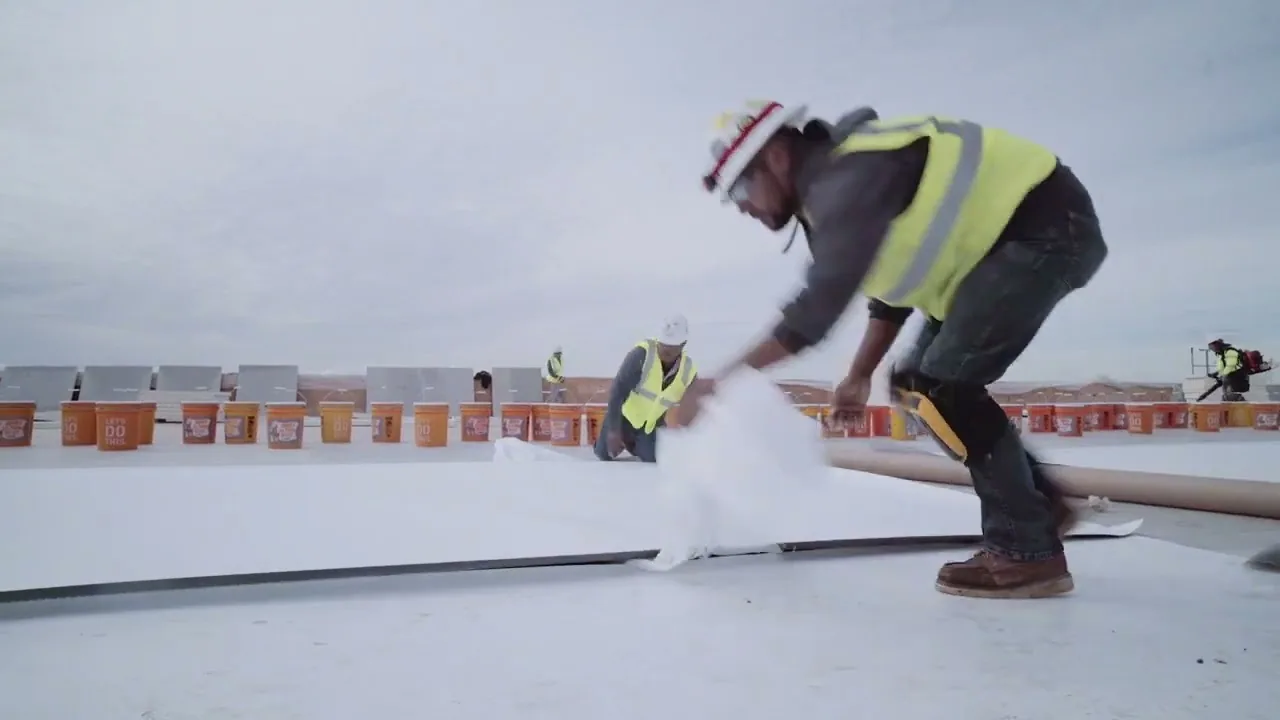
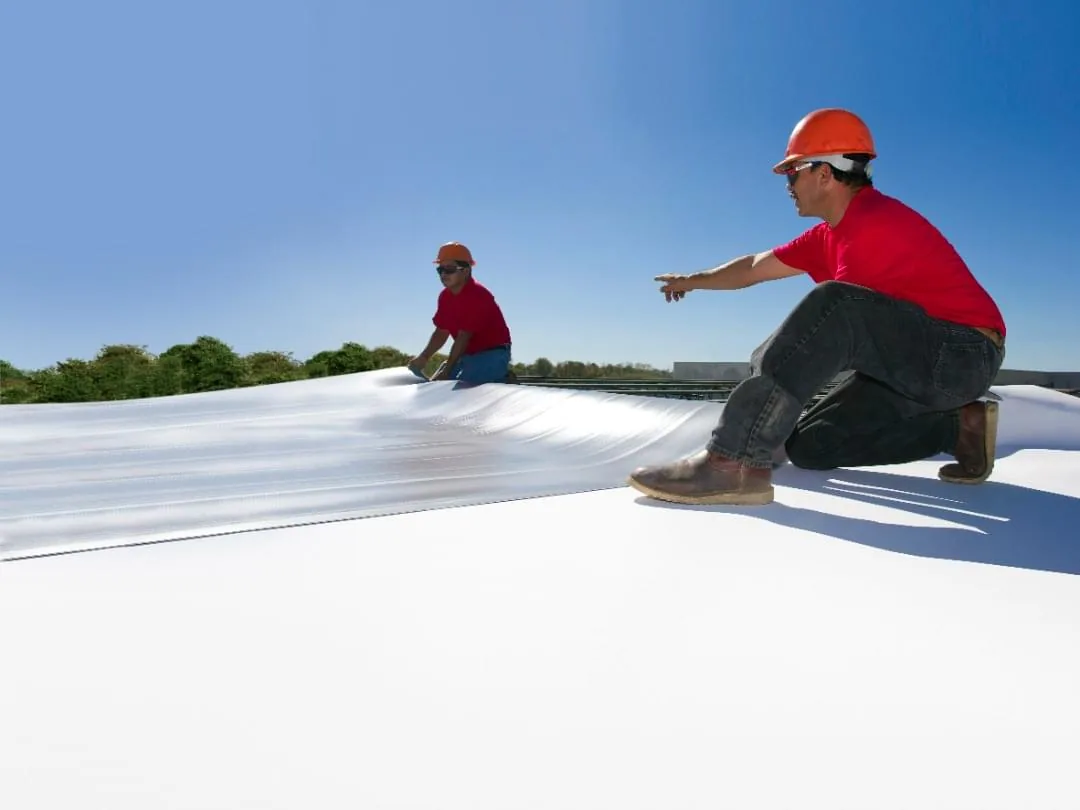
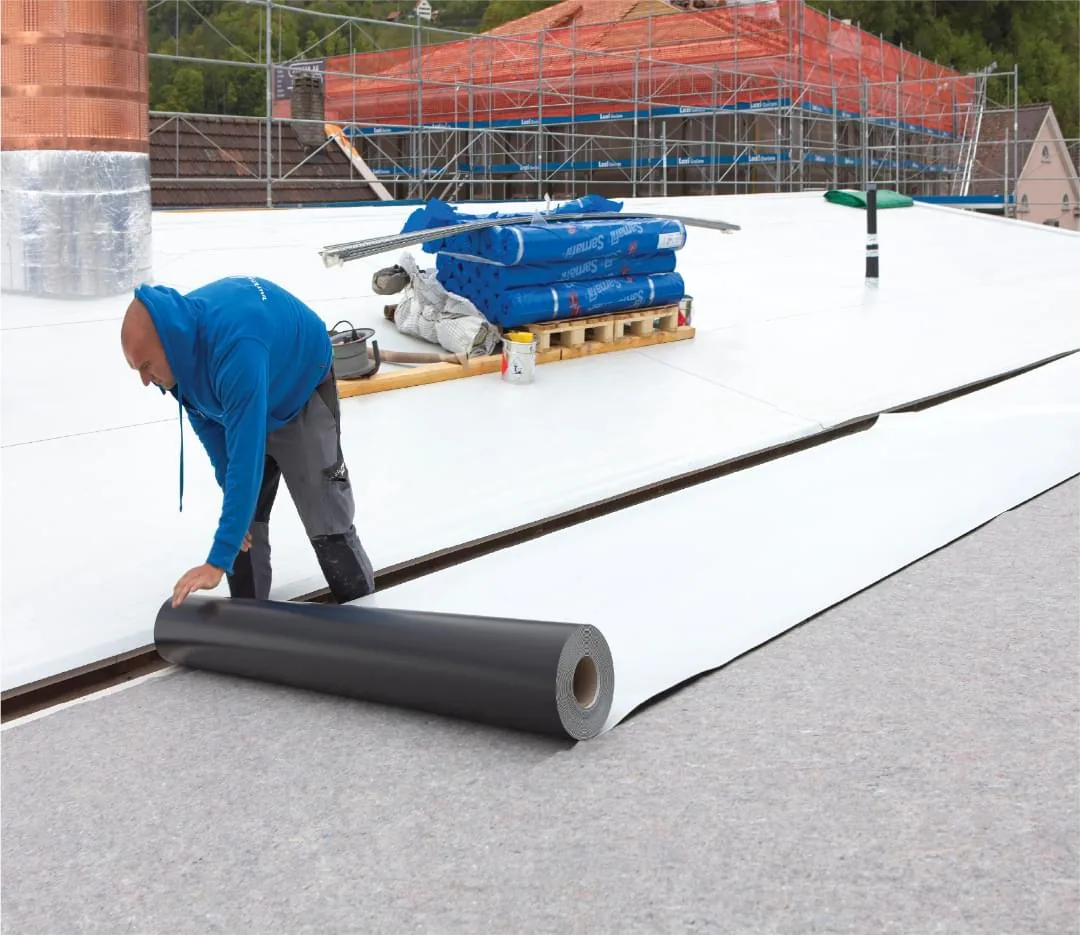
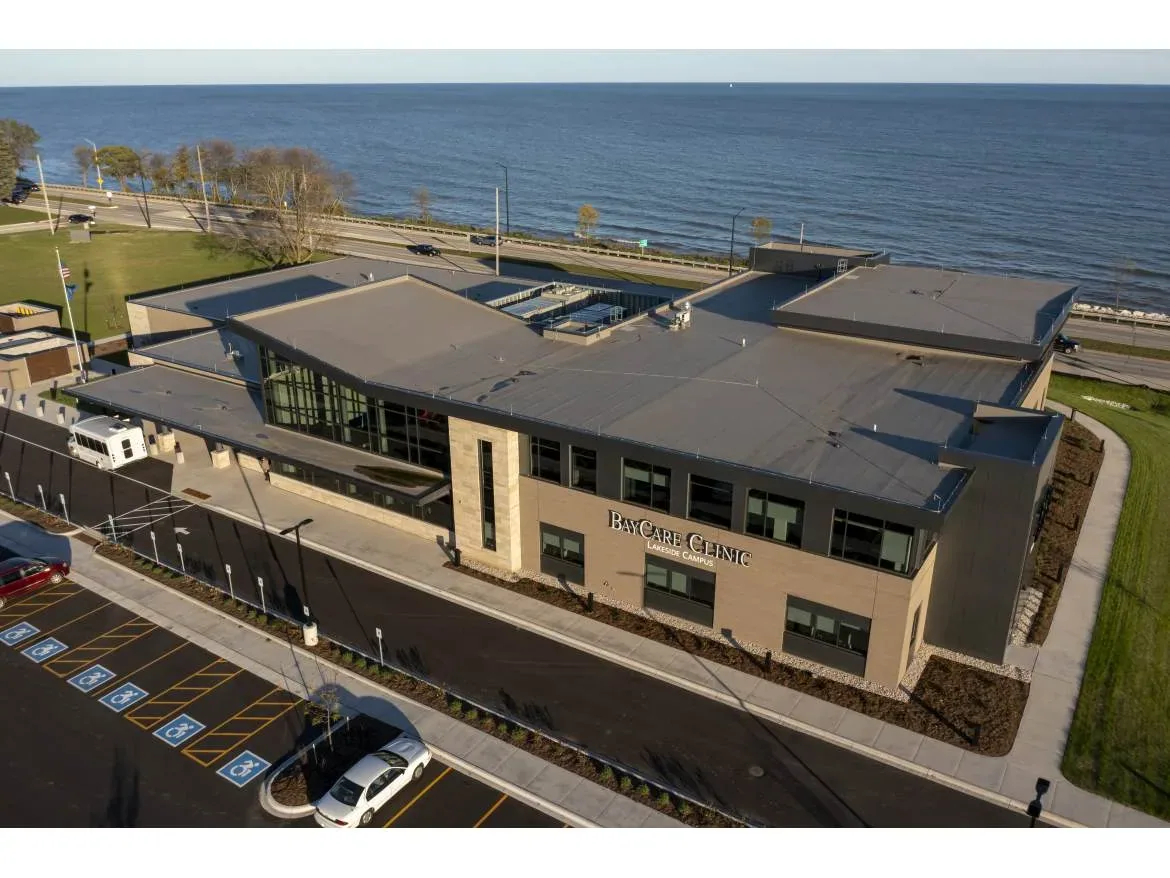
A handful of large makers publish single-ply systems for flat roofs. Carlisle, Sika Sarnafil, Versico and Duro-Last each set out membrane, accessory and flashing requirements for their sheets. We install and repair these types of system to the details the maker publishes, and the specification is read before anyone picks an attachment pattern or a flashing method.
On a single-ply roof the seam is the working part. Hot-air welds and adhered laps are probed end to end after installation, a sample weld is tested, and any repair is marked on the sheet. The detail drawing for a wall turn-up, a pipe boot or a curb is the standard we build to, because a claim or a later inspection will ask for exactly that drawing.
Layered and coating makers
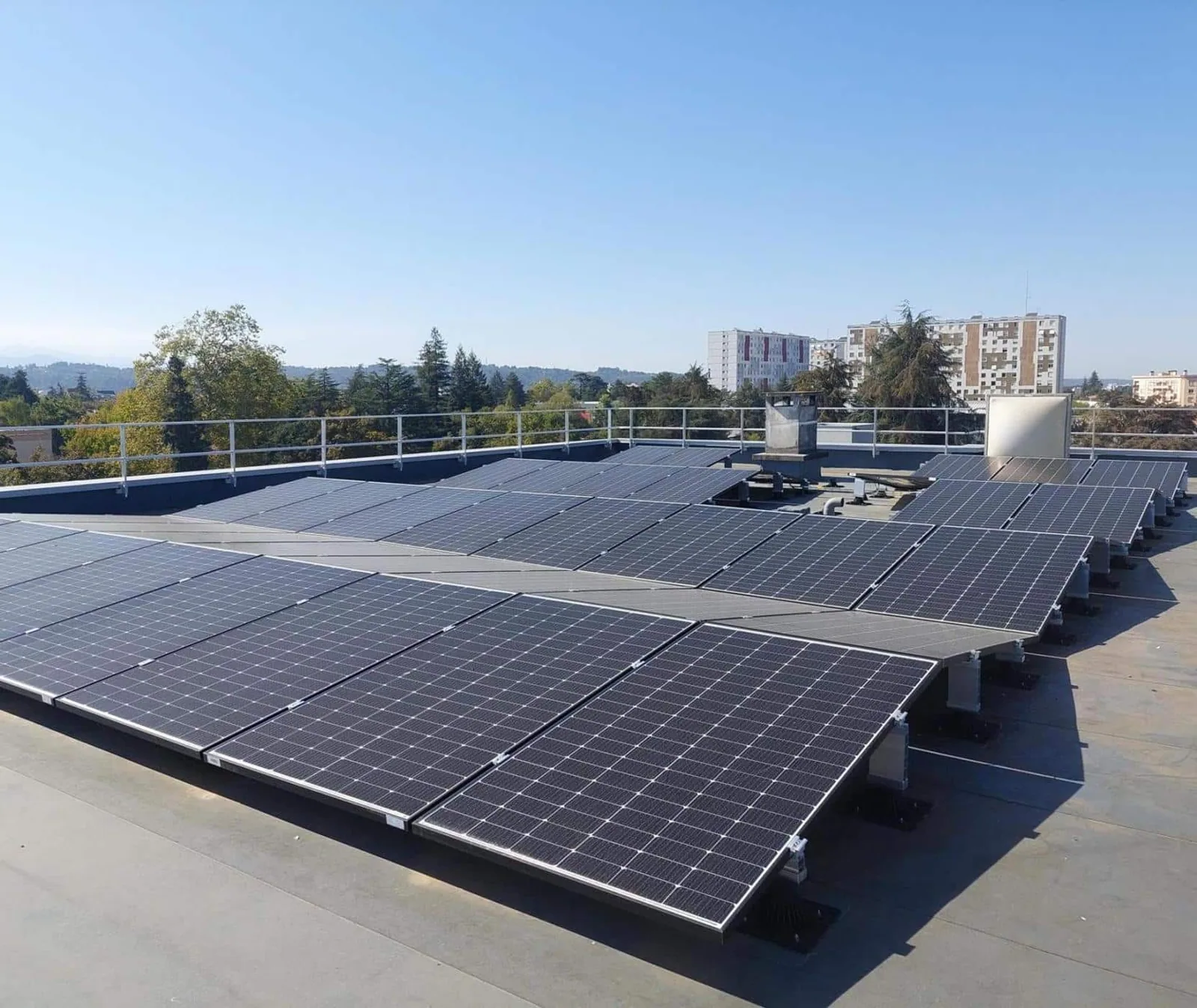
GAF, Johns Manville, Holcim Elevate and Soprema publish modified bitumen, built-up, single-ply and liquid-applied systems. Each layer type brings its own prep. A self-adhered base sheet wants a clean, primed, dry deck. A torch-applied cap needs a fire watch and a clear path for the flame. A liquid-applied flashing resin and a reinforced coating both depend on the surface being clean and dry before the first pass goes on. We follow those steps in the maker's order and note the conditions on the day.
Records after the work
When the work is finished, the roof file gets photographs of every detail, the list of materials and a note on temperature and moisture during installation. A later warranty question, an insurance claim or an inspector's request starts from that file.
A crew that opens the file years later can see what was laid, how it was fastened and where it was patched, so there is no guessing about what sits beneath a repair. Buyers and lenders ask the same question when a building trades hands in Downtown Brooklyn, Sunset Park or anywhere else in the borough, and the file answers it.
Repairing and maintaining existing systems
A repair has to suit the roof that is already there. Adhesive, flashing and coating are tried on a small test patch before the full repair, because two products that do not get along can ruin both. Snow near 30 inches a year and a strong summer heat island both work on every joint, so repairs get a second look once the first winter is over.
Commercial Roofing Questions
Does the brand on the membrane change how a roof leaks?
Workmanship moves the odds more. Every system opens up at seams, flashings and penetrations, and the maker's detail shows how to rebuild those spots.
Can one maker's repair material be used on another's membrane?
Often not. We lift a sample to identify what is on the roof, then test adhesion on a small patch before choosing a repair product.
How can I tell what system is on my roof?
A core sample and a close look at the seams usually settle it. Old purchase records, when they survive, help confirm the result.
What record do I get after a repair?
Photographs from before, during and after, plus the date, the materials and a mark on a roof plan showing where the repair sits.