Duro-Last Roofing Systems in Brooklyn, NY
Before a prefabricated roof sheet is ordered, someone has to stand at the parapet with a tape and write down the height to the quarter inch, then repeat the measurement at every corner, curb and drain. A Duro-Last roof arrives as PVC sheets cut, welded and shipped in custom sections, already shaped to the building. In Brooklyn, NY, where parapets differ from one roof to the next and a delivery truck may have half a block to work with, the measuring and the staging decide how smoothly the job goes.
The measurement survey
The survey is the first and most important task. We measure the field dimensions, the parapet heights, the locations and sizes of curbs, pipes and drains, and the positions of every wall and level change. A sketch records each dimension, and photographs back it up. Walls out of square, parapets that slope and curbs that have shifted are noted, because a sheet cut to a drawing will not fit a wall that is not where the drawing says.
Older buildings settle, additions get attached in different decades and parapets are rebuilt at varying heights, so the drawing on file is only a starting point. We check each measurement twice and take the second reading from a different reference point.
The survey also records the substrate: deck type, insulation condition, the number of existing layers and the location of every drain. A sheet is only as good as what it sits on, and a soft spot found now is cheaper than a soft spot found after the new roof is down. Cores and a moisture scan are part of the visit when the history calls for them.
What arrives on the truck
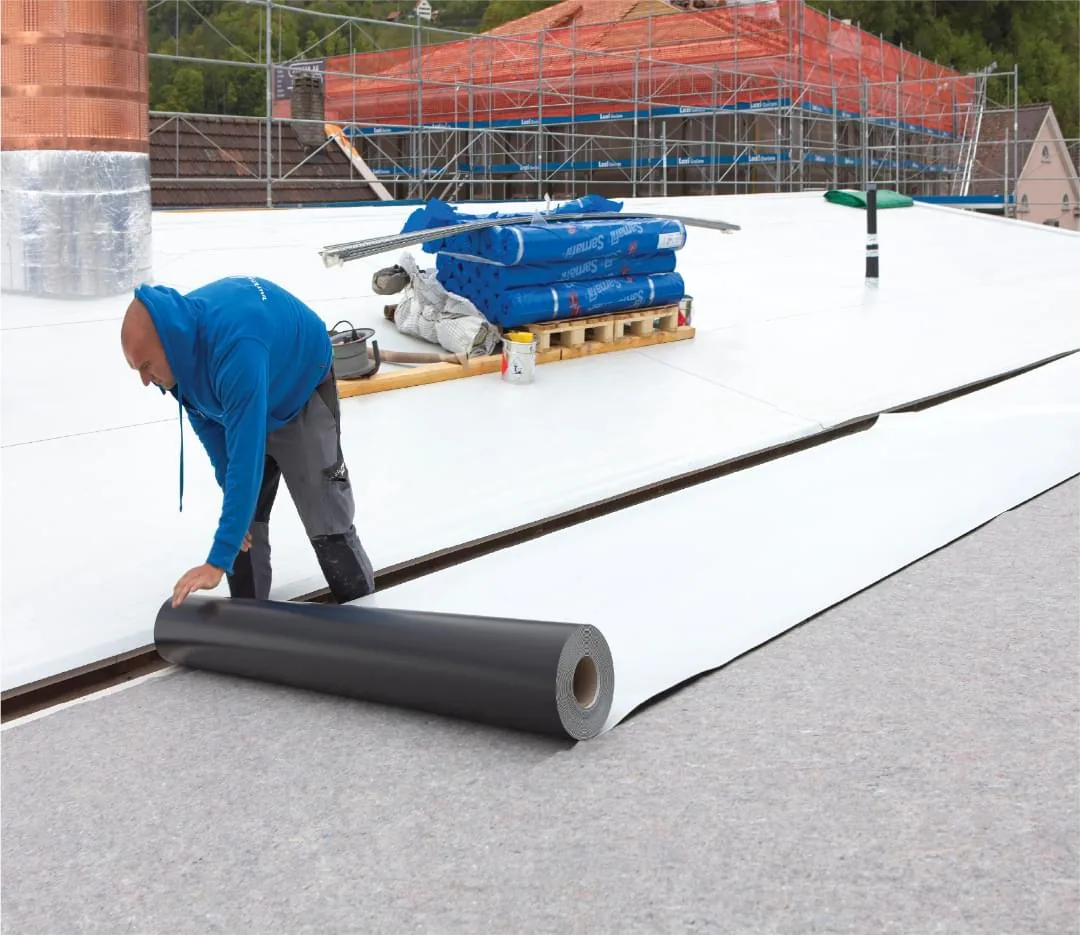
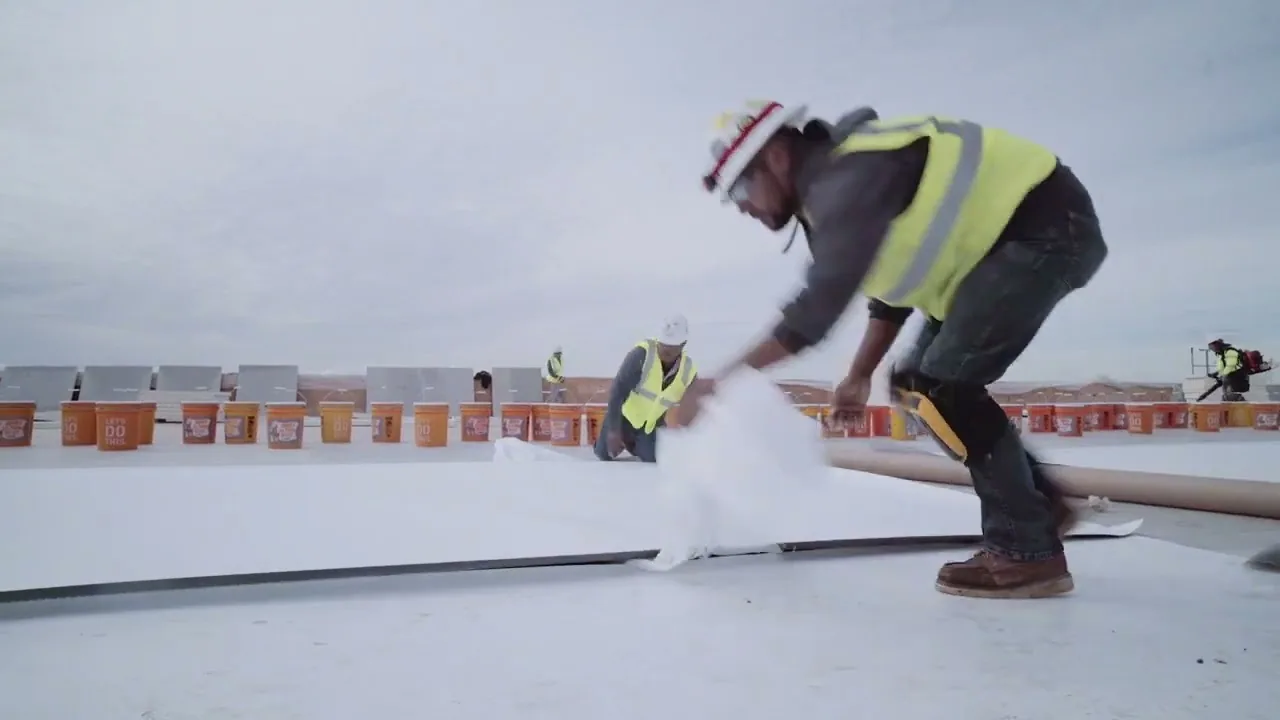
The sheets arrive rolled and labeled, with preformed flashings for pipes, corners and curbs already made. Large prefabricated sections reduce the number of field seams, and field seams are where leaks begin. The crew lays the sheets out, welds the remaining seams on site with hot air, fastens or adheres the membrane as the design requires and terminates it at the walls. Because so much of the welding happens in a shop, the work on the roof is shorter and less weather-dependent.
The tradeoff is that errors in measurement cannot be fixed with a roll of material from the truck. A short sheet needs a patch or a remake, which costs time.
Getting sheets to the roof
Rolls of prefabricated membrane are bulky. On a Brooklyn street with parked cars, delivery windows and limited curb space, getting them to the roof is its own task. In Dumbo, the Belgian block streets and Vinegar Hill saw a $108 million rehabilitation completed in 2025, and work along streets like those often needs coordination with city street work and truck routes. For buildings without freight access, we carry rolls up a stair tower or lift them by crane in a single window.
The Gowanus Expressway and the Brooklyn-Queens Expressway set truck timing near Red Hook, Gowanus and Greenpoint, so delivery windows are planned around traffic as well as around the building.
Seams, boots and terminations
After installation, we test the field welds with a probe and check every boot, corner and termination. The pre-formed pieces simplify the work, but they still depend on a clean substrate and a proper seal at the top edge. We look for fishmouths at laps, gaps at termination bars and sealant that has not cured. Anything open is cleaned and re-welded before the crew leaves.
Long-term, the seams are what we check on every visit. PVC welds hold well when made properly, and a PVC roof that has been probed once a year tends to keep its seams tight for a long time.
Which buildings
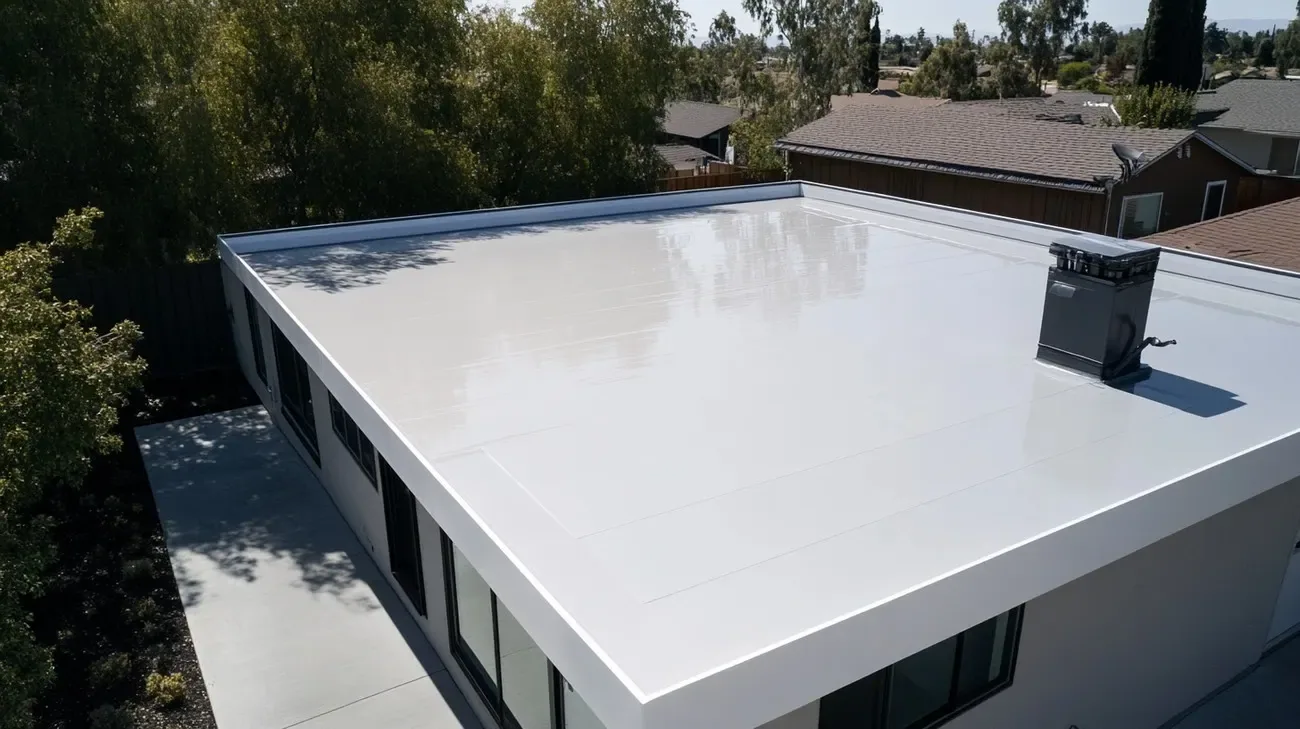
Prefabricated systems suit roofs with many penetrations and a defined shape, such as small commercial buildings, restaurants and mixed-use blocks. In Williamsburg, former factories and warehouses, including the 1915 Austin, Nichols building, have been converted to lofts and apartments, and each conversion left roofs with penetrations for new mechanical systems. Food-service buildings produce grease, and PVC resists many greases better than some other membranes. The choice is made roof by roof.
Drains, edges and storms
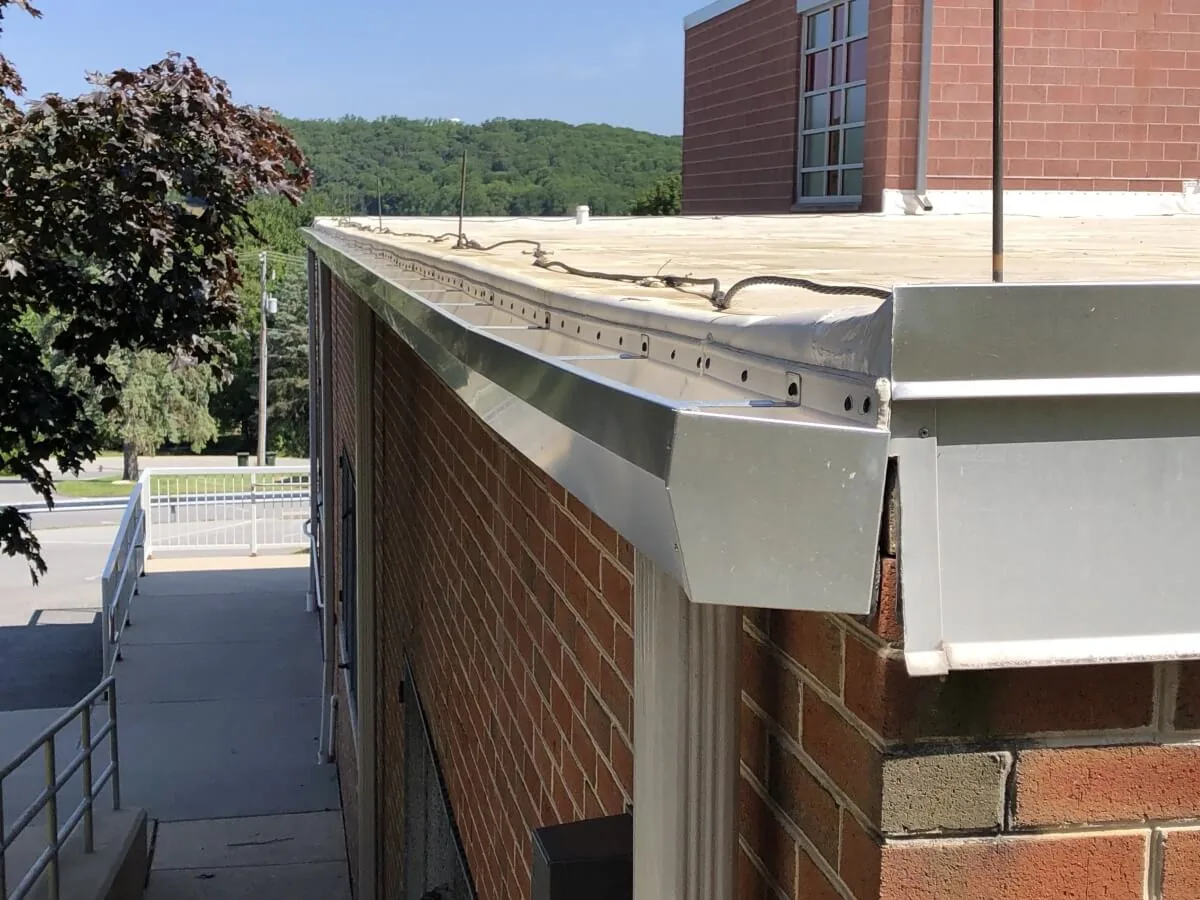
A prefabricated sheet is cut to the drains as well as the walls, so drain locations and bowl sizes are measured with care. After the roof is in, the drain is the first place a storm will test it. Ida's remnants set off the city's first flash flood emergency in 2021, and a sump that holds standing water for days ages any membrane. Where ponding persists, we add tapered insulation or move the drain. At the edge, we check the edge metal and coping for fastening, because uplift begins at the perimeter. A sheet welded tightly at the field can still lose its edge if the metal behind it works loose.
Repairing a custom sheet
A damaged prefabricated roof is repaired like any thermoplastic. We clean the area, cut out the damaged section, and weld a patch with generous laps over the opening. If the insulation underneath is wet, it comes out first. Matching the existing sheet matters, so we identify the membrane thickness and color before we order patch material. For broader damage, a commercial roof repair may extend to a full section replacement. Against Sika Sarnafil or Versico, the questions that matter are how many seams are made on site, how long the sheets take to arrive and what the measuring adds to the price.
Commercial Roofing Questions
What happens if a prefabricated sheet arrives the wrong size?
A small shortfall is fixed with a field-welded strip. A larger error means the sheet goes back to be remade, which delays the job. That is why we measure twice and photograph every dimension. We also check the delivered sheets against the drawing before they go to the roof, so any problem shows up on the ground and not at the parapet.
Can the old roof stay under a prefabricated sheet?
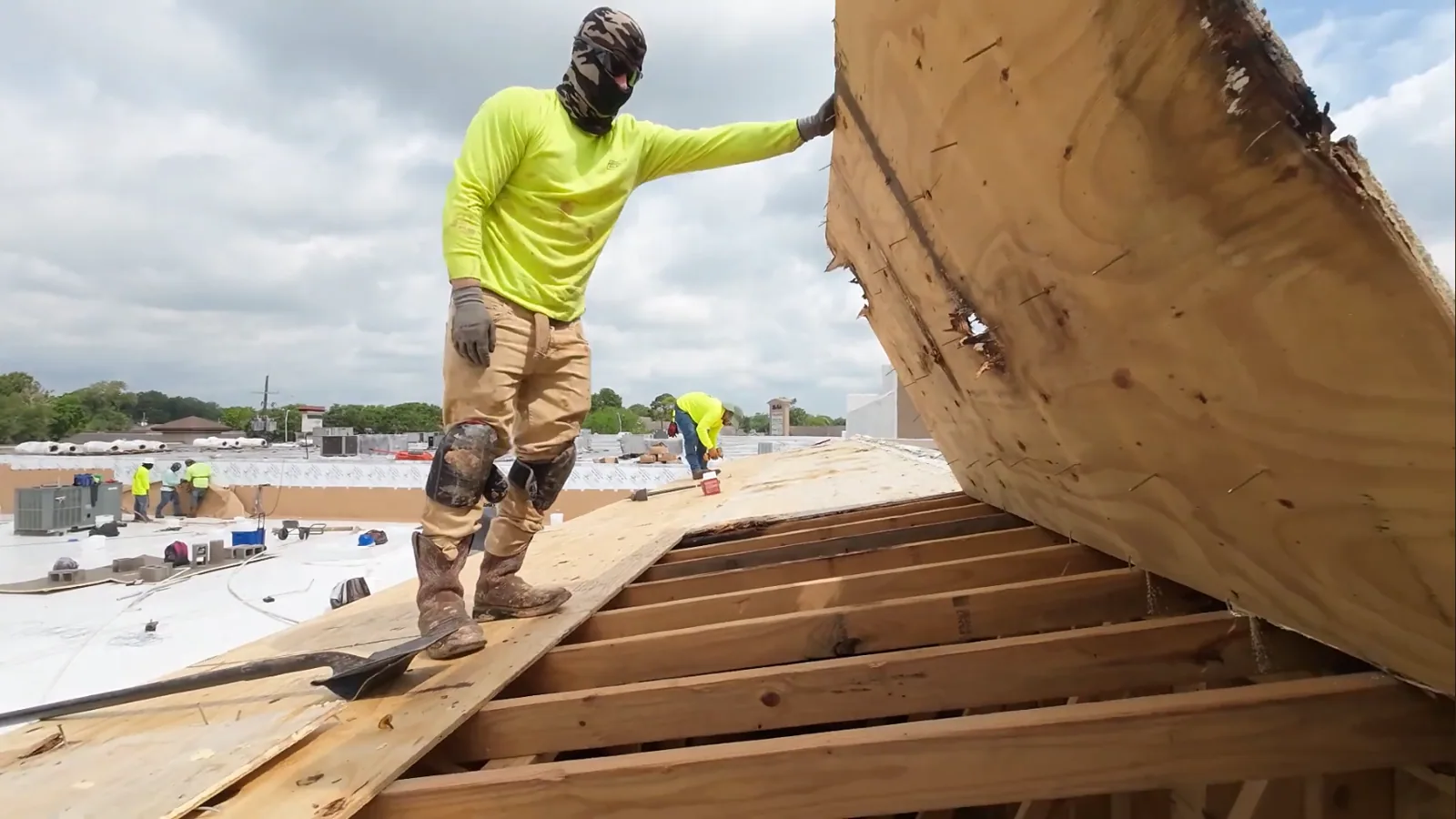
Sometimes. A single layer, dry insulation and a sound deck leave room for a recover with a cover board, with the new sheet laid over it. If there are multiple layers or wet insulation, the old roof comes off. We use cores and a moisture scan to decide, and we present the choice with the cost drivers named.
How far ahead do the custom sheets have to be ordered?
The lead time depends on the maker's production schedule, the season and the complexity of the roof. We plan the order as soon as the measurement is approved and ask the manager to hold a work window only once a delivery date is confirmed. A roof with many unique curbs takes longer to prepare than a simple rectangle.
Is a white PVC sheet right for a Brooklyn roof?
Often. A white sheet reflects much of the summer sun, which helps in a borough with a strong urban heat island and July highs near 85 degrees. It also resists many chemicals and grease. It shows dirt over time, so we plan periodic cleaning. In a building with high heating loads, we weigh the winter tradeoff before choosing color.
What does an owner need to supply before the measurement visit?
Roof access, any drawings or earlier surveys, and a contact who can open the hatch or stair tower. Photographs of the worst drain and parapet help us plan. If tenants control the roof, a short notice helps. We handle the rest on site, and the visit usually takes a few hours for a single building.