Commercial Roofing in Greenpoint, Brooklyn, NY
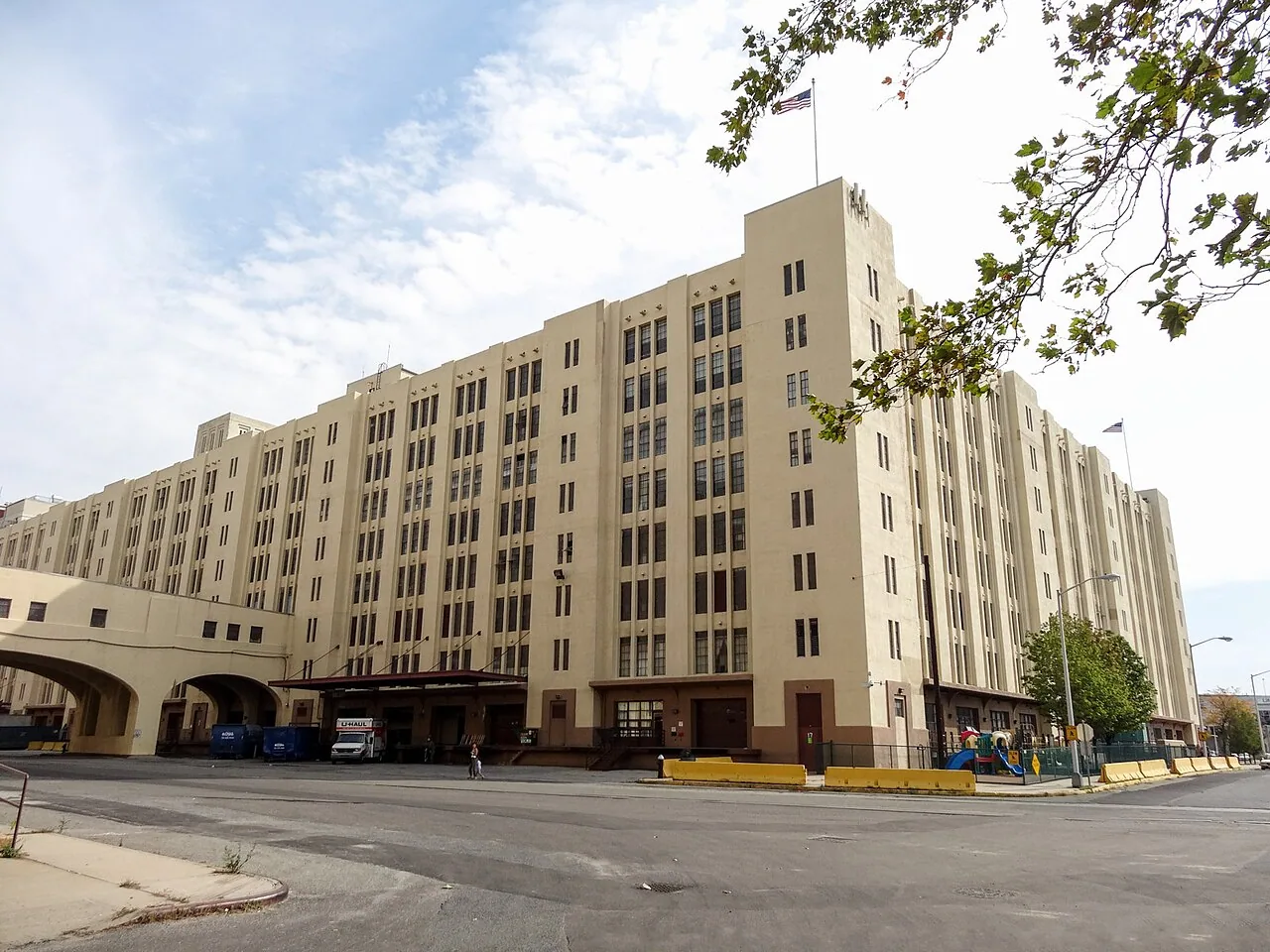
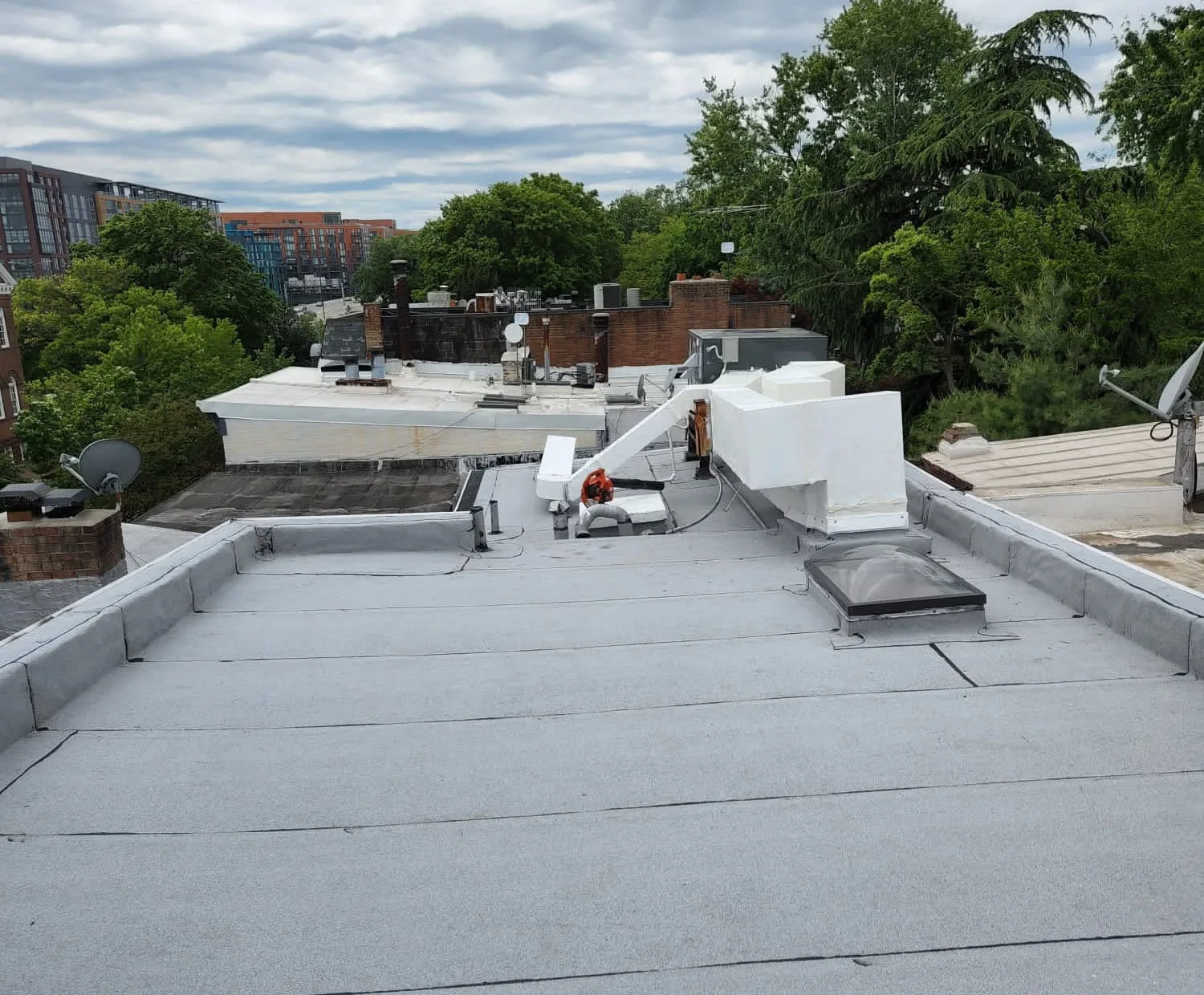
The industrial roofs of Greenpoint sit between a creek and an expressway. Newtown Creek forms the neighborhood's northern boundary, and the Brooklyn-Queens Expressway forms its southeastern boundary, with Manhattan Avenue and McGuinness Boulevard as the arterials. Inside that frame are warehouses, workshops and studio buildings, many with flat roofs and parapets. We repair, recover and replace those roofs, starting at the drains and the walls where water decides the building's fate.
Warehouses that host soundstages
Warehouses in Greenpoint's industrial area host film and television soundstages. That use puts unusual demands on a roof. A stage wants quiet, so rain noise, rooftop equipment and repair work all matter. Production schedules also run on tight calendars, and a leak above a set can stop a shoot.
We plan roof work around the shooting calendar. Noisy steps are held for dark days, and quiet repairs are done when a stage is in use. Rooftop units that serve the stages get vibration pads and flashing that tolerates movement. A warehouse roof with a studio under it is a different job from one over stock, and we scope it that way.
Sound control inside a stage building may mean thick ceilings and extra layers in the roof assembly. When we open such a roof, we find out what the build-up contains before ordering anything, so a new membrane does not trap moisture in a dense assembly. Cores and a moisture scan give that answer, and we match the new layers to the old ones so the acoustic performance is not undone.
A shrinking industrial base
Greenpoint's 2005 rezoning was projected to cost the neighborhood just over a million square feet of industrial capacity. For an owner who still holds an industrial building, that history raises a practical question: how long will this building stay as it is? A roof plan should match the answer. If the building will be used as it is for a decade, replacement pays back. If a conversion is likely, a repair that holds for three to five years may be wiser.
We provide the data to decide. A roof condition report shows moisture, membrane age and the cost drivers, so the owner can compare options without guessing. A roof capital plan then sets the spending across years.
Creek-side drainage
Newtown Creek, the site of the large 1950 oil spill, runs along the neighborhood's edge, and a roof near the water has one practical question: where does the rain go? Leaders that tie into storm lines can back up in heavy rain, and a roof drain that cannot discharge will pond the roof.
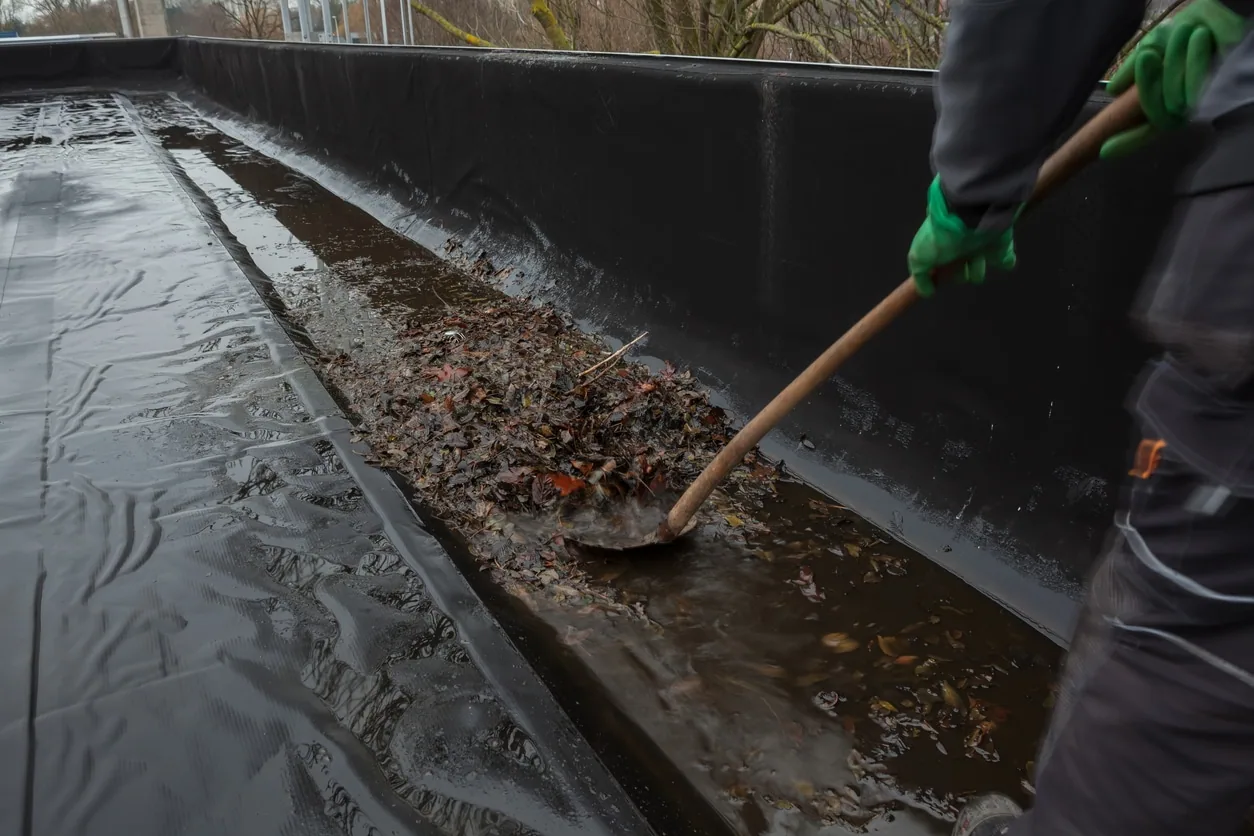
After rain of the kind Ida's remnants brought in 2021, the drains and ponding patterns get a close look. Overflow scuppers go in where the parapet allows, and the sump at the drain is rebuilt so water enters easily. A scupper and drain upgrade is a cost-effective guard against the next one.
Edges, wind and the expressway
Industrial roofs have large perimeters, and wind lifts the edge first. We check the coping, edge metal and fasteners, and look at the first rows of membrane for flutter. In 2007 an EF2 tornado ripped the roof off a Nissan dealership in Bay Ridge, a measure of what loose edges can do in Brooklyn.
Where the expressway runs close, trucks can leave soot and vibration. We choose surfaces that clean easily and flashings that tolerate movement, and we check the roof for dirt that holds water against seams. A TPO roof in white shows the dirt but sheds heat, and a thicker single-ply gives extra margin at walkways.
Fasteners are the quiet culprit. A roof that has been in place a long time can have loosened screws and plates along the deck, and a sheet that flaps in gusts will wear at its seams. We check a sample of fasteners with a pull test and re-secure the area before the next storm season.
What we check on a first walk
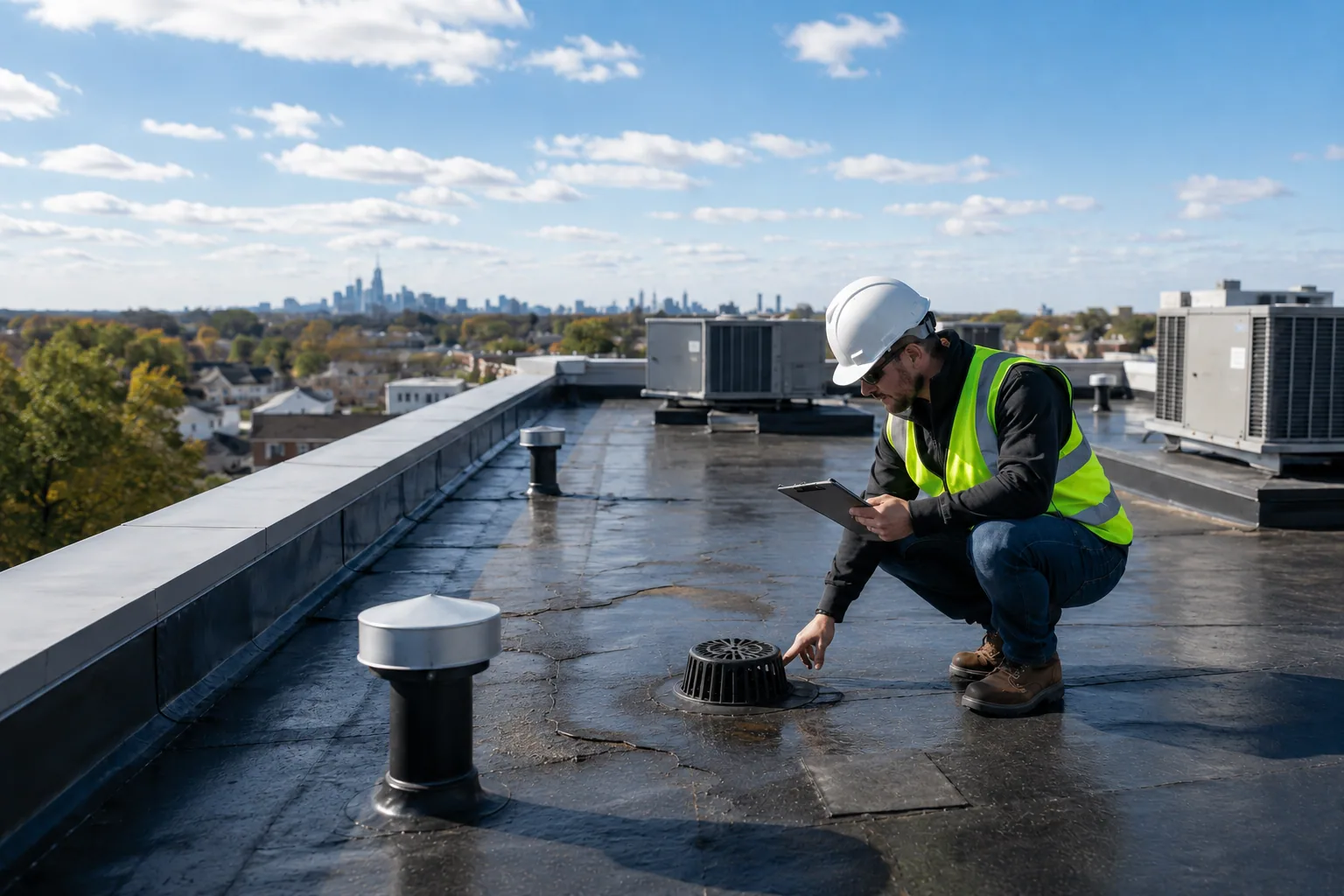
The first walk on a Greenpoint warehouse follows a fixed order. We stand at the parapet and look along the coping for open joints, then drop to the base flashing and probe it for softness. We move to the drains, clear each basket and watch where water collects. We look at every curb, vent and hatch, and mark any whose flashing is cracked or sealed with caulk alone.
Then we cross the field in a grid, pressing the membrane with a boot heel and listening for the hollow sound of a blistered seam. Spongy spots go on the plan for a core cut. By the end of the walk we know which areas are dry, which are wet and which need a closer look, and the scope is written from that map instead of from the roof's age alone.
Staging in tight blocks
Greenpoint's industrial streets are working streets. Trucks come and go, and a crane stand may block a lane. We stage materials inside the yard when possible and schedule deliveries away from peak hours. A flag person manages the street side, and the hoist works from a corner that does not block a dock.
Tenants share the roof but not always the calendar. We talk to each tenant about their needs, and we protect interiors below the work. The plan for an occupied building sets daily closing times so the building is dry every night.
What drives cost and timing
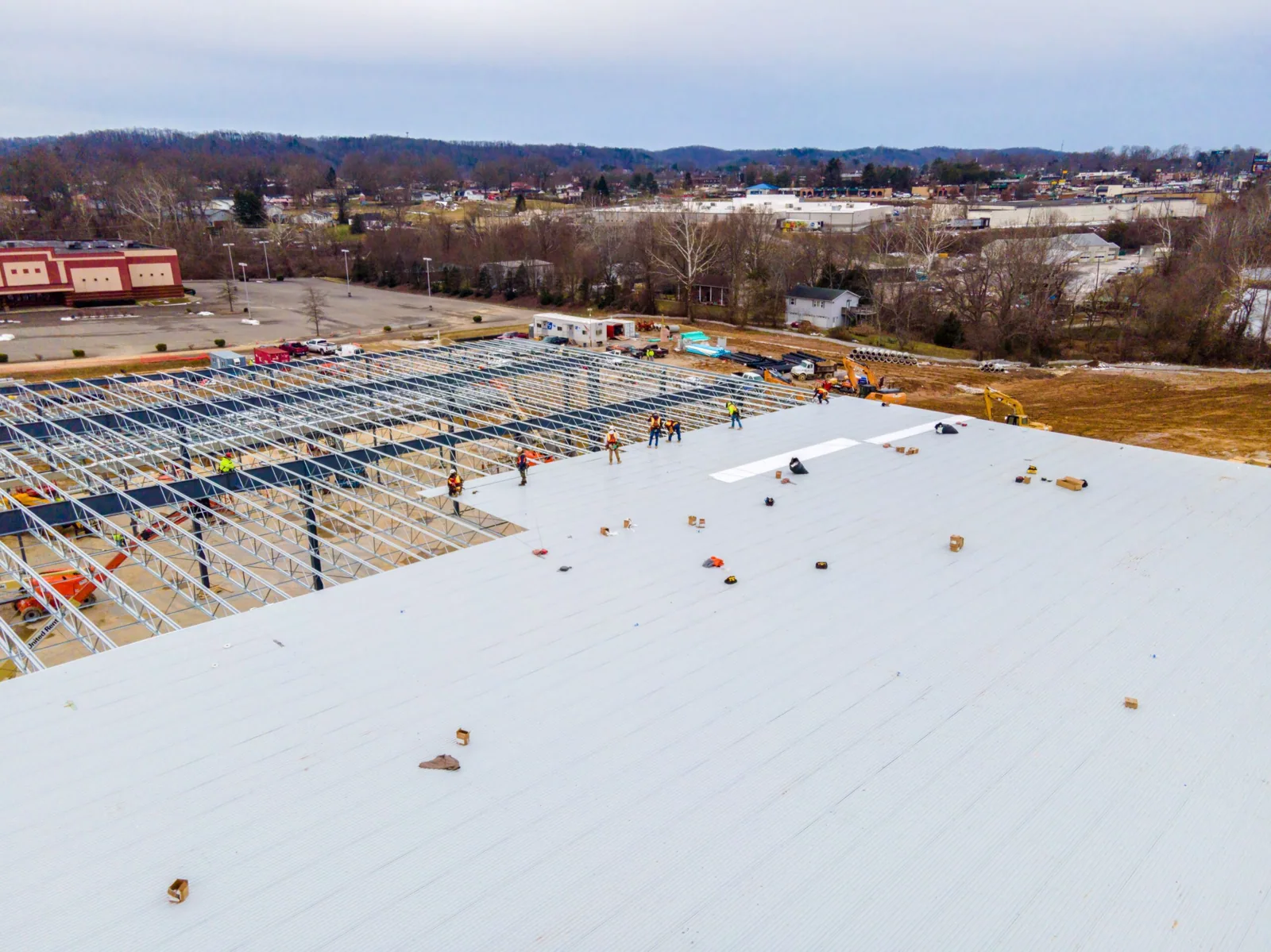
On a large industrial roof, cost follows the number of layers to remove, how much insulation is wet, the equipment that must be lifted and the access. Timing follows weather and tenants. Winter limits adhesives, so most replacements run between spring and early fall, and repairs fill the gaps.
A moisture survey narrows the scope before work starts. Core samples confirm what the scan suggests, and the result decides whether a repair, a recover or a replacement is justified. Owners with buildings in Williamsburg or East Williamsburg as well can combine the surveys.
After the work, we hand the owner a file: photographs of each flashing, a drain and penetration map and a note on the membrane and insulation. Soundstage tenants and other operators can read it too, since it shows what was done above their heads and when. A yearly look at the drains and edges keeps small problems from growing into stage-stopping leaks.
Commercial Roofing Questions
Can roof work be scheduled around a film or television shoot?
Yes. We build the calendar with the production office, hold noisy steps for dark days and do quiet repairs when the stage is in use. A rain-day plan covers weather. A crew stays on call for rain days, so a surprise shower is covered.
Why do creek-side buildings need special drainage attention?
Storm lines near the water can back up in heavy rain, and a roof that cannot drain will pond. We test the leaders, add overflow scuppers where possible and keep the baskets clear.
Should we replace the roof if the building may be converted?
It depends on the timeline. If the building will stay industrial for years, replacement pays back. If a conversion is near, a targeted repair that holds a few years may fit better. We give the numbers for both.
How do you protect interiors during tear-off?
We work in small sections, dry each in by the end of the shift and cover sensitive areas below. Stock and equipment are moved or tarped before the section opens. Production gear below the work gets covered with sheeting before any section is opened.
What do you need to start in Greenpoint?
Roof age, address area, a drain photo and a parapet photo, quiet-hour needs and a list of rooftop equipment.