Distribution Center Roofing in Brooklyn, NY
Stand on the roof of a fulfillment building at the start of a peak week and count the units humming on the deck. Every one of them sits on a curb, every curb has a flashing, and the cables and refrigerant lines between them cross the membrane in dozens of places. A distribution roof leaks where people have worked on it, not where weather alone would find it. That is the first thing we check, because the shipping schedule below never stops long enough to forgive a surprise.
Reading the roof from the dock door
We begin inside, at the dock end, looking up at the deck for stains, rust at the flutes and wet insulation dripping near the sprinkler mains. Then we climb and trace each mark back across the field. The clue that matters is direction: a stain two bays from the parapet may start at a curb forty feet away. We walk the roof along the same line, probing seams and pressing the membrane for soft spots.
A fulfillment roof also tells us how the building is used. Heavy foot traffic to rooftop units wears a path in the membrane. A path with no walkway pads is a membrane that is thinning, and we mark it for protection before the next maintenance cycle.
Compare that against the older warehouse roof down the block and the pattern repeats: the newest work is often where the leak starts. A fulfillment building gets its roof opened for conduit, racking power and cooling gear more often than a storage shed ever does, so we read repair history as a list of the places other trades have already been.
Equipment piles up
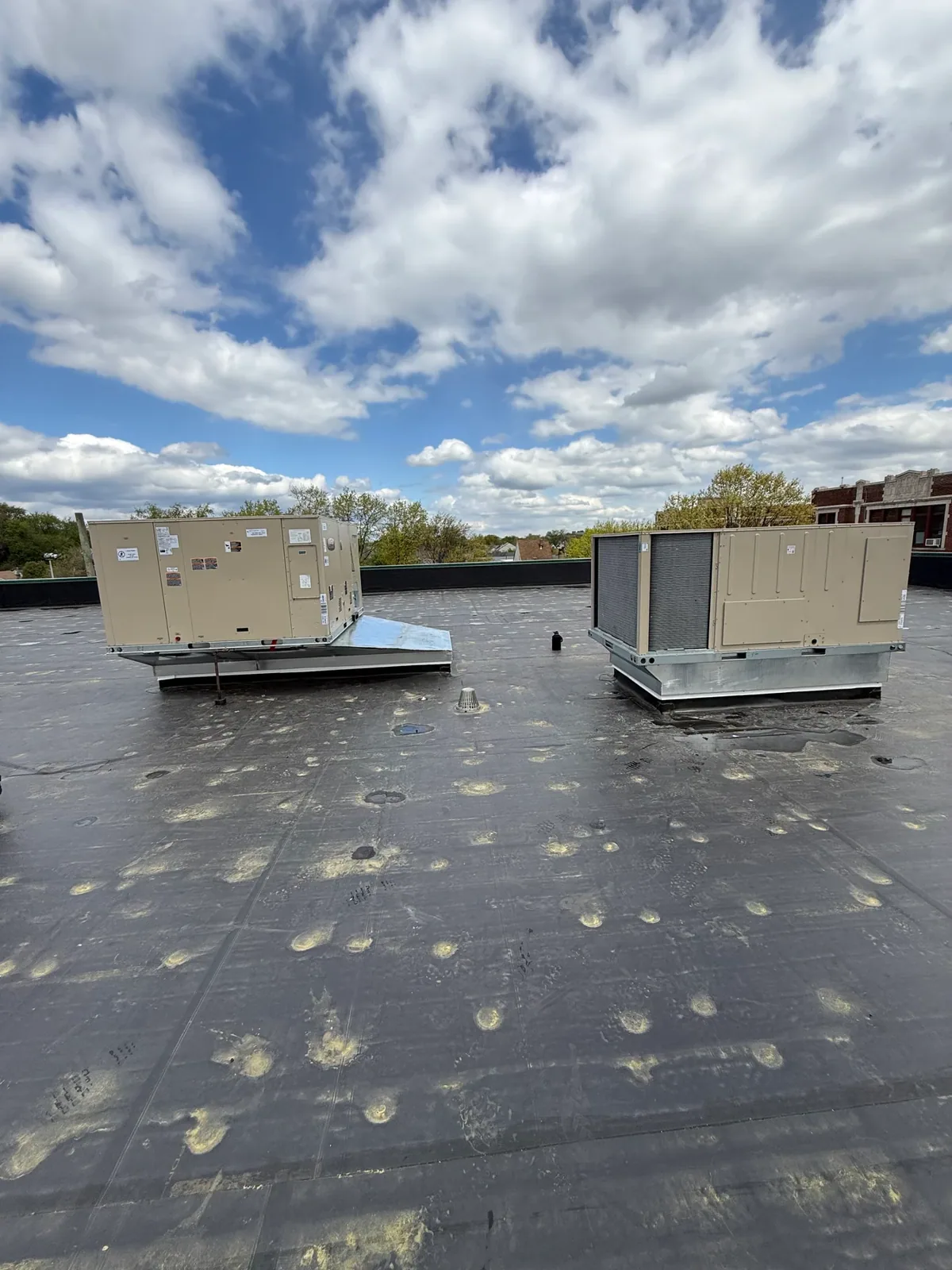
Distribution buildings change faster than their roofs. A tenant adds cooling for a sorting floor, another adds solar-ready supports, a third runs new conduit to a vehicle charging yard. Each change drills through the roof, and the person doing the drilling is rarely a roofer. When these penetrations are sealed with caulk alone, the sealant cracks inside two or three summers.
We map every penetration, rebuild the weak ones with proper curbs and pitch pans, and record the position of each so the next trade has a drawing to follow. Where equipment is crowded, a plan for rooftop equipment curbs and supports keeps the platforms above the water instead of sitting in it.
Near the highways and the port
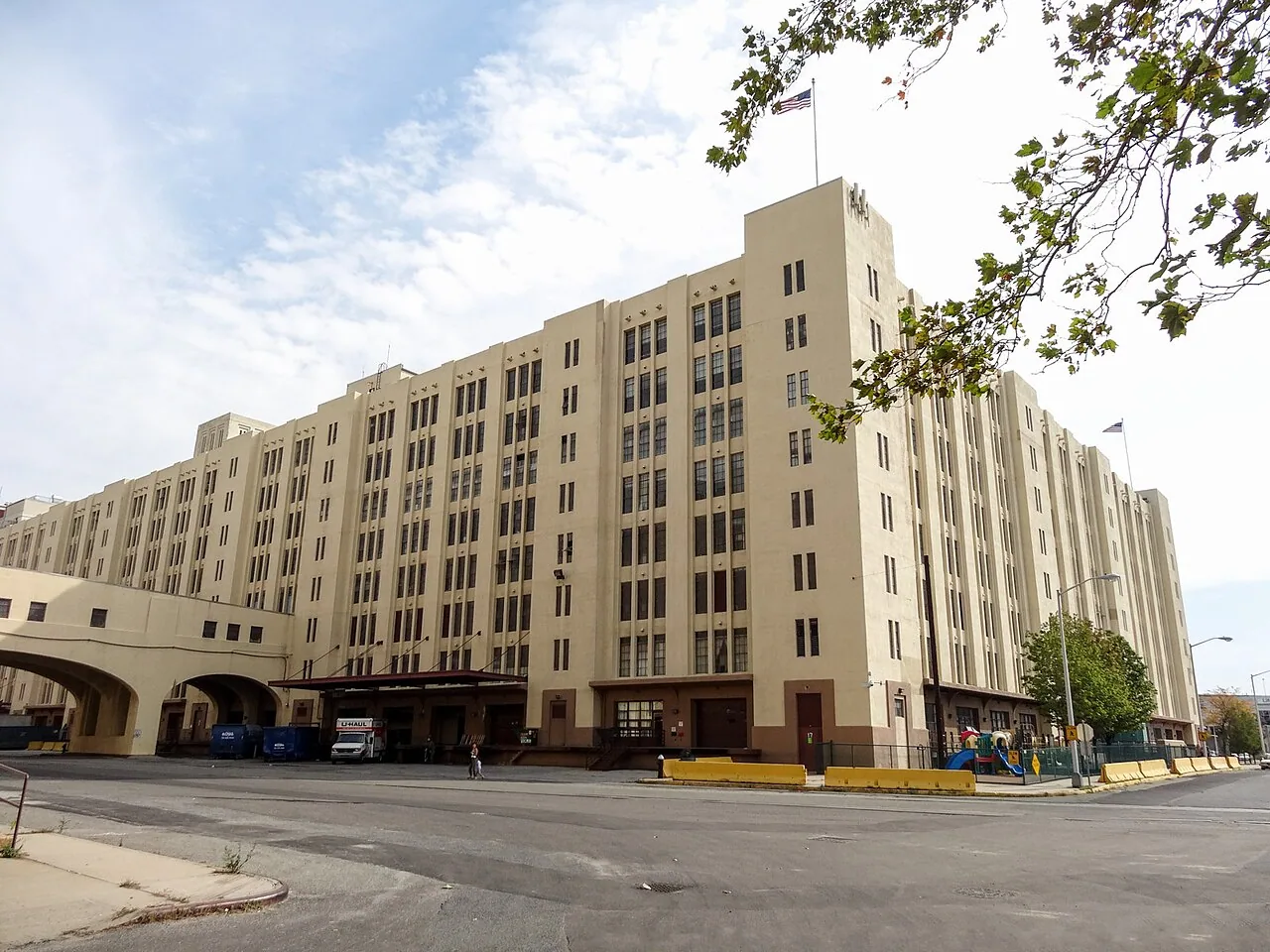
Distribution space gathers along the highways. The Gowanus Expressway runs through Red Hook, home of the Red Hook Container Terminal, the only maritime facility in Brooklyn that handles container ships. The Belt Parkway serves Canarsie Pier through Mill Basin, and the East Brooklyn Industrial Park, a 44-block park established in 1980, sits near Atlantic Avenue and Linden Boulevard. Roofs beside highways and port traffic collect diesel soot and vibration, and those near the water collect salt spray, all of which dirty a membrane and wear at its seams.
Flatlands Industrial Park covers 93 acres between East 99th and 108th Streets, and it opened in 1969. Wherever a block of industrial buildings stands near Jamaica Bay, we look at the edges more carefully, because exposed waterfront wind lifts perimeter metal first. The same priority applies in East New York.
Where the water leaves
Ida's remnants set off the first flash flood emergency declared for New York City on September 1, 2021, and rainfall like that is the test a drain layout has to pass. In a sorting building, a failed test means ponding over the busiest floor. We check the drain bowls, clear baskets, test the leaders with water and add overflow scuppers where the parapet allows.
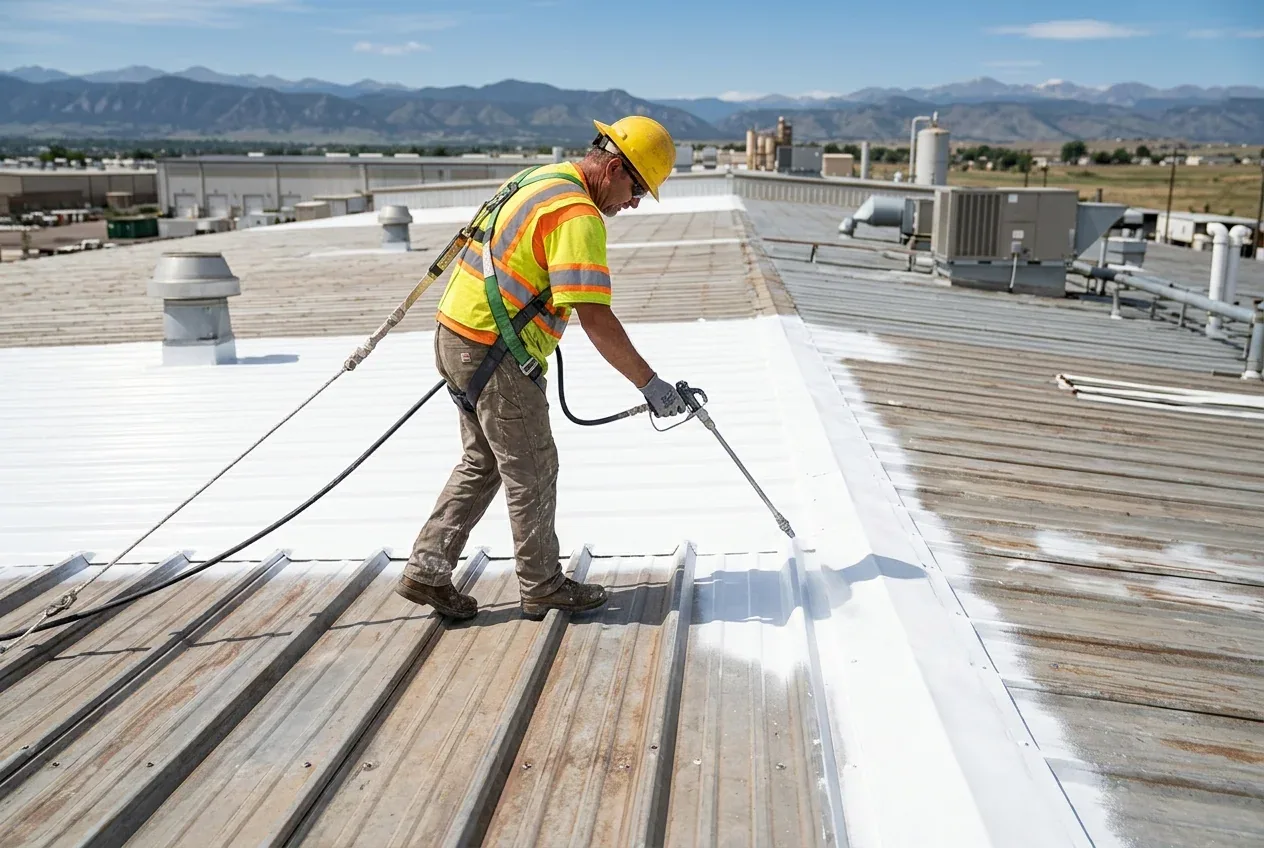
Where ponding has become permanent, a ponding water repair may call for tapered insulation to reshape the surface so that water finds the drain. A wide white membrane such as TPO or PVC also runs cooler than a dark roof in July heat near 85 degrees.
The last piece is the leader line. A roof drain that empties into a clogged storm line backs water onto the roof no matter how clean the basket is. We ask the building engineer where the leaders tie in, and when a downspout exits near a loading apron we check that it does not discharge across the truck lane.
Staging with trucks in the yard
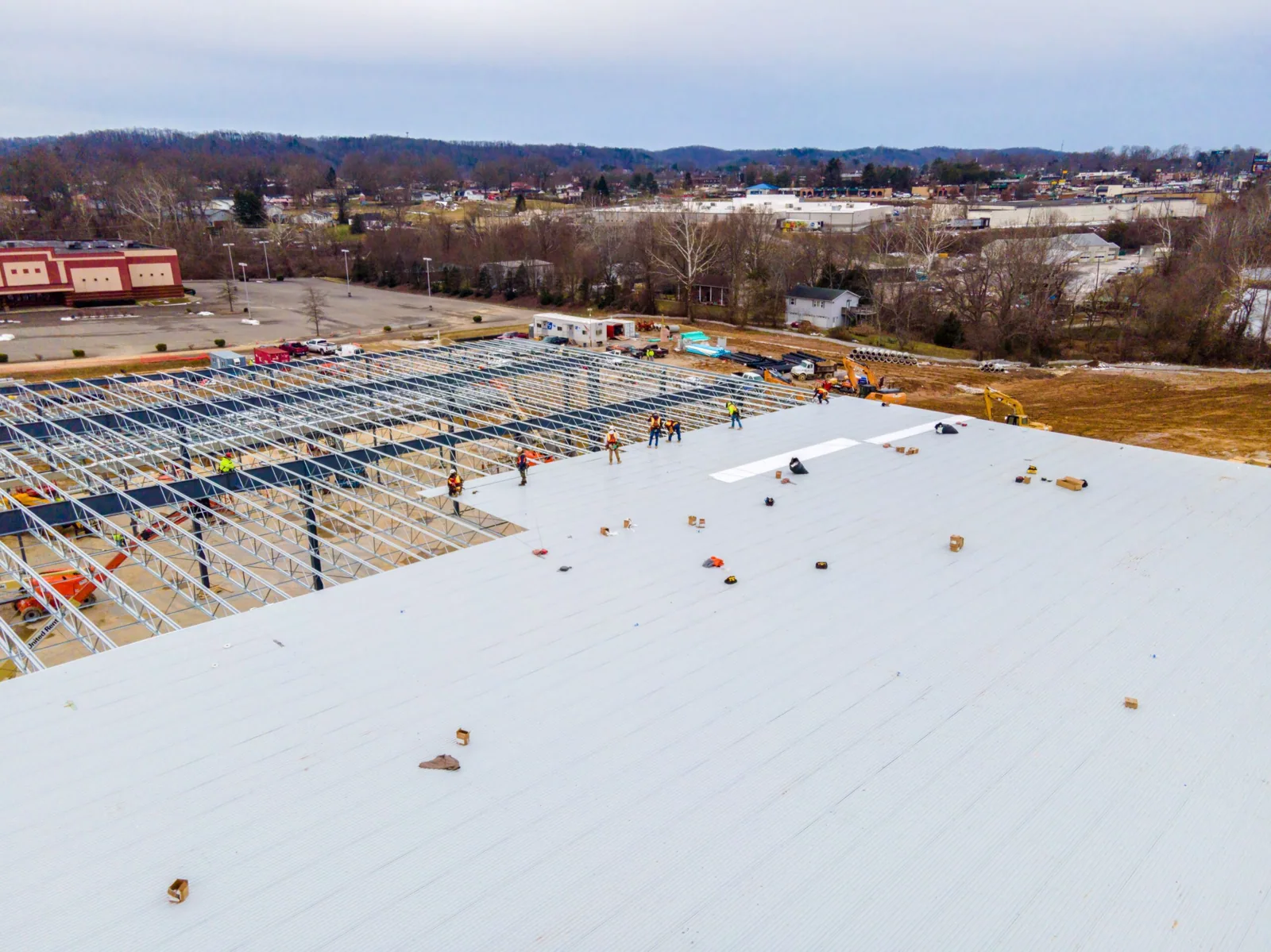
A distribution roof job is a logistics puzzle. Trailers circle the yard, the dock apron is full, and the crane or hoist wants the very space the carriers use. We agree on a staging corner, a hoisting window and a flag person before the first pallet of insulation arrives. Work moves in strips, and each strip is dried in before shift change.
Fire watch and hot work rules matter, too. Torch-applied systems are rarely welcome above stored goods, so in many fulfillment buildings we favor mechanically attached or adhered sheets, and the occupied building sequence is tied to the carrier calendar.
Handing the roof back
The closeout is a walk with the operations manager. We check each drain, photograph each curb and hand over a map showing new penetrations and who sealed them. The roof is then easier to manage, and the roof condition report gives a lender or an insurer something concrete to read.
For owners with several fulfillment sites, a multi-site roof program puts every building on the same inspection rhythm so the weakest roof is handled first.
Where the building also keeps chilled product, the cold storage roof gets a vapor retarder and insulation detail that the dry-goods side does not need, and we record that boundary on the same map so future work respects it.
Commercial Roofing Questions
Which rooftop changes should trigger a roofer's visit before a tenant installs equipment?
Any new curb, any cut through the deck and any cable or refrigerant line that crosses the membrane. Each one creates a penetration, and a penetration is where a distribution roof leaks first. A short visit before the install lets us mark the safe path and specify the flashing. The same visit also gives the tenant a drawing showing where the roof is and is not available for supports.
Is a recover cheaper than a tear-off on a large fulfillment roof?
Usually the recover costs less in labor and disposal and keeps the building dry through the job, but only when the insulation below is dry and the deck is sound. We take cores and use a moisture scan to prove that before suggesting it. Where the old roof is wet, tearing it off costs more up front and saves a second replacement later.
How do you protect goods stored directly under the work area?
We schedule tear-off in strips that match the day's weather window and close each strip before we leave. Where racking sits right under the section, we ask the operator to move or cover stock first. Temporary tarps and a dedicated flash-and-tie-in keep a surprise shower from reaching the floor.
Do Brooklyn snow loads affect the roof plan for a distribution center?
Snow averages near 30 inches a year in New York City, and January 23, 2016 set the single-day mark at 27.3 inches. Drifts form against parapets and rooftop units, so we inspect those areas after storms and clear drains and scuppers before melt. The structure and membrane choice are matched to what the building already carries.
What should I send to get a fulfillment roof scoped?
Send the address area, the age of the roof, a list of rooftop equipment and photographs of the worst drain and parapet. Tell us when the peak season starts and which docks cannot close. We schedule the field walk around that calendar. If a tenant lease limits roof access to certain hours, include that, since it changes how we stage crews and what we can open in a day. A copy of any earlier survey or warranty letter also saves a repeat of work already done.