Commercial Roofing in East New York, Brooklyn, NY
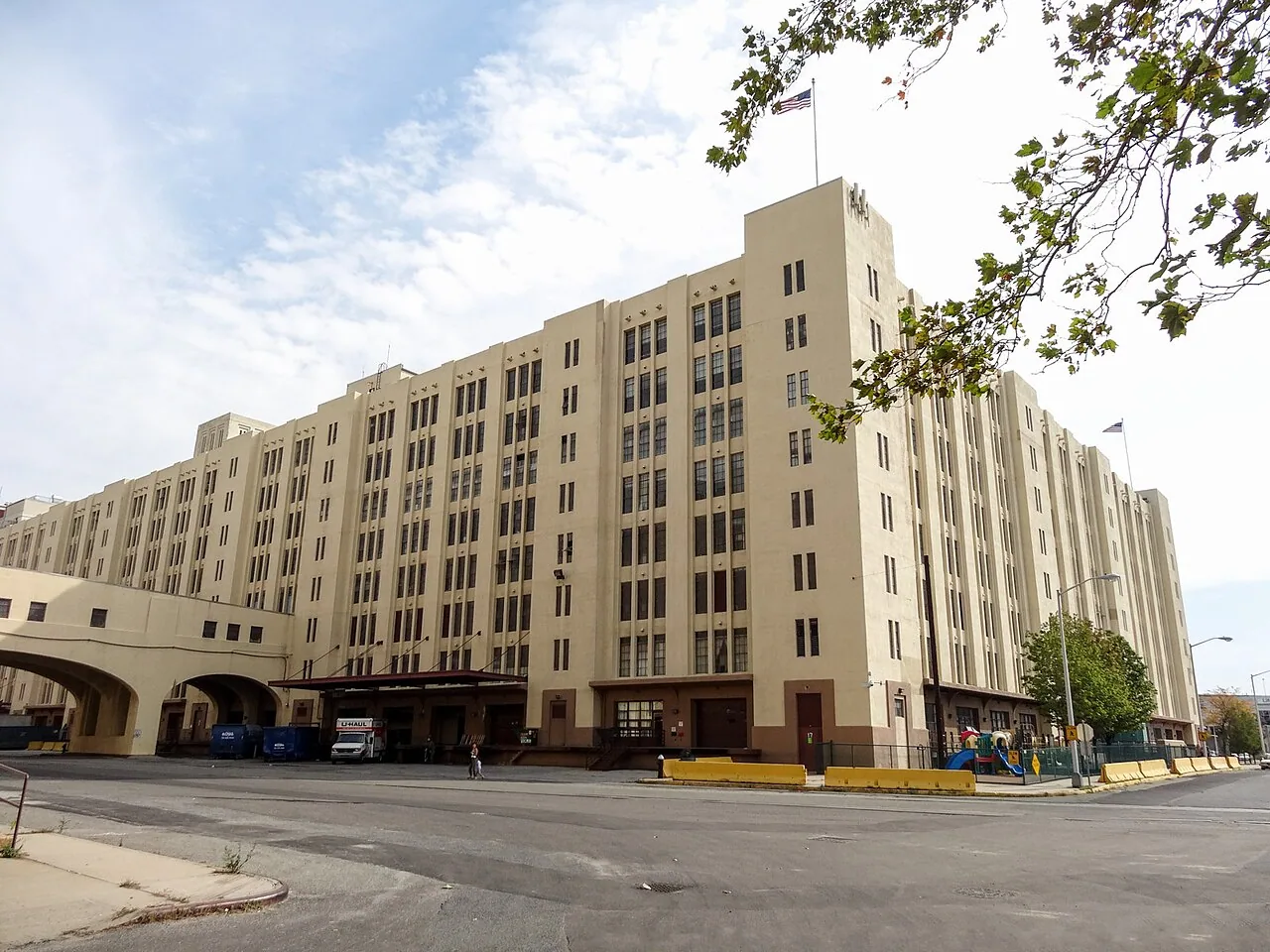
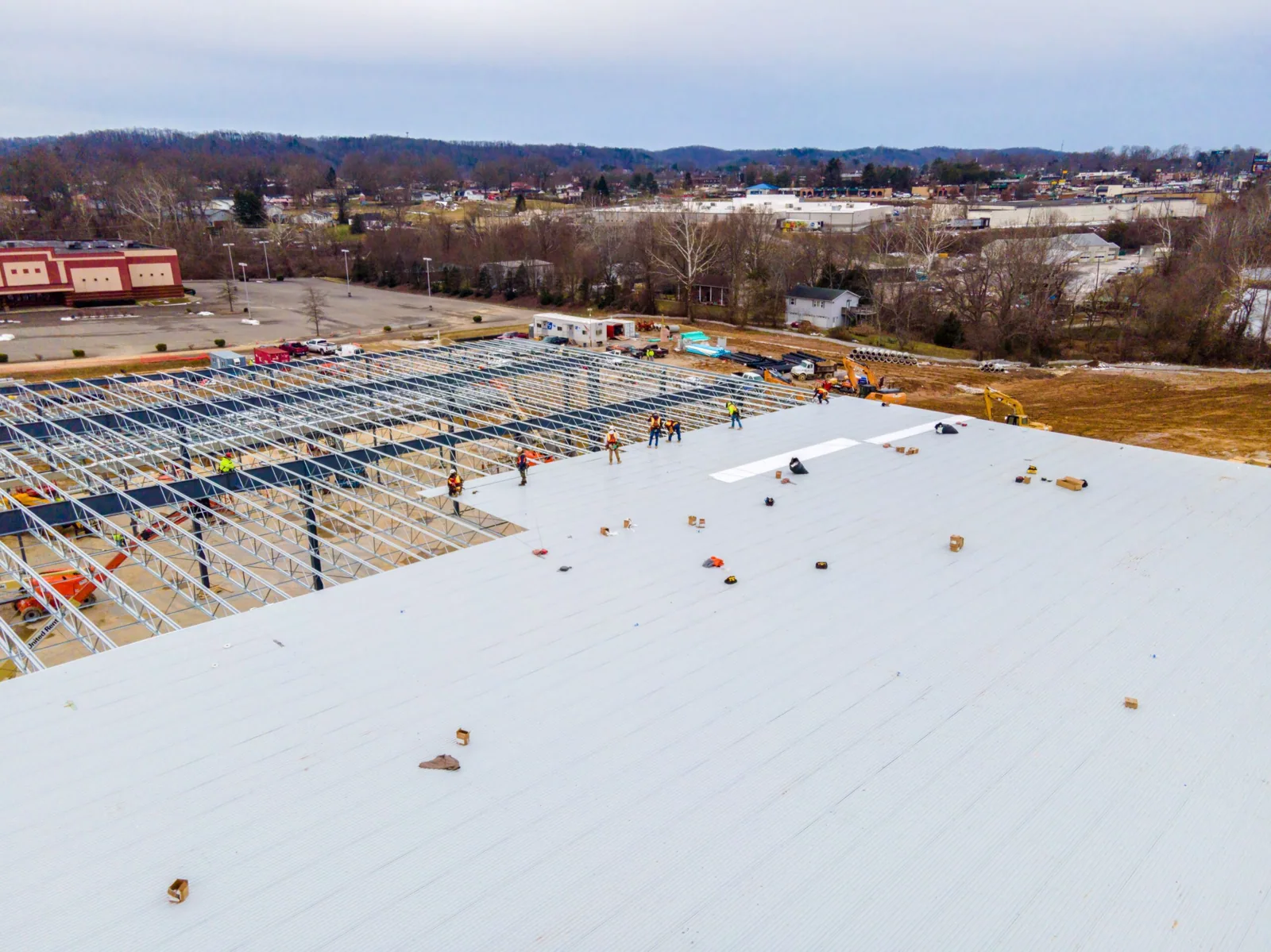
Look down the length of a long warehouse roof and count the drains. A warehouse deck often has only a handful, and each one carries the runoff of a very large catchment. East New York's industrial park runs 44 blocks, set up in 1980 between Atlantic Avenue and Sutter Avenue, with Sheffield Avenue and Powell Street as its other edges. That is the first thing a roofer notes. A park that has been in place since 1980 can hold roofs of very different ages, and the rating for one block says little about the next.
We start by walking the field, marking what is soft and photographing the flashings, before anyone writes a scope.
A park with roofs of many ages
Atlantic Avenue, Linden Boulevard and Pennsylvania Avenue are the primary thoroughfares, and the industrial park sits within reach of them. Industrial buildings in a park like this usually include low-slope roofs over warehouse and light manufacturing space, with loading docks, rooftop exhaust and a few penetrations for vents and fans. A scan and a few cores tell what a given building carries.
Roof age drives the plan. A newer roof may need only drain cleaning and a baseline report. A roof that has been patched for years needs a moisture scan, because the patches may hold wet insulation under a dry surface. A warehouse roof that is rated by area lets the owner fund the wettest section first and plan the rest.
Loading docks are the other detail to count. A dock canopy ties into the main wall, and the junction takes water from two roofs. Dock levelers and overhead doors sit beneath it, and a leak there is a safety item as well as a roofing one, because wet pavement at a dock is slick. We probe the canopy flashing and mark any gap on the plan.
Where big flat roofs fail
Drains first. On a deck with few outlets, a packed basket holds a sump of water at the drain for a day after a storm, and the membrane around it tires. Seams next. A single-ply or a modified bitumen sheet opens at the laps through hot Julys and freezing Januarys. Edges and walls follow. A cracked coping joint feeds water into the block wall, and the wet wall pushes damage back into the roof edge.
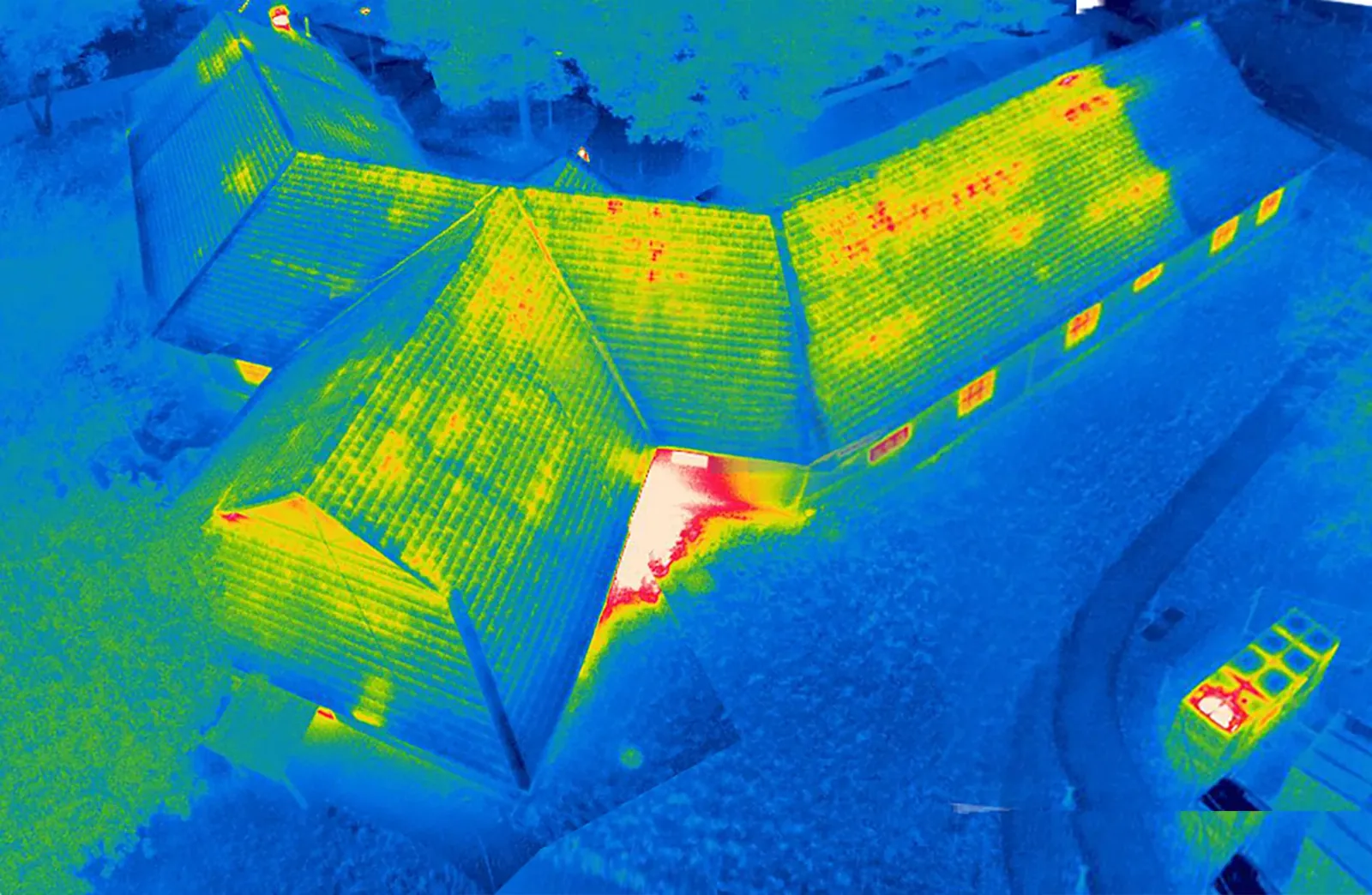
Tie-ins fail where a newer roof meets an older wall. A dock canopy, a mezzanine addition or a mechanical room built later leaves a flashing that has to climb the wall and cover the joint. We probe each of those by hand and record the results. An infrared moisture survey finds the wet areas under a surface that looks fine.
Rooftop exhaust and makeup air units add weight and holes. A fan curb with a split sealant line leaks a little each rain, and the water travels along the deck before it drops. Base flashing height and cap condition get checked at each curb, and the curbs are numbered on the roof plan so the next service call has a record.
Big retail on open ground
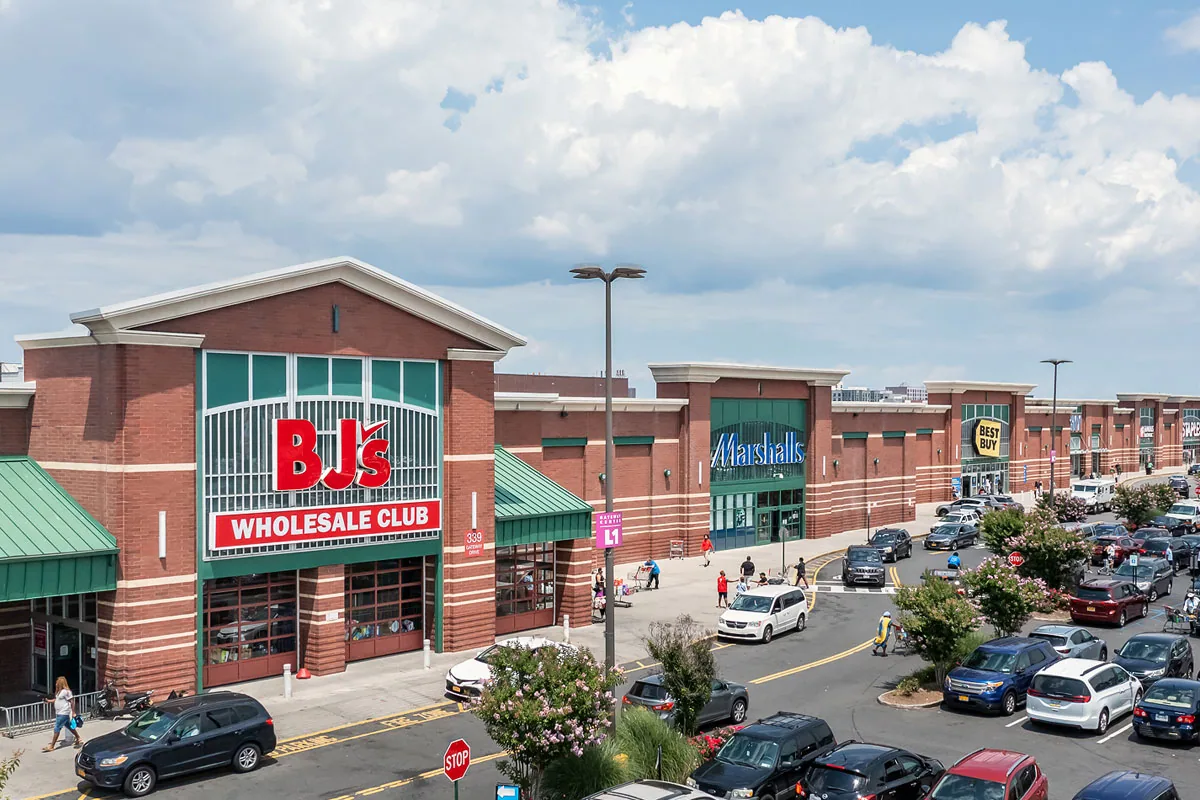
In Spring Creek, Gateway Center sits on a former landfill by Jamaica Bay, and its phases opened in 2002 and 2014. Large retail roofs, whatever they sit on, have a specific set of needs: long flat spans, many rooftop units, storefront parapets and drains that serve a very large catchment. Retail owners also care about the schedule, since a leak in a store aisle costs sales.
We map the rooftop units, inspect every curb and flashing, and look at how water leaves the roof. Work moves in zones so stores keep trading, and noisy stages run early or after closing. The same approach serves a big-box retail roof and the smaller retail strips along the avenues.
Retail leases often split roof costs in some way between landlord and tenant, and the file helps both sides. A dated rating, a moisture map and a numbered plan show where the water entered and who owns that area, which keeps the repair from stalling over who pays.
After the 2016 rezoning
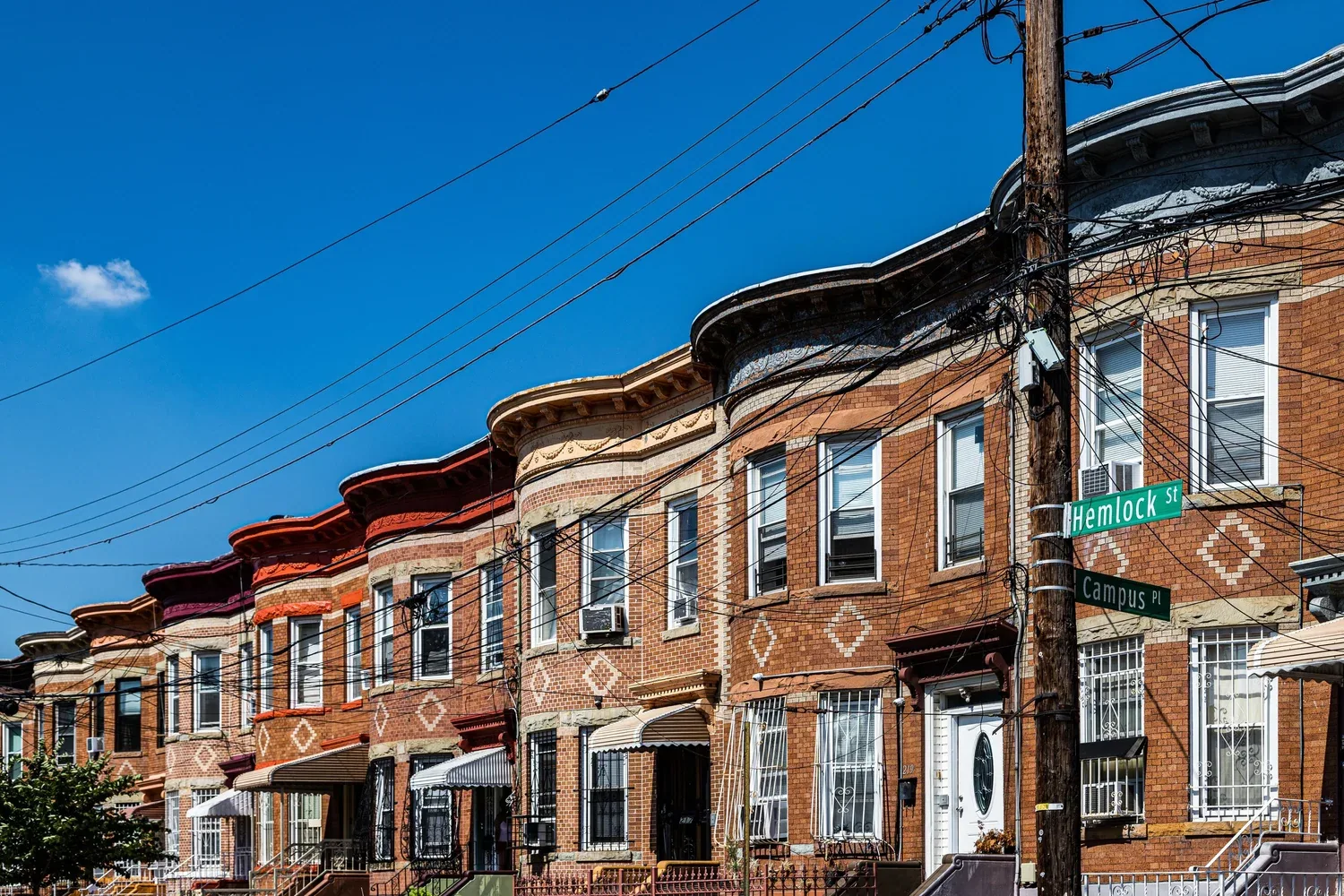
East New York was rezoned in 2016, and rezoning brings new buildings beside old ones. A new roof needs a baseline report before its first winter: drains, curbs, seams and flashings documented with photographs. An older roof beside new construction needs a record of its condition before work starts next door, because dropped debris, vibration and removed flashing can all damage it.
Where a new wall rises against an old roof, the tie-in is the line to watch. The base flashing has to climb the wall, the counterflashing has to cover it and the membrane has to be adhered with enough overlap to survive thermal movement. Neighboring owners in Cypress Hills and Canarsie deal with the same junction problem.
New construction also changes drainage. A new building can shed water toward an older roof, and a downspout that discharges onto a neighbor's roof loads it. We note those paths and flag them to the owner before they become a complaint.
Cloudburst, snow and heat
The city's first flash flood emergency, set off by Ida's remnants on September 1, 2021, is the sort of rain a half-packed drain cannot pass, and on a big flat roof the water then climbs the parapet. A winter of about 30 inches of snow, plus the freeze-thaw swing, tests every weak seam; 27.3 inches fell in one day in January 2016. July highs near 85 F and the heat island bake the sealants and soften the bitumen under a dark membrane over a warehouse. We mark blisters and open laps on the plan after each hot summer. A TPO membrane with a reflective surface is a common choice on a replaced roof.
A loose coping run or lifted edge metal gives a storm something to grab, so perimeter fastening gets a close look on every walk.
The fix in order
The drains are cleared and the soft spots marked, then the scan and the cores sort the roof into repair, recover or replacement. Local failures on a dry roof get repaired. Dry insulation under a worn surface may take a roof recover or a coating, and wet insulation comes out.
The calendar follows the weather. Membranes go down best on dry surfaces in mild weather, so the schedule leaves room for rain days. Winter work is mostly repair and dry-in. The final walk closes with a brief punch list covering sealant touch-ups, a cap fastener or an open lap, and a crew sent back for one open lap costs far less than a storm that finds it first.
Commercial Roofing Questions
Why does the rating for one block not apply to the next in an industrial park?
Buildings in a park are put up at different times with different roofs. Each needs its own scan and rating. Once a few are done, the pattern helps price the rest, but the measurement stays building by building.
Can a retail center stay open during a roof replacement?
Yes. The work runs in zones, the interior under the active area is protected, noisy stages happen early in the morning and entrances stay clear. Stores get a dated schedule before the crew starts.
What should an owner record before construction starts next door?
Photograph the roof edge, the parapets, the flashings and the drains, and keep a dated rating. If dropped debris or vibration damages the roof, the record shows what changed.
Is a reflective roof worth it on a warehouse?
It lowers surface heat in summer and slows the aging of seams and sealants. It works best on a sound, dry roof, so we scan first.
What does a first walk need from me?
Give the address area and the roof age, add a photo of the worst drain and one of the wettest parapet, and say how many loading docks there are. The scope follows it.