Commercial Roofing in Canarsie, Brooklyn, NY
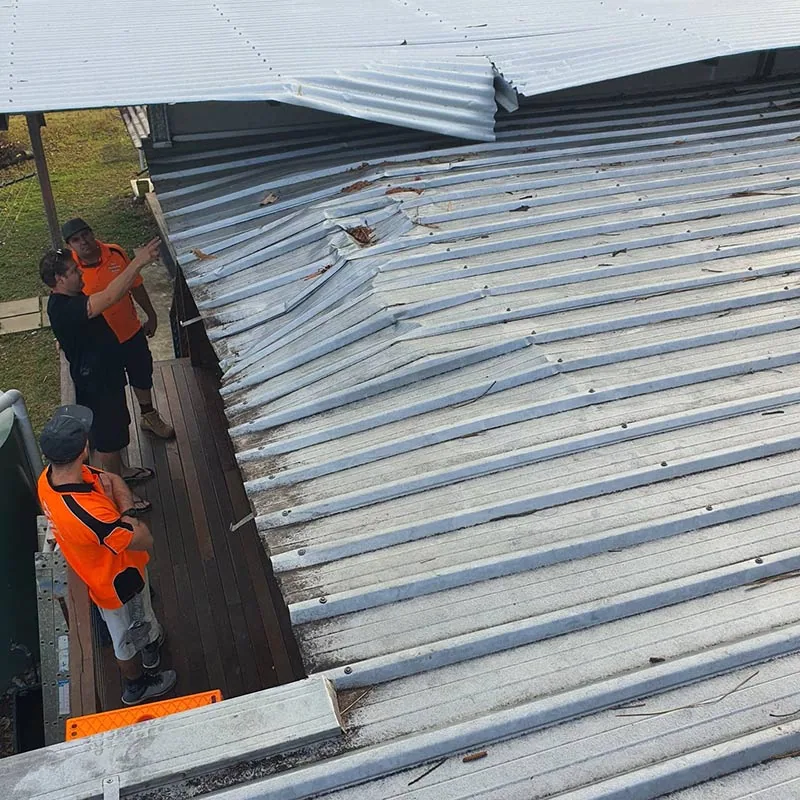
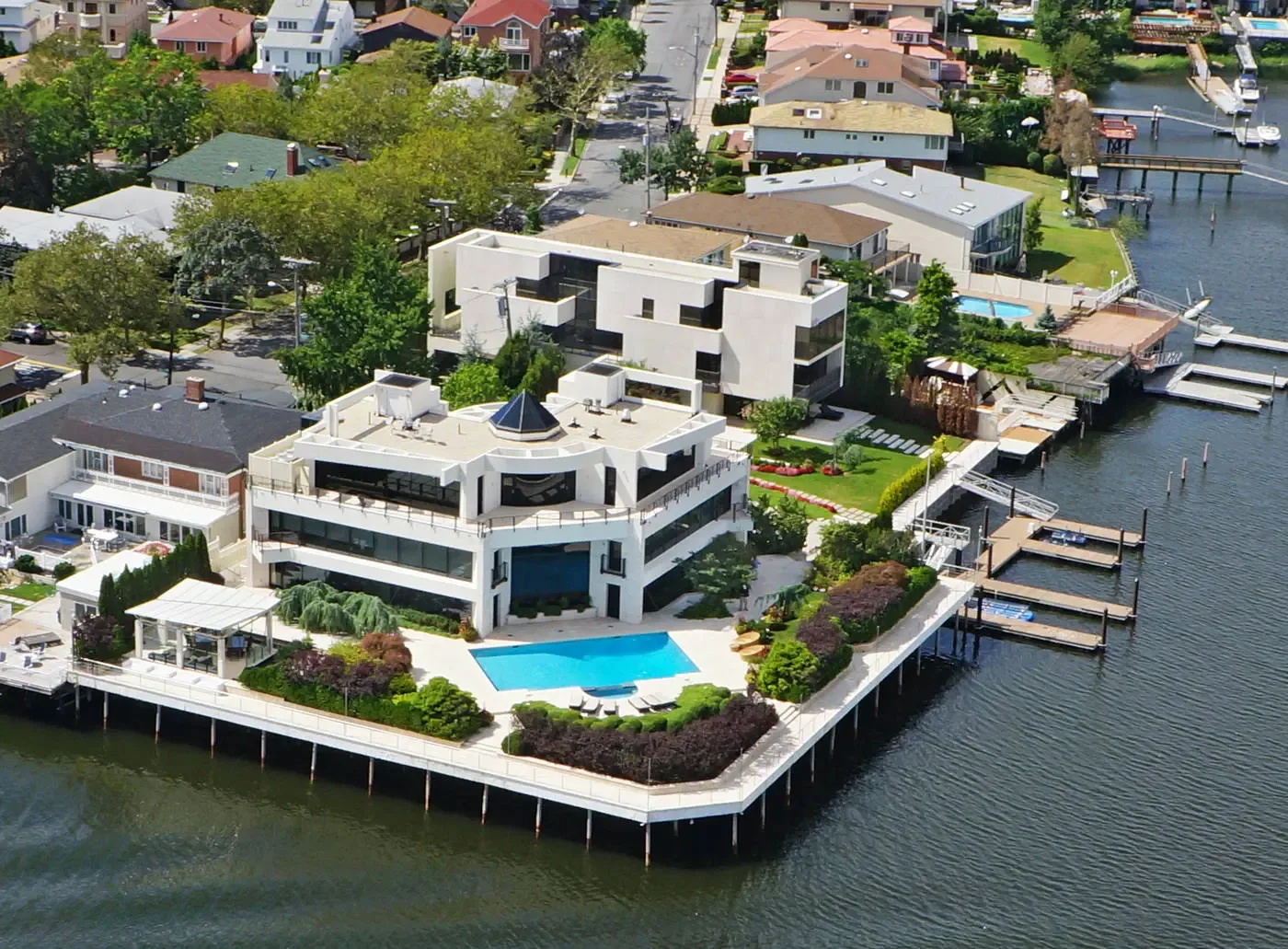
Canarsie sits on Jamaica Bay, and the first thing a roofer feels up there is the air moving. On open ground with water to the south, the wind arrives without anything in front of it, and it finds the roof edge before it finds anything else. A lifted edge flashing, a coping joint that has opened, a loose run of metal along a dock canopy, each one gives a storm a place to start. The neighborhood is better known for its basements, which flooded in Hurricane Sandy, but the roof above them is exposed to the same bay-side weather.
Up top we walk the field, mark the soft spots and shoot every flashing, and only then do we write a scope.
Wind finds the edge
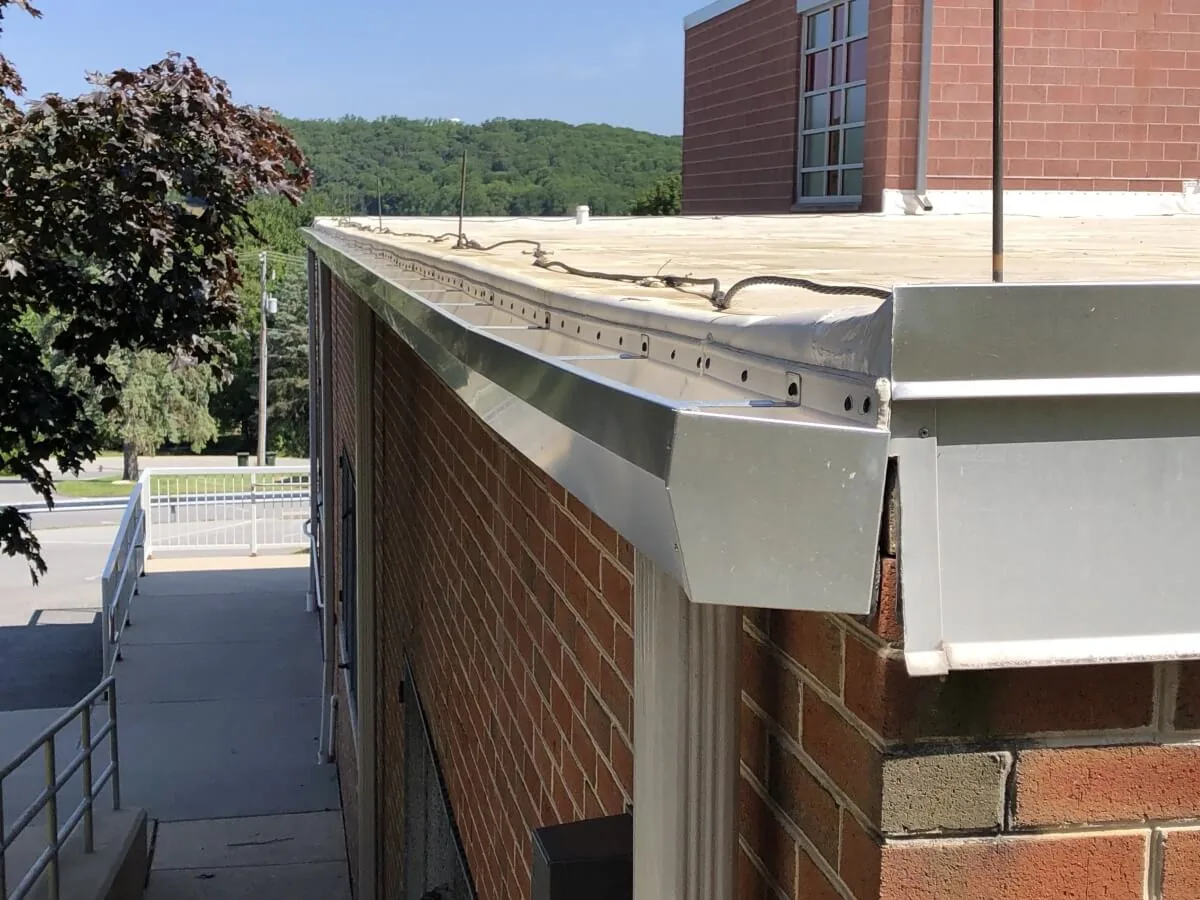
A roof lifts from its perimeter and corners first. On open ground near the bay, the edge zone does the most work, and a flat roof with a short parapet has little protection. Attachment is the fix: extra fasteners along the perimeter, edge metal on a continuous cleat, sealed joints and a membrane adhered or fastened to suit the exposure.
We probe the edge on every walk, pull on loose metal, check the fasteners and read the membrane at the corners for stress marks. Findings go into the file with photographs, so an owner can show an insurer the condition of the edge before a storm season. Edge metal and coping work is usually the cheapest repair that protects the most roof.
Edge gutters and scuppers move water as well, and one clogged outlet can turn a neat edge detail into a pond. Outlets are cleared, flow is tested and the overflow path is confirmed open, since a storm that blows debris onto a roof also packs the drains.
Flatlands Industrial Park roofs
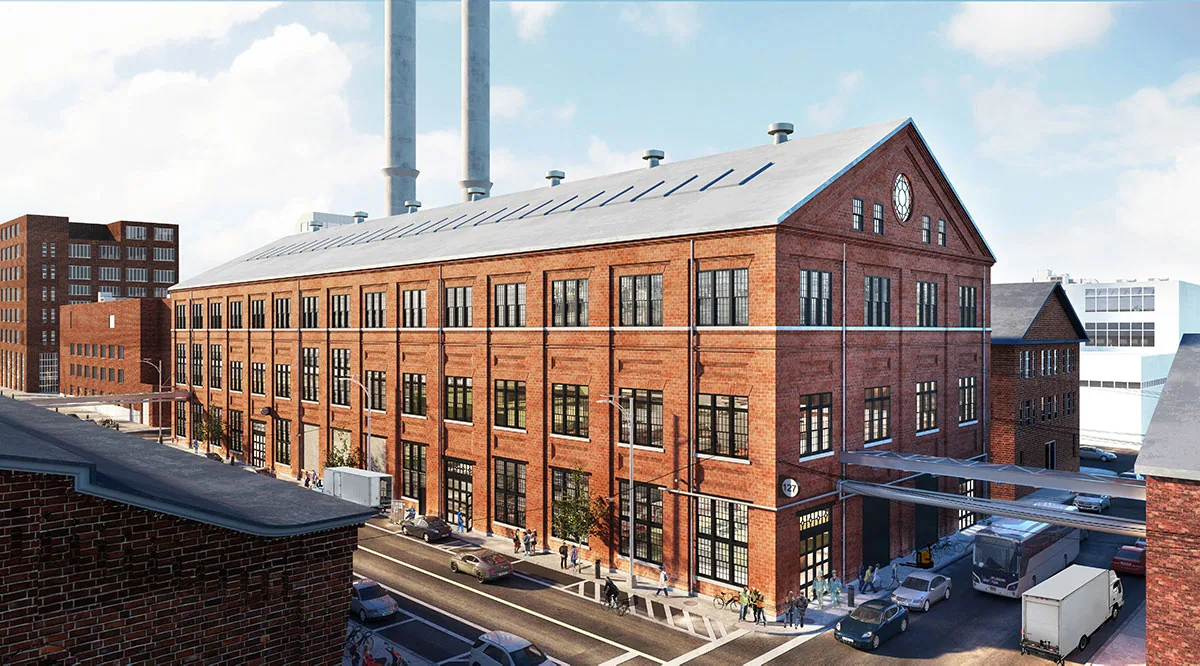
In 1969 the city's first publicly sponsored industrial complex opened as Flatlands Industrial Park, 93 acres between East 99th and 108th Streets. A park that old holds roofs from several eras, and the oldest of them may have been recovered, patched and coated more than once. A moisture scan and a few cores show how many layers sit on the deck and whether the lower ones are dry.
The rating for each building sets the plan. Under a worn but dry surface a recover or a coating may fit, while wet insulation comes out. For an owner of a manufacturing plant roof or a distribution building in the park, the question is how long the next repair will hold and what it will cost to replace instead.
Rooftop equipment in an industrial park runs from small exhaust fans to heavy units on frames. Each one is a set of penetrations, and a frame that has shifted can tear the flashing beneath it. We check the supports, the curbs and the caps, then number them on the roof plan.
Flood maps and what they mean for a roof
After Sandy, FEMA proposed flood maps that would raise the number of flood-zone buildings from 26 to about 5,000 in Canarsie. A roof does not flood, but the zone a building sits in changes what an owner can insure, finance and build. A lender or insurer who sees a new flood designation will ask about everything else on the property, and the roof file is part of that review.
Roofs also matter after a storm because a building that has taken water at ground level cannot afford a second source of water from above. A tight roof is one fewer claim. We document the condition before the season and again after any major event, so the owner's file shows what changed. That record helps with an insurance claim as well.
Salt air and wind-driven spray from the bay wear metal faster than inland air does. Corrosion shows first at laps and fasteners, so those are checked and replacement parts are chosen for the exposure.
Retail along Avenue D
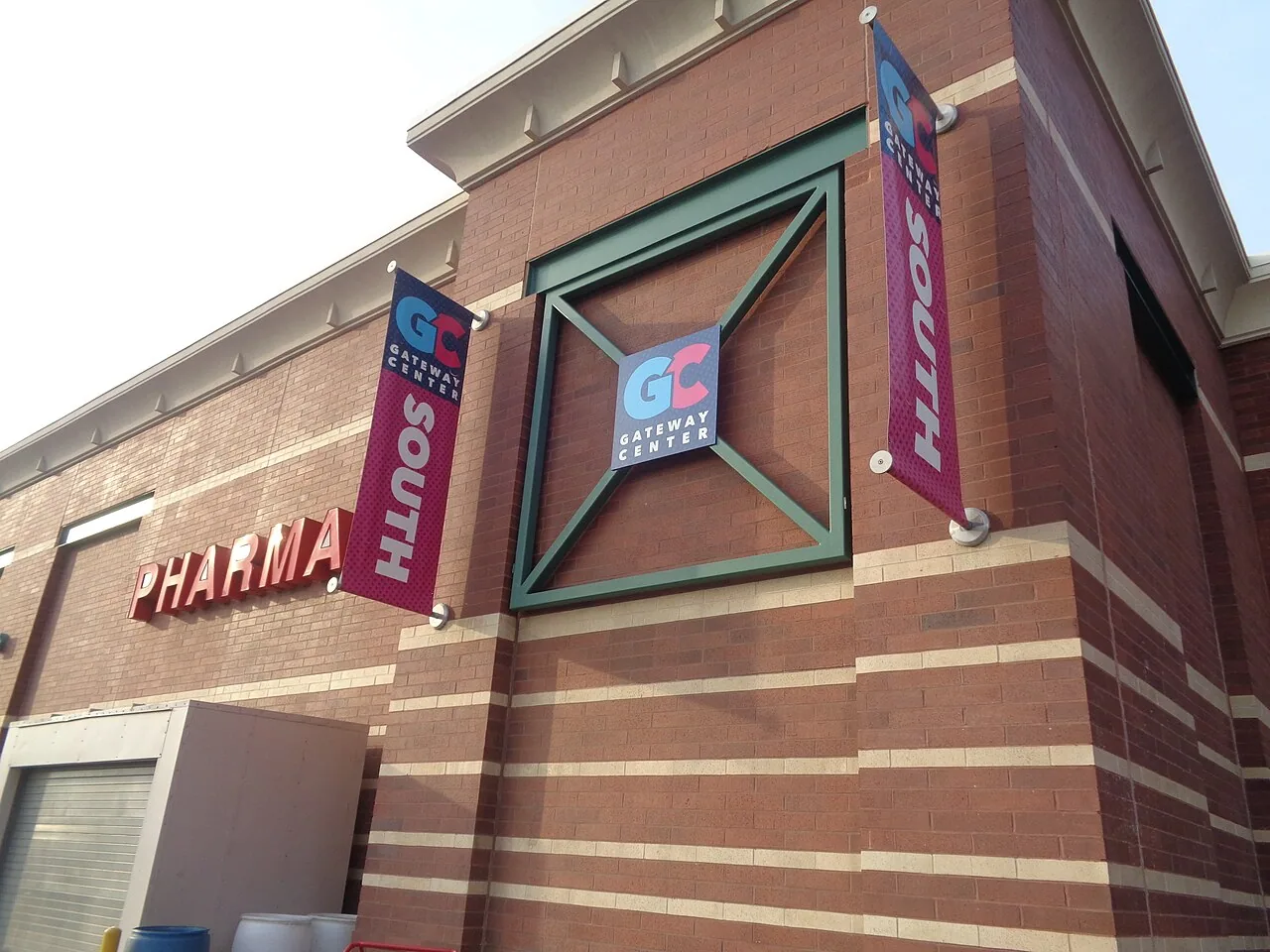
About 278,000 square feet of retail make up Canarsie Plaza on Avenue D. Retail roofs have rooftop units, storefront parapets and drains that serve a wide catchment. A leak into a shop aisle costs sales on the day it happens.
Water is traced with moisture mapping and a staged hose test, and the entry point goes on a numbered roof plan. Work moves in zones so the stores keep trading. The pattern is the same one used on a shopping center roof, scaled to the building.
Signs and light poles pierce retail roofs, and a loose sign frame can seep for a whole season before the ceiling stain is traced back to it. Each gets a mark on the plan and fresh sealant where it needs it.
Cloudburst, snow and heat
A storm on the scale of Ida's remnants, which prompted the city's first flash flood emergency in September 2021, shows quickly which drains are undersized. A roof drain that handles an ordinary rain chokes in a cloudburst, and the water rises against the parapet flashing. Ice working in weak seams is how about 30 inches of snow a year does its damage, and a strong heat island lets a dark roof stay hot after sundown in July, when highs approach 85 F. A dark roof over a warehouse or a shop bakes the sealants and softens bitumen. We check drains, seams and edges before each season.
Long hot summers wear a roof down in their own way. A roof that sees many hot afternoons ages faster, and open laps and blistered membrane show up first on the sun-facing slopes. We mark them on the survey plan so the next visit starts from a record.
The fix in order
Drains get cleared and soft spots marked before the scan and cores say whether the roof needs repair, a recover or replacement. Fix the edge first when a storm season is near. Recover where the insulation is dry; replace where the scan shows water throughout. Neighboring owners in Mill Basin and Flatlands face the same bay-side wind and can rate their roofs on the same scale.
Cost tracks access, penetrations and the deck underneath. Cold months are for repair and dry-in, because membranes want dry surfaces and mild air. The schedule leaves room for rain days and wind days, because panels and sheets cannot be handled safely in strong gusts.
Commercial Roofing Questions
Why check the roof edge before hurricane season?
Wind lifts a roof from the edge, and a loose run of metal gives a storm a place to start. Fastening, sealing and replacing the weak stretch before the season costs far less than repairing a torn membrane afterward.
How does a flood-zone change affect a roof project?
It changes what a lender and an insurer ask for, so the roof file matters more. A dated rating and photographs show the roof's condition, and they support an insurance claim if damage follows a storm.
Can a shop stay open during a roof repair?
Yes. Work is zoned, the roof is dried in each shift, noisy stages run early or after closing and the entrance stays clear. Interior protection goes up under the open area.
What does an old industrial roof need first?
A moisture scan and core cuts. A roof that has been recovered several times may hold wet layers under a dry surface. The cores show how many layers sit on the deck and whether a recover is still allowed.
How do I book a first walk?
For the walk, send the address area, the roof age and photos of the worst drain and the windward edge metal.