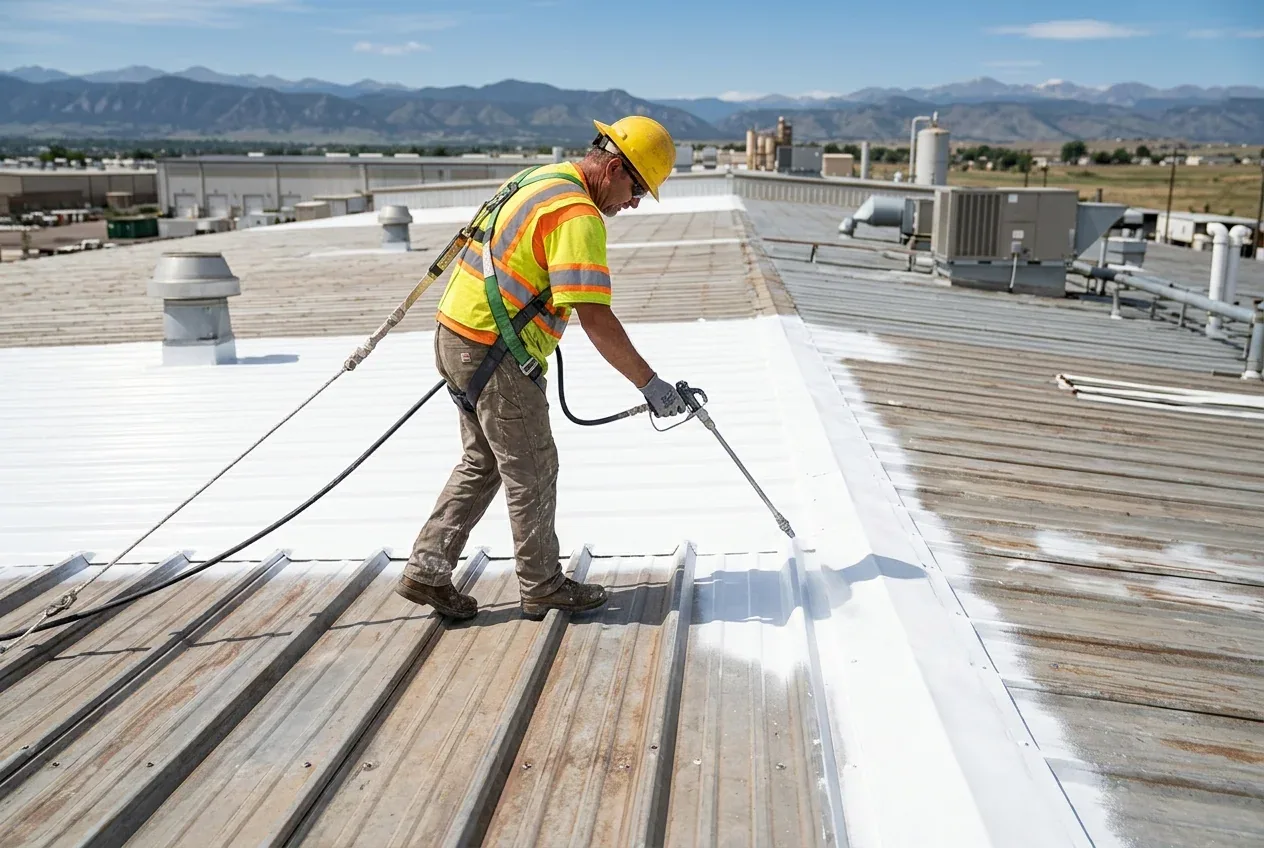
Shopping Center Roofing in Brooklyn, NY
Walk the back lane behind a strip of Brooklyn storefronts and look up at the scuppers. One is stained black, one is dry, and the third has a plastic bucket under it because the tenant gave up waiting. A shopping center roof is one membrane with many tenants, and that fact drives every leak call. A drip over the nail salon may start above the pharmacy two units over. The first job is to separate the roof into sections, match each section to a lease and find which section is actually leaking before anyone argues about whose it is.
Tracing a leak across tenants
Water on a retail roof moves along the deck and the tops of the demising walls before it drops. A stain over one suite may belong to a drain, a vent stack or an equipment curb well down the row. We photograph each tenant's ceiling stains and plot them on a roof plan, then walk the field with a probe and a moisture meter to find the pattern.
The best shopping center roof records show every tenant's rooftop unit, every vent and every roof hatch. Tenants cut roofs for hoods, fans and signs, and many of those cuts were made years ago by someone no longer around. We map them, flag the ones that were never flashed properly and repair them. A leak repair with a plan behind it lasts longer than a bucket and a patch.
Kitchen exhaust is a repeat offender. A restaurant tenant with a grease hood sends grease and heat onto the membrane, and the sheet around the fan softens and stains. We check the curb, install a grease containment tray where one is missing and mark the area for a more frequent look. A neighboring grocery store roof with refrigeration condensers shows the same wear pattern for different reasons.
From Kings Plaza to the strip
Kings Plaza, on 23 acres at Avenue U and Flatbush Avenue, is Brooklyn's largest indoor shopping center. Gateway Center in Spring Creek was built on a former landfill beside Jamaica Bay, and about 278,000 square feet of retail sits at Canarsie Plaza on Avenue D. Properties on this scale are often built in stages, so the roof can be several roofs tied together at the joints.
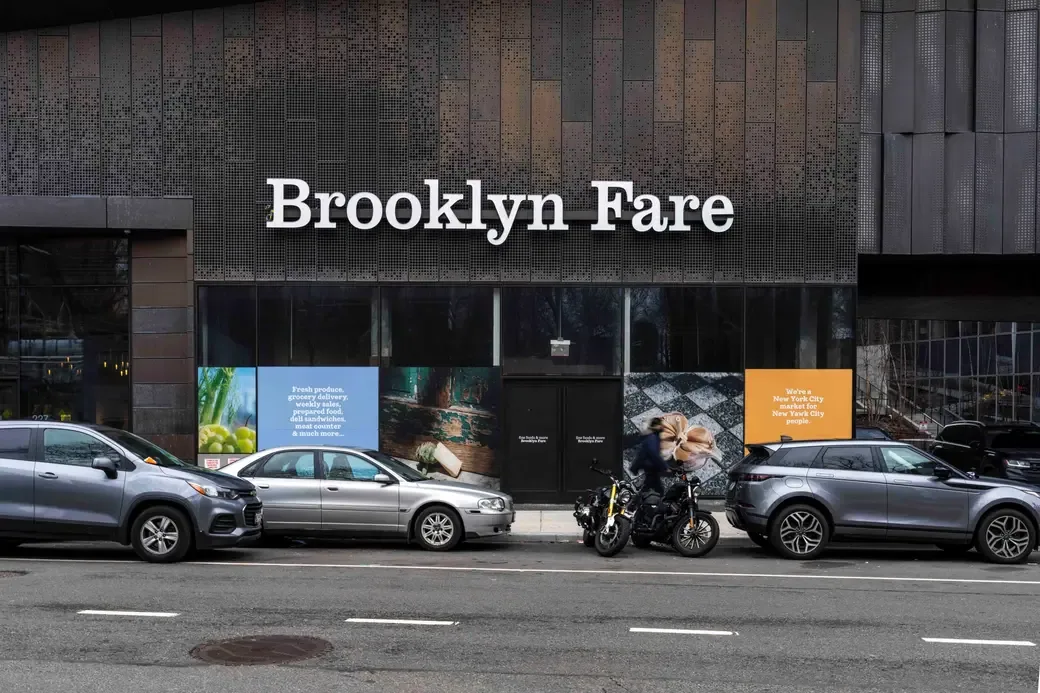
Strip retail follows a smaller pattern along the borough's shopping streets. 86th Street in Bensonhurst, 13th Avenue in Borough Park and Kings Highway in Midwood are all lined with storefronts. In Mill Basin and Canarsie the first question is the same: how many separate roofs are hiding under one name.
Phases, additions and tie-ins
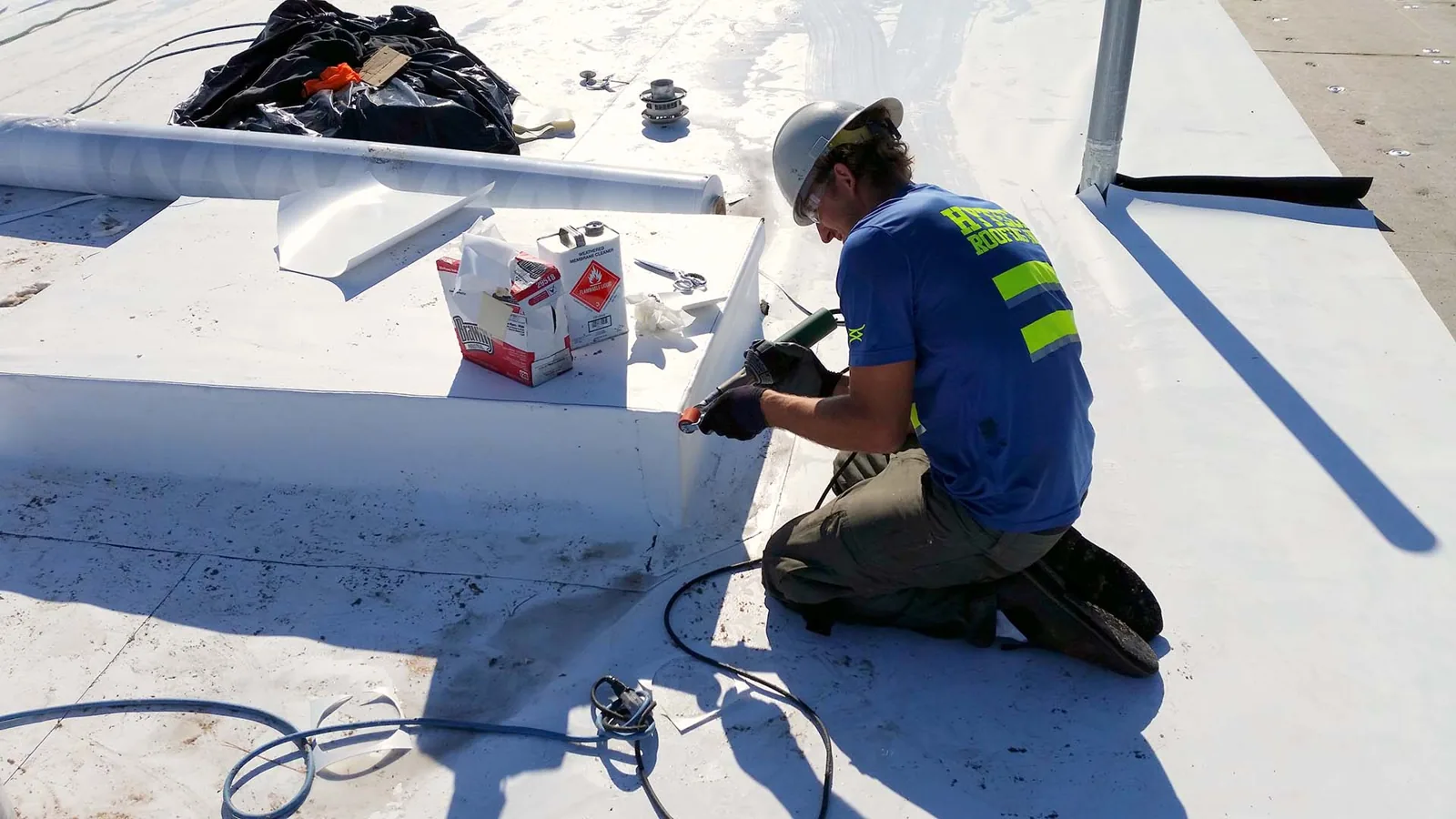
A retail property rarely has a single roof age. A later phase tied into an earlier one makes a seam in the middle of the property, and that seam moves with temperature and traffic. When we survey a center built in phases, we look for changes in membrane, insulation thickness and drain placement, and we inspect every tie-in with a probe and a water test.
A major renovation is a good time to rethink the roof. If the owner is adding a tenant, a canopy or a rooftop sign, the roofer should see the plan before the cutting starts. A recover over sound, dry roofing may be the cheapest route for an owner who wants to avoid tenant disruption, as long as the moisture scan supports it.
The movement of a retail roof also comes from thermal swing. A long membrane on a strip center expands on a July afternoon and contracts on a January night, and seams and flashing at the ends take the strain. We look for wrinkles near walls, loose edge metal and sealant that has pulled away, all of which tell us where expansion is being resisted.
Drains, ponds and fill
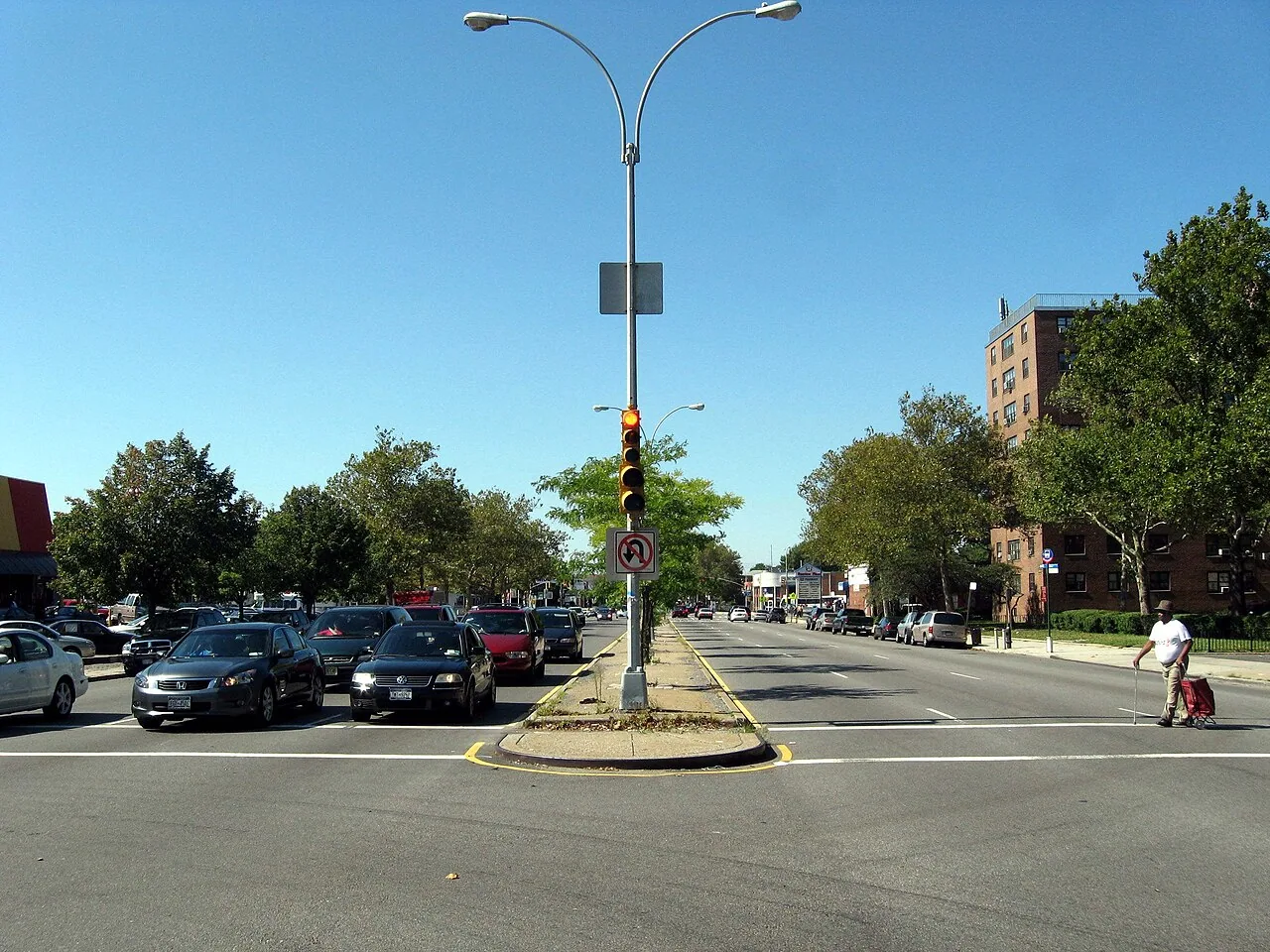
Parking lots shed water toward the building as well as away from it, and the storm drains are shared. Ida's remnants brought the city's first flash flood emergency on September 1, 2021, and rain like that tests any retail roof with too few drains. We clear baskets, test the leaders and add overflow scuppers where the parapet allows.
Buildings on filled ground can shift over time, and the flashing at walls and curbs is the first to show it. A hairline crack that opens and closes with the seasons deserves a movement joint rather than a bead of sealant. A ponding water repair that ignores the structure will fail again.
Keeping the stores open
The shopper should never notice the roof job. We schedule loud and dusty steps for hours before opening or after closing, keep the hoist and dumpster away from entrances and route crews around customer paths. Where a tenant sells food or runs a salon, we protect the interior and warn them before any odor-producing step.
Holiday retail has a hard calendar. Most owners want the roof done before the fall season, and a spring start leaves time for permits and material orders. That is why we recommend a roof inspection in winter, so the scope exists before the busy months arrive.
Signage adds another wrinkle. Pylon signs, rooftop letters and satellite dishes all attach through the roof or to the parapet. We ask that sign contractors coordinate with us before cutting, and we flash each new attachment so a sign upgrade does not become a leak.
Leases, records and the next owner
On a multi-tenant property, the lease decides who pays for what. We document each repair by location, cause and responsible party so the owner can allocate costs. A roof condition report with photographs gives a lender or a buyer the same picture, and it often shortens a negotiation.
Owners with several centers, and with a mix of strip retail and a large big-box store beside them, can organize the work in a multi-site roof program so the weakest roof gets attention first.
Commercial Roofing Questions
Who pays when one tenant's rooftop unit leaks into another suite?
The lease decides, and we supply the evidence. We trace the water to its source, photograph the flashing and note who installed the unit. That record lets the owner and tenants settle responsibility without guesswork.
Can a shopping center roof be replaced while stores are open?
Yes, in sections. We close each section by the end of the shift, protect interiors and keep customer paths clear. Quiet or low-odor systems are chosen where food or personal-care tenants sit below. A tenant notice goes out a week ahead so shop owners can plan deliveries and staff.
Why does the same suite leak every time it rains hard?
Repeated leaks at one spot usually mean a defect at a curb, drain or tie-in that was patched but never rebuilt. We cut the old patch out, rebuild the detail and test it with water. If the leak remains, the source is somewhere upstream on the deck. Water tests on the repaired detail, run for a full cycle, confirm the fix before the tenant is told it is done.
Does a retail roof need a light-colored membrane?
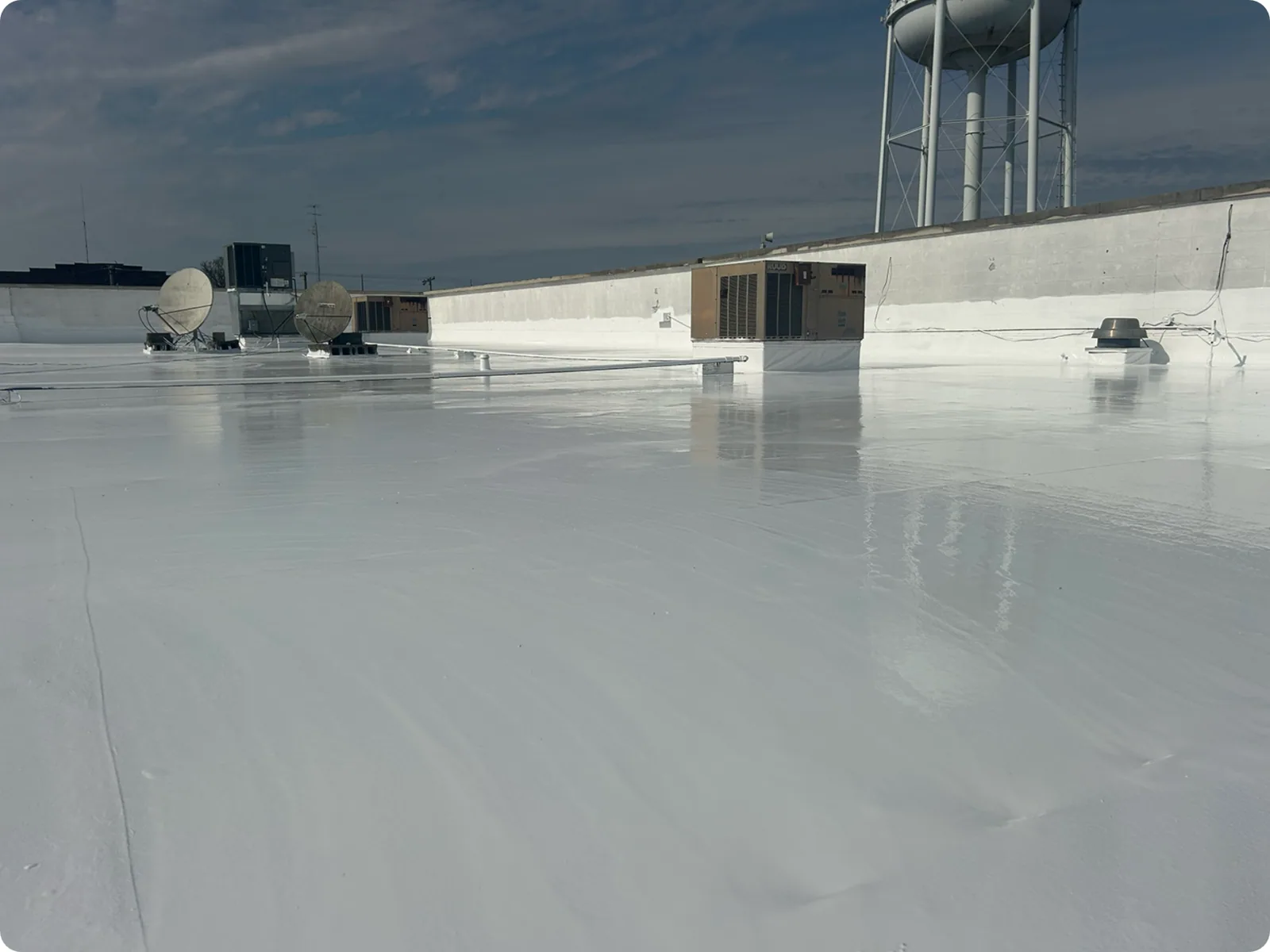
Often it helps. A July afternoon near 85 degrees under a strong heat island is why a reflective sheet cuts the heat load on the stores below. Owners who pay for tenant cooling see the difference.
What should an owner collect before requesting a scope?
Send the address area, the roof age, a tenant list with ceiling stain locations and photos of the worst drain. A copy of any past roofing invoices or warranty letters helps us avoid repeating earlier work. Photos of each rooftop unit and sign attachment also speed up the first walk.