Big-Box Retail Roofing in Brooklyn, NY
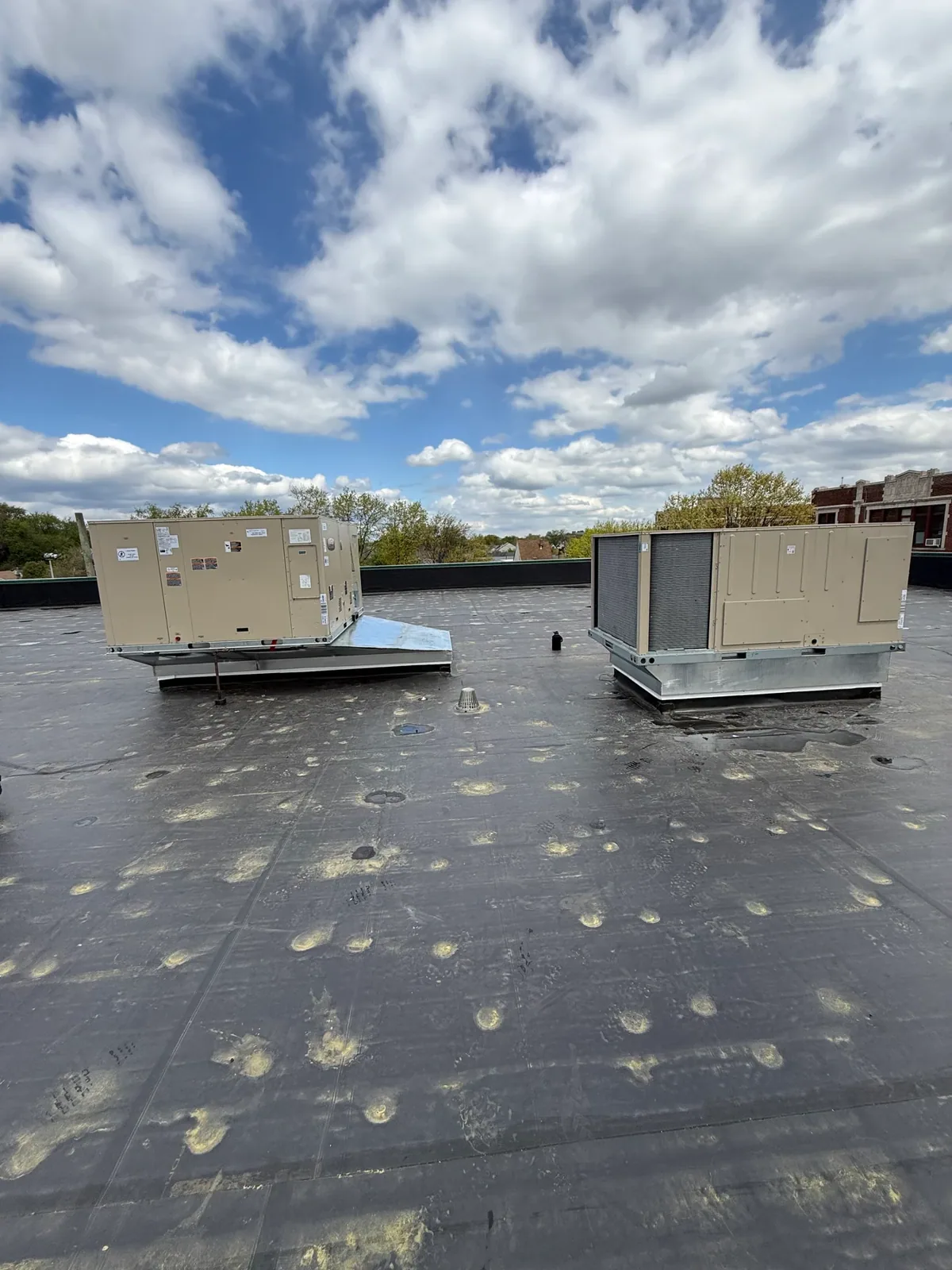
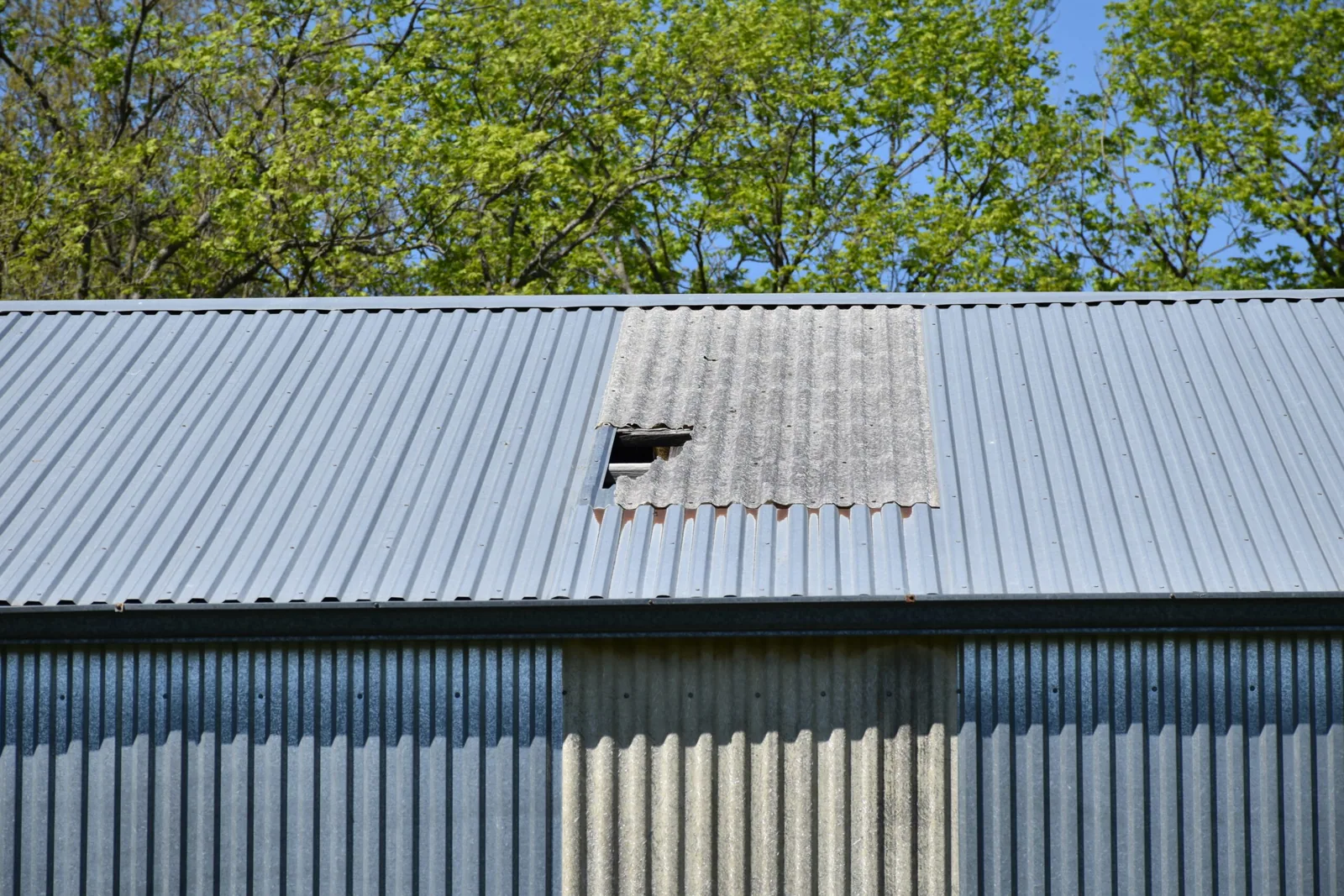
A big-box store roof is the one where a ladder is not enough. You climb the fixed stair and step onto a field that runs further than you can shout. Usually there is a bank of rooftop units, a few skylights nobody has cleaned in years and a perimeter wall lower than it looks from the lot. Water gets in at those spots and runs a long way across the deck before it falls on a shelf. A leak in the paint aisle can start above the garden center. Finding it takes a grid, not a guess.
Walking a long-span field
We divide the roof into a grid and mark each unit, drain and skylight on a plan. Then we walk each square with a probe and a moisture meter, checking seams, laps and the fasteners along the deck flutes. A large roof has a lot of untouched field, and most of the trouble sits at the equipment and at the edges.
The grid also helps with the repair plan. If three squares are wet and the rest are dry, a targeted repair and a few new flashings may carry the roof for years. If the dry squares are thin and cracking, a recover is the next question. The grid makes that comparison fair instead of anecdotal.
Rooftop units and the traffic they cause
Big-box roofs carry heavy mechanical gear, and technicians visit it constantly. Foot traffic follows the shortest path from the ladder to each unit, and the membrane along that path wears faster than the rest. We install walkway pads along those routes and look at how often service crews use them.
Each unit sits on a curb, and each curb has a flashing that has to survive vibration, heat and condensate. Refrigeration condensers and cooling units drip onto the roof in summer. We check equipment curbs for cracked corners, torn boots and clogged pans, then fix them before the next storm.
Wind at the edge
A wide, low-slope roof catches wind, and the perimeter takes the load. The 2007 EF2 tornado in Bay Ridge, which lifted the roof off a nearby Nissan dealership, is a reminder that a large flat roof is a sail when the edge lets go. We inspect edge metal, fasteners and the first rows of membrane for lifting and rust.
If the edge is loose, we replace it with heavier metal and tighter fastening, and we add perimeter securement to the membrane. After a major storm we walk the roof within a day, since a small lift can become a tear in the next gust. This work follows the pattern of wind damage repair.
Long spans and standing water
A big roof moves. Steel deflects under snow and equipment, and the low spots hold water. Hard drifts form against parapets and units under snow of about 30 inches a year, and January 23, 2016 alone dropped 27.3. Ida's remnants on September 1, 2021 caused New York City's first flash flood emergency, a test for any undersized drain.
Ponding is the sign to watch. A pond that stays after a day means the deck has dipped or the drain is out of position. We add drains, tapered insulation or overflow scuppers, depending on what the structure allows. A ponding repair that rebuilds the slope lasts far longer than a patch.
Protecting the sales floor
A retail store cannot close for a roof job. We work in sections that sit above storerooms, loading areas and low-traffic aisles first, and we leave the sales floor and garden center for off hours. Sensitive displays and stock get tarps and a drop zone. The hoist stays away from customer entrances, and crews follow marked routes.
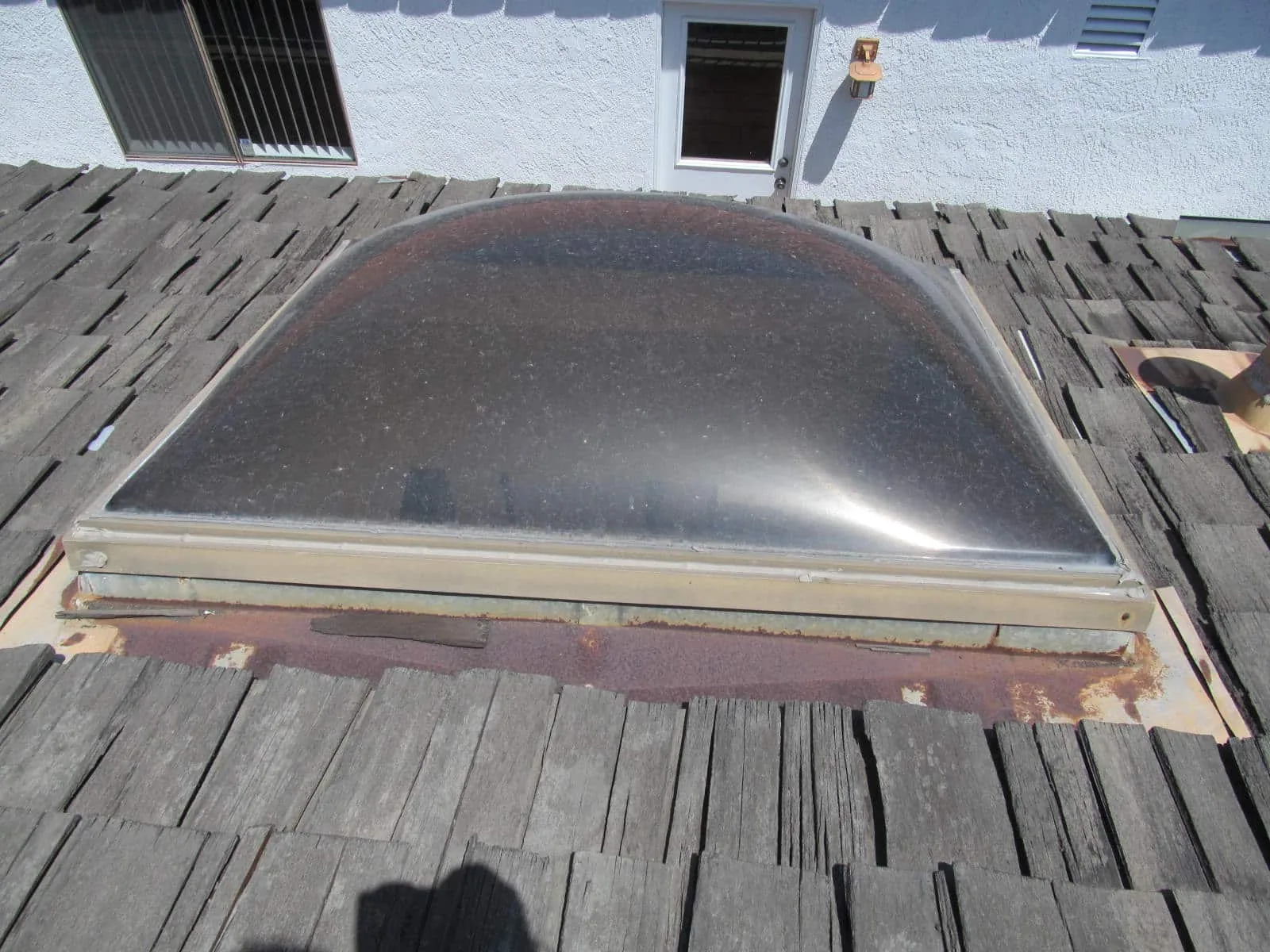
Skylights are their own project. A cracked curb or an old dome lets in water and heat, and replacing them may require a fall-protection plan. A skylight and penetration flashing detail makes sure the fix is part of the roof, not a bolt-on.
A neighboring warehouse roof behind the store, used for stock, often shares the drainage and the parapet with the retail box. We treat the two as one roof when the water runs across them, and as two scopes when the lease or the structure separates them.
What drives cost and timing
On a large retail roof the price follows a short list of things. The number of existing layers decides how much comes off. Wet insulation has to be removed and replaced, and dry insulation can stay. Rooftop units that must be lifted or disconnected add crane time and coordination with the store's mechanical contractor. Access matters too, because a roof with a fixed stair and a clear yard moves faster than one reached only by ladder from a busy loading lane.
Season plays a part. Adhesives and sealants need a minimum temperature, and winter work in Brooklyn is limited to repairs and dry-in. A full replacement fits best between spring and early fall, which is why a store that wants the work done before the holiday rush should have its scope written in winter. The store's calendar, not the roofer's, sets the start date.
Where Brooklyn's big boxes sit
IKEA opened a 346,000-square-foot store near the Gowanus Expressway in Red Hook in 2008. Gateway Center in Spring Creek and Kings Plaza in Mill Basin are two more large retail destinations in the borough. Atlantic Avenue on the northern edge of Crown Heights is dominated by auto-oriented uses. Red Hook brings waterfront wind, and Crown Heights brings the long frontage of an avenue.
Large retailers with several stores can pull this into a multi-site roof program, where each store is ranked and inspected on the same schedule. A shopping center with a big-box tenant uses the same approach for its largest tenant.
Commercial Roofing Questions
How big does a repair area have to be before a recover makes sense?
There is no fixed percentage. We compare the wet area from a moisture scan with the age and condition of the dry areas. If the wet area is scattered and small, repair and flashing work may be enough. If the membrane is aged across the whole field, a recover or replacement is the better use of money. Photos of the worst seams and a record of past repairs give us more to go on than the store's age alone.
Can the store stay open during a reroof?
Yes. The work moves in sections, with each one closed before the shift ends. Sales floor protection, a quiet schedule near entrances and clear routes keep customers out of the work zone. Stock rooms and loading areas under the work get covered first, since a wet pallet costs more than a closed aisle.
What is the most common cause of a leak in a large store?
Often the path runs through a rooftop unit curb or a skylight rather than the open field. These are the places where another trade cut the roof. We start the search there.
Should we choose a white membrane for a big-box roof?
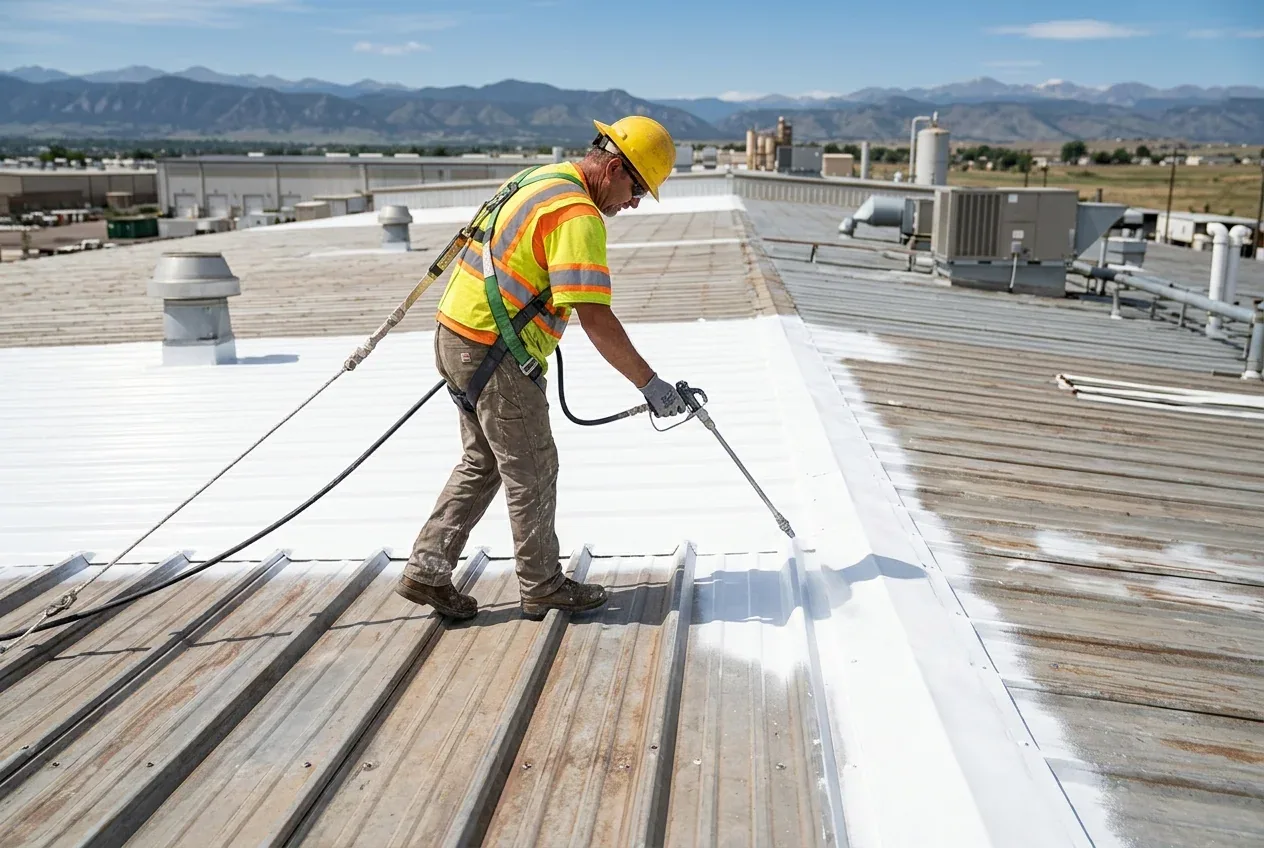
In most cases, yes. A reflective TPO or PVC sheet lowers the roof surface temperature on a July afternoon, when the mean daily high is near 85 degrees. Stores with large cooling loads feel the savings.
What do you need to start a scope?
Send the store address area, the roof age, photos of the worst drain, the roof hatch and any rooftop unit that leaks. A copy of the last warranty letter or inspection helps us decide where to begin.