Commercial Roofing in Crown Heights, Brooklyn, NY
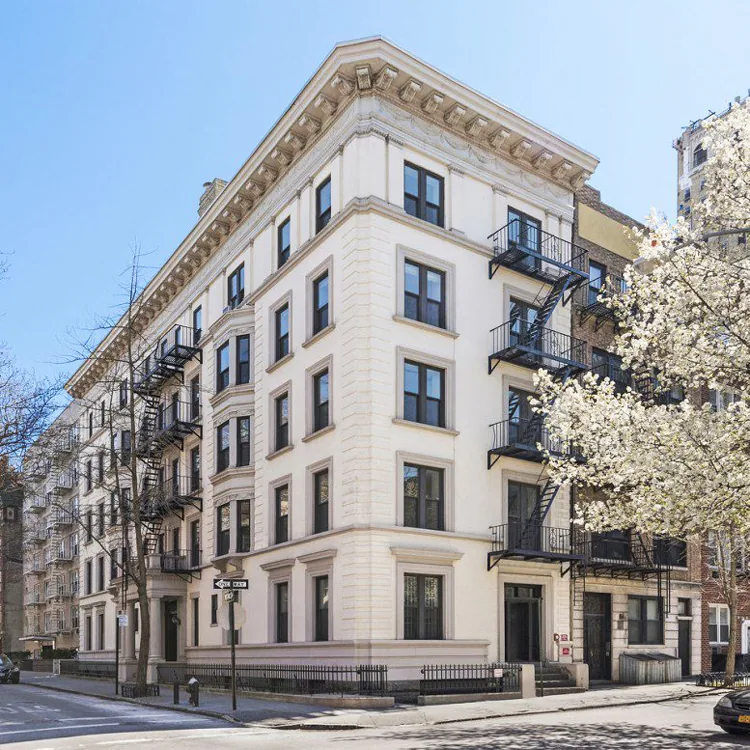
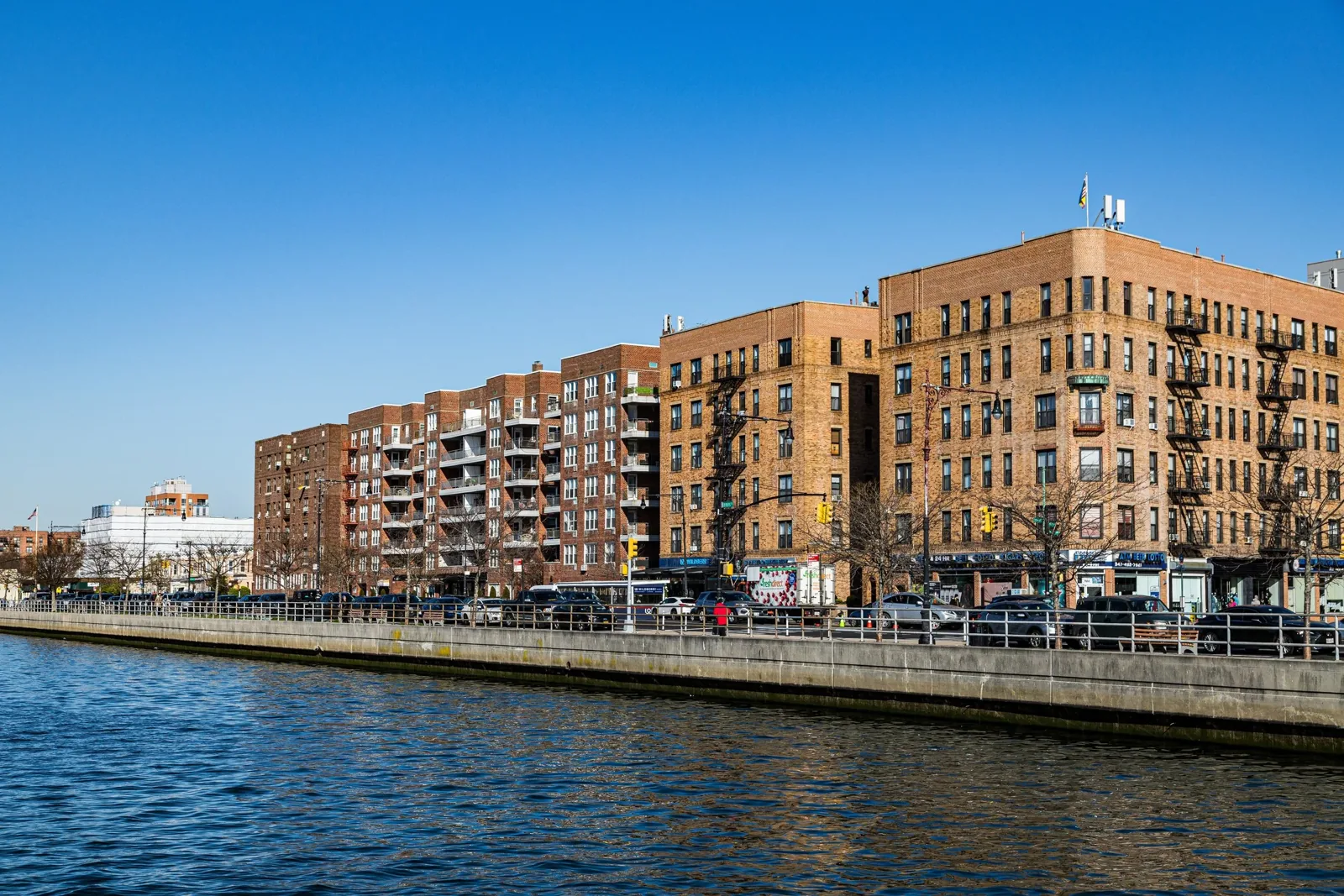
Crown Heights roofs come from two worlds: early-twentieth-century apartment buildings and rowhouses, and the commercial strips and auto-oriented lots along Atlantic Avenue. Large apartment buildings and rowhouses date mostly from the early 1900s to the 1920s, and four avenues, Franklin, Nostrand, Kingston and Utica, are the main commercial corridors. We repair, recover and replace commercial roofs across the district, and our first walk checks the parapet, the drains and the bulkhead before it checks anything else.
Large apartment buildings
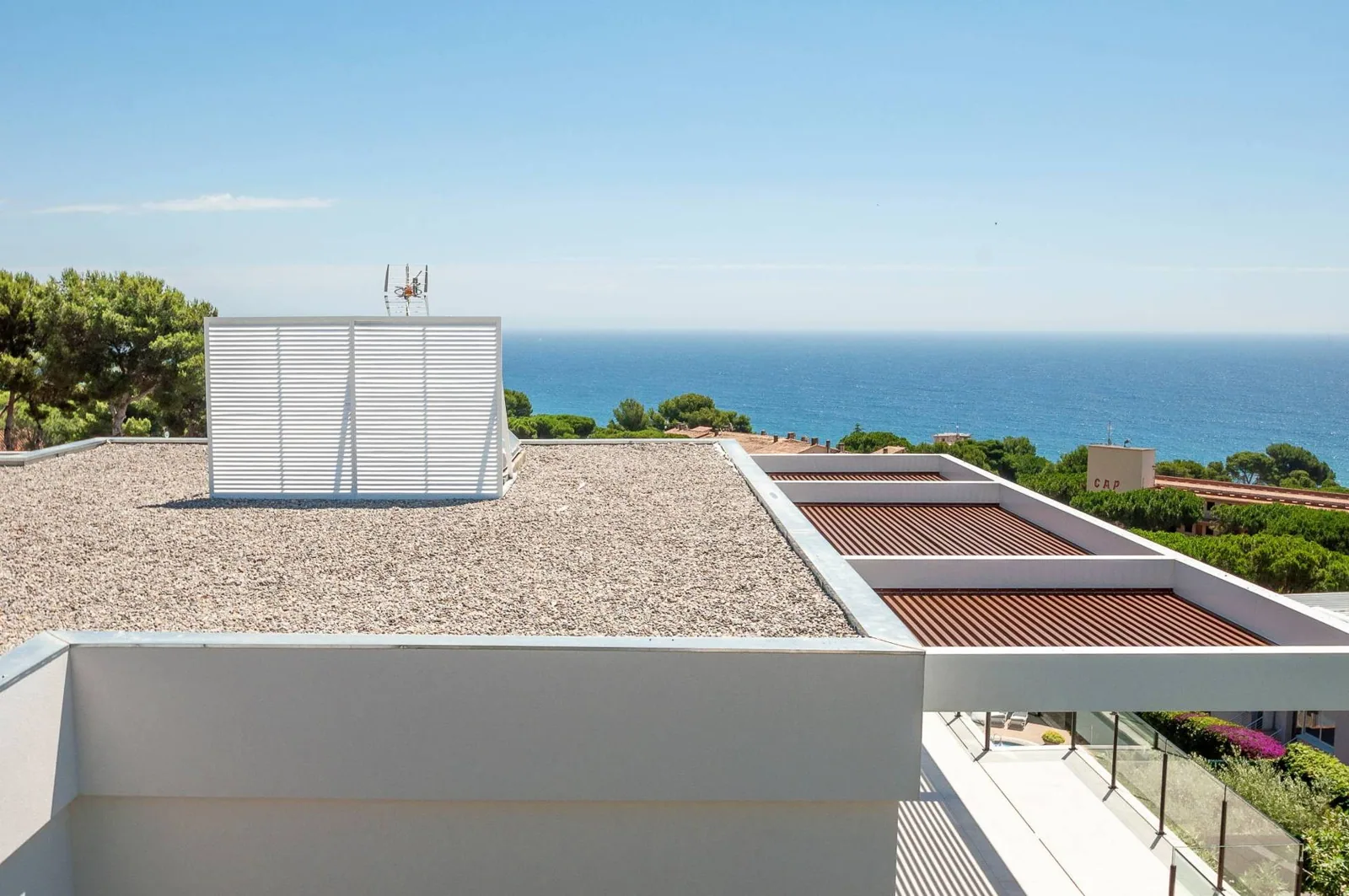
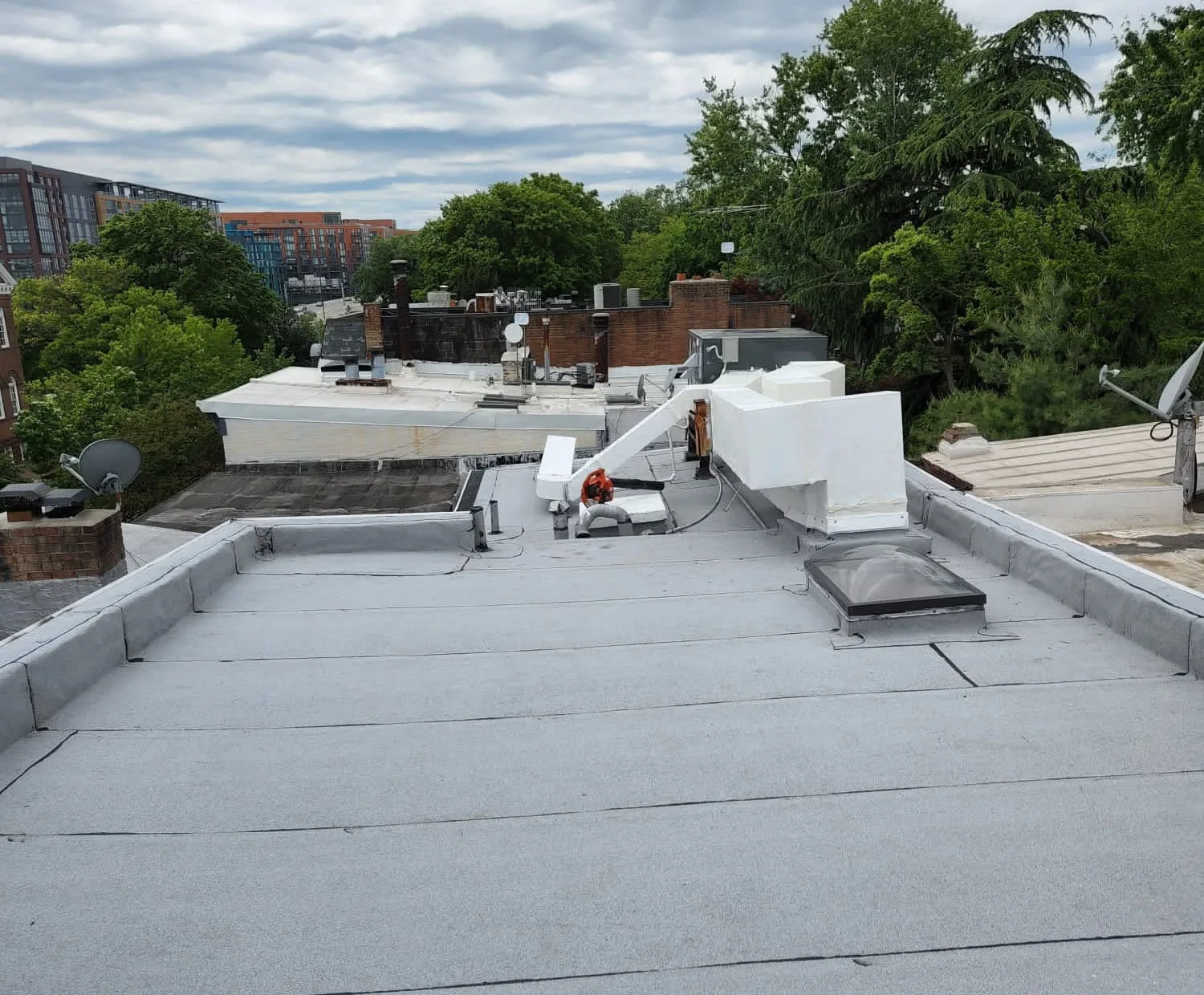
A prewar apartment house often has a large roof with a bulkhead, a water tank platform, a boiler flue and a ring of parapet. Each of those is a place where flashing ages. The tar-and-gravel build-up that covered many roofs of this period tends to be patched and re-patched, and each patch adds weight and a seam.
On a roof of that scale, we divide the field into sections, probe each one and map the wet areas. The bulkhead door sill, the tank legs and the boiler flue get close inspection. Replacement of an old build-up often goes ahead with a new insulation layer and a membrane chosen for foot traffic. For these, an apartment roof survey and the built-up roof option are the usual starting points.
The water tank platform deserves its own paragraph. Its legs pass through the roof, the platform casts shade that keeps a patch of membrane wet and the overflow pipe can spill onto the field. We check each leg flashing, raise the pipe discharge to a drain or splash pad and watch for staining beneath the platform, which tells us where water has been standing.
Roof access is the other recurring problem. A bulkhead door with a rotted sill and a stair that is never swept both invite damage. We repair the sill, add a step-over curb where the sill is low and flash the door so the threshold stays dry. A stain on the top-floor landing is often a door problem more than a roof problem, and we say so.
Franklin, Nostrand, Kingston and Utica
The four commercial corridors carry shops, offices and services under apartments. Small commercial roofs in a row share walls, drains and sometimes owners. A leak at one building often starts at its neighbor, and the first task is to find where the water crosses the wall.
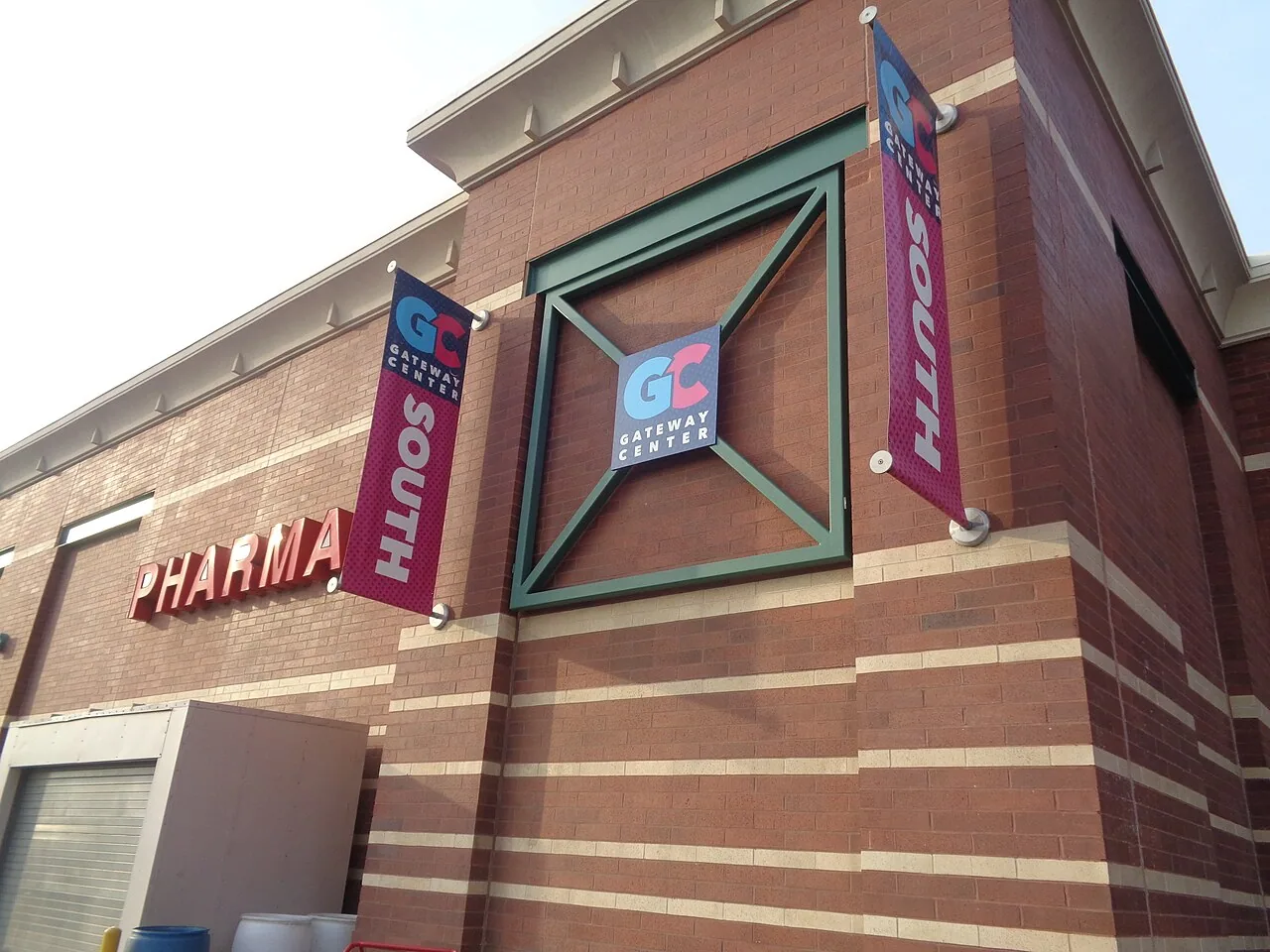
We trace each stain to its entry point, photograph the path and write down which roof it belongs to. That record resolves disputes quickly. For corridor retail, the approach for a shopping center roof applies: section the roof, map the tenants and fix the source. Rooftop signs, vents and cooling units get flashing checks on every visit.
Utica and Nostrand carry a lot of foot traffic, which means the buildings along them stay occupied all day. We schedule roof work for hours when shops are quiet, protect awnings and signs from falling debris and keep the sidewalk shed in good order. Repairs that reach through to a ceiling are timed with the shop so that stock is moved before we open anything.
Atlantic Avenue and auto-oriented roofs
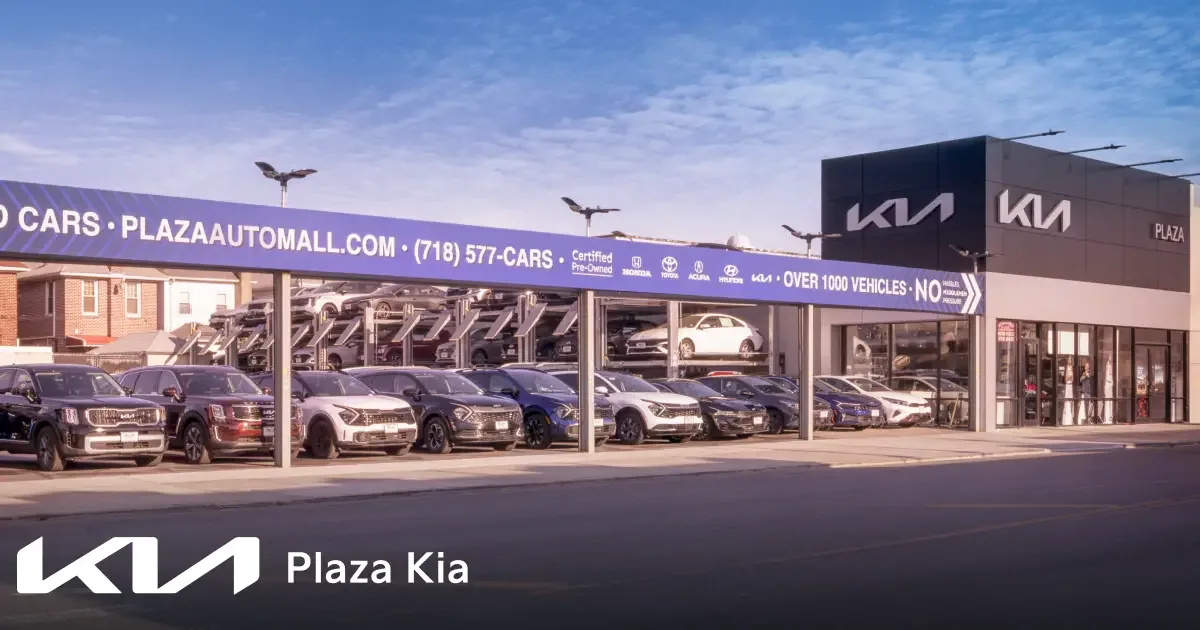
Atlantic Avenue on the northern border is dominated by auto-oriented uses, and a 2025 rezoning legalized apartments between Vanderbilt and Nostrand Avenues. A building made for cars, such as a dealership or repair shop, is likely to have a wide, low roof with large rooftop units and long open edges. Those roofs catch wind and carry equipment that vibrates.
When an EF2 tornado crossed Bay Ridge in 2007 a Nissan dealership lost its roof, a reminder of what a loose edge can do to an auto-oriented building. We check the edge metal, the first rows of membrane and the fasteners, and we upgrade them where they are weak. Auto dealership roofing and wind damage repair follow that order.
Eastern Parkway and the institutions
Eastern Parkway is the main thoroughfare, and institutions in the neighborhood include Medgar Evers College and the Brooklyn Botanic Garden. Institutional buildings keep their own calendars, and roof work fits around breaks, events and seasons. A campus building or a cultural building has a facilities team that wants a clear scope, a schedule and a photo record.
We provide a roof condition report that gives the team all three. It also helps with capital planning, since a report with ages, moisture and costs lets the team spread the work across years instead of facing a surprise.
If a building has older slate or tile sections beside its flat roofs, we keep those details intact, repairing flashings and valleys with matching materials and leaving the visible roofline alone. Where a flat roof sits behind a decorative parapet, the wall is repaired first, since it frames the whole roof.
Heat, snow and cloudbursts
With July highs near 85 degrees and a strong heat island, a dark roof on a large apartment building adds to the cooling load. Snow near 30 inches a year and freeze-thaw swings open the weakest seams. Rain on the scale of Ida's remnants, which caused the city's first flash flood emergency, tests every drain.
We clean baskets, test leaders and add overflow scuppers. A reflective membrane such as TPO cuts summer heat, and tapered insulation moves standing water to the drain.
Ponding on a large apartment roof gets worse every season. Standing water speeds up membrane aging, adds weight to the structure and freezes into ice sheets that shove at flashings. A drain that sits an inch above the low point never empties the pond, so we measure the slope and, where needed, lower the drain or build up the surrounding insulation to carry water in.
Planning and access
Most Crown Heights roofs are reached by stair, and many streets are narrow. Materials go up by hand or by hoist, with a sidewalk permit where needed. We post notices, keep noise to daytime hours and lock the roof door every night. Owners of several buildings can use a multi-site roof program to rank and schedule the work.
Neighboring areas, such as Bedford-Stuyvesant and Flatbush, share some of the same building types, and owners with property in more than one can compare the roofs in one report.
The 2025 Atlantic Avenue rezoning matters for roof planning. A landlord who expects to redevelop an auto-oriented lot may want a short-term repair, while a landlord who expects to keep the building as it is may want a long-term system. We give both numbers, along with the moisture data that supports them, so the decision rests on the roof's condition and not on a guess.
Commercial Roofing Questions
How do I tell whether my apartment roof needs repair or replacement?
Start with the moisture. If the wet insulation is local, repair holds. If it is widespread, or the membrane is cracked across the field, replacement is the sound choice. A scan and cores give the answer. Photos of the worst stain and the nearest drain make the first call faster.
What if two buildings share a leaking wall?
We trace the water, photograph the joint and document which side it enters. The record helps the owners decide who fixes what.
Is a dealership roof a different job from an apartment roof?
Yes. It is usually longer, lower and more exposed to wind, with big rooftop units. The edge and the equipment get more attention than the bulkhead and chimney. Edge metal and fasteners get a pull test before we decide how much to replace.
Can tenants stay during a reroof?
Yes. We schedule noisy steps for daytime, post notices and keep a contact for questions. Quieter systems reduce disruption.
How do I start on a Crown Heights apartment roof?
The roof age, the address area, a drain photo, a bulkhead photo and a list of units with stains are the starting file.