
Commercial Roofing in Flatbush, Brooklyn, NY
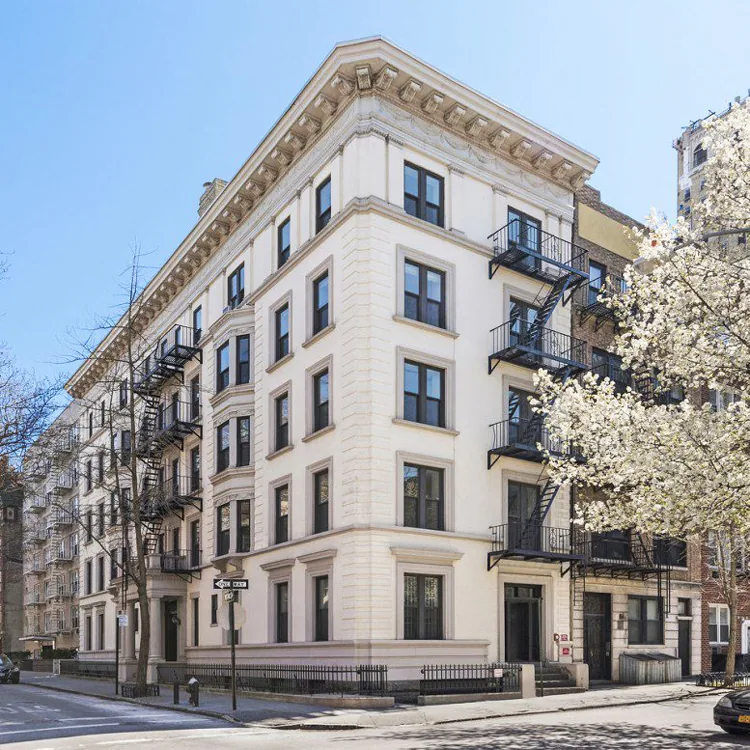
Ocean Avenue has six-story Art Deco apartment houses, and a roofer looking at one from the street is already reading the cornice. Buildings in that style tend to carry decorative brick, stepped parapets and a detailed coping line, which are charming from the sidewalk and demanding from the roof. Every ornamental joint is a place where water can get behind the wall face, and every step in a parapet is a flashing that has to turn a corner. In Flatbush the roofs that cost owners the most are not the biggest ones. They are the ones with the most detail.
We walk the field, mark soft spots and photograph the flashings before writing anything down.
Detail is where it leaks
On a decorative parapet, the coping is rarely a plain run. It steps, it turns, it caps a pier and it meets a chimney or a stair bulkhead. Each change of direction is a joint, and each joint has a sealant line with a short life. A cracked joint lets water into the wall, and a wet wall sends damage back to the roof edge. We walk every stretch of the parapet, probe the joints and check the counterflashing, which on older brick is cut into a mortar joint and can pull out. Repair means repointing first and then reflashing. The sequence matters, since new flashing over a loose joint fails with it. For owners of apartment buildings with detailed parapets, an annual walk of the coping is the cheapest protection on the building.
Chimneys and roof hatches complete the list on an older building. On an older building a counterflashing pulled from its mortar joint can feed a wall for years, and a low hatch curb drinks at every storm. Each gets a hand probe and a line on the plan, so the repair list names every detail, not only the obvious ones.
Window heads and lintels under a parapet deserve a glance as well. A cracked lintel lets water into a wall from the roof edge down, and the plaster inside shows it a winter or two later.
Flatbush Avenue, Nostrand and Church
Flatbush Avenue, Nostrand Avenue and Ocean Avenue are the north-south corridors, and Church Avenue crosses east-west. On corridors like these, shops often sit under apartments or offices, and a leak into a storefront can start at the parapet or at a unit a tenant added. How a given building was put together is read from the roof, not assumed.
Shared walls are the special trouble. In a row of buildings the flashing between neighbors often belongs to nobody, and that is where the water goes. We trace the water with moisture mapping, mark the entry on a numbered plan and state which roof area it belongs to, so owners can settle a repair on evidence. A commercial roof inspection includes that tie-in survey.
Rooftop units, exhaust fans and signage supports on the corridor side add penetrations. Failed sealant around a bolted frame can leak all season before anyone links it to a ceiling stain.
College and hospital neighbors
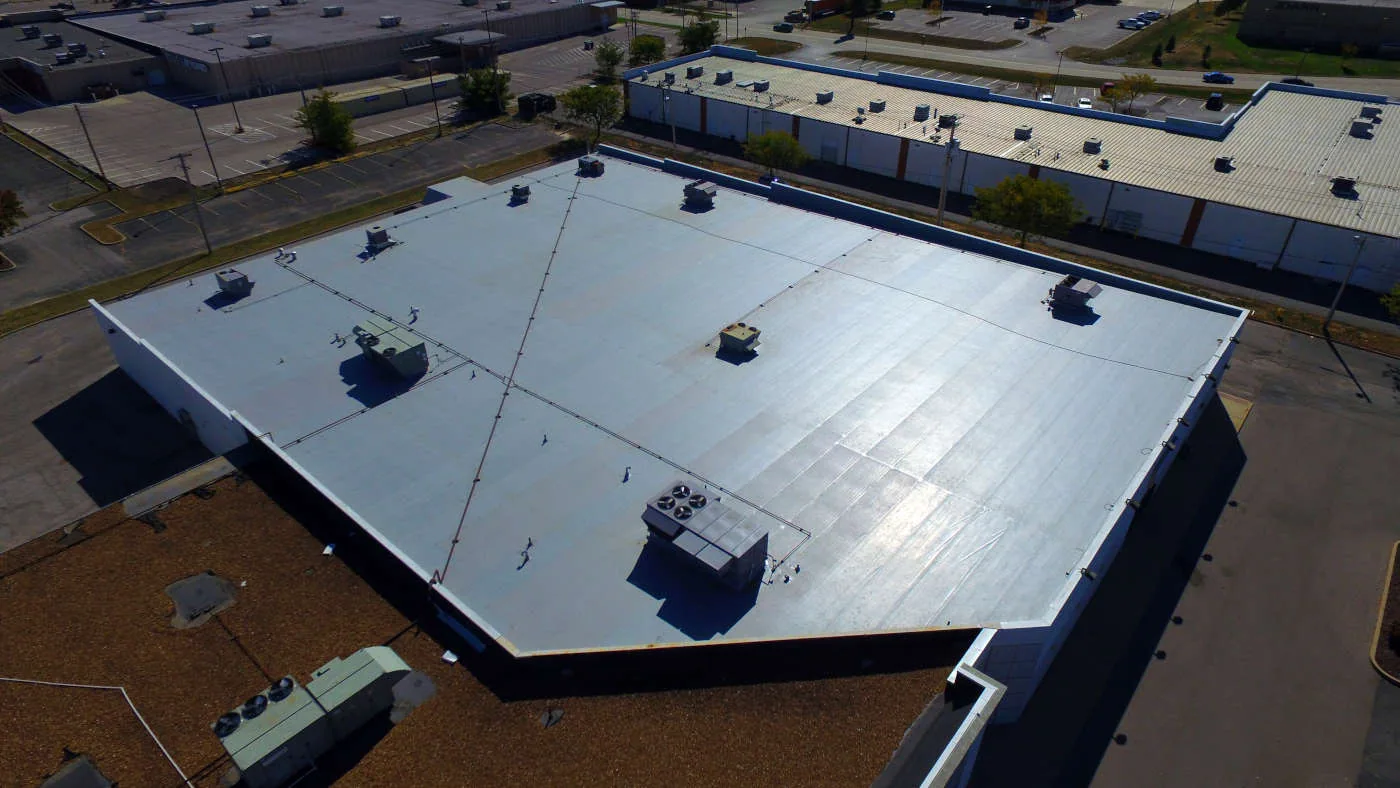
Brooklyn College's 35-acre campus is shared with Midwood, while Kings County Hospital and SUNY Downstate Medical Center stand in neighboring East Flatbush. Institutions bring roof needs that private buildings do not: large flat roofs, rooftop equipment that cannot go dark, and calendars that limit when work can happen.
The buildings around them share some of those needs. Offices and support space near a hospital can depend on rooftop equipment that never goes dark, and a leak into a clinic room interrupts care. Space near a campus follows the term calendar. We plan by zone, protect air intakes and agree noise hours in writing. A college roof plan models those habits.
Gyms, labs and lecture halls under a flat roof need their own detailing, since a leak there is expensive. Roof access follows security rules, and the crew list is submitted early. A written schedule with the quiet hours marked heads off most complaints. For a top-floor resident the useful details are small ones: which morning the hoist runs, which afternoon the stair is closed and who to call if the noise lands on a night shift worker's sleep, and those go on the notice.
Drains and the cloudburst
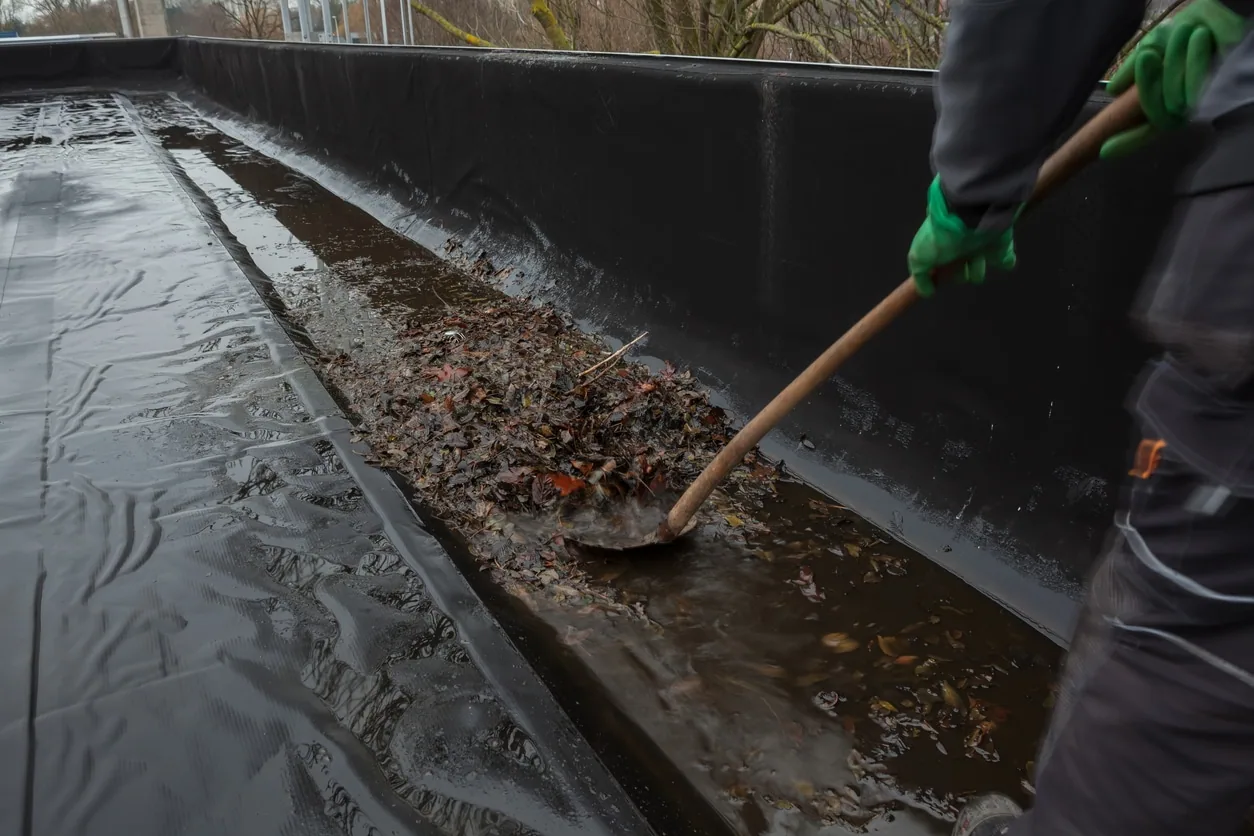
Ida's remnants made September 1, 2021 the day of the city's first flash flood emergency. A drain that copes with ordinary rain can choke in a cloudburst, and behind a short parapet the water climbs the flashing. The basket packs with grit and leaves, and a sump of water forms at the drain.
Each spring and fall we clear baskets and test roof drains and scuppers, and we walk the overflow path. An overflow scupper through the parapet is the cheapest insurance on a flat roof, and many older buildings lack one. Where we find none, we recommend one and mark the location on the plan.
Leaders matter too. On a six-story building the roof drain connects to a vertical pipe inside the wall, and a leader that is partly blocked, offset or undersized shows up as water far from the drain. We flow-test where access allows and note the result on the plan.
Snow, wind and heat
Weak seams and mortar joints open under about 30 inches of snow a year; one day, January 23, 2016, delivered 27.3. Drifts form against bulkheads, meltwater runs toward the drains and ice in a bowl dams it. July highs near 85 F, held in place into the evening by the heat island, hit the top-floor rooms under a dark roof first, and a hot summer opens seams that a milder one leaves tight.
Between seasons we walk the roof once more, photograph the coping joints and write down what changed since the last visit, which keeps small defects from turning into large repairs.
The fix in order
Dry in active leaks. Scan and core. Repoint and reflash the parapet. Sort the roof into repair, recover and replacement. A dry assembly with a tired surface may accept a recover, while wet insulation has to be removed. Neighbors in Park Slope and Midwood deal with the same kind of masonry detail. Cost tracks access and how many penetrations there are.
Weather sets the calendar. The final walk yields a punch list, and the last photographs go into the file with the date.
Commercial Roofing Questions
Why repoint before reflashing a decorative parapet?
Flashing is only as secure as the joint it sits in. If the mortar is loose, new flashing pulls out with it. Repointing first gives the counterflashing a solid bed, and the repair lasts through more winters.
How do we protect residents on the top floor during roof work?
Work goes in zones with a dry-in each shift, noisy stages kept off rest hours and dates posted ahead. Interior protection goes up under any open area.
Does an Art Deco building need special materials?
Not necessarily. The membrane is chosen for the roof and the budget. What needs care is the edge: matching the coping profile, sealing the joints and keeping the visible face of the building as it is.
What does an overflow scupper do?
It gives water a second way out when the main drain clogs. Without one, water rises against the parapet flashing until it finds a way in. Adding one is a small job with a large effect.
What does a Flatbush first walk need?
The roof age and the address area, a photograph of the worst drain, and one of the parapet joint that stays wet.