Commercial Roofing in Park Slope, Brooklyn, NY
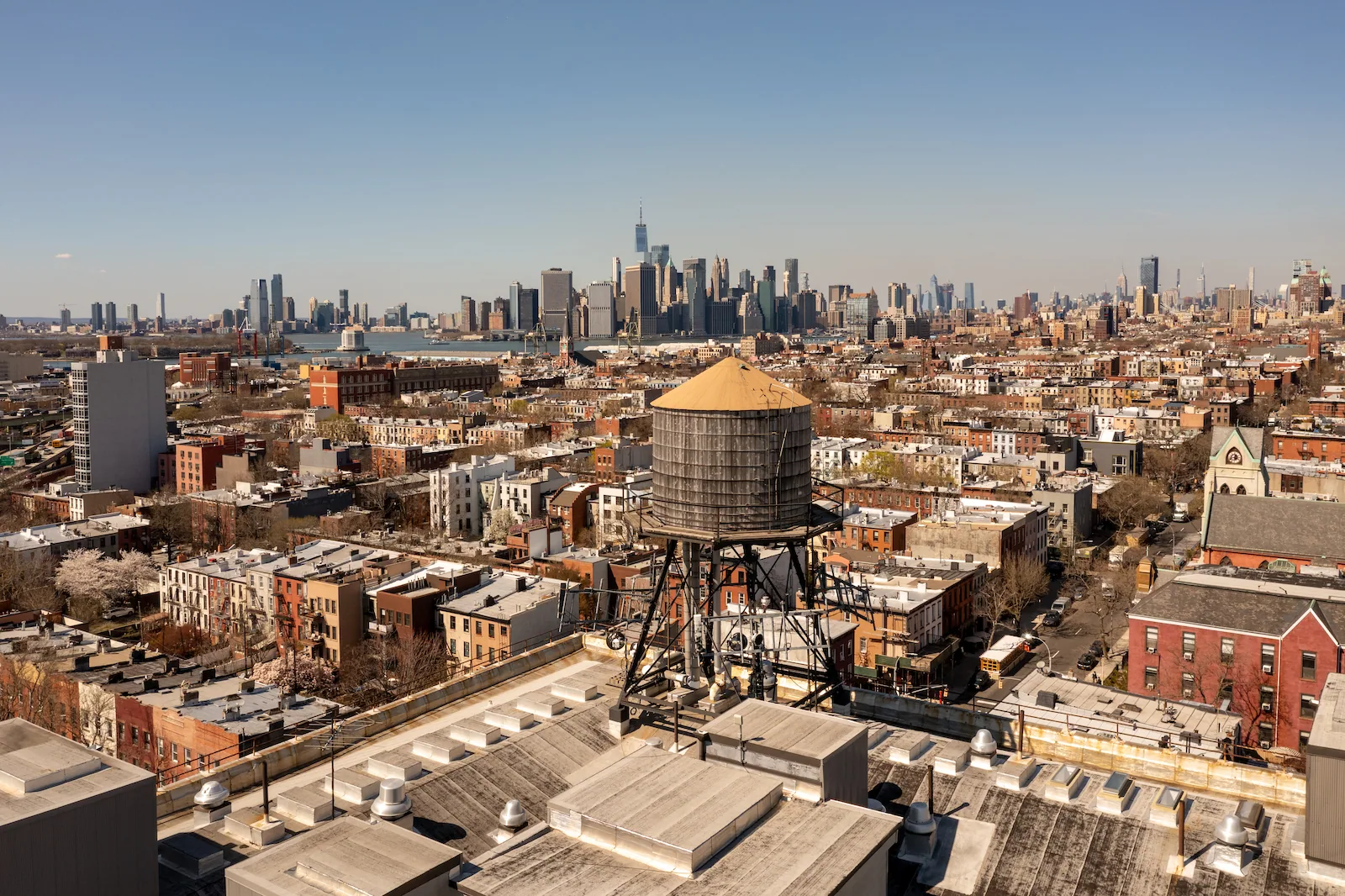
Inside Park Slope's historic district, 2,575 buildings across roughly 40 blocks, a roofer learns to look up from the sidewalk first. What can be seen from the street is what review cares about: the cornice, the parapet line, the color of the coping. What cannot be seen is where the water gets in. A flat roof behind a front cornice does most of its work out of sight, and the failures sit at the back wall, around the bulkhead and at the drain, none of which show from the stoop.
Up on the roof we walk the field, mark the soft spots and photograph each flashing, then write the scope.
Working inside a historic district
A repair that leaves the exterior alone is usually simpler than one that changes it. Replacing a flat roof membrane behind a parapet seldom alters what the street sees. Changing a cornice, raising a bulkhead, adding a rooftop structure or visible equipment may need review before a permit is issued, and the review has a calendar of its own.
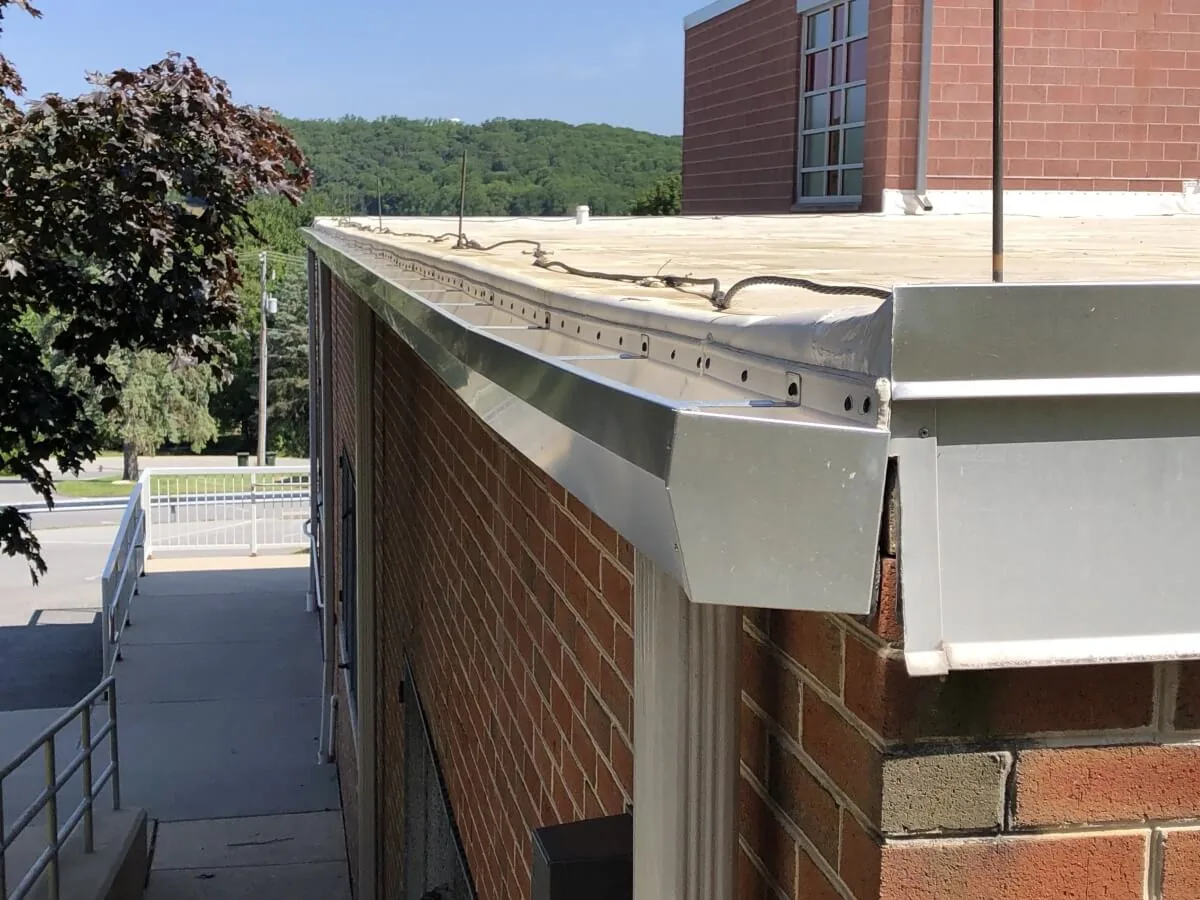
We check designation status first, photograph the street-facing edge and the cornice line, and mark which parts of a proposed scope might be visible. Where coping or cornice work is needed, the aim is to match the profile and make the joints behind it watertight. Coping and edge metal in a matching profile keeps the street view unchanged while the wall behind stays dry.
Rooftop equipment draws the next question. A new condenser, a vent stack or a screened enclosure set back from the front may escape review; one placed near the street edge may not. We locate equipment on the roof plan with the sight lines in mind, so the owner knows early.
Fifth and Seventh Avenue storefronts
Fifth and Seventh Avenues are the primary commercial streets. Brownstone and brick rowhouse blocks can carry commercial ground floors under apartments. Each building's construction is a question for the walk, not a guess. Each gets the same checks: coping joints, party-wall counterflashing, the drain and the rooftop units tenants have added.
A restaurant on the ground floor puts exhaust and makeup air on the roof, and grease is hard on some membranes. A shop puts a condenser up there. Every unit is a curb and a sealant line. We number them on the plan, check the base flashing and trace any leak to the entry point. The report says which tenant or unit sits below, so owners can settle a repair on evidence. A restaurant roof gets extra attention around the fans.
Weather sets the calendar for any repair. Membranes go down best in dry, mild weather, so the schedule leaves room for rain days, and winter work is mostly repair and dry-in.
Rowhouse roofs and shared walls
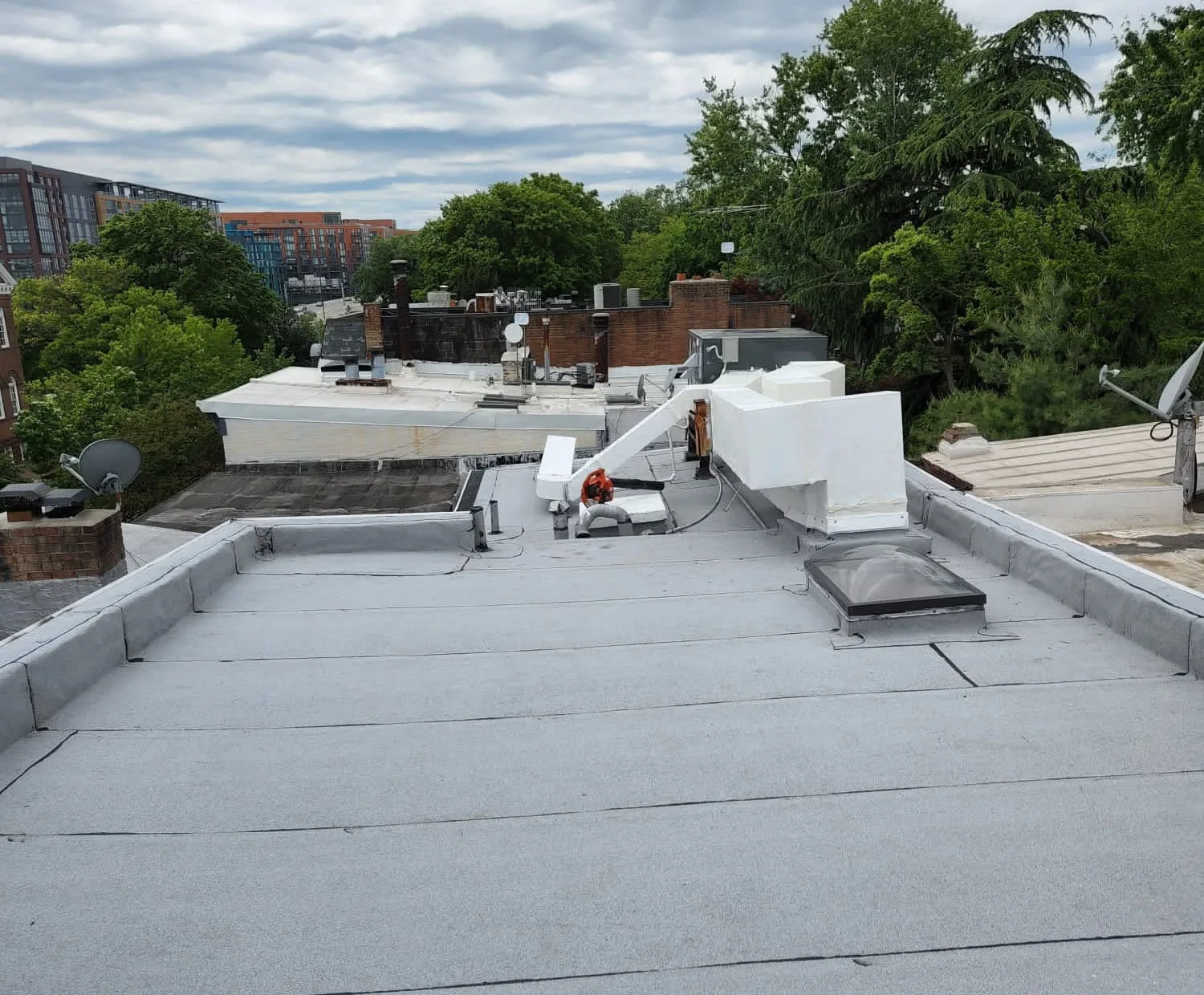
Rowhouses share walls, cornice lines and sometimes drains. A roof on one meets the wall of the next at a junction that belongs to both owners. Water at that line runs sideways into a neighbor's plaster. Flashing at the junction climbs the wall, sits under a counterflashing and has to ride out thermal movement. Each junction gets a hand probe, a base flashing height check and a staged hose test from the low side. The report names the area where the water enters and who owns it. Where a rowhouse shop sits under a rental apartment, the same report tells each party which ceiling was stained, which wall carried the water and which flashing failed, and that single page usually ends the discussion about whose problem it is. For owners of several rows, a roof condition report rates every roof on one scale and sorts them by need.
Skylights over stairwells are another rowhouse detail. The curb is small, the glazing frame is old and the sealant has usually been renewed more than once. A hose test run in stages, starting at the low side, shows whether the water enters at the frame, the curb or the roof beside it.
The light-industrial west side
The westernmost section near the Gowanus Canal is a light industrial district. Industrial roofs there are bigger and flatter than rowhouse roofs, with few drains serving large decks. A moisture scan and a few cores show the layers.
For the industrial blocks, drains come first. When grit packs a basket, water stands at the drain and the membrane around it tires. Then seams and edges. Owners near Gowanus and Prospect Heights deal with the same mix of rowhouse and industrial roofs and can rate them on one scale.
Industrial roofs carry everything from small exhaust fans to heavy units on frames, each a set of penetrations, and a shifted frame can tear the flashing under it. Supports, curbs and caps are checked and then numbered on the roof plan.
Loading canopies on the industrial blocks tie into the main wall and take water from two roofs, and a leaking canopy leaves wet pavement at the dock; the junction gets a hand probe and any gap goes on the plan.
Roofs near the hospital
New York-Presbyterian Brooklyn Methodist Hospital is in the neighborhood, and medical offices and support buildings nearby can depend on rooftop equipment that never stops. A leak into a clinic room interrupts care. The plan runs by zone, with intakes protected, hot work kept away from fresh air and quiet hours set in writing.
Cloudburst, snow and heat
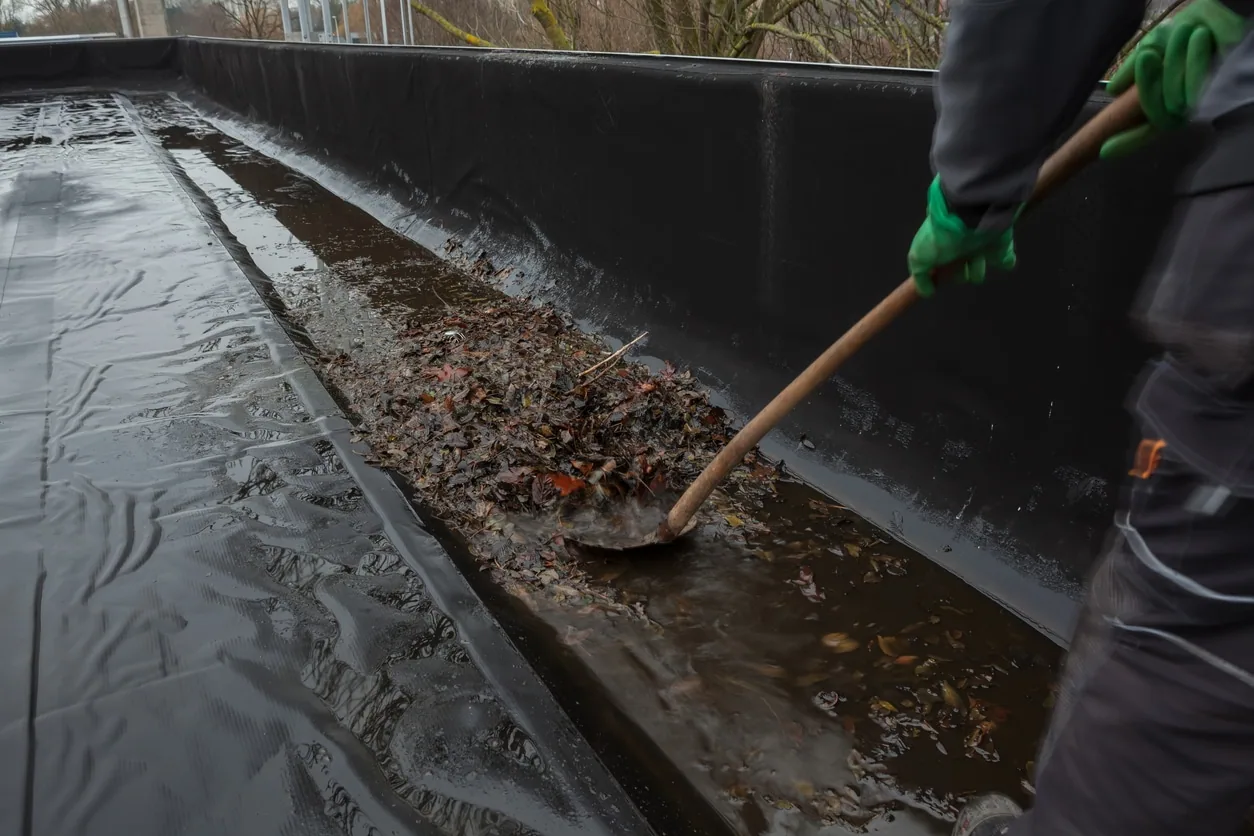
On September 1, 2021, the remnants of Ida produced New York City's first-ever flash flood emergency. A cloudburst overwhelms a drain that copes with ordinary rain, and the water rises on the parapet flashing. Snow near 30 inches in an average year, and the freeze-thaw swing that follows, open weak seams and mortar joints. Summers bring July highs near 85 F and a strong heat island. Top-floor units under dark roofs feel it before anyone else. Baskets are cleared, roof drains and scuppers are flow-tested and overflow paths are opened up ahead of each wet season.
Seasons set the routine: drains ahead of the rains, edges and flashings ahead of winter, sealants ahead of summer heat. Each check is dated and photographed.
Between seasons we walk each roof again, note which joints and seams changed and update the rating, so the owner always has a current picture of the building.
Commercial Roofing Questions
Does a flat roof replacement behind a cornice need historic review?
Often not, when it changes nothing visible from the street. Changes to the cornice, coping or visible equipment may. We confirm status first and photograph the existing edge, so the answer is based on the building, not a guess.
How is a leak between two rowhouses assigned to one owner?
A moisture map and a staged hose test at the shared wall show where water enters. The report marks the source and the roof area it belongs to. With that record, the owners can split cost fairly.
Can a ground-floor shop stay open during roof work?
Yes. Zoned work, a dry-in each shift, off-hours noise and a clear entrance keep the shop open. Interior protection goes up under the open area.
What is the first repair on an old brick parapet?
Repointing the loose joints, then reflashing. New flashing over a loose joint fails with it, so the sequence matters.
What does a Park Slope walk need first?
The roof age and the address area, plus photos of the worst drain and the party-wall junction that stays wet.