Restaurant Roofing in Brooklyn, NY
Open the roof hatch behind a Brooklyn kitchen and the membrane tells you what the line cooks have been serving. A greasy sheen around the exhaust fan, a soft black patch where the drip pan has overflowed, a trail of residue leading to the nearest scupper. Grease eats single-ply roofing from the surface down, and a restaurant roof can fail in an area the size of a doormat while the rest of the field looks fine. The dining room below never sees the problem until a ceiling tile drops into the soup of the day.
What grease does to a roof
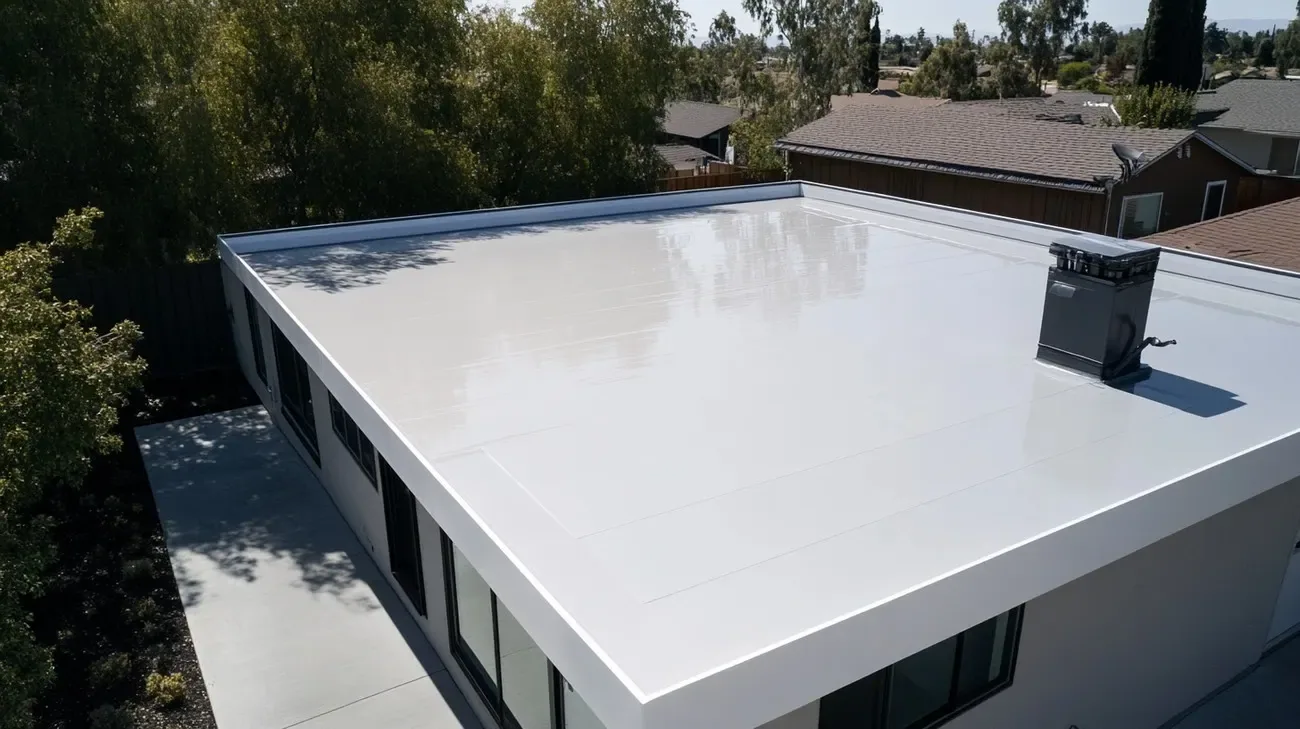
Kitchen exhaust throws fine grease through the fan and onto the roof. Over months it softens the membrane, loosens seams and leaves a smell on warm days. Some membranes stand up to grease better than others, and we pick based on the kitchen. A PVC or a grease-resistant TPO is often a better choice than an ordinary sheet, and a PVC roof near a hood exhaust is common practice.
Containment matters as much as the material. A properly sized grease tray under the fan catches what the filters miss, and a restaurant manager must empty it on a schedule. We check the tray, the curb and the nearby seams, then explain the cleaning routine in plain terms so the staff can keep it up.
Hoods, fans and curbs
A restaurant roof often has more penetrations than the building is wide. There are exhaust fans, make-up air units, walk-in cooler condensers, gas lines and vent pipes. Each one needs its own curb or boot, and each one is a place where grease, heat and vibration go to work. Fire code adds clearances around exhaust, and we leave those intact when we flash.
When a tenant changes the kitchen, the roof changes too. A new hood, a bigger fan or a relocated cooler means more holes. We prefer to see the plan first, so the roofer can set the curbs and flashings before the mechanical contractor cuts. A penetration flashing detail done properly the first time is far cheaper than a ceiling repair in the dining room.
Gas lines deserve a word. A gas pipe that crosses the roof sits on supports, and the supports sit on the membrane. If they are placed without protective pads, the sheet is crushed or punctured by foot traffic and thermal movement. We add pads or raised supports and make sure every pipe has clearance from the surface so water can pass under.
Brooklyn's restaurant streets
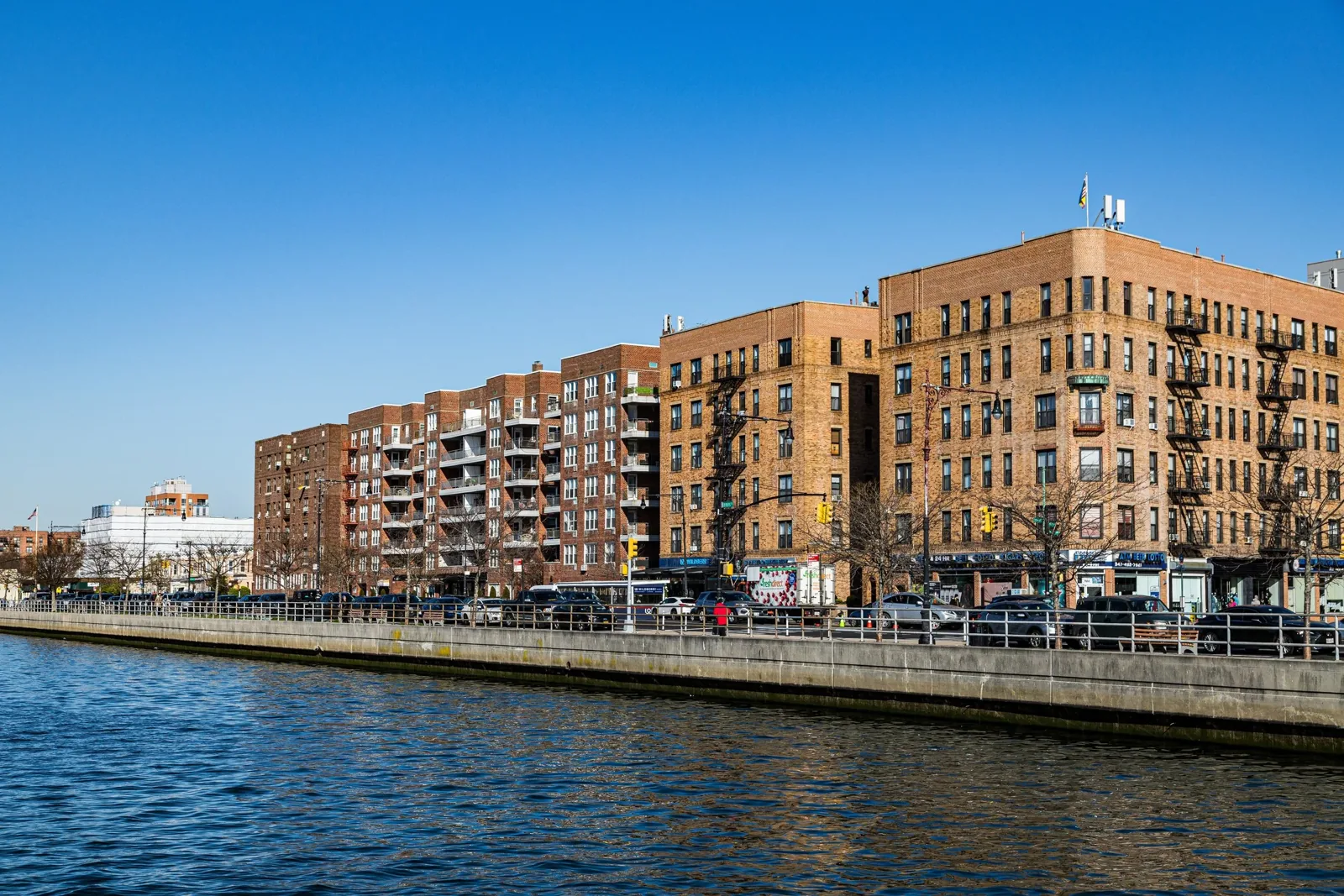
Restaurants cluster on specific streets. Sheepshead Bay's Emmons Avenue runs along the waterfront with piers, tour boats and an active seafood market. Coney Island's Surf Avenue is the main west-east street, running past attractions such as Luna Park. Vanderbilt and Washington Avenues in Prospect Heights form a commercial zone with bars, restaurants and shops. Smith and Court Streets carry the main bus routes through Carroll Gardens.
Buildings on streets like these are often small and attached, with a roof shared in practice with the neighbors on either side. On a Sheepshead Bay or Prospect Heights block the first step is finding who owns which drain, since a shared parapet is often a shared leak.
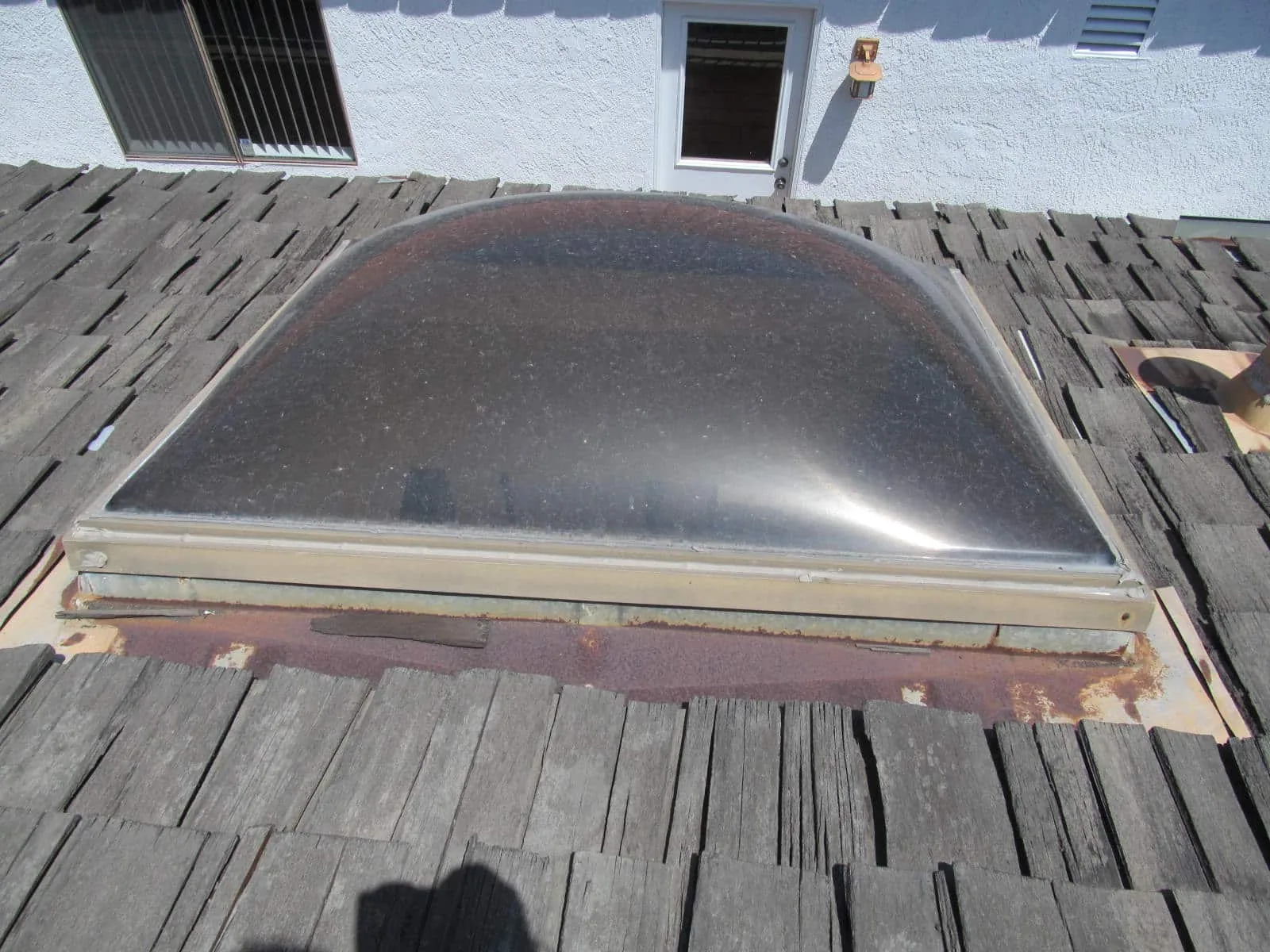
A restaurant in a converted building brings its own twist. A kitchen added to an old storefront may vent through a chimney chase or a parapet cut, and the original roof was not built for it. We trace each vent to see what it passes through and how it was flashed, since a flue through a brick wall is a path water likes.
Waterfront wind, cloudbursts and fire
Waterfront restaurants take wind and weather. On the Coney Island peninsula, about 7 feet above sea level at its highest, Sandy damaged the amusement parks and the aquarium in 2012. Wind and heat both work on roof edges and coatings, and we check metal for corrosion and fasteners for loosening.
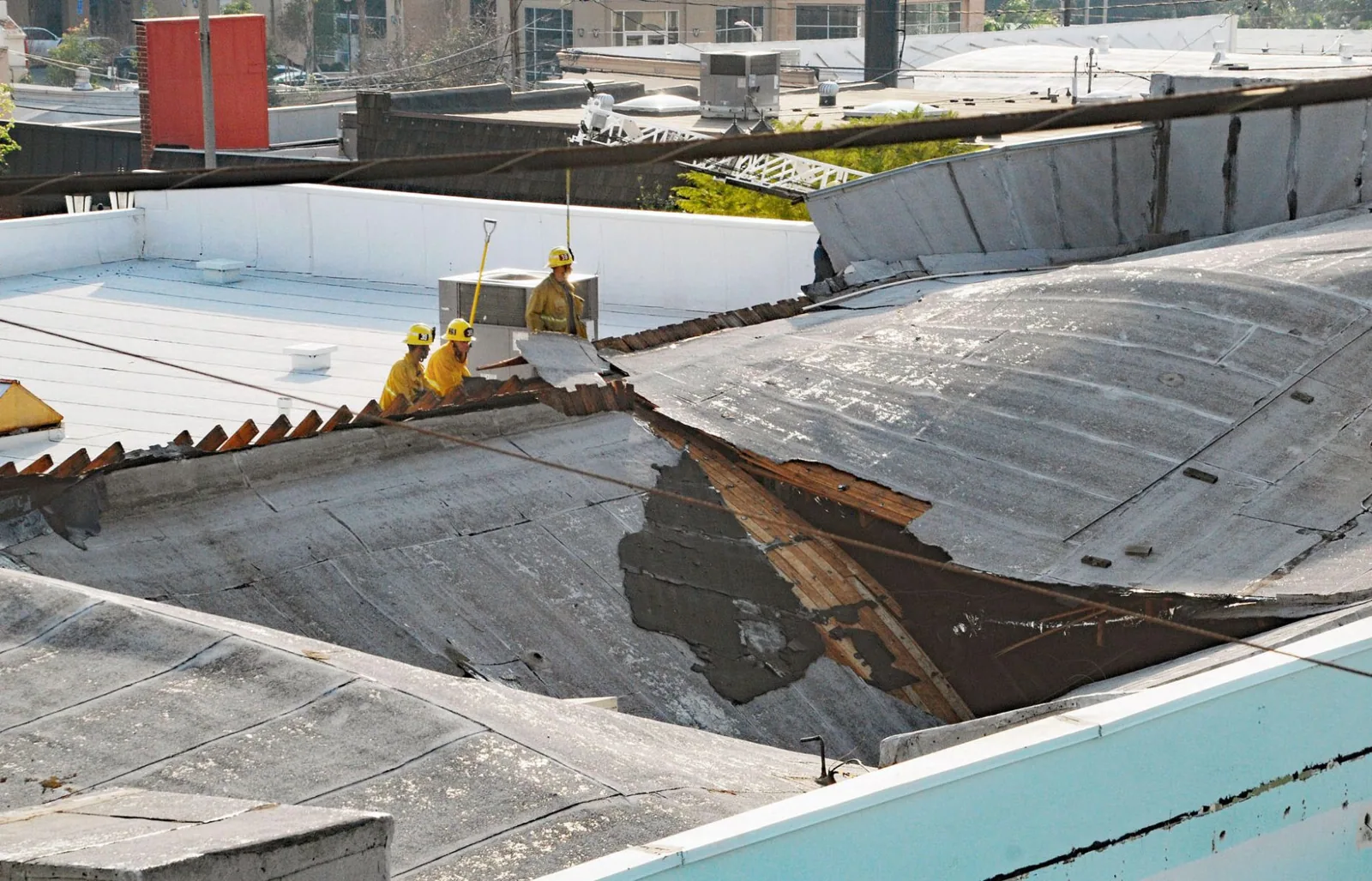
Cloudbursts matter too. Ida's remnants on September 1, 2021 brought New York City its first flash flood emergency, and a restaurant roof with a single drain is at risk. Fire is the other kitchen risk. After a grease fire the membrane near the fan may be melted or charred, and a fire damage roof repair restores the weathertight skin before the dining room reopens.
Working around service
A restaurant runs on tight hours, and the roof job has to fit. We plan tear-off and welding for the hours before lunch or after the late dinner, keep the loud steps away from dining rooms and avoid odors while the kitchen is prepping. Deliveries arrive early, and we keep the alley clear for them.
Rooftop dining adds another layer. Pavers, planters and railings sit on top of the waterproofing, and a leak below means lifting the deck. We lift a sample section at the drain each season, flood-test after repairs and keep removable access to drains. The occupied building process applies to a restaurant as much as to any tenant.
A grocery store roof on the same block runs on delivery hours of its own, so we line up deliveries and staging on a shared lane to avoid blocking either business.
Keeping the roof clean
The best restaurant roof is a clean one. A weekly visit with a broom and a bag, a monthly check of the grease tray and a seasonal look at the drains keep the membrane in good shape. A preventive maintenance program handles the rest, with a photo record of each fan and curb.
Owners with a small group of restaurants can compare roofs across locations. A hotel kitchen roof follows the same grease rules at a larger scale, and the plan for one often helps the other.
Commercial Roofing Questions
How do I tell if grease is damaging my roof?
Look near the exhaust fan for dark, slick patches, soft or swollen membrane and residue trailing toward a drain. If the sheet feels spongy or the seams have lifted, grease has already done harm. We probe the area and take a core when needed. Cleaning the surface sometimes helps, but a softened sheet should be cut out and replaced rather than washed.
Can the roof be repaired while the kitchen is open?
Small repairs can be done during the day if the work is away from air intakes and exhaust. Larger work is scheduled for hours when the kitchen is closed, and we shut or protect intakes near the work. We also keep a spotter on the roof near any open hood discharge.
What is a grease tray, and who maintains it?
It is a shallow pan or containment under the exhaust discharge that catches grease before it reaches the roof. The restaurant's staff or hood-cleaning contractor empties it, and we check that it is the right size. If the tray overflows regularly, it is too small or the filters are not catching enough, and either one is worth fixing before the membrane suffers.
Does a rooftop dining deck affect warranty or repair access?
It affects access, since pavers and planters must be lifted to reach the membrane. We design removable sections at drains and note their locations so the next repair does not mean tearing up the whole deck.
What should a restaurant owner send to start a scope?
Send the address area, the roof age, photos of the exhaust fan area and the worst drain, and the location of any dining-room ceiling stains. Tell us the days and hours the kitchen is closed. Photos of any kitchen changes since the roof was last worked on save time.