Commercial Roofing in Sheepshead Bay, Brooklyn, NY
Salt shows on a roof before water does. Run a thumb along a fastener head or a cap flashing on a building near the bay and look at the color of the metal. A rusty bloom, a pitted edge or a white crust at a seam says the air has been working on the roof for years, and that the sealant underneath has likely hardened. Along Emmons Avenue's waterfront, piers, tour boats and an active seafood market put the commercial buildings in that air every day. The roofs there tend to be small and busy, with restaurant kitchens below and exhaust fans above. The field gets walked, the soft spots marked and the flashings photographed before any scope is written.
Emmons Avenue and the waterfront
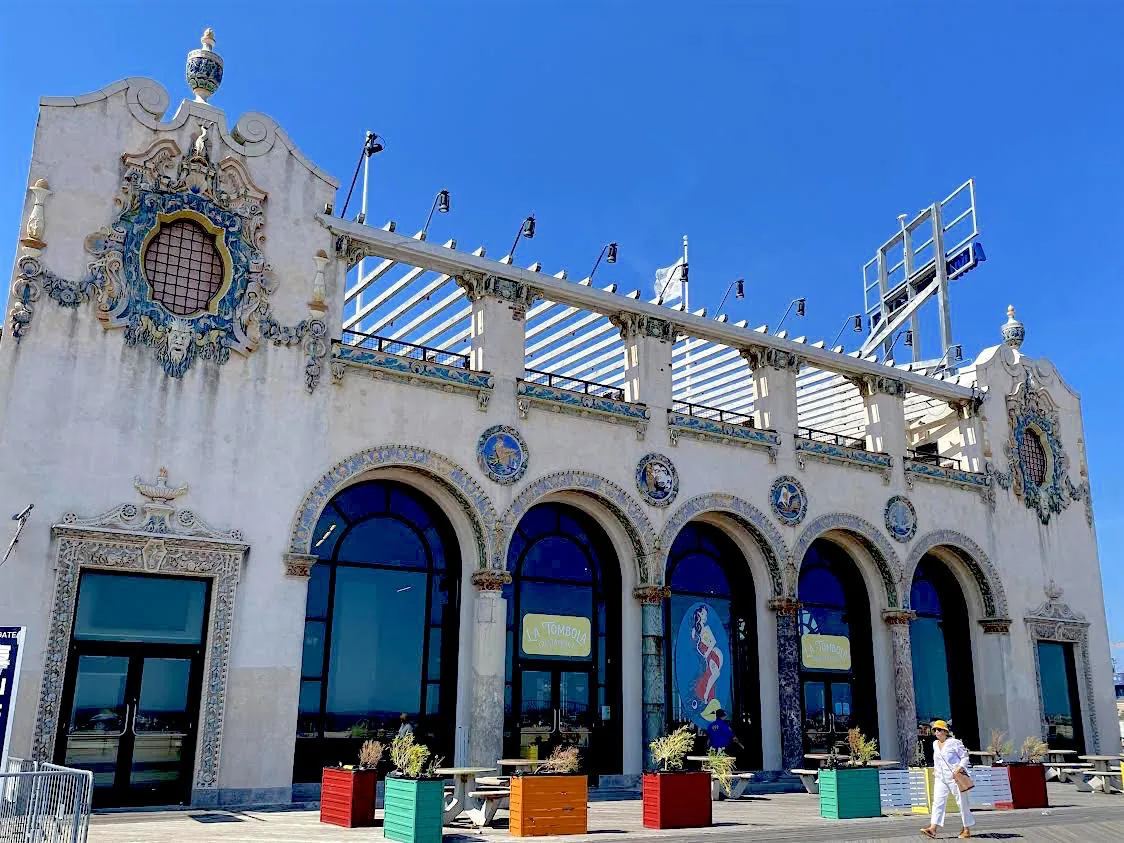
A 1970s maritime zoning district on Emmons Avenue promoted waterfront development, and the avenue holds restaurants, the seafood market and the piers where tour boats dock. A walk shows how a given building is roofed. What we check is the same on each: the parapet and coping, the flashing at the walls, the drains and the rooftop equipment.
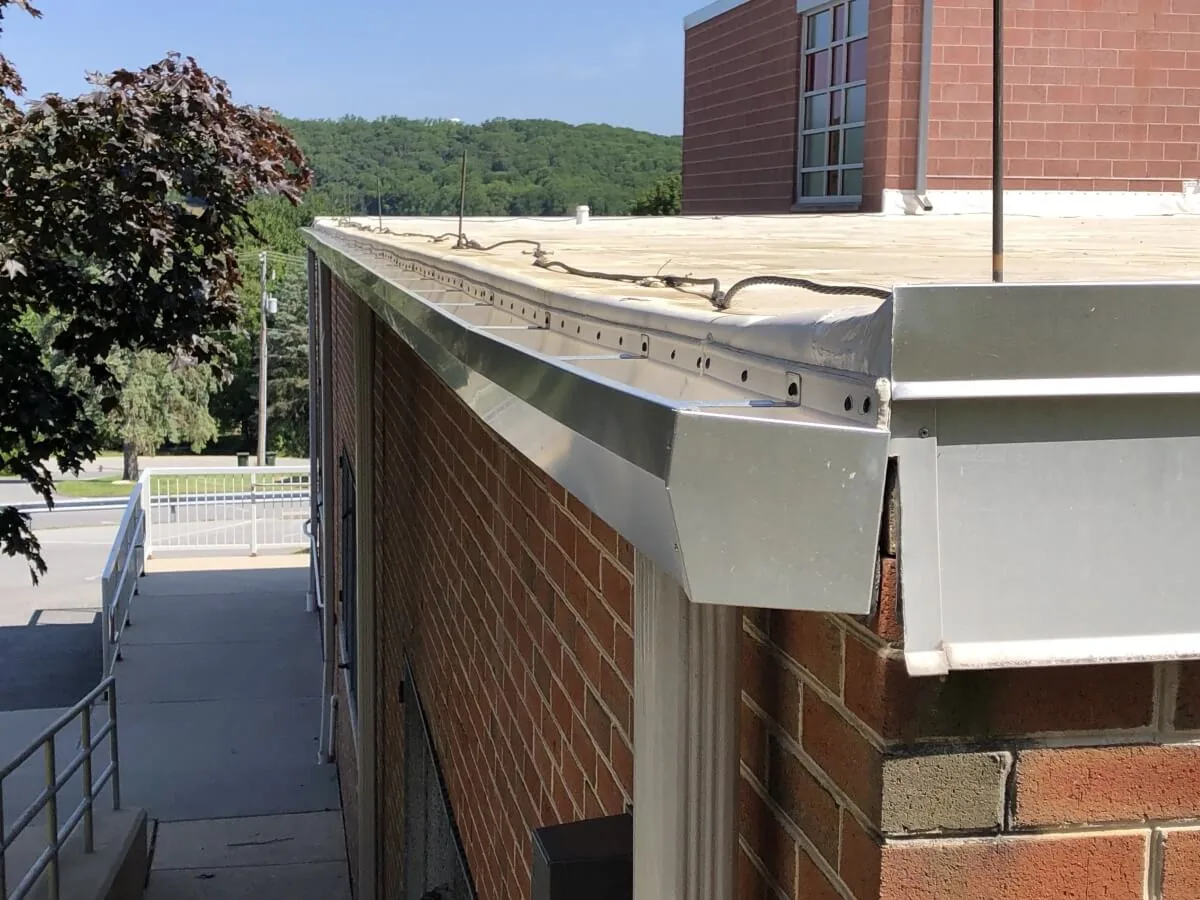
Wind off the water reaches the roof edge first. Loose edge metal and open coping joints give a storm a place to start. The metal gets a pull test, the fasteners a check and the membrane corners a read. Photographs of each stretch go into the file, which lets an owner show an insurer the edge's condition ahead of the season. Edge metal is typically the cheapest place to protect the most roof.
Piers and boat traffic bring one more factor: spray and mist that carry salt farther than a calm day suggests. Metal near the water corrodes first, and a cap flashing or a gravel stop in poor condition gives wind a lever. We replace corroded parts with ones that suit the exposure and reseal joints with a sealant rated for it.
Kitchens under the roof
A restaurant puts exhaust fans, makeup air and grease hoods on the roof, and each one is a penetration. Cooking grease is hard on some membrane materials, softening the surface and pooling in low spots. The area around a kitchen exhaust is where we look hardest.
We map every fan, check each curb for flashing height and sealant condition, and look at how grease has traveled across the membrane. Where it has, we suggest a cleaning schedule or a protective detail. A leak into a dining room costs a night's service, so repair is scheduled for the quiet hours. Each restaurant roof gets its own line in the building file.
Exhaust ducts that run through the roof add their own flashing, and a duct that was cut in later may have been sealed with whatever was on the truck. We check each one for a proper boot or curb and rebuild any that are patched.
The seafood market and wet work
A seafood market has wet floors, ice, refrigeration and a lot of water use, and the roof above carries condensers and exhaust. Refrigeration units sit on frames or curbs, and their drain lines can leak onto the membrane. Moisture inside the building also rises to the underside of the deck and condenses there, so a stain on the ceiling is not always a roof leak.
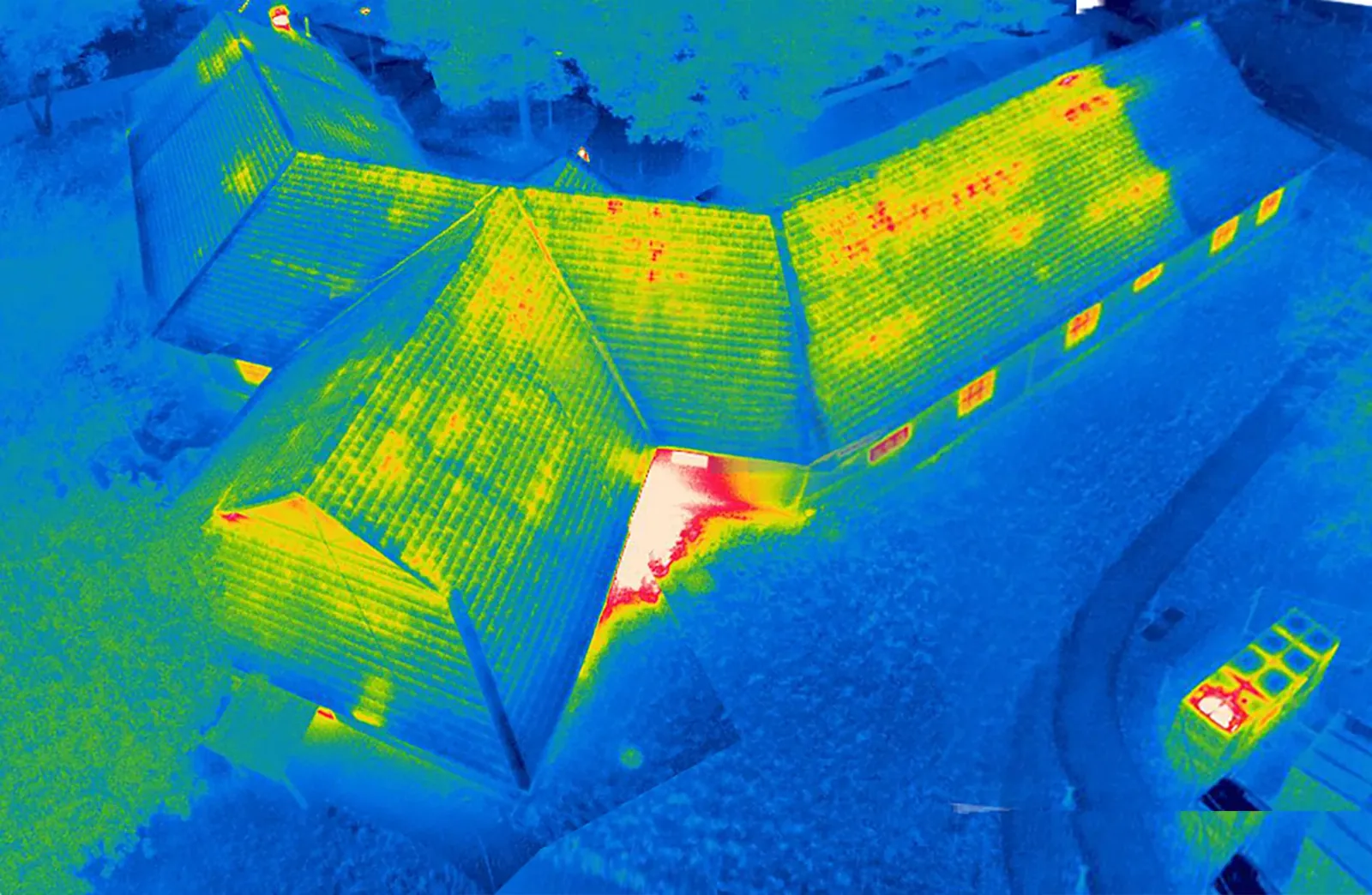
We separate the two with a moisture scan and a look at the underside of the deck. When the insulation is wet from underneath, a surface patch fixes nothing; the air path has to change. If it is wet from above, we trace the entry and repair it. An infrared moisture survey gives the owner a map of both.
Drains matter extra on a wet-use building. Hose-down water, ice melt and fish scales find their way to roof outlets through leaders that share lines with other drains, and a clogged leader backs water onto the roof. We trace the leader where access allows and clear it.
Business streets and older buildings
Sheepshead Bay Road, Avenue U, Ocean Avenue and Nostrand Avenue are main business streets, and Kingsborough Community College is nearby. Buildings along them vary in age, and so do their roofs. Cores show how many layers sit on the deck, and that count decides whether another recover is allowed. The Shore Parkway stretch of the Belt Parkway, open since 1941, shapes how delivery trucks reach the area. We plan staging, hoist position and delivery windows before work starts. Neighbors in Mill Basin, Coney Island and Midwood share some of the same building types.
Older masonry buildings on these streets often carry cornices and parapets that need repointing before any new flashing goes over them. The mortar joint comes first, since flashing over a loose joint fails with it.
Storm surge, cloudburst, snow and heat
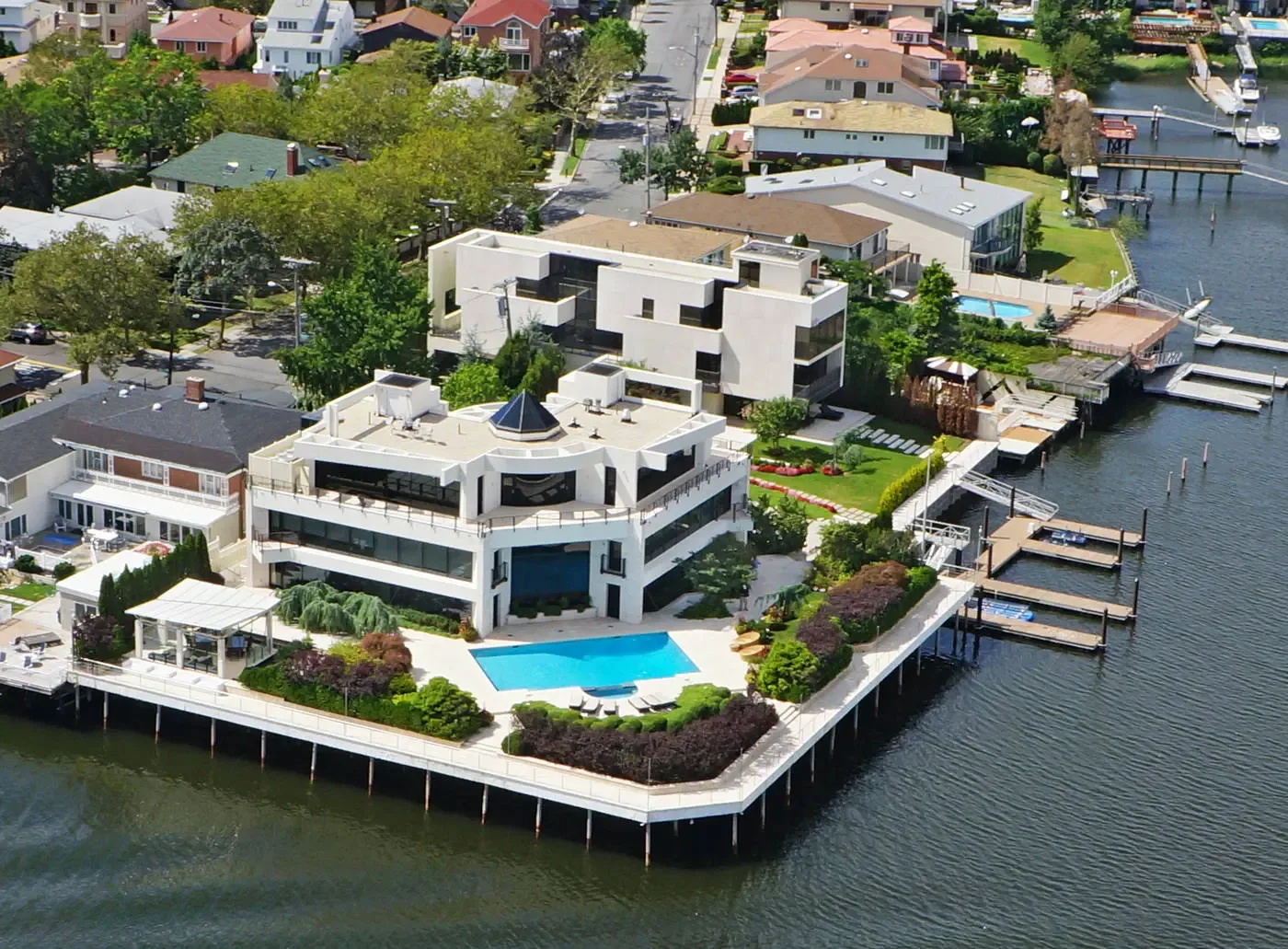
Coney Island and Brighton Beach sat in the evacuation zone when Sandy came through in October 2012. A roof does not flood, but the wind and rain that come with a surge reach it first. Ordinary rain is no trouble for a drain, but a cloudburst like Ida's in 2021 can choke it. Snow of about 30 inches a year, including a 27.3-inch day in January 2016, adds its own load. Heat compounds the salt, since a strong heat island holds rooftops warm when July highs reach 85 F. A dark roof over a kitchen is hot work for the people below. Before each season we walk the drains, the seams and the edges.
Each check is dated and photographed, which supports an insurance claim if a storm does damage.
The fix in order
Clear the drains and the fan curbs. Scan and core. Sort the roof into repair, recover and replacement. Repair flashings and sealants first. Under a worn but dry surface a coating or a recover may fit, and wet insulation comes out. Price follows access and the number of penetrations. Work is scheduled around service hours, and winter work is mostly repair and dry-in. Before a restaurant roof is opened, the manager marks the prep hours and the delivery windows on the plan, so loud steps and fumes land when the kitchen is dark. A walk-in cooler or a fish case under the roof gets the same treatment: the crew learns where the cold rooms sit, keeps tarps and dry-in material ready over them and closes each section before the afternoon thundershowers that are frequent on the bay in summer.
Commercial Roofing Questions
How does salt air change the way a roof is repaired?
We use fasteners, trim and sealants that suit a marine exposure, check for corrosion at laps and edges and replace parts that have pitted. The goal is to keep a coastal roof from needing the same repair twice.
How do I tell whether a ceiling stain is a leak or condensation?
Match the stain to the weather. A leak follows rain. Condensation follows cold, humid days and busy kitchen hours. A moisture scan and a look at the underside of the deck separate the two.
Can a restaurant stay open during roof work?
In most cases yes. We schedule noisy stages for off hours, keep air intakes clear of fumes, dry in at the end of each shift and protect the interior below the work area.
Why does the membrane stain around a rooftop fan?
Kitchen exhaust carries grease and moisture that settle on the sheet near the fan, and a stained, softened membrane there often means the curb flashing or the fan base is leaking. The fix starts with cleaning the area, checking the curb corners and resealing or rebuilding the flashing.
What gets a Sheepshead Bay walk booked?
Send the address area and roof age, along with a drain photo and a photo of the fan curb that stains most.