Commercial Roofing in Midwood, Brooklyn, NY
A big apartment roof tells its story at the bulkhead. Climb out onto the roof of one of the large buildings along Ocean Parkway and the door housing the stairs, the machine room and the rows of vent stacks are where the old tar and the new patches meet. Look at the base of the bulkhead wall, where it rises out of the membrane. A hairline crack in the flashing there is how a top-floor ceiling stain starts, and the tenant on that floor will report it long before a manager walks the roof.
Midwood, Brooklyn, NY gives a roofer a spread of building types in a small area: big apartment buildings, shop rows on the main avenues, offices, and storage space. The flat roofs on all of them take the same weather, but a roof that covers a full stack of apartments fails differently from one that covers a single shop, and the plan for each should be different. We start with the roof's use, then move to its weak points.
Large apartment roofs on Ocean Parkway
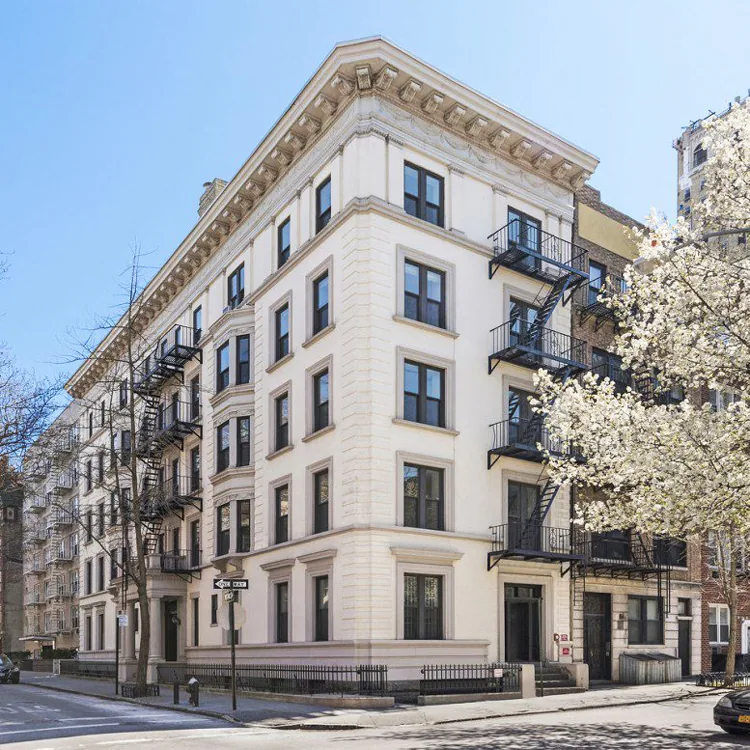
Large apartment buildings line Ocean Parkway, and their roofs have the features of a big residential flat roof: a tall parapet, one or more bulkheads, roof drains at several low points, and a crowd of mechanical items such as exhaust fans from bathroom risers. A residential roof is occupied underneath on every floor, so a leak is never a private matter. We trace water from the stain to the roof by counting floors and measuring from the nearest riser, then probe the flashing near that spot.
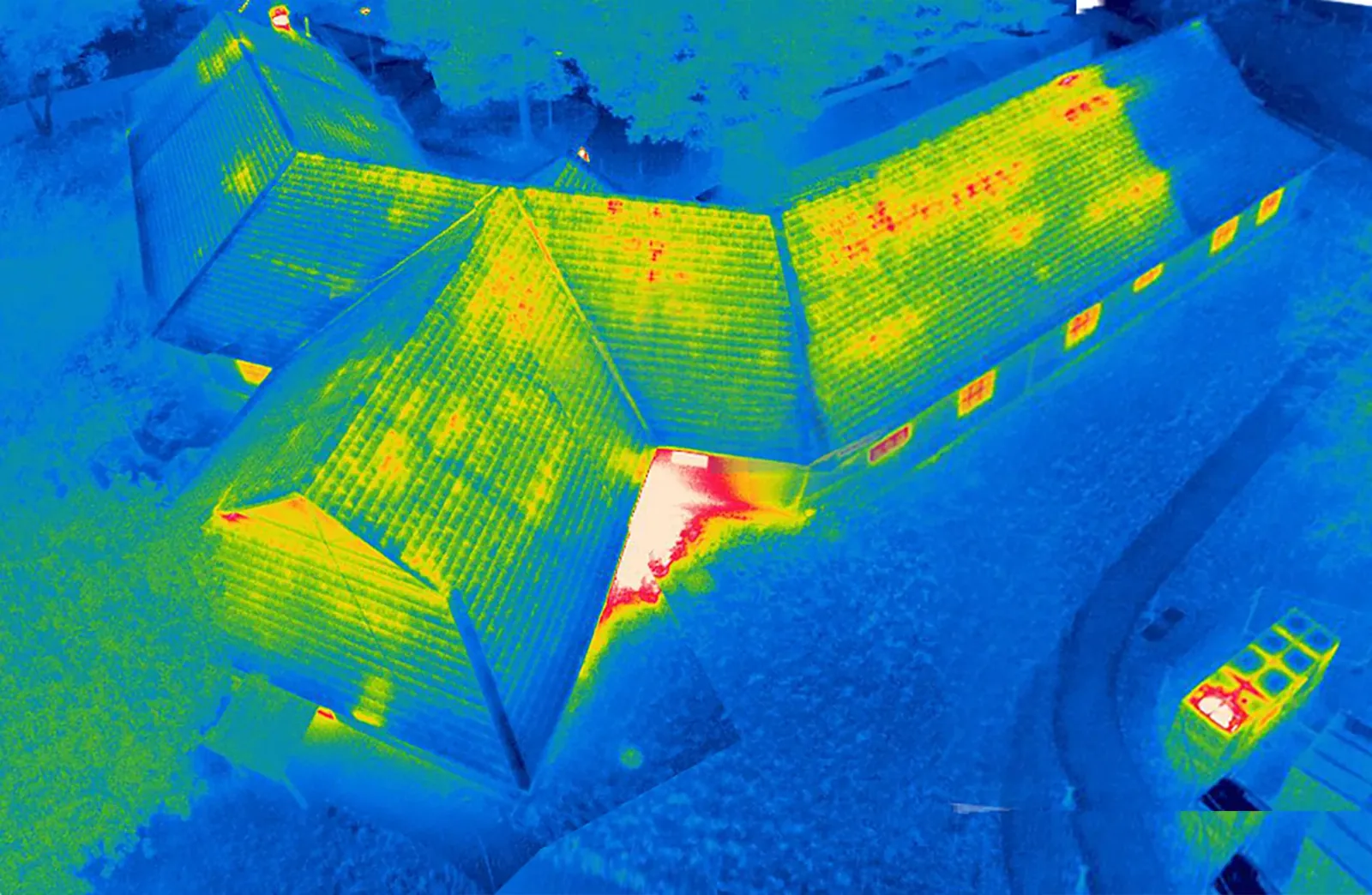
On a roof of this size, the first decision is whether to repair, restore or replace. A membrane with sound insulation and aging flashing can take a systematic flashing renewal. One with wet insulation must be opened in areas, and we find these with an infrared moisture survey at dusk, when wet insulation holds heat longer than dry. A co-op or condominium board needs a scope with sections and costs by area, and the apartment roof plan is written that way.
Shop rows on the avenues
Kings Highway, Avenue J, Avenue M, Nostrand Avenue and Coney Island Avenue are main shopping streets, and the roofs behind their storefronts are a patchwork of ownership. A single row can have a dozen roof sections at different ages, each with its own owner and its own idea of maintenance. Roofs like these suffer where one section meets the next: the parapet shared between shops, the step where one roof is higher than its neighbor, and the drain that serves two units but is cleaned by neither.
We look first at the back of the building, where exhaust ducts, satellite dishes and storage racks are strapped to the roof. Each leaves holes, loose fasteners and a path for water. A tenant-installed unit that was never flashed is a frequent source of a leak on this kind of building, and it is simple to fix once someone finds it. For landlords with several shop roofs, we write one report with photos of each, so priorities are easy to set.
Offices and storage in a former studio complex
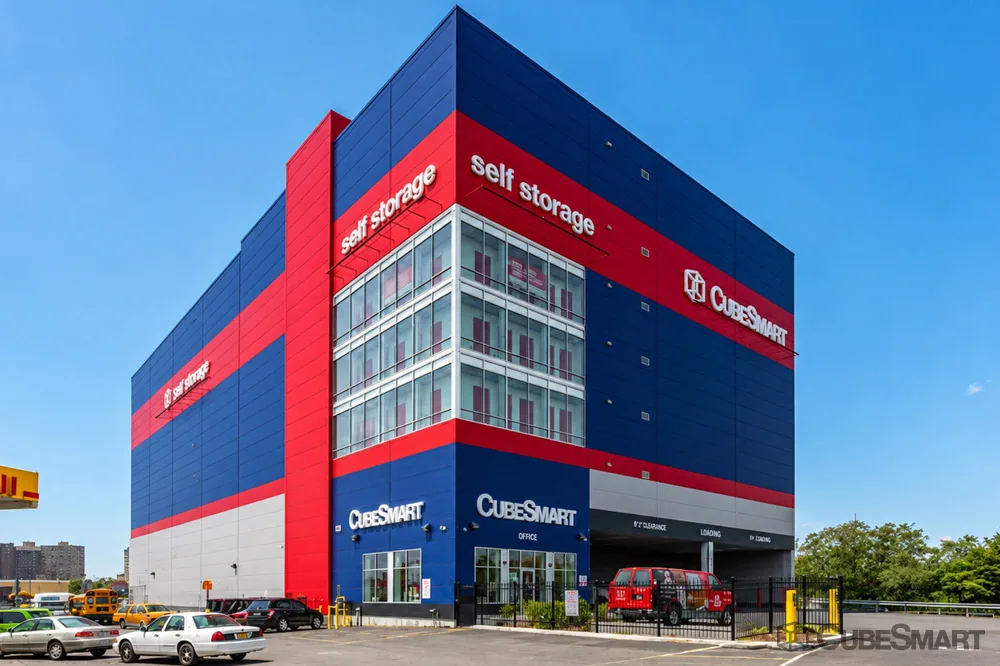
A former film and television studio complex in Midwood now holds offices and self-storage. Two uses share the complex, and they treat a roof differently. Self-storage tends to be a long, low building with a large uninterrupted roof area and few penetrations, so the main risks are the seams, the fasteners and the edges. Offices are the opposite: smaller roofs, more equipment, and tenants who notice a drip. A self-storage roof may justify a coating to extend life, while an office building roof with heavy equipment needs a close look at every curb.
Converted industrial buildings often have an older built-up roof under newer layers. Cores reveal the layer count on the deck and whether the lower layers are dry, which decides between a recover and a full tear-off.
Near Brooklyn College
Brooklyn College forms the northern boundary of Midwood, and the blocks near a college carry the kind of mixed buildings that depend on predictable maintenance: academic buildings, apartments for students and staff, small offices, and shops. The roofs of institutional buildings of this kind are managed on a calendar, and a college roof is planned with summer work windows in mind. For private owners nearby, the same logic helps. Roof work done in July and August, outside the freeze-thaw months, gives adhesives and sealants the temperatures they need to cure.
Snow, ice and cloudbursts
A New York winter brings snow near 30 inches a year, and a single day, January 23, 2016, dumped 27.3. A roof that held up for years can fail in a week when a heavy snow turns to ice at the drain. Ice dams at a low parapet scupper push meltwater behind the flashing. After a storm like that we check scuppers, drain baskets and the upper edge of base flashings. In summer, late-day thundershowers and the strong urban heat island swing the same roof from hot and dry to soaked within an hour, which stresses seams. A snow and ice damage repair is usually a flashing and drain job, rather than a field job.
The fix in order
The sequence holds across building types. Clear drains and scuppers. Walk the field and mark soft spots. Probe parapet flashing, bulkhead bases and every curb. Take a moisture scan if the building is large. Then give the owner or board a plain scope: repair now, restore in the next season, replace when funding allows. Price follows roof size, the amount of equipment, access to the roof and how much insulation must come out. Neighbors in Flatbush and Sheepshead Bay face the same weather, and the walk is the same.
Commercial Roofing Questions
How do we trace a top-floor ceiling stain to the roof of a large apartment building?
Start from the stain and count floors to the roof, then look at the closest riser, bulkhead, drain and parapet. Water often travels along the deck before it drops, so the entry point may be several feet from the stain. We wet-test the suspect flashing with a hose, one section at a time, while someone watches the ceiling below.
Who decides between repair and replacement for a condominium or co-op roof?
The board does, and it needs numbers. We write the scope in sections with a cost for each, a ranking of urgency and the condition of the insulation under each section. That allows the board to approve a repair at once and plan the larger work for a budget cycle.
Can a self-storage roof be coated instead of replaced?
Often, if the membrane is intact and the insulation is dry. A coating needs a clean, sound surface, repaired seams and fasteners, and good drainage. We test for wet insulation first, because a coating over wet material only hides the problem. Where the roof has areas of ponding, they are corrected before the coating goes on.
Why do shop roofs on busy avenues leak at the back first?
The back of a building collects the equipment. Exhaust ducts, antennas, cables and signs all pass through the roof, and tenants add them without a roofer. Each hole is a flashing detail, and many were never sealed. A single walk at the rear of a row usually shows the cause.
How do I arrange a Midwood walk?
The roof age if you have it, the address area, the number of floors and photos of the worst drain and the bulkhead base show whether a moisture scan should come first.