College and University Roofing in Brooklyn, NY
Go to the top of a campus building in Brooklyn and count the roof types you can see from one spot. A masonry hall with a deep cornice, a low flat addition tied into it, a laboratory with a forest of exhaust fans and a newer glass-and-metal block with its own mechanical deck. College roofing is a collection of small jobs, each with a different owner inside the same institution, and each with a different answer. We start by learning which roof belongs to which department, because a leak over a lab and a leak over a lecture hall are not the same call.
The old halls
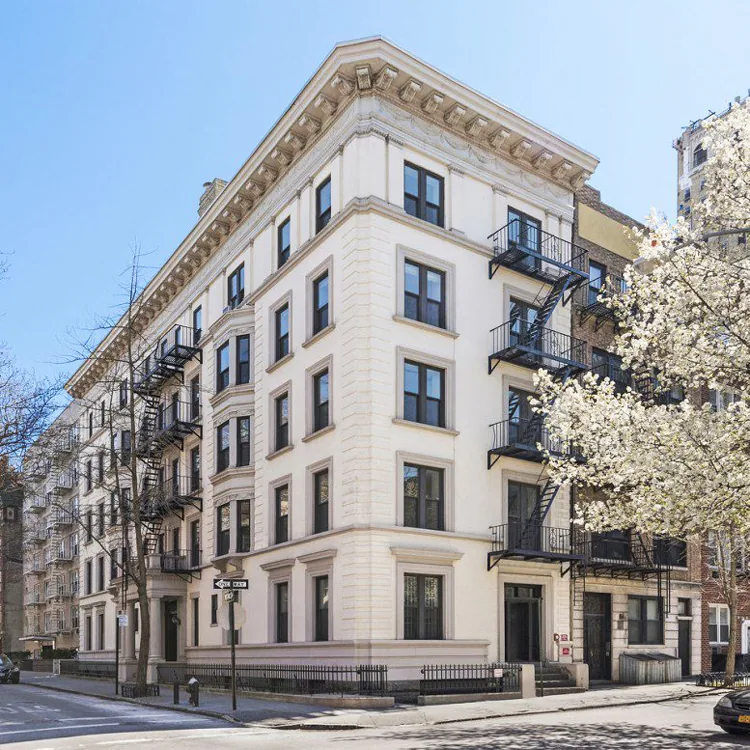
Pratt Institute in Clinton Hill was founded in 1887 and has many landmarked buildings. Brooklyn College occupies a 35-acre campus shared with Midwood. Landmarked and older academic halls bring their own roof questions: slate or tile at the steep sections, built-up or modified bitumen behind the parapets, copper or lead-coated flashing at the cornice, and brick walls that have drunk water for generations.
Work on such halls begins with the wall. We check the coping, the through-wall flashing and the mortar before we touch the flat roof, because new roofing tied to a failing edge will not last. Where a building is landmarked, approvals and materials have to match, and we plan for the review time before the work begins.
Medgar Evers College in Crown Heights and Kingsborough Community College near Sheepshead Bay show how different campus roofs can be inside one borough. Each roof is read against its own setting, not against a generic campus.
Where campus roofs let go
On a campus building the failure usually starts where two eras meet. A newer addition was tied into an older hall decades after the original roof went on, and the joint between them takes the movement of both. We find open laps at the tie-in, cracked sealant on the wall and a through-wall flashing that never reached the brick.
The second pattern is mechanical. Academic buildings accumulate rooftop units, exhaust fans and antennas the way a lab accumulates equipment, and each addition adds a curb and a hole. We map them all, remove the abandoned ones and rebuild the flashing that remains. Crowded equipment decks also pond water around the supports, so we add walkways and raise the base of any unit that sits in a low spot.
The third pattern is neglect of drains. Leaves, grit and construction debris collect, and a clogged basket on a low-slope roof can hold enough water to stress the structure. A short cleaning visit before each term costs little and prevents the stains that interrupt a lecture.
Labs, vents and fumes
A laboratory roof is crowded with fume hood exhausts, make-up air units and ductwork. Chemical vapor can age a membrane in the discharge zone, and a leaking joint near an intake can pull fumes inside. We ask which vents serve which rooms, review the exhaust chemistry with the safety officer and select a membrane and flashing that can handle it.
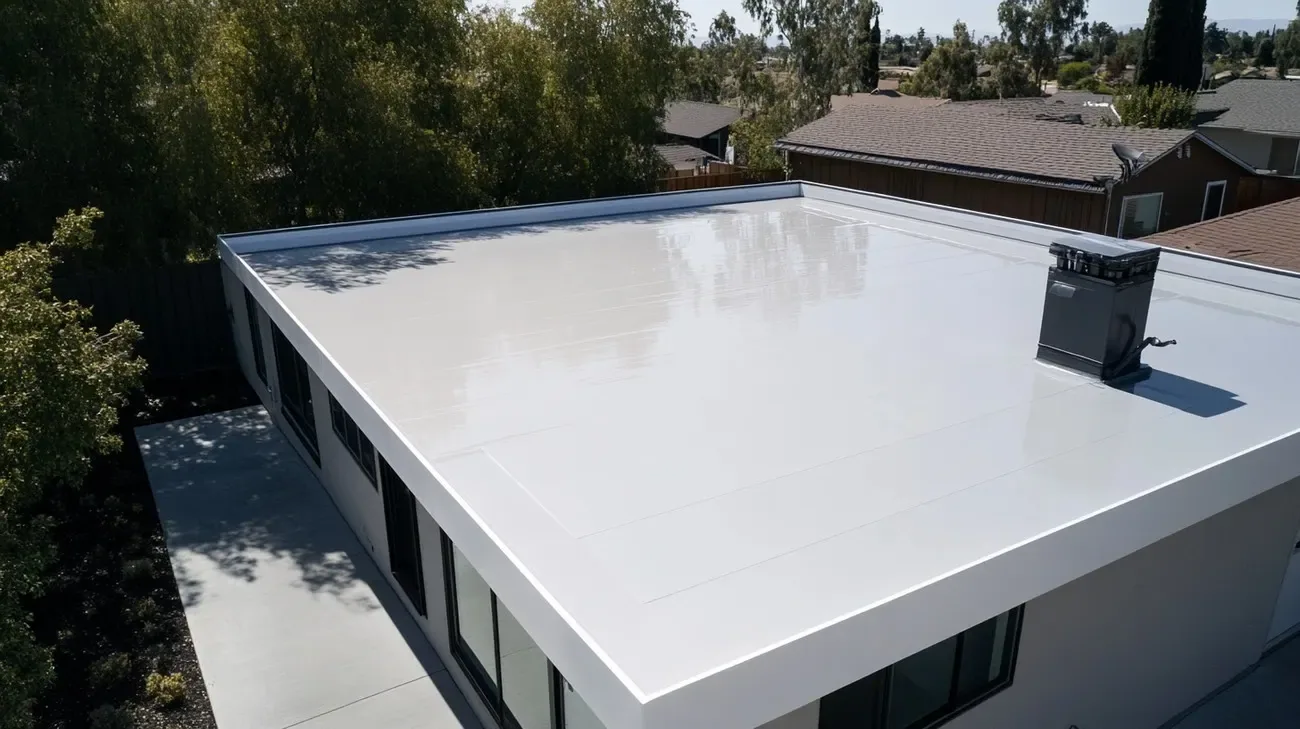
PVC is common near chemical exhaust because it resists many chemicals, though we confirm compatibility case by case. Walkway pads, raised supports and clear sightlines keep technicians from stepping on seams. A PVC roof over a lab wing gets the pads first.
Downtown and the urban academic block
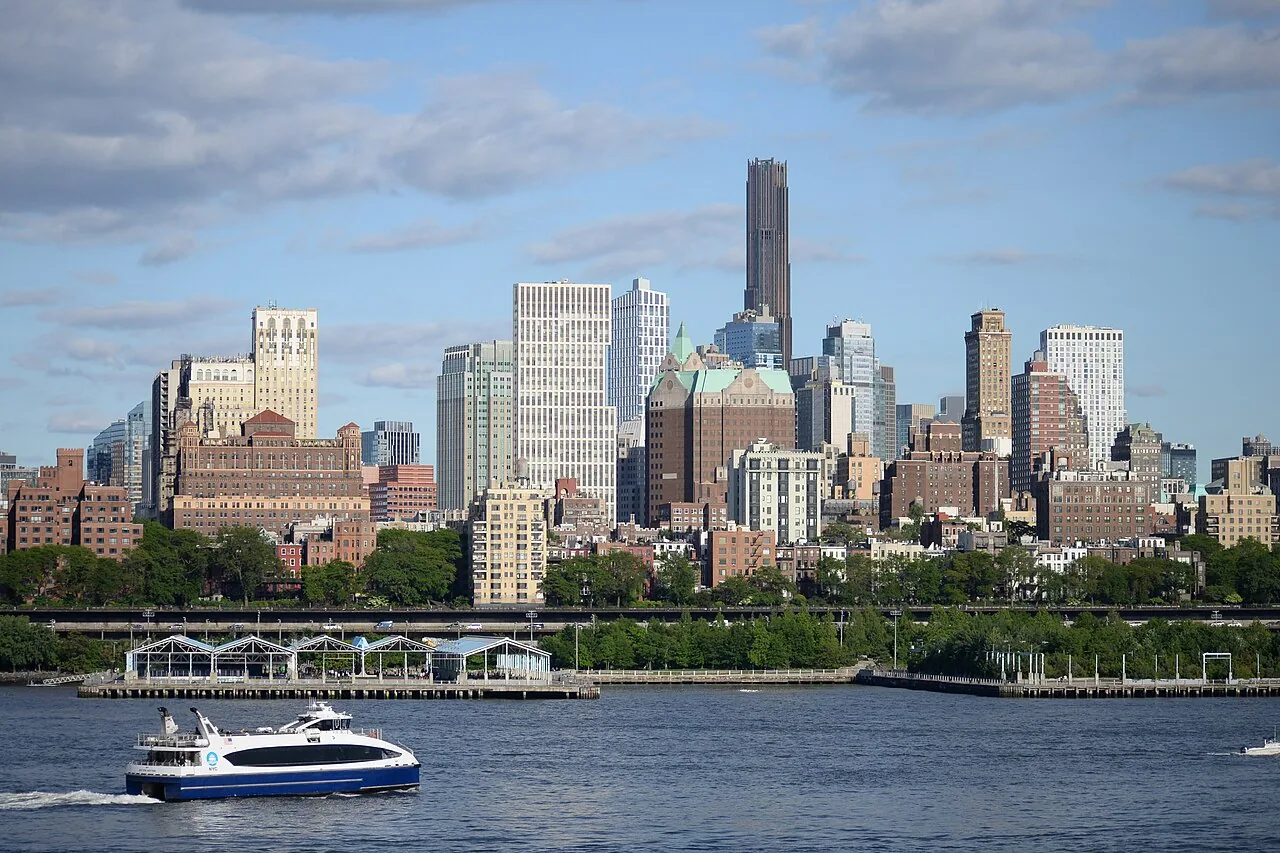
Downtown Brooklyn holds NYU Tandon, NYC College of Technology and LIU Brooklyn, along with MetroTech Center and the borough's courthouses. Academic buildings in dense districts like this are squeezed against their neighbors. A roof edge may sit a few feet from another building, hoisting is limited by sidewalks and street permits and the schedule has to respect classes and exams.
On a Downtown Brooklyn job the plan covers the crane or hoist, pedestrian protection and the neighbors. Crews load out early or late, and materials are lifted when the street is quiet.
Terms, breaks and finals
The campus calendar sets the roof schedule. Summer and winter breaks are the main windows for tear-off, while term time is for repairs, inspections and quiet work. Finals weeks are off limits for anything loud. We keep a calendar from the facilities office and build the roof plan around it.
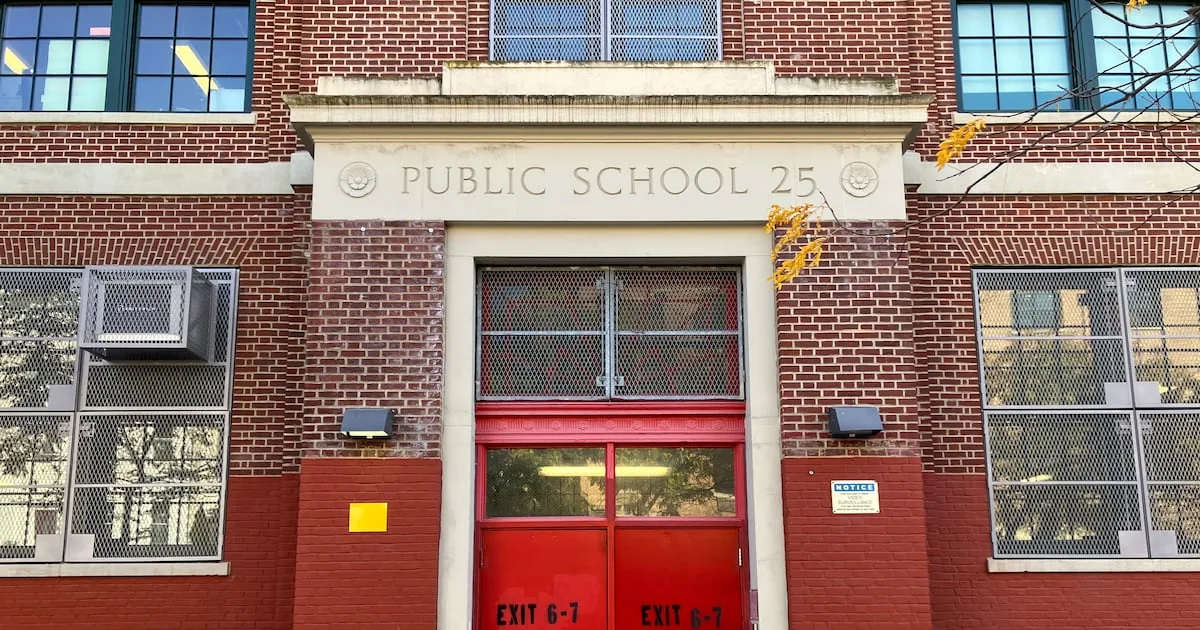
Dormitories deserve extra thought. Students live there at odd hours, and a morning tear-off above a bedroom is an unpleasant surprise. We schedule noisy steps for hours when the floor below is empty and post notices well in advance. Similar thinking applies to apartment roofs, and a college's laboratory school or training building follows a school roof schedule.
Snow, heat and cloudbursts
Every weak seam is worked by snow near 30 inches a year and the freeze-thaw swing. July highs near 85 degrees and a strong heat island keep roof surfaces hot into the evening. The city's first flash flood emergency came with Ida's remnants on September 1, 2021.
On a campus, those conditions show up as ponding on low-slope additions, ice at roof drains and blistering on dark membranes. We add overflow drains, white or light membranes and heat trace where leaders cross cold spaces. A cool roof installation also helps campuses that report on energy use.
One campus, many roofs
Facilities offices can manage dozens of roofs with a small team. We help by ranking the roofs, keeping a photographic record and building a multi-year plan that matches the capital budget. A multi-building roof program turns scattered repairs into a schedule, and a public agency or a private institution can use it in the same way.
When a building is added or a department moves, the plan updates. The roof file always shows what is on top, who maintains it and when it was last inspected.
Insurance also matters. After a windstorm or a cloudburst, a campus may have dozens of roofs to document in one week. A systematic photo record of each roof before the storm turns a claim from an argument into a comparison, and the claim documentation we prepare uses it directly.
Commercial Roofing Questions
How do you schedule roof work around exams and move-in?
We ask for the academic calendar and the move-in dates before any scope is written. Noisy steps move to breaks, quiet repairs fit term time and the last day of work always lands before students return. If the schedule is tight, we phase the roof by wing. A short pre-term walk with the facilities office confirms what is open and what is closed.
Do landmarked buildings need different materials?
Often. Landmarks review can affect visible roof edges, flashing metal and parapets. We plan the approval time into the schedule and select materials that satisfy the review while meeting the performance the roof needs. Slate, tile and copper details often have their own repair methods, and we match them rather than substitute.
Can a research lab stay in operation during roof work?
Usually yes with coordination. The lab safety officer identifies exhaust and intake locations, we protect or relocate sensitive equipment and the work above the lab runs in the hours the researchers choose. Some experiments need the building quiet, and we respect.
What kind of roof suits a dormitory?
A quiet, low-odor system suits it best. Adhered or mechanically attached single-ply sheets generate less noise and fumes than hot asphalt, and cool roofs cut summer heat in top floors. We also mark access routes to protect residents.
What does a facilities office need to send first?
Send the building name or address area, the roof age, the department that uses the space below and photos of the worst drain and parapet. A list of known leaks with dates helps us rank the roofs.