Roof Insurance Claim Assistance in Brooklyn, NY
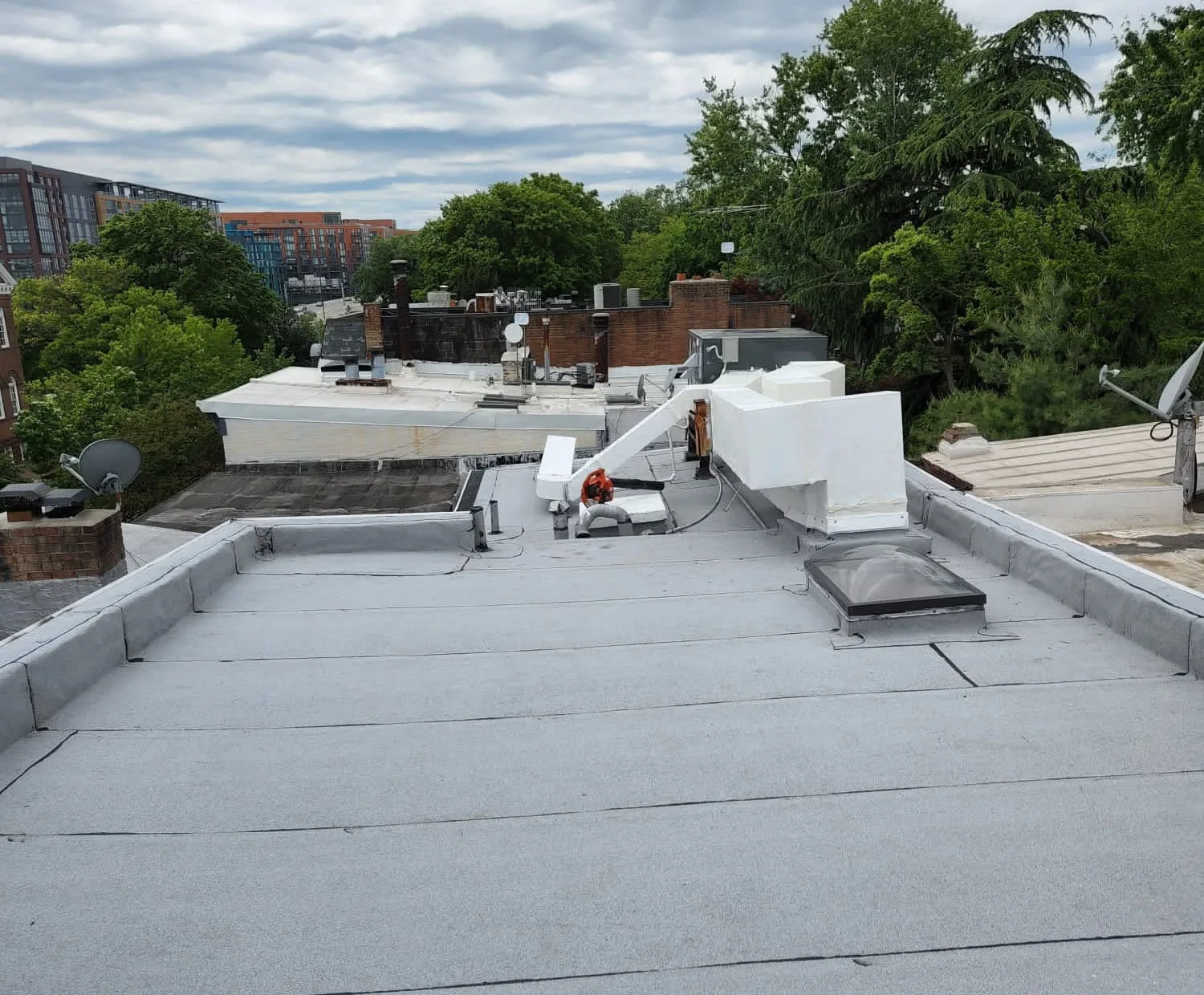
Most roof claims stall on one sentence from the adjuster: this looks like wear. Wear is what insurers do not pay for, and every old flat roof has some. The way through is a record that shows what the roof looked like before the storm and what the storm changed. A dated photo of an intact parapet, a maintenance log from the spring and a moisture scan taken the week after the rain carry more weight than any letter. On a Brooklyn, NY roof, where tar-and-gravel layers hide old repairs, that record is worth setting up before the claim, not after. Pull the last maintenance report before you call the carrier.
We document roof damage, scope the repair and talk through the findings with owners, brokers and adjusters.
The four records that carry a claim
First, the before: the last inspection, the last maintenance visit and any earlier moisture scan. Second, the event: dated photos, the weather record and notes from the super. Third, the survey: a roof plan with each damaged area marked, measured and photographed. Fourth, the scope: line items with quantities, split into emergency work and permanent work.
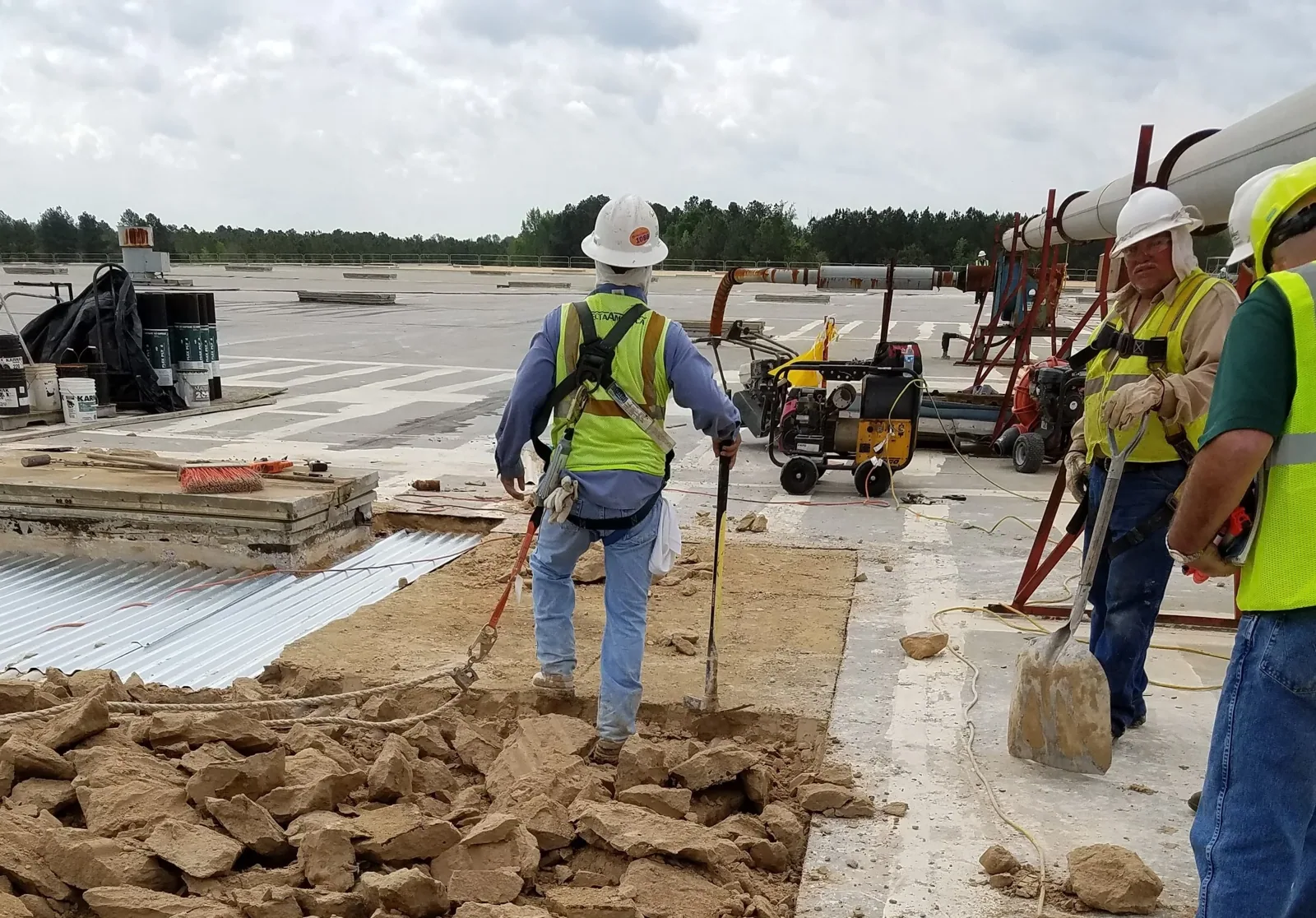
Each record answers a question. The first says what changed. The second says what caused it. The third says how much of the roof is hurt. The fourth says what the fix costs. We write the last three and help the owner pull together the first. If no earlier record exists, we say so and build the best picture we can from cores, the age of the layers and the pattern of the damage. Save every email and invoice in one folder from the first day. Put a tape measure or a gloved hand beside each piece of damage when you photograph it, because scale lets an adjuster read the size of a tear or a lifted edge without a second visit.
Storm damage versus wear
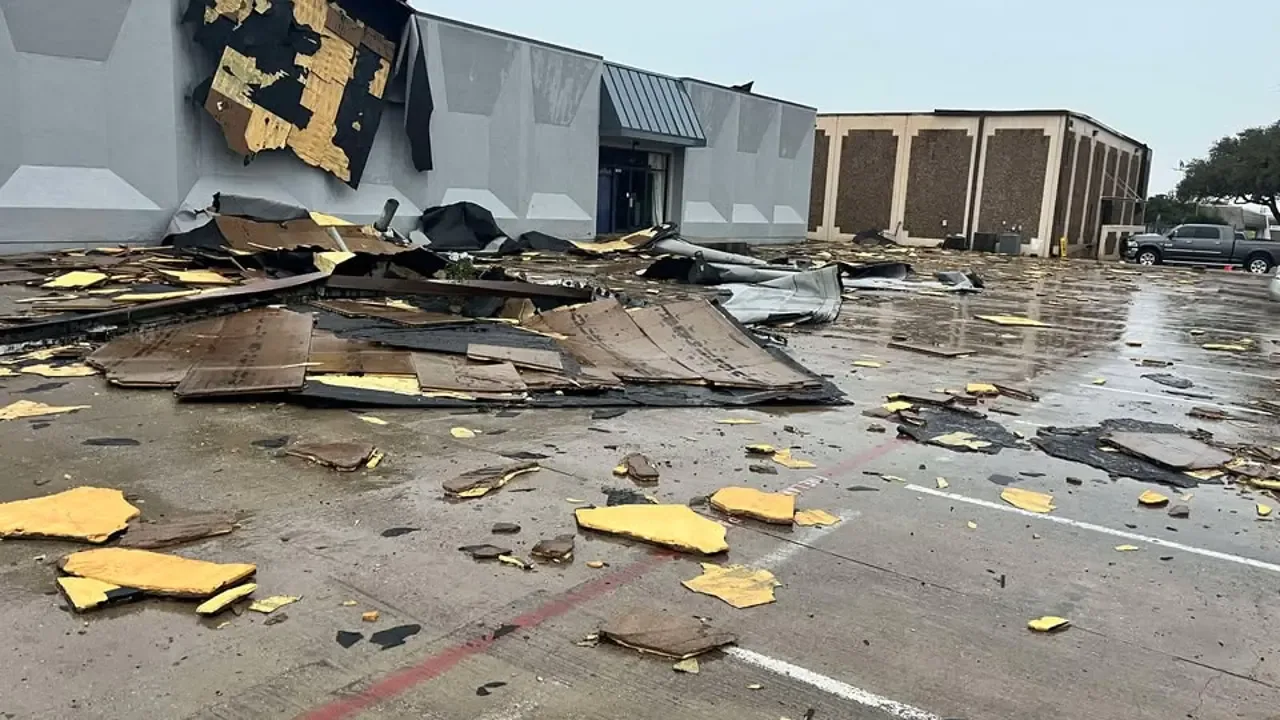
Fresh storm damage has clean edges. A torn flashing shows bright metal. A lifted coping stone has no moss under it. A puncture has a sharp rim. The damage follows one direction, the way the wind blew. Wear looks different: dirt in the crack, rust at the fastener, alligatoring across the whole surface.
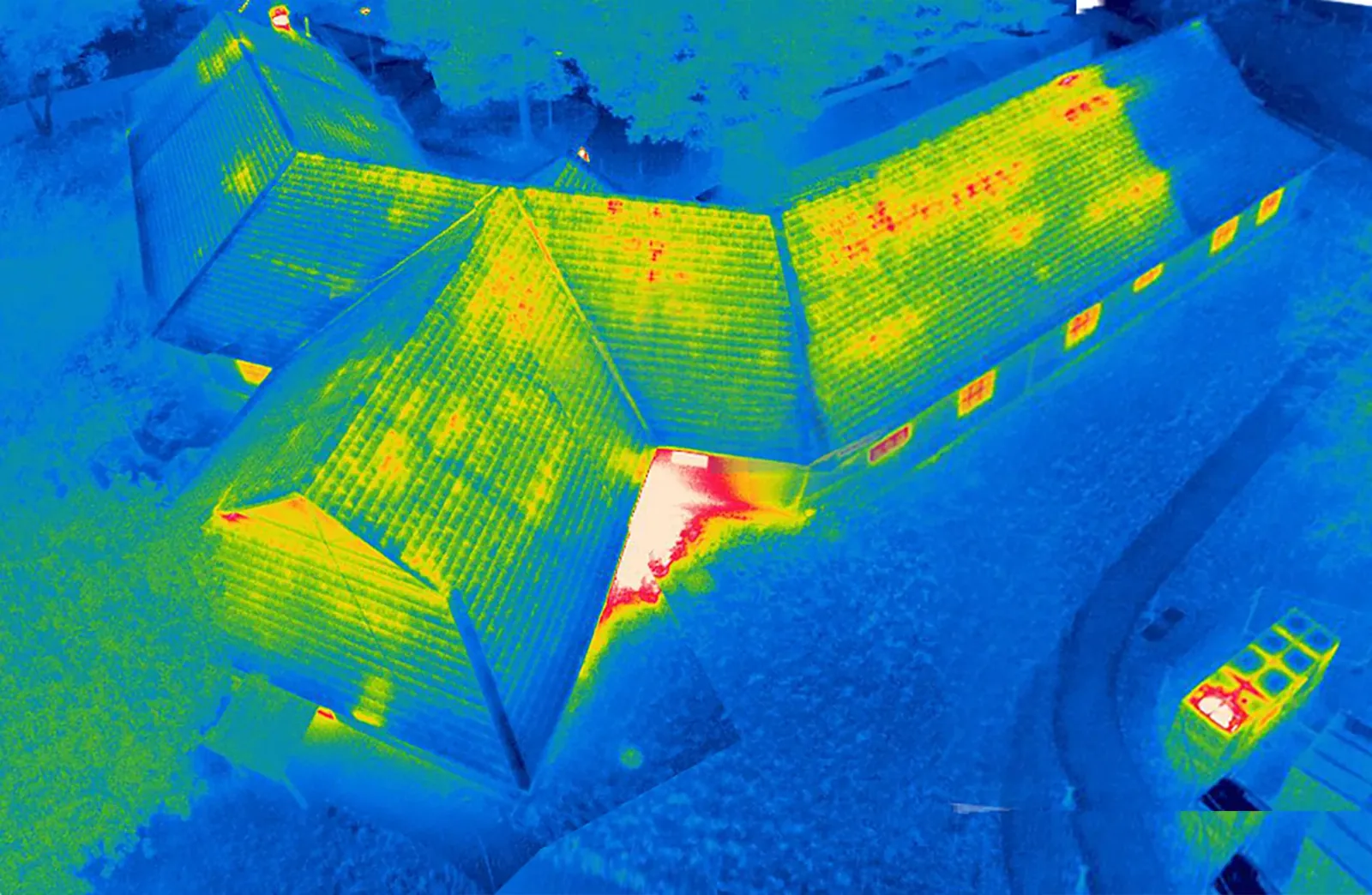
We mark each finding as one or the other and explain why. A cloudburst like the one Ida's remnants delivered on September 1, 2021 turns a clogged drain into a pond that can look like a defect, so the drain condition goes into the same record. An infrared moisture survey after the event shows where new water got in. Hold on to damaged material until the adjuster has looked at it.
What to do, in order
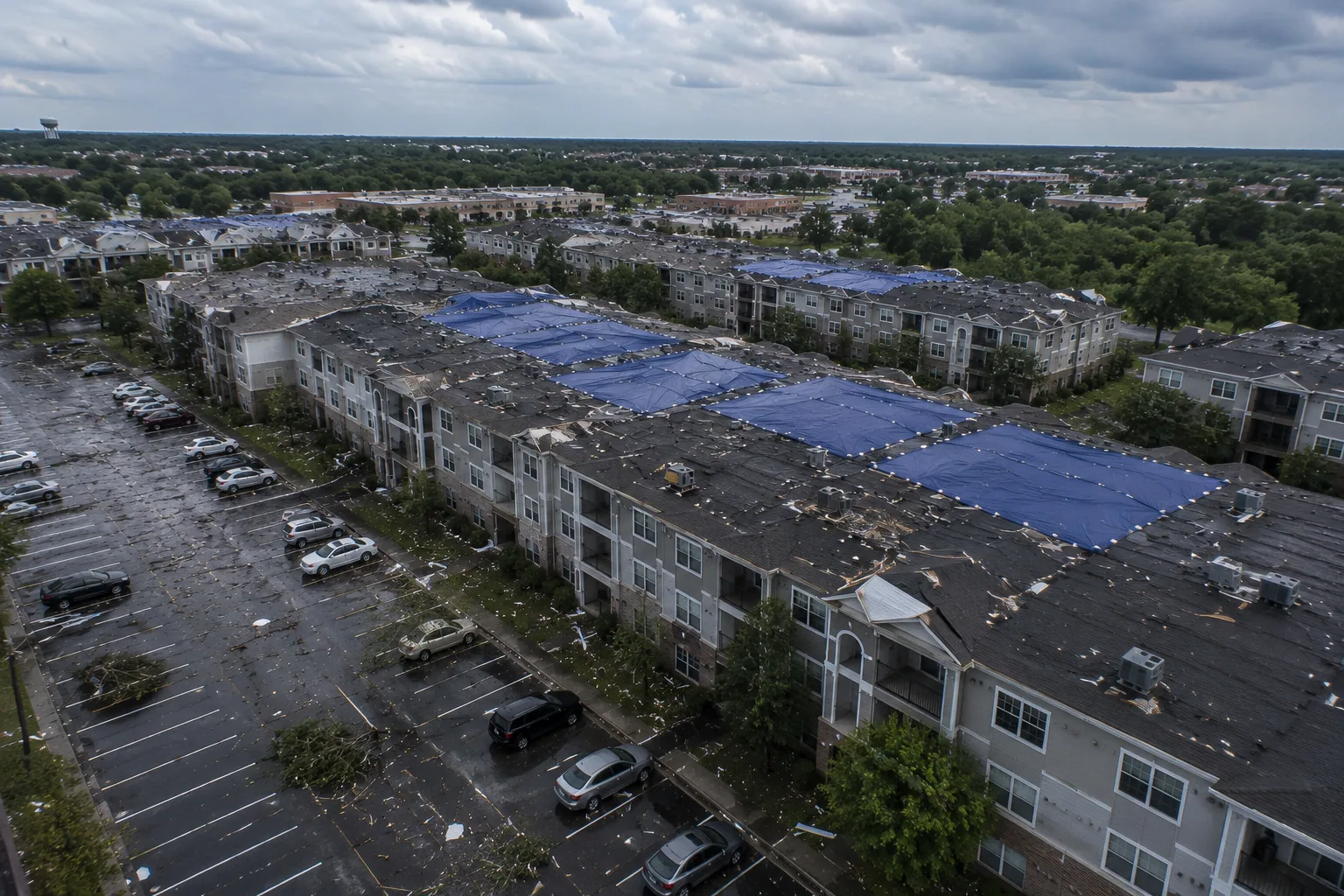
Make the building safe and the roof dry. Policies expect an owner to stop further damage, and a tarp fastened to the deck is a reasonable measure. Photograph the damage before and after the tarp goes on. Write to the broker and the carrier, giving the date and a short description.
Then call us for the survey. Bag the damaged pieces. Permanent work waits for the adjuster unless waiting would cause more loss. After a loss on the scale of Sandy in October 2012, when Red Hook went largely under water, the owner with a clean folder has the least to explain. On a storm-damaged roof, receipts for every temporary measure go into the folder as well. Keep the folder at the building and a copy off site.
Writing the scope so it can be priced
An adjuster needs numbers: feet of coping, square feet of membrane, count of drains, depth of wet insulation. A scope that says repair the roof cannot be priced. We list each item with a location, a quantity and a method, and we mark which part is temporary and which part is permanent. Quantities come from measured sections on the roof plan, so every number can be checked against the photographs rather than taken on trust.
Code items get their own line. Chapter 15 of the 2022 NYC Building Code governs roof assemblies and rooftop structures, and Chapter 13 addresses energy efficiency, so a repair that grows into a replacement is judged against them. The owner should hear that before the work starts. For a large loss, a commercial roof replacement may be the sounder claim. Ask us to price both paths.
Different buildings, different files
Skylights and a long parapet put flashing and glazing at the center of a claim on a mill-building roof. On a loft roof crowded with bulkhead doors and tanks, the claim turns on the curbs. A rowhouse block with a shop below shares a party wall, so the neighbor may be part of the claim. Where a factory or warehouse in the East Brooklyn Industrial Park keeps stock under the roof, wet insulation becomes the question the claim turns on. We adjust the survey to the building and the file to the reader. For owners in Bushwick and other loft districts, the file includes the equipment on the roof and who installed it. Send us the policy deductible and any exclusions your broker has flagged.
Restoration firms are part of many losses. A drying crew handles the interior, a rebuild crew handles the finishes and the roofer stops the source. The three schedules lock together: interior drying cannot succeed while water keeps entering, and the roof cannot be closed until the wet insulation is out. We share moisture readings with the restoration firm as they change, and we flag any hurricane damage items that need the carrier's sign-off before they proceed. One shared log keeps everyone honest about dates.
After the check clears
A paid claim changes the roof. The condition rating moves, the remaining life changes and the maintenance plan needs updating. The closing photographs, the final scope and the new condition go back to the owner, who can revise the plan the same month.
The file also helps at sale or refinance. A lender wants to see the loss, the repair and the warranty. A buyer's engineer will read the same pages. A condition report written afterward carries the claim history as an appendix. Keep the final file with the deed records.
Commercial Roofing Questions
Will the insurer pay for a full replacement or only a repair?
It depends on the share of the roof the covered event damaged and the condition of the rest. If the damage is local and the roof is otherwise sound, the covered scope is the repair. If the event soaked most of the insulation, replacement may become the repair. The survey gives the carrier the numbers to decide, and the policy language governs the outcome.
Do we need our own survey if the carrier sends an adjuster?
Yes. The adjuster's visit is short and general. A roof survey is measured and specific, and it gives the adjuster a map to follow. It also protects the owner if the first estimate leaves out wet insulation or flashing.
Can temporary repairs go on the claim?
Most policies expect reasonable emergency measures and reimburse them with proper records. Photograph the work and keep invoices that name the area, the material and the hours.
What if the carrier says the damage is wear?
Send the dated record. Photos from before the storm, the maintenance log and the survey with cores usually settle the split. We write our findings plainly. Coverage opinions and legal advice belong to your broker and counsel.
How long should we keep claim records?
Keep them for the life of the roof and through the next sale or refinance. Lenders and buyers ask for the history, and a complete folder shortens that conversation.