Storm Damage Roof Repair in Brooklyn, NY
After a storm, go up and look at the roof edge before you look at anything else. A coping stone sitting a half inch out of line, a curl of loose metal at a corner or a strip of membrane lifted along the parapet tells you which way the wind came from and where it will come back. Then look at the drain. If the basket is packed and the field is wet, the cloudburst did the rest. Storm damage on a Brooklyn, NY roof is rarely one big hole. It is a handful of small failures that let the next rain in. Photograph the edge and the drain from the hatch before anything is moved.
Storm damage on flat and low-slope roofs gets assessed and repaired here, and the emergency line is answered overnight.
Wind finds the edge
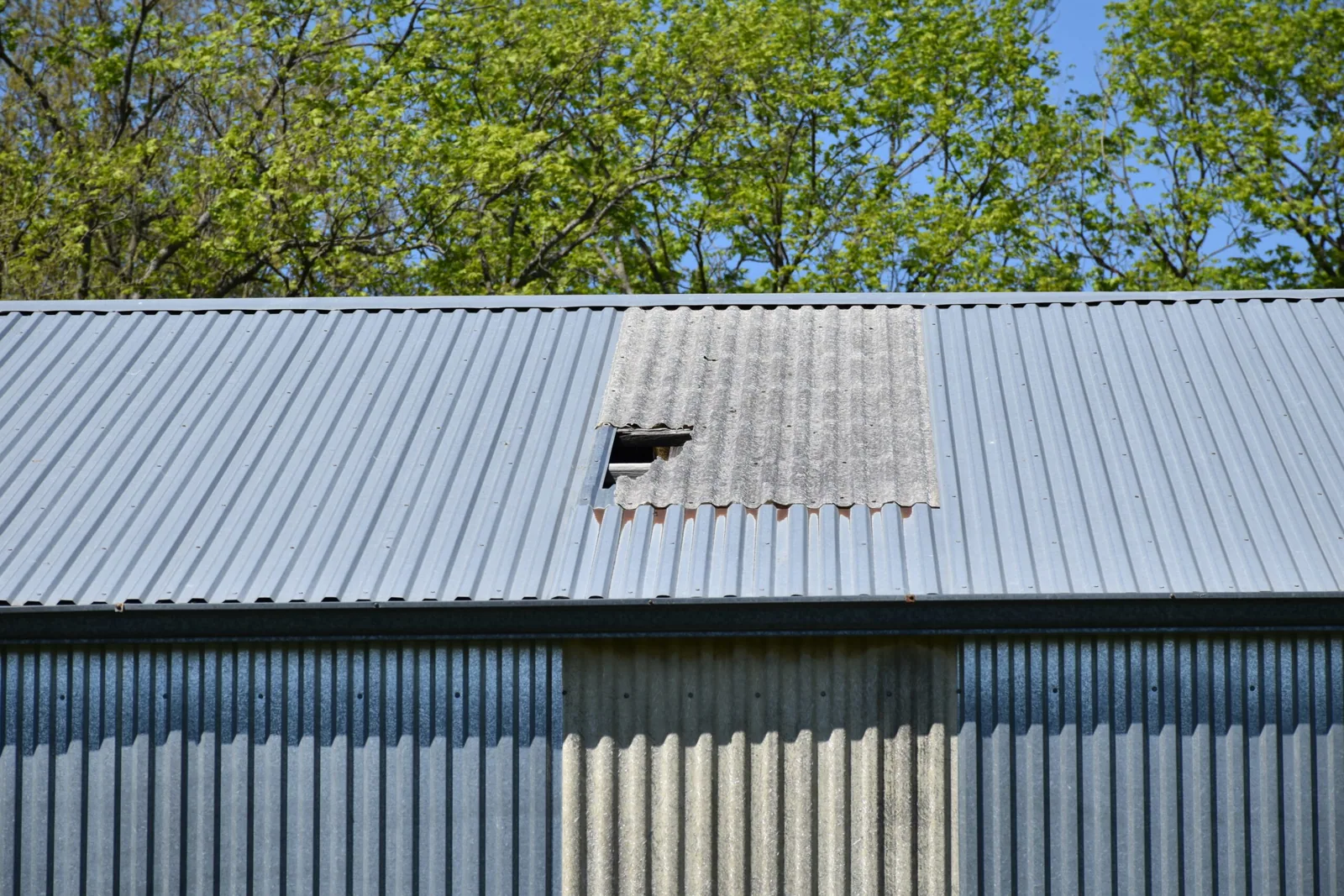
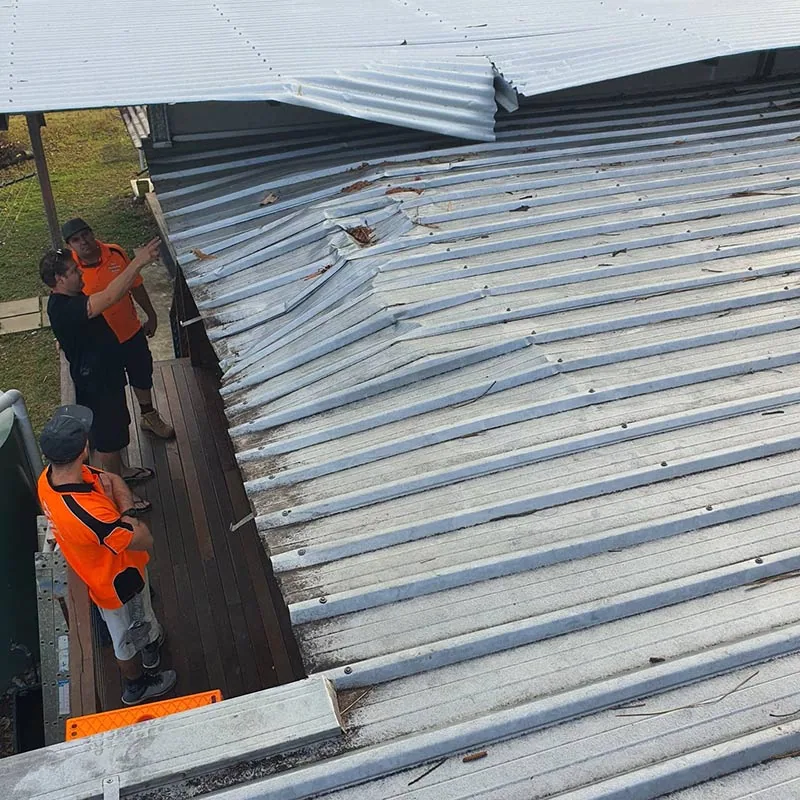
In 2007 an EF2 tornado, with winds put at 111 to 135 mph, crossed Bay Ridge and stripped the roof from a nearby Nissan dealership. It was an unusual storm, but it shows what a flat roof can lose when the edge gives way. Most wind damage is smaller: lifted edge metal, loose coping, a flashing curled back from the parapet.
We walk the perimeter first. We check how the metal is fastened, whether the clips have corroded and whether the first row of fasteners has pulled. A run of damage on one side tells us the gust direction. Any wind damage roof repair starts by securing what is loose, then reinforcing the line that moved. Send the date and the time of the worst gust.
Surge and flooding reach the roof indirectly
Sandy's October 2012 flooding reached 4.5 feet at its worst in Brooklyn, with large parts of Red Hook under water and the first floor of Coney Island Hospital submerged. A surge does not reach a roof, but a building that has lost its ground floor still needs the roof dry, and the roof is one of the few things an owner controls in that situation. The Coney Island peninsula tops out near 7 feet above sea level, among the areas most exposed to rising water, which makes fast drainage and raised equipment curbs sensible choices there.
Debris is the other storm gift. A branch, a sheet of loose metal from the next building or a dislodged sign can strike a roof and cut the membrane. The cuts are small, and each is a path for the next rain. We scan the field after a big blow for impact marks, probe each one and check the insulation beneath with a moisture meter. Membrane puncture repair deals with each one in turn.
Cloudbursts overwhelm drains
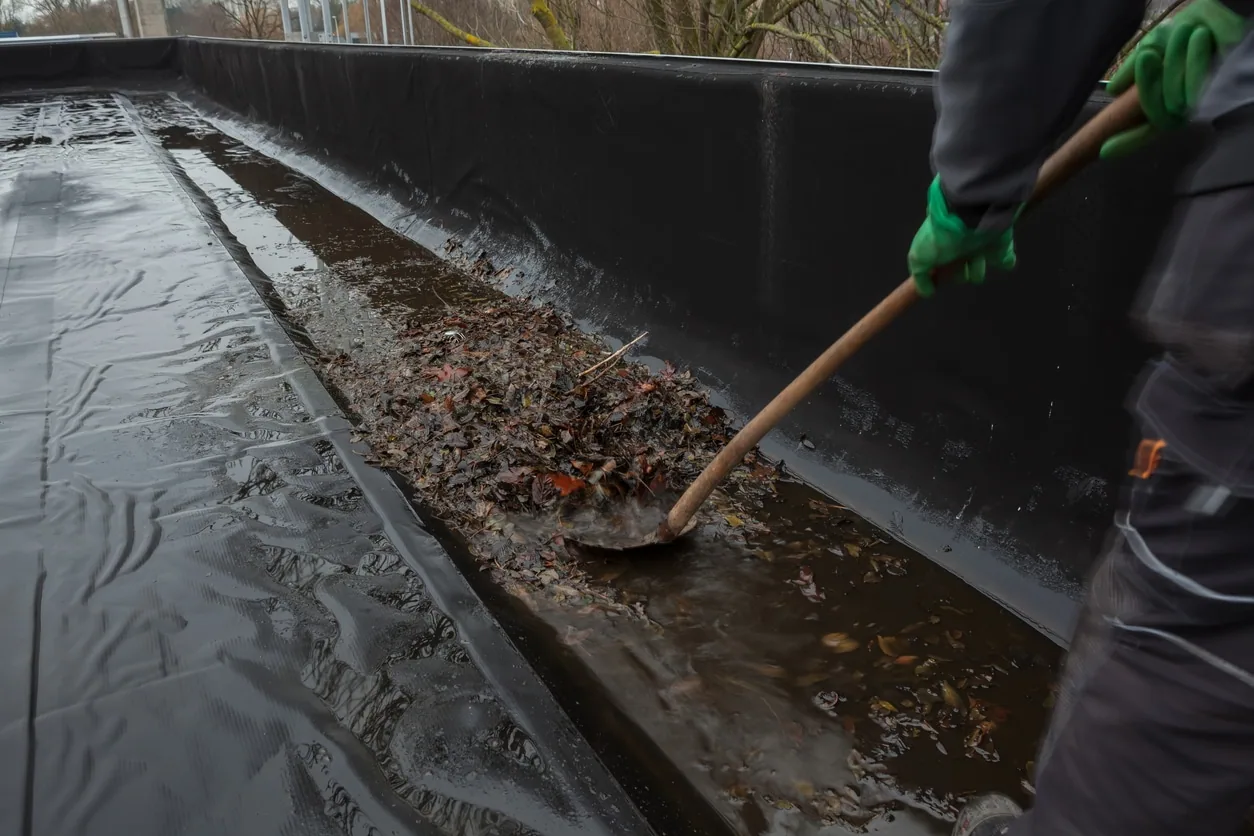
Ida's remnants on September 1, 2021 brought a flash flood emergency, the first for New York City, and widespread flooding shut down much of the subway. On a roof, an hour like that fills every pond and tests every flashing at the wall. Water rises to the height of the lowest detail and goes in.
The signs afterward are a ring of silt around the drain basket, wet streaks down the parapet and ceiling stains in the corner farthest from the hatch. We flush the leaders, measure the sump of water at the drain and scan for wet insulation. Larger drains and scuppers are often the lasting fix. Photograph any water line left on the parapet.
Snow and ice leave damage that shows later
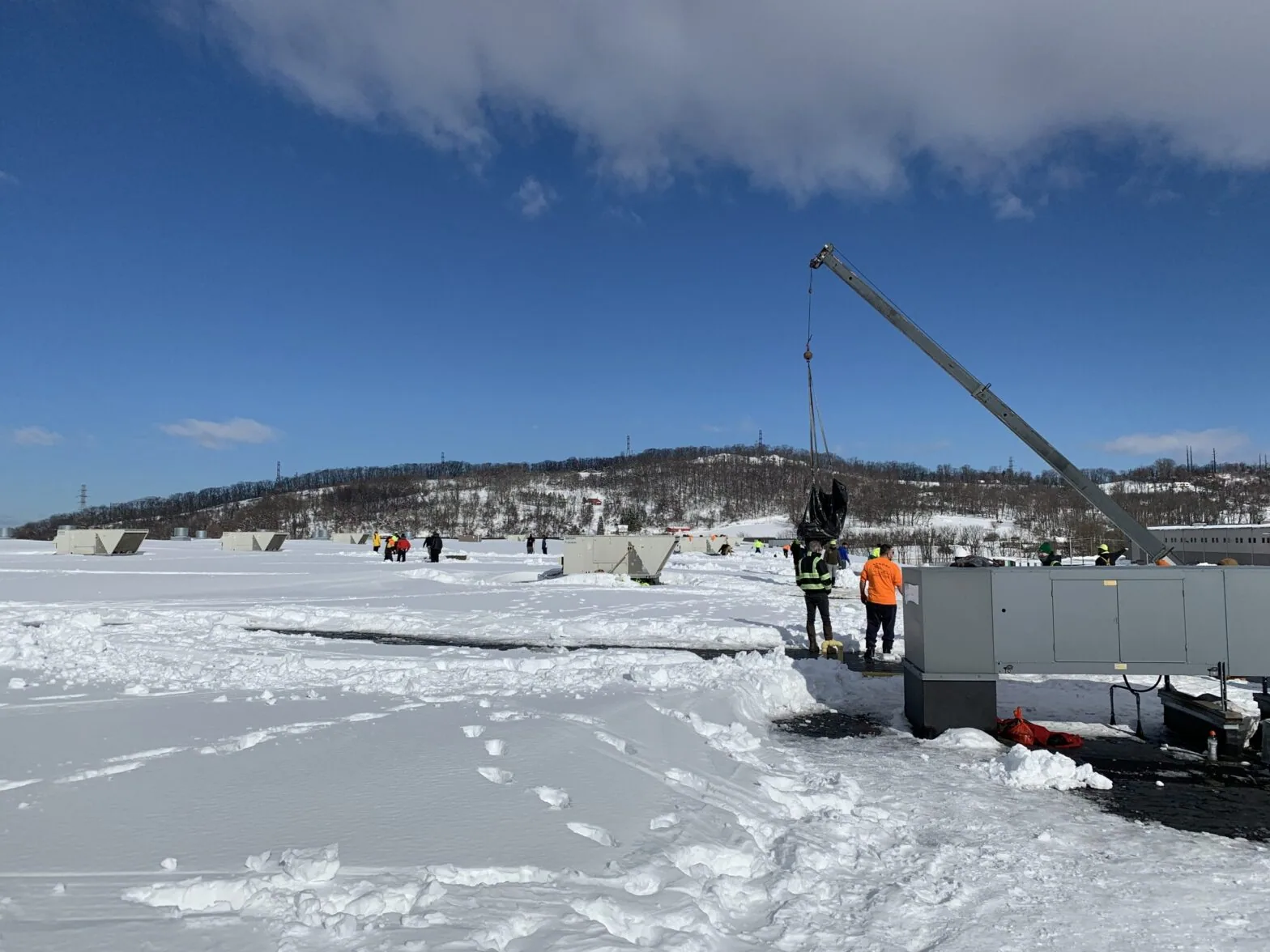
Snow in New York City runs near 30 inches in a typical year, and January 23, 2016 piled up 27.3 inches in a single day. Snow drifts against parapets and bulkheads, and the meltwater later sits at the drain. Ice cracks fittings and lifts seams. The stain on a ceiling can appear weeks after the thaw.
Our post-snow check covers the drains, the leaders, the seams along walls and the flashing at curbs. Sliding ice can pull a flashing off a wall, and a frozen pond can lift a lap. Steel shovels cut membrane, so we clear with plastic tools and leave a protective layer. The snow and ice roof damage repair that follows starts at the drains. Note the dates of the storm and the thaw in the log.
The repair in order
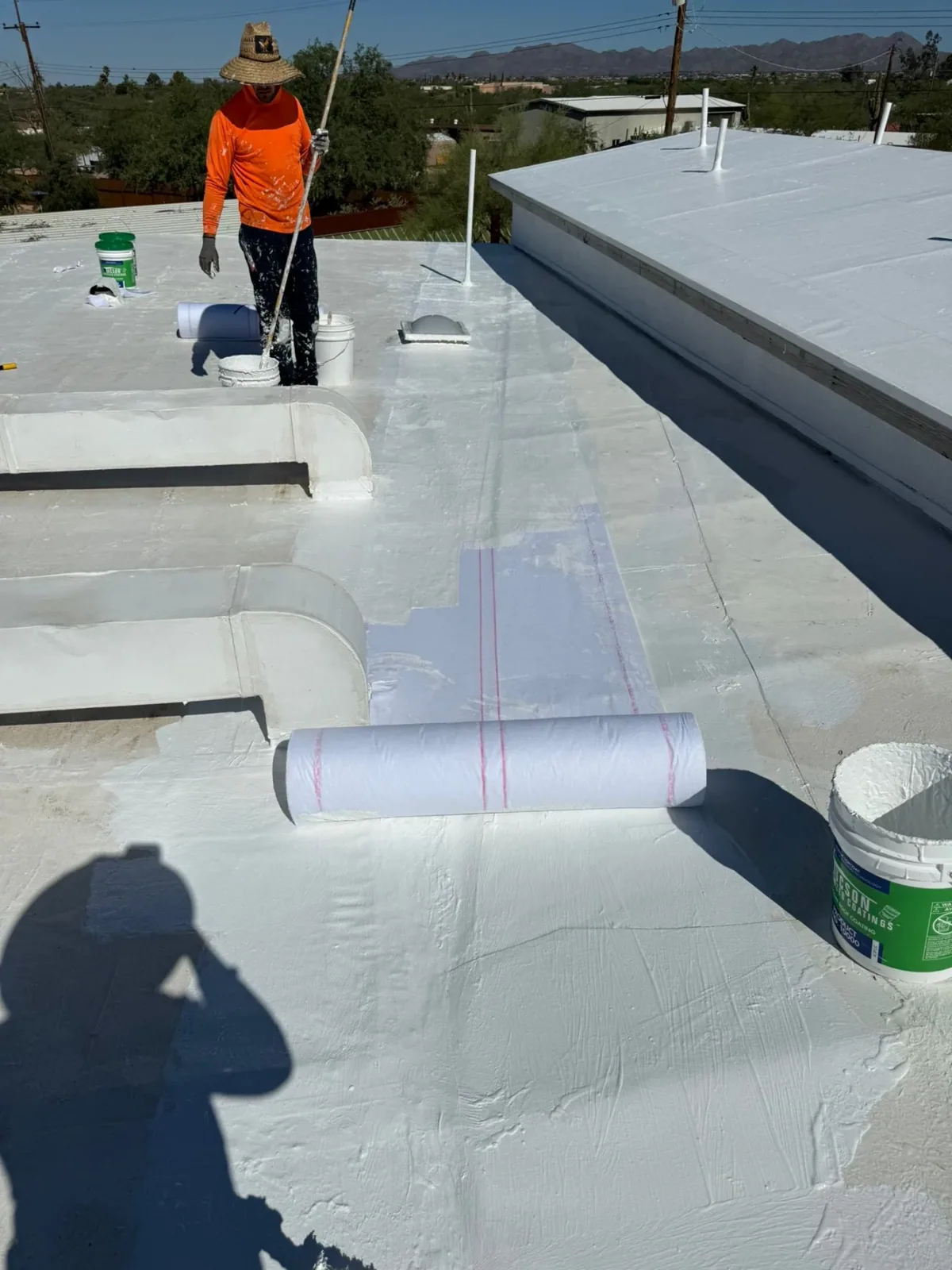
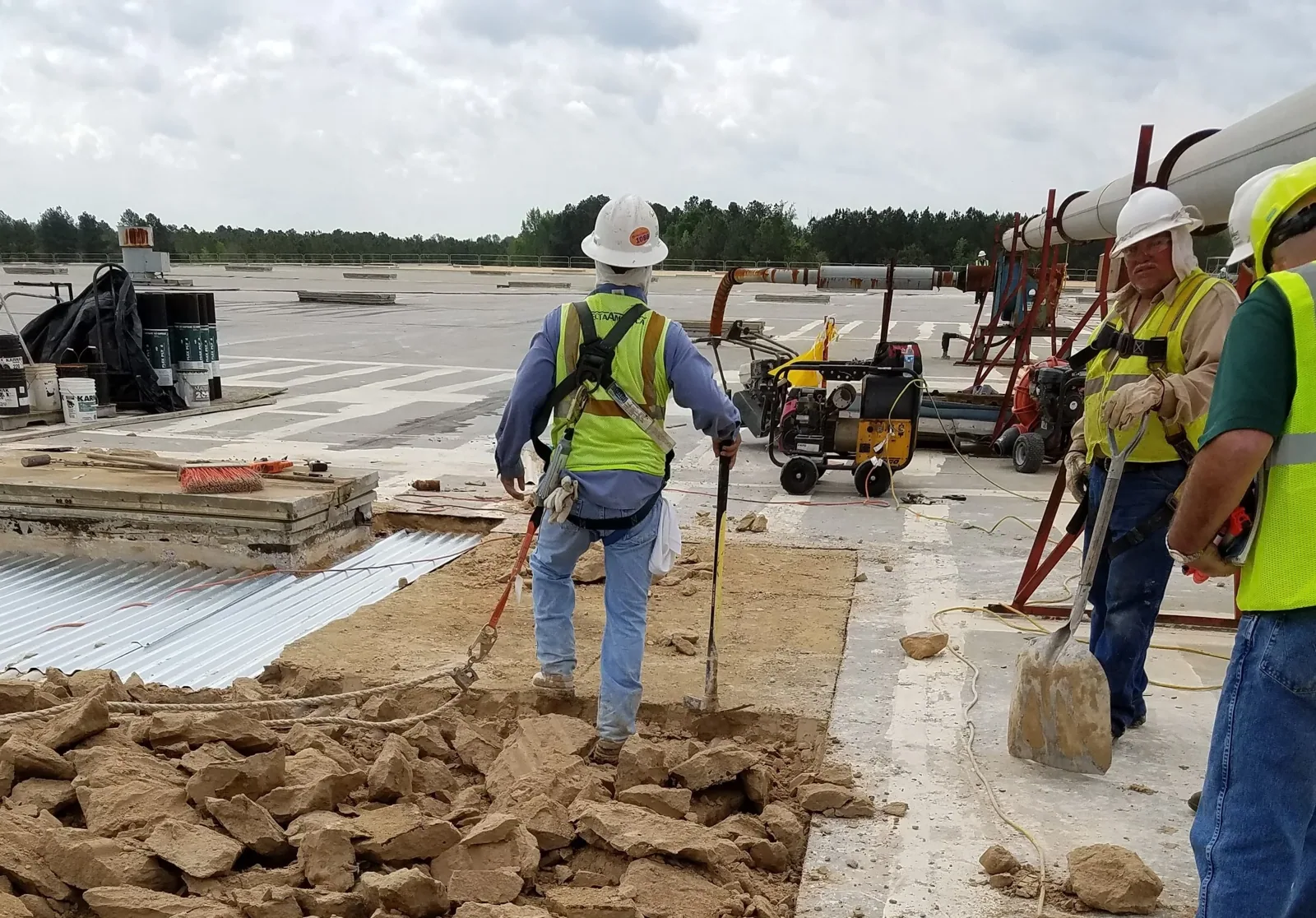
First comes safety: nobody walks a roof that may be overloaded, burned or weakened. Second comes dry-in: tarps fastened to the deck, not to loose metal, and temporary patches at the entry points. Third is a survey of the whole roof, with an infrared scan if rain got in. Fourth is the permanent repair, in sections that close each day.
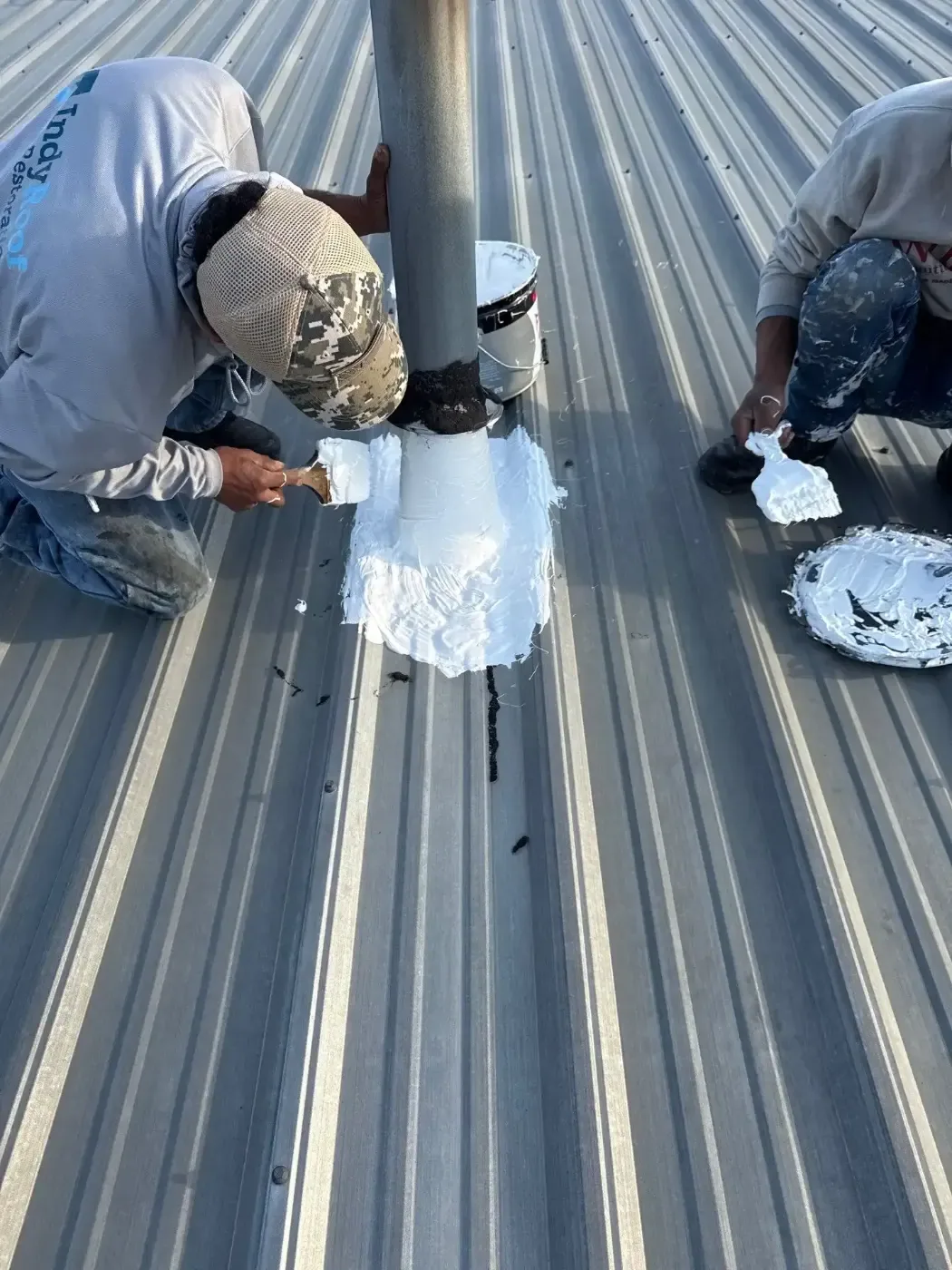
Permanent work follows the findings. Edge metal is refastened or replaced, torn flashing is rebuilt, punctures get patches and wet insulation is cut out and replaced. We note which items came from the storm and which were already worn, because an insurer will ask. A bigger loss may call for a commercial roof replacement. Keep the first photos and the receipts for temporary work.
Timing keeps the claim clean. Tell the insurer and the broker in writing the day the damage is found, dry the roof in promptly and hold the damaged material for the adjuster. A roof left open for weeks lets a second rain blend with the first, and the later water becomes harder to separate from the storm. We date every photo, note the weather on each visit and log each measure taken, so the order of events is easy to read.
What the insurer wants to see
An adjuster wants to know what the roof looked like before, what the storm did and what the repair restores. The last maintenance report answers the first. Dated photos and the weather record answer the second. A scope by line item answers the third.
We write the findings in plain words, with a location and a photo for each item, and we separate emergency work from permanent work. The survey becomes the claim file the adjuster works from. For a building in Red Hook, where Sandy put large parts of the neighborhood under water, the file also notes the flood history. Send the claim number with the first request.
Big losses sometimes end in a bigger decision. If a survey shows wet insulation across most of the roof, repairing it piece by piece costs more over time than replacing the system. We lay out both paths with the cost drivers, and the owner and the carrier decide together.
Commercial Roofing Questions
A storm lifted the edge metal but nothing leaks yet. Should we wait?
No. Lifted metal lets the next gust under the membrane, and a small lift can grow to a long strip in one storm. Secure it now, then check the nearest fasteners and seams. A short visit now costs far less than the repair after the next windy night.
How do we tell storm damage from old wear?
Fresh damage has clean tears, bright fastener holes and a pattern that follows one direction. Old wear shows dirt in the crack, rust and a pattern across the whole roof. We mark each finding as storm or wear, because the insurer will make the same split.
Do we need a permit for storm repairs?
Small repairs may not, and larger ones do. We check with your expediter before work starts and write the scope so the filing matches it.
Who does what on the roof before the crew gets there?
Keep people off the roof, photograph what you can see from the hatch, note the time of the storm and move anything valuable away from the stain. Send the photos and the address area.
Can the repair be done in bad weather?
Temporary dry-in can. Permanent work with adhesives and welds needs dry, moderate conditions, so we dry in first and finish when the forecast allows. Each temporary patch is logged so it is not forgotten.