Roofing for Manufacturers in Brooklyn, NY
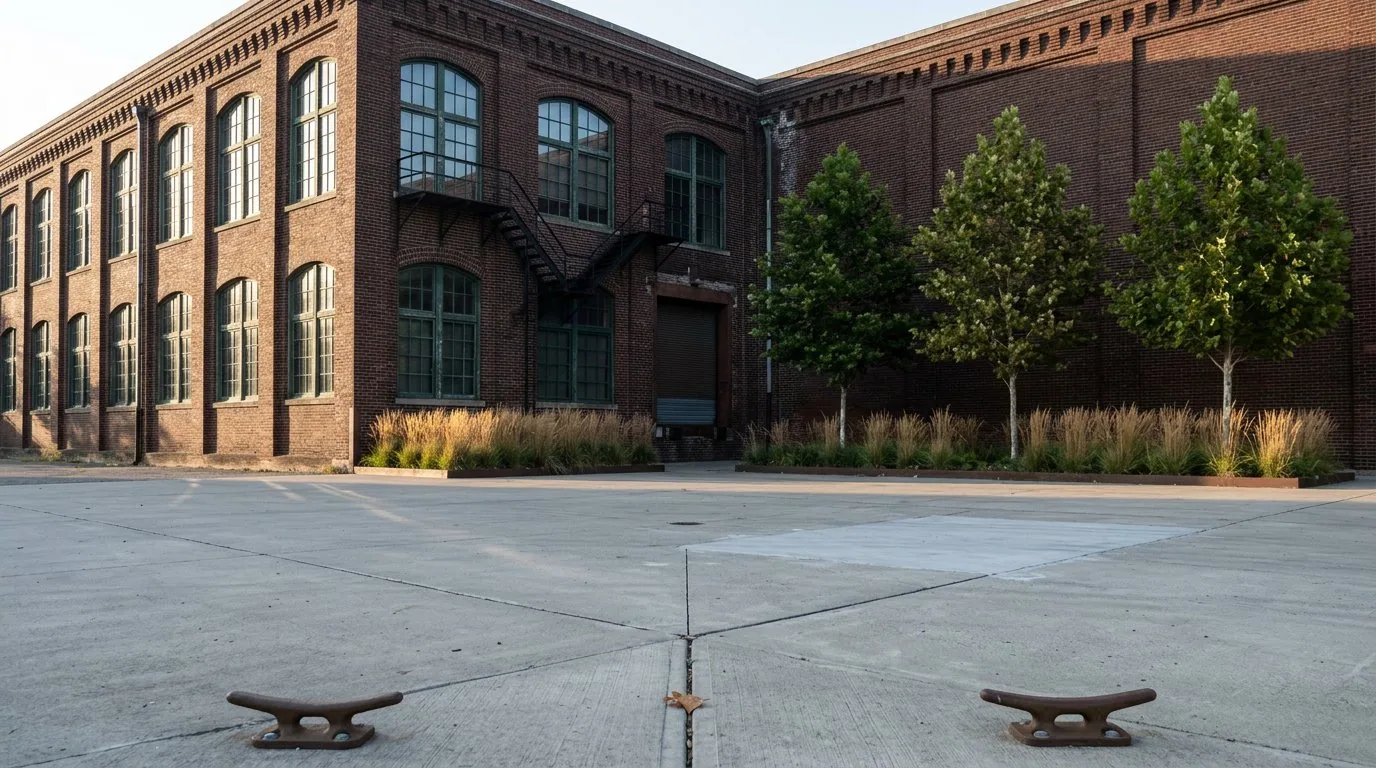
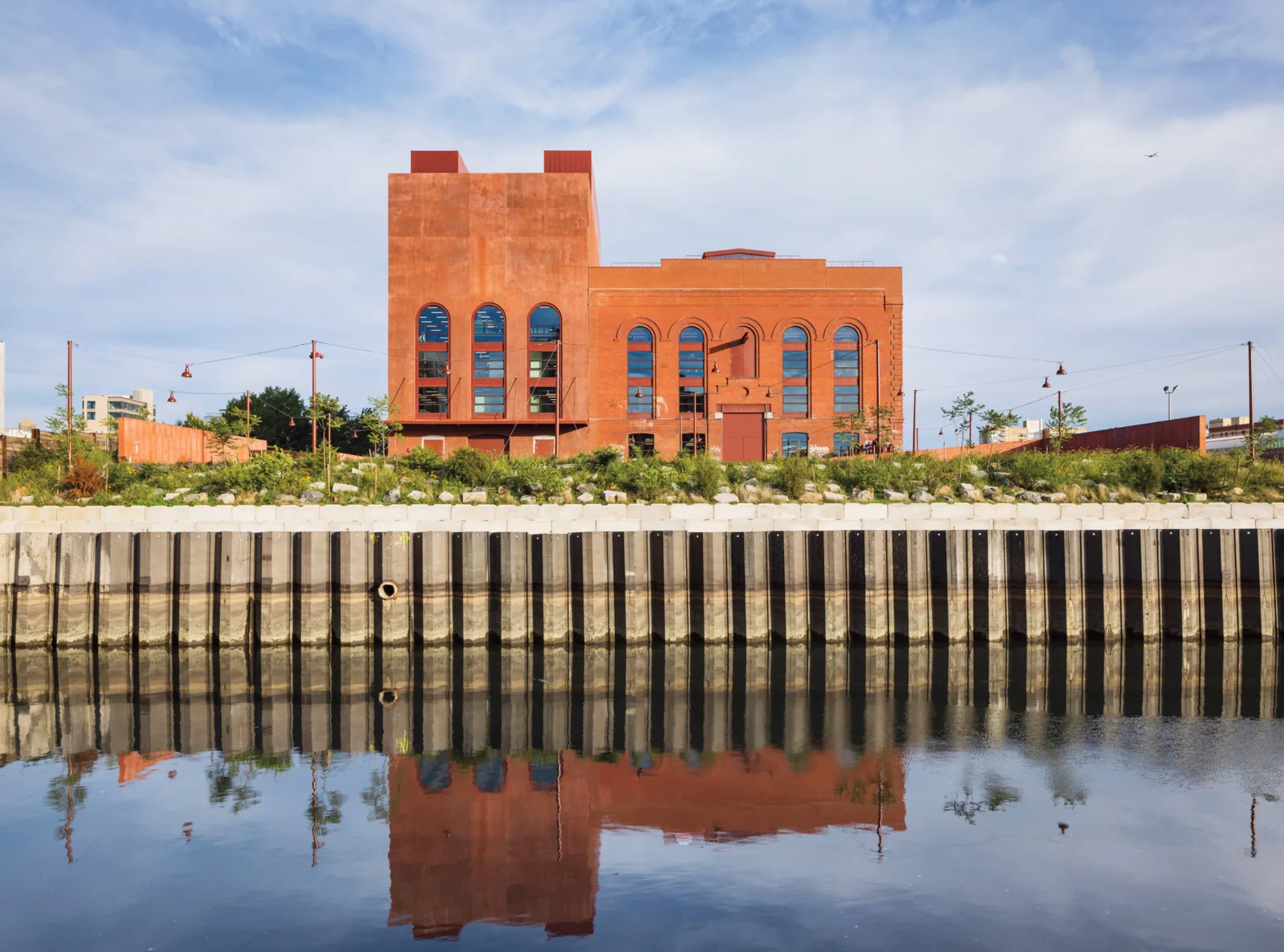
Walk the production floor of an old Brooklyn, NY mill building and look up. If you can see a brown ring on a ceiling tile above a machine, the roof is already costing you. Water on a production floor means damaged stock, a stopped line and an insurance call. Brooklyn has a long industrial record: Bush Terminal in Sunset Park, built in stages from 1911 to 1926, Brooklyn Army Terminal, the Navy Yard and several industrial parks. Roofs on buildings of that age may have been patched many times. Send the equipment layout under the roof and the shift schedule with your first request.
We survey, repair, coat and replace roofs over manufacturing space, and we plan the work around the line.
Where the factory roofs are
The Brooklyn Navy Yard covers 225 acres and housed 83 tenants in 1987. Brooklyn Army Terminal was renovated for manufacturing and drew its first industrial tenants in 1987. In East Williamsburg the industrial park between Flushing Avenue and Newtown Creek mixes factories, warehouses and lofts, while the East Brooklyn park (44 blocks) and Flatlands (93 acres) lie farther south and east. Roofs in these places vary a lot. Mill buildings tend to have long parapets and skylights, newer industrial sheds broad flat decks with rooftop units, and loft buildings bulkhead doors and tanks. The first walk identifies the system, the age and the failure pattern, and the rating follows. Tell us which buildings hold the sensitive lines.
Deliveries share the same space. A plant ships and receives on a rhythm, and a hoist or a dumpster in the wrong place costs more than a day of roofing delay. The loading routes get walked with the plant manager, and the hoist, chute and material stack are placed clear of them. Neighbors in a shared park, including logistics and 3PL operators on the same truck court, get the same notice.
Keeping the line running
We ask four questions before we plan anything. Which lines hate dust? Which hate vibration or fumes? Where does finished stock sit? When do shifts change? The answers set the order of work and the hours.
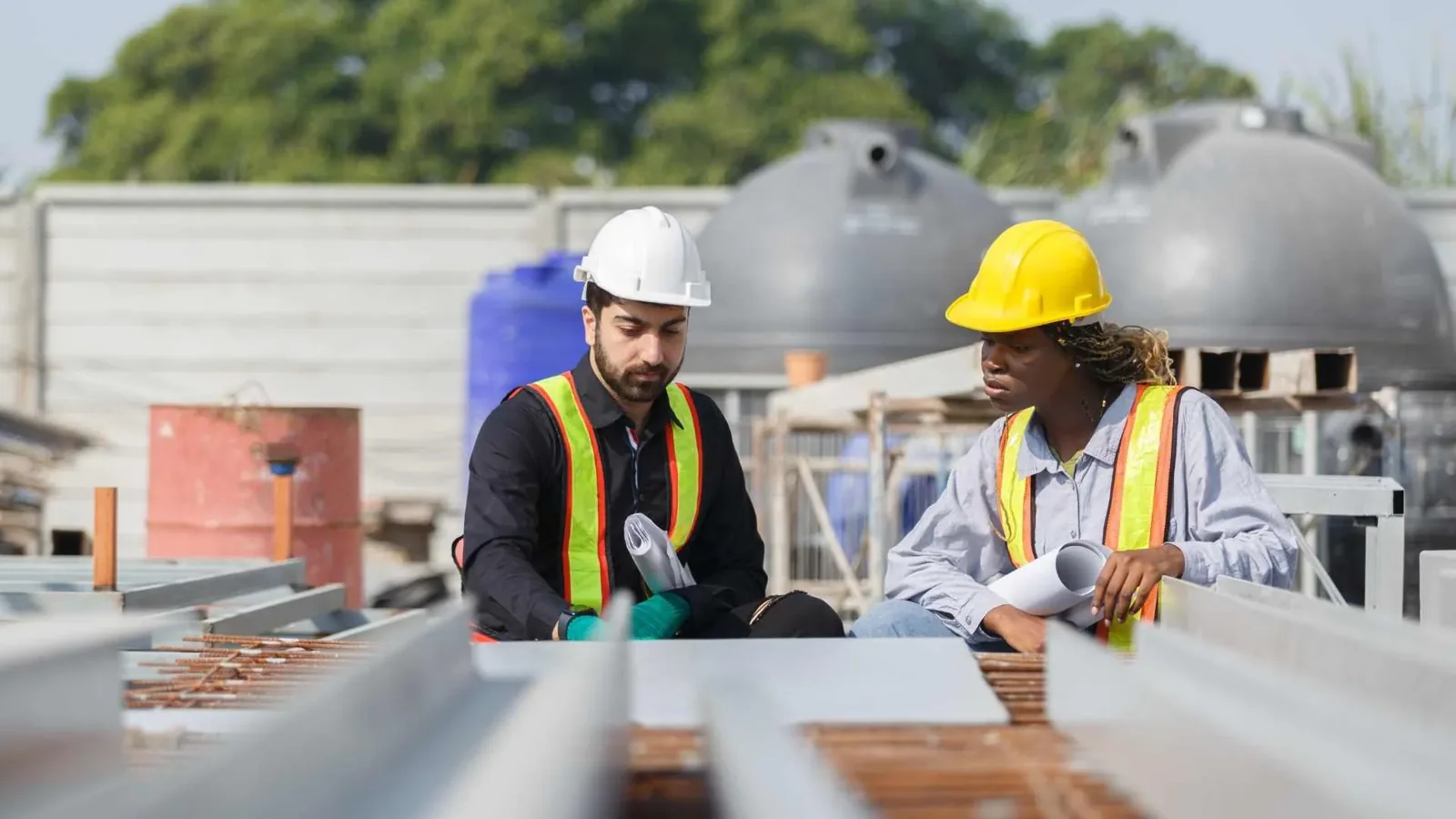
Work moves in sections. Each is opened, repaired and closed within a day, with temporary protection overnight. Materials are staged away from loading routes. Hot work needs a permit and a fire watch, and cold-applied or mechanically attached systems are preferred near stored goods. Air intakes are protected and openings sealed first over sensitive finishing or packaging space. The plan for the occupied building is short enough for the plant manager to read in five minutes. Name one person who can stop the crew.
Landlords matter in leased space. A plant renting a floor in a loft building may answer to one of the property management companies that run it, and the roof belongs to the building. We bring the plant and the manager into the same conversation at the start, so the scope, the hours and the cost split are settled before a crew mobilizes.
Rain, drains and stock
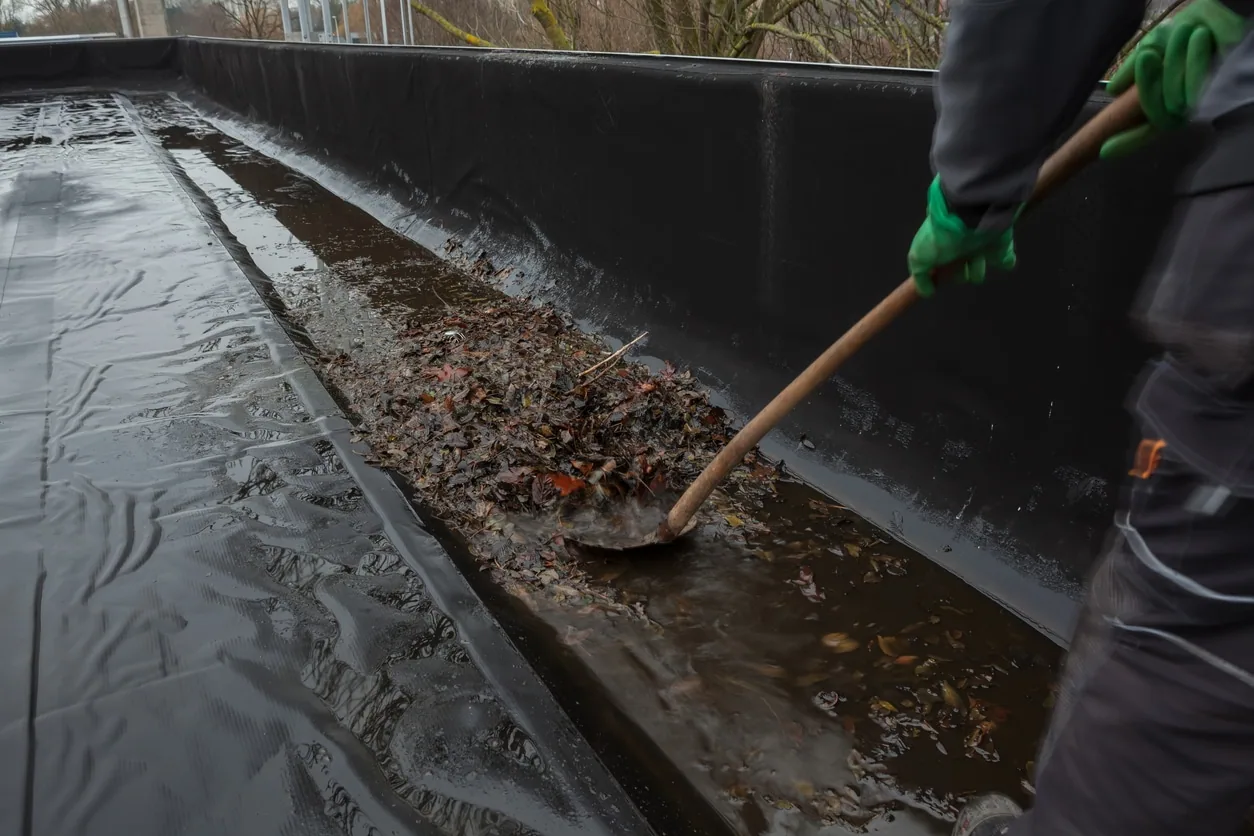
Ida's remnants on September 1, 2021 brought the city a first-ever flash flood emergency, and late-day thundershowers are frequent every summer. A factory roof with a short drain count and an old tar-and-gravel build-up ponds in those storms, and the water finds the weakest lap.
We check drain count, size and condition early. A leak over equipment costs more than any repair. Drains and scuppers are often first on a plant's list. A pond that persists traces to the drain, the deck or both, and a ponding water repair fixes whichever it is. Photograph any pond after rain and send the picture with the date.
Exhaust, process vents and wear
A factory roof carries more than weather. Fans, makeup air units, dust collectors and process vents pass through the roof, and each can drip, corrode or stain the surface. Grease, oil and chemical vapor can attack some membranes and shorten their life.
The walk records every opening, what comes out of it and which way the plume drifts. We pick membranes that tolerate the exposure, such as PVC roofing near grease or chemical exhaust, and we add walkway pads where service staff cross. Ask the production engineer for the list of exhausted substances, since it decides the membrane. Equipment supports get checked for load and flashing. Write down which fan serves which line.
Cold matters as much as heat. With snow near 30 inches a year, a heated factory floor under a cold roof sees condensation when the vapor control is weak. A frost line on the deck underside or drips from a cold duct can look like a leak. We check the inside first, since a membrane repair cannot cure condensation.
Coat, recover or replace
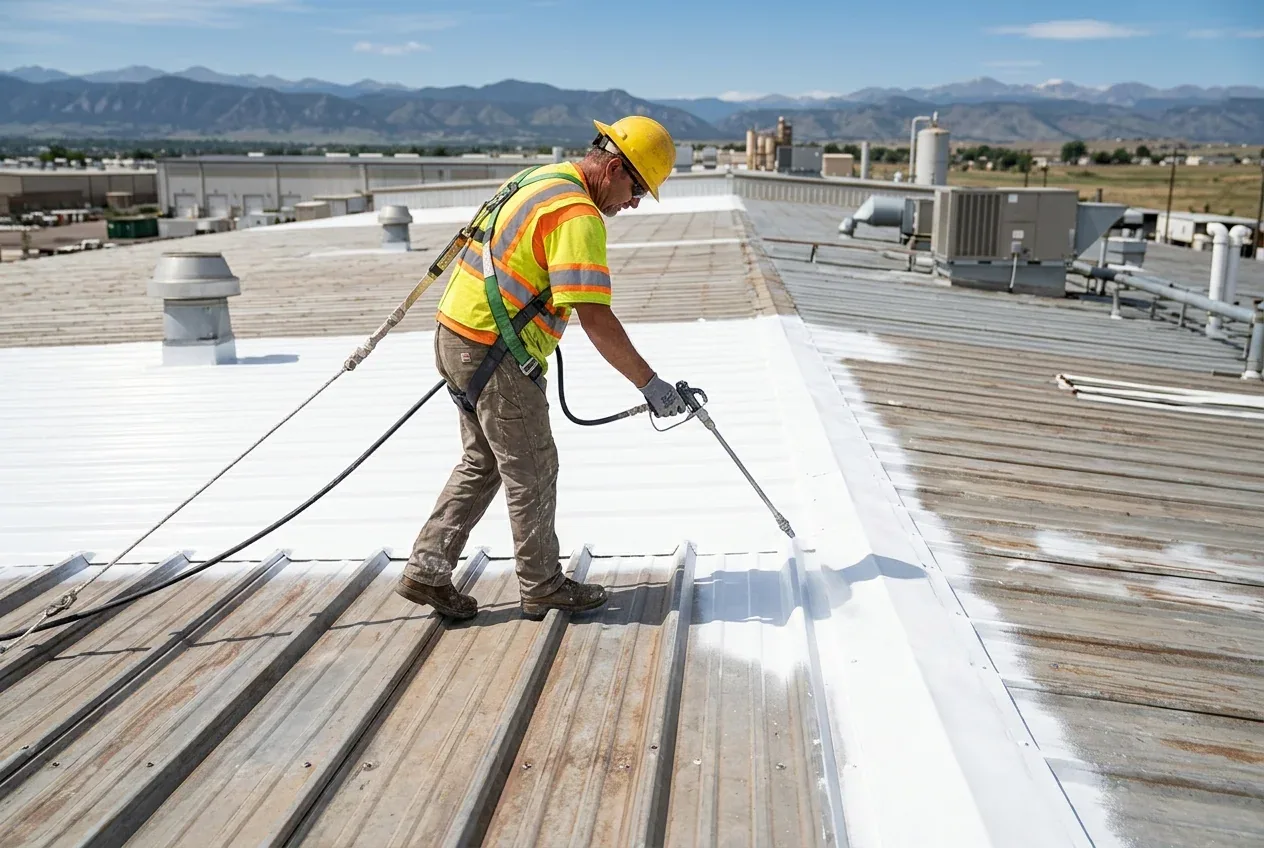
A plant manager wants a plain answer: how long will the roof last and what does it cost to keep it dry? The moisture scan and the cores give the answer. A dry roof with a worn surface suits a coating, as in roof coating restoration. A roof with dry insulation and a tired membrane may take a recover. A roof with wet insulation across most of its area needs replacement.
Tenants of industrial parks have a lease question as well: who owns the roof? Landlords often hold it, and the tenant pays through the lease. We supply the survey and the scope so both sides can agree. For tenants in the East Williamsburg park and other industrial districts, the file travels with the lease. Keep a copy with the lease and one in the plant office.
Closeout and insurance
A manufacturing occupancy may have its own insurer, who can ask for a rated roof assembly, a hot-work policy and inspection records. We supply the assembly data, the permits and the closing photos, and we flag where the new roof differs from the old.
The plant's risk manager should see the scope before the contract is signed. After the work, we walk the roof with the plant engineer, test the drains and file the records. Update the file after every storm, since a dated visit helps with a claim.
Fire rules deserve their own line. A plant with solvents, dust or hot processes has a fire plan, and the roof is part of it. Roof hatches, smoke vents and access ladders have clearances that new work cannot block, and some assemblies carry ratings the replacement must match. The survey notes each one, and the proposal says how the new roof keeps them. A fire marshal or insurer can then read the scope and see that the roof work leaves life-safety features intact.
Commercial Roofing Questions
How do we protect finished goods during roof work?
We find the stock under each section, move it or cover it, and schedule work above it for times when it is clear. Tell us what must not get wet and where it sits, and we mark it on the plan.
Can the work run on weekends or second shift?
Often, with notice. Off-shift work lowers disruption, and noisy or hot tasks fit those hours. Building rules and neighbors set limits, which we confirm in advance.
Who pays for the roof in a leased industrial space?
The lease says. We supply the survey and the scope, and the parties assign the cost. Send the lease clause if there is a dispute so the scope can match.
What if rain comes while the roof is open?
Each section is closed before the crew leaves, so the roof is weathertight overnight. A forecast storm moves the schedule, and the section in progress is dried in first.
Does exhaust void a roof warranty?
Some warranties exclude chemical or grease damage unless the membrane is rated for it. We check the terms at the survey and recommend a system that suits the exhaust.