Roof Coating Restoration in Brooklyn, NY
Press a boot heel into an old roof on a hot afternoon. If the surface is chalky, crazed and a little soft, but it does not squish, the membrane may still be worth saving. A coating can bring such a roof back for years at a fraction of the price of a tear-off. If the surface squishes, the insulation under it is wet, and a coating would lock that water in place. The whole job turns on one question: is the roof dry underneath? We answer it before we talk about product. Keep the boot print photos and send them with your request.
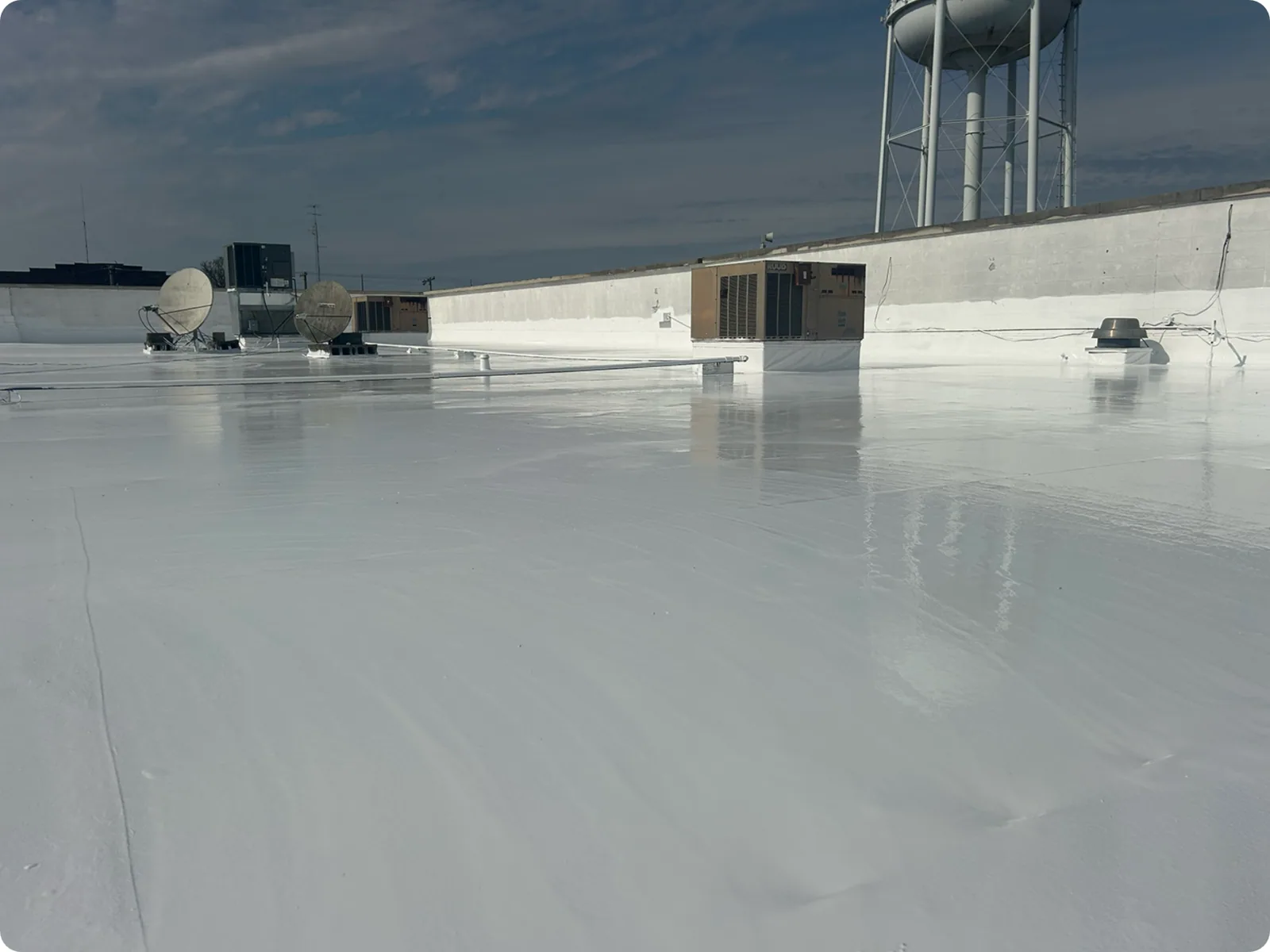
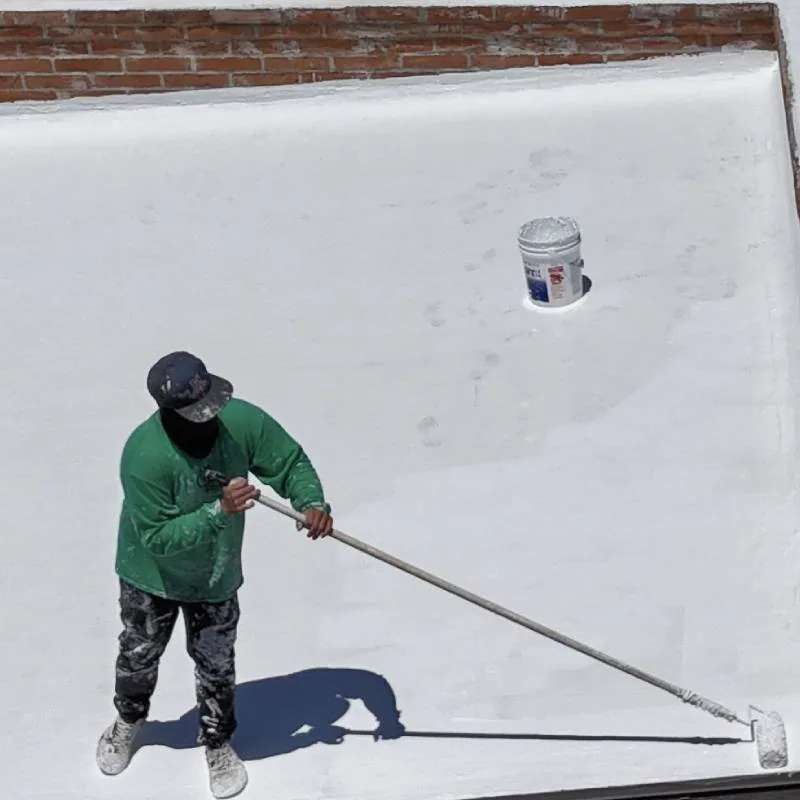
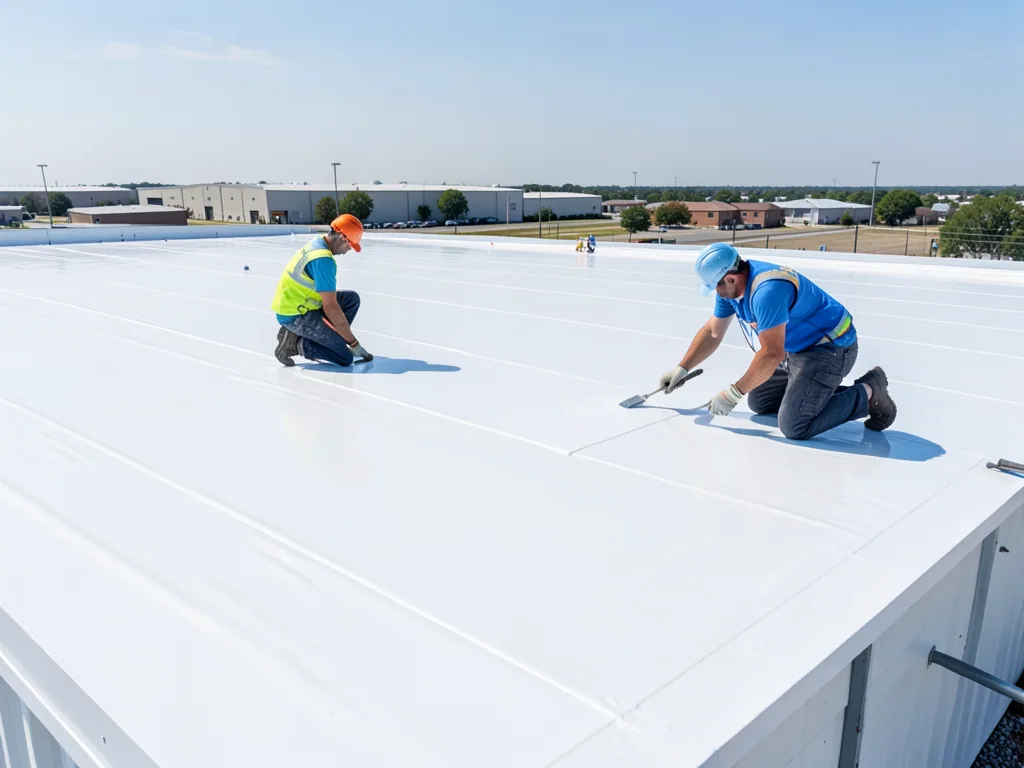
We restore flat and low-slope roofs across Brooklyn, NY with silicone and acrylic coating systems, and we test first.
The dry test comes first
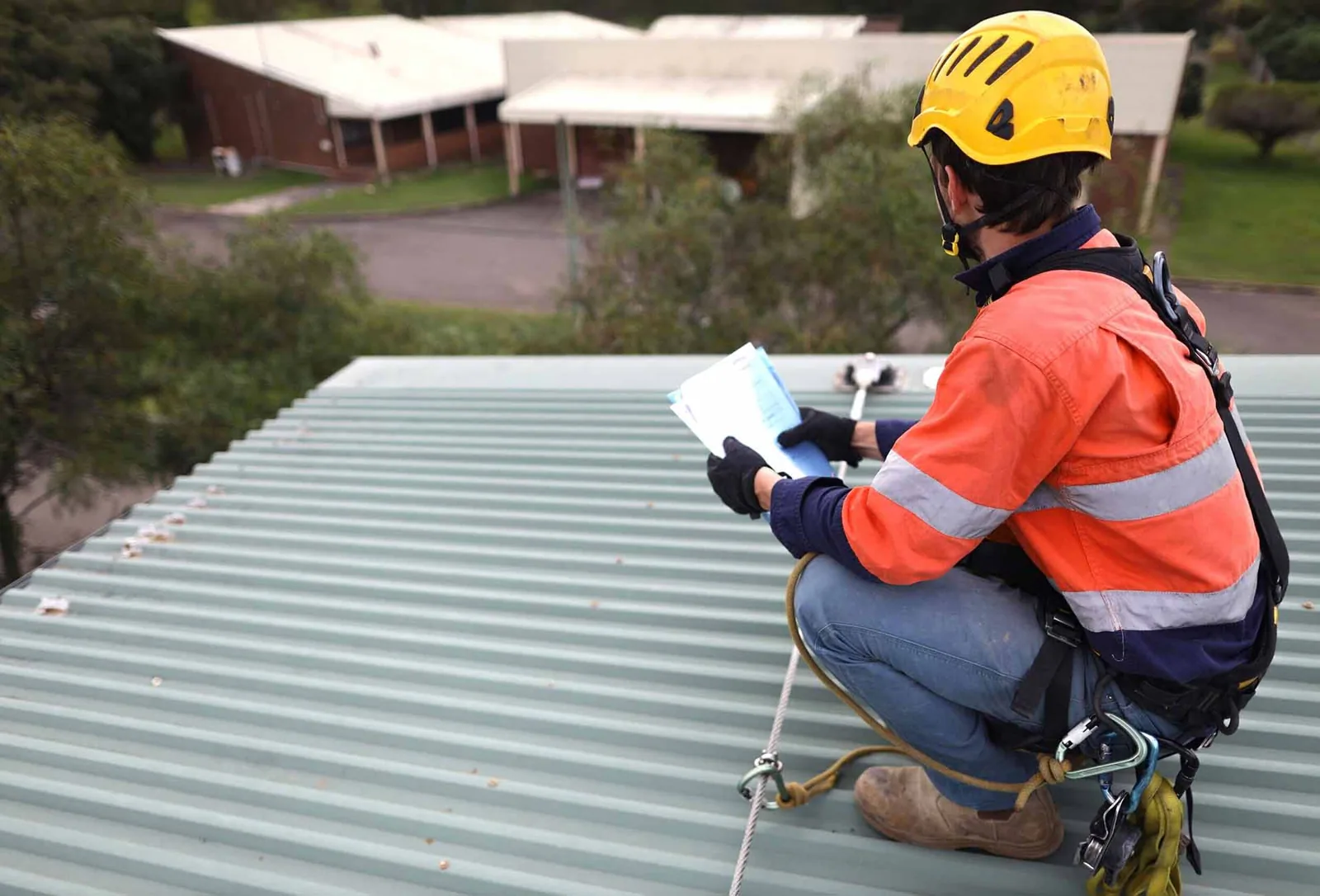
We walk the field and mark every soft spot, blister and open seam. Then we scan the roof with an infrared camera on a clear evening, when wet insulation holds its heat longer than dry. Cores confirm what the scan suggests. A core shows the layers, their thickness and whether the insulation is damp.
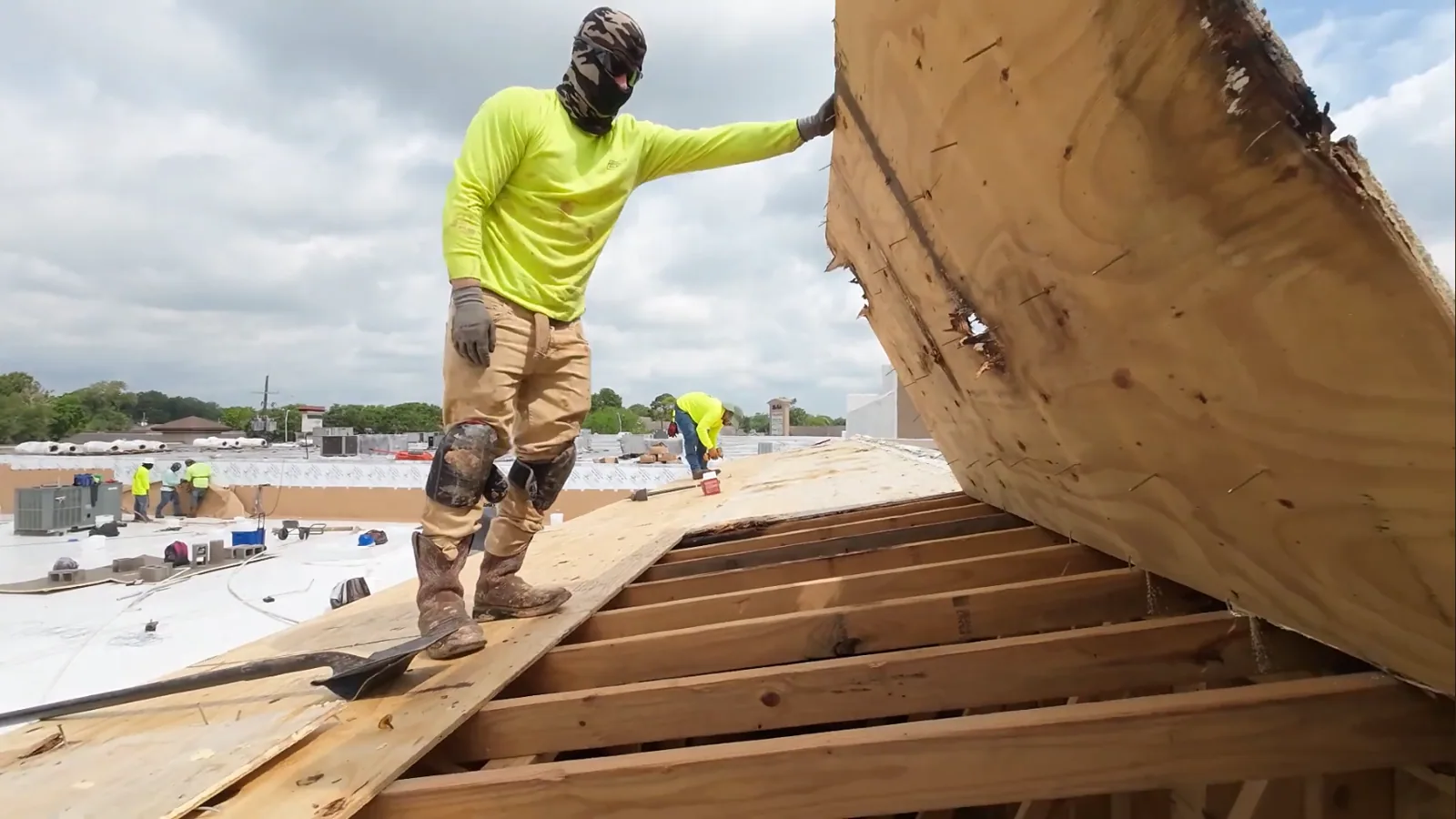
If the roof is dry across most of its area, we mark the wet pockets, cut them out and replace the insulation. If the roof is wet across most of the field, we say so and recommend a different path, such as a roof recover overlay or a full replacement. We also pull a small patch with a test coating to check adhesion. A coating that peels in a week would peel on the whole roof. Put the scan map in the building file.
Silicone or acrylic
Both are liquid products that cure into a continuous film. Acrylic is water-based, reflective and easy to apply, and it works best on roofs that drain well. Silicone tolerates standing water better and holds up under strong sun, so it suits a roof with a known sump at the drain. Once silicone is on, later coats must be silicone too, so the choice carries through every future recoat.
A roof that keeps water for a day after a cloudburst like Ida's is a candidate for silicone roof coatings. A roof with good fall to the drains can take acrylic roof coatings. We explain the tradeoff in the proposal and write the product and thickness into the file.
Prep is most of the job
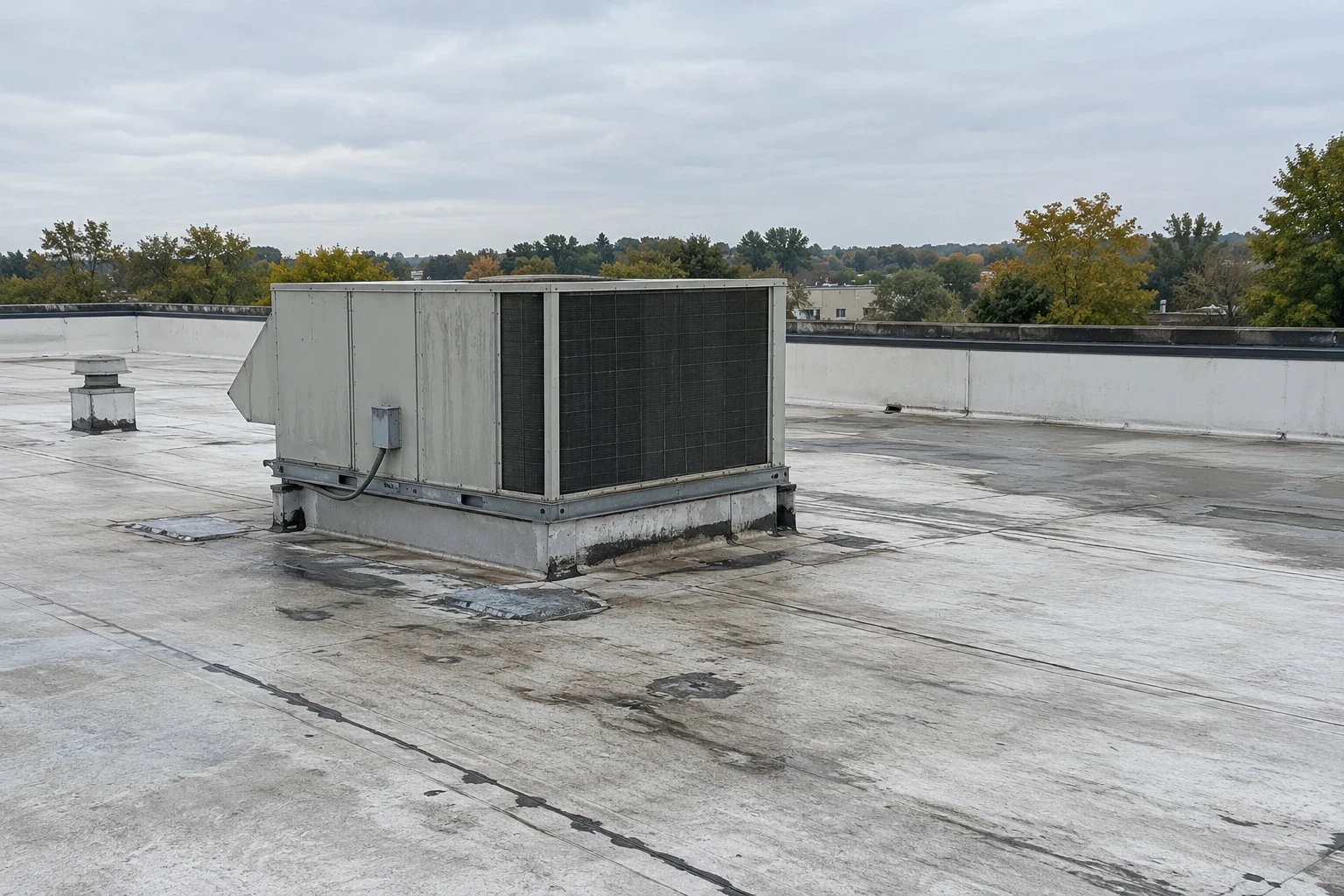
The coating is the last step, and the prep decides how long it lasts. The roof is power washed. Loose gravel and flaking material come off. Flashing that has cracked is cut out and rebuilt, seams get fabric and sealant, and the drain baskets are cleaned and reseated. Pitch pans get new fill, and rooftop unit curbs get new base flashing where the old one has pulled away.
On a Brooklyn roof the cost drivers are access, the count of penetrations and how far material must be carried. A roof reached only by a ladder through a hatch costs more to prepare than one with a bulkhead stair, because every bucket and tool goes up by hand. A commercial roof repair at the worst details often comes before the coating. Walk the roof with us before the prep begins.
Drains get special care. A coating laid over a drain basket that sits high leaves a permanent pond around it, so we reset the basket, cut the film back from the strainer and check that water falls toward it from every side. Where it does not, a small build-up of tapered material or a cricket behind a curb fixes the fall before the film goes on. Skip this step and the coating will not stay clean around the drain, since standing water and dirt wear the film there first.
Heat, cold and the cure window
A coating needs a dry surface, mild temperatures and hours of cure before rain arrives. July highs near 85 F come with frequent late-day thundershowers, so a summer schedule follows the radar. Spring and early autumn are the easiest seasons. We work in sections so any area can be closed if the sky turns.
Winter is another matter. Snow near 30 inches a year in New York City, and the freeze-thaw swings behind it, open weak seams. A coating applied in late autumn needs to cure before the first hard freeze, or it may not bond. We record air and surface temperature and humidity at application, and those readings go into the closeout file with the batch numbers. Tell us any hard dates, like a lease renewal or a sale, so the season matches the job.
Where coating pays and where it does not
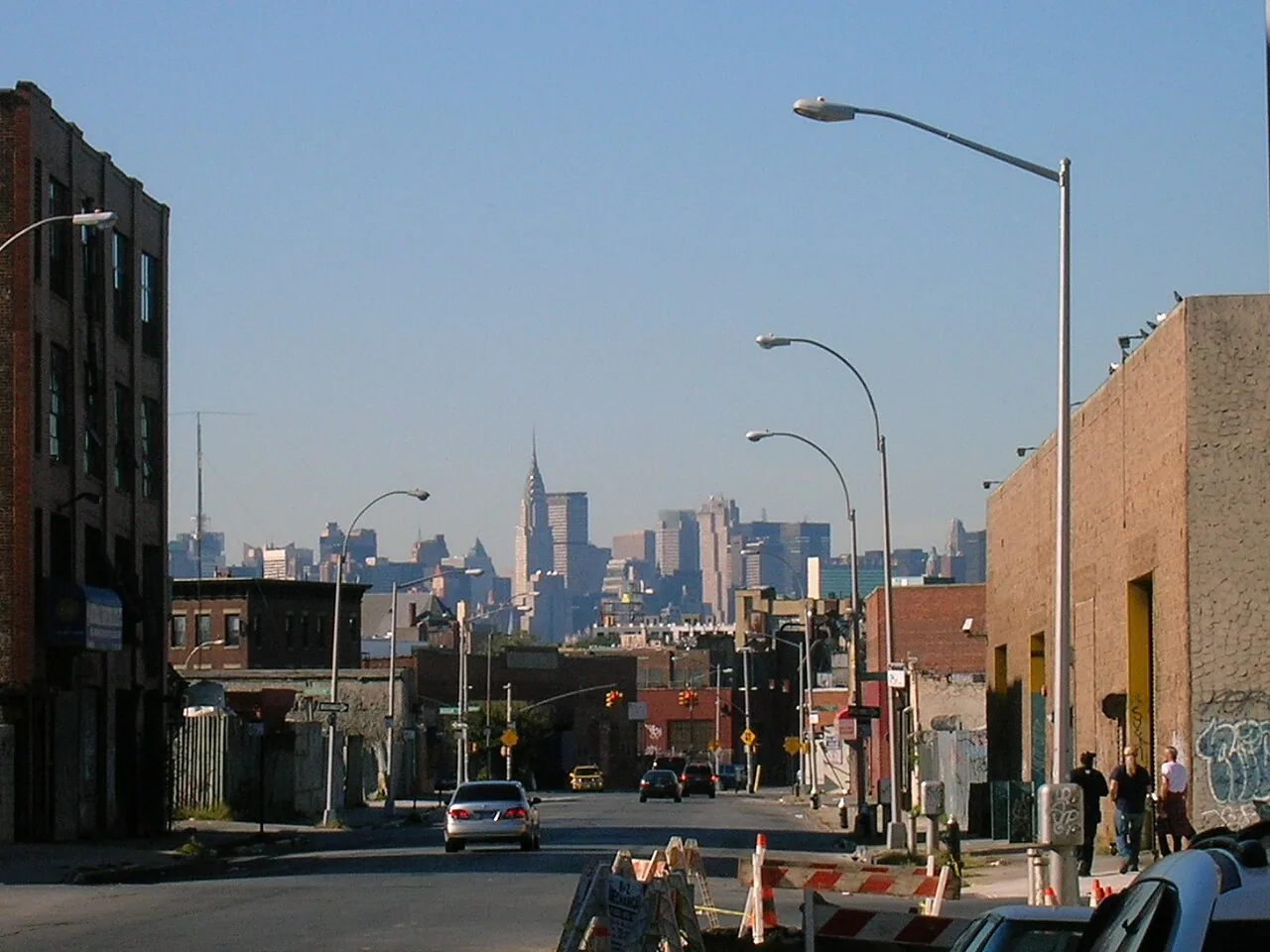
Coating pays on roofs that are large, simple and dry, the kind that factory and warehouse buildings in the East Brooklyn Industrial Park or the East Williamsburg Industrial Park often have. The area is large, the details are few and the saving over replacement is real. It pays less on a small roof with many penetrations, where prep eats the budget.
It does not pay on a roof with wet insulation, soft deck or repeated failures at the same spot. In that case a coating is a bandage. For owners of older buildings in East Williamsburg, the usual plan is to scan first, coat the dry roofs and schedule the wet ones for replacement. Ask for the cost per square foot of each path, side by side.
Closeout walk and care
When the coating is cured we walk the roof with the owner and the super. We look for holidays, thin spots and missed edges, and we fix them. We photograph every flashing. The punch list is short or empty before anyone signs.
After that the roof needs care. Drains stay clear, ponding is watched and the surface is cleaned once a year, since dirt dulls the reflective finish. A preventive roof maintenance visit includes a check of laps and flashings. Keep the closeout file with the lease, because a lender or a buyer may ask for it.
Commercial Roofing Questions
How do we know if our roof is dry enough to coat?
Do not guess from the surface. An infrared scan on a clear evening and a few cores answer it. If most of the field is dry, coating is an option after the wet pockets are replaced. If most of it is wet, coating hides the problem, and we will say so before taking any deposit.
How long does a coating last?
It depends on thickness, exposure and care. A properly prepared and applied coating on a dry roof can add years of service, and it can be recoated when the surface wears. We state the expected range in the proposal with its limits, and we do not promise a figure the roof cannot support.
Will the coating make the building cooler?
A reflective surface runs cooler in the sun than a dark one, which slows aging of the membrane and can lower heat reaching the top floor. The amount varies with the building and with dirt on the roof. We note interior temperature complaints before and after so you can judge it.
Can the work happen with tenants inside?
Yes. Coatings have an odor while they cure, so we locate fresh-air intakes on the roof and protect or shut them during application. Tenants get notice of the days, and sensitive spaces like clinics or kitchens are flagged in writing.
Does a coating change the permit or filing?
It can. A restoration that keeps the existing roof is reviewed differently from a full replacement, and the Department of Buildings rules decide. We confirm the filing path with your expediter before work starts.