Roofing for Logistics and 3PL Operators in Brooklyn, NY
On a warehouse roof near the Brooklyn, NY waterfront, the first thing to look at is the line of dock doors below the edge. Stand above them after a rain and see where the water goes. If it runs down the wall and darkens the concrete over the doors, the scupper above is set wrong or blocked. Water at a dock is not a roof problem for long. It is a stock problem, a safety problem and a claims problem. Brooklyn's freight runs on the Gowanus Expressway, the Brooklyn-Queens Expressway and the Belt Parkway, and a delay inside a building adds to the delay outside it. Send the dock schedule and the peak weeks with your first request.
We survey, repair and replace roofs on warehouses and distribution buildings, and we work around the docks.
Where the freight roofs sit
In Red Hook, the Container Terminal is Brooklyn's only maritime facility for container ships, and the Gowanus Expressway passes through the neighborhood and along the southern edge of Gowanus. The Brooklyn-Queens Expressway bounds Greenpoint on the southeast and runs along the north side of Fort Greene. The Belt Parkway passes through Mill Basin to Canarsie Pier, and the Kosciuszko and Grand Street Bridges link East Williamsburg across Newtown Creek to Maspeth, Queens. Along these roads and the industrial parks they serve, warehouse roofs tend to be broad, low and full of openings. The East Brooklyn Industrial Park, 44 blocks established in 1980, and the 93 acres of Flatlands Industrial Park round out the picture. We read each roof as it is: system, age, drains, edge. A shared owner can then compare buildings on one scale. List every building and its use before the first walk.
Sites that mix uses need care. A 3PL building may share a truck court or a wall with manufacturers, and each tenant has its own access rules, gate hours and insurance demands. We collect them in one table at the start, so the crew is never stopped at a gate. Where a landlord holds the roof, we copy the landlord's agent on every notice. A short written plan, shared with every party, names the lift windows, the protected routes and the person who can stop the work.
The dock rules the day
The dock is the busiest part of a distribution building, and the roof edge above it is where wind lifts metal and debris falls. We stage materials away from truck lanes, hang overhead barriers over doors and finish the day's work before the afternoon wave of arrivals. Netting catches fasteners and scrap, and a magnet sweep follows each day.
Work moves in strips along the roof, so only a small area is open at any moment. When a strip sits over racking, we agree with the operations manager which aisles to clear. Peak season sets the calendar. An operator's peak weeks, often the run into the winter holidays, are closed to roof work, so heavy tasks move to spring or early autumn. The plan for an occupied building is written to match. Give us the blackout dates at the start.
Wide roofs, big ponds
A wide, nearly flat roof carries water a long way to reach a drain. Let a drain clog and several inches of water can spread across a large area. On September 1, 2021 Ida's remnants drove the city's first flash flood emergency, and flooding closed much of the subway.
That scale of rain tests the roof first and the stock second. We count the drains, size them against the area and look for overflow scuppers. We measure the sump of water at each drain after a rain. A pond over racked goods is a loss waiting to happen. A ponding water repair restores the fall, and added drains and overflow scuppers add capacity. Photograph any pond with the date.
Wind at the open lot
A warehouse beside an open lot or a rail yard has no neighbors to slow the wind. In 2007 an EF2 tornado ripped through Bay Ridge and left a Nissan dealership without its roof, with winds put at 111 to 135 mph. Most storms are far milder, but the lesson holds: a big flat roof loses its edge first.
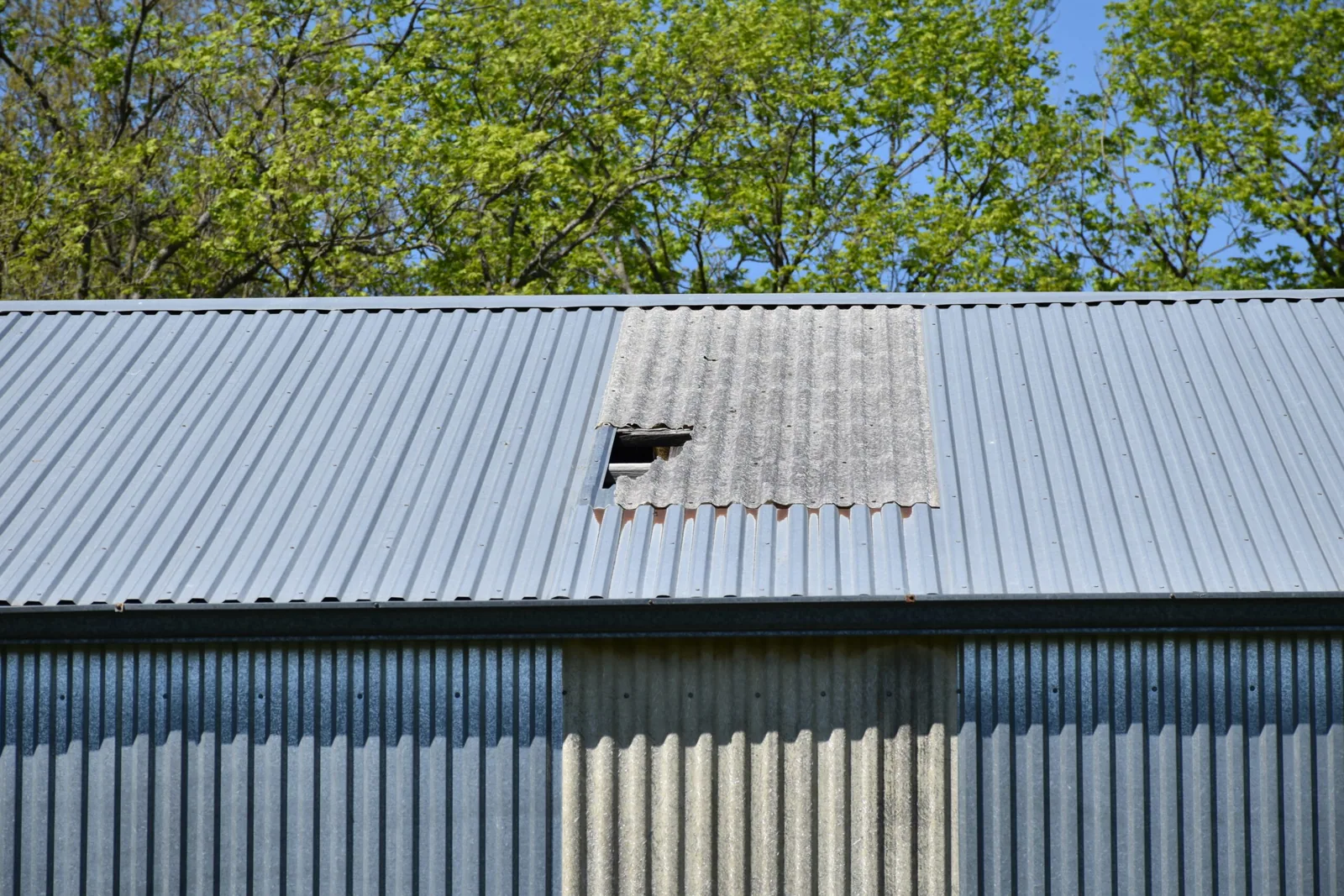
Edge metal, coping, clips and the first row of fasteners get checked, along with any flutter in the field. After any strong blow, a quick edge check catches a lifted piece before the next gust takes it. A wind damage roof repair secures what moved. Tell the yard crew to report any banging at the roof edge.
Cold and heat both work on a big roof. Snow near 30 inches a year, with a record 27.3 inches on January 23, 2016, and July highs near 85 F work on a wide flat roof. A wide flat roof collects snow in drifts at parapets and equipment, then sends meltwater to drains that may be frozen. In summer, the dark surface bakes seams and sealants. We inspect drains before the first freeze, clear ice from inlets after storms and check laps after hard cold and hard heat.
Roof systems for big flat decks
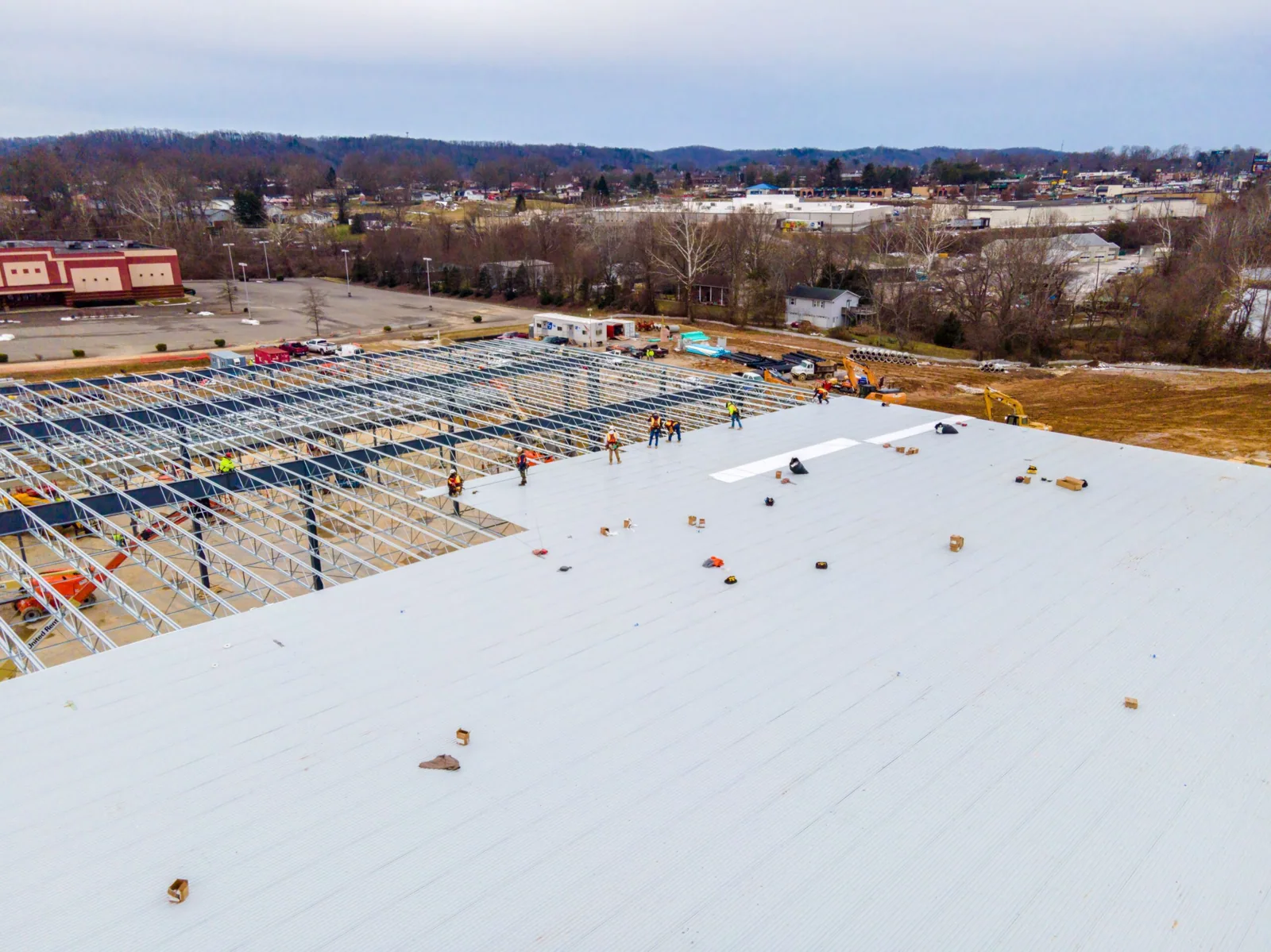
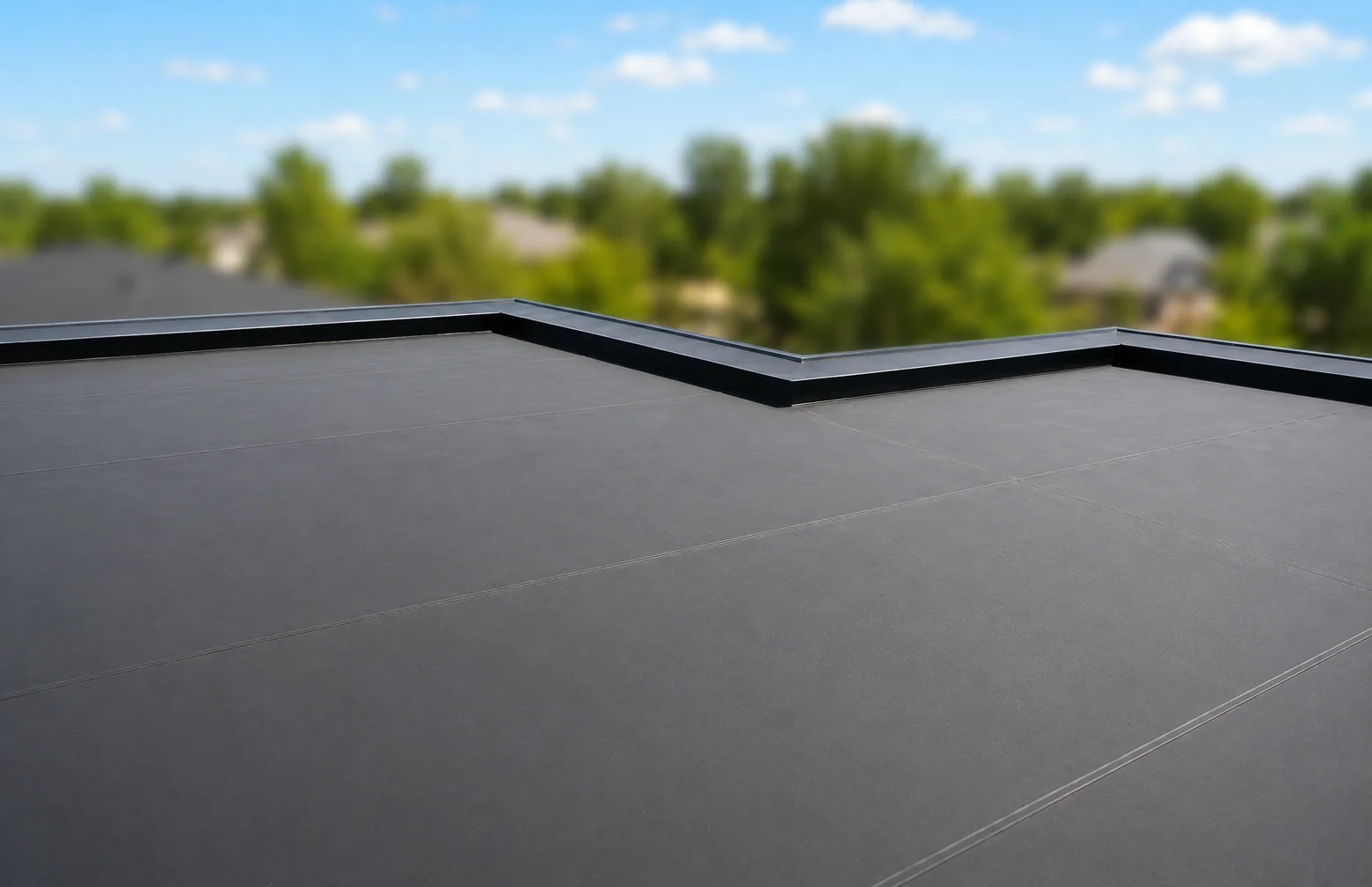
Large, simple roofs suit single-ply membranes. TPO is common for its reflectivity and welded seams, and EPDM has a long record. A mechanically attached system goes down fast and keeps the building open. An adhered system resists flutter in high wind.
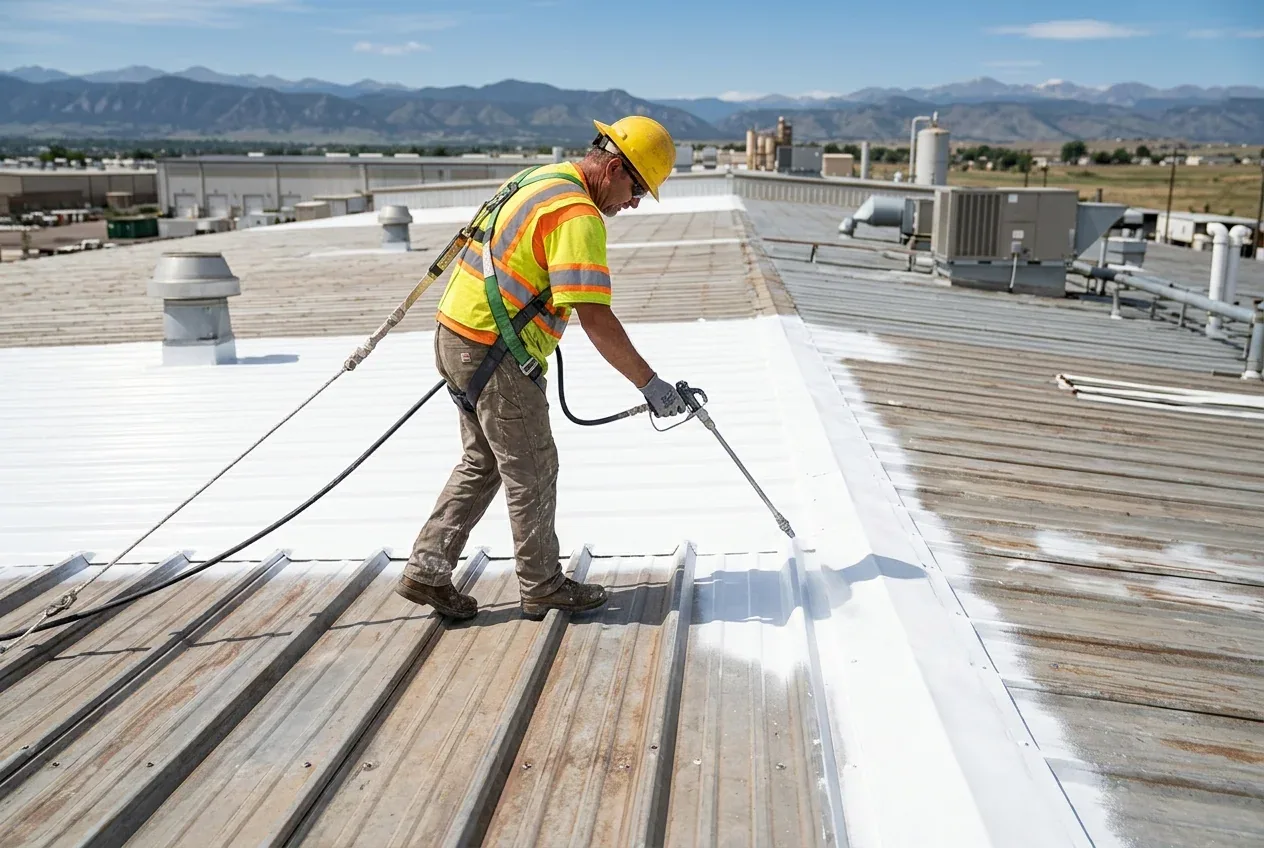
Where the existing insulation is dry, a coating or a recover can stretch the budget. Where it is wet, replacement follows. We show the options side by side with the cost drivers. The 2022 NYC Construction Codes set the energy and roof assembly rules for any replacement, and we confirm the details before pricing. Ask for the plan to include the dock-door flashings and the leveler pits.
One program, many buildings
A multi-site operator needs one report format, one rating scale and one number to call. A multi-site roof program sets that up. Every building gets the same walk, and the ratings roll up into a ranked list.
Leases come into it. A tenant of a warehouse landlord can show the roof's condition at move-in, which settles later disputes over damage. Operators who ship for retail and restaurant chains may share the record with them. For buildings in Red Hook, where Sandy flooding in Brooklyn reached 4.5 feet at its worst, the program adds post-storm visits. Update the ratings each year.
Insurers read the same file. A logistics operator carries cargo and property coverage, and the carrier asks about the roof, especially after a loss. A dated moisture map and a maintenance log show the roof was watched, and they help separate sudden damage from wear. The set is kept in a form the risk manager can forward and is updated after every storm visit, so the file shows the roof as it stands.
Commercial Roofing Questions
When should a warehouse roof be replaced instead of repaired?
When wet insulation covers much of the roof, leaks over stock keep coming back or the membrane is brittle through its thickness. The scan and cores give the numbers. When repairs cost more than the remaining life is worth, replace.
Can a roof be replaced in peak season?
It can, but most operators avoid it. We can phase the work and protect the stock, though the better answer is usually to schedule around the peak.
How do you protect racked goods during repairs?
We find the stock under each strip, cover or move it, and keep the open area small. We close each strip before the end of the day.
Who responds to a leak in a building that runs all night?
A night-shift leak gets a crew at any hour: the roof is dried in, the goods are protected and the cause is written down before the permanent repair is planned.
What does the closeout file hold?
Photos, the core log, materials used, maker paperwork and a rating for the finished roof. It supports the lease, the claim and the sale.