Roofing for Retail and Restaurant Chains in Brooklyn, NY
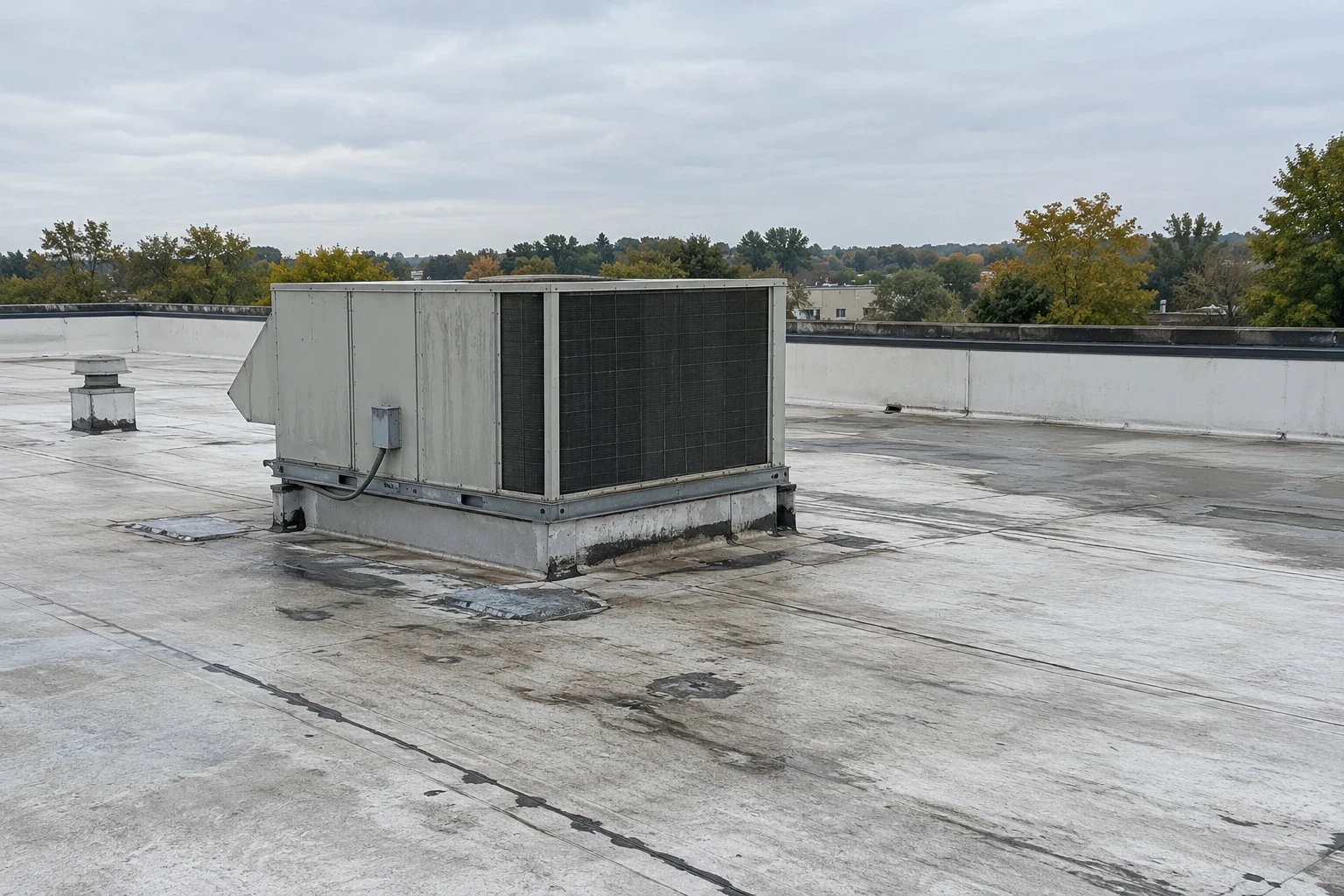
Step onto the roof above a Brooklyn, NY corner restaurant and walk to the exhaust fan. There is a gray-black film on the membrane around it, a foot wide in every direction, and the surface is soft underfoot. Grease does that. It softens seams, stains the roof and clogs the drain a few feet away. Multiply it by fifteen stores and you have a brand with fifteen slow leaks and no way to tell which one is next. A chain needs the same roof walk at every store, the same note, the same photos and the same number to call. Send the store list and the lease roof clauses.
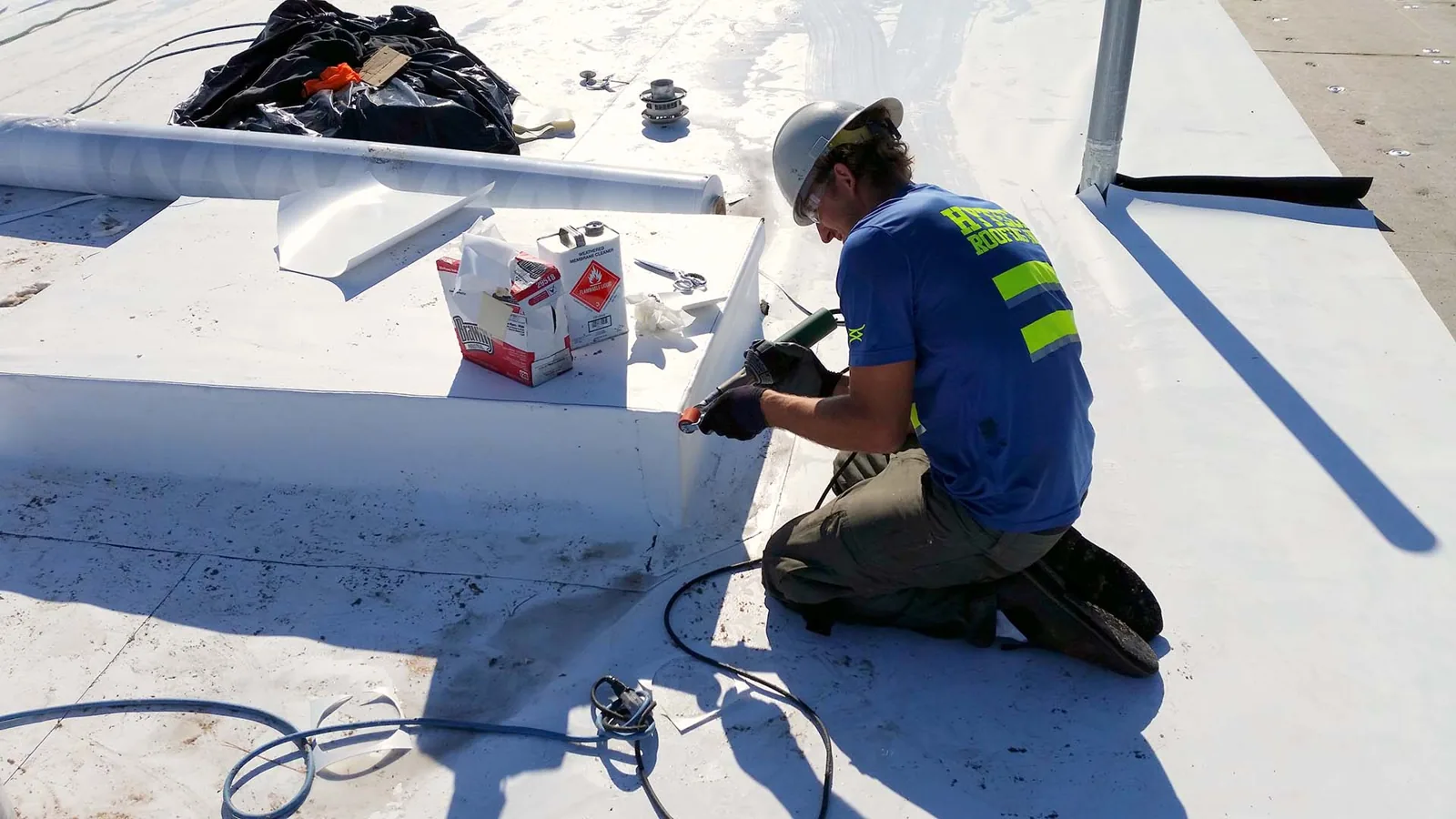
Our crews walk, repair and replace roofs for multi-location brands, holding one standard for every store.
The roofs a brand actually has
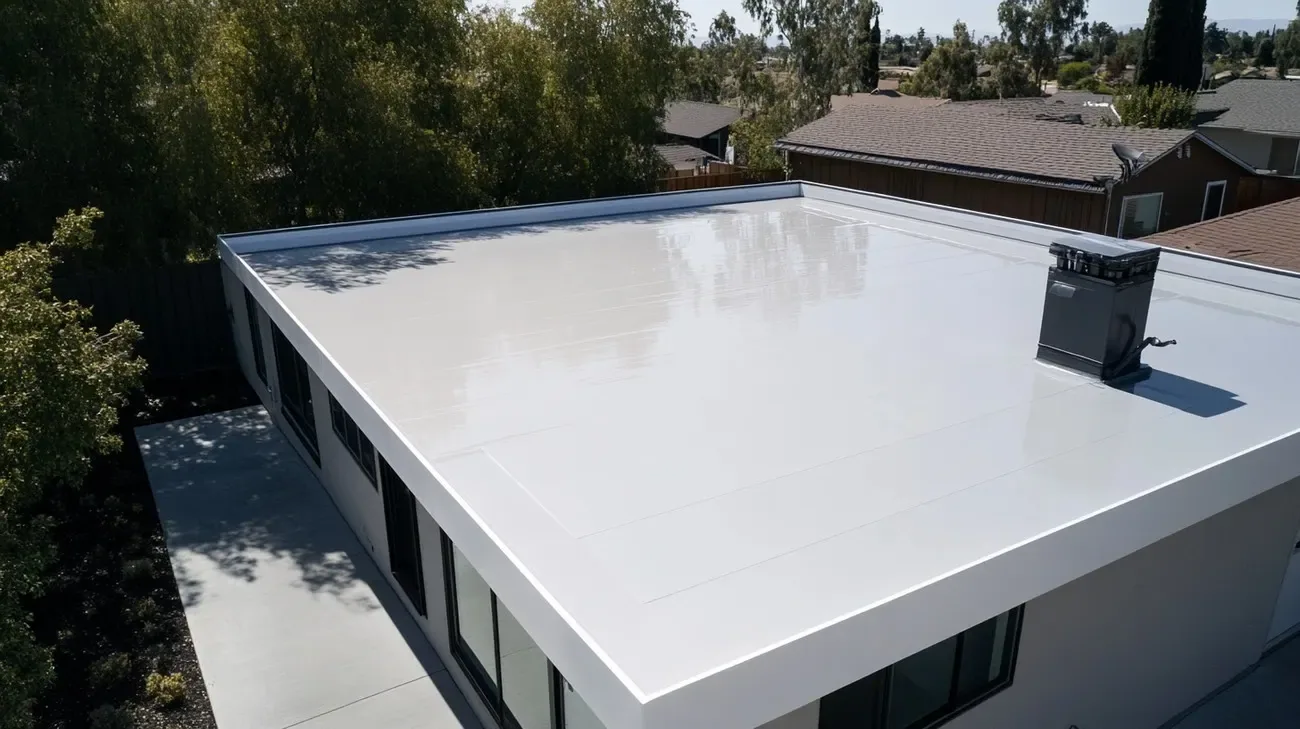
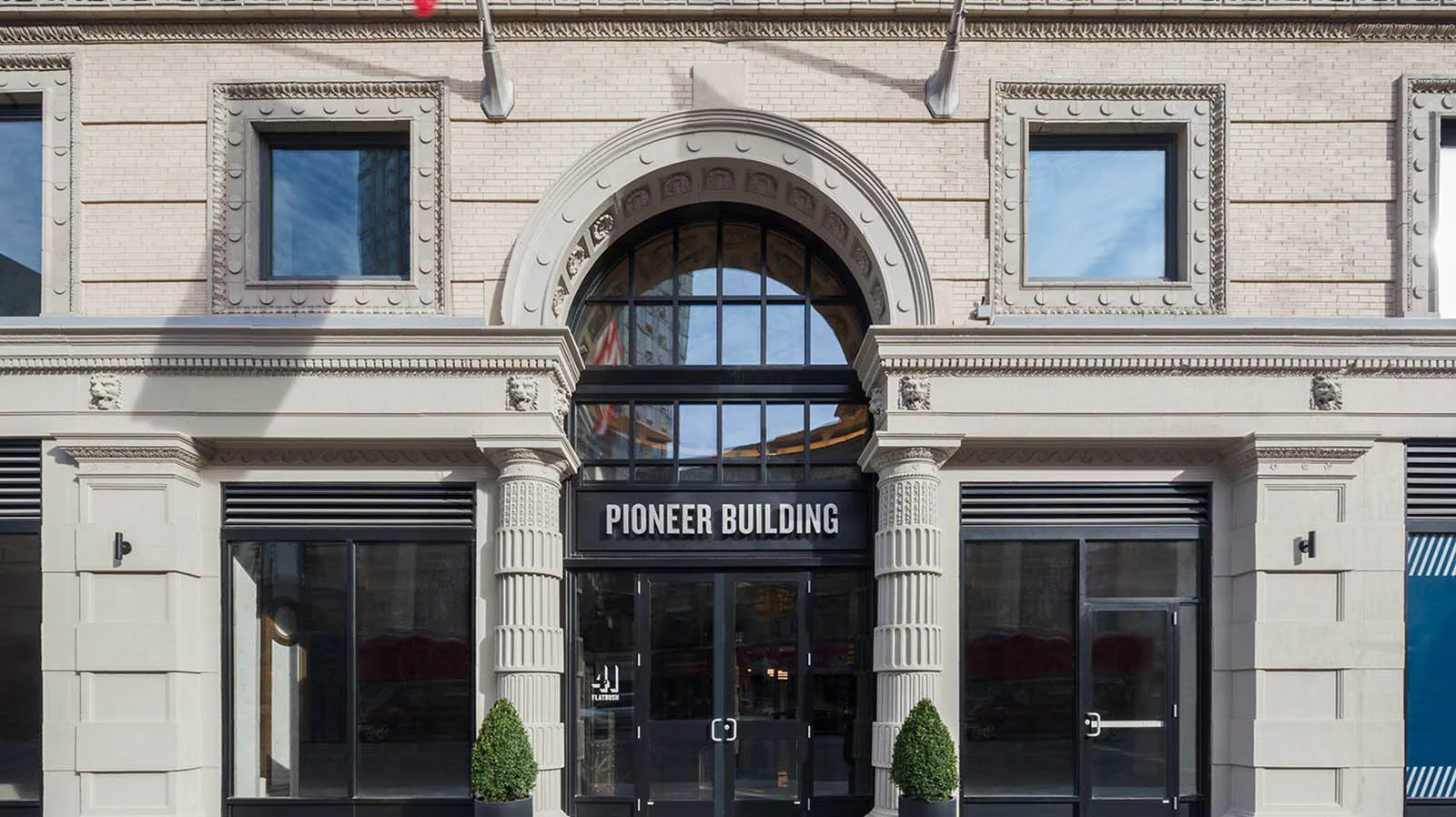
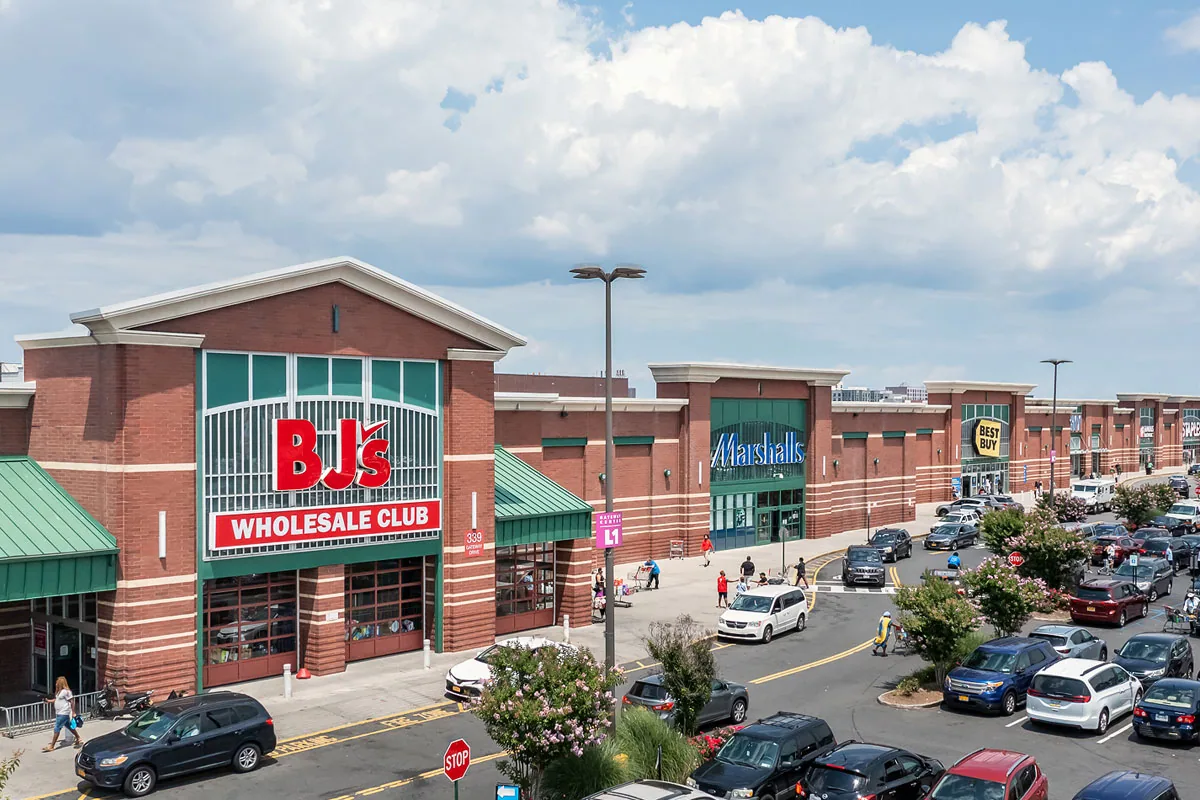
A Brooklyn brand may sit in a rowhouse corner with apartments above, a loft ground floor, a strip of shops on a main street or a big box on a flat mall deck. Kings Plaza and Gateway Center are examples of the large mall properties a brand may lease in. Bedford-Stuyvesant has roughly 8,800 buildings from before 1900, so many stores sit under older roofs shared with tenants above.
Each type fails in its own way. A rowhouse store roof fails at the parapet and the party wall. A strip mall roof fails along long seams and at the drains. A mall roof fails at the curbs and where the rooftop units sit. We name the type on every walk. Add the landlord contact for each store to the list.
Tenants add things over the years. A sign company bolts a frame through the membrane. A cell carrier runs cable across the field. A refrigeration contractor sets a condenser on a stand with no flashing. Each is a leak waiting for a wet week. The walk counts every item, marks who put it there and checks the flashing. A remodel that adds equipment should carry the roofing tie-in in the same permit set, so nobody cuts a new hole without a detail.
Grease, heat and rooftop clutter
Kitchen exhaust throws grease onto the roof. A tray under the outlet catches the worst of it, and someone has to empty it. A membrane suited to grease, such as PVC roofing, resists the chemical attack that softens other sheets. A walkway pad protects the path from the door to the fan.
Retail roofs collect clutter. Signs, dishes, cooling units and conduit all pass through the roof, and each opening is a flashing that can fail. July highs near 85 F under a strong heat island bake the sealant joints on a dark roof. We count the openings, mark who owns each and check the flashings. A preventive roof maintenance visit includes the fan trays. Ask the kitchen manager how often the trays are emptied.
Walkways deserve a note. Delivery staff, repair techs and cleaners all cross a retail roof on their way to equipment, and a dropped tool or a dragged cart tears the sheet. We lay walkway pads on the regular paths and mark the roof plan with the routes. A pad costs far less than one puncture repair, and a puncture over a stockroom can ruin stock before anyone notices the drip.
Rain, leaks and lost sales
A store with a poor roof learns about a storm from the ceiling, whether it is an Ida-scale cloudburst like September 1, 2021 or an ordinary summer thundershower. A stained tile over a display, a bucket in an aisle or a cordoned dining room costs sales that day. Late-day thundershowers are frequent in summer, so the test comes often.
We trace the water to its entry, not just the stain, and we repair without disturbing opening hours. Drains, flashings and the areas over sales floors and stockrooms come first. A commercial roof leak repair finds the path through the deck. Photograph every stain with the date, since the landlord will ask for it.
Insurance asks different questions of a store than of a warehouse. A retailer's business-interruption cover depends on showing that the roof failed from an event and not from neglect, and a restaurant's cover may exclude grease damage. A dated walk note and a maintenance log answer both. We write our findings in plain language, attach the photos and keep the set where the brand's risk manager can get it. Hotels and bars on the same block, run by hospitality groups, can share the same file.
Who pays for the roof
The lease says. Some leases put the roof on the landlord, some on the tenant and many split structure from upkeep. A brand with many stores meets many clauses. A walk note and a maintenance log let the tenant show the roof's condition at move-in and at each visit, which settles arguments about cause.
Where the tenant pays, the program sets visits and repairs on a calendar. Where the landlord pays, the survey and scope go to the landlord's contractor or to the property management companies that run the building. Brands with warehouse support may share records with logistics and 3PL operators. Send the lease clause as soon as a leak is reported.
One standard, many stores
A chain needs one report format, one rating scale and one emergency number. A multi-site roof program gives it. Every store gets the same walk, and the ratings roll into a list that ranks stores by risk.
Remodels and lease renewals become the moment to replace a poor roof. When a store is gutted, the ceiling is open and we can inspect the deck from below, so we coordinate the roof walk with the general contractor. For stores in Bay Ridge and other neighborhoods, the same standard applies. Keep one folder per store and review the ratings every quarter.
Storm days
Sandy's flooding in Brooklyn reached 4.5 feet at its worst in October 2012. Stores in flood-prone blocks should have a storm plan for the roof as well as the basement. The roof plan names who clears the drains, who calls us and who contacts the landlord.
After a storm we survey the poorest roofs first and document the damage for the landlord and the insurer. A dated record helps a business-interruption claim, since it shows the roof failed from an event and not neglect. We write the findings in plain words that a store manager and an adjuster can both read. Keep the storm plan in the manager's binder.
Remodel season is the cheapest time to fix a roof. When a store is gutted for a new look, the ceiling is open and the crew can look at the underside of the deck, the penetrations and the insulation from below. A repair that would need a ceiling cut later costs far less now.
Commercial Roofing Questions
Repair or replace before a lease renewal?
The moisture map and the length of the renewal decide it. A short renewal favors targeted repairs with a record. A long renewal favors replacement, ideally agreed with the landlord, since the new roof helps both sides.
Can repairs happen without closing the store?
Usually. We work from the roof, protect the area below and keep noisy tasks to off hours. If a ceiling has to open, we agree on timing with the manager.
What if a leak starts on a holiday weekend?
The emergency line answers every day, holidays included. We dry in the roof, protect the sales floor and write the cause for the landlord.
Does grease void a roof warranty?
Many warranties exclude grease damage unless the membrane is rated for it or containment is in place. We check the terms at the walk and suggest the right system.
What should each store keep on file?
The walk note, photos, maintenance log, lease roof clause and landlord contact. One page per store is enough if it is current.