Roofing for Real Estate Investors and REITs in Brooklyn, NY
The seller's broker says the roof is five years old. The core says the top membrane is five years old and sits on a tar-and-gravel build-up that is far older and wet at the bottom. Both statements are true, and only one of them matters to the buyer. A Brooklyn, NY roof can hide its history in layers, and a buyer who learns the layers before closing can price the risk instead of inheriting it. In a Brooklyn deal the roof is a small line that can turn into a big one. Send the property list, the roof ages the seller gave and the closing date.
We scan, core and report on roofs for investors and REITs, and we repair or replace them once they are owned.
What to ask for before closing
Ask for four things. A roof walk with photos of every drain, wall and opening. An infrared scan and a few cores. A note on the layers, their age and their condition. A cost range for the next few years, split by cause.
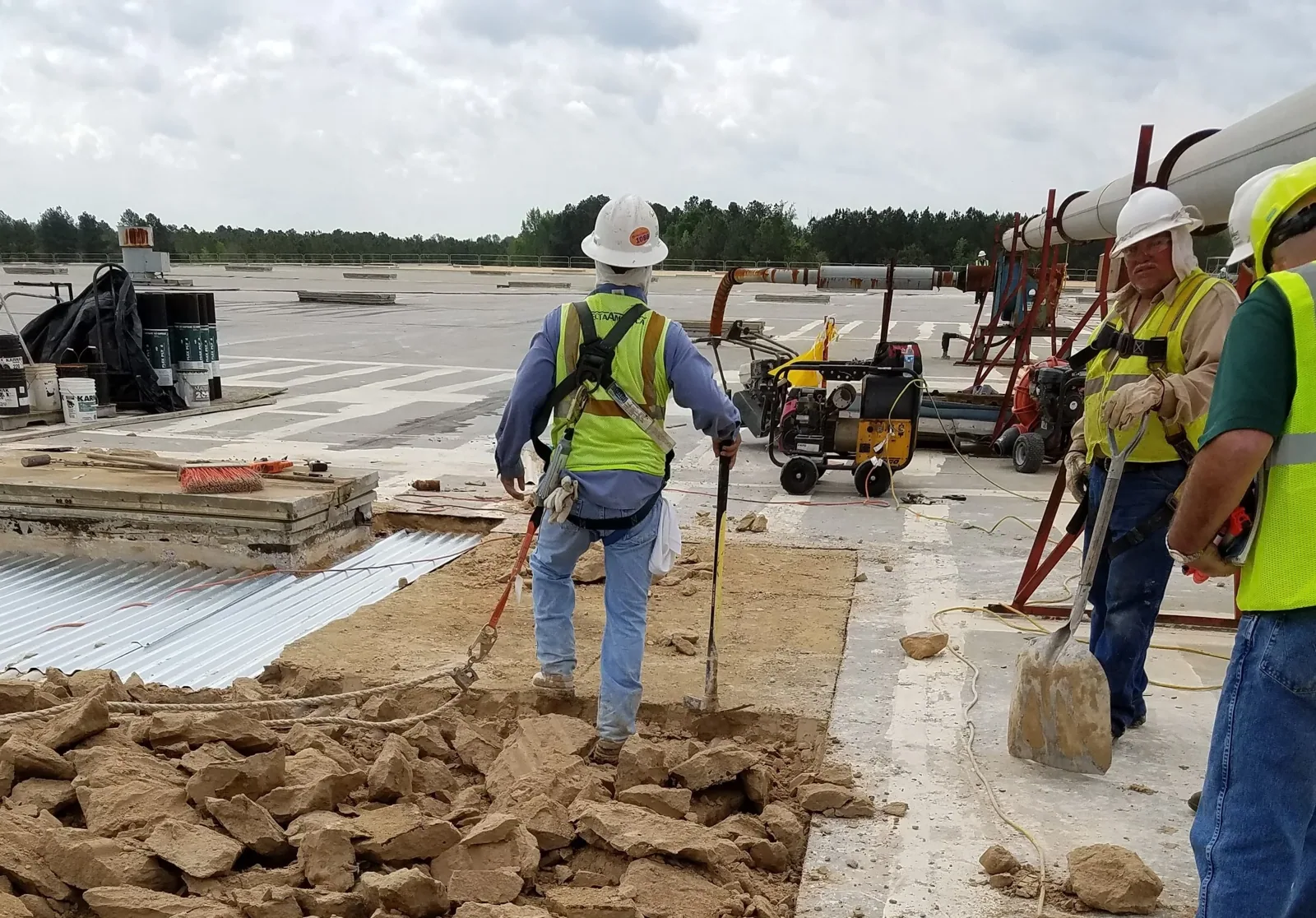
The walk takes hours. The scan needs a clear evening. The cores are patched the same day. Together they tell a buyer whether the insulation is dry, whether the membrane has life left and whether the drains work. They also show deferred maintenance, like cracked flashings and clogged baskets. A seller who has done upkeep can show a log, and a buyer who sees one has less to worry about. Due diligence roof surveys are written for this purpose. Request access to the roof early in the inspection period.
What Brooklyn buildings hide
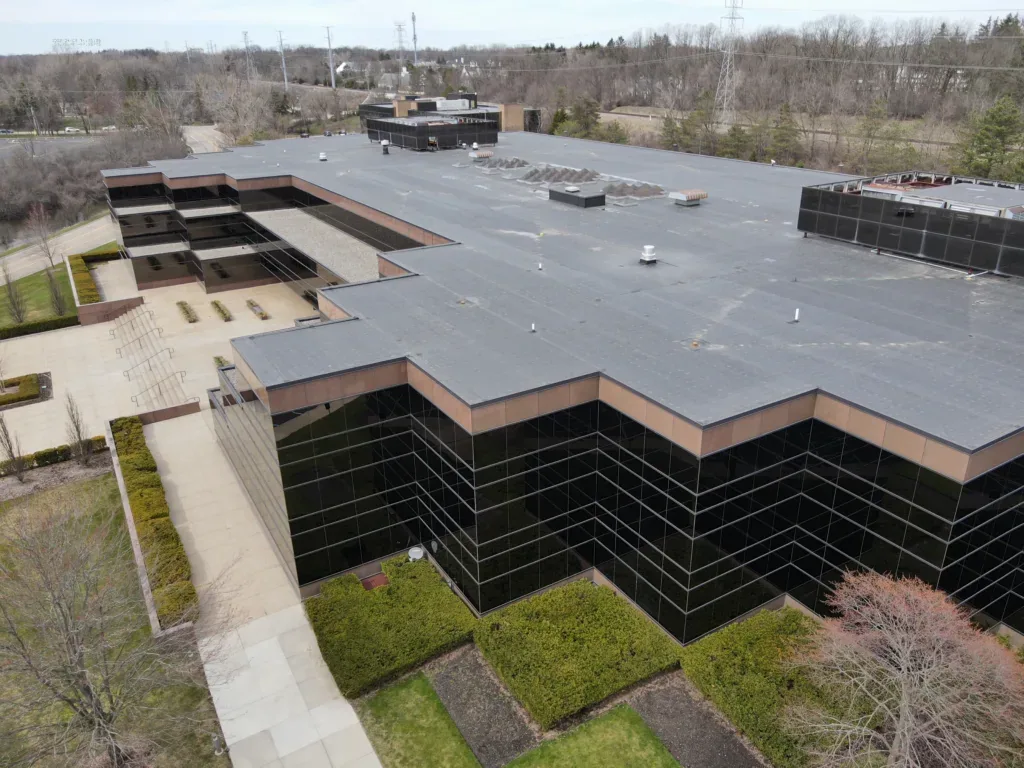
Old industrial stock is where layers hide. Old industrial stock starts with Bush Terminal in Sunset Park, begun in 1911, and Brooklyn Army Terminal, which the city bought in 1981; the East Brooklyn park (1980) and Flatlands (1969) add more. Roofs on buildings like these can carry old layers and many openings, so a single failed drain or a wet corner can matter. Rowhouse blocks with stores on the ground floor have the opposite problem: small roofs, many owners, shared walls. A buyer of either type needs the layers read. Ask for the oldest roof drawings the seller has.
Industrial parks bring a second question: how many roofs, and how alike. A buyer of a complex of several buildings in East Williamsburg's industrial park, between Flushing Avenue and Newtown Creek, may find three roof systems on one site. We rate each building and group them by system, so the capital plan can treat the dry ones and the wet ones differently. A sample core from a representative roof gives a first read on the rest, though a buyer who cares about a specific roof should core it.
Holding the asset
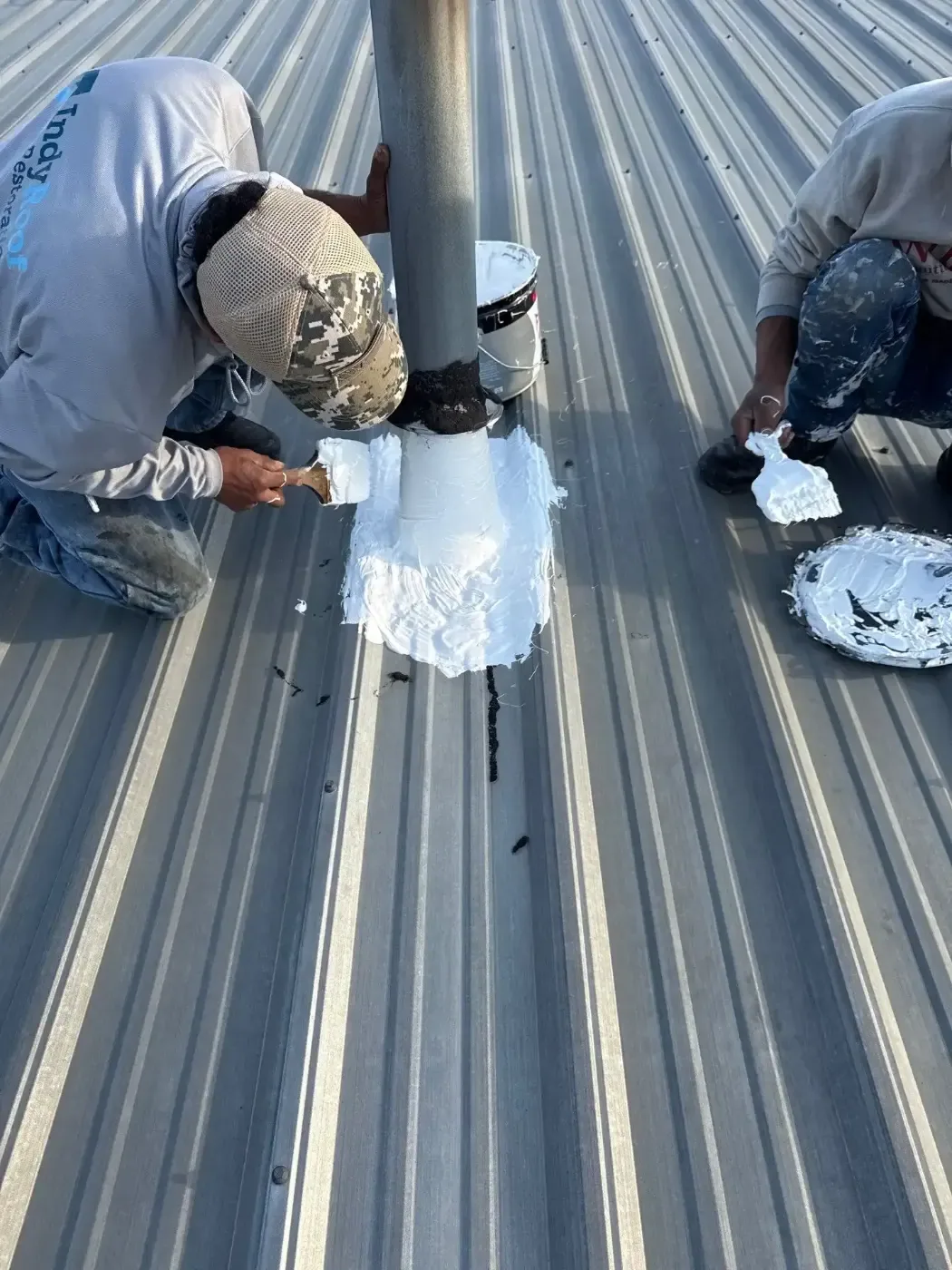
Once the building is owned, the roof becomes a schedule. A coating on a dry roof can add years for much less than a tear-off. A recover over dry insulation saves disposal. A full replacement resets the clock. Each choice has a cost, a duration and a record. We lay out the options side by side with the cost drivers.
The dry-roof path is roof coating restoration, and the full reset is commercial roof replacement. The right choice depends on the hold period. A building you will sell in three years wants the cheapest sound option and a clean record. A building you will keep for twenty wants the roof that lasts. Write the hold period into the brief at the start.
Timing inside the hold matters. A replacement in the last years of a hold mostly benefits the next buyer, so some owners choose a coating or a targeted repair that carries the roof through the sale, supported by a moisture map. Others replace early to lock in a long warranty and a clean file for refinancing. The pick stays with the owner. Each path is costed across the hold, with the risk of leaks in between, so the decision rests on the whole picture.
Weather risk in the underwriting
Underwriting a Brooklyn property starts with water. In October 2012 Sandy flooded about 17 percent of the city, Brooklyn's worst spot hit 4.5 feet, and the Coney Island peninsula sits near 7 feet above sea level. Ida's remnants in 2021 forced the city's first flash flood emergency. A roof does not sit in the flood, but the building under it might, so buyers in flood-prone blocks should check drain capacity, equipment height and dry-in plans. Roughly 30 inches of snow fall in a year, and the summer heat island is strong. A buyer reading a roof report should see each of these loads reflected in the findings, not only the age of the membrane, because the same roof can be sound under one and failing under another. We write the weather exposure into the report so the underwriting model can use it. Keep the pre-event rating, because the carrier will ask for it.
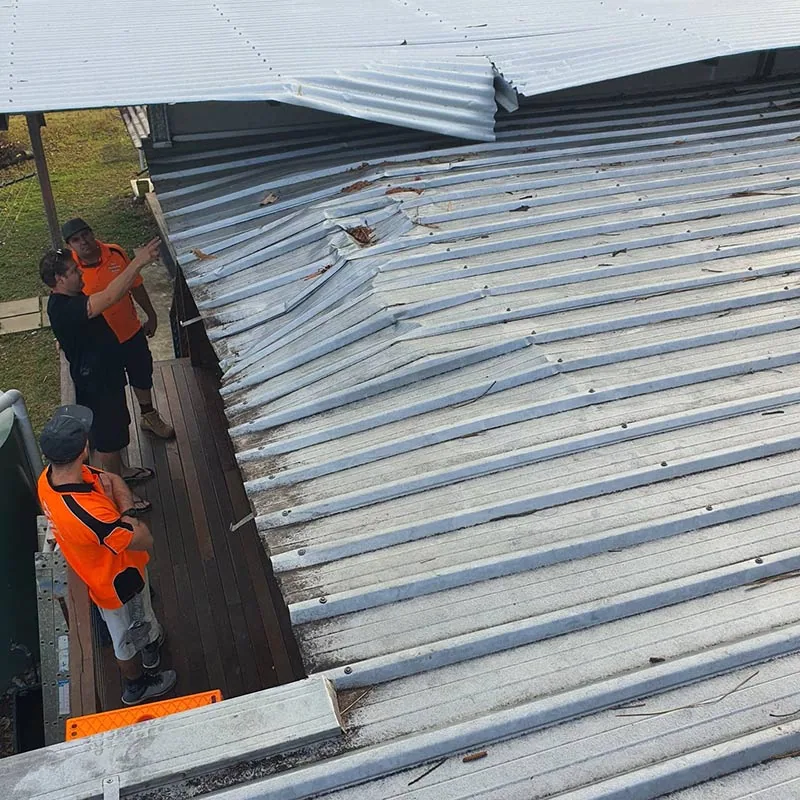
Insurance is a line in the model too. A carrier may price a building with a documented roof differently from one without, and a claim goes faster with a dated record. We write the report so an underwriter can read it: the age of each layer, the moisture finding, the drain test and the repair history. If a loss happens, our roof insurance claim assistance builds on the same file. A buyer who orders the report once gets both uses from it.
Leases, tenants and who pays
The lease decides who fixes the roof. Triple-net leases often push repairs to the tenant, and gross leases leave them with the landlord. A mixed building has both. A roof file with dated notes shows who did what, which settles most disputes about damage.
An owner of several buildings can run them through property management companies that report to a central file, and some of those buildings house clinics run by healthcare systems with their own rules for roof work. We shape the paperwork for the lender, the manager and the tenant. For buildings in Williamsburg and similar districts, the file includes the equipment each tenant added. Send the lease clauses that mention the roof.
Commercial Roofing Questions
How long does an acquisition roof check take?
A walk, scan and cores on one roof usually take a day or two of field time, with the scan waiting for a clear evening. The report follows within days. Tell us the closing date and we plan to it.
Can we use the report to renegotiate price?
Many buyers do. The report states quantities and cost drivers, such as the area of wet insulation or the number of failed flashings, and that gives both sides a shared set of numbers. The negotiation itself is yours and your counsel's.
What if the seller will not allow cores?
Then we report what the walk and scan show and mark which findings rest on limited access. A scan alone can find wet insulation, but cores confirm it, and the report says which is.
Does a new roof help at sale?
A recent roof with a closeout file, photos and maker paperwork removes a common objection from a buyer's engineer. To a buyer's engineer the file counts for as much as the roof itself, because it shows what was done and when.
Who covers a leak that starts the week after closing?
The contract and the lease decide. A pre-closing report dated before the transfer is the best evidence of the roof's condition on the day you bought it.