Due Diligence Roof Surveys in Brooklyn, NY
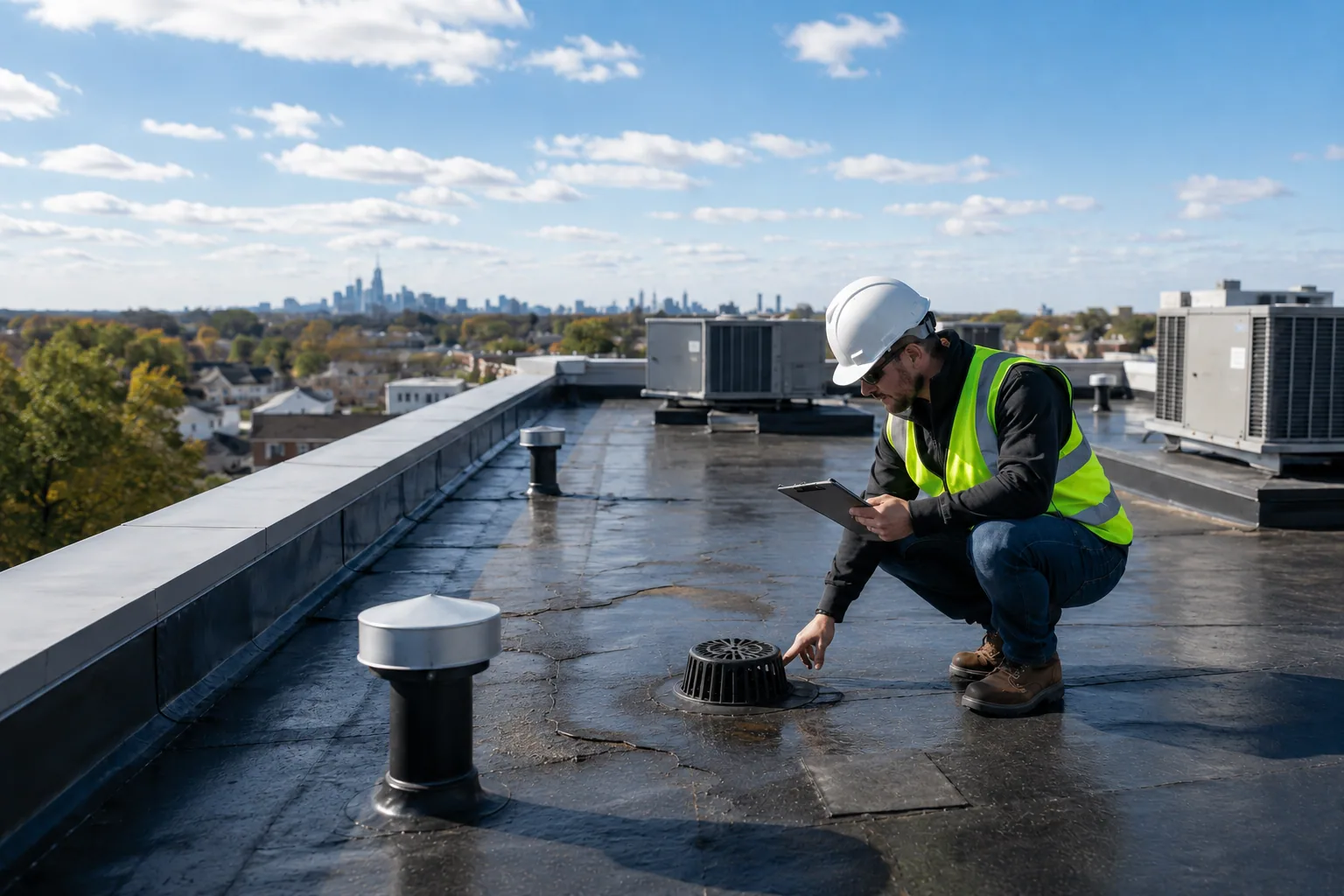
The listing sheet gives a roof date and a line that says recently repaired. Then you climb the bulkhead stairs of the Brooklyn, NY building under contract and find a drain basket full of grit, tar smeared around three pitch pans and a coping joint open wide enough to slide a pencil into. The sheet and the roof disagree. A due diligence roof survey settles which one to believe before the deposit goes hard. We walk the roof inside the review window, measure what is there and hand the buyer or lender a cost-to-cure figure range and a replacement date to price against.
What the survey covers
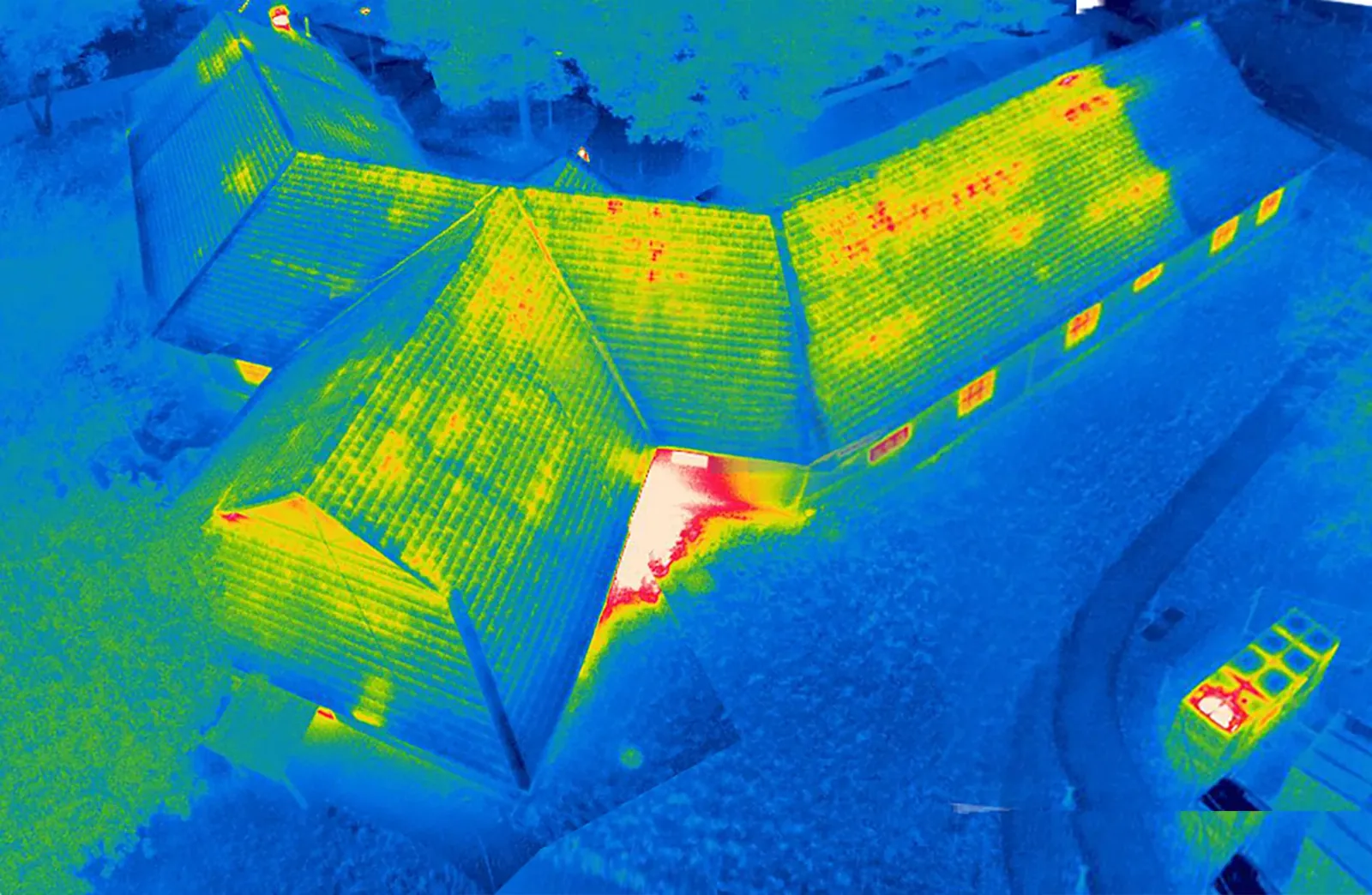
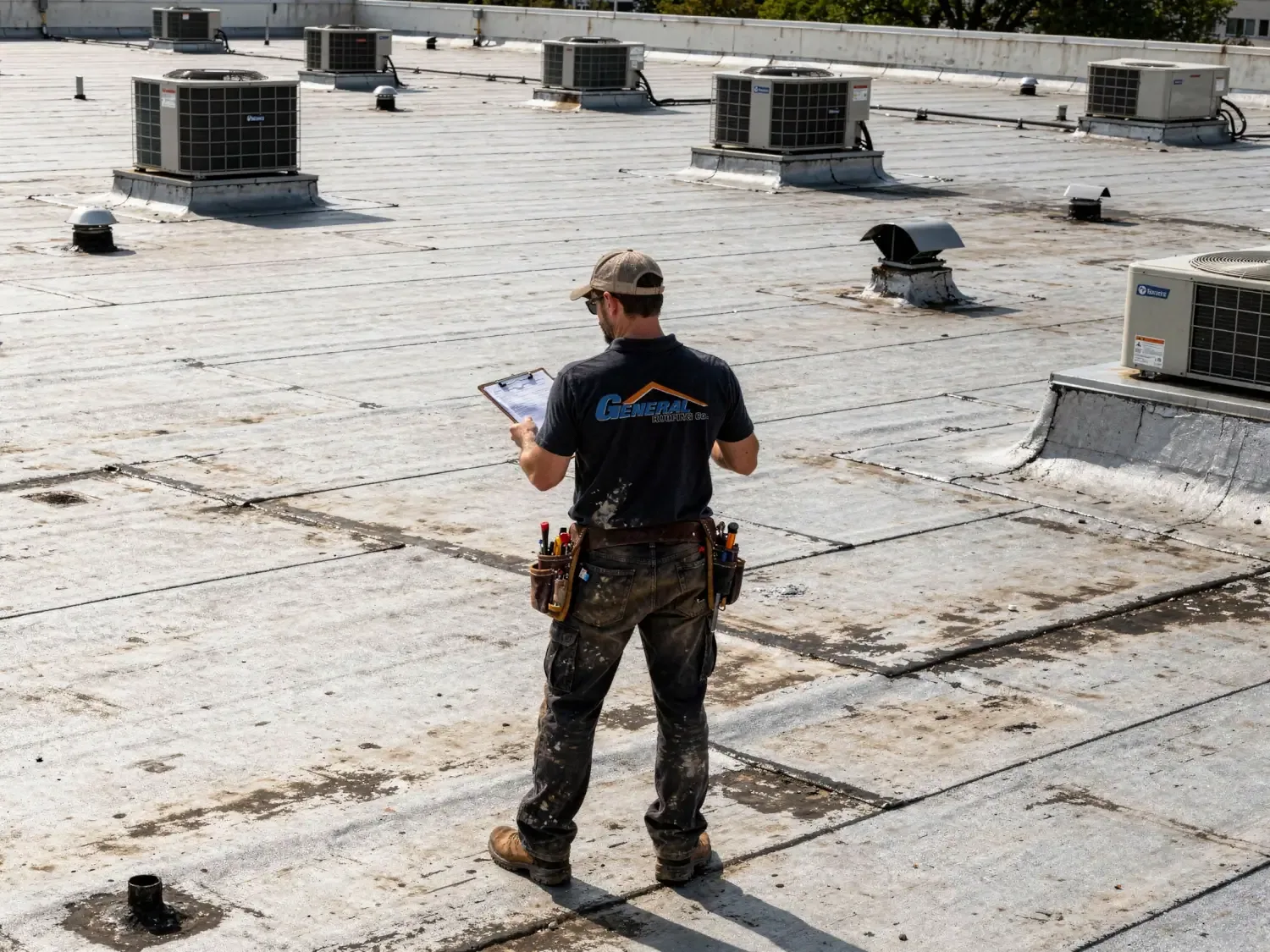
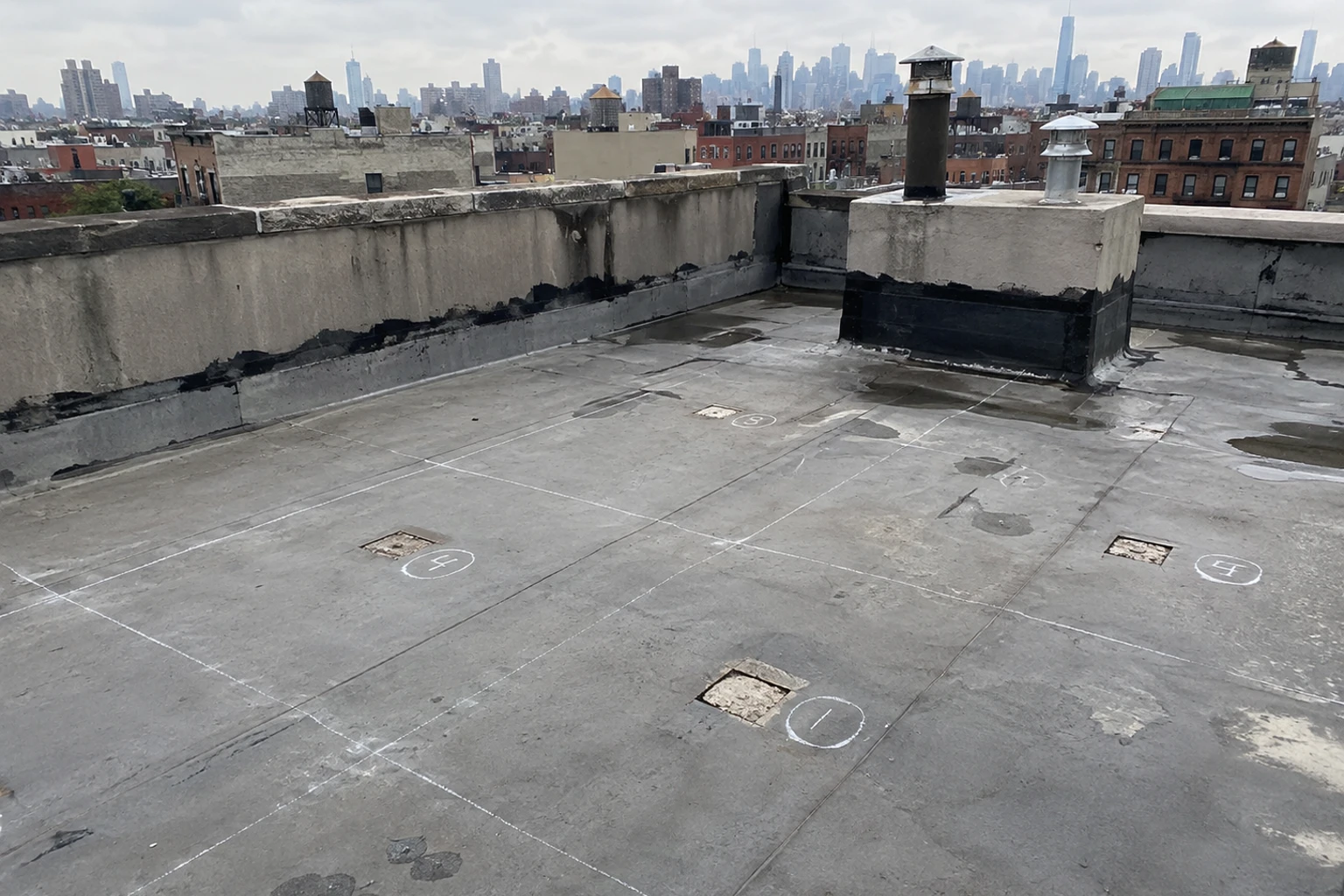
The survey reads the roof in the order a lender or investment committee will ask about it. Surface and seams come first, then flashings and edges, then drains and drainage path, then the equipment on the roof and how it is attached. Last comes what is under the membrane, which we check with an infrared moisture scan and a small number of cores when the schedule allows.
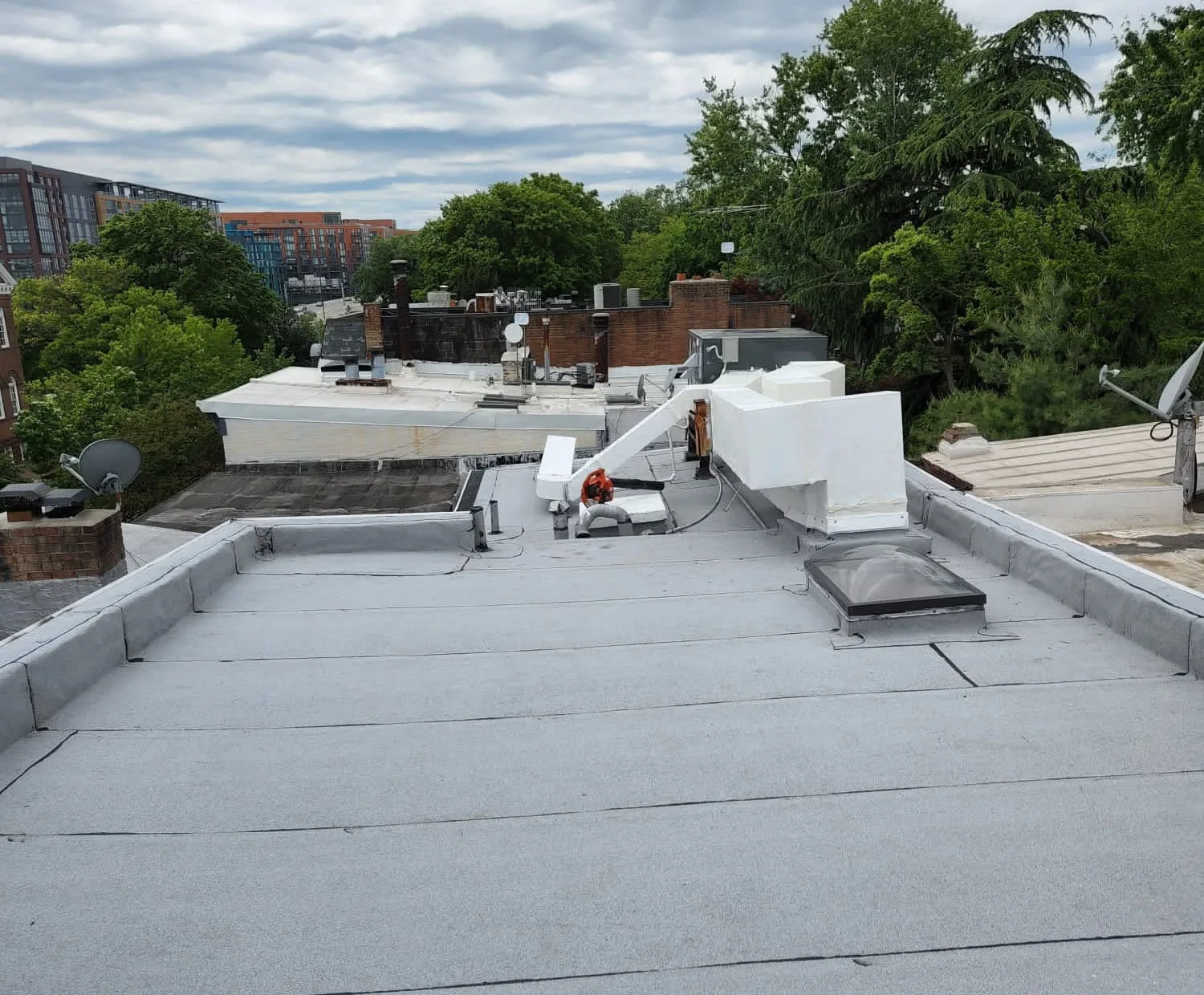
Every defect is photographed and placed on a roof plan. We note the roof's age if it can be established, the number of layers, prior repair patterns, and whether the deck shows any sign of sag or corrosion. Where the roof cannot be fully walked, the survey says which parts were seen directly and which were seen from a drone or an adjacent roof.
The weather record is part of the file too. Brooklyn gets about 30 inches of snow a year and a strong summer heat island, so we look for freeze-thaw splitting in seams and heat-baked membrane at the south exposures.
Turning findings into numbers
A buyer needs figures, so the survey ends with three of them. The first is the immediate repair list: items that should be fixed at or soon after closing to stop active leaks and protect the building. The second is the reserve line: the cost range and timing to restore or replace the roof over the hold period. The third is the risk item: any condition that could change the price, such as wet insulation across a wide area or a deck that needs structural work.
Each figure comes with the assumptions behind it. We say what drives the range, whether it is the depth of tear-off, the number of curbs, access limits or the code requirements for the new assembly. A buyer can then negotiate with facts instead of a vague discount.
Why this building
Acquisition targets in Brooklyn run from converted factories to rowhouse blocks with shops below. Williamsburg's industrial waterfront was rezoned in 2005 and former warehouses such as the 1915 Austin, Nichols building have been turned into lofts and apartments, which means a roof that began life over production space may now sit over residential units and may have been modified for the change. Gowanus was rezoned in 2021 to allow about 8,500 new apartments in an area that was historically light-to-mid manufacturing, and buyers there are inheriting roofs of widely different ages.
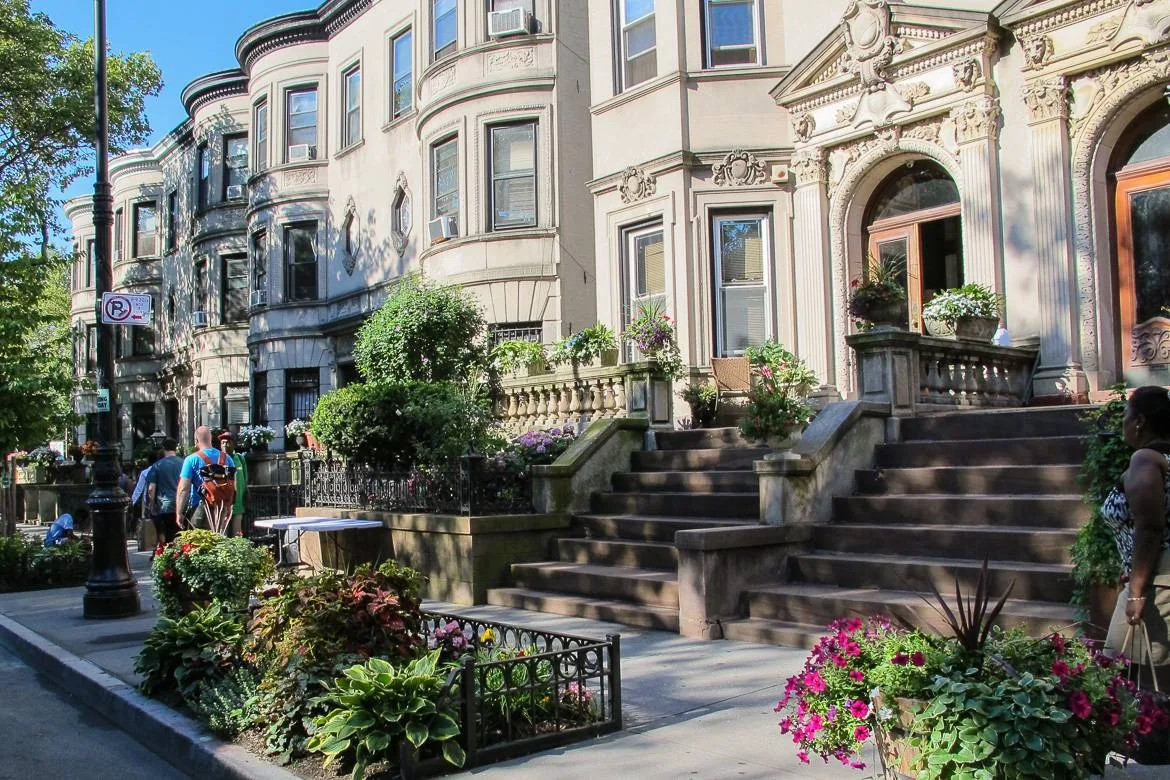
In Bedford-Stuyvesant, many of the roughly 8,800 buildings that predate 1900 have commercial ground floors and small roofs with shared party walls, and the survey looks closely at the tie-in to the old roof at each neighbor line.
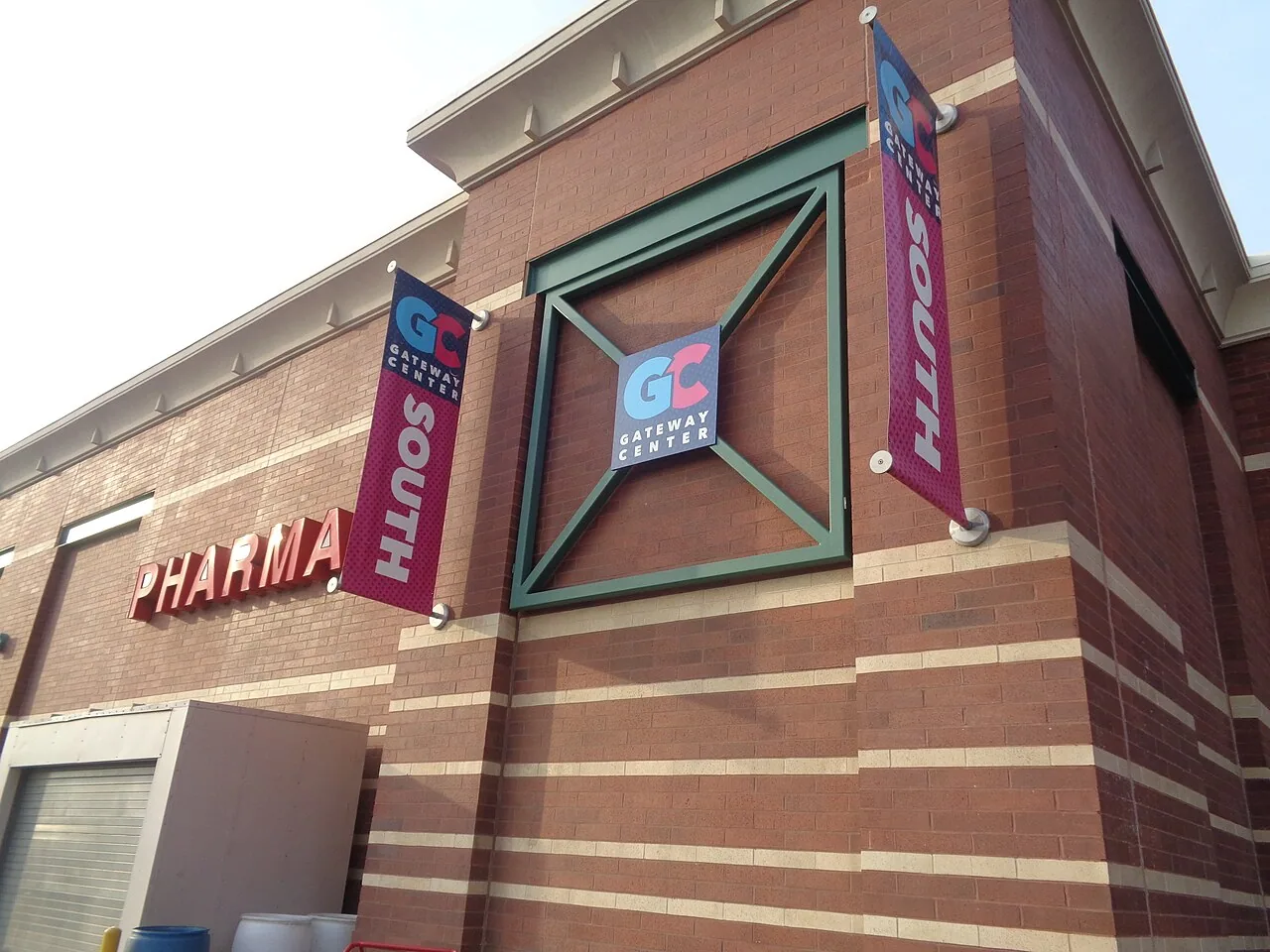
Retail and big-box buildings bring a different set of questions. Kings Plaza, the borough's largest indoor shopping center, and Gateway Center, built on a former landfill beside Jamaica Bay in Spring Creek, raise their own drainage and rooftop-unit questions. A buyer looking at a shopping center roof in that part of the borough should ask how the drainage handles heavy summer cloudbursts and whether rooftop units have been flashed to a consistent standard across tenant spaces.
Access and the review clock
Due diligence runs against a deadline, so the survey is planned around it. We ask the seller or manager for roof access, any warranty documents, repair invoices and building plans, and we schedule the walk early in the period so there is time for cores and follow-up. On an occupied building we coordinate with tenants and staff about the stair tower, the hatch and any rooftop equipment that must stay running.
If the seller limits access, the survey records the limit and works around it. A parapet-level inspection, a drone pass and a review of interior ceiling stains still tell the buyer a good deal. What we do not do is write a clean report on a roof we could not see.
Refinancing and lender reports
Refinancing uses the same survey with a different audience. Lenders want a dated condition finding, a deferred maintenance list and a view of remaining life. The condition report supplies the first two, and the remaining-life estimate feeds the reserve schedule. Where a lender requires a replacement reserve, the figure should come from the roof, not a table, so we attach the core log and the scan images to support it.
We can also update a survey that is a year or two old, walking only the areas that changed and comparing photographs against the earlier set. That is faster and cheaper than starting over, and it keeps the history intact.
After closing
A good survey becomes the first page of the building's roof file. The repair list turns into a work order, the reserve line moves into the capital plan and the baseline photographs feed the asset register. If the buyer holds several properties, the same format lets one manager compare roofs across the portfolio from the first day.
Commercial Roofing Questions
How long before closing should the roof survey be scheduled?
As early in the review period as access allows. The walk itself takes a few hours, but cores, lab turnaround and the written report add days. If the survey is booked in the last week, the buyer gets a walk and photographs but may not get moisture results in time. Booking in the first week leaves room to price repairs and negotiate before the contingency expires.
What if the survey finds wet insulation under a new-looking membrane?
That finding changes the price. A membrane can be recent and still sit over insulation that got wet before the roof was recovered, or that took water through an unrepaired flashing. We map the wet area with the scan, confirm it with cores and give a repair or replacement range for the affected zone. The buyer can then ask for a credit, a repair before closing or a reserve holdback.
Can the survey cover an entire portfolio acquisition?
Yes, and the format is built for it. Each roof gets its own entry with a rating, photographs and a cost range, and a summary sorts the group by urgency and by cost. We can phase the field work across the review window so the most expensive buildings are walked first. The summary gives the investment committee a single page that points to the problem roofs.
Does the survey say whether the roof meets current code?
It flags visible conditions that matter for the code, such as the number of existing layers, edge details and drainage, and it notes where a replacement would be designed to the current NYC Building Code roof assembly chapter. It is not a code compliance certificate. If a code question affects the price, we describe the likely scope so the buyer can raise it with a design professional.
Who receives the findings, and can the lender rely on them?
The findings go to whoever engaged the survey, and we address them to that party. A lender may ask for a reliance letter or for the report in a particular format, and we can arrange the layout to suit, with the photographs, the roof plan and the cost ranges in the order the credit file expects. The facts remain the same regardless of who reads them, so the buyer and the lender work from one set of numbers.