Roof Capital Planning in Brooklyn, NY
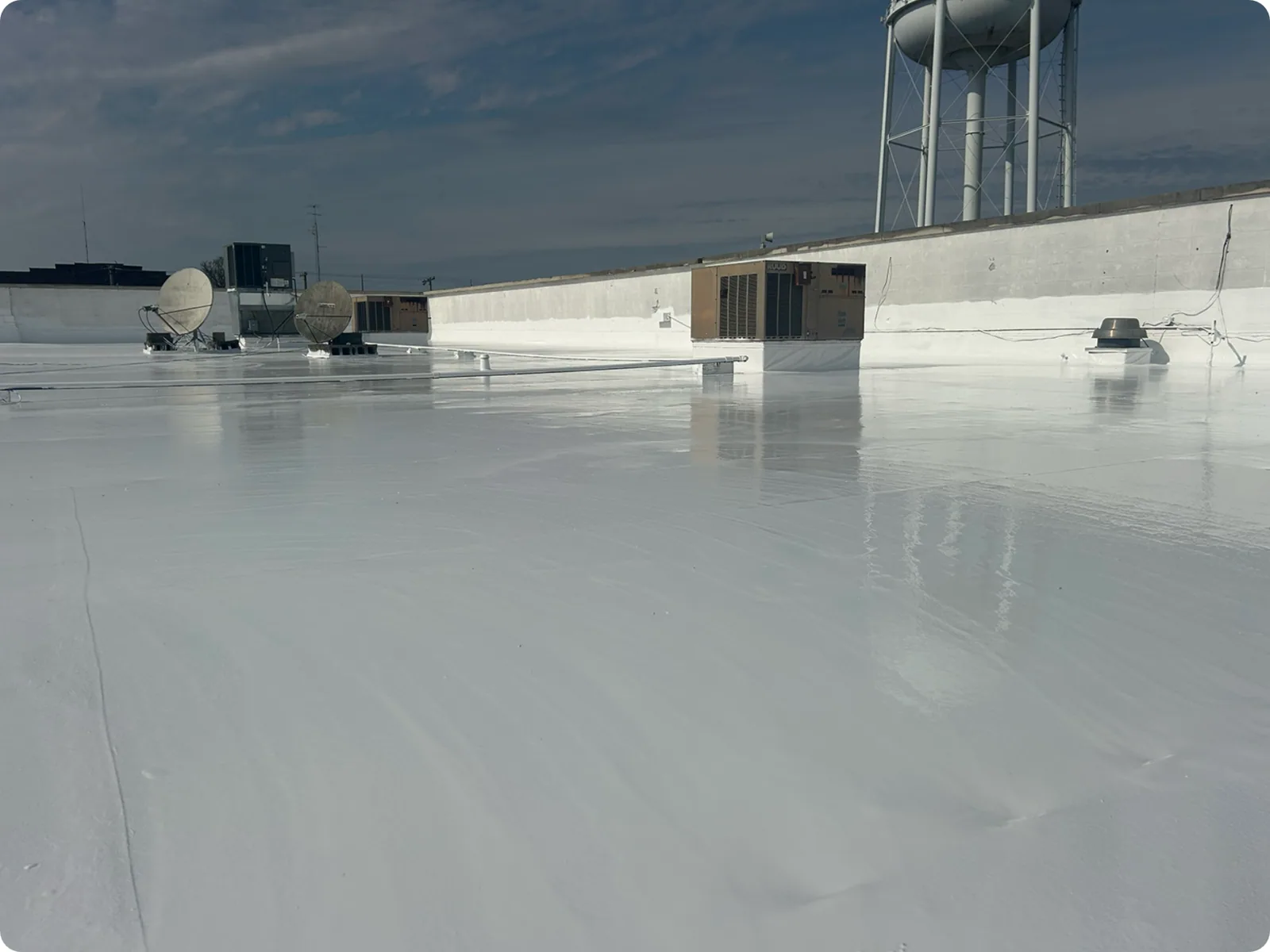
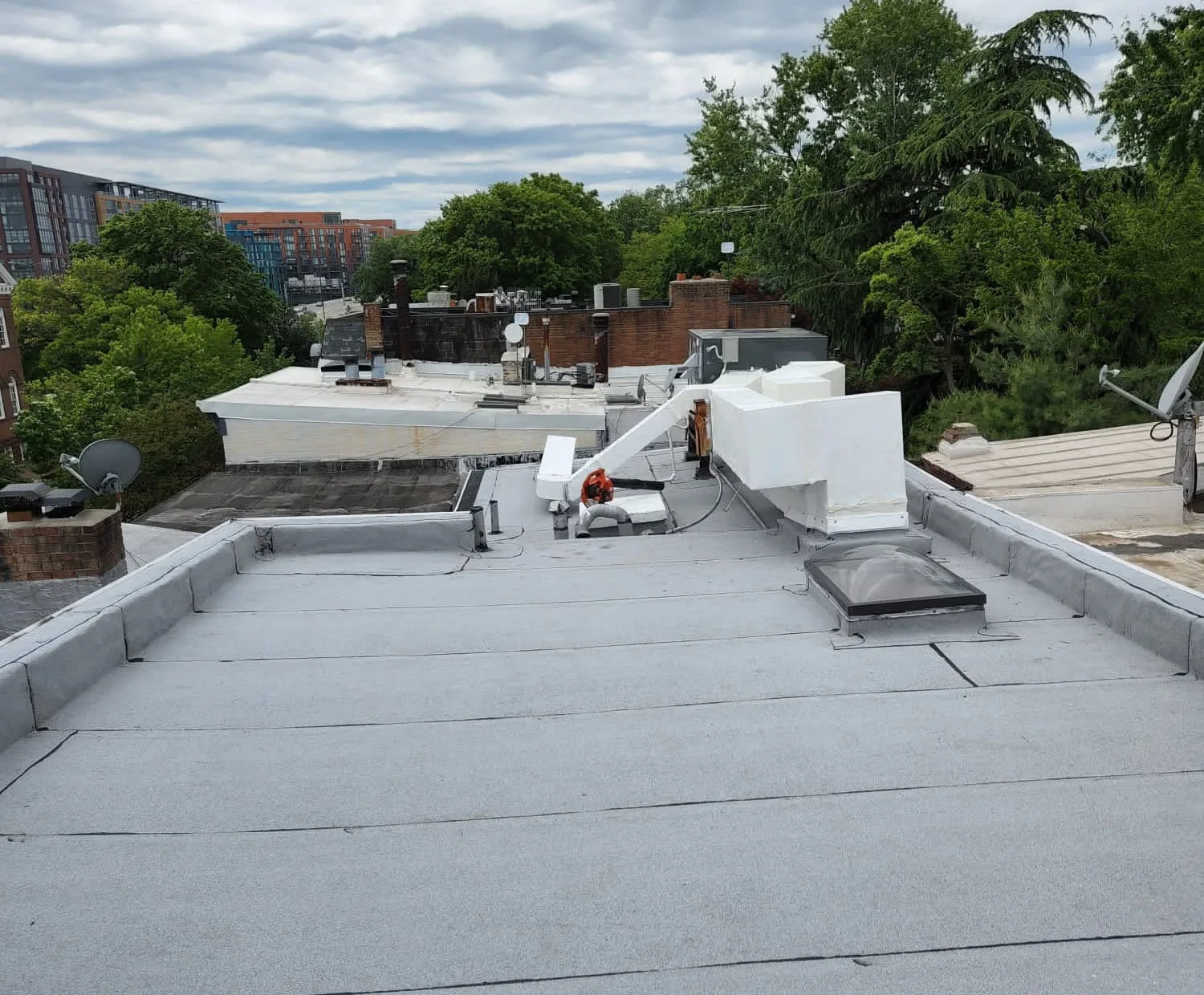
A patch laid over a patch laid over a patch is the clearest sign that a roof has outrun its repair budget. Walk a Brooklyn, NY loft roof with that kind of history and the seams of old repairs run across the field like scar tissue. Each one was a small decision that made sense on the day. Together they cost more than a planned replacement would have, and the owner never saw the total. Roof capital planning puts the whole picture on one page: what each roof has left, what it will cost to deal with it, and which year the money should be set aside.
What the plan starts from
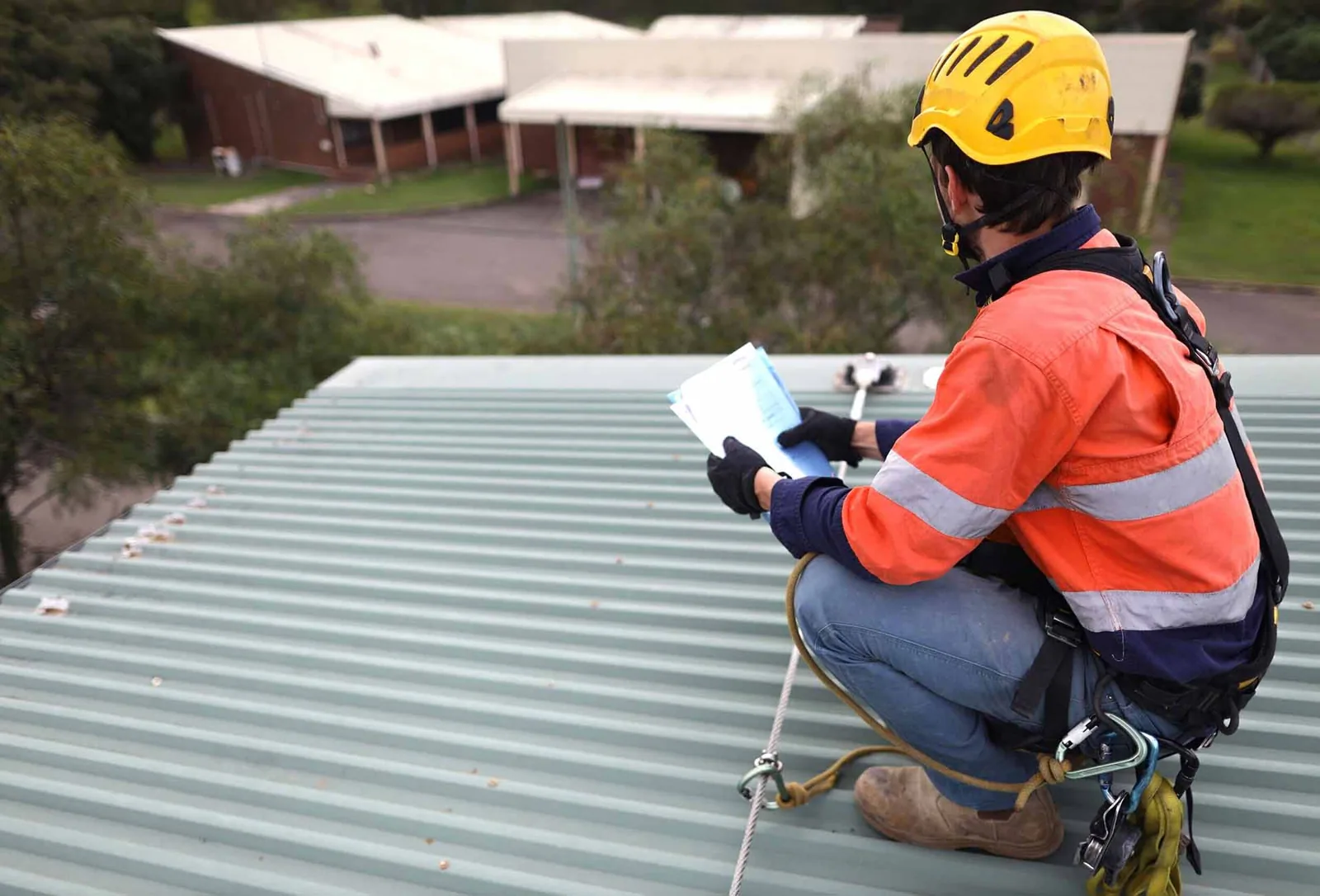
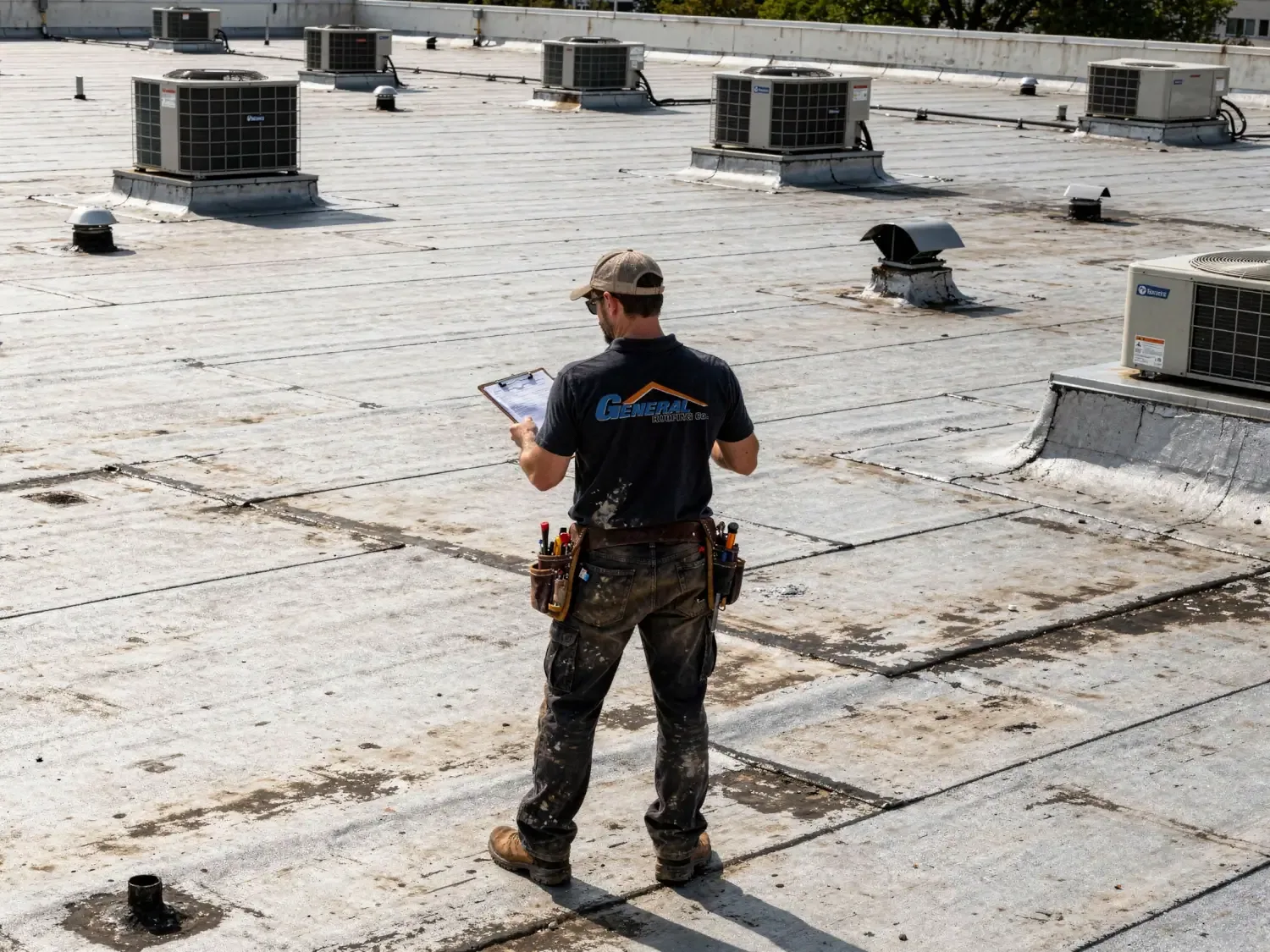
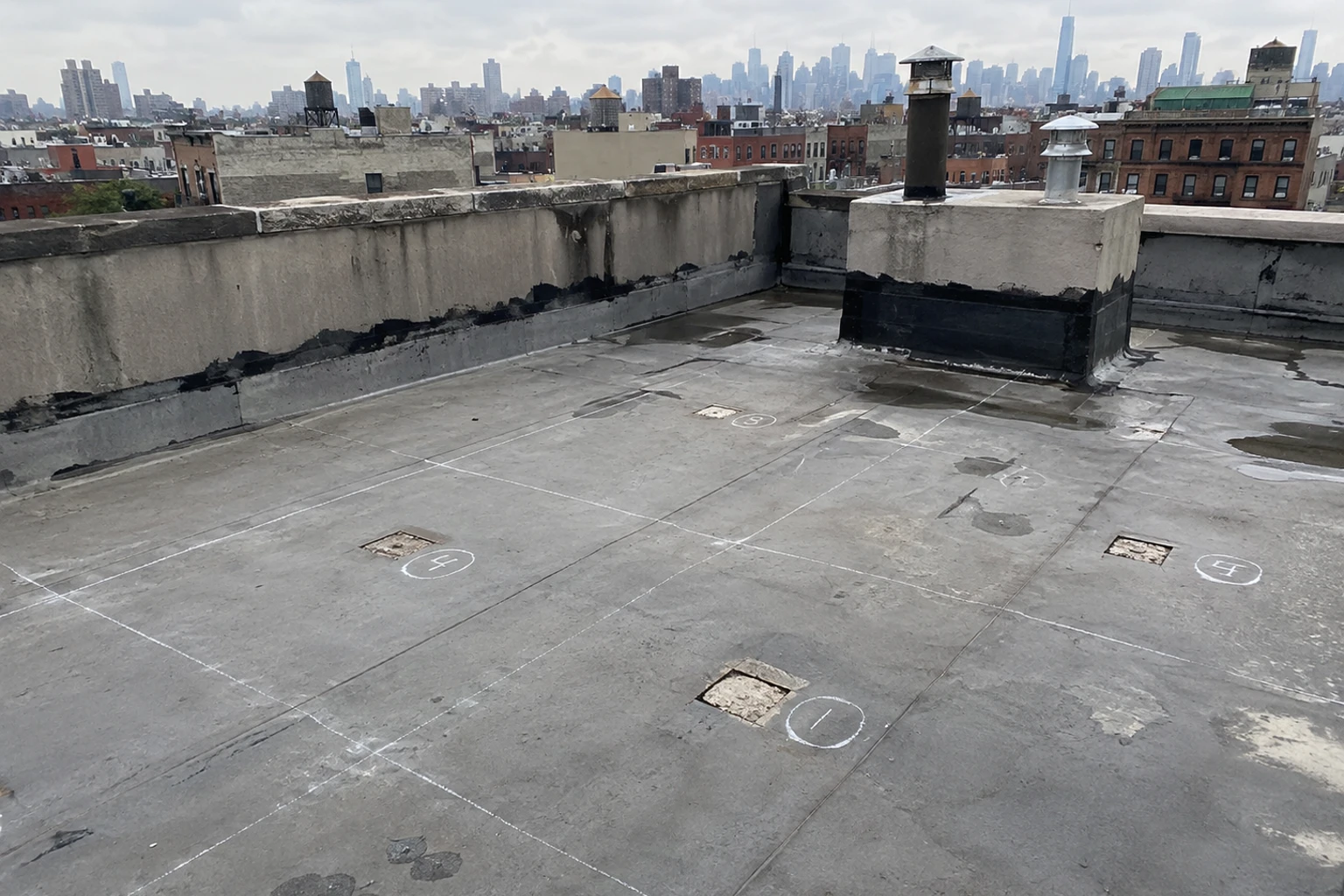
A capital plan is only as good as the readings under it. We start with a walk of the field, photographs of every drain, curb and parapet, and a moisture scan where the insulation may be wet. Cores are cut at a few locations to see how many layers are up there and whether the insulation is dry or saturated. The age on a lease file tells you when the roof went on. The core tells you what the roof has been through since.
From those readings we estimate remaining service life in a range, not a single year, and we state what would move it. A roof with dry insulation and sound seams stretches. A roof with wet board under a failing membrane does not, no matter how young it looks on paper.
When to replace
Replacement timing is a trade between two costs. Replace too early and the owner gives up years of usable life. Replace too late and wet insulation, damaged decking and interior repairs get added to the bill. The sweet spot is the point where repair spending starts to rise year over year while the insulation is still mostly dry, because a recover over sound insulation is often possible there and a full tear-off is not yet required.
Once the insulation has soaked through, the recover option disappears and the scope widens. The plan marks that threshold for each roof, so a manager can see which buildings are still in the cheaper window and which have already left it.
Brooklyn adds its own line items
Local conditions change what the budget has to carry. New York City snow runs near 30 inches a year, with freeze-thaw cycles that open weak seams and crack old flashings. The urban heat island is strong in summer, which bakes membranes and softens aging bitumen. Coastal surge and cloudburst flooding add a drainage line: the first flash flood emergency in the city's history came with Ida's remnants in 2021, and a roof with undersized or poorly maintained drains takes the load in minutes.
The code adds another. A replacement is designed to the roof assembly and energy provisions of the 2022 NYC Construction Codes rather than copied from the old build-up. A plan that skips this step produces a number that does not survive permitting.
Phasing across buildings
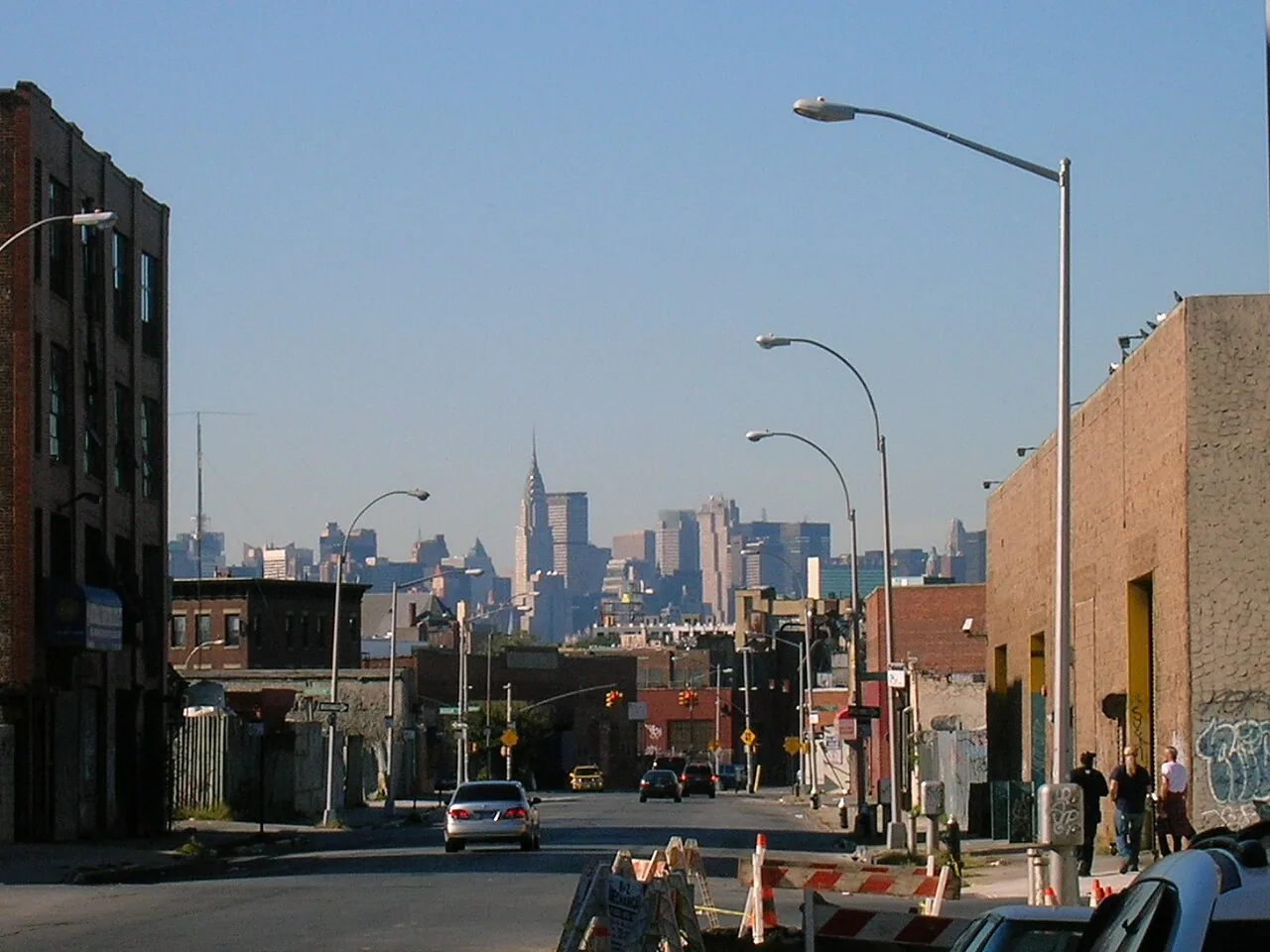
Owners with more than one roof rarely replace them all in a single year, and they should not. We sort roofs into three groups: replace now, replace within a stated window, and maintain. Then we spread the money so no year carries a spike. The mill-building and warehouse roofs in Sunset Park and East Williamsburg might share one mobilization, while a retail roof near Kings Plaza has its own schedule driven by tenant season.
Phasing also lets the work follow lease events. A roof over a space that is about to turn over to a new tenant is cheaper to replace while vacant. We flag those moments so the manager can move a project forward or back by a few months without losing the budget logic.
Storm reserves
A good plan carries a modest storm reserve alongside scheduled projects. Sandy put large parts of Red Hook under water, with flooding in Brooklyn reaching 4.5 feet at its worst, and a 2007 EF2 tornado stripped a roof in Bay Ridge. Neither event was forecast by an asset schedule. What a schedule can do is show which roofs are closest to failing, so that when a storm arrives the owner already knows where damage will be worst and what an emergency response will cover.
The same schedule supports insurance work. A recent photographed baseline separates storm damage from long-standing wear, and that distinction decides how a claim reads. Keeping the plan current is cheaper than rebuilding the evidence afterward.
Feeding the reserve study
Most reserve studies carry a roof line built from an age assumption. We replace the assumption with a measured estimate and attach the supporting condition report, so the figure survives questions from a board, a lender or an auditor. Where the owner holds several roofs, the asset register supplies the underlying ratings and the plan converts them into dated line items.
The format matters to a lender or board reader. Each roof shows its current rating, the evidence behind it, a replacement window, a cost range with the drivers named, and the repairs that keep it in service until then. When conditions change, one line moves and the rest of the plan stays readable.
Commercial Roofing Questions
How do you decide between a recover and a tear-off?
Moisture decides it, followed by the number of layers already up there. With dry cores and a sound deck, a recover over fresh cover board becomes possible, and it skips the cost of demolition. If cores show wet board or the build-up already carries multiple layers, the code and the physics both point to a tear-off. We bring the core log and scan images to the budget meeting so the choice is visible.
What should an owner budget for a roof they plan to sell in three years?
A buyer's surveyor will read the roof the same way we do, so the cheaper path is usually to repair what is open, document the rest and disclose the remaining-life estimate. Replacing a roof just before a sale rarely returns its cost in price. A maintained roof with a dated condition report and a funded replacement window tends to close with fewer price concessions than a roof with unknown history.
Can replacement be scheduled around tenant seasons?
Yes. Retail space has holiday weeks, schools have summer, and restaurants have their own peaks. We lay out the work so noisy tear-off and hoisting land in quieter windows, and we stage materials where the loading dock stays clear. The plan lists those windows for each building so the manager can approve the sequence before any contract is signed.
What happens to the plan after a storm?
We walk the affected roofs, photograph damage against the earlier baseline and update the ratings. Roofs that held stay on schedule. Roofs that lost membrane, edge metal or flashing move up the list, and the budget is rebalanced. The point is to avoid spending one year's replacement money on emergency repairs to a roof that was going to be replaced in two.
Which cost drivers move a replacement budget the most?
Tear-off depth, insulation condition and access. A roof with several layers and wet board costs more to strip and dispose of than a single clean layer. Hoisting on a tight block with limited staging adds labor. Edge metal, parapet height and the number of curbs and penetrations add detail work that a flat field does not. We list these drivers beside each figure, so a changed assumption shows up as a changed line and not a surprise.