TPO Roofing in Brooklyn, NY
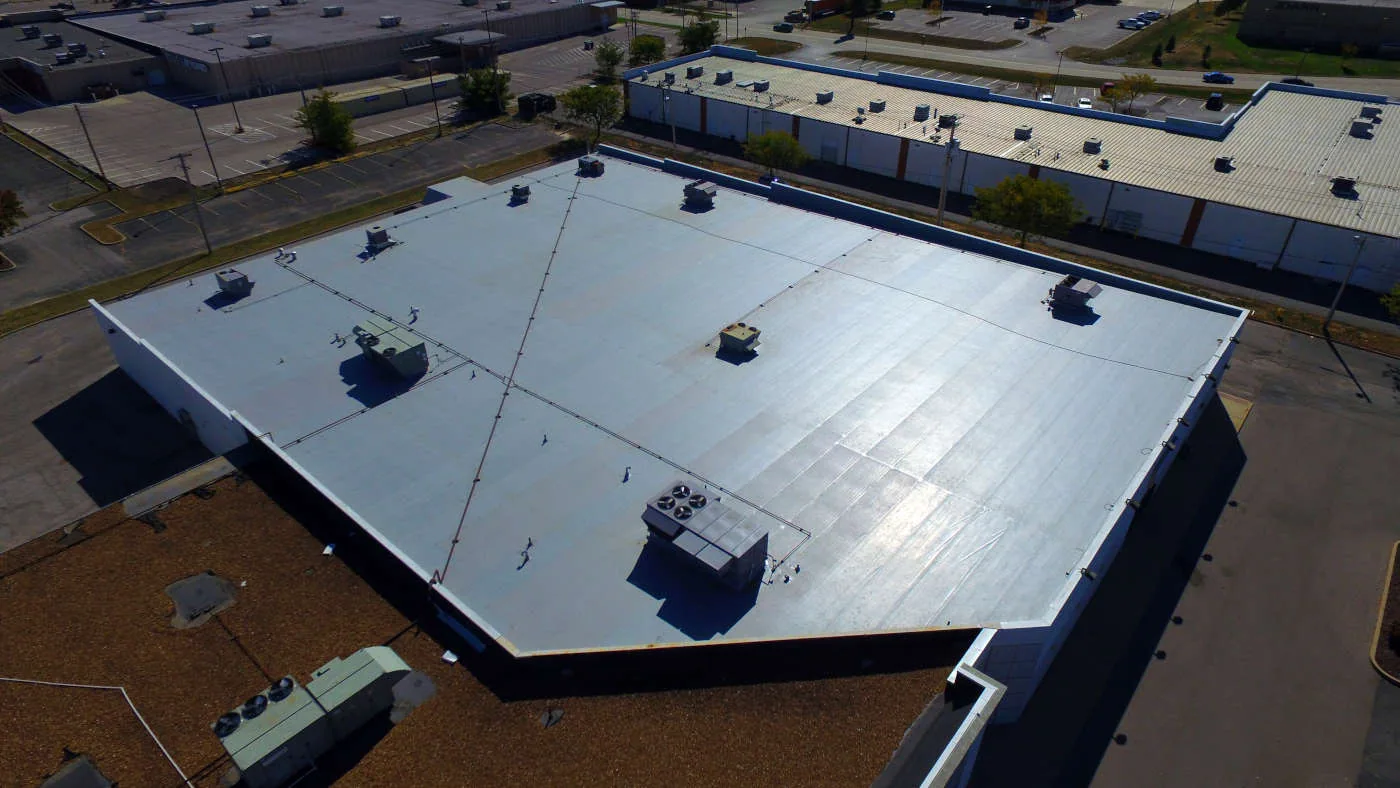
Drag a probe along a welded TPO seam on a Sunset Park warehouse roof and you learn what the installer did that day. A good weld holds the full length. A bad one lets the probe slip in at a spot where the heat was low or the surface was dirty. TPO is a white single-ply membrane, and almost everything that can go wrong with it goes wrong at a seam, a corner or a flashing. The field of the sheet is tough. On a Brooklyn, NY roof, such as a loft building in Sunset Park, where the field is crossed by curbs, drains and parapet walls, there are a lot of seams to get right.
What you see up there
On an older TPO roof, we look for three things. Seams that have opened a quarter inch or more. Flashing that has shrunk back from a curb. And a dull, chalky surface with dirt ground into it near the drains. Each one tells us how much life the sheet has left.
A dark stain under a seam means water has been getting in for some time. A bubble in the field means moisture is trapped under the sheet and warming up in the sun. We press on it, mark it and cut a core to see what is underneath. A roof with a few open seams and dry insulation is a repair. A roof with wet insulation across half the field is a replacement. The commercial roof inspection sorts the two before any money is spent.
Where TPO fits
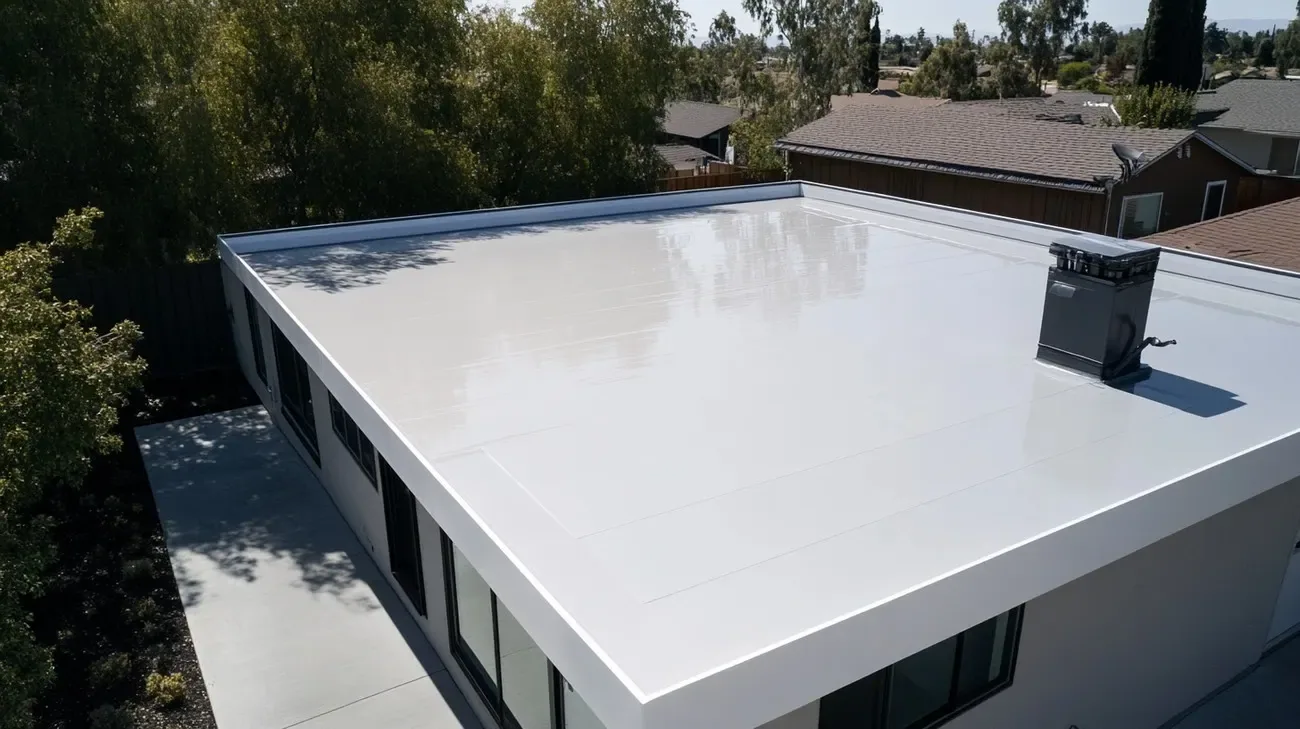
TPO suits flat and low-slope roofs with a sound deck and a need to cut heat. With July afternoons near 85 F and a strong heat island overhead, a white surface earns its keep. It goes down fast, weighs little and is welded at the seams without flame.
That makes it a fit for warehouse and mill-building roofs such as those in Sunset Park, where a roof that is wide with few walls rewards a fast, light membrane. It is a poor match for a roof soaked in kitchen grease, where PVC holds up better, and a small rubber-roofed section may be a better match for EPDM.
Thickness and attachment
Single-ply sheets come in several thicknesses. The thicker sheet has more material over the reinforcing scrim, which resists foot traffic, dropped tools and the scuffing of equipment service. Where rooftop units draw steady service traffic, the thicker sheet is our lean. On a quiet roof with little traffic, a thinner one can do.
Attachment is the other choice. A fully adhered sheet is glued to the substrate and resists billowing. A mechanically attached sheet is fastened in rows, goes down faster and costs less. A ballasted sheet needs a deck that can carry stone. Wind uplift at the edge governs the pattern, a point the 2007 EF2 tornado in Bay Ridge made vivid when it took the roof off a nearby Nissan dealership. We put more fasteners or more adhesive in the perimeter and corners, and we fasten the edge metal for the same load.
How the welds are checked
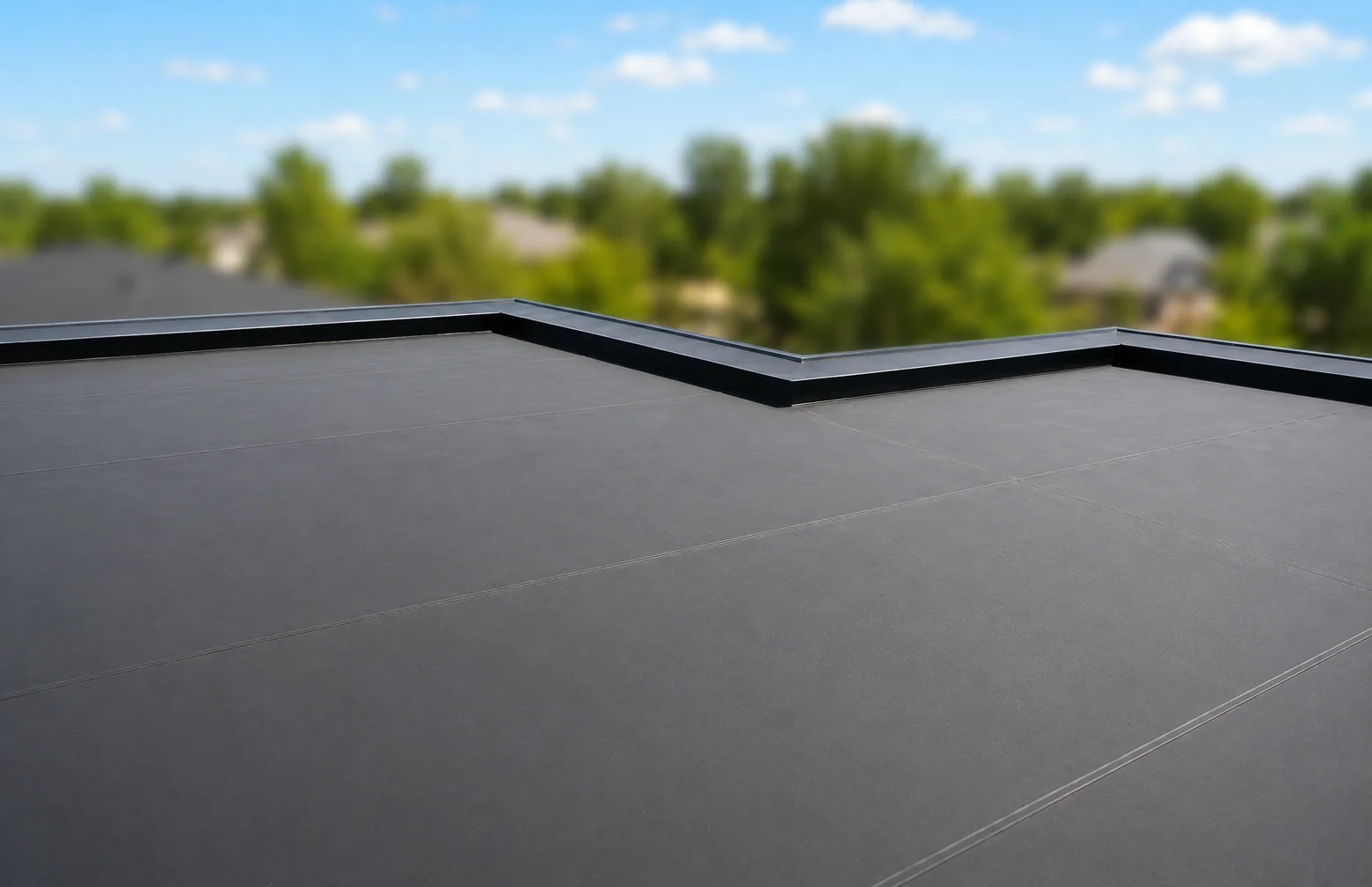
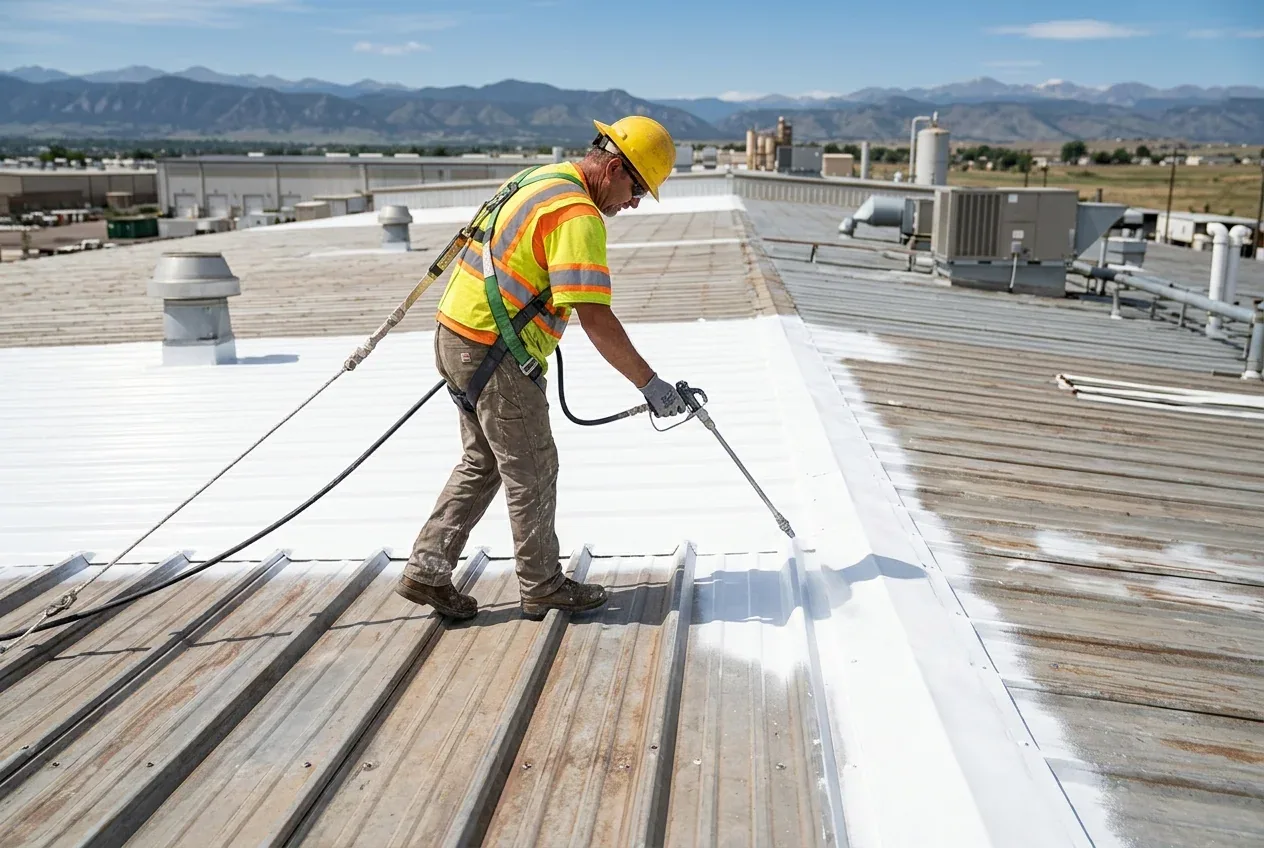
A good weld has a clean bead of squeezed-out material along the edge, no wrinkles and a steady width. Hot-air welding depends on temperature, speed and pressure, and all three drift during a long day. So we probe every seam and cut a few test strips to see whether the bond tears in the sheet or at the seam. A weld that fails at the seam gets redone.
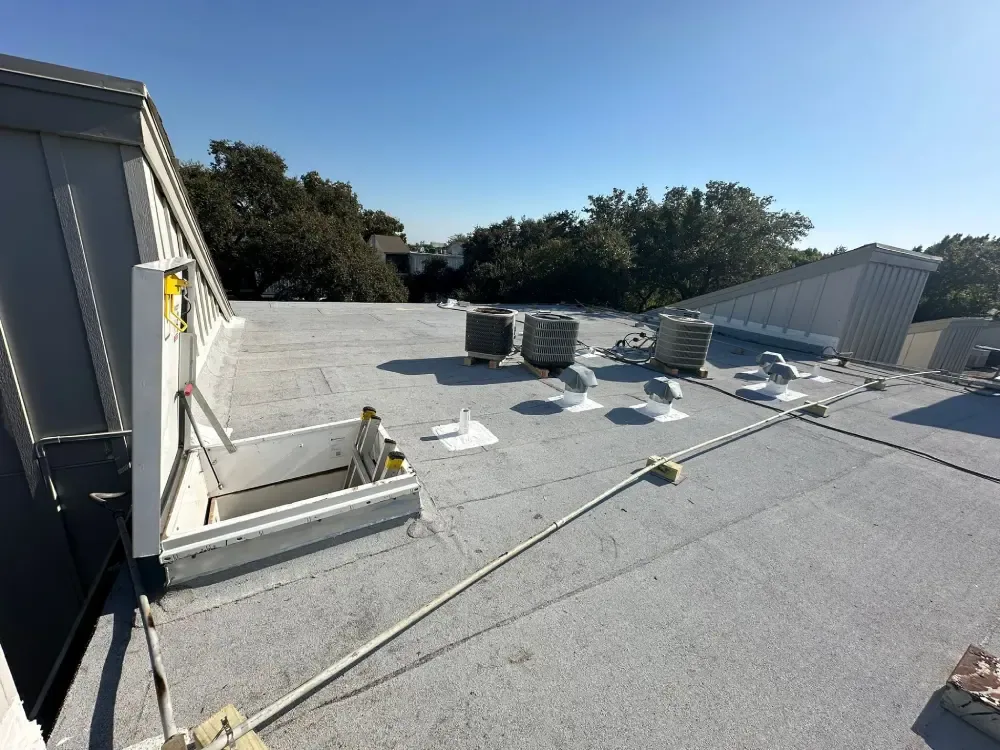
Corners and flashings get the same check. Preformed corners and pipe boots are welded into the field sheet, and we probe each one. We photograph every termination before the counterflashing goes over it, because that is the detail a later repair will need. The roof file holds the probe results, the photographs and a log of temperature and wind for each welding day.
Drains, ponding and storms
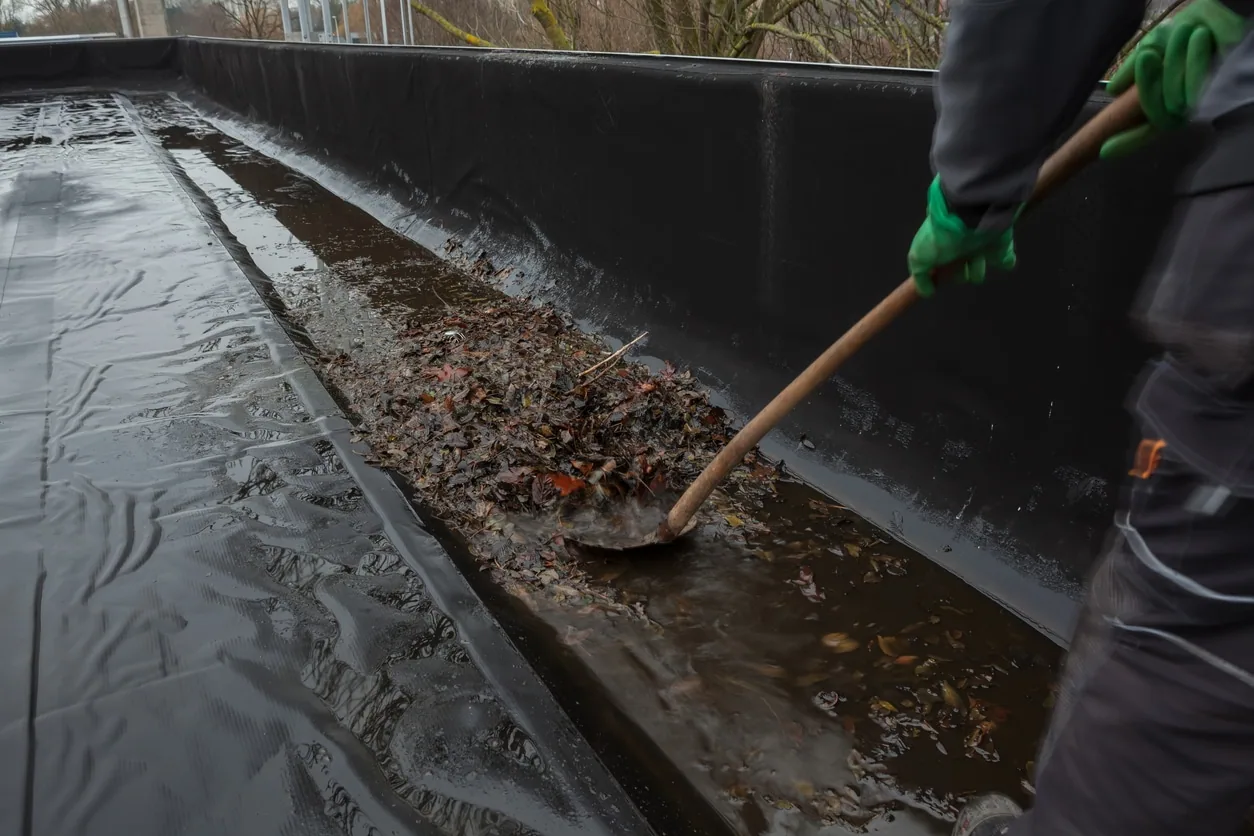
TPO can take a little ponding, but not a permanent pond. One day after rain, check how much water is left at the drain. If it is still there, the deck has sagged or the drain is set high. We fix the slope with tapered insulation or move the drain. On September 1, 2021, the remnants of Ida set off New York City's first flash flood emergency, and widespread flooding shut down much of the subway. A roof that ponds after ordinary rain will pond in a storm.
Snow matters as well. Snow here averages near 30 inches a year, and the January 23, 2016 storm left 27.3 inches in a single day. Snow blocks scuppers and loads the roof, then melts and refreezes at the drain. We check roof drains and scuppers before winter and after the first heavy storm. A ponding water repair starts with the slope.
Closeout walk
At handover the owner or the super walks the roof with us, and every seam is checked by hand. Corners are hosed to test them, and the ceilings below get a look. The punch list gets cleared before we leave. A commercial roof replacement with TPO ends with the file: product data, probe results, photographs, weather log and warranty terms. Keep it with the building records. If the roof is ever fitted for solar, that file shows the seams and the details under the racking.
Commercial Roofing Questions
Can TPO go over our old roof instead of a tear-off?
Sometimes. The old roof has to be dry across the whole field, firmly attached and within the number of layers the code allows, and the deck has to be sound. We scan for moisture and cut cores to check. If it passes, a cover board goes over the old surface and the TPO goes on top, which saves tear-off and keeps the building working. If any of the tests fail, the bad part comes off first. We put both prices in writing.
Our TPO roof is only a few years old and the seams are opening. Is that a defect?
It might be. Seams open early when the weld was cold, the surface was dirty or the sheet was pulled tight at a corner. Photograph the open seams and the roof edge, and send them with the install date. We probe the whole roof, mark the weak seams and repair them with a welded patch. If the cause is workmanship, the original installer or the manufacturer may owe the repair, so keep the paperwork.
How long will a TPO roof last on a Brooklyn building?
It depends on thickness, drainage, traffic and upkeep, so any single number would mislead. A roof that drains, is cleaned twice a year and is patched when it is punctured lasts longer than one nobody visits. We give a remaining-life estimate after each inspection and revise it every visit. The written report gives you something to plan the next replacement against.
Does TPO work with a green roof or solar panels?
It can. A firm cover board under the sheet and walk pads under the racking feet protect the membrane, and the welded seams tolerate the extra movement. A green roof needs a root barrier and drainage layer above the sheet, so we check that the product is approved for that use. Tell us the plan before the membrane is chosen, and we detail the roof for the load.