Commercial Roofing in Bedford-Stuyvesant, Brooklyn, NY
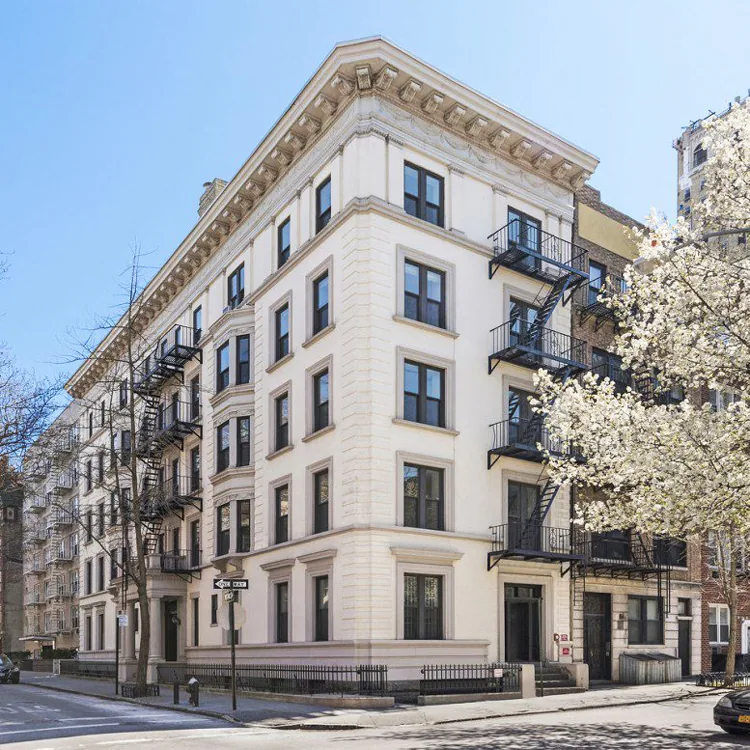
Bedford-Stuyvesant is a masonry neighborhood, and its commercial roofs are the flat tops of old brick buildings. About 8,800 buildings in Bedford-Stuyvesant predate 1900, and many three- and four-story masonry buildings along its streets keep commercial ground floors. Climb a hatch on one of them and the roof is small, hemmed by party walls and topped with a cornice return that has seen more winters than anyone can count. We repair and replace commercial roofs on these blocks, and our first look goes to the wall.
Cornices, party walls and chimneys
On a three- or four-story brick building, three details cause most of the trouble. The cornice return, where a decorative wall meets the roof, holds water in joints that have opened. The party wall, shared with the neighbor, is flashed with counterflashing that may be torn or missing. The old chimney stack, no longer in use, lets water in around its base.
We repair each in order. Cornices are repointed and sealed, party walls get new counterflashing set into a cut reglet and unused chimneys are taken down below the roof line and capped. A flat roof is only as good as the brick around it, so this wall work comes before any membrane decision. The same wall-first order applies to an apartment roof.
Inside the building, the evidence is easy to read. A diagonal stain running down a corner wall points to a cornice or a chimney. A ring around a ceiling light points to a drain or a hatch. A damp patch at the top of a stair points to the bulkhead door. We ask the super or the owner to walk us through those marks before we climb, so the roof walk goes straight to the likely source.
Roofs of this age often carry two or three layers of past repairs. Under the visible surface may be a tar-and-gravel build-up from the early part of the last century, then a patch of felt, then a modern membrane. We cut cores in several places to learn what is there, because the right fix for one layer is the wrong one for another.
Fulton Street and the shopping corridors
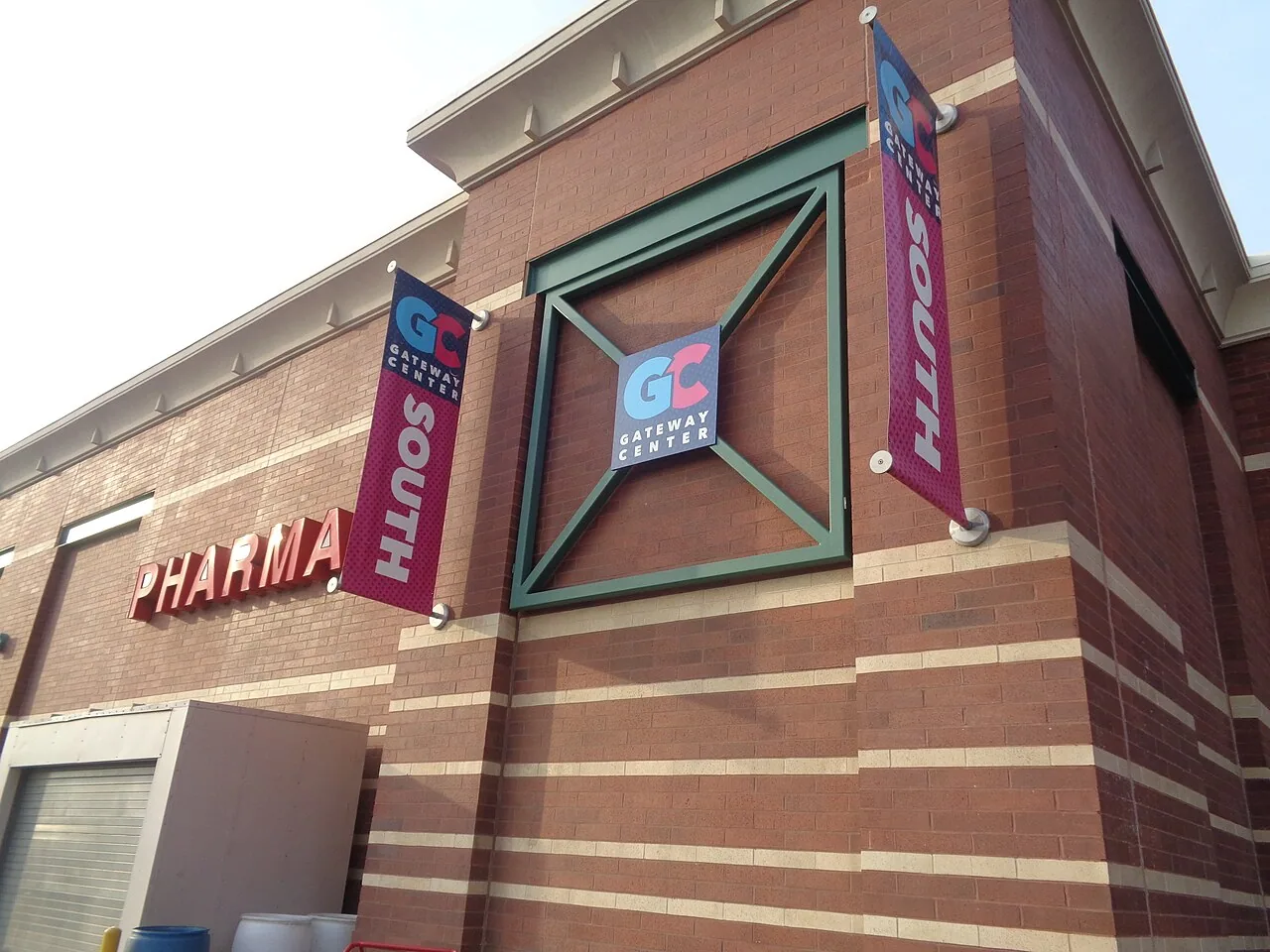
Fulton Street is the main shopping street, and the Fulton and Nostrand corridors are in the Bed-Stuy Gateway BID. Storefronts line those corridors with apartments or offices above. The shop owner at street level and the landlord upstairs both depend on the roof, and a leak crosses lease lines quickly.
We trace water from the ceiling stain to its entry point and document the path with photographs. That record settles responsibility between owner and tenant and speeds the repair. A retail strip is handled like a shopping center roof: separate the roof into sections, map the tenants and fix the source before the stains.
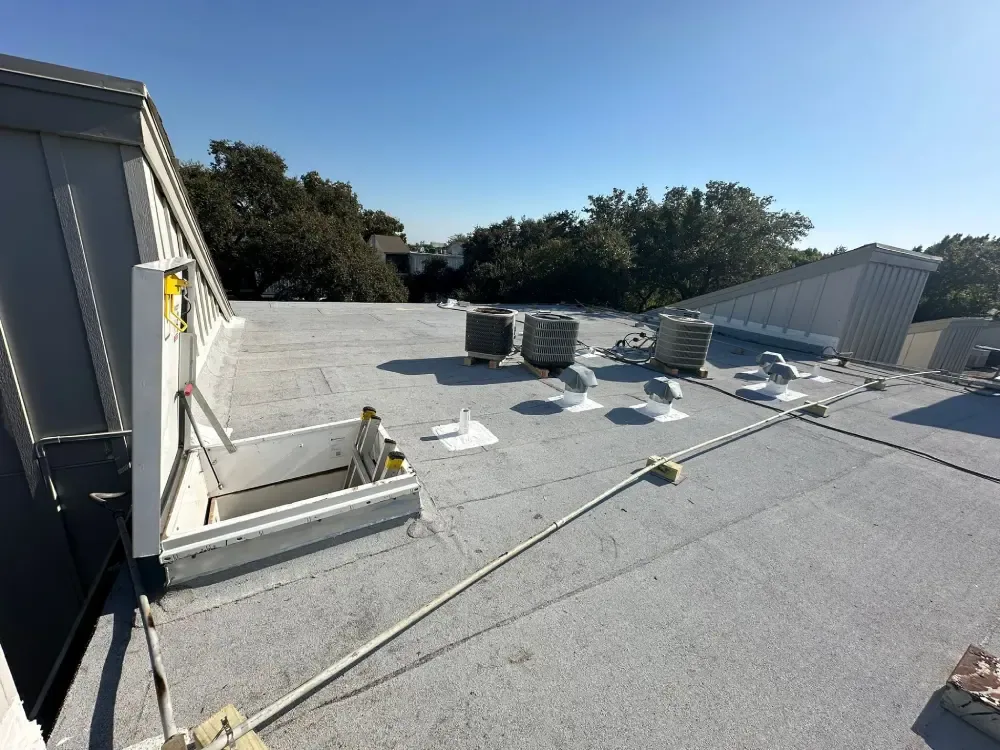
Retail tenants add rooftop equipment of their own. A restaurant on the corner vents a kitchen hood through the roof, a pharmacy adds a cooling unit and a salon runs a dryer exhaust. Each penetration needs its own flashing, and the abandoned ones need to be cut out and patched. We tag and count them on every walk and recommend removing the dead ones, since a hole nobody uses is a hole nobody watches.
Healthcare and institutions
Woodhull Medical Center and Interfaith Medical Center are the hospitals in the neighborhood. Medical offices and clinics can sit near hospitals, and their roofs carry exhaust, rooftop units and sensitive space below. A leak above an exam room closes the room and a repair has to respect infection-control rules.
A medical office roof plan for those buildings lists the sensitive rooms, the air intakes and the work hours. Dust and odor are controlled with barriers and low-fume systems, and the hoist stays away from entrances. We schedule loud steps for hours when the clinic is closed.
Fulton Street clinics and small practices share buildings with apartments, which means the roof serves many uses at once. We mark which suites sit under which section and treat the medical space as the first priority for inspection. A leak there costs appointments, and an emergency repair can be on site the same day.
Drains and the freeze-thaw season
Old roofs in Bed-Stuy often drain through a single bowl or a scupper through the parapet. When that drain clogs, water rises against the wall and finds the lowest joint. Snow near 30 inches a year and the freeze-thaw swing widen every crack. Ice at a scupper can back water onto the roof.
Rain like Ida's, which brought the city its first flash flood emergency in 2021, finds a single weak drain quickly. We clear baskets, test leaders and add overflow scuppers. Repair after snow and ice damage may include replacing edge metal that the ice has pulled away.
Choosing a system for a small flat roof
A small masonry roof rewards simple systems with good flashing. A fully adhered single-ply or a modified bitumen membrane can be installed in tight spaces, with materials carried up the stair. A modified bitumen roof handles foot traffic and patches well. A white single-ply reflects summer heat, which counts when July highs run near 85 degrees under a strong heat island.
Where the existing tar-and-gravel build-up is dry, a recover may save money. Where it is wet, replacement is cleaner. We confirm with cores and a moisture check before pricing.
Access and neighbors
Most roofs on these blocks are reached by a stair and a bulkhead door, and the street may have no room for a crane. Materials go up by hand or by a small hoist, and the crew stages on the sidewalk with a permit. We post notices for tenants and neighbors, keep noise to daytime hours and clean the block at the end of each day.
Owners with several buildings can organize the work as a program. Nearby, Crown Heights, with its rowhouses and apartment buildings, and Bushwick can be folded into the same roof file.
Bed-Stuy blocks are long rows, and a roof job often has neighbors on both sides who share a wall and a drain line. We introduce ourselves to the adjoining owners, document the shared joints and keep our debris and noise on our side of the line. When work crosses a party wall, we agree on who pays before the crew starts, with the photographic record as the reference.
Commercial Roofing Questions
What is the most common reason an old brick building's flat roof leaks?
The wall, not the field. Cornice joints, party wall flashing and old chimneys let in water at the edges. We fix these first and then judge the membrane. A top-floor stain near a corner usually leads us to the cornice or the chimney first.
Who pays when a leak crosses from a shop to the apartment above?
The lease and the cause decide. We provide a photographic trace from the stain to the entry point so the parties can settle it quickly.
Can a small roof be done without a crane?
Often yes. Materials are carried up the stair or lifted by a small hoist. We plan the route, and the price shows the extra labor.
Is a recover possible over old tar and gravel?
Sometimes. If the build-up is dry, sound and not too many layers deep, a recover can work. A core cut tells us. If it is wet, replacement is the better choice. We count the layers before pricing.
What starts the work on a Bed-Stuy roof?
A cornice photo, a drain photo, a shot of the bulkhead door, the roof age and a note on which tenants see stains give the first walk its direction.