Commercial Roofing in Bushwick, Brooklyn, NY
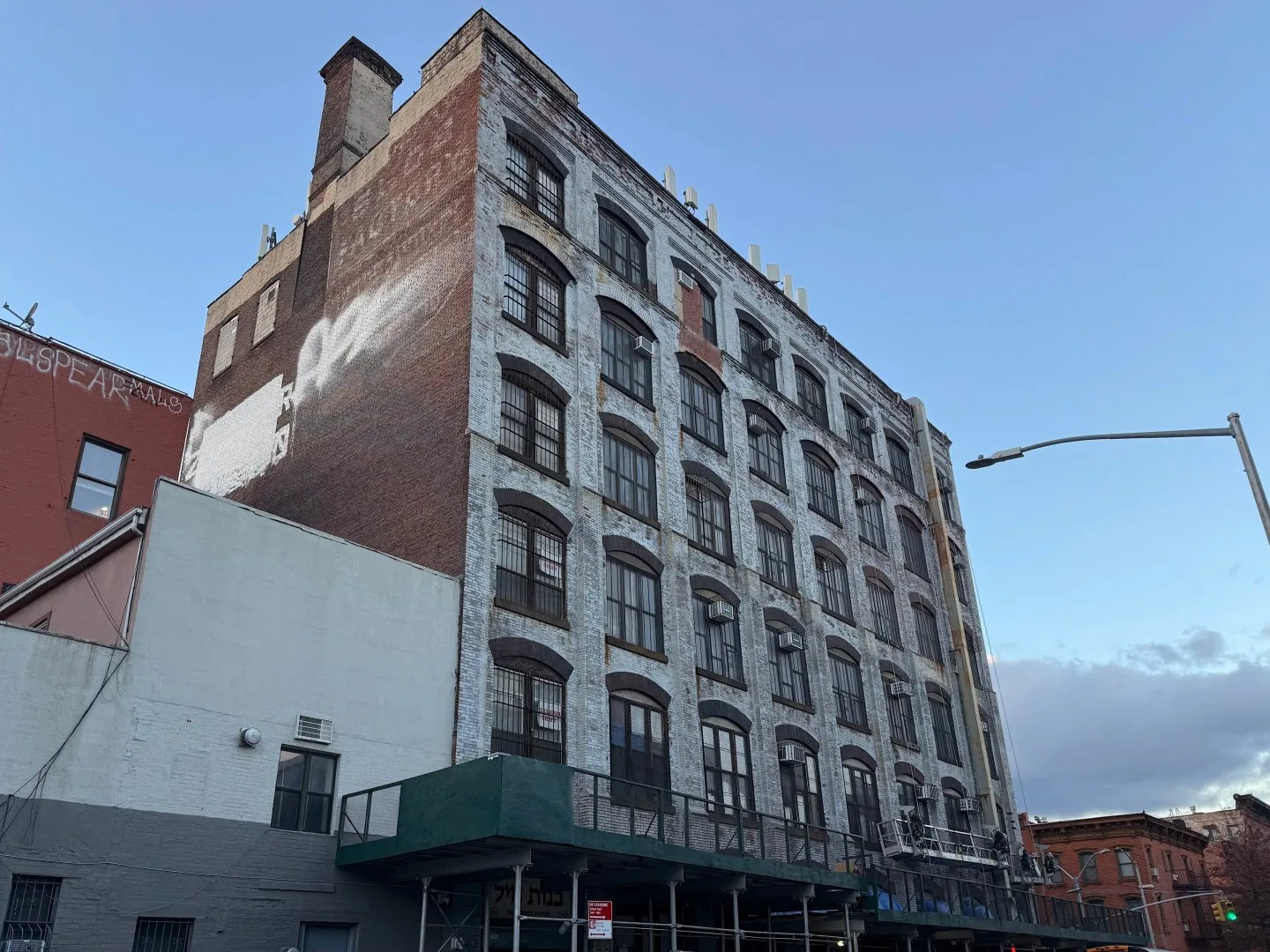
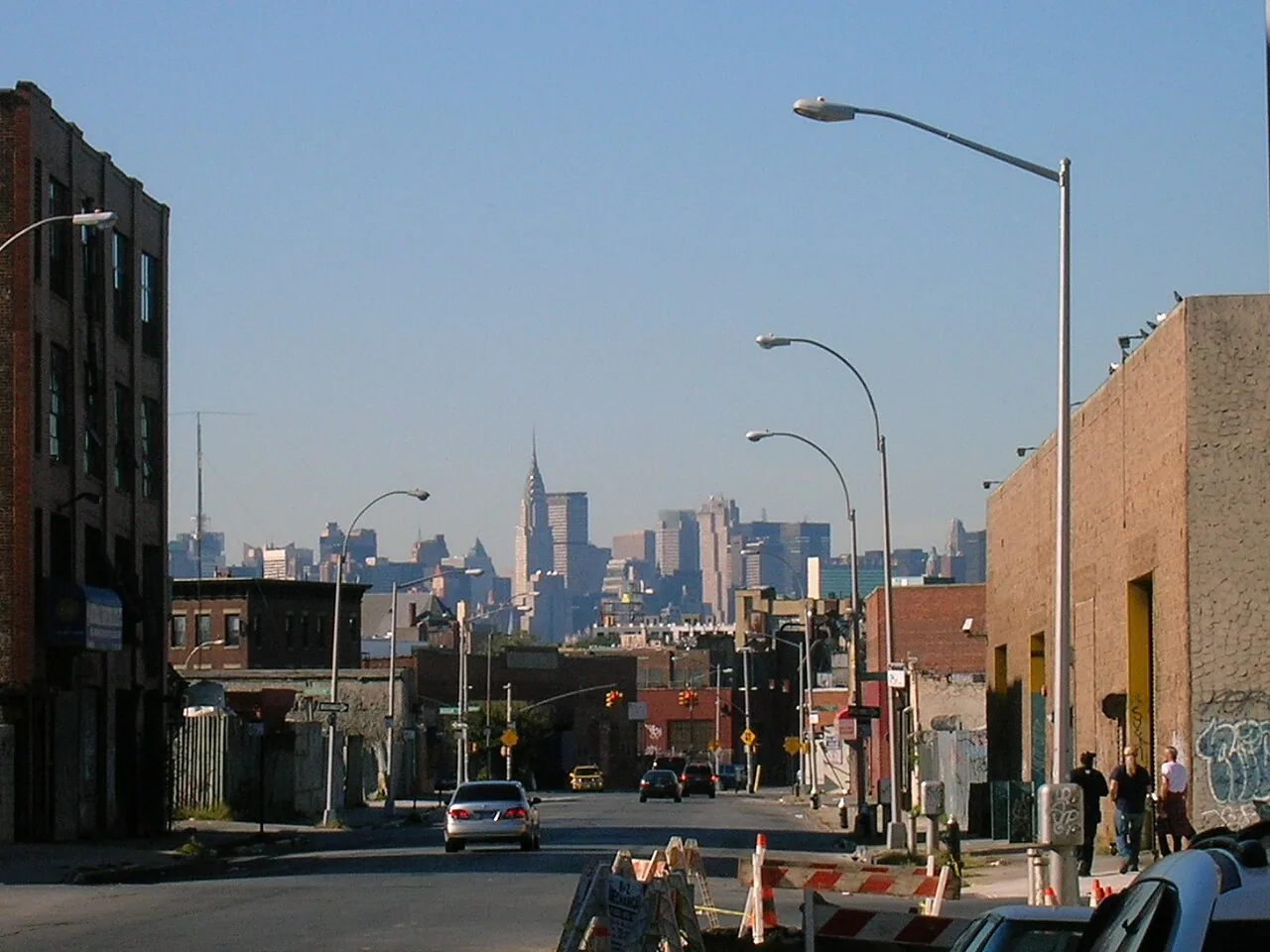
The roofs in Industrial Bushwick are where the neighborhood's history shows. The industrial zone north of Flushing Avenue and south of Grand Street is often called Industrial Bushwick, and many of the buildings are brick, flat-roofed and altered over time. A parapet laid up for one use often frames a roof that serves a very different one now. We repair and replace commercial roofs in this district with a plain order of work: the walls, the drains, the old tie-ins, then the field.
Old factories under new uses
Lime, plaster and brickworks, coal yards and factories grew up along English Kills. Many warehouses have since been converted to lofts and studios. The roof of such a building was designed for a different load and different heat. A factory roof may once have carried steam pipes and exhaust, while a studio roof today can carry rooftop units, solar arrays and sometimes a deck.
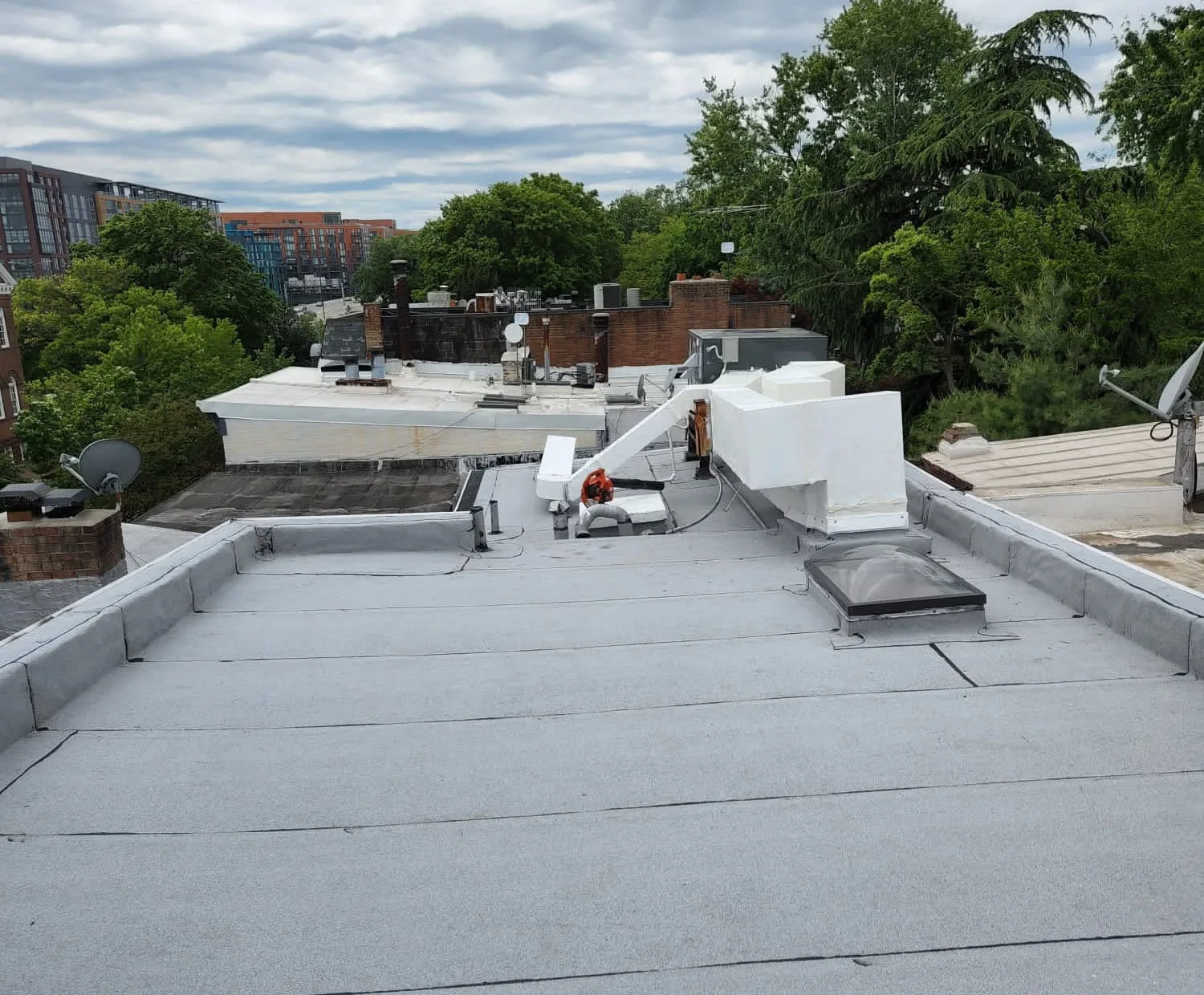
That mismatch is where leaks begin. Added equipment means added curbs. Added curbs mean flashings made by whoever happened to be on the roof that week. We map every curb, pipe and vent, flag the weak ones and rebuild them with proper boots, pitch pans and sealed counterflashing. A flex industrial roof in the district often has all three: a loft, a shop and a storage bay under one membrane.
The roof under a loft or studio also has layers worth counting. A core cut shows whether there is one membrane or four, whether insulation is dry or saturated and whether an old gravel surface is still holding the system together. A recover is only an option when the answer is one or two dry layers, so we take that core before we write a price.
Parapets and the brick behind them
On a brick building, the roof edge is a wall question first. A cracked coping joint lets water into the masonry, and a wall that stays wet pushes damage down into the roof edge and the room below. We check coping, through-wall flashing and mortar before we judge the membrane. Often the first repair is repointing a section of parapet, resetting a few coping stones and installing a new counterflashing.
Where the parapet is low or has been cut for a duct or a pipe, we rebuild it to a sound height and flash it. A repair that skips the wall tends to fail at the same spot within a few seasons, so we walk the wall with the owner and show the joints that matter.
Fire escapes and rooftop ladders that bolt through the parapet are another leak source. Each bolt is a hole, and an old bolt with a rusted washer lets water in around the shank. We reseal or replace those fasteners with sealed brackets and leave a note on the plan so the next trade keeps the same detail.
A district in motion
A 2019 rezoning plan covering 300 blocks shapes the area, and the freight-only LIRR Bushwick Branch still runs through it. For an owner, a changing district raises a practical question about the roof: how long will the building keep its current use? A conversion to offices, studios or housing changes the equipment, the insulation requirements and the fire rules.
We prepare for both outcomes. A roof condition report lists the roof's age, moisture and cost drivers, so the owner can compare a repair with a replacement. If the building is likely to change, we favor repairs that hold for a few years and avoid heavy spending on a roof that will be reworked. If it will stay as it is, a full replacement is the stronger value.
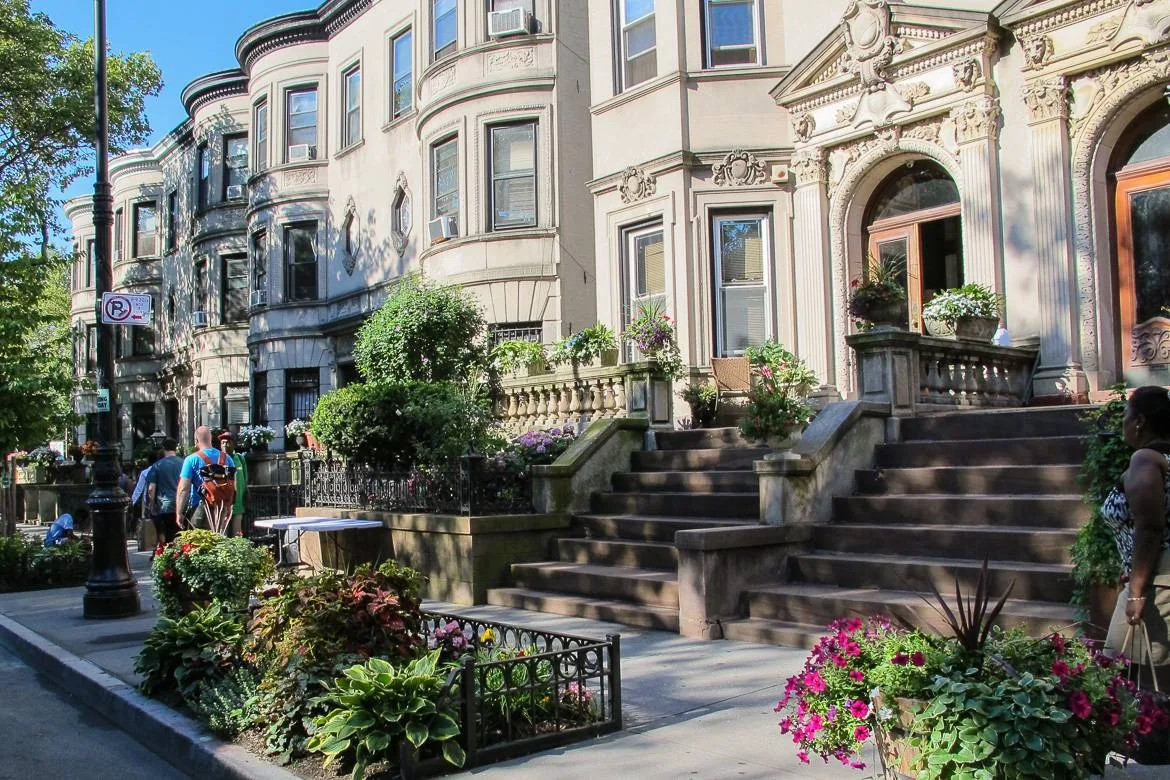
Neighboring districts show the same pressure from different directions. An owner with property in East Williamsburg or Bedford-Stuyvesant can fold all of it into one roof program and compare condition across the portfolio.
Drains, ponding and cloudbursts
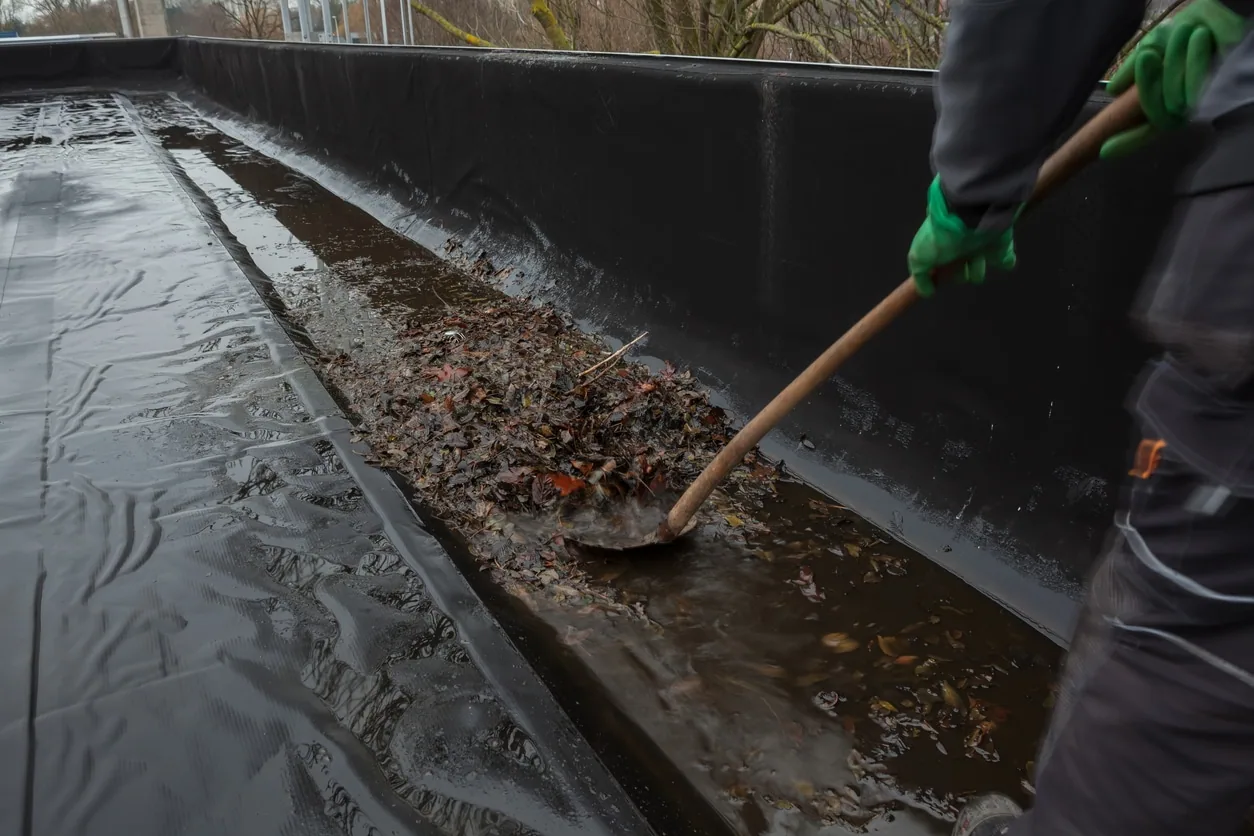
Flat roofs in Bushwick shed water through a few drains and scuppers. When one clogs, water backs up against the parapet and finds the lowest flashing. A roof with weak drainage is exposed by rain like the cloudburst Ida's remnants brought in September 2021.
We clear baskets, test leaders and add overflow scuppers where the wall allows. If the deck has dipped, tapered insulation can bring water to the drain. Drain and scupper work comes before any membrane decision, because a new sheet on a bad slope will pond again.
Snow, heat and wind
Snow near 30 inches a year and freeze-thaw cycles work on every seam, and July highs near 85 degrees under a strong heat island make dark roofs run hot and age faster. In 2007 an EF2 tornado stripped the roof of a Nissan dealership in Bay Ridge, a reminder that the edge of a flat roof needs good securement.
A white TPO membrane handles heat and UV, and a thick modified bitumen system handles foot traffic. We match the choice to the building, the equipment and the budget.
Working beside studios and shops
Studios and workshops sit side by side, and noise matters to both. A painter's studio needs ventilation but no fumes. A recording room needs quiet. A shop needs its dock open. We ask each tenant what hours matter and plan the sequence so the roof is dry every night.
The occupied building approach sets the hoist away from the dock, keeps the stair clear and sends a written update at the end of each day. The point of the plan is that nobody below the roof has to guess what is happening above.
Materials arrive in small loads on narrow streets, and each delivery is timed so the dock and the sidewalk stay usable. A rooftop staging area is often the only space for insulation and rolls. We stack stock away from the edge, weigh it down against wind and keep walkways clear for the crew. At the end of each day the stair is swept, the roof door is locked and the super gets a short list of what was opened, what was closed and what is planned for the morning, so nobody below has to guess.
Commercial Roofing Questions
Why does a converted warehouse leak after a new tenant moves in?
New equipment usually means new holes. A cooling unit, a vent or a solar mount cut through the roof by someone who is not a roofer is the most common cause. We map the new penetrations, rebuild the flashing and record the work for the next tenant.
What if the parapet is cracked but the roof looks fine?
Fix the wall first. Water entering at the coping travels into the masonry and the roof edge, and it can show up inside long before the field fails. We repair the coping and flashing, then judge the field.
Does the Bushwick rezoning change what roof I should buy?
It may. If the building is likely to be converted, a shorter-horizon repair can make sense. If it will stay in use as it is, replacement pays back. We provide the data for both. The moisture data and core results make either choice easy to defend to a partner or a lender.
Can the studio below stay open during the roof job?
Yes, with planning. We work in sections, close each by the end of the day and schedule loud steps around the studio's quiet hours.
How do I get a Bushwick walk on the calendar?
The roof age, the address area, a drain photo, a parapet photo, the list of rooftop equipment and the quiet hours that matter.