Apartment and Multifamily Roofing in Brooklyn, NY
Go up the last flight in a Brooklyn walk-up, push open the bulkhead door and check the threshold before you check anything else. If the sill is rotted and the roof tar is cracked at the base of the door, the third-floor tenant in the back apartment has been calling about a stain for two winters. Apartment roofing is a super's craft: small roofs, tall parapets, many penetrations and a tenant list under every square foot. The failures are repeatable, which is the good news. Once you know where water enters on one building of a type, you know where to look on the next.
Walk-ups, rowhouses and the old masonry
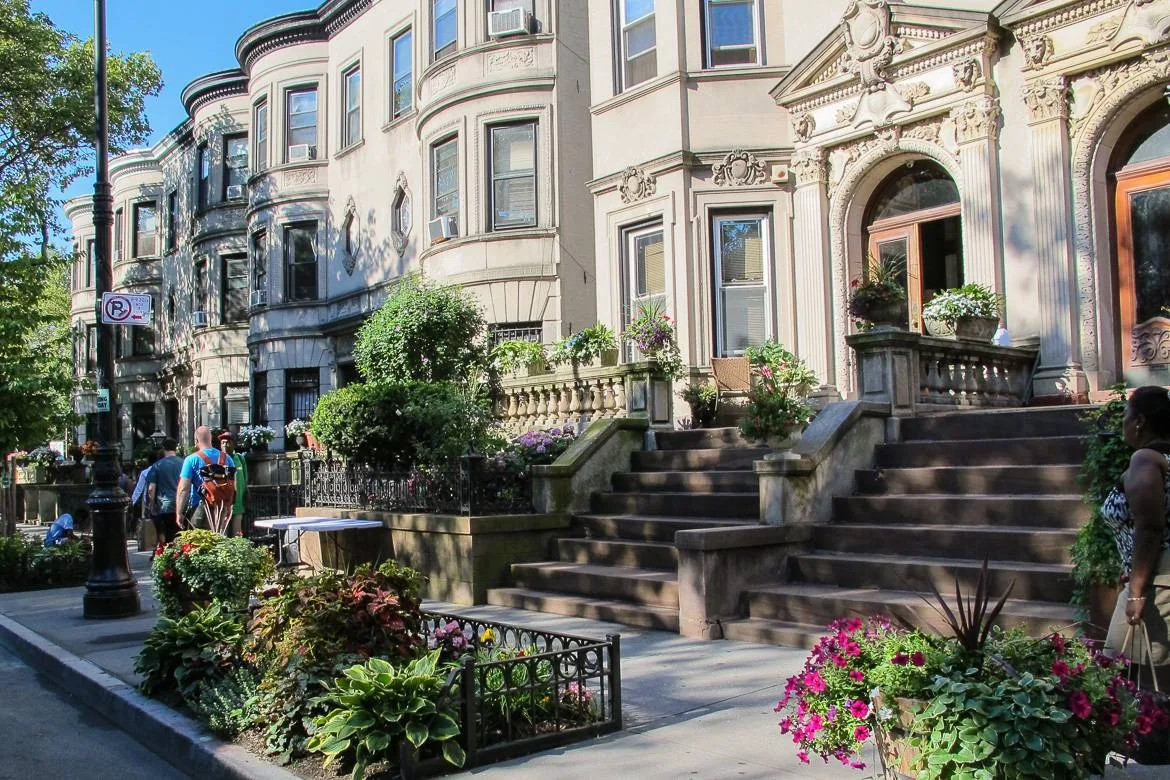
Brownstone and brick rowhouses make up much of the borough's housing. In Bedford-Stuyvesant about 8,800 buildings predate 1900, and the Park Slope Historic District protects 2,575 buildings over roughly 40 blocks. Many have flat roofs behind a cornice, with a hatch or bulkhead for access, and some have commercial ground floors. The cornice return, the party wall and the chimney stack are the usual weak points.
On a masonry building the flat roof is only as good as the wall around it. We check parapet coping, repoint where mortar is gone and flash the party wall with a counterflashing that goes into a cut reglet. A Bedford-Stuyvesant roof or a Park Slope roof gets the wall repair first, because new membrane tied to a bad edge will fail.
Chimneys and old flues deserve their own look. A capped chimney that still rises through the roof has masonry that cracks and a base flashing that was often made of tar and fabric. When the chimney is no longer used, we recommend taking it down below the roof line and building up the deck, since every inch of masonry above the roof is a path for water.
Mid-rise courts and prewar apartment houses
Larger buildings bring more roof. Crown Heights has large apartment buildings and rowhouses from the early 1900s to the 1920s, Ocean Avenue in Flatbush has six-story Art Deco apartment houses and Brighton Beach has prewar six-story semi-fireproof apartment houses on nearby streets. Midwood has large apartment buildings along Ocean Parkway. In Bensonhurst, three-story brick apartment buildings have replaced short single-family homes.
These roofs often carry water tanks, boiler flues, satellite gear and laundry vents. Each one needs flashing, and the tar-and-gravel build-up on an older roof may be near the end of its service life. A built-up roof is still a fair choice where the owner wants a familiar system, and a single-ply can replace it when the structure allows.
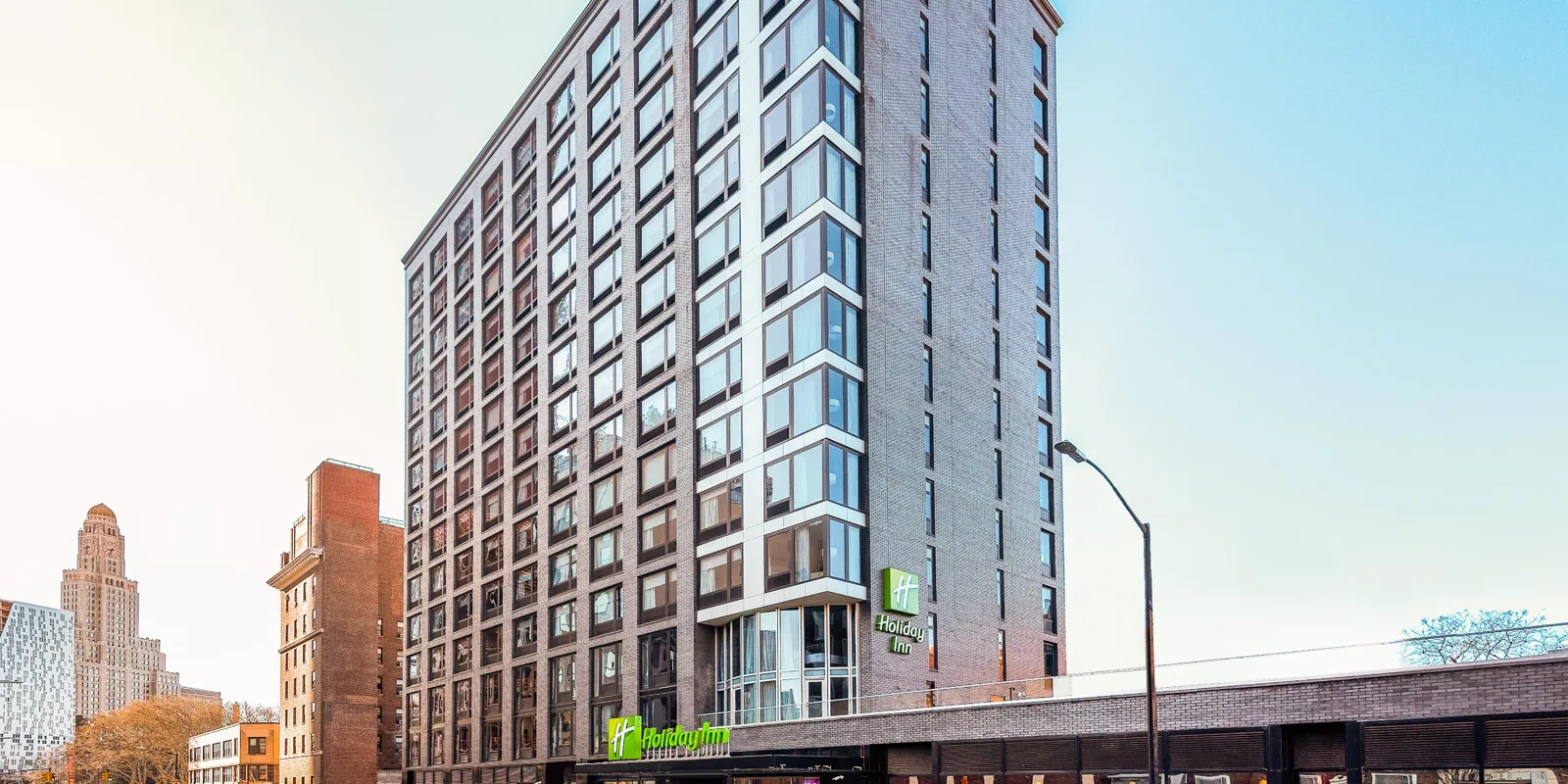
Water tanks and bulkheads on bigger buildings need a walk of their own. The platform legs penetrate the roof, the tank overflow can spill onto the membrane and the bulkhead walls carry their own flashing. A hotel roof of similar height has the same mix of stair housings and mechanical rooms, and the same priorities.
Large housing complexes
Brownsville has about 10,000 NYCHA units across 18 developments and over 100 buildings within one square mile, and some developments have been converted under RAD/PACT with private capital improvements. The Fort Greene Houses are 35 brick buildings of six to fifteen stories built from 1941 to 1944. A large housing owner thinks in programs rather than single roofs: dozens of similar roofs, a capital budget, resident notices and a long list of repairs.
For that reader, a multi-site roof program ranks the roofs by condition, groups similar buildings into bids and keeps a consistent detail across the portfolio. The same logic helps a private owner of several buildings in Brownsville or another neighborhood.
Drains, snow and cloudbursts
A winter with snow near 30 inches and freeze-thaw swings drives water into weak seams. On a small roof the drain is often a single bowl, and when it clogs, water rises against the parapet and finds the lowest flashing. Ida's remnants brought the city its first flash flood emergency on September 1, 2021, and an apartment roof with one clogged drain is easy to overwhelm.
We clean baskets, install domes that resist leaf blockage and add a scupper where the parapet allows. If water ponds against the wall, tapered insulation can bring it toward the drain. A ponding repair that adjusts the slope does more than a patch.
Tenants, notices and access
An apartment roof job puts a crew above people's bedrooms. We post notices ahead of time, set work hours that suit residents and keep noise down during the early morning and late evening. The roof door is locked behind the crew every day, and materials are stored in a protected spot.
Access can be tight. Some rowhouse blocks have no rear lane, and materials go up through a stair or over the roof next door. We arrange access with neighbors and use a hoist or a street permit when needed. It is the occupied building method, tuned for residents.
Complaints are information. Tenants who call about a drip are describing the first sign of a failed flashing, and a log of calls by apartment shows the pattern better than an inspection alone. We ask the super for the call log, match it to the roof plan and go straight to the spots the tenants have already found.
New towers and waterfront buildings
The 2005 Williamsburg rezoning opened the industrial waterfront to high-rise condominiums such as those on Kent Avenue, and a November 2021 rezoning of Gowanus allows about 8,500 new apartments. New construction brings amenity decks, green roofs and large mechanical areas. The Oceana in Brighton Beach is an ocean-front condominium complex built in the early 2000s.
These roofs ask for careful detailing. Pavers, planters and equipment sit over membrane, and a leak means lifting them. A good record of what is under the finish is the best protection, and we maintain one for the owner.
The file the board keeps
Cooperative and condominium boards and landlords all ask for the same thing at the end of the job: a clear file. We provide photographs, a drain and penetration map, the membrane type and the repair history. A roof condition report turns that into a plan, and a senior living building or a mixed-use block can follow the same format.
Commercial Roofing Questions
How can I tell whether the roof or a pipe is causing a ceiling stain?
Check the timing. A stain that grows during or after rain is usually the roof. A stain that grows on a dry day may come from a pipe or condensation. We trace the stain upward and test the nearby flashing with water.
Do we need a permit and a sidewalk shed for a roof job?
Work on tall buildings or work that involves hoisting over the street may require permits and protection. The Department of Buildings publishes the 2022 NYC Construction Codes, which include the roof assembly chapter, and the filings that apply to the scope are handled with the job.
What is the best roof for a flat rowhouse roof?
A fully adhered single-ply or a modified bitumen system with good flashing suits most. The choice depends on access, wall condition and budget. We favor details that are simple to inspect and repair. Hot-applied work needs fire watch, and many owners choose a system that avoids torches next to occupied floors.
How long will tenants be affected by a reroof?
A small apartment roof takes a few days to a couple of weeks, depending on weather and access. Larger complexes take longer and are phased. Tenants get notice before the work starts and a contact for questions.
What should an owner send to start?
Send the address area, the roof age, the apartment numbers with stains and photos of the worst drain and the bulkhead door. A list of past repairs helps us avoid redoing work.