Hotel Roofing in Brooklyn, NY
Ask a hotel engineer where the roof leaks and he will point to the floor, not the roof. Room 912 has a stain by the window, the corridor carpet is damp near the stair and the night auditor has moved two bookings. By the time the super gets to the parapet the water has traveled down a wall, along a pipe chase and across a ceiling. A hotel roof is the one place where a small defect becomes an out-of-order room, and every out-of-order room is a night of income that cannot be recovered. Our walk starts with the room list and works back to the roof.
From room stain to roof edge
Housekeeping and engineering keep a log of every wet ceiling, and we ask for it. We plot the rooms on a roof plan and look for a pattern. Stains along an exterior wall point to the parapet or the through-wall flashing. Stains below a mechanical room point to a curb or a pipe boot. Stains in the middle of a corridor point to a drain or a roof hatch.
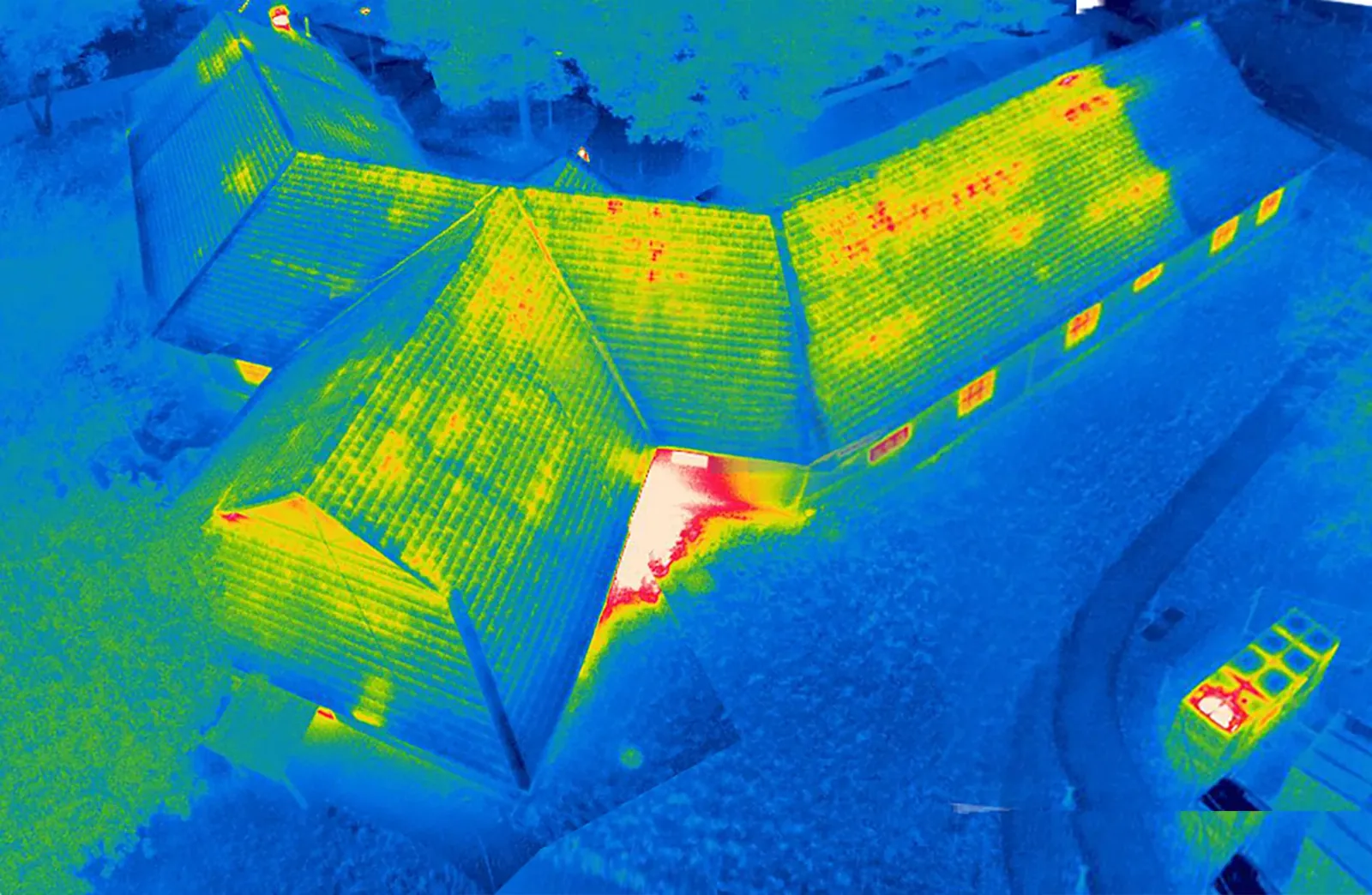
Then we climb with the plan in hand. Probing, moisture meters and, where useful, an infrared survey narrow the source before we open anything. Hotel owners value speed here, since each day of delay can mean another room out of service, so we write the temporary dry-in plan the same day and hold the permanent repair for a window that fits the occupancy.
One more habit helps the engineering team: keep the ceiling tile that came down, photograph the underside and note the weather. A stain that appears only in wind-driven rain points to a wall and a flashing. A stain that appears after any rain points to the field or a drain. The simple record often saves a day of searching.
Rooftop bars, pools and mechanical decks
Many hotels use their roofs for guests as well as equipment. A rooftop bar, a pool deck or a terrace sits on pavers or a wood deck over waterproofing. The guests see the deck and the owner sees revenue, but the membrane below is the part that matters most. A leak under a bar can mean lifting furniture, pavers and fixtures, so we flood-test after any repair and leave removable access panels at drains.
Mechanical decks have their own demands. Laundry exhaust carries lint and moisture, kitchen vents carry grease and boilers send heat through stacks. Each needs a flashing detail that can handle its discharge, and we pair them with walkway pads for service staff. A restaurant roof on the same building shares the grease concerns.
Where Brooklyn's visitors stay
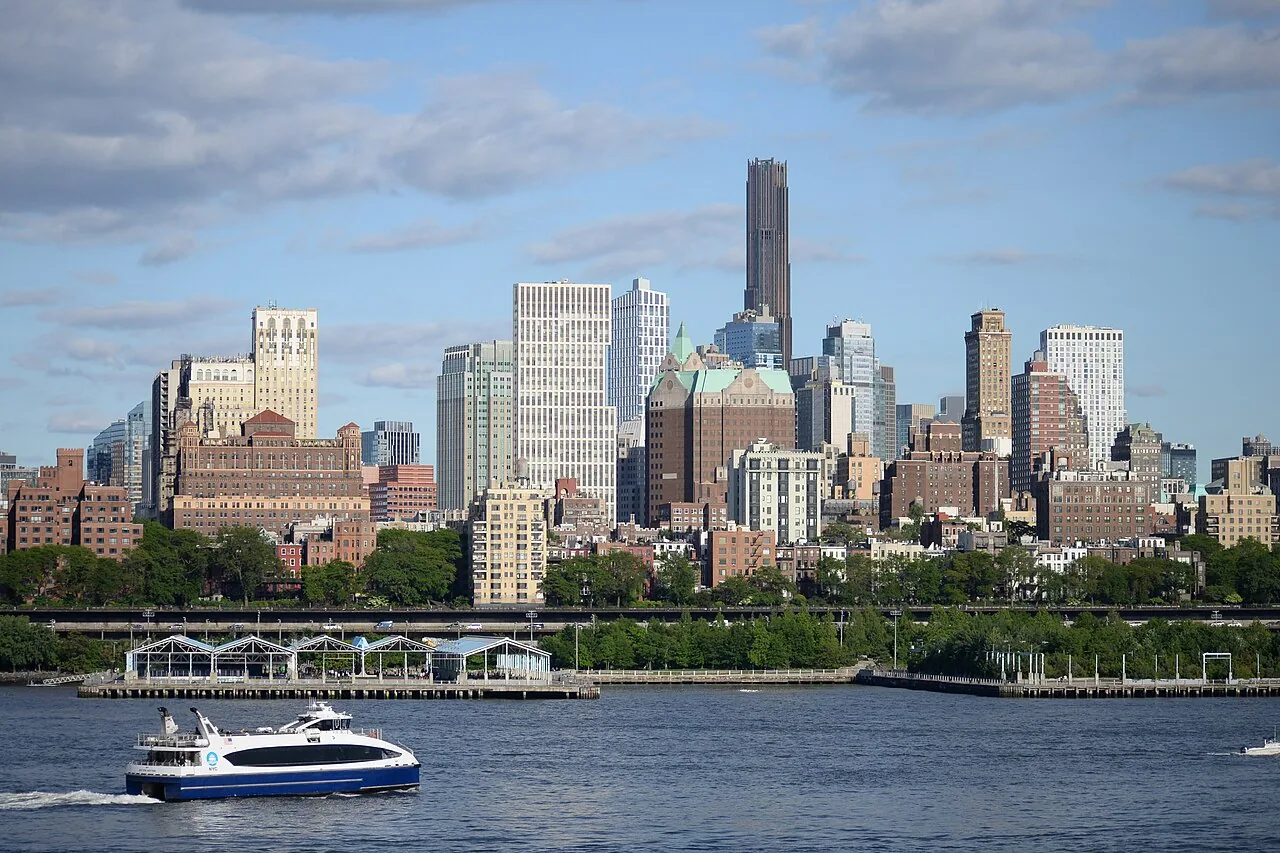
Hotels gather near the places visitors go. Barclays Center opened in 2012 at Flatbush and Atlantic Avenues within Pacific Park in Prospect Heights. The Brooklyn Cruise Terminal opened at Pier 12 in Red Hook in 2006, and Coney Island's Luna Park and other attractions reopened between 2009 and 2014. Downtown Brooklyn is the third-largest central business district in New York City, with MetroTech Center and several universities nearby. Hotels near those destinations can see business and leisure guests in waves. Near Downtown Brooklyn and Prospect Heights the plan works around event nights and conference weeks, since a noisy tear-off during a sold-out weekend is a guest complaint waiting to happen.
Repair, recover or replace
A hotel owner usually faces the same three choices as any other owner, with a different cost of delay. Repair makes sense when the moisture is local and the sheet is sound. A recover over dry, intact roofing saves tear-off noise and dust, which matters when guests sleep below. Full replacement is the answer when insulation is wet across large areas or the deck has softened.
Timing drives the price as much as the material. A roof job that must work around a sold-out weekend, a street closure for a parade or a hoist ban on certain mornings takes longer than the same job on an empty building. We lay out the calendar early so the owner can see what each constraint costs and decide where to compromise. A recover option is checked first when noise is the main worry.
Wind, snow and storm season
A mid-rise hotel sits above its neighbors and catches wind at the roof edge. Wind found a roof in Bay Ridge in 2007, when an EF2 tornado took the covering off a nearby Nissan dealership, and a loose hotel edge can go the same way. We inspect the perimeter metal, check coping and look at fastening to resist uplift at the edge.
Snow averages near 30 inches a year, and January 23, 2016 brought 27.3 inches in a single day. Snow drifts against bulkheads and units and melts at the drains, where meltwater can refreeze. Since the flash flood emergency of September 1, 2021, overflow routes are tested and the leaders to the street checked. A snow and ice damage repair follows a heavy winter.
Guests first
Guests and roof crews should never meet. We schedule noisy work for hours when guests are out, keep the hoist and dumpster away from the front door and use a separate service entrance. Odors from hot materials are kept off the intake side, and rooms directly below the work are held out of inventory when the work is loud.
The plan is written with the general manager and the chief engineer. They tell us which floors are full, which weeks are slow and where the engineers need access. A reroof while the hotel stays open depends on that conversation more than on any single technique.
Security and access matter as well. Crews wear identification, use a controlled roof door and stay off guest floors. Tools and materials are stored in a locked staging area, and the stair to the roof is cleaned daily so no debris reaches the corridor.
Records for the owner and the brand
Hotel owners answer to a brand, a lender and sometimes an insurer. We hand over a photographic record, a drain and penetration map and a description of the membrane and insulation. A capital plan for the roof sets future work in budget years, and an apartment building roof in the same portfolio can be placed in the same schedule.
Commercial Roofing Questions
How do you handle a leak into an occupied guest room?
A crew dries in the suspected area, traces the source and photographs the damage for the file. The room is held out of inventory until the ceiling is dry and the permanent repair is scheduled. We also check the walls and ceiling cavities nearby for moisture, since water travels beyond the visible stain.
Can the pool deck or bar stay open during repairs?
Often a section can. If the repair is under the bar or the pool, that section closes, and we lift only the pavers or furniture needed. We reinstall everything in the same layout and flood-test before it opens again.
How loud is a hotel reroof?
Tear-off is the loudest step. We schedule it for midday, when many guests are out, and avoid early mornings and late nights. Membrane installation is quieter, and welding or adhering sheets produces little noise compared to torch or kettle work. Rooms directly below the active section can be blocked from sale for those days if the owner prefers.
What membrane suits a hotel roof with a rooftop terrace?
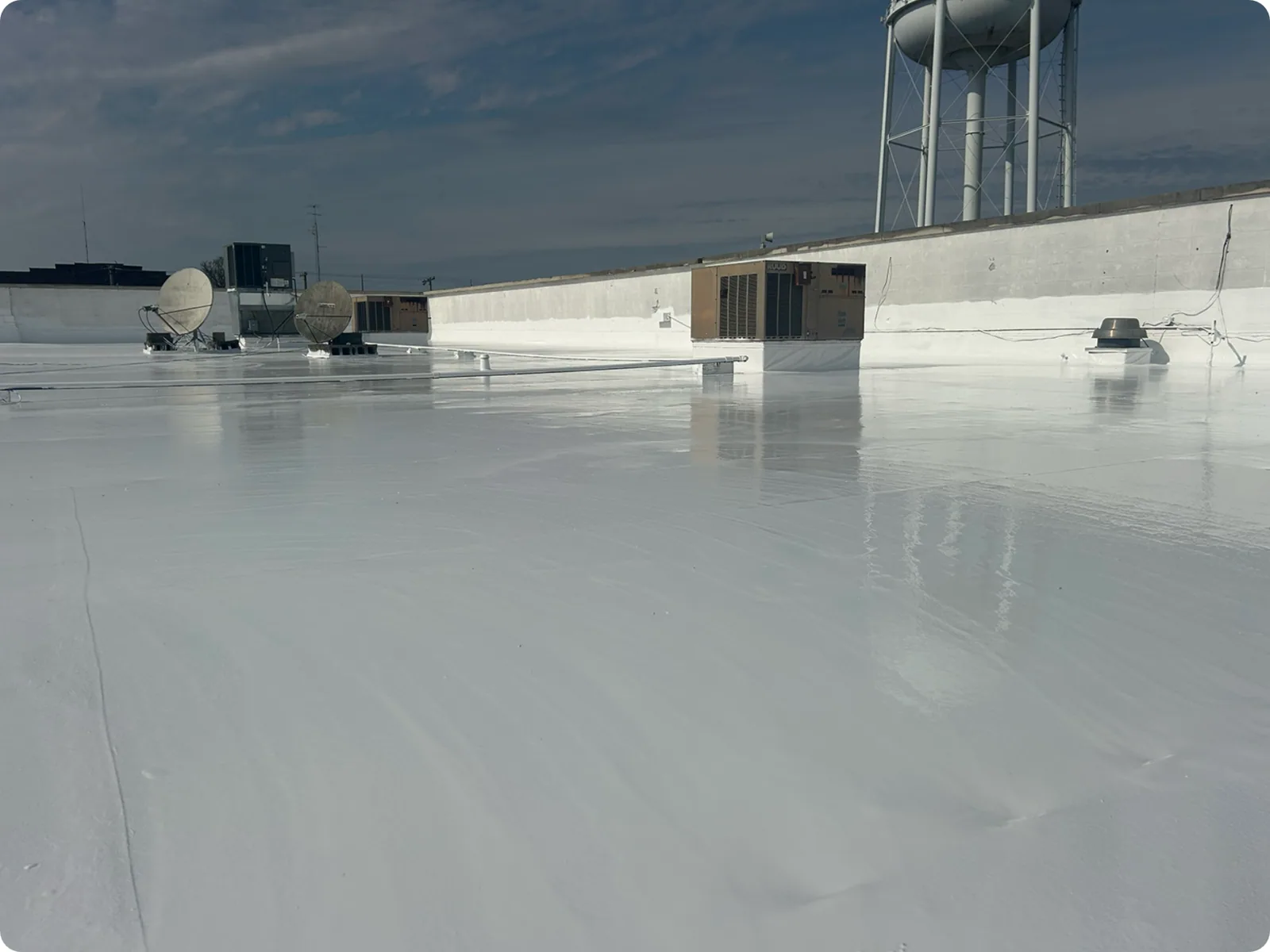
A durable, welded single-ply under a drainage mat and pavers handles foot traffic well. A reflective sheet also reduces summer heat load on top-floor rooms. The final choice follows the deck design and the equipment.
What should a general manager send to start?
Send the address area, the roof age, the log of wet rooms with dates and photos of the worst drain and the rooftop deck. The calendar of busy weeks helps us plan.