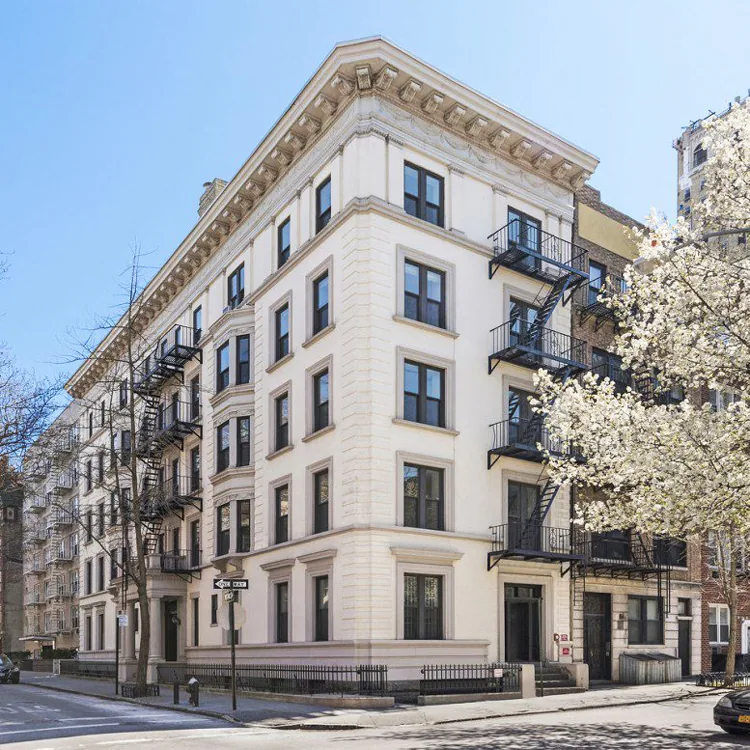
Senior Living Roofing in Brooklyn, NY
Stand at the bulkhead door of a senior residence on a hot August afternoon and put a hand on the roof surface. If it is soft underfoot near the drain and the tar is bleeding at the seams, the top-floor units are living under a failing lid. Residents notice before managers do. A stain over a bed, a bucket in a hallway, a smell in a closet. The roof on a care community is not only a weather barrier. It is the first thing between a frail person and a wet ceiling, and the repair has to be quiet, tidy and finished before the next storm.
The field gets walked first, soft spots are marked and every flashing is photographed before any scope exists.
Where the water gets in
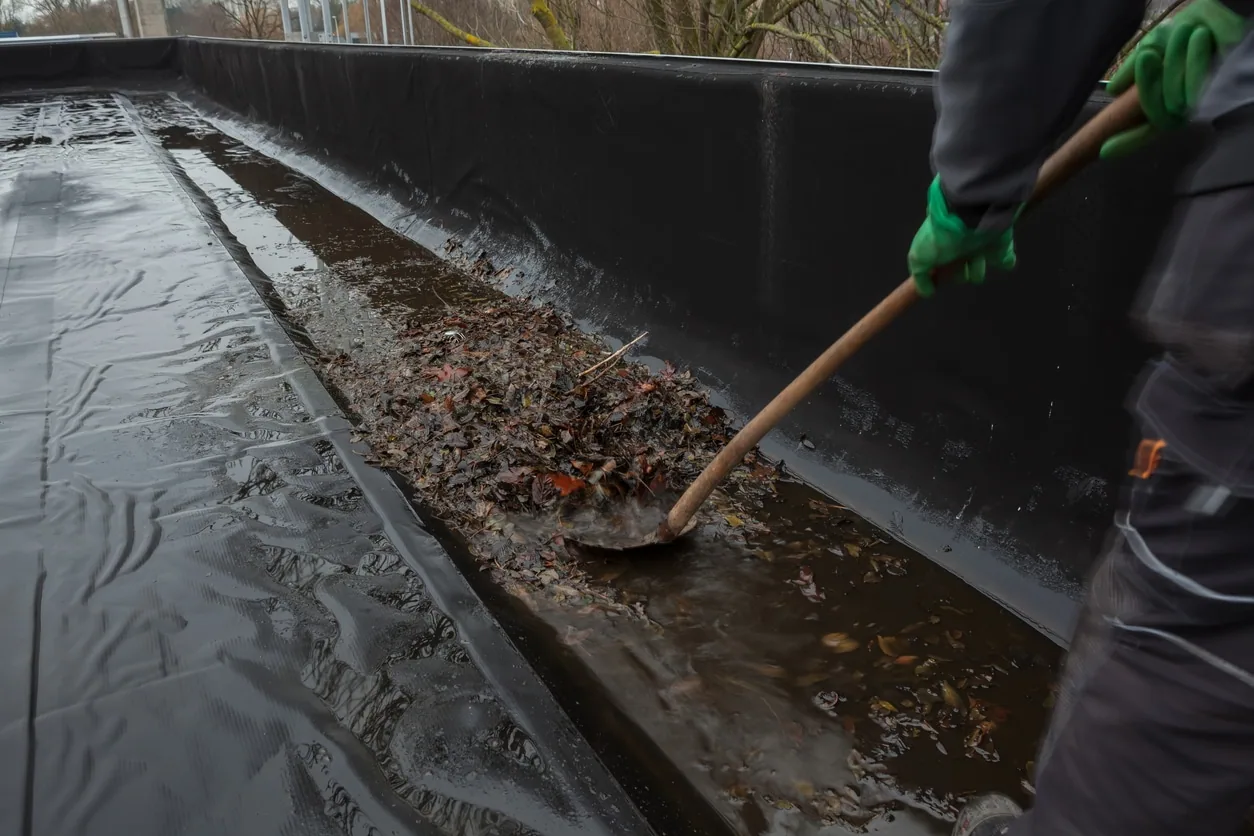
On a mid-rise senior building the failures repeat. The roof drain basket packs with grit and a sump of water forms at the drain. The parapet flashing pulls away from the brick where the sun hits it all afternoon. A hatch curb that was never raised properly lets water run under its cap. A pitch pan around a pipe cracks and drinks.
Each one shows up first as a ceiling stain in a top-floor unit, usually not where the leak actually enters. Water travels along the deck and drops where the insulation gives out. We trace it back with moisture mapping before we cut anything, because patching the stain without finding the entry just moves the complaint to the next room.
Rooftop equipment adds its own list. A kitchen exhaust, a laundry vent and the air handlers serving common rooms each stand on a curb, and a curb with cracked sealant or a low base flashing leaks slowly. We check the height of each base flashing and the condition of every cap before we call the field sound.
Work around people who live there
A senior building is a home, not a job site. Afternoon naps, medication schedules, walkers and staff on the move all set the pace of the day. Occupied building reroofing on a care community runs by zone, with tear-off sized so the deck is dried in by the end of every shift.
Noisy hours are agreed with the administrator before day one, and the administrator tells us which units are most sensitive to vibration. Hot work near air intakes stops when the wind carries fumes toward them, or we switch to a cold-applied method. Material staging stays clear of the entrance and the ambulance bay, and the crew uses a separate path to the roof so no one carries buckets through a corridor.
Fire safety stays in view the whole time. Torches are not used where the building prefers another method, extinguishers stay on the roof and a fire watch follows any hot work, as the building's own rules require.
Storms and the coast
Sandy forced Coney Island and Brighton Beach into the evacuation zone in October 2012, and the peninsula stands only about 7 feet above sea level. A roof does not flood, yet a coastal care community that must shelter in place needs a roof that stays tight through wind and rain.
Wind uplift at the edge is the first thing to check. Loose coping at the parapet and a lifted edge flashing let a storm get under the membrane. A dealership nearby lost its roof when the 2007 EF2 tornado crossed Bay Ridge, a fair reminder of what an unsecured edge can do. We look at fastening along the perimeter on every walk, and the findings go into the file with photographs.
Heat and cloudbursts
July heat near 85 F, frequent late-day thundershowers and a strong heat island bear down on the top floor. A dark roof over top-floor rooms cooks them. Elderly residents feel that heat more, and the air conditioning works harder against it. A reflective membrane or coating helps when the existing roof is dry and sound.
The cloudburst is the other half. The flash flood emergency of September 1, 2021, set off by Ida's remnants, was a first for New York City. Drains that handle a normal rain choke on a cloudburst, and the water backs up over the parapet flashing. We clear baskets, test roof drains and scuppers and check for an overflow path before the wet season.
The fix in order
First, a moisture scan to find wet insulation. Second, a few core cuts to count layers and confirm the scan. Third, a punch list sorted into repairs, a recover and a tear-off. A dry roof with local failures gets repaired. A roof with dry insulation and a worn surface may take a recover or a coating. Wet insulation comes out.
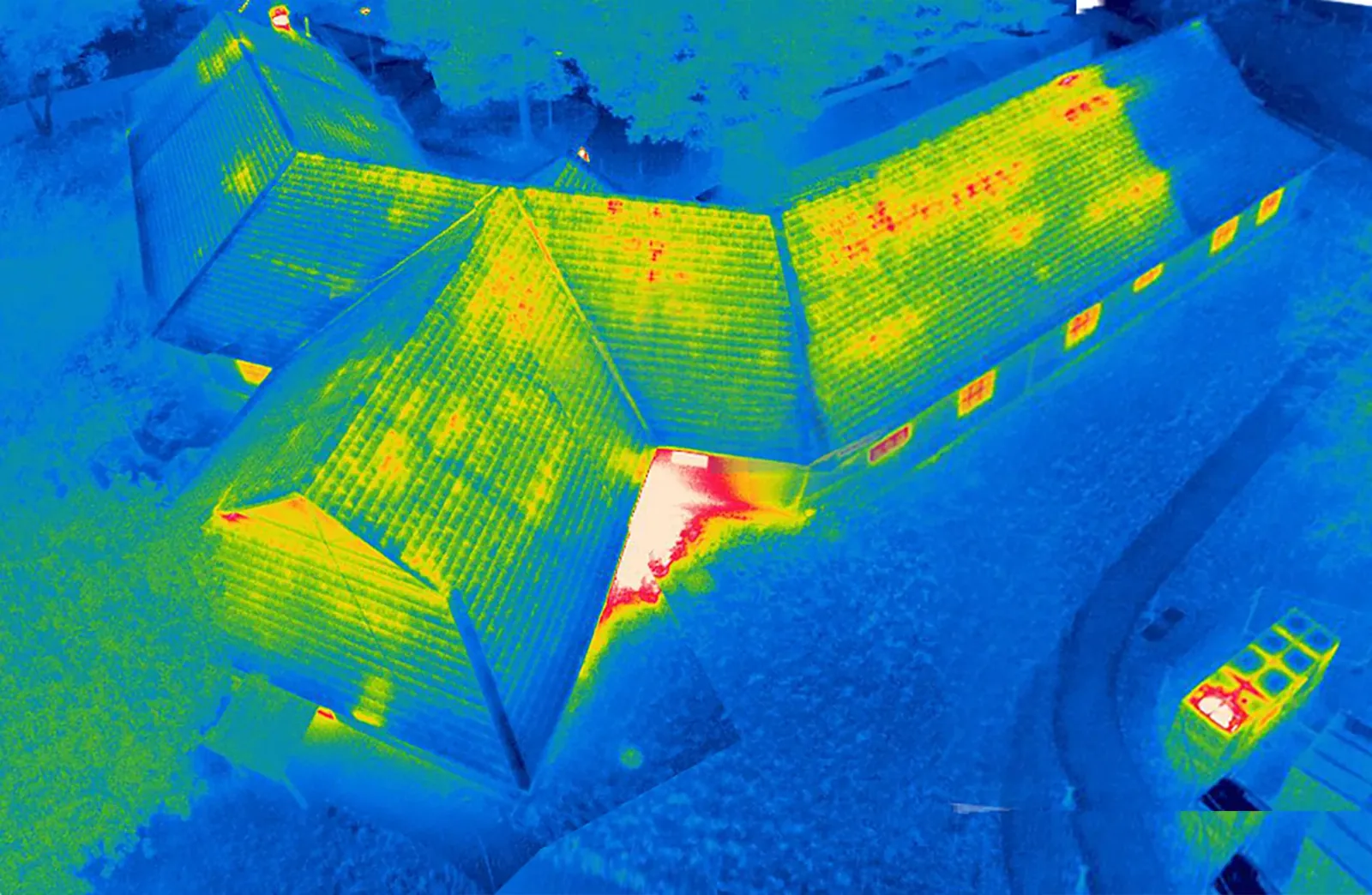
Price follows access, the number of penetrations and how much of the roof must be dried in each day. We write the sequence, the resident notice dates and the cleanup routine into the scope. An infrared moisture survey is the usual first step, and it costs little against a mistaken tear-off.
Weather sets the calendar. Membranes install best on dry surfaces in mild weather, so the schedule carries slack for rain days and a cold snap. Winter work is mostly repair and dry-in. With snow near 30 inches a year, ice in a clogged drain bowl can crack the clamping ring, so drain checks come before the first freeze.
Closeout walk
At handover the administrator walks the roof with us, every flashing and drain is photographed and the roof plan carries each penetration by number. The file holds the scan, the core log, the warranty terms and the date of the next check. A care provider with more than one building can rate each roof on the same scale, as a residential building owner would, and plan spending year by year. Nearby hospital roofs in the borough follow stricter schedules, and many of those habits carry over.
A tidy job leaves only sealant touch-ups, a last photo set and a sign-off on the list. We would rather send a crew back for one open lap than leave it for the next storm to find.
Commercial Roofing Questions
How do we keep residents comfortable during a reroof?
Work in zones, dry in each shift, schedule noise away from rest hours and keep air intakes clear of fumes. The administrator receives the daily plan before the crew arrives, and staff know which side of the building is active. Most complaints come from surprise, so the notice goes out early.
Can a roof leak be repaired quickly in an emergency?
Yes, a temporary dry-in can go on the same day. Emergency roof repair stops the water, then the survey shows whether a patch, a recover or a replacement follows. The temporary work is documented so the permanent repair does not repeat it.
Is a reflective roof worth it on a senior building?
It can lower top-floor temperatures when the roof is sound and dry, and it reduces cooling load in the summer heat island. We test the roof first, since a coating over trapped moisture only hides the problem.
What should a manager send before a field walk?
The building's address area, the roof age, photos of the worst drain and parapet, and a list of units with stained ceilings are enough to book the walk. The scope is written after it.
How early should a care provider budget for the next roof?
Budget when the moisture scan shows repairs repeating each season. A dated rating lets the finance office carry the replacement in a reserve line and choose a recover while the insulation is still dry.