Commercial Roofing in Coney Island, Brooklyn, NY
A peninsula that tops out near 7 feet above sea level is a place where the weather arrives all at once. The Coney Island peninsula is among the areas most exposed to rising water, and the roofs above its streets take the wind, the salt and the driven rain that come with every coastal storm. A roof on a low peninsula has open sky on most sides. What we look at first is not the field of the roof. It is the edge, the flashing and the drain, because those are the parts a storm tests.
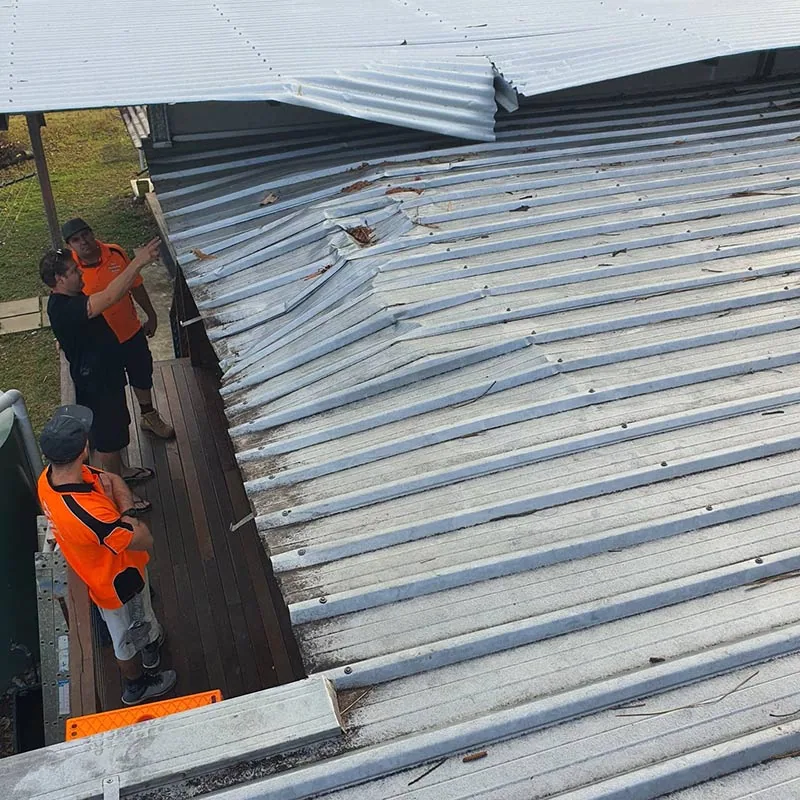
The first visit is a slow walk of the field, a mark on each soft spot and a photograph of every flashing.
The first walk is slow on purpose. Reading starts at the edge and works inward, since wind, water and salt all meet there, and the field waits for the moisture scan.
What Sandy tested
Luna Park and other amusement attractions reopened between 2009 and 2014, and Sandy damaged the parks and the Aquarium in 2012. For Sandy, Coney Island and Brighton Beach were in the evacuation zone, and Coney Island Hospital took water on its first floor. Those facts describe the flood. The roof is above the flood, but a roof is what keeps a building usable after the water goes down.
Ground-level flooding is bad enough; a second source of water from above should not follow it. The roof is photographed and rated ahead of storm season and again after any big event, which lets the owner's file show what changed. That record supports an insurance claim and speeds the adjuster's visit.
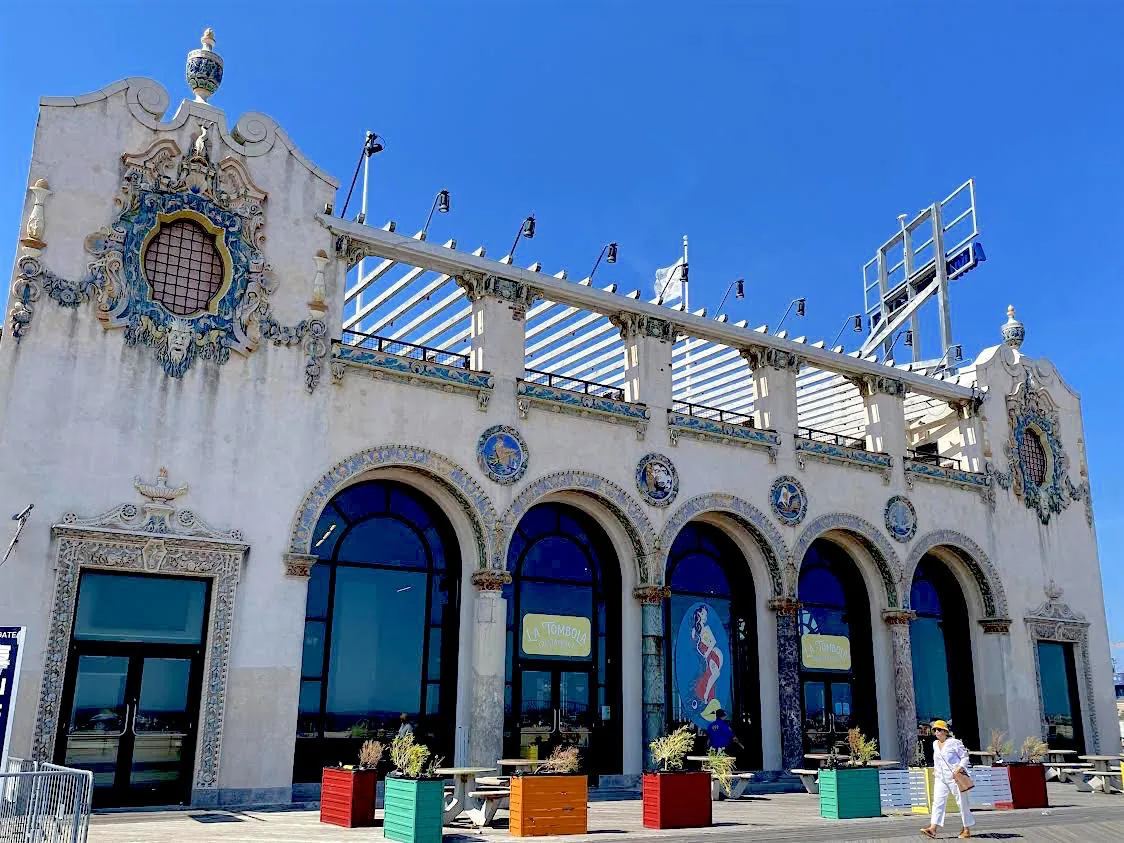
The amusement district adds a note of its own. Structures that are opened to the public in season cannot hold up for a leak, and a repair that needs a dry week has to be planned against the calendar of the operator. We write the schedule with the operator before the scope is priced.
Edges, corners and the wind
Wind gets under a roof at the perimeter and the corners before anywhere else. Near the ocean, with nothing between the water and the building, the edge zone does the most work. A flat roof behind a short parapet has little protection; a loose coping run, a lifted edge flashing or a worn gravel stop gives a storm a place to start. The remedy is holding power: more fasteners around the perimeter, edge metal on a long cleat, joints that are sealed and a membrane secured for the exposure it faces. We probe the edge on every walk and photograph each stretch. A wind damage repair after a storm starts with those photographs, which is why they are taken before the season.
Corners are the worst spot. Where open ground flanks a building on two sides, wind arrives from both, and the corner zone takes more of the uplift than the field. Each corner is checked for stress marks, tears and lifted sealant, and the fasteners are matched to the deck beneath.
Salt air on metal and sealant
Near the water, salt corrodes metal quicker than inland air. Fasteners rust, edge trim pits, cap flashings corrode and sealants harden. A roof that would hold for years inland can show trouble in a few seasons on the shore. We run a thumb along fastener heads and caps and look at the color of the metal. A rust bloom, a pitted edge or a white crust at a seam marks the spots to replace.
Replacement parts are chosen for the exposure: corrosion-resistant fasteners, trim that suits a marine setting and sealants rated for it. A repair made with ordinary parts on the shore needs repeating, and we would rather do it once.
Drains and scuppers clog with sand and blown debris near the beach, and a basket packed with grit holds a sump of water at the drain. Clearing twice a year costs little, and a walk after each storm catches blocked outlets before the next rain.
Surf Avenue and the commercial roofs
Surf Avenue is the main west-east avenue, and the commercial buildings along it can include shops, restaurants and seasonal uses. Restaurants put exhaust fans and makeup air on the roof, and each fan is a penetration. A building that opens and closes by season changes when a roof can be worked on.
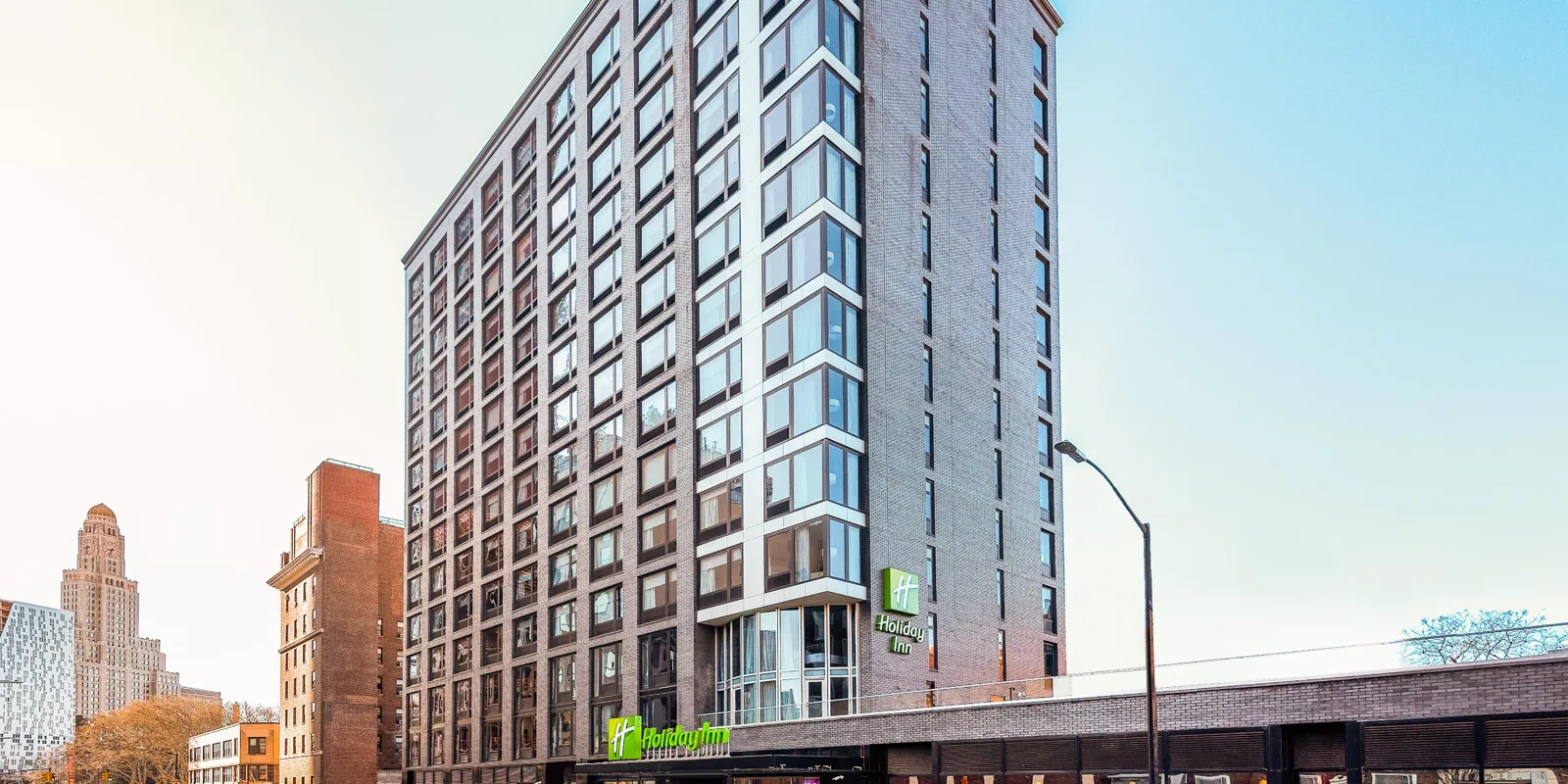
We schedule around the season, trace leaks with moisture mapping and fix the curbs first. A restaurant roof with a kitchen below needs the exhaust area checked closely, and a hotel roof adds guest-room ceilings that cannot stain. Neighbors in Brighton Beach and Sheepshead Bay share the same exposure.
Rooftop signs, lighting and awning supports add penetrations. Sign and awning frames are marked on the roof plan and resealed, because a bad one can drip all season before it gets blamed for a stained ceiling.
Cloudburst, snow and heat
Ida's remnants hit on September 1, 2021, and the city issued its first flash flood emergency. Ordinary rain drains fine; a cloudburst does not, and the water backs up against the parapet flashing. A weak seam will not outlast the winter cycle of snow near 30 inches a year and repeated freezing and thawing. In summer July highs reach 85 F and the heat island is strong. A dark roof over a kitchen or a guest room is hard work for the people below. A reflective membrane lowers surface heat when the roof beneath is dry and sound.
Heat marks show first on the sun-facing sections, in blisters, open laps and softened sealant, and we note them on the plan.
The fix in order
Drains are cleared and soft spots marked; scan and cores then place the roof in repair, recover or replacement. Fix the edge before storm season. Recover over dry insulation, and replace wherever the scan shows water throughout. A walk within the week of any event records what changed, and those photographs are where storm damage roof repair begins.
What drives the price is access, penetrations and deck condition. Winter is for repair and dry-in, since a membrane needs dry surfaces and mild air to go down well, and the calendar keeps slack for rain and wind.
The final walk makes a short punch list, and anything open gets fixed before we leave. A crew sent back for one open lap beats leaving it for the next storm to find, and dated final photographs go into the file.
Commercial Roofing Questions
How does a coastal roof differ from an inland one in repair?
The parts and the schedule. We use corrosion-resistant fasteners and sealants rated for marine air, check the edge more often and replace pitted trim. The same repair on ordinary parts fails sooner.
Should a seasonal business re-roof in the off season?
Yes, when the scan shows it is needed. Off-season work avoids guest disruption and gives room for rain days. We schedule the survey early enough to price the work before the building closes.
What does a lender or insurer want to see after a storm year?
Dated photographs, a rating before and after the event, a cause of loss and an itemized repair scope. We prepare them in that form.
Is a reflective roof worth it on the shore?
It lowers surface heat and slows the aging of seams and sealants. The roof has to be sound and dry for that to pay off, so the scan comes first.
What gets the first walk booked?
An address area, the roof age, and photographs of the worst drain and the ocean-side edge metal.