Commercial Roofing in Brownsville, Brooklyn, NY
Brownsville packs roofs close. Within a single square mile NYCHA holds about 10,000 units in 18 developments and more than 100 buildings, and that density changes how a roofer reads the neighborhood. Stand on one rooftop and many more come into view, and the same checklist applies to each: drains, parapets, bulkheads, curbs. When a failure shows up on one, we check the next. A roof here is not a single problem. It is a pattern that repeats across a campus.
The walk comes first: each roof's field, its soft spots and a photograph of every flashing, building by building. The same walk, repeated building by building, turns into a program.
Campuses with many roofs
On a multi-building site, the cost of the roof is set by how many times the same repair is made. A drain that fails on one building may fail on a similar one. A parapet detail that leaks on one block may leak on the block beside it. So we survey a few buildings in depth, learn the pattern and then rate the rest against it.
The result is an inventory: every roof, its age, its system, its drains, its rating and its open items. Owners who run many buildings can sequence work by need, fix the worst first and bundle similar repairs into one mobilization. A multi-site roof program keeps that list current year after year.
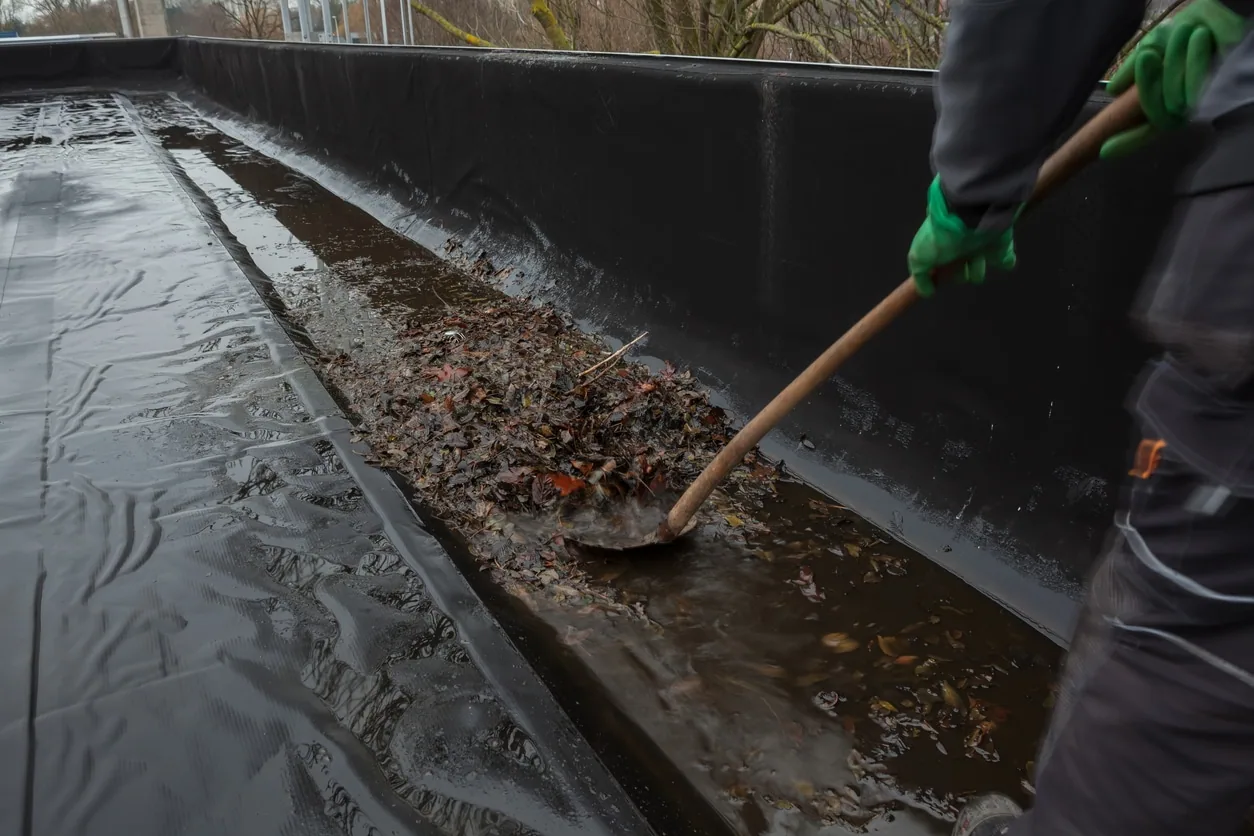
The failures that repeat across a campus are the familiar ones. Grit packs the drain basket, and a sump of water forms at the outlet. The bulkhead door sits on a threshold that was never flashed high enough. The parapet flashing pulls away from the brick. A hatch curb carries a cracked cap. Each of these takes an hour to fix when found early and a week to fix after the plaster below has soaked, so the first walk is a sort: fix now, fix this year, plan for replacement.
When private capital arrives
Some developments have been converted under RAD and PACT, which brings private capital improvements into buildings that had waited for funding. Roofs are usually on the list, and a roof scope written for that work has to hold up in review. The survey needs photographs, a moisture scan, core logs and a priced option for each choice.
We write the findings so that an owner, a lender and a program manager can all read them. Wet insulation is separated from dry. A recover is priced next to a tear-off. The deck condition is noted. Where a coating suits a sound roof, it is priced as an alternate. That lets the people paying for the work see why one option was chosen, and it keeps change orders from arriving as surprises. Planning apartment roofs for every building in a phase, not only the worst one, is what holds the cost down.
Scheduling matters as much as scope on an occupied campus. Residents stay in place, so tear-off is sized to be dried in each shift, noise windows are agreed with the management office and notices go out before each stage. Staging areas are marked so deliveries stay out of fire lanes and play areas.
Pitkin Avenue and the mixed blocks
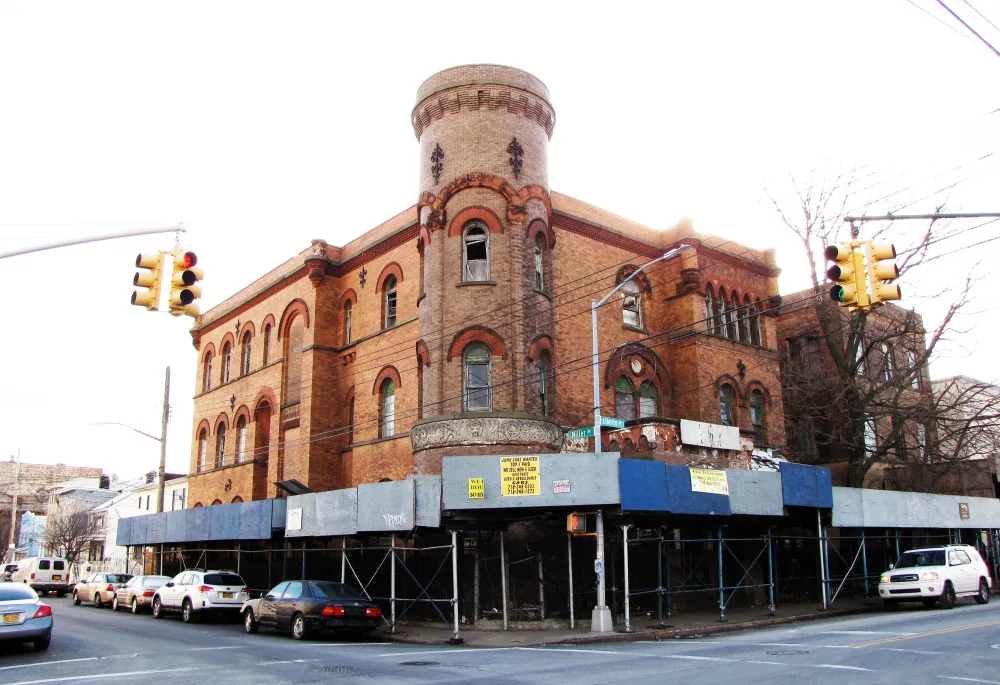
Pitkin Avenue is Brownsville's commercial center, and along it and the streets around it shops sit under apartments and offices, so one roof answers to several users. When water reaches a storefront, the source may be a parapet joint, a curb for a unit that a tenant added or a drain two buildings down. Ownership of the roof is not always clear, which makes the evidence matter. A numbered roof plan records the entry point and the unit below, after moisture mapping and a staged hose test have traced the water. That record lets an owner and a tenant settle a repair without a fight.
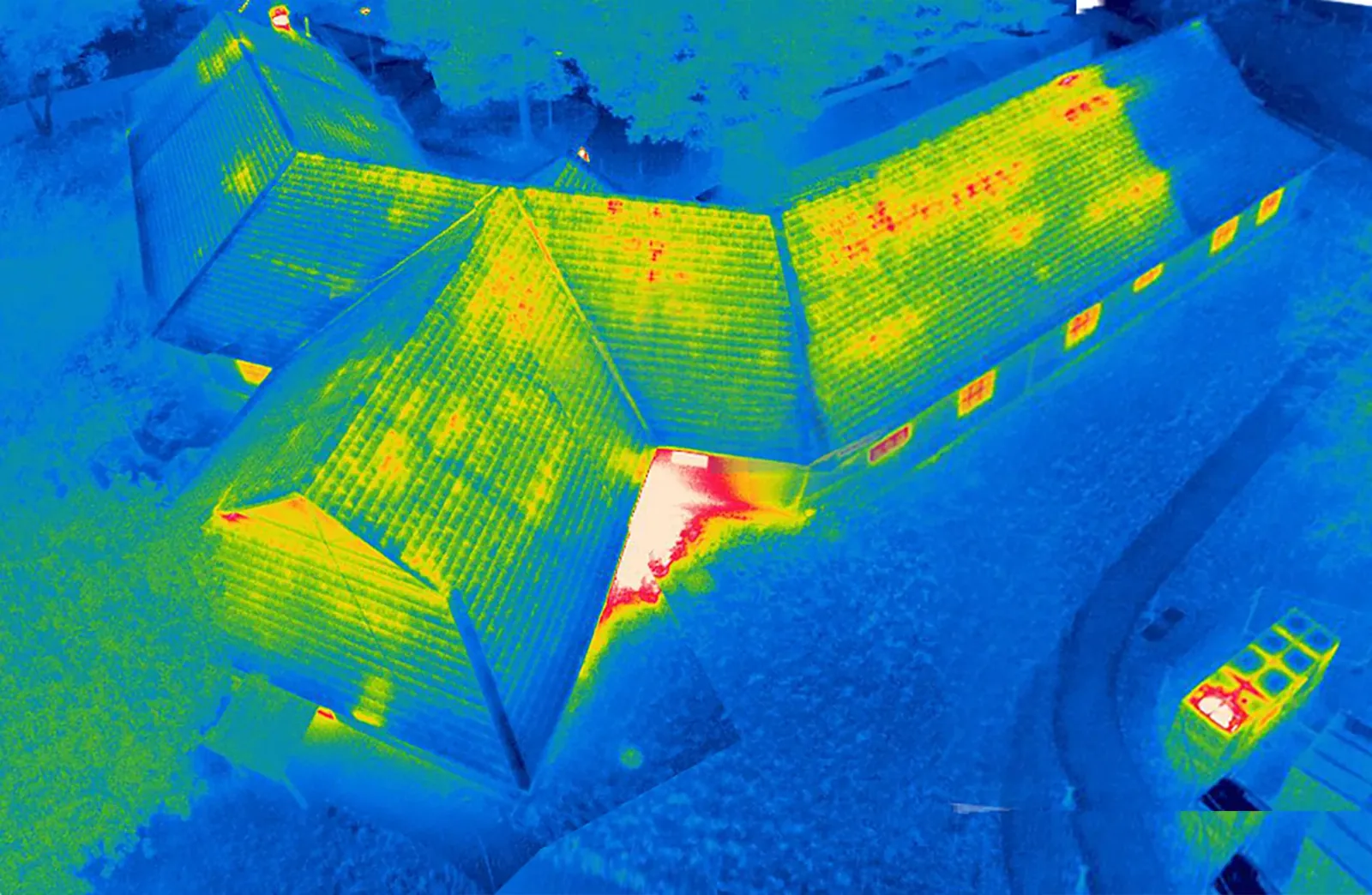
The freight-only LIRR Bay Ridge Branch forms the southern boundary of the neighborhood. Where grit and debris collect, drain baskets pack faster, and clearing them twice a year costs little against a soaked ceiling. An infrared moisture survey does the heavy lifting on the larger roofs.
Roofs near the hospital
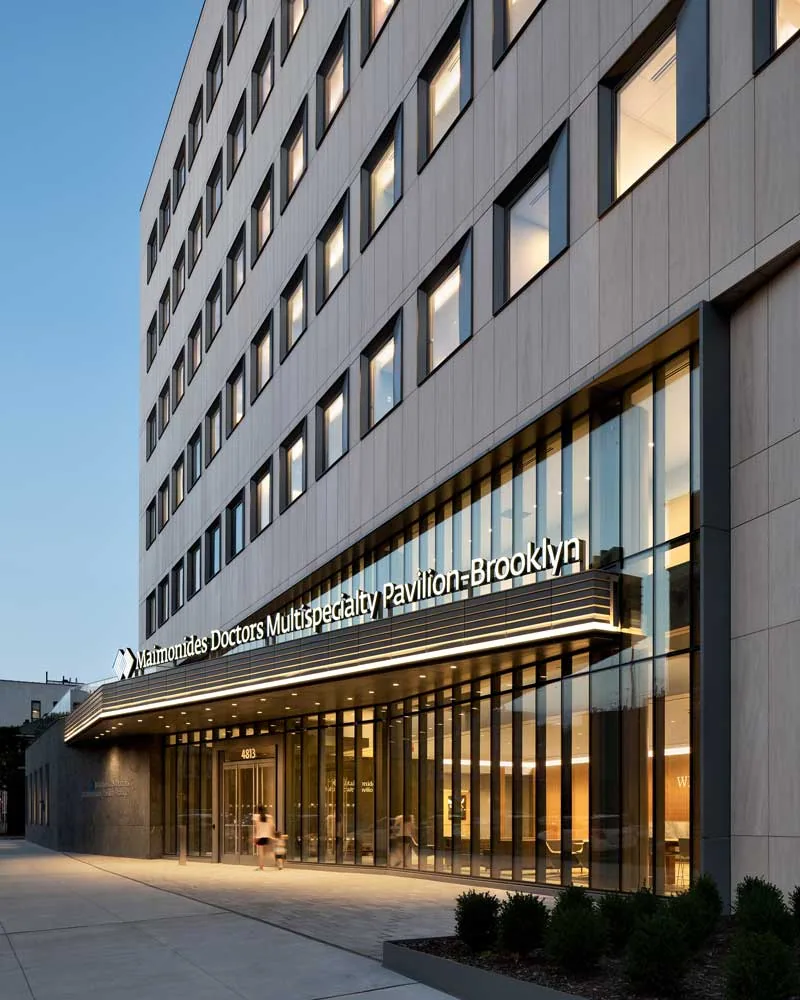
Brookdale University Hospital and Medical Center is in Brownsville, and medical offices and support buildings can sit around a hospital. Rooftop equipment on those buildings runs without a break, so a leak into a clinic room becomes a continuity problem. The operator sets the schedule for roof work: the crew plans by zone, protects air intakes, keeps hot work away from fresh air and agrees noise hours in writing. A hospital roof sets the pattern, and neighboring buildings borrow the habits that work.
Service buildings and loading areas around a campus can tie into the same drainage network as the roof, so a clogged leader may back up in more than one place. Leaders are traced outward from the roof drain where access allows, and their discharge points are noted.
Cloudburst, snow and heat
Ida's 2021 remnants delivered rain heavy enough for a flash flood emergency. A roof drain that handles an ordinary rain can choke in a cloudburst, and on a flat roof with a few outlets the water rises against the parapet flashing. A typical year brings snow near 30 inches, with 27.3 on January 23, 2016 alone, and a strong heat island lifts July highs near 85 F. Top-floor apartments under dark roofing feel summer first. We clear baskets, test roof drains and scuppers, and check overflow paths before each season.
The freeze-thaw swing is hardest on parapet joints. Water enters a cracked coping joint in the afternoon, freezes overnight and opens the crack a little further. After a few winters the wall is soaked. We mark every open joint on the plan and rank them by how much wall sits below.
Closeout walk
At the end of a phase we walk each roof, photograph every flashing and drain and hand over a roof plan with every penetration numbered. Neighborhoods nearby, such as East New York and Canarsie, share some of the same seam and drain problems, and the same record-keeping habit applies.
Final photographs are dated into the file, and the next check is booked before the crew leaves.
Commercial Roofing Questions
How many buildings should be surveyed in depth before a program is priced?
Survey a representative few in depth, with scans and cores, then rate the rest by walk and photo. The pattern from the deep survey carries across similar buildings, and the rating on the others is checked against it. That keeps the program price grounded.
What records does a lender or program manager want from a roof survey?
Dated photographs, a moisture scan, core logs, a drain inventory, a rating by roof area and priced options with alternates. We organize the file in that order so it can go straight into a review.
Can residents stay home while roofs are replaced?
Yes. We work in zones, dry in each shift, schedule noisy stages away from rest hours and give notice of dates. Entrances and walkways stay clear, and interior protection goes up under any open area.
Why does a leak into a store often start at a rooftop unit?
Units installed for a tenant add curbs and penetrations, and the sealant around them tires. Water enters at the curb and runs along the deck. We check the curb flashing first.
What should a manager gather before a field walk?
The number of buildings in the phase, the roof ages, the address area and photographs of the worst drain and parapet make a good first file. The walk comes first and the scope follows.