Acrylic Roof Coatings in Brooklyn, NY
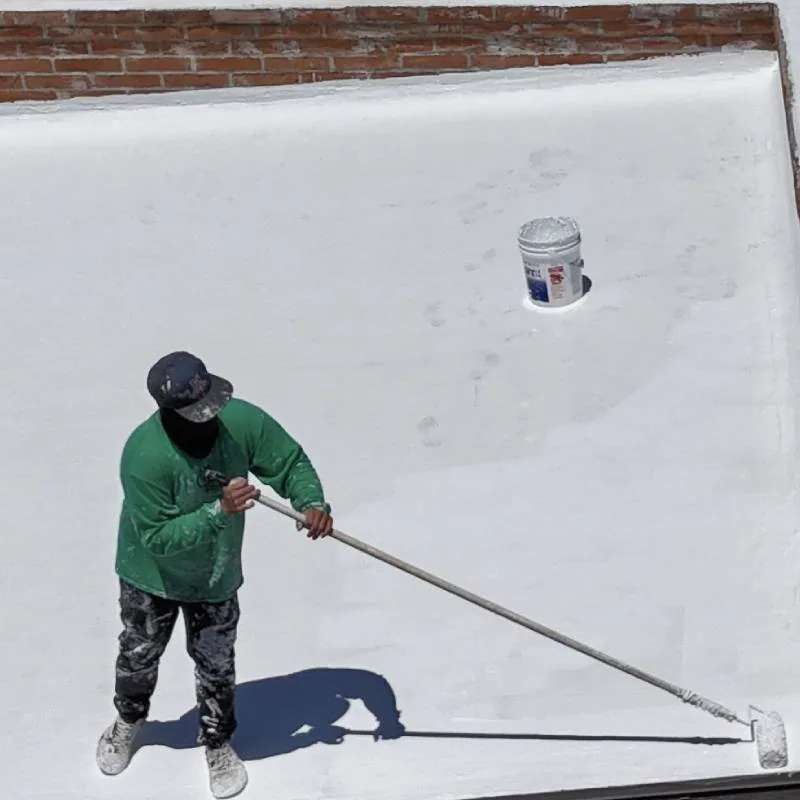
Stand on a flat roof in Bensonhurst the day after a rain and look at the drain. If the water is gone, that roof is a candidate for acrylic. If it is still standing there, it is not, at least not yet. Acrylic coatings are water-based liquids that cure into a white, flexible film over a clean, sound roof. They cost less than silicone, go on easily and take a recoat well. They also soften if they sit in water for days. So the first thing we read on a Brooklyn, NY roof is not the surface. It is how fast the roof sheds its water.
What you see up there
Look for a surface that is worn but whole. Chalking, faded color and fine cracks are fine. A few small blisters can be cut and patched. Seams should be tight or repairable, and flashings should be attached. Ponds should be shallow and gone within a day or two.
Warning signs are different: a wide area that feels soft underfoot, long splits, ponds that stay for a week and a lot of staining on the ceilings below. We press on the soft spots, scan for moisture and cut cores. Wet insulation comes out before any coating goes on. We also test adhesion on a patch. The results, with photographs, go on the roof plan, so the owner can see what qualified and what did not.
Why this building
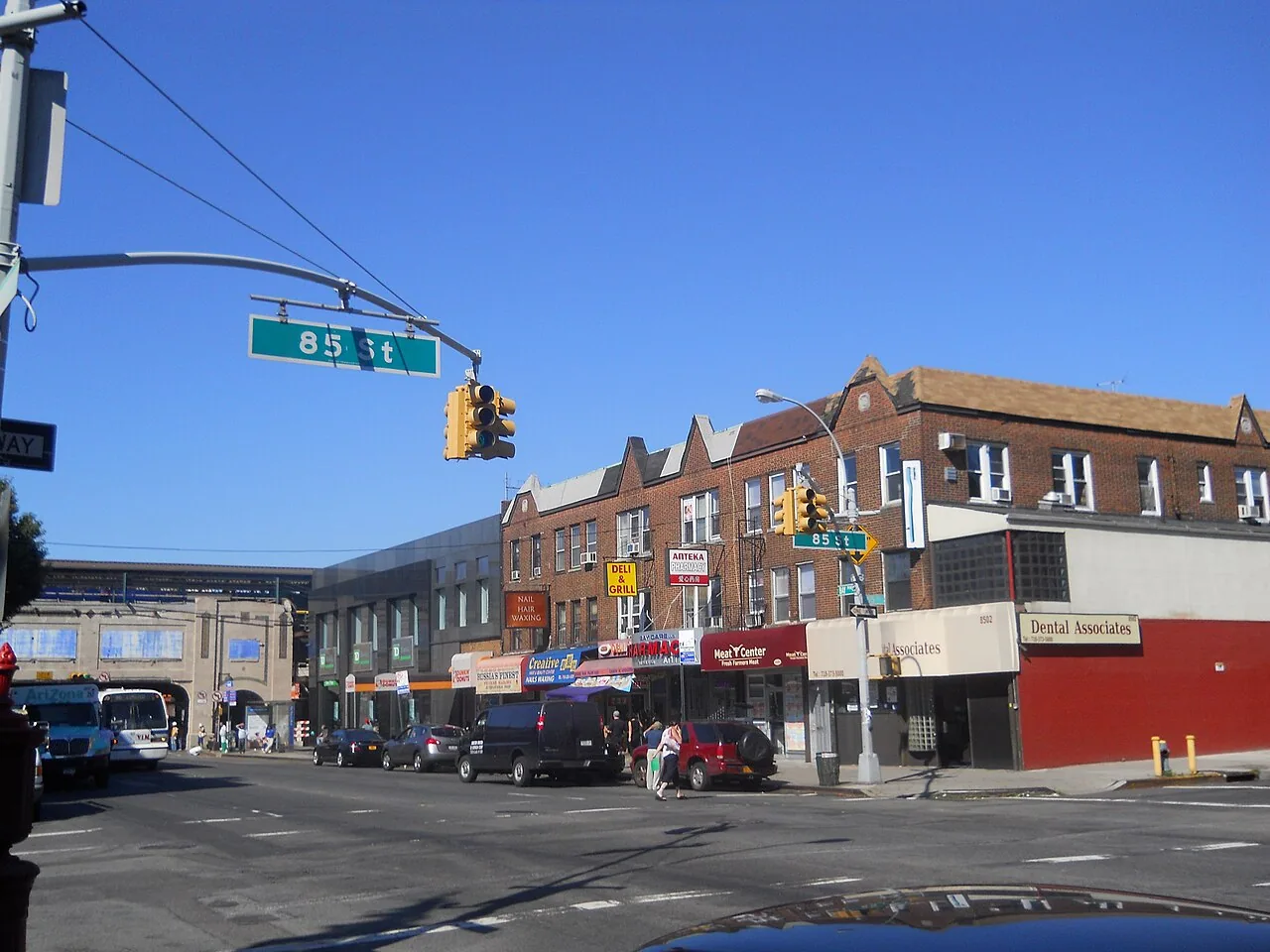
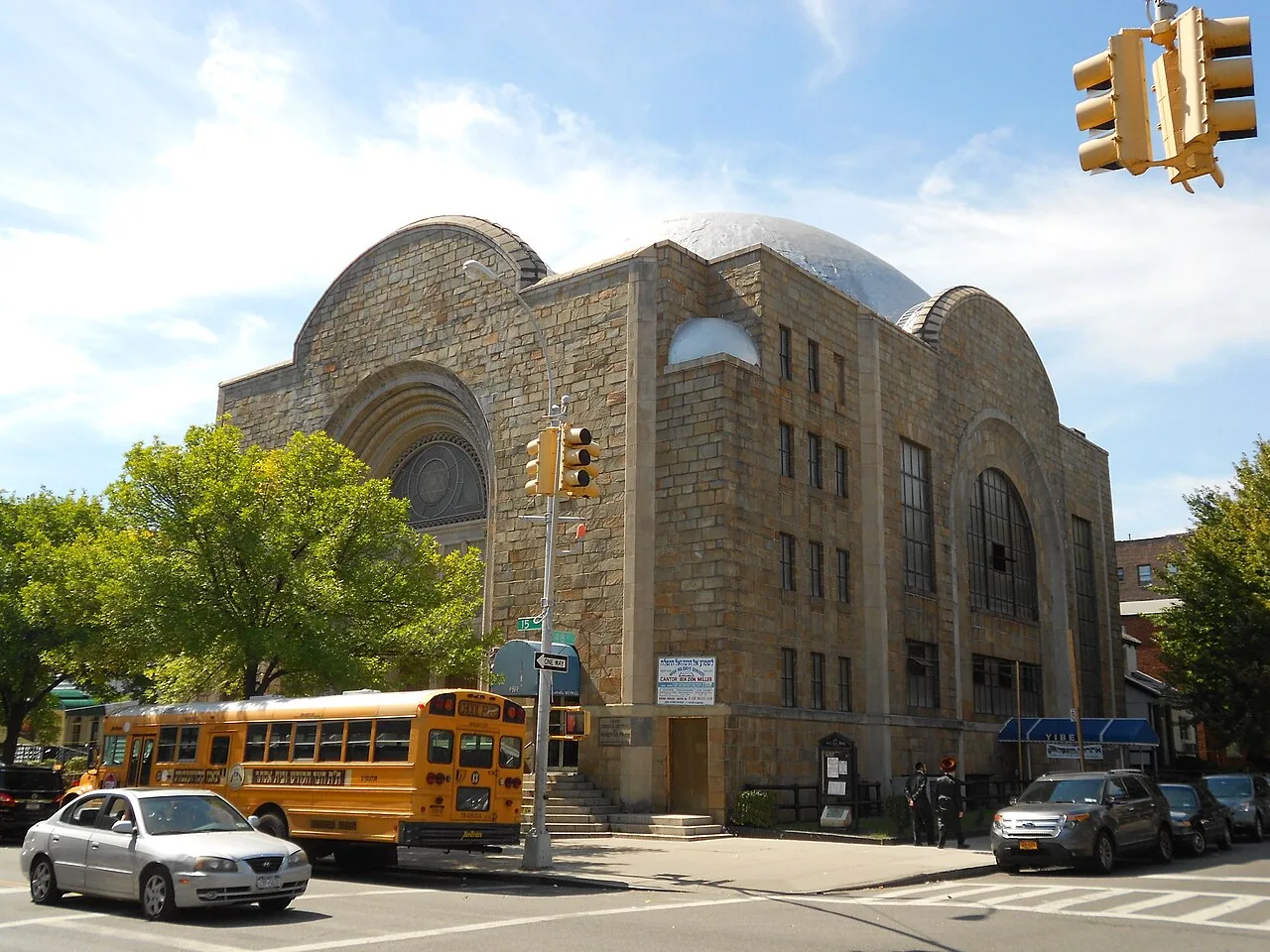
Acrylic fits small and mid-sized flat roofs that drain well. In Bensonhurst, short single-family homes have been replaced by three-story brick apartment buildings, and between 2002 and 2005, 1,200 new housing units were approved. In Borough Park, a 1992 zoning law allows building on 65 percent of a lot, and 13th Avenue is a roughly one-mile commercial strip from 39th to 55th Streets. Roofs on blocks like these serve many tenants, and the owners want a clean answer at a fair price.
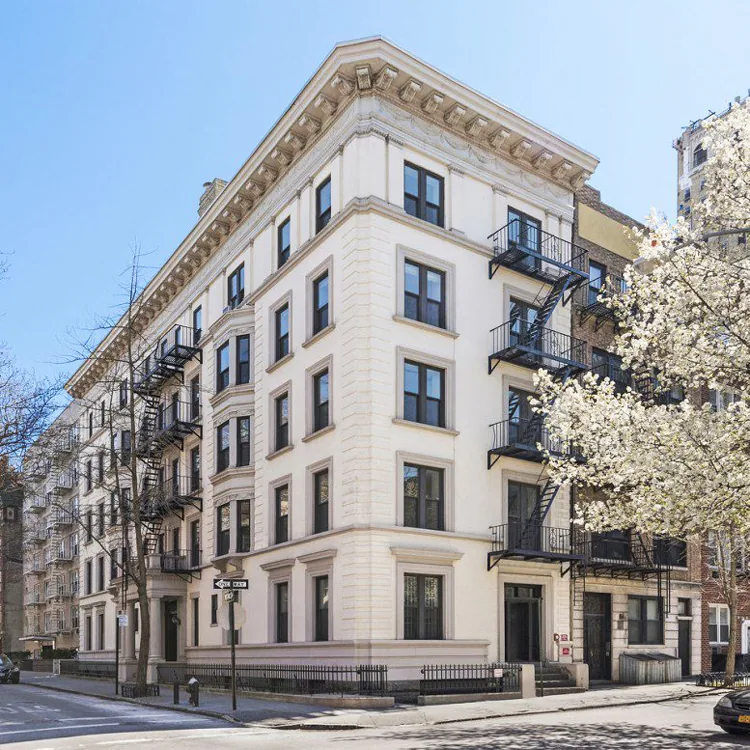
A flat roof on a three-story building with a shop below is the kind where a coating can pay off if the drainage is good. Bensonhurst and Borough Park roofs get the same moisture scan and the same adhesion test as a big warehouse roof. An apartment roof is surveyed for the tenants below as much as for the membrane.
Prep and the coats
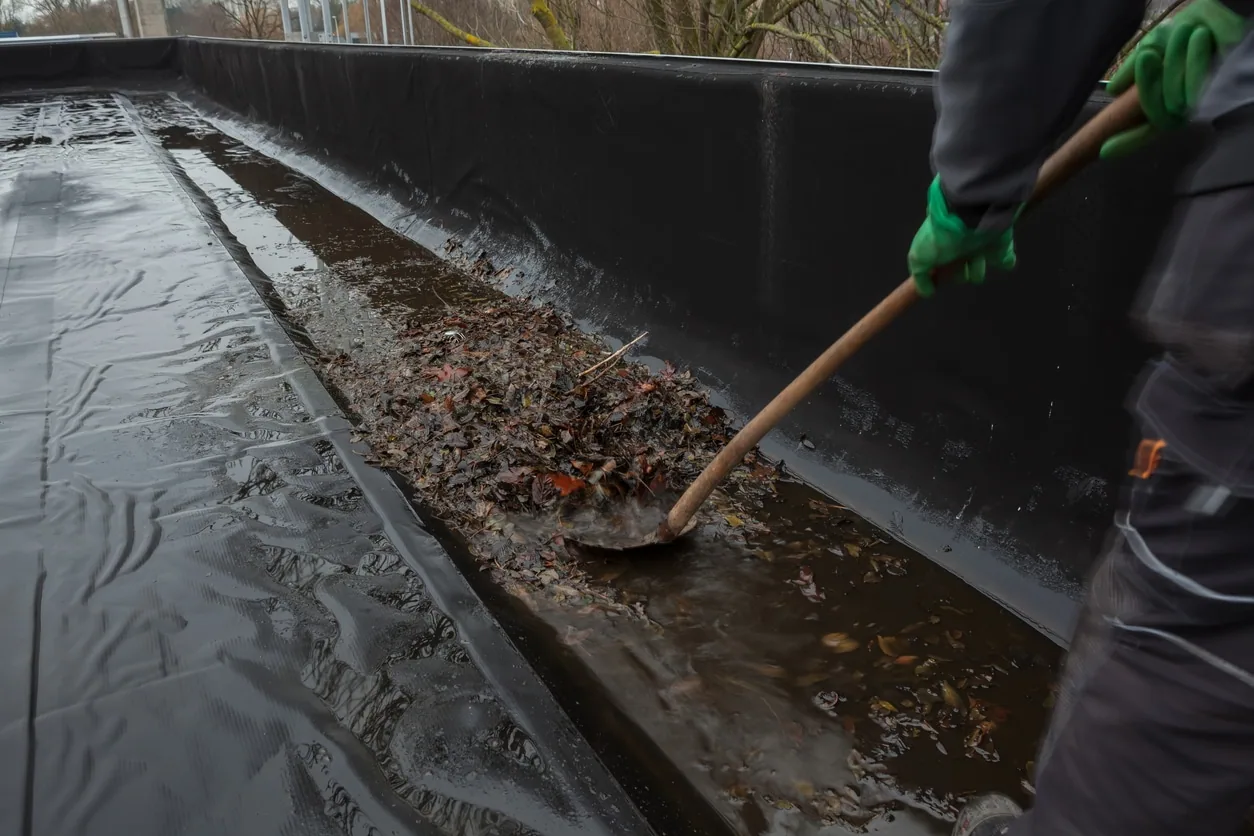
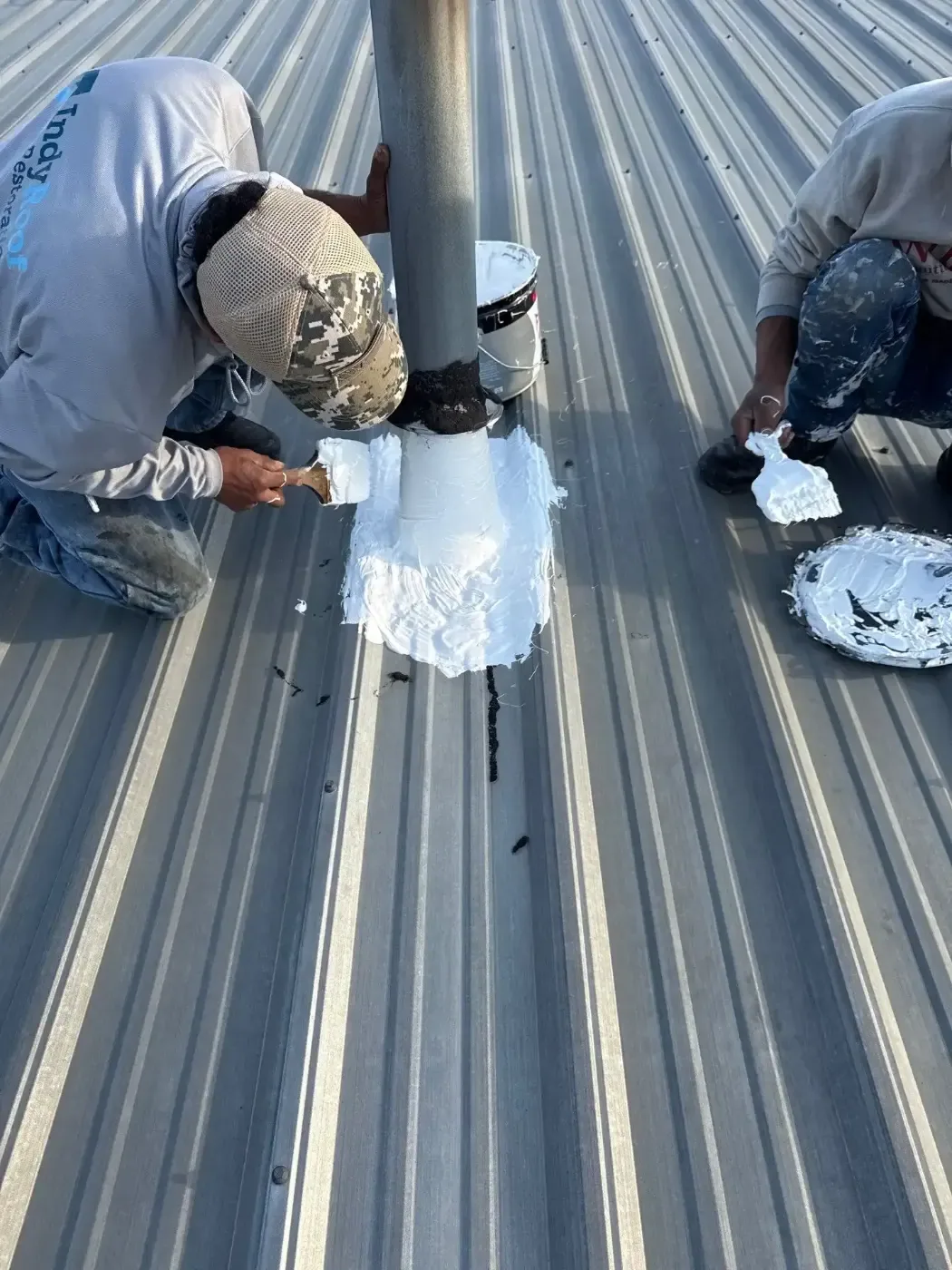
The roof is washed with detergent and low pressure, then left to dry. Splits and blisters are cut and repaired. Seams are reinforced with fabric and mastic. Flashings are rebuilt where they have failed, and penetrations get collars. Primer goes on where the surface calls for it.
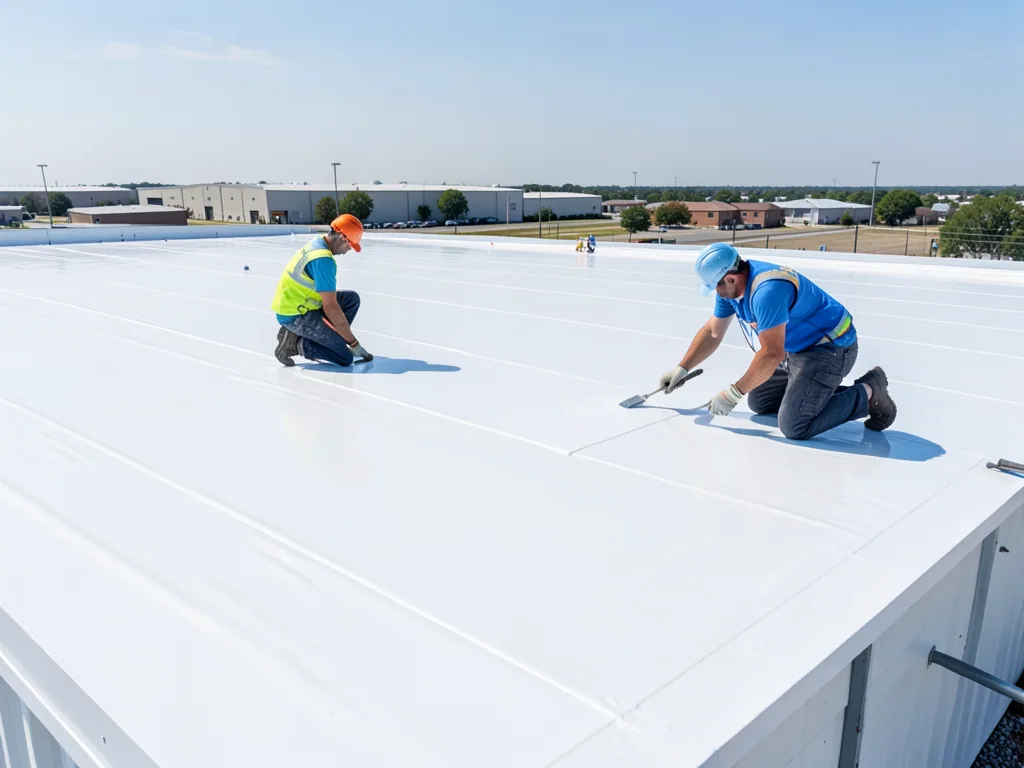
Two coats are usual. We apply each in measured passes and check wet-film thickness as we go, then work out dry thickness from the product's solids. Edges and parapet flashings are coated first and given a second pass to full thickness. Each prepared area is photographed before it is coated. The weather window matters. Summer thundershowers often arrive late in the day, and rain before the film cures can wash it off. We start early, watch the sky and cover fresh coating if a shower is coming.
Drains, ponds and storms
If a roof ponds, we fix the pond first. A cricket behind a curb, tapered insulation at a low spot or a new drain gets the water moving. Where the pond is deep or structural, silicone may be the better coating, or the roof may need more than a coating. Ida's remnants on September 1, 2021 are the reminder: a roof that cannot shed a downpour is the one to check before it is coated. We check the sump of water at each drain, clear the basket and test the flow. A roof drain that works is part of the coating job. Snow near 30 inches a year means the film has to stay elastic through the freeze-thaw swing. Acrylic does that well when it is applied at the right thickness and left to cure.
Heat, white and upkeep
In a city with a strong heat island and July highs near 85 F, a white acrylic surface reflects most of the sun and keeps the top floor cooler, a point tenants notice. Reflectance fades as dirt builds up, so we wash the roof on a schedule and measure it each visit.
Upkeep is simple. Walk the roof twice a year. Look at the edges, the seams and the drains. Patch scuffs with the same acrylic and a scrap of fabric. Recoat when the film gets thin. Because acrylic accepts another coat easily, a recoat is often a cheap way to extend the roof. A roof coating restoration plan puts the recoat date on the calendar. Walk pads along service routes save the film.
Closeout walk
The owner or super walks the finished roof with us, seams and flashings are checked, corners are hosed and the ceilings below get a look. The punch list is cleared before the crew leaves. The file holds the moisture map, adhesion test, photographs, batch numbers, thickness readings and warranty terms. If the roof later goes to TPO or another system, that file shows what is on the old surface. Tenants get a note saying the work is done and who to call. Ask the super to keep the roof hatch locked and the stair clear of tools, and to send us a photograph of any new stain on a top-floor ceiling within the week, because a stain in the first month usually points to a detail we missed and can still fix under the punch list. We come back, open the spot, find the gap and repair it, and the photographs of the repair go into the roof file next to the original prep images. Over a few seasons, that file shows which corners, laps and drains need the most attention, and the owner can budget the upkeep accordingly.
Commercial Roofing Questions
Can acrylic go over a roof that has ponded before?
Only after the ponding is dealt with or proved shallow and brief. Depth and drain time are measured after rain, low spots are corrected with a new drain or tapered insulation, and then the coating goes on. If water still stands for days, silicone or another system is the better match. Send a photo of the pond a day after rain, and we can tell you which side you are on.
How do we know the roof is dry enough to coat?
A moisture scan and a few cores check the insulation, and a surface meter checks the roof on coating day. Wet insulation is removed first. Dew point gets checked too, so morning moisture is not sealed under the film. If the day turns damp, we stop and come back.
Is acrylic a repair or a replacement?
It is a restoration of the surface. It seals small defects and adds a protective layer, but it does not cure wet insulation or fix a failed deck. Those are repaired first. The coating then protects the repaired roof for a defined stretch, and the recoat date goes in the file.
Can we choose a different color?
Acrylic can be tinted, though a darker color reflects less sun. White gives the biggest cut in heat. In a historic district, a roof that can be seen from the street may need review for color. We show samples and reflectance, and the owner decides.