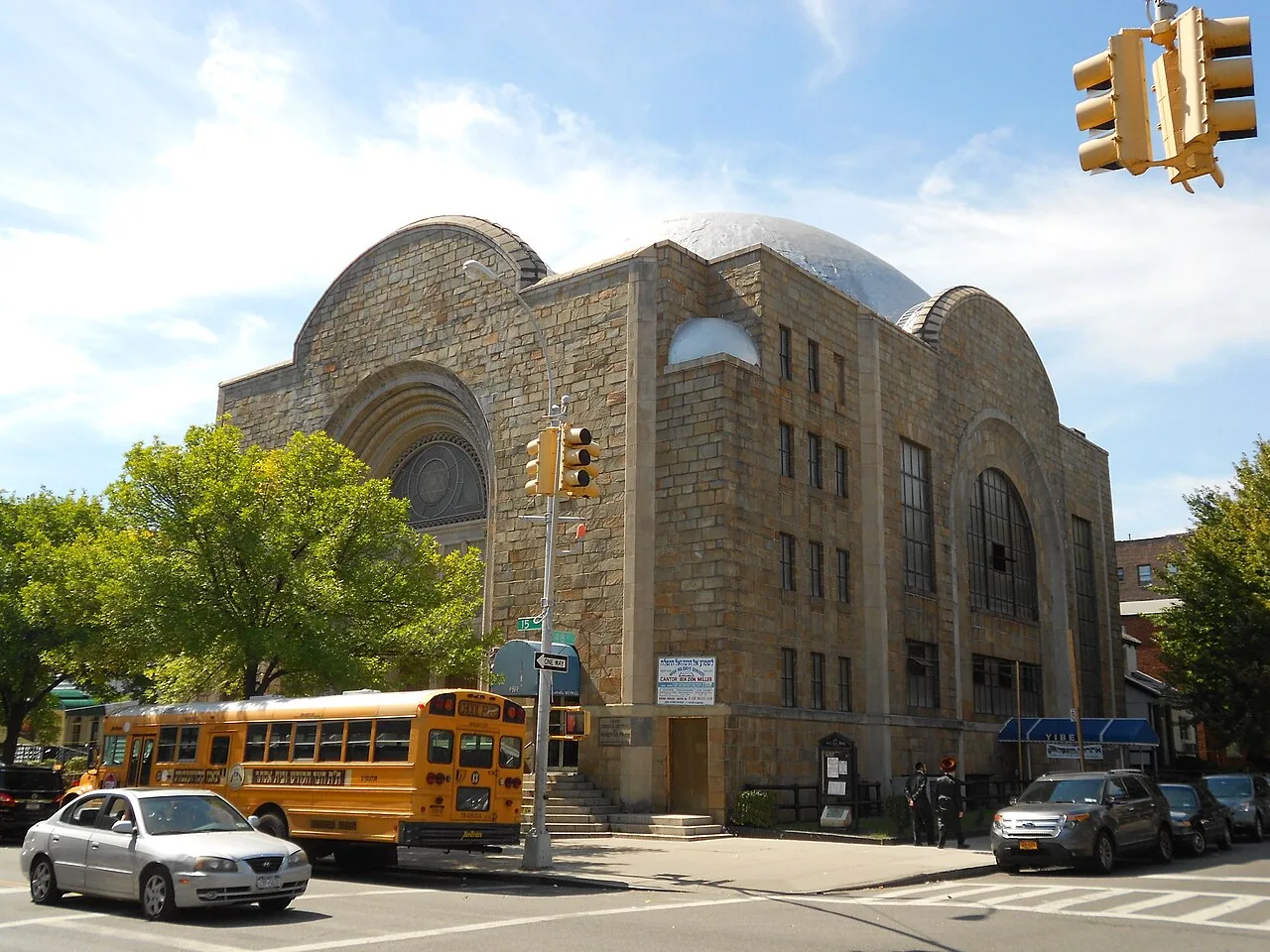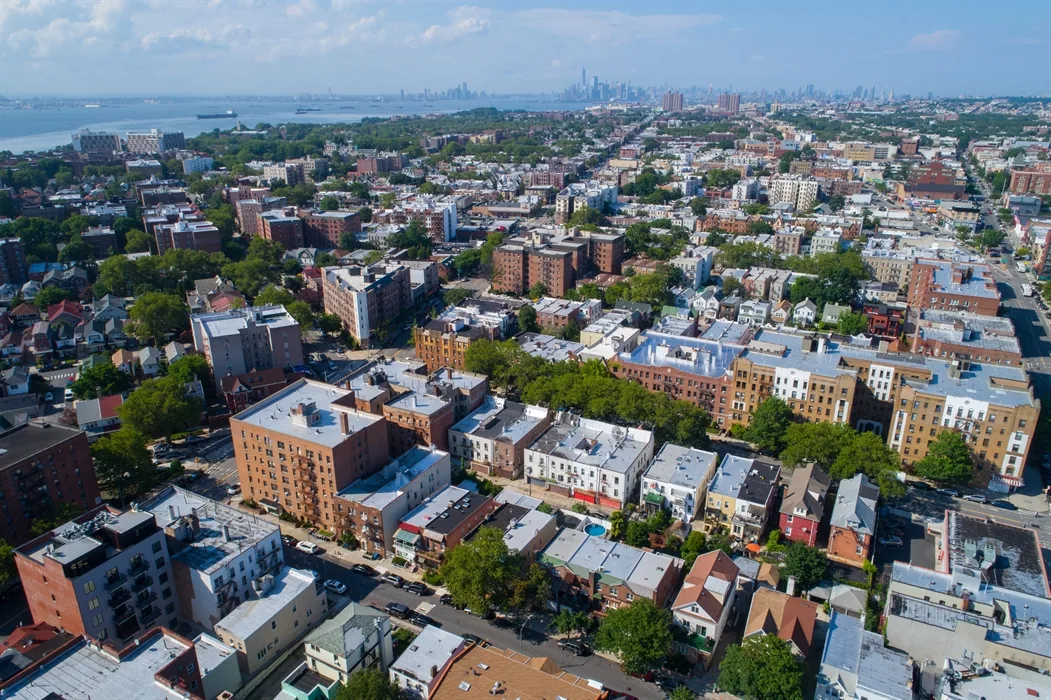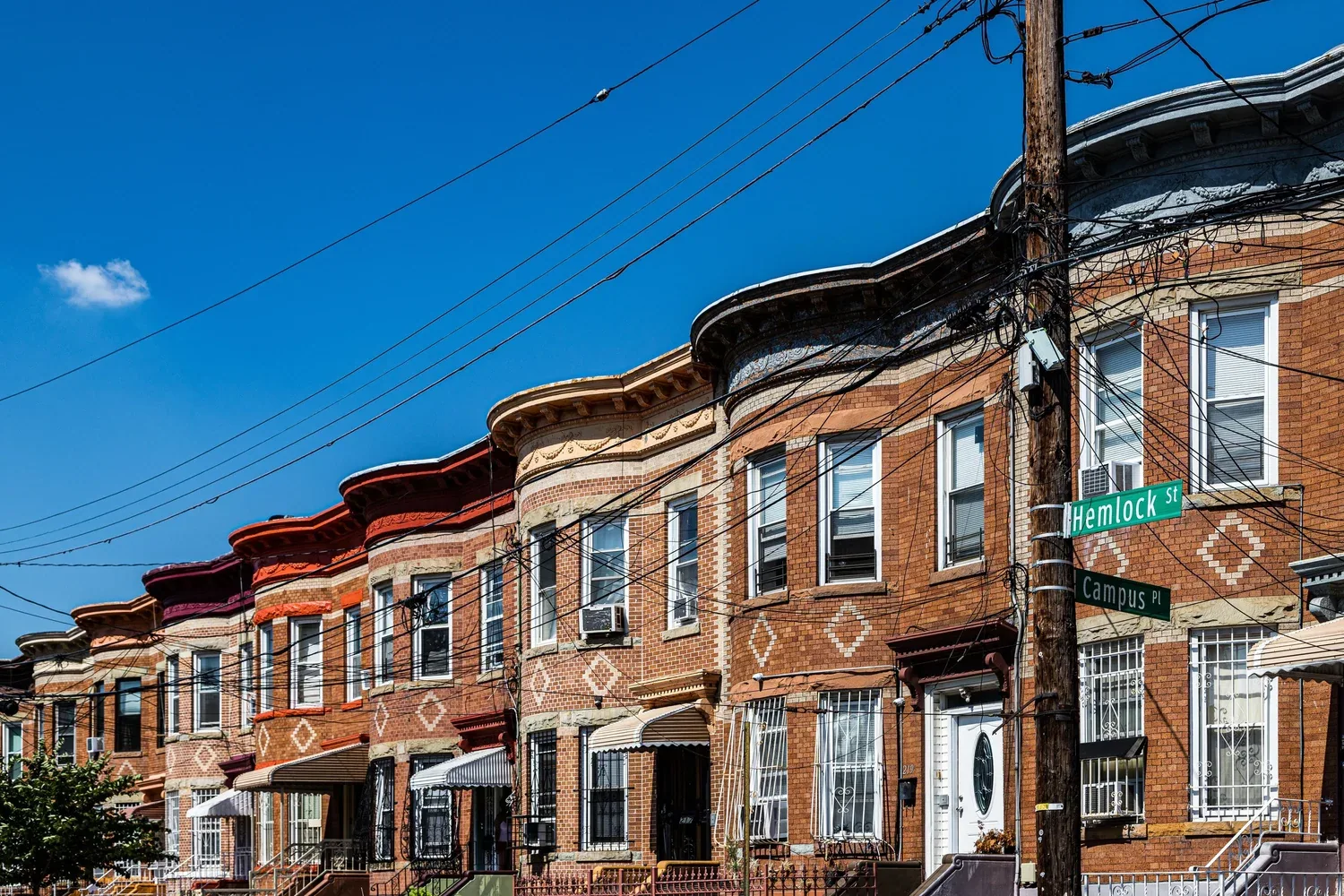
Commercial Roofing in Bensonhurst, Brooklyn, NY
Stand under the raised tracks on 86th Street and look up past the wires at the line of parapets. The street runs under the BMT West End Line, and the buildings on both sides have the same problem in different clothes: a ground-floor shop, apartments above and a flat roof on top that nobody sees until it rains. In Bensonhurst the roofs that matter are the ones over mixed-use blocks, where a failed flashing at the back wall can drip into a stockroom, and an owner who runs the shop below also owns the roof above.
Our walk covers the field, the soft spots and every flashing, with photographs, ahead of any written scope.
Family businesses under flat roofs
86th Street is a major shopping street, and 18th Avenue and Bay Parkway host family-owned businesses. Where a family owns the building and runs the shop on the ground floor, a leak into the stockroom is not abstract. It is lost inventory.
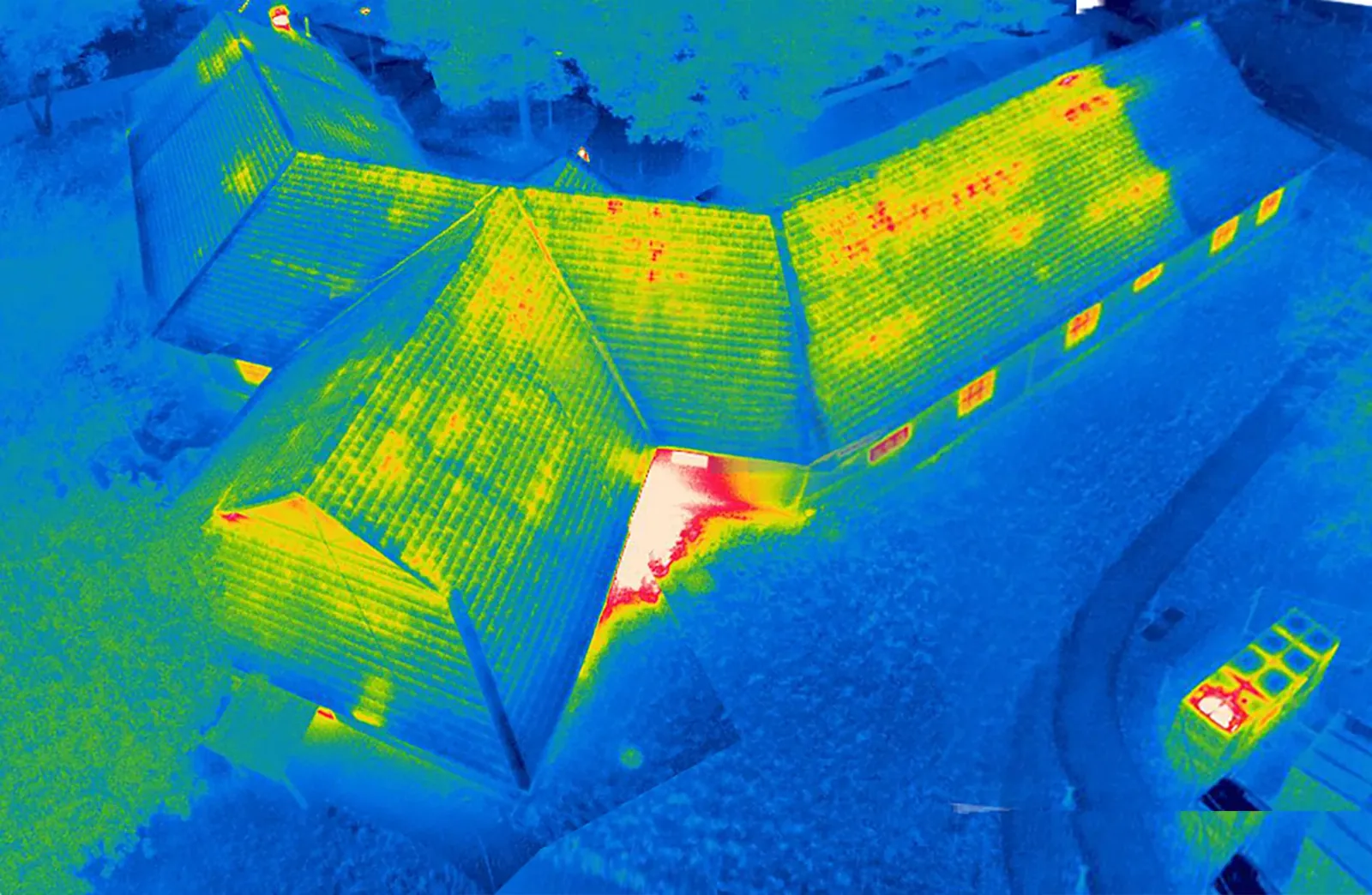
We keep the survey quick and the report plain. A walk, photographs, a moisture scan and a few cores give the owner a rating and a priced list: fix now, fix this year, plan for replacement. Where the problem is one failed flashing, the fix is one flashing. Where the roof has run its course, the report says so and prices a recover and a tear-off next to each other. A mixed-use apartment building is a typical case.
Insurance and lenders read the same file. Dated photographs and a rating record the roof as it stood on survey day, which matters when a claim or a refinancing follows. We keep the record short and in plain words, so an owner can hand it to a lender without translating.
A short report works best for a family owner. It lists what to fix this month, what to fix this year and what to budget for later, each with a photograph and a price range, so the decision does not wait on a long meeting.
Three-story brick apartment buildings
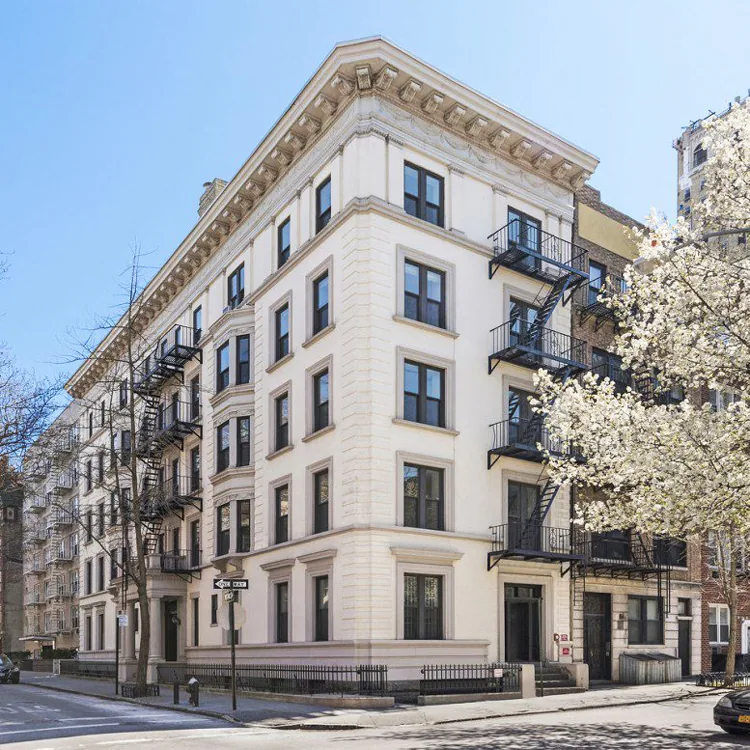
Three-story brick apartment buildings have taken the place of short single-family homes, and 1,200 new housing units were approved between 2002 and 2005. Newer three-story buildings come with their own roof questions. The roof is flat or low-slope, the parapet is short, the drains are few, and there is often a stair bulkhead and a few rooftop vents.
New construction does not mean trouble-free. Early failures tend to be workmanship: an unsealed penetration, a drain set slightly high, a counterflashing that was never lapped. A baseline survey in the first years catches those items while they are cheap to fix. A written rating gives the owner a starting point and a record for any warranty question.
Rooftop equipment on a newer building is usually light: a few vents, a hatch and maybe a condenser. Light does not mean harmless. Each is a curb or a pitch pan with a sealant line, and a sealant line is only as good as its last inspection.
Roofs beside the raised line
The raised BMT West End Line runs over 86th Street, and rooftops beside a rail structure deal with a particular set of conditions. Vibration from a rail structure can work fasteners, sealants and flashing details loose, and street debris can collect at the back of the roof and in the drain baskets.
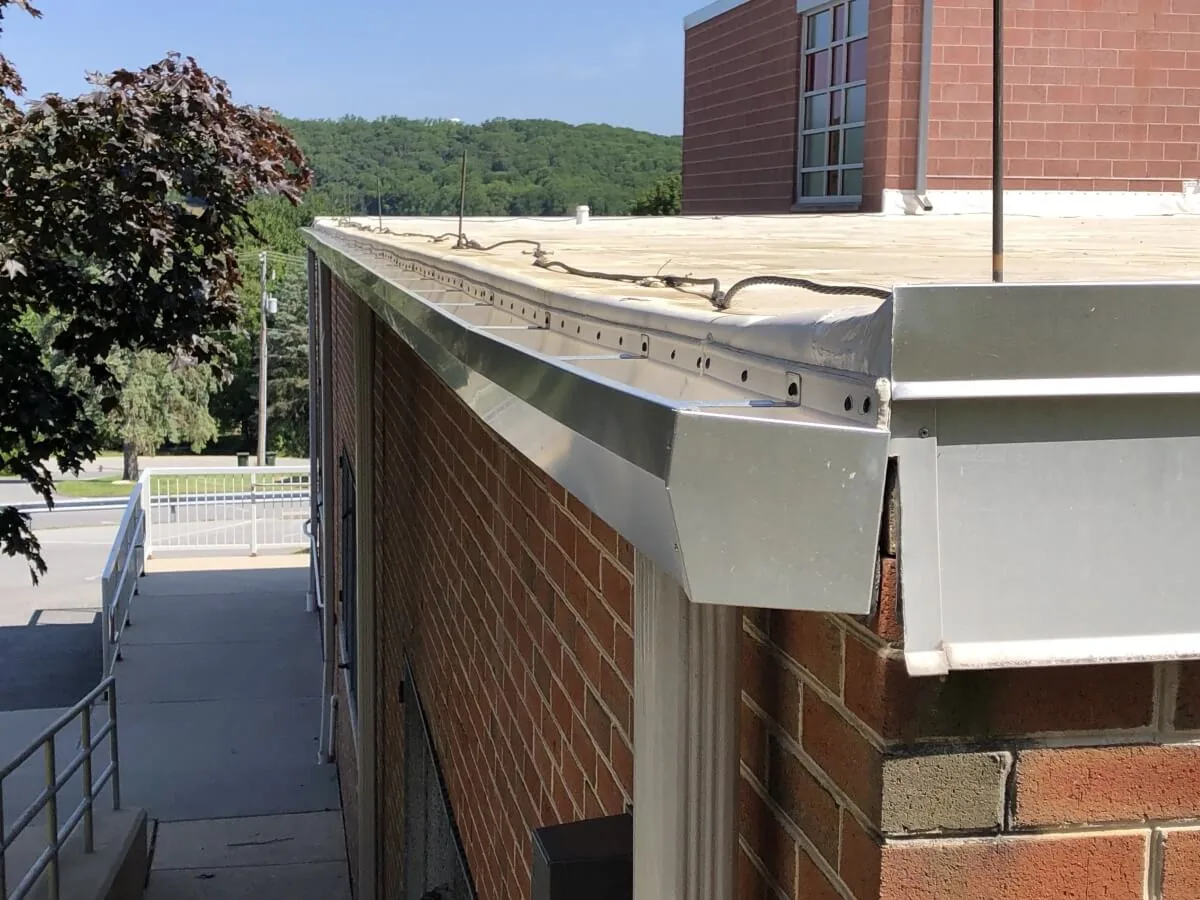
We check fasteners and sealant lines along the street side, clear baskets and look at the parapet for movement. A cracked coping joint feeds water into the wall below, and the wall pushes damage back into the roof edge. Coping and edge metal work starts with the joints along the street wall.
Access is also tighter on a street under a raised line. Staging, hoists and deliveries share the street with trains overhead, and permits take lead time. We plan the delivery window and the hoist position early so the roof crew is not waiting at the curb.
What fails on a flat brick-building roof
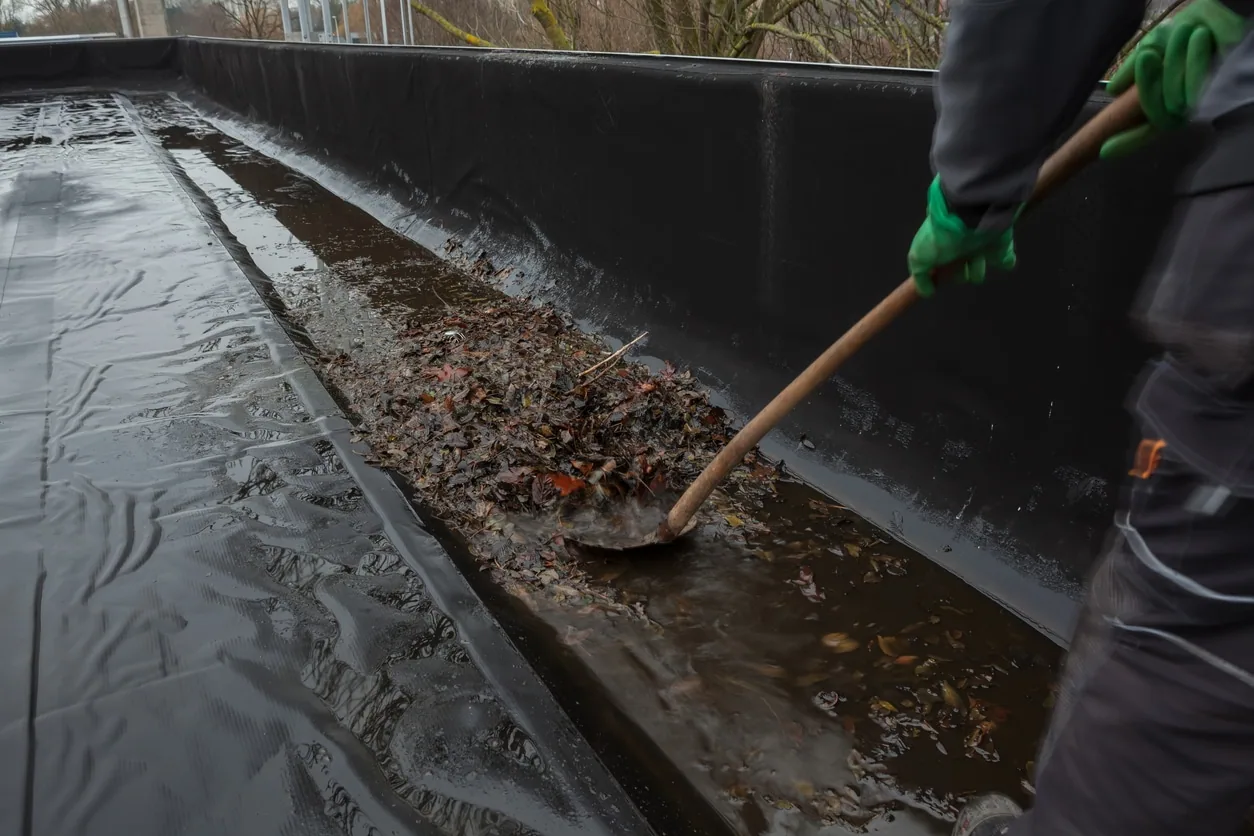
Drains first. Grit packs the basket and water stands at the outlet. Then the parapet flashing, which pulls from the brick on the sunny side. Then the bulkhead door and its threshold, which let water run under the cap. Then the pitch pans around pipes, which crack and drink.
Any of them can show as a top-floor ceiling stain, usually away from the real entry point. The water runs along the deck and falls wherever the insulation is weakest. We trace it with an infrared moisture survey before we cut anything, because a patch at the stain only moves the complaint to the next room.
Signs and awning supports on the street side add penetrations, and a sign frame that leaks may drip for weeks before anyone links it to a stain. Each goes on the roof plan, and any with a failed sealant line gets resealed.
Cloudburst, snow and heat
When Ida's remnants arrived on September 1, 2021, the city issued its first flash flood emergency. In a cloudburst the same drain that handles an ordinary rain chokes, and water stacks up behind the parapet flashing. Winter snow runs near 30 inches in a normal year, with a one-day record of 27.3 inches in January 2016, and July highs near 85 F get help from the heat island. Before each season we clear the baskets, flow-test roof drains and scuppers and confirm the overflow path is open.
Perimeter fastening and coping joints get a close look on every walk.
A hot summer opens seams that a mild one would leave closed, and winter's freeze-thaw finishes the job. We note both on the plan after each season.
The fix in order
Clear drains and mark the soft spots. Scan and core. Sort the roof into repair, recover and replacement. Where insulation is dry a coating or a recover may do, and where it is wet it comes out. Neighboring owners in Borough Park and Bay Ridge deal with the same building type.
Weather sets the calendar. Membranes go down best on dry surfaces in moderate weather, so the calendar carries rain days. The last walk leaves a punch list of sealant touch-ups, a missing cap fastener or an open lap, with dated final photographs for the file.
Commercial Roofing Questions
What should an owner who also runs the shop below expect from a roof job?
Short zones, a dry-in each shift, interior protection above the stockroom and a schedule that avoids your busiest hours. The crew takes its own path to the roof, away from customers.
How do I find which shop or apartment a roof leak belongs to?
The water is traced with moisture mapping and a hose test that works uphill from the low edge, and a numbered plan marks the entry point. The plan names the area below, which helps when two tenants or two owners share a roof.
Do new three-story buildings need a roof survey?
A baseline survey in the first years is worth it. It catches unsealed penetrations, high drains and flashing laps while they are cheap to fix, and it gives the owner a dated record for any warranty question.
Why does a roof beside a raised line need extra checks?
Vibration works fasteners and sealants loose, and debris collects in baskets. We check the street-side edge, the coping joints and the drains more often.
How do I get a walk scheduled?
Two photographs, one of the worst drain and one of the wettest parapet, plus the address area and the roof age, start the process. Scope writing follows the walk.